Gut bacteria affect host physiology, but the underlying mechanisms are not completely understood. We identify a pathway whereby gut microbes convert inorganic nitrate and non-heme iron into mobile bioactive dinitrosyl iron complexes (DNICs) that are distributed systemically and affect host metabolism. Electron paramagnetic resonance detected DNICs in tissues of conventional but not germ-free mice. Mouse and human feces and E. coli generated DNICs from nitrate and iron citrate, whereas a nitrate-reductase-deficient mutant did not. Dietary supplementation with nitrate+iron citrate or synthetic DNICs increased tissue DNIC levels and ameliorated cardiometabolic dysfunction in Western diet-fed mice. Additionally, in HepG2 cells and human hepatocyte spheroids, DNIC reduced fatty acid-induced steatosis. DNIC bioactivity is mediated by the Fe(NO)2 entity, rather than by free nitric oxide (NO), and involves activation of soluble guanylyl cyclase (sGC), inhibition of leucine uptake, and mTORC1 signaling normalization. Modulating DNIC formation by the gut microbiota could be a strategy to support cardiometabolic health.
OBJECTIVES:Idiopathic inflammatory myopathies (IIM) are systemic autoimmune disorders characterized by skeletal muscle weakness and inflammatory cell infiltrates in muscle tissue. Although circulating systemic factors have been implicated in IIM, it is unclear to what extent such factors shape the muscle disease phenotype. Using a model that can isolate the effect of serum from other systemic influences, we aimed to investigate how serum from IIM affects skeletal muscle contractility, mitochondrial function and inflammatory signalling. METHODS:Isolated skeletal muscles (m. flexor digitorum brevis) from C57BL/6JRj mice were exposed for 24 h to sera from patients with IIM (n = 11) or healthy control sera. Muscle force was measured before and after serum exposure to assess weakness. Gene and protein expression was analysed to assess mitochondrial biogenesis and inflammatory cytokines. Mitochondrial respiration was assessed by high-resolution respirometry. Muscle transcriptomics was performed to identify signalling pathways perturbed by the IIM sera. RESULTS:Muscles exposed to sera from patients with IIM displayed significant contractile weakness and impaired mitochondrial respiratory capacity compared to muscles exposed to control sera (complex I; p = 0.0004, complex II; p = 0.0254, maximal electron transport chain activity; p = 0.0012). IIM sera induced upregulation of TNF-α (p = <0.0001) and IL1β (p = 0.0002) in the isolated muscles. Transcriptomics revealed significant enrichment in pathways linked to inflammation, mitochondrial metabolism and cytokine activity. CONCLUSIONS:Serum from patients with IIM induced disease relevant phenotypes like those observed in muscle of patients, including weakness, local cytokine expression and mitochondrial dysfunction. These findings support the relevance of our model in recapitulating key features of IIM and further the mechanistic insights.
BACKGROUND:Inorganic nitrate from dietary sources has raised health concerns due to its possible conversion into carcinogenic N-nitrosamines, leading to strict regulations on nitrate concentrations in food and drinking water. OBJECTIVES:In this study, which was a part of a larger randomized controlled trial, we evaluated urinary excretion of N-nitrosamines in response to daily dietary nitrate intake over a 5-wk period using 2 different forms of nitrate administration. METHODS:A total of 231 participants with mild hypertension were randomly assigned into 3 groups. Group 1 (n = 78) consumed vegetables low in nitrate along with a placebo capsule (300 mg potassium chloride). Group 2 (n = 77) consumed the same low-nitrate vegetables plus a potassium nitrate supplement (300 mg). Group 3 (n = 77) consumed nitrate-rich leafy green vegetables providing 300 mg nitrate daily plus the placebo capsule. Twenty-four-hour urine samples were collected before and after the intervention. Nitrate was measured with high-pressure liquid chromatography and N-nitrosamine concentrations were quantified using ultra high-pressure liquid chromatography-tandem mass spectrometry. A paired t-test was used for statistical analyses. RESULTS:As expected, urinary nitrate increased ∼5- to 6-fold in participants consuming nitrate-rich vegetables or potassium nitrate compared with those consuming potassium chloride. Total urinary excretion of N-nitrosamines was low across all groups under basal conditions (<5 μg/24 h) and did not significantly change after the intervention. A similar lack of change was observed for each of the 7 individual N-nitrosamine species measured. CONCLUSIONS:These findings suggest that a 5-wk dietary intake of nitrate mostly exceeding the current consensus for upper limit of the acceptable daily intake (3.7 mg/kg/d), whether provided as a vegetable source or as a nitrate salt, does not increase urinary excretion of N-nitrosamines. This study was registered at clinicaltrials.gov as NCT02916615.
Heart failure with reduced ejection fraction (HFrEF) is characterized by impaired cardiac contractility. AC01, a small-molecule ghrelin receptor agonist, enhances contractility in cardiomyocytes. This study evaluated the in vivo hemodynamic effects of AC01 in a mouse HFrEF model and in cynomolgus monkeys. In HFrEF mice, intravenous AC01 significantly increased cardiac output, stroke volume, and ejection fraction versus vehicle, without any apparent detriment to diastolic function. Pressure-volume loop analysis demonstrated load-independent inotropic effects. In monkeys, oral AC01 increased cardiac output and stroke volume while reducing heart rate, without lowering central aortic pressure. These effects were sustained over 14 days of oral dosing. Additionally, AC01 improved autonomic balance by increasing parasympathetic and decreasing sympathetic activity. Overall, AC01 produced rapid, consistent, and sustained improvements in systolic function across species, supporting its potential as a novel, load-independent inotropic therapy for heart failure.
Acute kidney injury (AKI) is a common complication with poor clinical outcomes, and patients with high body mass index (BMI) are particularly vulnerable, especially after major surgical procedures, though the underlying mechanisms remain unclear. In this study, we used a Western diet (WD)-induced obesity model to examine how obesity influences Ischemia-reperfusion injury (IRI)-induced AKI and to explore the mechanisms involved. We found that obesity alone did not cause renal damage in healthy mice but markedly worsened kidney injury following IRI. RNA sequencing and bioinformatic analyses identified upregulation of hexokinase-2 as a key mediator of this effect. Notably, pharmacologic inhibition of hexokinase-2 restored metabolic balance in cultured human proximal tubule epithelial cells and alleviated renal injury in obese mice with AKI. Furthermore, clinical data showed that higher BMI and increased hexokinase-2 expression were associated with more severe tubular injury in patients with acute tubular necrosis. These findings demonstrate that obesity aggravates AKI through hexokinase-2-mediated metabolic reprogramming and suggest that targeting hexokinase-2 could be a promising therapeutic strategy for obese individuals at risk of AKI.
Rationale The entero-salivary circulation of inorganic nitrate (NO3-) involves the absorption of dietary nitrate in the gut and active uptake from blood by the salivary glands, leading to a 20-25-fold concentration in saliva. This recycling process is crucial for the nitrate-nitrite-nitric oxide (NO) pathway, which helps maintaining NO signaling in mammals. While the exact uptake mechanisms are unclear, sialin (encoded by the SLC17A5 gene) has been suggested to play a key role. Interestingly, studies from the 1950s indicate that nitrate transport in the salivary glands competes with iodide (I-). This prompted us to explore the role of the sodium/iodide symporter (NIS) in salivary nitrate uptake. Method and Results Our database analysis revealed that the SLC5A5 gene (encoding NIS) and its protein are expressed at higher levels than SLC17A5 in the human salivary gland. Next, we expressed SLC5A5 in Xenopus Laevis oocytes and its functionality using electrophysiology. We could detect ion influx induced by nitrate, indicating nitrate transport. We also observed increased levels of nitrate in SLC5A5-injected oocytes and in human salivary gland cells overexpressing SLC5A5, after incubation with nitrate. Finally, to test the competition between nitrate and iodide in vivo, saliva samples were collected from patients receiving high doses of intravenous iodine (I2) contrast medium, a procedure known to generate considerable levels of circulating I-. We observed a marked decrease in salivary nitrate following the administration of contrast medium, indicating competition for salivary transport. Conclusion Our findings suggest that NIS is mediating salivary gland uptake and concentration of nitrate in saliva.
In humans and other primates, red blood cells (RBCs) constitutively express high levels of liver-type arginase 1 (Arg1), which regulates systemic l-arginine and nitric oxide (NO) bioavailability, particularly under pathological conditions such as sickle cell disease. In contrast, the role of RBC Arg1 in mice in vivo remains poorly defined. Here, we investigated the contribution of RBC Arg1 to systemic l-arginine metabolism, NO bioavailability, and cardioprotection following acute myocardial infarction in vivo. Comparative analyses of human blood fractions revealed that arginase activity in RBCs is comparable to that in white blood cells and is predominantly localized to the RBC membrane. In contrast, arginase activity in mouse RBC membranes was 13,500-fold lower as compared to human RBC membranes as measured by 13C-l-ornithine formation. To assess the in vivo relevance of RBC Arg1, we generated RBC-specific Arg1 knockout (KO) mice using the Cre/loxP technology. RBC Arg1 KO mice exhibited normal erythropoiesis and hematologic parameters. Moreover, systemic l-arginine and l-citrulline levels were preserved, while l-ornithine levels were lower in plasma of RBC Arg1 KO mice as compared to wildtype controls; whereas circulating NO metabolites, systemic hemodynamics, cardiac function, and infarct size post-acute myocardial infarction were preserved. These findings demonstrate that, unlike in humans, in mice RBC Arg1 plays a negligible role in regulating systemic l-arginine homeostasis and cardioprotection, underscoring critical interspecies differences and the need for human studies to evaluate the pathophysiological relevance of RBC arginase.
AIMS:Impaired cardiac function, reduced nitric oxide (NO) bioavailability, and inflammation are key contributors to the pathogenesis and progression of heart failure with reduced ejection fraction (HFrEF). This study aimed to investigate whether dietary inorganic nitrate supplementation can attenuate cardiac dysfunction and adverse remodeling in HFrEF by enhancing NO signaling. METHODS:Two mouse models of HFrEF, induced by myocardial infarction (MI) or transverse aortic constriction (TAC), were treated with dietary nitrate or a control diet for 4-6 weeks, initiating the treatment on day 3 after myocardial injury. Echocardiography and pressure volume (PV) loop analysis were employed to assess cardiac function and hemodynamics. Histology staining was performed to assess the degree of cardiac fibrosis. Myograph experiments were conducted to assess aortic vasorelaxation. Biomarkers related to hypertrophy, fibrosis, and inflammation were analyzed in cardiac tissues through Q-PCR analysis and immunofluorescence staining. RESULTS:In HFrEF mice, long-term inorganic nitrate treatment increased systolic and diastolic function, enhanced vascular relaxation, and reduced both replacement and reactive fibrosis. In the nitrate group, cardiac gene expression showed downregulation of hypertrophy-, fibrosis-, and inflammation-related markers, alongside upregulation of anti-inflammatory markers associated with M1-to-M2 macrophage polarization. Immunofluorescence confirmed reduced fibrosis and increased anti-inflammatory protein biomarkers associated with increased serum nitrate and cardiac cGMP levels. CONCLUSIONS:Early initiation of dietary nitrate supplementation after myocardial injury enhances cardiac and vascular function, reduces fibrosis and inflammation, and holds promise as a cardioprotective strategy to reduce the progression of HFrEF through NO-signaling.
The Nitric Oxide Society and its journal, Nitric Oxide: Biology and Chemistry, are renewing their partnership to reconnect with their founding mission—supporting a dynamic, global redox community. Established together in 1996, the Society and Journal now return to a shared path, aligning efforts to empower young scientists, promote rigorous publishing, and foster open, international collaboration. As nitric oxide and related species move to the forefront of biomedical research and personalized medicine, this relaunch is less a restart than a return to form—focused, inclusive, and forward-looking.
Background: Acute kidney injury (AKI), often experienced at the intensive care units, is associated with high morbidity/mortality where ischemia-reperfusion injury is a main causative factor. Succinate accumulation during ischemia contributes to the excessive generation of reactive oxygen species at reperfusion. Inhibition of succinate dehydrogenase has been associated with protective outcome in cardiac ischemia-reperfusion after 24h, but the effects on kidney and mitochondrial functions are less well studied. Aim: To investigate the therapeutic potential of succinate dehydrogenase inhibition, by using dimethyl malonate (DMM), on kidney and mitochondria functions in a mouse model of AKI. Methods: Male C57BL/6J mice were pre-treated with DMM or placebo, i.p. 30min prior to bilateral renal ischemia (20min). After 3-days of reperfusion, glomerular filtration rate (GFR) was calculated from plasma clearance of FITC-inulin. Kidney mitochondria was isolated and mass specific and intrinsic mitochondrial function were evaluated by high resolution respirometry. Kidney sections were stained (i.e., hematoxylin-eosin and TUNEL) and analyzed for histopathological evaluation of injuries and apotosis, respectively. NADPH oxidase activity in kidney and human proximal tubular cell-line (HK2) were measured luminometrically. Results: DMM treatment improved GFR (p < 0.05) and reduced levels of blood urea nitrogen (p < 0.01) compared to untreated animals, which was associated with lower degree of ischemia-reperfusion-induced tubular injuries (P < 0.001) and apoptosis (P < 0.01). These therapeutic renal effects were linked with improved mitochondrial function, both mass-specific and intrinsic. Finally, DMM treatment prevented ischemia-reperfusion-induced NADPH oxidase activity in the kidney (p < 0.001), which was showed also in HK2 cells exposed to hypoxia and reoxygenation (P < 0.01). Conclusion: Inhibition of succinate dehydrogenase with DMM, in conjunction with the ischemia-reperfusion phase, significantly improved both renal and mitochondrial functions. These findings may have clinical implications for future therapeutic strategies to prevent development of AKI and associated adverse complications, especially in high risk hospitalized patients.
Background and PurposeMicroRNA (miR)-210 function in endothelial cells and its role in diabetes-associated endothelial dysfunction are not fully understood. We aimed to characterize the miR-210 function in endothelial cells and study its therapeutic potential in diabetes.Experimental ApproachTwo different diabetic mouse models (db/db and Western diet-induced), miR-210 knockout and transgenic mice, isolated vessels and human endothelial cells were used.Key ResultsmiR-210 levels were lower in aortas isolated from db/db than in control mice. Endothelium-dependent relaxation (EDR) was impaired in aortas from miR-210 knockout mice, and this was restored by inhibiting miR-210 downstream protein tyrosine phosphatase 1B (PTP1B), mitochondrial glycerol-3-phosphate dehydrogenase 2 (GPD2), and mitochondrial oxidative stress. Inhibition of these pathways also improved EDR in both diabetic mouse models. High glucose reduced miR-210 levels in endothelial cells and impaired EDR in mouse aortas, effects that were reversed by overexpressing miR-210. However, plasma miR-210 levels were not affected in individuals with type 2 diabetes (T2D) following improved glycaemic status. Of note, genetic overexpression using miR-210 transgenic mice and pharmacological overexpression using miR-210 mimic in vivo ameliorated endothelial dysfunction in both diabetic mouse models by decreasing PTP1B, GPD2 and oxidative stress. Genetic overexpression of miR-210 altered the aortic transcriptome, decreasing genes in pathways involved in oxidative stress. miR-210 mimic restored decreased nitric oxide production by high glucose in endothelial cells.Conclusion and ImplicationsThis study unravels the mechanisms by which down-regulated miR-210 by high glucose induces endothelial dysfunction in T2D and demonstrates that miR-210 serves as a novel therapeutic target. image
Nitric oxide (NO) from endothelial NO synthase importantly contributes to vascular homeostasis. Reduced NO production or increased scavenging during disease conditions with oxidative stress contribute to endothelial dysfunction and NO deficiency. In addition to the classical enzymatic NO synthases (NOS) system, NO can also be generated via the nitrate-nitrite-NO pathway. Dietary and pharmacological approaches aimed at increasing NO bioactivity, especially in the cardiovascular system, have been the focus of much research since the discovery of this small gaseous signaling molecule. Despite wide appreciation of the biological role of NOS/NO signaling, questions still remain about the chemical nature of NOS-derived bioactivity. Recent studies show that NO-like bioactivity can be efficiently transduced by mobile NO-ferroheme species, which can transfer between proteins, partition into a hydrophobic phase, and directly activate the soluble guanylyl cyclase-cGMP-protein kinase G pathway without intermediacy of free NO. Moreover, interaction between red blood cells and the endothelium in the regulation of vascular NO homeostasis have gained much attention, especially in conditions with cardiometabolic disease. In this review we discuss both classical and nonclassical pathways for NO generation in the cardiovascular system and how these can be modulated for therapeutic purposes. SIGNIFICANCE STATEMENT After four decades of intensive research, questions persist about the transduction and control of nitric oxide (NO) synthase bioactivity. Here we discuss NO signaling in cardiovascular health and disease, highlighting new findings, such as the important role of red blood cells in cardiovascular NO homeostasis. Nonclassical signaling modes, like the nitrate-nitrite-NO pathway, and therapeutic opportunities related to the NO system are discussed. Existing and potential pharmacological treatments/strategies, as well as dietary components influencing NO generation and signaling are covered.
Despite widespread recognition of nitric oxide (NO) synthase (NOS) signaling's biological significance, uncertainties persist regarding the chemical nature of NOS-derived bioactivity. Our research reveals that NO-like bioactivity can efficiently be conveyed by mobile NO-ferroheme species, capable of transferring between proteins, partitioning into a hydrophobic phase, and directly activating the sGC– cGMP–PKG pathway without necessitating free NO intermediacy. These NO-ferroheme species, with or without a protein carrier, effectively relax isolated blood vessels and induce hypotension in rodents, particularly potentiated after NOS activity blockade. Notably, NO-ferroheme-induced relaxations remain unaffected by NO scavengers and blood components, suggesting physiological relevance. Thus, NO-ferroheme emerges as a pivotal signaling entity in vascular physiology.
The microbiota represents a crucial area of research in maintaining human health due to its potential for uncovering novel biomarkers, therapies, and molecular mechanisms relevant to population identification and experimental model characterization. Among these microorganisms, Enterococcus faecalis, a Gram-positive bacterium found in the gastrointestinal tract of humans and animals, holds particular significance. Strains of this bacterial species have sparked considerable debate in the literature due to their dual nature; they can either be utilized as probiotics in the food industry or demonstrate resistance to antibiotics, potentially leading to severe illness, disability, and death. Given the diverse characteristics of Enterococcus faecalis strains, this review aims to provide a comprehensive understanding of their impact on various systems within the host, including the immunological, cardiovascular, metabolic, and nervous systems. Furthermore, we summarize the bacterium-host interaction characteristics and molecular effects to highlight their targets, features, and overall impact on microbial communities and host health.
Abstract Background and Aims Cardiovascular complications are major threats in advanced renal failure and metabolic dysfunction with several unmet medical needs. This study aimed to investigate the therapeutic effects of a special food additive (FLEXOVITAL) in a newly developed mouse model of reno-cardio-metabolic disease, induced by moderate renal failure in combination with a special Western diet. Method Male C57BL/6J mice (4 weeks old, n = 18) were subject to unilateral nephrectomy (UNX), fed a Western diet rich in fat carbohydrates and salt (WD), and were followed for 12 weeks compared with SHAM-operated mice on standard chow (n = 19). One group of UNX+WD mice (n = 8) was fed a food additive (FLEXOVITAL; FLX) containing extracts of Rhodiola rosea, beetroot, and the amino acids arginine and citrulline. Body weight (BW), blood pressure (tail-cuff), endothelial-dependent vasorelaxation (myograph), glucose metabolism (IPGTT), body fat and lean mass composition (DEXA), adipocyte area, renal function (Glomerular Filtration Rate (GFR) by plasma clearance of FITC-inulin), and mitochondrial function (Oroboros, High-resolution respirometry) were measured together with biochemical analysis of heart injury (Troponin-I), inflammation (IL6) and histological analyses of the kidney and heart. Results BW gain was seen in the UNX+WD and SHAM group, and was 25% less in the FLX group (p < 0.05). The fat/lean-mass ratio increased by 17% (p < 0.01) and the adipocyte area by 31% (p < 0.001) in the UNX+WD group but was virtually normalized in the FLX group (p < 0.01). Fasting and non-fasting glucose levels became elevated in the UNX+WD group and were reduced in the FLX group (p < 0.05). Impaired glucose clearance in the UNX+WD group, was partially prevented by FLX. BP significantly increased in the UNX+WD group (MAP = 78 → 90 mmHg, p < 0.001), and was largely prevented by FLX (MAP = 82 mmHg, p < 0.01). Endothelial function was significantly impaired in the UNX+WD group (p < 0.01) and partially preserved in the FLX group (p < 0.05). GFR was reduced by almost 60% in the UNX+WD group but improved with a 75% protective effect in the FLX group (p < 0.05). Significant glomerular injuries with mesangial proliferation were observed in the UNX+WD group (p < 0.001) but were less pronounced in the FLX group (p < 0.01). Tubular injury score (1-10) increased from 1 in SHAM to 6.5 in the UNX+WD group and was partly protected (4.5) in the FLX group (p < 0.05). Troponin-I levels were 15 pg/ml in the SHAM group, markedly increased in the UNX+WD group (p < 0.001), whereas completely reversed in the FLX group (p < 0.01). No significant histological cardiac injuries or deviations could be demonstrated. Inflammatory activity (IL6) increased by 88% in the UNX+WD there was a trend of reduction in mice with FLX. Mitochondrial oxygen efficiency (P/O ratio) was improved in the kidneys of the FLX group compared to the UNX+WD group (p < 0.05). Conclusion In the present multiorgan disease model, significant renal, cardiovascular, and metabolic dysfunction/injuries emerge in mice with a moderate reduction of renal function when fed a Western diet rich in fat, carbohydrates, and salt. Protective effects were noted by dietary FLX treatment in most functional assessments made in the model. This indicates FLX is a potential new treatment in patients with reno-cardio-metabolic disease. The next phase involves confirming these findings in the clinical setting.
Background/Objectives: The prevalence of cardiovascular-kidney-metabolic (CKM) syndrome is increasing rapidly, and cardiovascular complications pose significant risks in individuals with kidney disease and metabolic dysfunction. Understanding the mechanisms of CKM disorders is crucial, as is the discovery of novel preventive treatments. This study aimed to examine the therapeutic effects of a specially formulated nitric oxide-enhancing food additive in a mouse model of CKM syndrome induced by unilateral nephrectomy (UNX) in combination with chronic Western diet (WD) feeding. Methods: C57BL/6J mice underwent UNX and were fed a WD high in salt, sugar, and fat for 12 weeks, compared to sham-operated mice on standard chow. One group of UNX+WD mice received Flexovital (FLX), a food additive containing extracts of Rhodiola rosea and beetroot, and the amino acids L-arginine and L-citrulline. CKM parameters were assessed both in vivo and ex vivo alongside histological and biochemical analyses. Results: The UNX+WD mice showed an increase in body fat mass, the fat/lean mass ratio, and adipocyte area, of which most were significantly reduced by FLX. Elevated fasting glucose levels were also reduced by FLX, which tended towards improving glucose clearance. Elevated arterial blood pressure and endothelial dysfunction in UNX+WD mice were significantly reduced by FLX. FLX improved GFR and reduced glomerular and tubular injuries in UNX+WD mice. Additionally, FLX increased the P/O ratios of oxidative phosphorylation in the isolated renal mitochondria of UNX+WD mice. Conclusions: In this model of CKM syndrome, FLX effectively prevented the onset and progression of CKM dysfunctions induced by UNX+WD, as well as the associated organ injuries. These promising results highlight the need for validation in upcoming human trials.
 Jon Lundberg合作论文数Department of Physiology and Pharmacology, Karolinska Institutet77
 Eddie Weitzberg合作论文数Department of Physiology and Pharmacology, Karolinska Institutet69
 AEG Persson合作论文数60Zhengbing Zhuge合作论文数28
 Maria Peleli合作论文数Department of Physiology and Pharmacology, Karolinska Institutet22
 Andreas Patzak合作论文数18
 Tomas Schiffer合作论文数17Daniel C. Andersson合作论文数College of Physicians and Surgeons, Columbia University16
 Marcelo Montenegro合作论文数IMECC, Universidade Estadual de Campinas16
 Michael Hezel合作论文数Karolinska Institutet15
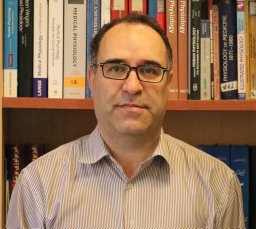 Asghar Ghasemi合作论文数Research Institute for Endocrine Sciences, Shahid Beheshti University of Medical Sciences15
 Ting Yang合作论文数Department of Anesthesia and Intensive Care, Beijing University the First Hospital15
 Valdir Braga合作论文数14
 Anders Erik Gösta Persson合作论文数Department of Medical Cell Biology, Uppsala University14
 Sarah McCann Haworth合作论文数13Zollbrecht Christa合作论文数13En Yin Lai合作论文数13
 Lucas Rannier Ribeiro Antonino Carvalho合作论文数11
 Rafael T Krmar合作论文数11
 Bertil Fredholm合作论文数Department of Physiology and Pharmacology, Karolinska Institutet11Boye L. Jensen合作论文数11Johan Sallstrom合作论文数10
 Drielle D. Guimaraes合作论文数10
 Craig Wheelock合作论文数Institute of Environmental Medicine, Karolinska Institutet;Gunma University10
 Antonio Checa合作论文数Department of Medical Biochemistry and Biophysics, Karolinska Institutet9Larsson Erik合作论文数9
 Parvin Mirmiran合作论文数Research Institute for Endocrine Sciences, Shahid Beheshti University of Medical Sciences9Zahra Bahadoran合作论文数Research Institute for Endocrine Sciences, Shahid Beheshti University of Medical Sciences9Brown Russell D合作论文数8
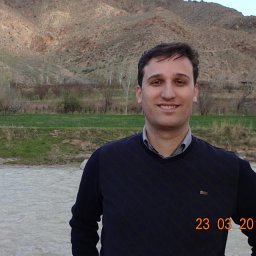 Jeddi Sajad合作论文数Research Institute for Endocrine Sciences, Shahid Beheshti University of Medical Sciences8
 Christopher R Wilcox合作论文数Faculty of Medicine, University of Southampton8
 John Pernow合作论文数Department of Medicine, Solna, Karolinska Institutet;Karolinska University Hospital8
 Chiara Moretti合作论文数7
 Gianluigi Pironti合作论文数7
 Ming Liu合作论文数7
 Petronio Athayde Filho合作论文数Universidade Federal da Paraíba7
 Andrei L Kleschyov合作论文数Abteilung für Kardiologie, Universitätskrankenhaus Eppendorf7
 Nils Wahlin合作论文数Umeå School of Business and Economics, Umeå University7
 Filip Larsen合作论文数Karolinska Institutet7J Sällström合作论文数6Carina Nihlen合作论文数6Ole Skøtt合作论文数Department of Cardiovascular and Renal Research Institute of Molecular Medicine, University of Southern Denmark6
 Niccolò Terrando合作论文数Department of Anesthesiology, Duke University School of Medicine6Huirong Han (韩慧蓉)合作论文数潍坊医学院6
 Ulf Eriksson合作论文数Department of Medical Biochemistry and Biophysics, Karolinska Institutet6
 Ammar Al-Mashhadi合作论文数6
 Josiane Cruz合作论文数Biotechnology Center, Federal University of Paraíba6
 Gheibi Sevda合作论文数School of Medicine, Shahid Beheshti University of Medical Sciences6
 Fereidoun Azizi合作论文数Research Institute for Endocrine Sciences, Shahid Beheshti University of Medical Sciences;Endocrine Research Center, SBUMS6




