Objectives To evaluate the feasibility and preliminary efficacy of a clinical program designed to teach informal caregivers of older Veterans with pain and mild-to-moderate dementia or mild cognitive impairment (MCI), pain management, pain coping and pain communication skills.Methods Twenty caregivers of older Veterans with pain and dementia or MCI and the Veterans themselves participated in a 5-session program taught by trained Veterans Affairs (VA) clinicians. All sessions were conducted remotely using video-technology, with caregivers and Veterans. Two sessions were conducted with individual Veteran-caregiver dyads, and three sessions were conducted with caregiver groups. Caregivers and Veterans completed baseline and post-intervention measures. Qualitative interviews of 10 caregivers who completed the program were also conducted and focused on identifying themes related to caregiving for their loved ones with pain and dementia and related to participating in the program.Results The program was well received and almost all caregivers identified videoconferencing as the preferred venue for participating in such a program. They most valued learning about dementia and participating with other caregivers. Pre-post analyses revealed significant improvements in perceived caregiving competence and self-efficacy for managing pain. Challenges encountered included scheduling related to caregivers' multiple competing responsibilities and lack of familiarity with tele-conferencing technology.Significance of results Patients with pain and mild to moderate dementia or MCI have been relatively ignored in current literature. Our preliminary findings suggest that a program delivered by trained healthcare professionals to caregivers and Veterans using tele-conferencing could benefit caregivers.
e24070 Background: Symptom burdens related to advanced cancer remain high. The Remote Emotional Support and Symptom Self-Management Intervention (REMI) incorporates palliative care and Acceptance and Commitment Therapy principles to encourage patients living with metastatic disease to engage in symptom self-management activities. REMI is an AI-driven, supportive care program that presents empathic messaging, utilizes the conversational aspects of Amazon ALEXA, and offers symptom management recommendations. The purpose of this study is to assess the acceptability of generated messages that would be part of the REMI device through participant evaluation. Methods: Patients with metastatic solid tumors (n = 20 participants) were recruited from the UPMC Hillman Cancer Center network, having at least 20% of the patient sample categorized as rural. Empathic messages generated by the ChatGPT-4o model were evaluated by participants through both quantitative evaluation packet surveys and semi-structured interviews. Evaluation questions were created by our expert team, pulling from multiple validated surveys exploring symptom management and technology acceptance. Each quantitative question was scored on a 1-10 scale with higher scores translating to higher acceptability. Results: There was overall acceptability of these messages, as participants reported high average scores for all quantitative evaluation questions. Table 1 describes the summary statistics for the quantitative portion of this study. There were varying responses regarding language use; some participants enjoyed personable language while others found it condescending. The majority of participants (n = 16, 80%) expressed interest in using a conversational device based on the information given during this pilot. Conclusions: This pilot project demonstrates early acceptability of the use of AI-generated messages as a part of the REMI program. Future work will focus on usability testing of the REMI device with these patient-informed, empathic messages to help create an effective symptom management program for those living with metastatic disease. Summary statistics for quantitative questions. Average (sd) Message clarity 8.65 (1.79) Tone of message 8.41 (1.88) Message relatability 7.45 (2.50) Message believability 7.82 (2.23) To what extent do you feel this message can help patients living with cancer manage their symptoms? 7.72 (2.36) How likely would you be to change your behavior based on this message? 6.72 (2.88)
Well-intentioned policies to reduce opioid prescribing can conflict with efforts to manage advanced cancer pain, resulting in structural barriers to opioid pain management that complicate the delivery of guideline-concordant care. This study examined how patients with advanced cancer and their support people perceive barriers to opioid access, how those barriers affect their cancer pain management, and the extent to which they recognize and attribute them to policy guidance. Results from an analysis of in-depth qualitative interviews with 20 patients with advanced cancer and 11 support people, applying a rigorous inductive, qualitative approach to characterize findings, are presented. Patients and their support people reported barriers in multiple phases of opioid access for pain management, including 1) obtaining opioid prescriptions, 2) obtaining insurance authorization, and 3) obtaining the prescription at a pharmacy. These barriers were perceived as contributors to increased, avoidable hardships in pain management. Participants also expressed concerns about the negative impact of opioid prescribing policies on effective cancer pain management, highlighting the perception that patients had few avenues to influence legislation they may view as arbitrary or unfeeling. The complexity of cancer pain management necessitates that policymakers ensure that prescribing guidelines are clear and implemented as intended, while also inviting patients with advanced cancer and their support people into the policymaking process. Future research with more diverse samples can expand on these findings to explore how to best structure state-level opioid policies to ensure safe and equitable opioid access for patients with advanced cancer. Perspective Using qualitative interviews with patients with advanced cancer and their support people, this study shows how opioid policies create and exacerbate multistage barriers to opioid access for pain management. These structural barriers undermine guideline-concordant pain care, emphasizing the need for clearer policy implementation and patient inclusion in opioid policymaking.
Background: Evaluating the impact of patient narratives is essential because engagement can influence how effectively these stories achieve their intended outcomes, such as fostering empathy or identifying research priorities. Currently, a standardized method to assess engagement with unstructured patient audio narratives is lacking. We aimed to validate an adapted narrative engagement scale and examine potential differences in engagement based on storyteller demographics and health topics. Methods: We analyzed audio narratives from patients and caregivers collected by [Platform Name Blinded for Review]. Participants (n=646) shared unstructured health-related stories. We adapted the Busselle and Bilandzic narrative engagement scale, originally designed for visual media, to assess three dimensions: narrative understanding, attentional focus, and emotional engagement. Confirmatory factor analysis (CFA) was conducted on a subset of narratives (n=174) to verify the factor structure. For the remaining narratives (n=472), we calculated factor scores and performed Mann-Whitney U tests to compare engagement across demographic groups and health topics. Results: Most participants were female, White, and college-educated. The adapted scale demonstrated good psychometric properties. Overall, stories successfully maintained listener focus and were easy to understand. Demographic factors were not significantly associated with engagement scores. Notably, Narratives of COVID-19 were significantly (P<.05) easier to understand and pay attention to, but less emotionally engaging than non-COVID-19 stories. Engagement scores remained consistent across most other health topics. Conclusions: The adapted narrative engagement measure is a valid tool for evaluating unstructured patient audio stories across diverse health concerns. While the tool is broadly applicable, future efforts should focus on capturing narratives from underrepresented groups to ensure inclusivity. Leveraging this framework can help researchers systematically evaluate patient voices, ensuring they meaningfully contribute to equitable healthcare solutions.
BackgroundDiversity on biomedical research teams may lead to higher quality research, but some groups remain under-represented (UR) on research teams. Evaluating the challenges that UR scholars in the health sciences face could inform policies that institutions could take to recruit and retain UR scholars.ObjectiveWe used a large qualitative dataset to examine challenges in pursuing and persisting in research careers among UR postdoctoral and early-career faculty scholars participating in a randomized controlled trial.DesignWe conducted 78 individual qualitative interviews. Most participants held MDs or PhDs and were Black, Hispanic, or biracial. Interviews used a semi-structured guide and were audio-recorded and transcribed. A team of investigators developed an initial codebook based on a subset of interviews, which was iteratively revised by the team. After a final codebook was agreed upon, codes were assigned to all data. Codes were grouped into themes and sub-themes, which were discussed by the team. We present key themes and illustrative quotes.Key ResultsCareer challenges reported by UR scholars came from the culture of academia as well as from external factors. Academia culture challenges included demand for productivity and funding, bias and racism, competition and hierarchy, and the "secret rules" to the system. External challenges included financial stress, being an immigrant, and family demands. Responses to challenges could be positive, including making a career pivot, building resilience, finding one's community, or finding one's passion. Negative consequences to challenges included burnout, imposter syndrome, and low belongingness.ConclusionsChallenges faced by UR scholars can be both internal and external to the academy and can induce negative consequences among UR scholars, but some scholars also build resilience and find passion in the face of these challenges. Efforts to improve the culture of academia and to foster positive mentoring could help retain UR scholars in biomedical science.
Objective Digital interventions designed to prevent development of chronic pain and comorbid mental health symptoms, specifically targeting the acute injury recovery period, are in the early stages of development. The evidence-based PTSD Coach mobile application is a free resource offering cognitive-behavioral interventions to self-manage posttraumatic symptoms; it is used widely in varied populations, and it is feasible and acceptable to injured Emergency Department patients. However, patients' subjective experience and feedback regarding optimizing the app are lacking.Methods We conducted a qualitative study in which we recruited and interviewed 18 acutely injured adult patients (5 men; 13 women) at-risk for persistent pain and psychological problems. Participants were instructed to use PTSD Coach for at least 1 week; during the interview, participants discussed post-injury needs and challenges, their experience with the app, and general perceptions of its suitability to address post-injury distress.Results Favorable feedback centered on the variety of user-friendly tools to help manage symptoms, ability to increase awareness of symptoms and identify and cope with distressing reminders of the trauma, and on facilitating openness and linking to resources for mental health treatment. Suggestions for improvement included: increased personalization through app onboarding, text messages and other notifications to prompt use, having voice-overs to read content to participants, and linkages to in-person mental healthcare if needed.Conclusion These findings support PTSD Coach as a potential self-management tool to prevent the chronicity of maladaptive psychological reactions to injury and highlight features that may improve its utility for this unique underserved population.
CONTEXT:Patients with advanced cancer are living longer, which can impact pain trajectories and management approaches. Opioids are commonly used to treat pain in these patients, yet there is limited data on current opioid management in this population. OBJECTIVE:We present baseline data from a prospective cohort study of patients with newly diagnosed advanced cancer. METHODS:Participants with a confirmed new diagnosis of advanced cancer and no history of long-term opioid use were recruited from five US oncology programs. Demographic information and validated patient-reported measures for pain (PEG score), comorbidities, and substance use measures were collected. We conducted descriptive statistics and assessed differences in PEG by short-duration opioid use with the Wilcoxon Rank Sum test. RESULTS:Of the 490 participants in the baseline analysis, median age was 67 years. Most participants identified as male (56%) and White (79%); digestive cancer was most common (35%). Most participants (58%) reported at least one non-cancer comorbidity. Approximately, 30% reported no pain, 36% reported mild pain, 22% reported moderate pain, and 12% reported severe pain. The PEG score was higher (P < 0.001) in those who used opioids in the past 3 months. Approximately, one-third (38%) of individuals reported recent short-term prescription opioid use. High-risk substance use was reported for alcohol (62% lifetime and 9% within the past 3 months) and, to a lesser extent, tobacco and cannabis. CONCLUSION:Older age, comorbidities, and substance use patterns noted in this population can impact pain trajectories and opioid safety.
Background: The evolving U.S. drug market has fueled a public health crisis with rising drug use-associated morbidity and mortality, revealing a mismatch between current abstinence-based addiction care and the needs of people who use drugs (PWUD) to access evidence-based harm reduction services (HRS). Co-locating HRS into outpatient clinics could reduce mortality and improve clinical outcomes. We investigated barriers and facilitators of HRS implementation through kit distribution at three heterogenous outpatient addiction clinics using pre- and post-implementation focus groups. Methods: We conducted qualitative description approach via 1-hour virtual focus groups and individual interviews with clinic staff and providers both pre- and post-implementation of kit distribution. Interview guides were based on the Consolidated Framework for Implementation Research to assess anticipated and actual implementation barriers and facilitators. Interviews were analyzed using thematic analysis. Results: Five providers and six staff participated in pre-implementation data collection. Dominant themes pre-implementation included participant enthusiasm for HRS integration and anticipated barriers of personal knowledge and external stigma against PWUD. Six providers and five staff participated post-implementation. Participants reported few actual barriers, of which external stigma and lack of funding for program sustainability were most prominent. Conclusions: Implementation of HRS in outpatient addiction clinics was well-received by providers and staff and supported by pre-implementation trainings, site champions, and favorable implementation environments. Further efforts are needed to reduce stigma in the greater community and achieve sustainable funding for HRS.
The shortage of primary care physicians in the United States continues to grow and more internal medicine–trained physicians choose careers as hospitalists than as PCPs. Understanding how and why IM-trained PCPs chose their career path, with a specific focus on their IM residency training, is key to revamping IM graduate medical education training in the primary care setting and to graduating more PCPs. To identify factors associated with residency training at a categorical IM residency program that positively and negatively impacted recent graduates’ decisions to become either a PCP or a hospitalist. Qualitative semi-structured interviews based on the careership sociological theory conducted in April–May 2024. Sixteen graduates of a large, academic, urban, categorical IM residency program who completed training within the past seven years; eight work primarily as PCPs and eight as hospitalists. Interviews were conducted online and transcribed verbatim. The codebook was developed inductively and co-coding of all 16 transcripts was completed. Inductive thematic analysis was completed with the themes triangulated among the study team. Participants in both the PCP and hospitalist groups identified hybrid careers such as clinician-educator and clinician-investigator as major drivers towards general internal medicine careers. PCPs reported that beginning their career as a PCP was challenging and filled with uncertainty; this was eased by their mentors and the community of physicians with whom they worked. Hospitalists, on the other hand, noted confidence in their abilities upon beginning their careers, likely due to their extensive inpatient training as residents. PCPs and hospitalists trained in academic programs desire variety in their professions. Revamping GME training to support hybrid careers may drive more graduates into GIM and strengthen the primary care pipeline, but this shift will require healthcare systems to create structures that embrace and sustain such careers.
Objectives We explored Black women's experiences, concerns, decisions, and challenges of seeking care for urinary incontinence (UI). Methods After screening for UI, we collected questionnaires confirming UI bother. We performed semistructured, one-on-one interviews via video or phone with adult participants who self-identify as Black women and had symptoms of UI. We asked about experiences with UI, perceived impact on quality of life, care-seeking behaviors, and any challenges to seeking care. Audio recordings were transcribed and coded. We then explored the patterns and relationships between codes to identify categories and themes. Results We interviewed 24 Black women with UI, aged 19 to 73 years. All had some college education, and more than one-half had degrees ranging from associate to graduate. Five themes emerged: 1) UI symptoms bring up negative emotions and require adaptations; 2) normalization of UI decreases symptom reporting and care seeking; 3) participants' UI and other medical symptoms were often minimized or dismissed by clinicians; 4) participants desire routine UI screening by clinicians and enhanced UI education; and 5) participants encourage more diversity and higher quality care to improve patient trust. Conclusions In addition to embarrassment, Black women's challenges to seeking UI care include prior experiences of trauma within the health care system. Routine screening of patients, enhanced UI education, and provider trust building could improve Black women's experiences and willingness to seek UI care.
The aim of this qualitative study was to characterize opioid stigma in cancer remission using the Opioid Stigma Framework as a grounding theoretical framework. We conducted in-depth qualitative interviews with cancer survivors in remission who are currently or were previously prescribed opioids for moderate-to-severe pain related to their cancer diagnosis (n=17) and clinicians who routinely treat chronic cancer-related pain (n=20). Interviews occurred at a single institution from 05/2021-12/2021. The primary focus of this analysis was to describe perceived stigma from a patient perspective, as relayed by either survivors or treating clinicians. Survivors and clinicians perceived externalized stigma in a variety of healthcare settings, sometimes influenced by survivors' sociodemographic characteristics (e.g., race). Survivors and clinicians also reported stigmatizing behaviors from a variety of personal relationships, including family and community members, which then impacted decisions around prescription opioid use. Finally, survivors and clinicians described a pervasive sense of internalized stigma related to prescription opioid use in survivorship, including shame, embarrassment, and fear of addiction. Survivors and clinicians also reflected on known disparities in pain management, which in turn may have influenced experiences with opioid stigma. This research extends the Opioid Stigma Framework's concepts - previously described in patients with active cancer - to opioid stigma in cancer survivors. Given the frequency of opioid prescribing across the cancer continuum, it is crucial to develop targeted and tailored interventions to de-stigmatize clinical care and improve safe, effective chronic cancer pain management. Perspective: Cancer survivors endorsed experiences with opioid stigma, including stigmatizing experiences with healthcare systems and personal relationships alongside negative internalized attitudes. Since opioid prescribing is common across the cancer continuum and into survivorship, it is necessary to develop tailored interventions to provide safe, effective, and de-stigmatized care to patients.
Substance use disorder in patients with cancer and other advanced illness is increasingly recognized as an emergent problem, and it has been associated with significant morbidity and mortality. The Palliative Recovery Engagement Program (P- REP) at the University of Pittsburgh Medical Center (UPMC), U.S.A, is an interdisciplinary clinic housed within an outpatient addiction program. It was formed in 2020 to care for individuals who have advanced illness, primarily cancer, who also experience substance misuse. We conducted semi-structured interviews with clinic patients to better understand their experience with pain management prior to arrival and while at P-REP. We identified factors that can influence the therapeutic relationship in this setting where conflict often predominates, such as a patient's coping mechanisms, their prior experiences with stigma, recovery programs, buprenorphine, and their ideas about abstinence, recovery, and the safety of their own patterns of opioid use. Notably, we found that clinicians who are familiar with these factors may feel more prepared to facilitate conversations, negotiate through shared decision making, and help maintain the therapeutic relationship, even when the provider and patient strongly disagree.
Storytelling is a powerful form of communication and may provide insights into factors contributing to gaps in healthcare outcomes. To determine whether Large Language Models (LLMs) can identify potential underlying factors and avenues for intervention, we performed topic-aware hierarchical summarization of narratives from African American (AA) storytellers. Fifty transcribed stories of AA experiences were used to identify topics in their experience using the Latent Dirichlet Allocation (LDA) technique. Stories about a given topic were summarized using an open-source LLM-based hierarchical summarization approach. Topic summaries were generated by summarizing across story summaries for each story that addressed a given topic. Generated topic summaries were rated for fabrication, accuracy, comprehensiveness, and usefulness by the GPT4 model, and the model's reliability was validated against the original story summaries by two domain experts. 26 topics were identified in the fifty AA stories. The GPT4 ratings suggest that topic summaries were free from fabrication, highly accurate, comprehensive, and useful. The reliability of GPT ratings compared to expert assessments showed moderate to high agreement. Our approach identified AA experience-relevant topics such as health behaviors, interactions with medical team members, caregiving and symptom management, among others. Such insights could help researchers identify potential factors and interventions by learning from unstructured narratives in an efficient manner-leveraging the communicative power of storytelling. The use of LDA and LLMs to identify and summarize the experience of AA individuals suggests a variety of possible avenues for health research and possible clinical improvements to support patients and caregivers, thereby ultimately improving health outcomes.
BackgroundChronic pain is prevalent among adults with sickle cell disease (SCD) and can be worsened by psychosocial factors such as depression and inadequate social support. Effective behavioral interventions (eg, cognitive behavioral therapy [CBT]) exist for chronic pain in various populations; however, few have been developed to address chronic pain in SCD. Several barriers have restricted the development and dissemination of CBT pain interventions in SCD, such as limited accessibility and time constraints. Digital interventions provide accessible and cost-effective pain management tools, offering self-management strategies, real-time monitoring, and personalized treatment options. Yet, there are limited data regarding patients’ experiences with such interventions within the SCD population. The Cognitive Behavioral Therapy and Real-Time Pain Management Intervention for Sickle Cell Via Mobile Applications (CaRISMA) trial evaluated the effectiveness of a digital CBT intervention compared with a digital educational intervention for pain management in SCD. Evaluating participants’ experiences can guide refinement of digital pain interventions in SCD. ObjectiveThis study aimed to gain a deeper understanding of the lived experiences of participants in the CaRISMA trial and to determine how to better adapt this intervention to the SCD population. The study examined individuals’ overall experience with the trial and their perspectives of the trial components: a health coach, a chatbot-delivered digital CBT program, and an electronic pain diary. MethodsRespondents were randomly selected to participate in semistructured interviews at (1) baseline, (2) the end of the intervention period at 3 months, and (3) the postintervention time point at 6 months or beyond. Interviews were audiotaped, transcribed verbatim, and analyzed using conventional content analysis. ResultsA total of 48 participants (women: 33/48, 69%) completed the interviews, with 24 and 19 completing midpoint and postintervention interviews, respectively. Participants generally had a positive experience in the trial. Many found value in learning about the connection between pain and mental health, considering it an important aspect of their well-being. The health coach played a key role in offering personalized support and guidance. Although the chatbot reinforced pain management strategies, its usefulness and engagement varied based on participants’ prior knowledge of SCD. The pain diary helped increase self-awareness of pain patterns but was perceived as tedious and irrelevant by those without current pain episodes. ConclusionsThis qualitative substudy of the CaRISMA trial showed that participants valued the personalized support of the health coach, education about the connection between stress and pain, and the self-reflection fostered by the pain diary. These findings highlight the potential of digital, patient-centered approaches to address the multifaceted needs of SCD care. For digital interventions, the inclusion of personalized support with ongoing communication appears to be a critical component that can influence treatment adherence and effectiveness. Trial RegistrationClinicalTrials.gov NCT04419168; https://clinicaltrials.gov/study/NCT04419168 International Registered Report Identifier (IRRID)RR2-10.2196/29014
Disclosure: J.M. Ng: None. M. Hamm: None. L. Funair: None. F. Cameron: None. J. Krall: None. L.M. Siminerio: None. I. Libman: None. Introduction and Objectives: T1D is a chronic condition and data has shown that glycemia via HbA1c levels can increase over time in EAs as they take progressive responsibility in all aspects of their lives. It is crucial that effective DSMES and transfer from pediatric to adult diabetes care for T1D EAs is optimized, as barriers can result in sub-optimal glycemia and increased complication rates. Our objective was to identify any barriers that may exist from provider perspectives. Methods: We conducted semi-structured interviews with diabetes providers treating EAs (n= 10 pediatric and 10 adult), and then engaged them in a design sprint, an intervention co-design process grounded in human centered design. Interviews were transcribed and coded using an inductively developed codebook; content and thematic analyses are ongoing. Design sprint sessions were summarized by a qualitative methodologist. Results: Interview participants described challenges related to DSMES in this age group, and barriers to optimal transfers of care from pediatric to adult diabetes care. Barriers to effective education included: too few available diabetes educators; scheduling difficulties due to business at this life stage; education inattentiveness in the teen years; and difficulty managing new diabetes technologies. Barriers to transfer included: strong patient-provider relationships on the pediatric side and patient (and provider) reluctance to leave those relationships; fear of the unknown and taking on one’s own care; and insurance and other financial concerns. Design sprint participants echoed these findings but also raised concerns that transfer to adult care and diabetes self-management as an adult started too late (i.e., when patients left home for the first time for work or secondary education) leaving patients and parents feeling overwhelmed. They advocated preparation for transfers to occur slowly, in age-appropriate ways, beginning as young as 12-13 years old, and for these transfers to be scaffolded and supported by online, asynchronous support delivered through short videos and modules similar to YouTube videos. Conclusions:: Our findings identify barriers that exist in both DSMES and transfer of care from pediatric to adult diabetes care in EAs with T1D. Designing optimal delivery methods for DSMES and transfer of care from pediatric to adult care using these observations may optimize glycemia and overall outcomes for EAs with T1D. Presentation: Saturday, July 12, 2025
 Flor de Abril Cameron合作论文数Div Gen Internal Med, Univ Pittsburgh24Sonya Borrero合作论文数17
 Jessica Merlin合作论文数Capital Hospice14
 Susan L. Zickmund合作论文数School of Medicine, University of Pittsburgh12
 Jane M Liebschutz合作论文数School of Medicine Received from the Section of General Internal Medicine, Boston University12
 Hailey Waddell Bulls合作论文数Department of Psychology, University of Alabama at Birmingham11
 Alicia Dawdani合作论文数10Rachel Wasilko合作论文数9
 Holly Thomas合作论文数Dept Med, Univ Pittsburgh9
 Rachel Hess合作论文数9Maggie K. Benson合作论文数8
 Charles R Jonassaint合作论文数Medical Center, Duke University8
 Rebecca C Thurston合作论文数Women's Biobehavioral Health Laboratory, Department of Psychiatry, University of Pittsburgh8
 Yael Schenker合作论文数8Siminerio Linda M合作论文数7
 Kathleen M Mctigue合作论文数7
 Kaleab Z Abebe合作论文数7
 Charles F. Reynolds合作论文数Schools of the Health Sciences, University of Pittsburgh;NIMH Center of Excellence in Late Life Depression Prevention and Treatment, University of Pittsburgh;Hartford Center of Excellence in Geriatric Psychiatry, University of Pittsburgh7Cassandra Trimnell合作论文数6Marie K Norman合作论文数6
 Nirmish Ramesh Shah合作论文数Department of Medicine, School of Medicine, Duke University School of Medicine6
 Sherif M Badawy合作论文数Hematology, Oncology and Stem Cell Transplantation, Department of Pediatrics, Feinberg School of Medicine, Northwestern University6
 Lindsay Sabik合作论文数Virginia Commonwealth University6
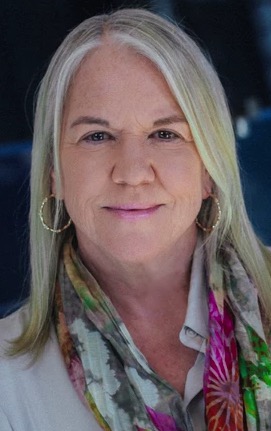 Jennifer Stinson合作论文数Lawrence S. Bloomberg Faculty of Nursing, University of Toronto;Institute of Health Policy, Management and Evaluation, University of Toronto;Pain Centre, The Hospital for Sick Children6
 Lalloo Chitra合作论文数McMaster University, University of Toronto6
 Santosh L. Saraf合作论文数Division of Hematology and Oncology, University of Illinois at Chicago6Melissa Mcneil合作论文数6
 Victor Gordeuk合作论文数Department of Medicine, Howard University6Jodi Stotts Krall合作论文数6Darla K. Liles合作论文数6
 Doris McGartland Rubio合作论文数6
 Kelly A Williams合作论文数6
 C. Patrick Carroll合作论文数Department of Psychiatry and Behavioral Sciences, The Johns Hopkins University School of Medicine6Thomas J Walk合作论文数5Donna Olejniczak合作论文数5John Szymusiak合作论文数5Julia O'Brien合作论文数5Christina Lalama合作论文数5Colleen A Mayowski合作论文数5Bailey Lakiea合作论文数5
 Sophie Lanzkron合作论文数Johns Hopkins School of Medicine5
 Robert M Cronin合作论文数Dept Biomed Informat, Vanderbilt Univ5Julia Wasilewski合作论文数4Deborah DiNardo合作论文数4
 Alda Maria Ribeiro Gonzaga合作论文数4Leshana Saint-Jean合作论文数4
 Tanya Nikiforova合作论文数4Amy J Kennedy合作论文数4
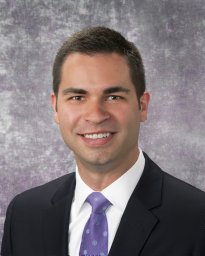 Thomas R Radomski合作论文数School of Medicine, University of Pittsburgh4




