Neuroblastoma is a rare childhood cancer in which high-risk disease, frequently driven by MYCN amplification, has poor survival. Trk-receptor expression correlates with prognosis: TrkA is observed in low-risk cases while TrkB is often expressed in high-risk MYCN-amplified neuroblastoma. However, TrkC’s role in neuroblastoma genesis remains unclear. This study investigates the interplay between TrkC signalling and MYCN status. Using neuroblastoma cell lines with varying MYCN levels, we found that TrkC activation leads to neuronal differentiation in MYCN non-amplified cells but promotes proliferation in MYCN-overexpressing and MYCN-amplified cells. Temporal phosphoproteomic analysis identified the PKA pathway as crucial for TrkC-mediated differentiation. Manipulating PKA signalling altered cell fate in vitro and in zebrafish xenografts. In MYCN-amplified cells, MYCN knockdown enhanced PKA/CREB signalling and induced differentiation. Similarly, overexpression of constitutively active PKA or CREB promoted differentiation, confirming the role of PKA/CREB pathway in driving differentiation. Analysis of patient data revealed reduced expression of PKA pathway genes in MYCN-amplified tumours. Additionally, MYCN-induced miR-221 was found to suppress CREB expression. Together, these findings demonstrate MYCN-dependent effects of TrkC signalling and highlight the therapeutic potential of targeting the PKA pathway to induce differentiation in high-risk MYCN-amplified neuroblastoma.
High-risk neuroblastoma is one of the most lethal childhood cancers. Half of these tumors are driven by MYCN gene amplification (MNA). Despite intensive chemo- and radiotherapy, only 40% of patients survive, and they often suffer from long-term side effects of these genotoxic treatments. Thus, less toxic and more efficacious therapies are needed. Here, we identified diphenyleneiodonium chloride (DPI) as tool compound that preferentially targeted MNA neuroblastoma. Using proteomic and metabolomic assays we investigated the DPI mode of action, finding that DPI could target alterations induced by MNA. These included cell cycle progression, DNA repair pathways, and profound changes in the expression of proteins participating in the mitochondrial electron transport chain. In addition, DPI also downregulated MYCN protein levels preferentially in MNA cells. Metabolic and biological assays suggested that alterations in mitochondrial function and the associated production of reactive oxygen species are critical DPI targets. DPI reduced the proliferation, survival, and malignant transformation of MNA neuroblastoma cells. DPI also shrank tumors and prevented metastatic spread in zebrafish models of neuroblastoma. These findings suggest that processes impacted by DPI could be valuable new targets for the development of non-genotoxic drugs against MNA neuroblastoma. ### Competing Interest Statement The authors have declared no competing interest.
High risk - neuroblastoma (HR-NB) is a pediatric solid tumor with high lethality. Half of HR-NB are driven by MYCN gene amplification (MNA). These HR-NBs require high dosage chemotherapy and often relapse. Moreover, current therapies can cause severe long-term side effects and new therapies are urgently needed. This study investigates a novel therapeutic approach targeting the metabolic vulnerabilities of MNA NB cells. We discovered that Diphenyleneiodonium chloride (DPI), an inhibitor of flavoprotein enzymes and mitochondrial complex I, synergizes with mitoquinone mesylate (MitoQ), a mitochondria-targeted antioxidant in 2D and 3D in vitro models of NB. Similarly to DPI, MitoQ appears to have a greater effect on cells with higher MYCN levels. Furthermore, low nanomolar concentrations of MitoQ significantly decrease MYCN protein expression and induce differentiation of MNA cells. The DPI and MitoQ combination further synergizes with vincristine, a chemotherapeutic agent used in NB treatment. Phosphoproteomics and proteomics analysis suggests that the drug combination induces MNA NB cell death by arresting the cell cycle and inhibiting oxidative phosphorylation (OXPHOS) in the mitochondria. Thus, interference with mitochondrial metabolism may represent an effective strategy to enhance the activity of chemotherapeutic drugs in MNA-NB.
Neuroblastoma is a complex paediatric cancer with a spectrum of clinical outcomes ranging from spontaneous regression to aggressive metastatic disease. Low-risk patients achieve over 90% survival with no or minimal treatment, while high-risk patients face less than 50% survival despite intensive multimodal therapy. Half of the high-risk cases harbour amplification of the MYCN oncogene. In addition to MYCN status, Trk receptors have also been linked to prognosis. TrkA expression is seen with low-risk cases while TrkB expression often occurs in high-risk MYCN-amplified NB. While TrkA and TrkB are well studied in NB, the role of TrkC in neuroblastoma genesis is not clear. Therefore, this study investigates the interplay between MYCN status and NT-3/TrkC signalling in neuroblastoma. Using a panel of neuroblastoma cell lines with varying MYCN levels, we found that TrkC activation leads to neuronal differentiation of MYCN non-amplified cells, whereas it promotes proliferation of MYCN-amplified cells. Temporal phosphoproteomics revealed differential activation of the PKA pathway, which was crucial for TrkC-mediated differentiation. Manipulating the PKA pathway altered cell fate outcomes, underscoring its role. In MYCN-amplified cells, MYCN knockdown increased PKA and CREB activity, shifting the phenotype towards differentiation. Analysis of neuroblastoma patient data showed lower expression of PKA pathway genes in MYCN-amplified tumours. Additionally, miR-221, upregulated by MYCN, was identified as a suppressor of the PKA/CREB pathway. These findings highlight the context-dependent nature of NT-3/TrkC signalling influenced by MYCN; and suggest therapeutic potential in targeting the PKA pathway to induce differentiation of high-risk MYCN-amplified neuroblastoma. ### Competing Interest Statement The authors have declared no competing interest.
Neurotrophic receptor tyrosine kinases (TrkA, TrkB, TrkC), despite their homology, contribute to the clinical heterogeneity of the childhood cancer neuroblastoma. TrkA expression is associated with low-stage disease and is often seen with spontaneous tumour regression. Conversely, TrkB is present in unfavourable neuroblastomas that often harbour amplification of the MYCN oncogene. The role of TrkC is less clearly defined, although some studies suggest its association with a favourable outcome. Understanding the differences in activity of Trk receptors that drive divergent clinical phenotypes as well as the influence of MYCN amplification on downstream Trk receptor signalling remains poorly understood. Here, we present a comprehensive label-free mass spectrometry-based total proteomics and phosphoproteomics dataset (432 raw files with FragPipe search outputs; available on PRIDE with accession number PXD054441) where we identified and quantified 4,907 proteins, 16,744 phosphosites and 5,084 phosphoproteins, derived from NGF/BDNF/NT-3 treated TrkA/B/C-overexpressing neuroblastoma cells with differential MYCN status. Analysing our dataset offers valuable insights into TrkA/B/C receptor signalling in neuroblastoma and its modulation by MYCN status; and holds potential for advancing therapeutic strategies in this challenging childhood cancer.
Melanin, a light and free radical absorbing pigment, is produced in melanocyte cells that are found in skin, but also in hair follicles, eyes, the inner ear, heart, brain and other organs. Melanin synthesis is the result of a complex network of signaling and metabolic reactions. It therefore comes as no surprise that mutations in many of the genes involved are associated with various types of pigmentation diseases and phenotypes ('pigmentation genes'). Here, we used bioinformatics tools to first reconstruct gene-disease/phenotype associations for all pigmentation genes. Next, we reconstructed protein-protein interaction (PPI) networks centered around pigmentation gene products ('pigmentation proteins') and supplemented the PPI networks with protein expression information obtained by mass spectrometry in a panel of melanoma cell lines (both pigment producing and non-pigment producing cells). The analysis provides a systems network representation of all genes/ proteins centered around pigmentation and melanin biosynthesis pathways ('pigmentation network map'). Our work will enable the pigmentation research community to experimentally test new hypothesis arising from the pigmentation network map and to identify new targets for drug discovery.
Neuroblastoma (NB), a childhood cancer arising from the neural crest, poses significant clinical challenges, particularly in cases featuring amplification of the MYCN oncogene. Epigenetic factors play a pivotal role in normal neural crest and NB development, influencing gene expression patterns critical for tumorigenesis. This review delves into the multifaceted interplay between MYCN and known epigenetic modifications during NB genesis, shedding light on the intricate regulatory networks underlying the disease. We provide an extensive survey of known epigenetic mechanisms, encompassing DNA methylation, histone modifications, non-coding RNAs, super-enhancers (SEs), bromodomains (BET), and chromatin modifiers in MYCN-amplified (MNA) NB. These epigenetic changes collectively contribute to the dysregulated gene expression landscape observed in MNA NB. Furthermore, we review emerging therapeutic strategies targeting epigenetic regulators, including histone deacetylase inhibitors (HDACi), histone methyltransferase inhibitors (HMTi), and DNA methyltransferase inhibitors (DNMTi). We also discuss and summarize current drugs in preclinical and clinical trials, offering insights into their potential for improving outcomes for MNA NB patients.
Extracellular vesicles (EVs) are nanoparticles found in all biological fluids, capable of transporting biological material around the body. Extensive research into the physiological role of EVs has led to the development of the Minimal Information for Studies of Extracellular Vesicles (MISEV) framework in 2018. This framework guides the standardisation of protocols in the EV field. To date, the focus has been on EVs of human origin. As comparative medicine progresses, there has been a drive to study similarities between diseases in humans and animals. To successfully research EVs in felines, we must validate the application of the MISEV guidelines in this group. EVs were isolated from the plasma of healthy humans and felines. EV characterisation was carried out according to the MISEV guidelines. Human and feline plasma showed a similar concentration of EVs, comparable expression of known EV markers and analogous particle to protein ratios. Mass spectrometry analyses showed that the proteomic signature of EVs from humans and felines were similar. Asymmetrical flow field flow fractionation, showed two distinct subpopulations of EVs isolated from human plasma, whereas only one subpopulation was isolated from feline plasma. Metabolomic profiling showed similar profiles for humans and felines. In conclusion, isolation, and characterisation of EVs from humans and felines show that MISEV2018 guidelines may also be applied to felines. Potential comparative medicine studies of EVs may provide a model for studying naturally occurring diseases in both humans and felines.
Understanding cell state transitions and purposefully controlling them is a longstanding challenge in biology. Here we present cell state transition assessment and regulation (cSTAR), an approach for mapping cell states, modelling transitions between them and predicting targeted interventions to convert cell fate decisions. cSTAR uses omics data as input, classifies cell states, and develops a workflow that transforms the input data into mechanistic models that identify a core signalling network, which controls cell fate transitions by influencing whole-cell networks. By integrating signalling and phenotypic data, cSTAR models how cells manoeuvre in Waddington’s landscape 1 and make decisions about which cell fate to adopt. Notably, cSTAR devises interventions to control the movement of cells in Waddington’s landscape. Testing cSTAR in a cellular model of differentiation and proliferation shows a high correlation between quantitative predictions and experimental data. Applying cSTAR to different types of perturbation and omics datasets, including single-cell data, demonstrates its flexibility and scalability and provides new biological insights. The ability of cSTAR to identify targeted perturbations that interconvert cell fates will enable designer approaches for manipulating cellular development pathways and mechanistically underpinned therapeutic interventions.
Although a rare disease, neuroblastoma accounts for the highest proportion of childhood cancer deaths. There is a lack of recurrent somatic mutations in neuroblastoma embryonal tumours, suggesting a possible role for epigenetic alterations in driving this cancer. While an increasing number of reports suggest an association of MYCN with epigenetic machinery, the mechanisms of these interactions are poorly understood in the neuroblastoma setting. Utilising chemo-genomic approaches we revealed global MYCN-epigenetic interactions and identified numerous epigenetic proteins as MYCN targets. The epigenetic regulators HDAC2, CBX8 and CBP (CREBBP) were all MYCN target genes and also putative MYCN interactors. MYCN-related epigenetic genes included SMARCs, HDACs, SMYDs, BRDs and CREBBP. Expression levels of the majority of MYCN-related epigenetic genes showed predictive ability for neuroblastoma patient outcome. Furthermore, a compound library screen targeting epigenetic proteins revealed broad susceptibility of neuroblastoma cells to all classes of epigenetic regulators, belonging to families of bromodomains, HDACs, HATs, histone methyltransferases, DNA methyltransferases and lysin demethylases. Ninety-six percent of the compounds reduced MYCN-amplified neuroblastoma cell viability. We show that the C646 (CBP-bromodomain targeting compound) exhibits switch-like temporal and dose response behaviour and is effective at reducing neuroblastoma viability. Responsiveness correlates with MYCN expression, with MYCN-amplified cells being more susceptible to C646 treatment. Thus, exploiting the broad vulnerability of neuroblastoma cells to epigenetic targeting compounds represents an exciting strategy in neuroblastoma treatment, particularly for high-risk MYCN-amplified tumours.
Ras is a plasma membrane (PM)-associated signaling hub protein that interacts with its partners (effectors) in a mutually exclusive fashion. We have shown earlier that competition for binding and hence the occurrence of specific binding events at a hub protein can modulate the activation of downstream pathways. Here, using a mechanistic modeling approach that incorporates high-quality proteomic data of Ras and 56 effectors in 29 (healthy) human tissues, we quantified the amount of individual Ras-effector complexes, and characterized the (stationary) Ras “wiring landscape” specific to each tissue. We identified nine effectors that are in significant amount in complex with Ras in at least one of the 29 tissues. We simulated both mutant- and stimulus-induced network re-configurations, and assessed their divergence from the reference scenario, specifically discussing a case study for two stimuli in three epithelial tissues. These analyses pointed to 32 effectors that are in significant amount in complex with Ras only if they are additionally recruited to the PM, e.g. via membrane-binding domains or domains binding to activated receptors at the PM. Altogether, our data emphasize the importance of tissue context for binding events at the Ras signaling hub.
Cellular responses to perturbations and drugs are determined by interconnected networks, rather than linear pathways. Individually, the JNK, p38 and p53 stress and DNA-damage response networks are well understood and regulate critical cell-fate decisions, such as apoptosis, in response to many chemotherapeutical agents, such as doxorubicin. To better understand how interactions between these pathways determine the dynamic behaviour of the entire network, we constructed a data-driven mathematical model. This model contains mechanistic details about the kinase cascades that activate JNK, p38, AKT and p53, and free parameters that describe possible interactions between these pathways. Fitting this model to experimental time-course perturbation data (five time-courses with six time-points under five different conditions), identified specific network interactions that can explain the observed network responses. JNK emerged as an important control node. JNK exhibited a positive feedback loop, was tightly controlled by negative feedback and crosstalk from p38 and AKT, respectively, and was the strongest activator of p53. Compared to static network reconstruction methods, such as modular response analysis, the model-based approach identifies biochemical mechanisms and explains the dynamic control of cell signalling.
Triple negative breast cancer (TNBC) has poor clinical outcomes and limited treatment options. Chemotherapy, while killing some cancer cells, can result in therapeutic-induced-senescent (TIS) cells. Senescent cells release significantly more extracellular vesicles (EVs) than non-senescent cells. Recently, N- and O-linked glycosylation alterations have been associated with senescence. We aimed to profile the N-linked glycans of whole cells, membrane, cytoplasm and EVs harvested from TIS TNBC cells and to compare these to results from non-senescent cells. TIS was induced in the Cal51 TNBC cells using the chemotherapeutic agent paclitaxel (PTX). Ultra-performance liquid chromatography (UPLC) analysis of exoglycosidase digested N-linked glycans was carried out on TIS compared to non-treated control cells. LC-Mass spectrometry (MS) analysis of the N-linked glycans and lectin blotting of samples was carried out to confirm the UPLC results. Significant differences were found in the N-glycan profile of the Cal51 membrane, cytoplasm and EV progeny of TIS compared to non-senescent cells. Protein mass spectrometry showed that the TIS cells contain different glycan modifying enzymes. The lectin, calnexin demonstrated a lower kDa size (∼58 kDa) in TIS compared to control cells (∼90 kDa) while Galectin 3 demonstrated potential proteolytic cleavage with 32 kDa and ∼22 kDa bands evident in TIS compared to non-senescent control cells with a major 32 kDa band only. TIS CAL51 cells also demonstrated a reduced adhesion to collagen I compared to control non-senescent cells. This study has shown that therapeutic-induced-senescent TNBC cells and their EV progeny, display differential N-glycan moieties compared to non-senescent Cal51 cells and their resultant EV progeny. For the future, N-glycan moieties on cancer senescent cells and their EV progeny hold potential for (i) the monitoring of treatment response as a liquid biopsy, and (ii) cancer senescent cell targeting with lectin therapies.
Tumour necrosis factor-related apoptosis-inducing ligand (TRAIL), is a selective anticancer cytokine capable of exerting a targeted therapy approach. Disappointingly, recent research has highlighted the development of TRAIL resistance in cancer cells, thus minimising its usefulness in clinical settings. However, several recent studies have demonstrated that cancer cells can be sensitised to TRAIL through the employment of a combinatorial approach, utilizing TRAIL in conjunction with other natural or synthetic anticancer agents. In the present study, the chemo-sensitising effect of curcumin on TRAIL-induced apoptosis in renal carcinoma cells (RCC) was investigated. The results indicate that exposure of kidney cancer ACHN cells to curcumin sensitised the cells to TRAIL, with the combination treatment of TRAIL and curcumin synergistically targeting the cancer cells without affecting the normal renal proximal tubular epithelial cells (RPTEC/TERT1) cells. Furthermore, this combination treatment was shown to induce caspase-dependent apoptosis, inhibition of the proteasome, induction of ROS, upregulation of death receptor 4 (DR4), alterations in mitogen-activated protein kinase (MAPK) signalling and induction of endoplasmic reticulum stress. An in vivo zebrafish embryo study demonstrated the effectiveness of the combinatorial regime to inhibit tumour formation without affecting zebrafish embryo viability or development. Overall, the results arising from this study demonstrate that curcumin has the ability to sensitise TRAIL-resistant ACHN cells to TRAIL-induced apoptosis.
Introduction Neuroblastoma (NB) is the most common solid tumour in children under the age of five and it is responsible for 15% of paediatric cancer deaths. MYCN amplification represents the most frequent genetic alterations in high-risk NB and it is associated with poor prognosis. Our aim was to identify vulnerable, therapeutically targetable nodes that function as critical regulators or effectors of MYCN in neuroblastoma by using an integrative ‘-omics’ approach. Material and methods We used a panel of NB cell lines (SY5Y: non-amplified; NBLS: MYCN overexpression from a single gene copy; KCN, KCNR, Be2C: MYCN-amplified). Interaction proteomics was performed by immunoprecipitating MYCN protein complexes (Co-IP) followed by quantitative label-free mass spectrometry (Q-exactive and MaxQuant). Transcriptomic analysis of total RNA was performed by real-time PCR on an ABI Prism 7700 System (Applied Biosistems). Results and discussions MYCN interaction proteomics revealed that MYCN is physically interacting with TFAM, a mitochondrial transcription factor. Therefore, we demonstrated that MYCN is present in the mitochondria of NB cells by Western blot and confocal microscopy (MYCN-Alexa488 and MitoTracker-Red-CMXRos staining), and that MYCN may repress or activate mitochondrial genes in cells rendered MYCN deficient by siRNA. Moreover, we found that certain mitochondrial genes are downregulated in patients with MYCN-amplified neuroblastoma, and they correlate with poor patient survival (Kaplan-Meier analysis of 709 patients). In addition, we performed a high throughput drug screening (~4000 compounds) and we found that diphenyleneiodonium chloride (DPI) inhibits the viability of MYCN-expressing NB cells. Interestingly, DPI significantly downregulated MYCN expression in the mitochondria of NB cells, and in turn, modulated mitochondrial gene expression. Moreover, DPI treatment resulted in a mitochondrial superoxide-mediated apoptosis in MYCN-amplified cells. In addition, soft agar colony formation assay demonstrated the tumour suppressive effects of DPI, and NB zebrafish models showed that treatment with DPI significantly reduced the neuroblastoma tumour size in vivo. Conclusion In summary, we found a vulnerable node in the MYCN interactome and we demonstrated that DPI was able to reduce the MYCN level in the mitochondria of NB cells, to induce a ROS-mediated apoptosis in MYCN-amplified, and to reduce the size of the tumour in vivo. Therefore, DPI might serve as a potential novel drug to treat MYCN-amplified NB.
ABSTRACT Introduction Breast cancer is the most common cancer among women affecting about 1 in 8 women during their lifetime. In most cases, the treatment is surgery combined with chemotherapy such as anthracyclines, including Doxorubicin. Unfortunately, the chemotherapy is only working for 25% to 50% of the patients showing a need to predict the patient’s response to the treatment. Chemotherapeutic drugs are known to activate apoptosis via the activation of JNK, p38 and p53 pathway. However, little is known about the interaction between these pathways and how the drugs activate them. My hypothesis is that dynamic behaviour and network interactions between JNK//p38 and p53 confer drug (in-)sensitivity and resistance. To address this problem, my project merges molecular and computational approaches to answer these two questions: • What are the activation dynamics and underlying network interactions? • Can a mathematical model of this network predict drug-responses? Material and methods To study the mechanism of action of Doxorubicin, I compared MCF10A cells, a non-cancerous cells used as a control, with five different breast cancer cell lines. The level of cell death was measured via flow cytometry after 1 µM of Doxorubicin treatment. In parallel, the cells’ molecular response to the treatment was assessed by monitoring phosphorylation of JNK and p38, and the total levels of p53 via Western blots after 1 µM of Doxorubicin treatment. Results and discussions Comparing the above pathways in MCF10A and T47D identified differences on two levels: network connectivity and activation dynamics. Currently I am constructing a mathematical model using ordinary differential equations (ODE) to test whether the identified network structures can explain network activation dynamics and drug responses. This predictive model will be validated using mammospheres and breast cancer tumour samples. Conclusion Modelling pathway interactions has already revealed correlation between the experimental data (Western blots) and the simulated outcome of Doxorubicin treatment in MCF10A cells. The next step is to explain the differential pathway connexions and dynamics in the various cell lines with different mutation pattern by using my mathematical model. By doing so, I hope to predict treatment response of other breast cancer cell lines, and ultimately patients, to develop a personalised treatment strategy.
The genomic fusion of two genes can lead to the expression of a fusion protein that can have oncogenic potential. The important contribution of such fusion genes to oncogenesis and tumour progression is being increasingly recognised. Here we report the presence of a novel VANGL2-ITLN1 fusion gene in the IMR32 neuroblastoma cell line. The fusion gene was identified by applying FusionHunter analysis to neuroblastoma cell line RNA sequencing data. This fusion results in the dramatic overexpression of a fusion transcript incorporating the full length ITLN1 coding sequence. Furthermore, the tumour expression levels of both components of the fusion gene (ITLN1 and VANGL2) are predictive of neuroblastoma patient outcome. High ITLN1 expression levels correlate with worse outcome across all neuroblastoma tumour stages and across MYCN amplification statuses. Survival probability was markedly worse for patients with both elevated MYCN and ITLN1 expression. We show that the VANGL2-ITLN1 fusion transcript can be transcriptionally upregulated upon lithium chloride (LiCl) treatment, a known agonist of the Wnt signalling pathway. The novel VANGL2-ITLN1 fusion is associated with regulatory networks such as MYCN, ALK and the Wnt/Planar Cell Polarity (PCP) pathway which are key regulators of neuroblastoma outcome. We reveal novel putative multilevel-interactions between the fusion gene components and the MYCN oncogene, including MYCN ITLN protein-protein interactions. Through its interactions with other oncogenes the VANGL2-ITLN1 fusion gene is likely to be involved in driving neuroblastoma progression and poor patient outcomes.
 Walter Kolch合作论文数School of Medicine, University College Dublin21
 Julia Szekeres-Bartho合作论文数15
 Beata Polgar合作论文数13
 Laszlo Szereday合作论文数University of Pecs13Gabriella Par合作论文数Department of Medical Microbiology and Immunology, Pecs University Medical School13Timea Berki合作论文数Department of Immunology;Faculty of Medicine;University of Pecs;Faculty of Medicine, University of Pecs11
 Boris N. Kholodenko (Boris Kholodenko)合作论文数Department of Systems Biology, School of Medicine, University College Dublin/UCD Conway Institute, University College Dublin/Department of Pharmacology, Yale University School of Medicine10Kieran Wynne合作论文数8
 Aleksandar Krstic合作论文数University of Belgrade Institute of Molecular Genetics and Genetic Engineering7A Pár合作论文数7
 Lawrence A. Palinkas合作论文数Department of Population and Public Health Sciences, Keck School of Medicine, University of Southern California;Suzanne Dworak-Peck School of Social Work, University of Southern California6
 David Lorenzo Duffy (David L. Duffy)合作论文数QIMR Berghofer Medical Research Institute,6
 Hunyady Béla合作论文数Somogy Megyei Kaposi Mór Oktató Kórház6Kristiina Iljin合作论文数6A Miseta合作论文数5
 Dirk Fey合作论文数Systems Biology Ireland,5
 Schwarzl Thomas合作论文数5
 Frank Westermann合作论文数German Cancer Research Center5Noemi Kozma合作论文数5
 Zsuzsa Faust合作论文数5Géza Hegedüs合作论文数5
 Anja Konietzny合作论文数4Vadim Zhernovkov合作论文数Syst Biol Ireland, Univ Coll Dublin4
 Matthias G Fischer合作论文数4
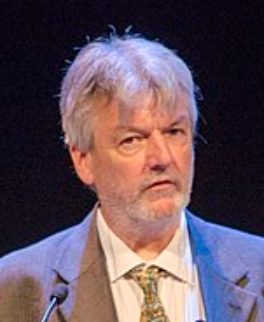 Des Higgins合作论文数Centre for Bioinformatics, School of Medicine, University College Dublin4
 Gergely Berta合作论文数Department of Medical Biology, University of Pécs;and.;Department of Medical Biology, University of Pécs4T. Palkovics合作论文数4
 Udo R. Markert合作论文数Department of Obstetrics, Klinik für Geburtsmedizin, University Hospital Jena4
 Tapesh Santra合作论文数4Gyula Mózsik合作论文数4Amanda Mccann合作论文数Mater Misericordiae Hospital and Biotechnology Center, University College Dublin4Gy. Mózsik合作论文数3Saija Haapa-Paananen合作论文数3Nora Rauch合作论文数Univ Coll Dublin, Syst Biol Ireland, Dublin 4, Ireland3
 Paul Dowling合作论文数Maynooth University, National University of Ireland Maynooth3Pár Alajos合作论文数3
 Vidal Fey合作论文数VTT3
 Erzsebet Csanyi合作论文数Department of Pharmaceutical Technology, University of Szeged3N. Kozma合作论文数3Sean P. Kennedy合作论文数2Donagh Egan合作论文数2Geza Hegedus合作论文数2E Miko合作论文数2D Fey合作论文数2Michaela J Higgins合作论文数2
 Jai Prakash Mehta, PhD合作论文数2Jordan F Hastings合作论文数2Béla Hunyady合作论文数2
 Keszei Marton合作论文数Div Immunol, Harvard Univ2




