Custom oligonucleotides (oligos) play a crucial role in molecular biology applications, including sequencing, polymerase chain reaction (PCR), and library construction. For highly sensitive techniques such as next-generation sequencing (NGS) library preparation, oligos must exhibit exceptional purity and accuracy. Here, we provide a perspective on the presence of unrelated, contaminating sequences in custom-made oligos using a case study of an RNA-protein crosslinked immunoprecipitation (CLIP-seq) experiment. These contaminants led to artefactual results in NGS data, rendering their results uninterpretable. Systematic investigation identified a contaminating human immunodeficiency virus (HIV) gag sequence embedded between Illumina-compatible adapter sequences, forming a functional 'library-structured' molecule capable of amplification and sequencing. Additionally, other nonspecific sequences, including fragments from unrelated oligos, were detected. By sharing our analysis strategy and outcomes, we aim to raise awareness within the research community and emphasize the need for more stringent quality controls in oligo synthesis and validation by commercial suppliers, safeguarding academic experimenters' time and resources. Furthermore, this perspective provides a systematic approach for the identification of the source of contaminating sequences in custom-made oligos designed for NGS library preparations.
A significant body of research has been devoted to pinpointing and cataloguing the binding sites of RNA-binding proteins (RBPs) on target transcripts. The most common techniques involve crosslinking and immunoprecipitation (CLIP) followed by high-throughput sequencing. In this review, we provide a comprehensive summary of the major advancements in CLIP-based techniques and state-of-the-art data analysis methods designed for identifying and analysing the binding sites of RBPs. We also brief on methods used to determine the functional relevance of these binding sites and, in addition, delve into the major hurdles faced in the detection and elucidation of the binding sites of RBPs. Finally, we explore reproducibility concerns in the CLIP field, and conclude by suggesting potential avenues for future improvements.
Most mitochondrial proteins are encoded by the nuclear genome, translated as precursor proteins in the cytosol and matured during directed import into the mitochondria. For many mitochondrial proteins this process is carefully regulated to meet demand and to avoid mitochondrial stress. Recently, mitochondrial F1-ATP synthase subunits have been found to interact with RNA across various eukaryotes. This includes genome wide RNA-interactome studies from yeast, fruit flies, plants, mice and humans. To shed light on this unexpected observation, we determined the interacting cellular RNAs of ATP5A1 and the subcellular sites of interaction. Using RNA binding deficient mutants of ATP5A1 and functional assays, we show that specific cytosolic RNAs bind ATP5A1 precursor proteins at the outer surface of mitochondria and promote their mitochondrial import both in vitro and in cellulo. These findings add an unexpected twist to understanding mitochondrial protein import and expand the growing list of riboregulated cellular processes. ### Competing Interest Statement The authors have declared no competing interest.
Several enzymes of intermediary metabolism have been identified to bind RNA in cells, with potential consequences for the bound RNAs and/or the enzyme. In this study, we investigate the RNA-binding activity of the mitochondrial enzyme malate dehydrogenase 2 (MDH2), which functions in the tricarboxylic acid (TCA) cycle and the malate-aspartate shuttle. We confirmed in cellulo RNA binding of MDH2 using orthogonal biochemical assays and performed enhanced cross-linking and immunoprecipitation (eCLIP) to identify the cellular RNAs associated with endogenous MDH2. Surprisingly, MDH2 preferentially binds cytosolic over mitochondrial RNAs, although the latter are abundant in the milieu of the mature protein. Subcellular fractionation followed by RNA-binding assays revealed that MDH2-RNA interactions occur predominantly outside of mitochondria. We also found that a cytosolically retained N-terminal deletion mutant of MDH2 is competent to bind RNA, indicating that mitochondrial targeting is dispensable for MDH2-RNA interactions. MDH2 RNA binding increased when cellular NAD+ levels (MDH2's cofactor) were pharmacologically diminished, suggesting that the metabolic state of cells affects RNA binding. Taken together, our data implicate an as yet unidentified function of MDH2-binding RNA in the cytosol.
Enhanced crosslinking and immunoprecipitation (eCLIP) sequencing is a powerful method for transcriptome-wide detection of binding sites of RNA-binding proteins (RBPs). However, identified crosslink sites can profoundly deviate from experimentally established functional elements of even well-studied RBPs. Current peak-calling strategies result in low replication and high false-positive rates. Here, we present the R/Bioconductor package DEWSeq that makes full use of replicate information and size-matched input controls. We benchmarked DEWSeq on 107 RBPs for which both eCLIP data and RNA sequence motifs are available and were able to more than double the number of motif-containing binding regions relative to standard eCLIP processing (2.3-fold median). The improvement not only relates to the number of binding sites (e.g., 3.1-fold of known motifs for RBFOX2), but also their subcellular localisation (e.g., 1.9-fold of mitochondrial genes for FASTKD2) and structural targets (e.g., 2.2-fold increase of stem-loop regions for SLBP). DEWSeq therefore shows promise as an improved processing method for eCLIP protein–RNA interaction data.
PDF - 219K, Table S1. CAS (Chemical Abstracts Service) numbers, molecular formulas, structures and references for each of the compounds used in the study.
PDF - 61K, Table S3. Alignment scores of GSK3 inhibitor mRNA-seq reads in IMR32 cells with TopHat.
PDF - 186K, Figure S2. Additional Retinoic Acid (RA) and cell viability. A. The effect of increased RA concentration on MYC mRNA expression in 48h doxycycline and 24h RA treated SY5Y-MYCN cells, assayed by qPCR. B. Time course of NVP-BEZ235 (dual PI3K/mTOR inhibitor) treatment on viability across the different cell lines, as measured by MTS assays. C. The effect of various inhibitors on viability across the different cell lines, as measured by MTS assays after 48h of inhibitor treatment. D. Viability results for SY5Y-MYCN cells with and without doxycycline induction (72h) of ectopic MYCN expression, treated with inhibitors for 48h as measured by MTS assays.
PDF - 98K, Table S2. Flow Cytometry full details in accordance with the MIFlowCyt Standard.
RNA–protein interactions are central to cardiac function, but how activity of individual RNA-binding protein is regulated through signaling cascades in cardiomyocytes during heart failure development is largely unknown. The mechanistic target of rapamycin kinase is a central signaling hub that controls mRNA translation in cardiomyocytes; however, a direct link between mTOR signaling and RNA-binding proteins in the heart has not been established. Integrative transcriptome and translatome analysis revealed mTOR dependent translational upregulation of the RNA binding protein Ybx1 during early pathological remodeling independent of mRNA levels. Ybx1 is necessary for pathological cardiomyocyte growth by regulating protein synthesis. To identify the molecular mechanisms how Ybx1 regulates cellular growth and protein synthesis, we identified mRNAs bound to Ybx1. We discovered that eucaryotic elongation factor 2 (Eef2) mRNA is bound to Ybx1, and its translation is upregulated during cardiac hypertrophy dependent on Ybx1 expression. Eef2 itself is sufficient to drive pathological growth by increasing global protein translation. Finally, Ybx1 depletion in vivo preserved heart function during pathological cardiac hypertrophy. Thus, activation of mTORC1 links pathological signaling cascades to altered gene expression regulation by activation of Ybx1 which in turn promotes translation through increased expression of Eef2.
Articular cartilage has only very limited regenerative capacities in humans. Tissue engineering techniques for cartilage damage repair are limited in the production of hyaline cartilage. Mesenchymal stem/stromal cells (MSCs) are multipotent stem cells and can be differentiated into mature cartilage cells, chondrocytes, which could be used for repairing damaged cartilage. Chondrogenesis is a highly complex, relatively inefficient process lasting over 3 weeks in vitro. Methods: In order to better understand chondrogenic differentiation, especially the commitment phase, we have performed transcriptional profiling of MSC differentiation into chondrocytes from early timepoints starting 15 minutes after induction to 16 hours and fully differentiated chondrocytes at 21 days in triplicates.
Abstract Summary Transcriptome-wide detection of binding sites of RNA-binding proteins is achieved using Individual-nucleotide crosslinking and immunoprecipitation (iCLIP) and its derivative enhanced CLIP (eCLIP) sequencing methods. Here, we introduce htseq-clip, a python package developed for preprocessing, extracting and summarizing crosslink site counts from i/eCLIP experimental data. The package delivers crosslink site count matrices along with other metrics, which can be directly used for filtering and downstream analyses such as the identification of differential binding sites. Availability and implementation The Python package htseq-clip is available via pypi (python package index), bioconda and the Galaxy Tool Shed under the open source MIT License. The code is hosted at https://github.com/EMBL-Hentze-group/htseq-clip and documentation is available under https://htseq-clip.readthedocs.io/en/latest.
XLSX - 305K, Table S4B. Differentially expressed genes between Control Vs. Azakenpaullone treated cells.
PDF - 122K, Figure S1. Additional expression regulation data. A. Comparison of mRNA-seq and RT-qPCR measurements for the same differentially expressed mRNAs in IMR32 cells upon 24h GSK3 inhibitor treatments. B. Time course of azakenpaullone mediated ectopic MYCN mRNA reduction in SY5Y-MYCN, measured by RT-qPCR. C. RT-qPCR results of GSK3 inhibitor regulation of c-MYC in CRC cell lines. D. pSMAD levels in IMR32 upon GSK3 inhibitor treatment. E. MDM2 mRNA expression level in response to GSK3 inhibition, mRNA-seq data. F. Wnt Agonist 1 and BIO treatment regulated the mRNA (top) and protein (bottom) of MYC genes in a similar manner.
XLSX - 5959K, Table S4. Gene expression tables and differentially expressed gene lists from GSK3 inhibitor mRNA-seq. A. Gene expression values (CPMkb) for all genes in each sample obtained by mRNA-seq.
PDF - 78K, Figure S4. Additional PFTalpha and GSK3 inhibitor co-treatment viability data. A. Attempted p53 mediated rescue of GSK3 inhibitor cell death phenotype across three cell lines as measured by MTS viability assay after 24h and 48h of treatment. Only BIO treatment in IMR32 and KCNR showed partial rescue upon PFTalpha co-treatment.
System-wide approaches have unveiled an unexpected breadth of the RNA-bound proteomes of cultured cells. Corresponding information regarding RNA-binding proteins (RBPs) of mammalian organs is still missing, largely due to technical challenges. Here, we describe ex vivo enhanced RNA interactome capture (eRIC) to characterize the RNA-bound proteomes of three different mouse organs. The resulting organ atlases encompass more than 1300 RBPs active in brain, kidney or liver. Nearly a quarter (291) of these had formerly not been identified in cultured cells, with more than 100 being metabolic enzymes. Remarkably, RBP activity differs between organs independent of RBP abundance, suggesting organ-specific levels of control. Similarly, we identify systematic differences in RNA binding between animal organs and cultured cells. The pervasive RNA binding of enzymes of intermediary metabolism in organs points to tightly knit connections between gene expression and metabolism, and displays a particular enrichment for enzymes that use nucleotide cofactors. We describe a generically applicable refinement of the eRIC technology and provide an instructive resource of RBPs active in intact mammalian organs, including the brain. Characterization of RNA-binding proteins (RBPs) in tissues has been hampered by technical constraints. Here, the authors describe ex vivo eRIC, a method for global profiling of RBPs active in mammalian organs, and report comprehensive RBP atlases from mouse brain, kidney and liver.
Supplementary Figure Legends 1-6, Methods from c-Myc Regulates RNA Splicing of the A-Raf Kinase and Its Activation of the ERK Pathway
PDF - 259K, Figure S3. Additional p53 and neuroblastoma prognostic markers overlap data. A. p53 signalling pathway schematic with LiCl differentially regulated genes overlaid, key as in image and as described in Fig. 5B. B. Overlap between IPA predicted upstream regulators from inhibitor mRNA-seq (top 110) and a 157 neuroblastoma risk stratification gene signature (all 31), image generated using Venny.
Small noncoding RNAs fulfill key functions in cellular and organismal biology, typically working in concert with RNA-binding proteins (RBPs). While proteome-wide methodologies have enormously expanded the repertoire of known RBPs, these methods do not distinguish RBPs binding to small noncoding RNAs from the rest. To specifically identify this relevant subclass of RBPs, we developed small noncoding RNA interactome capture (snRIC2C) based on the differential RNA-binding capacity of silica matrices (2C). We define the S. cerevisiae proteome of nearly 300 proteins that specifically binds to RNAs smaller than 200 nt in length (snRBPs), identifying informative distinctions from the total RNA-binding proteome determined in parallel. Strikingly, the snRBPs include most glycolytic enzymes from yeast. With further methodological developments using silica matrices, 12 tRNAs were identified as specific binders of the glycolytic enzyme GAPDH. We show that tRNA engagement of GAPDH is carbon source-dependent and regulated by the RNA polymerase III repressor Maf1, suggesting a regulatory interaction between glycolysis and RNA polymerase III activity. We conclude that snRIC2C and other 2C-derived methods greatly facilitate the study of RBPs, revealing previously unrecognized interactions.
 Matthias Hentze合作论文数Molecular Medicine Partnership Unit, European Molecular Biology Laboratory;Medical Faculty, Ruprecht-Karls-University Heidelberg25
 Walter Kolch合作论文数School of Medicine, University College Dublin22
 Aleksandar Krstic合作论文数University of Belgrade Institute of Molecular Genetics and Genetic Engineering17
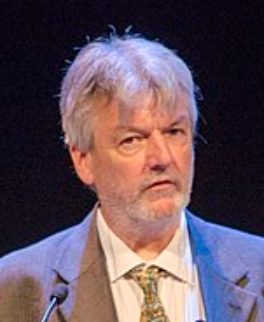 Des Higgins合作论文数Centre for Bioinformatics, School of Medicine, University College Dublin14
 David Lorenzo Duffy (David L. Duffy)合作论文数QIMR Berghofer Medical Research Institute,10
 Thileepan Sekaran合作论文数8
 Anne-Marie Alleaume合作论文数6
 Wolfgang Huber合作论文数Molecular Medicine Partnership Unit, European Molecular Biology Laboratory6
 Perez-Perri Joel I合作论文数5
 Sudeep Sahadevan合作论文数5
 Melinda Halasz合作论文数Systems Biology Ireland, University College Dublin5Mandy Rettel合作论文数4
 Matthias G Fischer合作论文数4Stein Frank合作论文数Cell Biology and Biophysics Unit, EMBL4
 Ina Huppertz合作论文数Department of Molecular Neuroscience, UCL Institute of Neurology;MRC Laboratory of Molecular Biology, Francis Crick Avenue, Cambridge CB2 0QH, UK.;MRC Laboratory of Molecular Biology, UCL Institute of Neurology4
 Keith Hunter合作论文数Institute of Systems, Molecular and Integrative Biology, Faculty of Health & Life Sciences, University of Liverpool;University of Pretoria4
 Frank Westermann合作论文数German Cancer Research Center4Kristiina Iljin合作论文数4
 Kim Moran-Jones合作论文数4
 Tomaz Curk合作论文数Faculty of Computer and Information Science, University of Ljubljana4
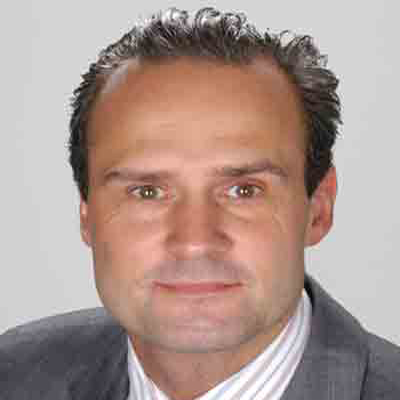 Olivier Gires合作论文数Department of Gene Vectors, Ludwig-Maximilians-University4Andreas Eckhard Kulozik合作论文数3Panagiotis Mantas合作论文数3
 Dirk Fey合作论文数Systems Biology Ireland,3Albrecht Valerie合作论文数3Horos Rastislav合作论文数3Bannert Steffen合作论文数3
 Jens Rauch合作论文数GSF-Research Center for Environment and Health, Ludwig-Maximilians-University of Munich3
 Alfredo Castelló合作论文数Centro de Biología Molecular (CSIC-UAM)., Universidad Autónoma. Cantoblanco3
 Jeroen Krijgsveld合作论文数Medical Faculty, Heidelberg University;German Cancer Research Center3Dunja Ferring-Appel合作论文数3Kai-Oliver Henrich合作论文数3
 Anja Konietzny合作论文数2Annika Brosig合作论文数2Vivien Kmietczyk合作论文数2Verena Kamuf-Schenk合作论文数2Saija Haapa-Paananen合作论文数2Lyudmila Dimitrova-Paternoga合作论文数2A. Krstic合作论文数2
 Aindrila Chatterjee合作论文数2
 Yang Zhou合作论文数2Eshita Varma合作论文数2
 Christoph Hofmann合作论文数2
 Juan Valcarcel合作论文数Ctr Regulacio Genom, Barcelona 08003, Spain2
 Völkers Mirko合作论文数San Diego State Heart Inst, San Diego State Univ2
 von Kriegsheim Alex合作论文数Syst Biol Ireland, Univ Coll Dublin2
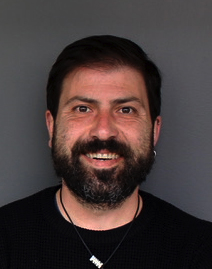 Javier Rodríguez Martínez合作论文数Departamento de Señalización Celular y Molecular, IBBTEC2
 Duffy David J合作论文数School of Natural Sciences and Regenerative Medicine Institute (REMEDI),, National University of Ireland Galway2
 Jenny Whilde合作论文数School of Natural Sciences, Trinity College2




