The rise of biologics, including recombinant proteins, gene therapies, and cell therapies, is reshaping the landscape of modern therapeutics, offering new strategies to address previously “undruggable” targets. Cardiovascular diseases (CVDs), the leading cause of mortality worldwide, remain inadequately managed by traditional therapies, but biologics offer a paradigm shift from symptom control to disease modification. This review provides a comprehensive analysis of biologics in cardiovascular medicine, focusing on five key biological processes: cardiac regeneration, cardiac reverse remodeling, genetic cardiomyopathy correction, vascular function modulation, and lipid metabolism modulation. Advances in cardiac regeneration are highlighted by the transplantation of pluripotent stem cells, direct reprogramming, stimulation of endogenous adult cardiomyocyte proliferation, and noncell strategies, all of which aim to restore cardiac tissue integrity. In reverse cardiac remodeling, therapies targeting key signaling pathways, metabolic processes, and contractility-enhancing agents offer promising new approaches for CVD management. The development of gene therapies targeting genetic cardiomyopathies, including gene replacement, genome editing, and gene silencing, is discussed. For vascular function modulation, therapies targeting angiotensinogen, natriuretic peptide receptor 1, and the gut microbiome have been explored as innovative approaches to regulate vascular tone and hemodynamics. Finally, lipid modulation therapies, including agents targeting proprotein convertase subtilisin/kexin type 9 (PCSK9) and atherogenic lipoproteins, have redefined the management of dyslipidemia and cardiovascular risk. Collectively, these advancements underscore the transformative potential of biologics to provide targeted, personalized, and disease-modifying treatments for CVD. By addressing both the pathophysiological roots and clinical manifestations of CVDs, biologics represent a promising frontier in cardiovascular medicine.
Diabetic kidney disease (DKD) represents a major diabetes-related complication and is among the most important causes of end-stage renal disease (ESRD). Current therapies mainly focus on glycemic control but seldom reverse established renal injury. Berberine (BBR) shows promise for DKD through glucose-lowering, anti-inflammatory, and antioxidant effects, yet its translation is limited by poor bioavailability and rapid metabolism. Here, we developed ZIF-BBR-BPNs, a nanoparticle system that encapsulates BBR in a zeolitic imidazolate framework (ZIF) core and applies an epigallocatechin gallate (EGCG) coating to improve stability, systemic exposure, and renal enrichment. In vitro, ZIF-BBR-BPNs decreased oxidative stress, inflammatory activation, and apoptosis, helping maintain glomerular endothelial cell integrity and function. In vivo, the formulation reduced albuminuria and improved renal inflammation, fibrosis, and glomerular damage, with stronger effects than free BBR or metformin. Notably, the formulation increased systemic exposure and enabled passive renal accumulation, supporting sustained therapeutic activity at injury sites. Overall, this multi-target strategy against metabolic stress, oxidative injury, inflammation, and fibrosis enhances BBR efficacy and supports ZIF-BBR-BPNs as a promising candidate for DKD therapy.
Selective extraction of palladium from high-level liquid waste (HLLW) is desirable for the sustainable development of nuclear energy and resource recovery. In this work, three tridentate 2,6-bis-triazolyl-pyridine ligands (L-I, L-II, and L-III) bearing different alkyl side chains were synthesized and systematically studied for the complexation and extraction of palladium. Altering the alkyl side chains of the ligands led to pronounced differences in extraction performance. Among the three ligands, L-II decorated with two n-octyl groups exhibited the highest Pd(II) extraction efficiency at acidity levels of 1-5 M HNO3 and outstanding selectivity over 13 coexisting competing metal ions. Results from UV-vis titration experiments and theoretical calculations suggested that the differentiated extraction abilities of the ligands could be because of their different hydrophilicity rather than electron-donating effects. Slope analyses and electrospray ionization-high resolution mass spectrometry (ESI-HRMS) experiments revealed the formation of both L/Pd 1:1 and 2:1 species during the extraction process. These stoichiometries were further confirmed by job plots and NMR titration experiments. The ligands were found to aggregate slightly, especially at higher concentrations, which could result from multiple intermolecular hydrogen bonds as illustrated by X-ray crystallography. The configurations of PdL and PdL2 were further elucidated by analysis of single crystal structure and density-functional theory (DFT) calculations, respectively, where the first coordination sphere of Pd(II) was surrounded by four nitrogen or oxygen atoms in a quadrangular manner. This study provides an alternative method to separate palladium from HLLW and brings a new understanding of the coordination and complexation behaviors of Pd(II) with tridentate nitrogen ligands.
The recovery of lanthanides from high level liquid waste (HLLW) is of great significance for both environmental protection and sustainable development of resources. Traditional methods for this purpose are often plagued by poor selectivity, low capacity, and limited acid tolerance. Here we report a new material prepared by impregnating P[5]A-DGA onto porous Amberlite XAD-7 resin for efficient and selective lanthanide adsorption from highly acidic solutions. The as-prepared composite material (PDA resin) shows outstanding sorption efficiency for lanthanides in a wide range of acidities (0.01-3 M HNO3) and exhibits good selectivity towards lanthanides over different kinds of competing metal ions in simulated nuclear wastewater. Adsorption equilibrium can be achieved within 60 min and the pseudo-second-order model shows better correlation with the kinetic data, indicating that chemical adsorption is the rate determining step. Adsorption isotherm data can be well fitted by Langmuir model, giving a Eu(III) sorption capacity of 33.3 mg/g at 1 M HNO3, which is superior to other materials employed for the similar purpose. Importantly, the adsorption capacity can be regenerated by using a mixture of 1 M guanidine carbonate and 0.05 M EDTA-2Na solution as the eluent, and the lanthanide adsorption efficiency from simulated nuclear wastewater remains at the initial level after three desorption-adsorption cycles. Finally, the possible configurations of the ligand-Ln(III) complexes were optimized by DFT calculations, which suggest that each Ln(III) tends to bind to three DGA arms via a nine coordination mode. This research advances the development of pillar[5]arenes for lanthanide recovery by demonstrating a simple and generally applicable method to convert P[5]A-DGA extractant into an efficient adsorbent.
Exploring nitrogen-containing extractants for recovering hazardous minor actinides that are workable in solutions of high acidity has been a challenge in nuclear waste treatment. Herein, we report our findings that 2,6-bistriazolyl-pyridine (PyTri), which is ineffective as a hydrophobic ligand for minor actinide separation, turns into an excellent extractant that exhibits unexpectedly high efficiency and selectivity (SFAm/Eu = 172, 1 M HNO3) when attaching to pillar[5]arene platform. Surprisingly, the distribution ratio of Am(III) (DAm) is 4300 times higher than that of the acyclic PyTri ligand. The solvent extraction performance of this pillar[5]arene-achored PyTri not only far exceeds the best known pillar[5]arene ligands reported to date, but also stays comparable to other reported outstanding extractants. Slope analysis indicates that each P[5]A-PyTri can bind two metal ions, which is further corroborated by spectroscopic characterizations. Thermodynamic studies imply that the extraction process is exothermic and spontaneous in nature. Complexation investigation via EXAFS technique and DFT calculations strongly suggest that each Eu(III) ion is coordinated to three PyTri arms through a ninecoordination mode. This work provides a N-donor extractant that can operate at high acidity for minor actinide partitioning and implicates a promising approach for transforming poor extractants into superior ones.
As a natural somatostatin analog, octreotide acetate (OCT) has been extensively used in cancer treatment and growth hormone related diseases. The clinical application of OCT, however, is greatly limited by its short half-life, rapid elimination and clearance in vivo. In the current study, a high content phospholipid-based phase separation gel platform (PPSG) was presented, which could be injected in the soluble state and underwent rapid phase-separation into a gel-like implant after a single subcutaneous injection. OCT was dispersed homogeneously in the PPSG pre-gel solution to afford OCT-loaded PPSG (OCT-PPSG) after a single subcutaneous injection, which displayed controlled and sustained release profiles for up to 30days in rats, rabbits and Beagle dogs. OCT-PPSG showed a less significant burst phase followed by a steady plasma concentration of OCT compared with Sandostatin(®) (LAR) in Beagle dogs. Moreover, OCT-PPSG was demonstrated to show remarkable antitumor efficacy in both a primary rat model and a xenograft mouse model of hepatocellular carcinoma (HCC). PPSG thus represented a promising and viable in situ forming gel platform material for the long-term sustained release of peptides and protein drugs.
Peptide and protein drugs are currently under rapid development attributed to their high potency and efficacy in therapy. Their successful delivery, however, is highly limited by their short half-life, fast degradation and rapid clearance. Here, we present a high content phospholipids-based phase separation gel (PPSG), which is readily injectable due to its low initial viscosity and can rapidly transform into an in situ implant after injection upon exposure to an aqueous environment. A selected model peptide, octreotide acetate, is loaded into PPSG and achieves sustained release profiles for one month in rats. In addition, the local irritation caused by ethanol contained in PPSG is ethanol content-dependent and the irritation of PPSG with 70% phospholipids content can be eliminated by partially replacing ethanol with medium chain triglyceride. The mechanisms underlying phase transition of PPSG are based on water-insolubility of phospholipids. Our findings demonstrate that PPSG is a readily injectable, highly safe and efficient in situ forming implant for sustained delivery of peptides.
OBJECTIVE Choose chitosan as the carrier and oridonin as the model drug to prepare drug-loaded nanoparticles and study the relationship between their zeta potential and drug loading officielly.METHODS The oridonin-chitosan-nanoparticles(Ori-CS-NPs) with different zeta potential were prepared by ionic cross-linking method at different pH.Their size,polydispersity and Zeta potential(ZP) were determined.The drug loading(DL%) was determined by HPLC.The data was analyzed by regression,and the relationship between ZP and DL% was primarily obtained.RESULTS The diameter of Ori-CS-NPs was 242.01±11.45 nm with polydispersity less than 0.3 and the Zeta potential decreased with increasing pH while drug loading decreased with increasing Zeta potential.CONCLUSION The CS-NPs can be prepared by ionic cross-linking method with good size distribution.The equation of regression indicated a linear relationship between the zeta potential and the drug load.
 Yimin Cai合作论文数3
 Wen Feng (冯文)合作论文数Institute of Nuclear Science and Technology, Sichuan University3
 Lihua Yuan (袁立华)合作论文数College of Chemistry, Sichuan University3
 Zhirong Zhang (张志荣)合作论文数West China School of Pharmacy, Sichuan University3
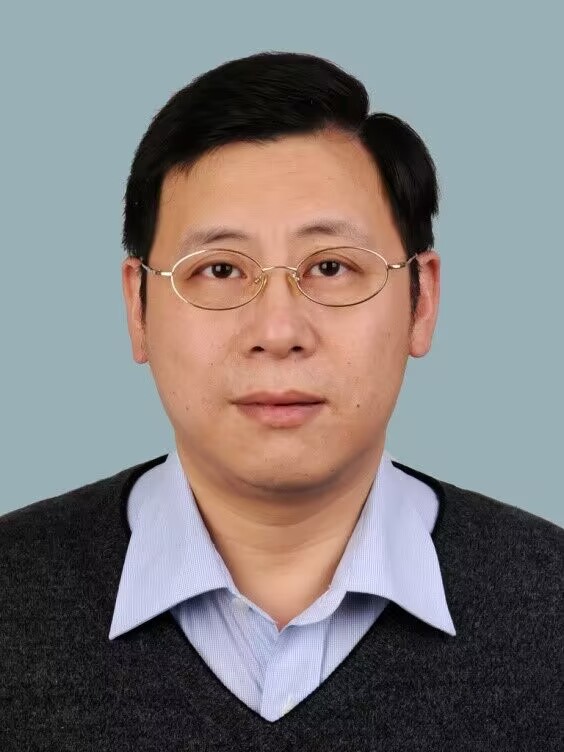 Qiang Peng (彭强)合作论文数College of Materials and Chemistry & Chemical Engineering, Chengdu University of Technology2
 Tao Gong (龚涛)合作论文数West China School of Pharmacy, Sichuan University2Yaxin Zeng合作论文数1Fengying Shan合作论文数1Jiawei Ye合作论文数1Qiang Yan合作论文数1Ying Wang合作论文数Sichuan University1Ting Zhang (张亭)合作论文数1Qing LIN (林箐)合作论文数1
 Haiying Fu (付海英)合作论文数中国科学院大学核科学与技术学院1Luo Jingwen合作论文数1San Feng-Ying合作论文数1
 Bowen Hu (胡博文)合作论文数School of Chemistry and Chemical Engineering, Harbin Institute of Technology1Jiayi Wu (吴佳奕)合作论文数1
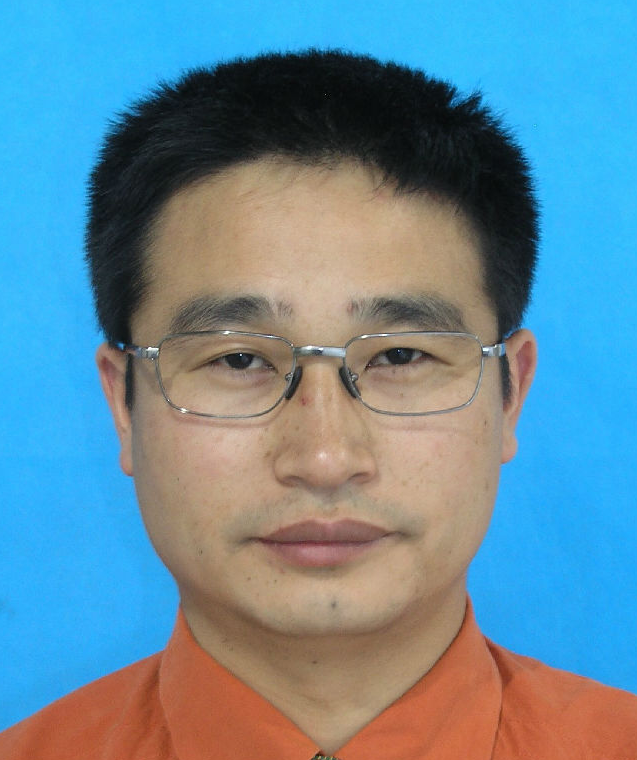 Jing Chen (陈靖)合作论文数Institute of Nuclear and New Energy Technology, Tsinghua University1Wenqi Wu (伍文奇)合作论文数1
 Chao Xu (徐超)合作论文数Institute of Nuclear and New Energy Technology, Tsinghua University1
 Xun Sun (孙逊)合作论文数Department of Pharmaceutics, West China School of Pharmacy, Sichuan University1
 Yao Fu (符垚)合作论文数West China School of Pharmacy, Sichuan University1Steven D. Conradson合作论文数Department of Chemistry, Washington State University1




