Plant genebanks contain large numbers of germplasm accessions that likely harbor useful alleles or genes absent in commercial plant breeding programs. Broadening the genetic base of commercial alfalfa germplasm with these valuable genetic variations can be achieved by screening the extensive genetic diversity in germplasm collections and enabling maximal recombination among selected genotypes. In this study, we assessed the genetic diversity and differentiation of germplasm pools selected in northern U.S. latitudes (USDA Plant Hardiness Zone 7 or below) originating from Eurasian germplasm. The germplasm evaluated included four BASE populations (C0) from different geographical origins (Central Asia, Northeastern Europe, Balkans-Turkey-Black Sea, and Siberia/Mongolia), 20 cycle-one populations (C1) derived from each of the four BASE populations selected across five locations in the U.S. and Canada, and four commercial cultivars. Using a panel of 3,000 Diversity Array Technologies (DArTag) marker loci, we retrieved 2,994 target SNPs and approximately 12,000 microhaplotypes. Microhaplotypes exhibited higher genetic diversity values than target SNPs. Principal component analysis and discriminant analysis of principal components revealed significant population structure among the alfalfa populations based on geographical origin, while the check cultivars formed a central cluster. Inbreeding coefficients (FIS) ranged from - 0.1 to 0.006, with 27 out of 28 populations showing negative FIS values, indicating an excess of heterozygotes. Interpopulation genetic distances were calculated using Rho pairwise distances (FST adapted for autotetraploid species) and analysis of molecular variance (AMOVA) parameters. All BASE populations showed lower Rho values compared to C1 populations and check cultivars. AMOVA revealed that most of the genetic diversity was among individuals within populations, especially in BASE populations (92.7%). This study demonstrates that individual plants in BASE populations possess high genetic diversity, low interpopulation distances, and minimal inbreeding, characteristics that are essential for base-broadening selection. The populations developed in this project serve as valuable sources of novel alleles for North American alfalfa breeding programs, offering breeders access to diverse, regionally adapted pools for improving various alfalfa traits.
Alfalfa (Medicago sativa L.) is a globally vital forage crop valued for its perennial growth and multiple annual harvests. A breeding effort is underway to improve the crop for productivity and persistence against biotic and abiotic stresses using "creeping rootedness," a trait where plants exhibit horizontal root growth, similar to rhizomes, with increased vegetative ground surface area. In this study, we genotyped a breeding population of 648 alfalfa lines segregating for creeping rootedness using the 3K DArTag marker panel to identify trait-associated genomic loci and evaluate the feasibility of genomic prediction to accelerate breeding cycles. Using genome-wide association studies (GWAS), we identified three quantitative trait loci (QTLs), with one major QTL located on chromosome 6.1 associated with this trait. Genomic prediction showed moderate predictive ability (r = 0.68) for creeping rootedness. A significant advancement in this study was the development and utilization of the Breeding Insight Genomics Application (BIGapp), an R Shiny application designed to streamline the processing of genomic data through an intuitive interface. This tool makes integrating genomics into existing breeding programs accessible, regardless of species ploidy or the researcher's coding proficiency. The identified QTL will be essential in future efforts to develop new alfalfa cultivars with the creeping rootedness trait and accelerate the breeding cycle, with BIGapp playing a pivotal role in these advancements.
Lotus corniculatus L., also known as birdsfoot trefoil (BFT), is a perennial, non-bloating, temperate forage legume widely grown due to its accumulation of high levels of condensed tannins (CTs) in foliage. However, variations in the CT levels and other plant metabolites in BFT genotypes in response to environmental and yearly factors under field conditions remain largely unexplored. Here, we combine conventional CT quantification and metabolome profiling with high-resolution liquid chromatography–mass spectrometry (LC-MS) to understand how environmental factors impact CT and other metabolite profiles. Eight BFT genotypes grown in Kentville, Canada, and Rhode Island and Utah in the United States were investigated, revealing significant genotypic variations in soluble CT contents. The global metabolome profiles of the eight BFT genotypes clustered predominantly based on geographical location. These results demonstrate that geographical location strongly influences CT accumulation and metabolome composition, offering potential for selecting genotypes adapted to specific environments. Our findings provide an opportunity for targeted breeding strategies to optimize CT levels, improve forage quality, and enhance stress resilience in birdsfoot trefoil.
Developing drought-resistant alfalfa (Medicago sativa L.) that maintains high biomass yield is a key breeding goal to enhance productivity in water-limited areas. In this study, 424 alfalfa breeding families were analyzed to identify molecular markers associated with biomass yield under drought stress and to predict high-merit plants. Biomass yield was measured from 18 harvests from 2020 to 2023 in a field trial with deficit irrigation. A total of 131 significant markers were associated with biomass yield, with 80 markers specifically linked to yield under drought stress; among these, 19 markers were associated with multiple harvests. Finally, genomic best linear unbiased prediction (GBLUP) was employed to obtain predictive accuracies (PAs) and genomic estimated breeding values (GEBVs). Removing low-informative SNPs [SNPs with p-values > 0.05 from the additive Genome-Wide Association (GWAS) model] for GBLUP increased PA by 47.3%. The high number of markers associated with yield under drought stress and the highest PA (0.9) represent a significant achievement in improving yield under drought stress in alfalfa.
AbstractBackgroundMixtures with birdsfoot trefoil (BFT) increase herbage intake in grazing cattle. We hypothesized that BFT spatially separated from grasses would increase preferential grazing of BFT and herbage intake compared to grass and BFT in mixed rows.MethodsBinary mixtures of BFT were established with orchardgrass, meadow bromegrass, tall fescue, and perennial ryegrass in alternating and in mixed rows. Pastures were rotationally stocked with Jersey heifers, and herbage mass, intake, and preferential grazing were estimated.ResultsPlanting BFT in alternating rows did not affect herbage mass, intake, or BFT preference. Regardless of spatial arrangement, pasture production averaged 4116 kg ha−1 per rotation, of which 32% was BFT. BFT comprised 39% of herbage intake in alternating and mixed rows, 7% greater (p = 0.001) than offered, indicating partial preference for BFT. Greatest preferential grazing of BFT was in tall fescue and orchardgrass mixtures, but less than commonly reported for legumes grown in more contrasting spatial arrangements with cool‐season grasses.ConclusionsGrazing heifers showed partial preference for BFT over grass. However, the lack of an effect of spatial arrangement on herbage mass, herbage intake, and diet preference indicates that spatial arrangements greater than alternating rows may be needed to increase overall herbage intake.
Insufficient dry matter intake (DMI) of pasture by dairy cattle is a major factor limiting growth and milk production; however, it has been hypothesized that some dairy breeds may be more efficient grazers than others. This study was conducted to determine whether dairy breed types differ in DMI and feed efficiency when grazing either grass monoculture or grass-legume mixed pastures. The experiment compared 4 different dairy breed types (Jersey, Holstein, Holstein-Jersey crossbreds, and Montbéliarde-Swedish Red-Holstein 3-breed crossbreds) and 2 levels of pasture type [grass monoculture (MONO) and grass-birdsfoot trefoil (BFT) mixture (MX)] for a total of 8 treatments. Pastures were rotationally stocked with groups of 4 prepubertal heifers for 105 d for 3 yr, and DMI was determined from herbage disappearance. Feed conversion efficiency (FCE) and residual feed intake (RFI) were then derived from DMI, and heifer body weights (BW) and normalized to animal units (AU) as 40% metabolic mature BW of the corresponding dairy breed type to account for inherent differences in size and growth rates. We observed differences in DMI and feed efficiency among breed types and between pasture types. On average, Holsteins had the greatest overall DMI (4.4 kg/AU), followed by intermediate DMI by the crossbreds (4.0 kg/AU), and Jerseys had the least DMI (3.6 kg/AU). Heifers grazing MX pastures had on average 22% greater DMI than those grazing MONO, but heifers on grass monocultures were more efficient in converting DMI to BW gain (i.e., RFI/AU of 0.27 and -0.27, respectively; more negative RFI numbers indicate less DMI to achieve the expected gains). Overall, Jerseys had the most favorable feed efficiency; however, ranking of Holsteins and crossbreds depended upon the feed efficiency metric. This study is one of the first to compare the interaction of dairy breed and pasture quality on grazing efficiency. However, the lack of a breed type × pasture type interaction for DMI, FCE, or RFI indicated that none of these dairy breed types were better adapted than another breed type to pastures with contrasting levels of nutritive value.
Alfalfa (Medicago sativa L.), one of the most extensively grown forage crops, is sensitive to saline soils. We measured the breeding efficiency for increased salt tolerance in alfalfa by comparing lines selected from BC79S, CS, and SII populations with their unselected parental means for forage mass and associated changes in stem length, leaf-to-stem ratio (LSR), number of nodes per stem, crude protein (CP) content, and neutral detergent fiber (NDF) content. The overall forage mass in the non-salt-stressed test (9562 kg ha−1) was greater (p < 0.001) than under salt stress (5783 kg ha−1), with a 40% production advantage. In the non-salt-stressed test, the BC79S and CS lines averaged at a 4% lower production than their parents, while SII lines had on average a 9% greater production. Conversely, in the salt-stressed test, all lines showed a 20% overall greater seasonal production than their parents. Some selected lines produced more forage mass in both the non-stressed and salt-stressed tests than their parents. The stem length, LSR, node number, CP content, and NDF content of the selected lines varied with respect to non-stressed vs. stressed, but they tended not to differ greatly from their respective parental means under either non- or salt-stressed conditions. The selection protocol provided a universal increase in forage mass under salt-stressed field conditions of the selected lines. Furthermore, we identified lines with forage mass values greater than their parental means under non- and salt-stressed field conditions.
Achieving high forage production combined with adequate forage nutritive value on Intermountain western U.S. grazing lands during the fall and early winter can be difficult. Crude protein (CP) and neutral detergent fiber (NDF) of cicer milkvetch (Astragalus cicer L.) were characterized relative to alfalfa (Medicago sativa L.), and crested wheatgrass [Agropyron cristatum (L.) Gaertn.]. Forage was harvested monthly September-December from season long stockpiled growth (full-season), stockpiled regrowth following a June defoliation (mid-season), and stockpiled regrowth following an August defoliation (late-season). Crude protein of cicer milkvetch ranged from 11.9 to 9.2%, 20.5 to 14.3%, and 24.6 to 15.9%, in the full-, mid-, and late-season stockpiled strategies, respectively. Overall, cicer milkvetch CP was equal to alfalfa CP and 5.7 percentage points greater than crested wheatgrass CP across all harvest dates of the three stockpiling scenarios. Furthermore, cicer milkvetch NDF was less (more favorable) than both alfalfa and crested wheatgrass, ranging from 46.4 to 59.6%, 23.0 to 37.4%, and 26.2 to 33.7%, in the full-, mid-, and late-season stockpiled strategies, respectively. The high CP and superior NDF of cicer milkvetch indicate it has unrealized potential for improving forage nutritive value of grazing lands in the western United States, particularly in the late fall to early winter.
Low dietary energy and decreased intake of herbage have been attributed to the reduced performance of grazing dairy cattle. We hypothesized that grasses with inherently greater energy would interact in a complementary way with condensed tannins (CT) in birdsfoot trefoil to increase herbage intake by grazing dairy heifers. Eight pasture treatments comprising high-sugar perennial ryegrass (Lolium perenne L.), orchardgrass (Dactylis glomerata L.), meadow bromegrass (Bromus riparius Rehmann), and tall fescue [Schendonorus arundinaceus (Schreb.) Dumort] were established in Lewiston, Utah as monocultures and binary mixtures with birdsfoot trefoil (Lotus corniculatus L.; BFT). Pasture treatments were rotationally stocked by Jersey heifers for 105 d in 2017 and 2018, and herbage samples were collected pre- and postgrazing for each 7-d grazing period and analyzed for herbage mass, nutritive value, and apparent herbage intake. We observed differences among pasture treatments in herbage quantity and nutritive value, as well as differences in herbage intake by grazing Jersey heifers. On average, grass-BFT mixtures had greater herbage intake than grass monocultures, and every grass-BFT treatment individually had greater herbage intake than their respective grass monocultures. Using multivariate analyses, we determined that approximately 50% of the variation in herbage intake was due to nutritive and physical herbage characteristics, with the most explanatory being characteristics related to fiber and energy, followed by those related to the percent of BFT in the herbage. Grass monocultures exhibited a range of inherent dietary energy, but there was indication that an imbalance of energy to crude protein (e.g., protein deficient) reduced intake of grass monocultures. Moreover, there was some evidence of a complementary effect between increased dietary energy and CT; however, low CT levels made it impossible to determine the effect of CT on herbage intake per se. This study confirmed that chemical and physical characteristics inherent to different pasture species have a large effect on herbage intake by grazing cattle. Pastures planted to binary mixtures of nutritious grasses and birdsfoot trefoil increase herbage intake of temperate pastures by grazing Jersey heifers.
Resilience is increasingly part of the discussion on climate change, yet there is a lack of breeding for resilience per se. This experiment examined the genetic parameters of a novel, direct measure of resilience to water deficit in tall fescue (Lolium arundinaceum (Schreb.) Darbysh.). Heritability, genetic correlations, and predicted gain from selection were estimated for average productivity, resilience, and stability based on forage mass of a tall fescue half-sib population grown under a line-source irrigation system with five different water levels (WL). Resilience was both measurable and moderately heritable (h(2) = 0.43), with gains of 2.7 to 3.1% per cycle of selection predicted. Furthermore, resilience was not correlated with average response over environments and negatively correlated with stability, indicating that it was not a measure of responsiveness to more favorable environments. Genetic correlations among WL ranged from 0.87 to 0.56, however in contrast, resilience was either not or slightly negatively genetically correlated with WL except for moderate correlations with the 'crisis' WL. Thus, breeding for improved resilience was predicted to have little effect on forage mass at any given individual water deficit environment. Overall, results indicated that this novel metric could facilitate breeding for improved resilience per se to water deficit environments.
Alfalfa (Medicago sativa L.) is a perennial, outcrossing legume crop predominantly grown for hay, silage, or pasture. Intensive selection has resulted in dramatic improvement in fitness traits, including winter survival and disease resistance. However, there has been minimal improvement in other economically important traits, such as hay yield, which is still comparable to 30 years ago. Intensive phenotyping costs on this type of trait hinder high selection pressure to identify superior outcross individuals. Severe inbreeding depression inhibits the development of inbred lines with accumulated favorable alleles that exhibit heterosis. This review highlights the outcomes of inbreeding depression as well as the causes, including unmasking deleterious alleles and triggering self-incompatibility. We tracked the research efforts that unveil the genetic bases underlying deleterious alleles and self-incompatibility. The magnitudes of inbreeding depression were compared with the rate of heterozygous halved time in diploid and tetraploid organisms. To fill in the gaps between the controversy and existing hypotheses, we theorized a dosage dominant model of inheritance. The dosage dominant model is similar to the Mendelian dominance model, in which a genotype exhibits a dominant phenotype if there is a dominant allele (alphabet dominant). The difference is that in the dosage dominant model, a genotype will result in a dominant phenotype if the number of dominant alleles is equal to or greater than the number of recessive alleles. This review also includes a discussion on the development of pseudo inbreds and a hypothesis to identify deleterious alleles using bulked segregant analysis and consequently to purge deleterious alleles using marker-assisted selection, to progress toward the successful development of pure inbred lines in alfalfa.
Dairy heifers developed in certified organic programs, especially those utilizing pasture-based management schemes, have lower rates of gain than heifers raised in nonorganic confinement production systems in temperate climates, such as in the Intermountain West region of the United States. This study investigates the effects that different forages in a rotational grazing system have on development of organically raised Jersey heifers. Over 3 years, 210 yearling Jersey heifers were randomly assigned to one of 9 treatments, including a conventional confinement control where animals were fed a total mixed ration or one of 8 pasture treatments: Cache Meadow bromegrass (Bromus riparius Rehmann), QuickDraw orchard grass (Dactylis glomerata L.), Amazon perennial ryegrass (Lolium perenne L.), or Fawn tall fescue (Schendonorus arundinaceus [Schreb.] Dumort) and each individual grass interseeded with birdsfoot trefoil (Lotus corniculatus L., BFT). Each treatment had 3 blocks/yr over the 3-yr period, with each block having a 0.4 ha pasture of each treatment. Every 35 d, over a 105-d period, heifers were weighed and measured for hip height, and blood samples were collected to determine serum insulin-like growth factor-1 and blood urea nitrogen concentrations. Fecal egg counts were also assessed. Heifer body weight (BW), blood urea nitrogen, and insulin-like growth factor-1 concentrations were affected by treatment when analyzed over time. Heifers on grass-BFT pastures had increased BW compared with heifers on monoculture grass pastures. Heifers receiving a total mixed ration or perennial ryegrass+BFT had increased BW gain over the 105-d period compared with heifers grazing tall fescue+BFT, orchard grass, perennial ryegrass, meadow bromegrass, or tall fescue. Individually for all grass species, heifers grazing +BFT pastures had greater ending BW and weight gain than heifers grazing the respective grass monocultures. Furthermore, weight gain for heifers on perennial ryegrass+BFT, meadow bromegrass+BFT, and orchard grass+BFT were not different from those on a total mixed ration. Heifers grazing grass-BFT pastures had increased blood urea nitrogen compared with heifers grazing monoculture grass pastures. Heifer hip height and fecal egg counts were not affected by treatment. These results show that the addition of BFT to organic pasture improves growth of grazing replacement heifers. Economic analyses also demonstrate that interseeding grass pastures with BFT results in an increased economic return compared with grazing monoculture grass pastures. Grass pastures interseeded with BFT may be a sustainable option to achieve adequate growth of Jersey heifers raised in an organic pasture scenario in a temperate climate.
Differentiation of the hormone-producing cells of the pituitary represents an informative model of cell fate determination. The generation and maintenance of 2 pituitary lineages, the growth hormone (GH)- producing somatotropes and the prolactin (PRL)- producing lactotropes, are dependent on the pituitary-specific transcription factor, POU1F1. While POU1F1 is expressed in both cell types, and plays a role in activation of both the Gh and Prl genes, expression of Gh and Prl is restricted to somatotropes and lactotropes, respectively. These observations imply the existence of additional factors that contribute to the somatotrope and lactotrope identities and their hormone expressions. Prior transcriptome analysis of primary somatotropes and lactotropes isolated from the mouse pituitary identified enrichment of a transcription factor, Nr4a2, in the lactotropes. Nr4a2 was shown in a cell culture model to bind the Prl promoter at a position adjacent to Pou1f1 and to synergize with Pou1f1 in driving Prl transcription. Here we demonstrate in vivo the role of Nr4a2 as an enhancer of Prl expression by conditional gene inactivation of the Nr4a2 gene in mouse lactotropes. We demonstrate that nuclear orphan receptor transcription factor (NR4A2) binding at the Prl promoter is dependent on actions of POU1F1; while POU1F1 is essential to loading polymerase (Pol) II on the Prl promoter, Nr4a2 plays a role in enhancing Pol II release into the Prl gene body. These studies establish an in vivo role of Nr4a2 in enhancing Prl expression in mouse lactotropes, explore its mechanism of action, and establish a system for further study of the lactotrope lineage in the pituitary.
Forage kochia (Bassia prostrata [L.] A.J. Scott) is a perennial, halophytic Chenopodiaceae shrub adapted to semiarid rangelands and steppes. It is noted for its ability to produce edible forage in saline environments, but the effect of salinity on its nutritive value has not been determined. Therefore, this study evaluated the dose-response of increasing salinity on the forage quality of forage kochia and Gardner’s saltbush (Atriplex gardneri [Moq.] D. Dietr., a chenopod forage shrub indigenous to the United States). Individual plants were evaluated in hydroponics for 28 days at 0, 150, 300, and 600 mM NaCl. Salt from accumulated ions, minerals, and forage nutritive value were determined using ground shoot samples. Analysis of forage nutritive value is problematic in plants with high salt concentrations, so neutral detergent fiber (NDF) and in vitro true digestibility (IVTD) were also predicted on an ash-corrected dry matter (DM) basis (NDFcorrected and IVTDcorrected). Forage kochia exhibited a dose-response for salt concentration, IVTDcorrected, and crude protein (CP) as salinity increased. Salt concentrations increased to 19% of DM at 600 mM NaCl, which may reduce voluntary intake by ruminants grazing forage kochia. Results indicated that uncorrected IVTD estimates were inflated as forage kochia IVTDcorrected decreased from 65% to 56% with the major change between 300 and 600 mM NaCl. Crude protein did not differ between two forage kochia cultivars but decreased from 26% to 15% between 0 and 600 mM NaCl, whereas Gardner’s saltbush CP decreased by only five percentage points as salinity increased. Nonetheless, despite the greater CP sensitivity to salinity level, forage kochia salt concentration was less and digestibility and metabolizable energy (ME) were greater than Gardner’s saltbush. Overall, salinity reduced the forage quality of forage kochia, though not as dramatically as for Gardner’s saltbush, thus supporting use of forage kochia to improve the forage base of saline rangelands.
The anterior pituitary gland drives highly conserved physiologic processes in mammalian species. These hormonally controlled processes are central to somatic growth, pubertal transformation, fertility, lactation, and metabolism. Current cellular models of mammalian anteiror pituitary, largely built on candidate gene based immuno-histochemical and mRNA analyses, suggest that each of the seven hormones synthesized by the pituitary is produced by a specific and exclusive cell lineage. However, emerging evidence suggests more complex relationship between hormone specificity and cell plasticity. Here we have applied massively parallel single-cell RNA sequencing (scRNA-seq), in conjunction with complementary imaging-based single-cell analyses of mRNAs and proteins, to systematically map both cell-type diversity and functional state heterogeneity in adult male and female mouse pituitaries at single-cell resolution and in the context of major physiologic demands. These quantitative single-cell analyses reveal sex-specific cell-type composition under normal pituitary homeostasis, identify an array of cells associated with complex complements of hormone-enrichment, and undercover non-hormone producing interstitial and supporting cell-types. Interestingly, we also identified a Pou1f1-expressing cell population that is characterized by a unique multi-hormone gene expression profile. In response to two well-defined physiologic stresses, dynamic shifts in cellular diversity and transcriptome profiles were observed for major hormone producing and the putative multi-hormone cells. These studies reveal unanticipated cellular complexity and plasticity in adult pituitary, and provide a rich resource for further validating and expanding our molecular understanding of pituitary gene expression programs and hormone production.
Yellow-flowered alfalfa (Medicago sativa subsp. falcata) (also known as sickle medic) has been the cornerstone for breeding alfalfa for dual grazing and hay production in the semiarid regions of the northern Great Plains in the US and Canada. Most, if not all, of the cultivars developed for the northern Great Plains during the 20th century, had parentage tracing back to introductions by Niels Ebbesen Hansen that were obtained from expeditions to Russia, primarily the province of Siberia, on behalf of the United States Department of Agriculture during the early 1900s. The M. falcata genome contains alleles for high levels of drought-tolerance, winter hardiness, and tolerance to grazing, but is generally deficient for commercial seed production traits, such as non-shatter, compared with common alfalfa (M. sativa). A naturalized population, tracing to USDA plant introductions to Perkins County South Dakota by N.E. Hansen in early 1900, and subsequently, facilitated by the determined seed increase and interseeding of a population by a local rancher, Norman ‘Bud’ Smith, has shown highly desirable in situ characteristics for improving rangelands in the northern Great Plains. This includes adequate seed production to build a seed bank in the soil for natural seedling recruitment and population maintenance/expansion and support the production of a commercial seed source. This review documents the seminal events in the development of cultivars to date and describes novel germplasm with potential for new cultivars in the future.
Soil salinity is a growing problem in world production agriculture. Continued improvement in crop salt tolerance will require the implementation of innovative breeding strategies such as marker-assisted selection (MAS) and genomic selection (GS). Genetic analyses for yield and vigor traits under salt stress in alfalfa breeding populations with three different phenotypic datasets was assessed. Genotype-by-sequencing (GBS) developed markers with allele dosage and phenotypic data were analyzed by genome-wide association studies (GWAS) and GS using different models. GWAS identified 27 single nucleotide polymorphism (SNP) markers associated with salt tolerance. Mapping SNPs markers against the Medicago truncatula reference genome revealed several putative candidate genes based on their roles in response to salt stress. Additionally, eight GS models were used to estimate breeding values of the training population under salt stress. Highest prediction accuracies and root mean square errors were used to determine the best prediction model. The machine learning methods (support vector machine and random forest) performance best with the prediction accuracy of 0.793 for yield. The marker loci and candidate genes identified, along with optimized GS prediction models, were shown to be useful in improvement of alfalfa with enhanced salt tolerance. DNA markers and the outcome of the GS will be made available to the alfalfa breeding community in efforts to accelerate genetic gains, in the development of biotic stress tolerant and more productive modern-day alfalfa cultivars.
High nitrogen (N) fertilizer costs and increased environmental stewardship have renewed interest in grass-legume pastures. This research compared herbage mass, nutritive value, steer growth performance and economics of binary mixtures of tall fescue (Schendonorus arundinaceus [Schreb.] Dumort, nom. Cons.) (TF) with alfalfa (ALF) (TF + ALF, Medicago sativa L.) and birdsfoot trefoil (BFT) (TF + BFT, Lotus corniculatus L.), to tall fescue with (TF + N) and without N fertilizer (TF-N). Pastures were established in Lewiston, Utah, USA, and rotationally stocked by Angus beef steers for 112 days in 2012 and 2013. Herbage samples were collected prior to each 7-day stocking period and analyzed for mass and nutritive value. Steers were weighed each 28-day rotation cycle and cumulative average daily gain (ADG) calculated. Steer performance differed (p = .05) among most treatments with ADG greatest for TF + BFT (0.73 kg/day) and TF + ALF (0.67 kg/day), followed by TF + N (0.61 kg/day) and the least for TF-N (0.40 kg/day). Multivariate analysis indicated that small inherent differences in herbage energy, fiber and digestibility were highly correlated with steer growth. Other variables associated with ADG included legume proportion and herbage mass. Fescue-legume mixtures had 29 to 33% legume proportion, and more (p = .05) favorable energy and fiber concentrations than grass monocultures. Whereas herbage mass was greatest (p = .05) for TF + N (2,956 kg/ha), followed closely by TF + BFT (2,741 kg/ha) and TF + ALF (2,623 kg/ha). Overall, TF + BFT and TF + ALF pastures had less herbage, but better nutritive value and increased steer growth performance compared to TF + N, without the added cost of fertilizer.
 Blair L. Waldron合作论文数43Kevin B. Jensen合作论文数Research Lab, Range21Joseph G. Robins合作论文数13Ivan W. Mott合作论文数12J. Earl Creech合作论文数11
 Yajun Wu合作论文数South Dakota State University 9Longxi Yu (余龙喜)合作论文数United States Department of Agriculture7
 Jongsu Eun合作论文数Sustainable Production Systems, Research Centre, Agriculture and Agri-Food Canada7Jacob A. Hadfield合作论文数5Isom S Clay合作论文数5
 Thornton K J合作论文数Department of Animal and Veterinary Sciences, University of Idaho5
 Rokebul Anower合作论文数Department of Biology and Microbiology, South Dakota State University5
 Stephen Aaron Liebhaber合作论文数Department of Genetics, Perelman School of Medicine, University of Pennsylvania;Departments of Genetics and Medicine, Perelman School of Medicine, University of Pennsylvania5
 C. T. Noviandi合作论文数Life Sciences Laboratory, Gadjah Mada University5Steven R. Larson合作论文数4Rhonda L. Miller合作论文数4Marcus F. Rose合作论文数4
 Kerry A. Rood合作论文数4
 D. R. Zobell合作论文数4Yugong Ho合作论文数4Dale R. Zobell合作论文数4r d stott合作论文数3
 Manoj Sapkota合作论文数3Thomas A. Jones合作论文数3
 Thomas A. Monaco合作论文数USDA-ARS Forage and Range Research Laboratory, Logan, UT USA3Arvid Boe合作论文数3
 Bart C Weimer合作论文数Center for Integrated BioSystems, Utah State University3
 Corey V. Ransom合作论文数3
 John G. Carman合作论文数Plants, Soils, and Climate Department, Utah State University3s graugaard合作论文数2Kevin Heaton合作论文数2Bracken Henderson合作论文数2
 Peng Hu (胡鹏)合作论文数College of Fisheries and Life Science, Shanghai Ocean University;Key Laboratory of Exploration and Utilization of Aquatic Genetic Resources, Ministry of Education, Shanghai Ocean University2
 Zhanyou xu合作论文数2Xiang-Ping Liu合作论文数2Sixing Chen合作论文数Perelman School of Medicine, University of Pennsylvania2Anne Fennell合作论文数2
 Douglas J. Epstein合作论文数Department of Genetics, Perelman School of Medicine, University of Pennsylvania2
 Pablo G Cámara合作论文数Department of Genetics, Perelman School of Medicine, University of Pennsylvania2
 Bruno Studer合作论文数Department of Environmental Systems Science, Eidgenössische Technische Hochschule Zürich2
 Cesar Medina合作论文数Department of Biological Sciences, Universidad de los Andes;Department of Biological Sciences, Universidad de los Andes2
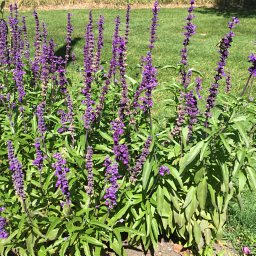 Dongyan Zhao合作论文数Plant Biotechnology Resource and Outreach Center, Michigan State University2
 Charles Hawkins合作论文数Department of Watershed Sciences, Utah State University2
 Lin Meng合作论文数Agronomy Department, Kansas State University2
 Charlie Brummer合作论文数Center for Plant Breeding, Department of Plant Sciences, University of California, Davis2
 Bruce Bugbee合作论文数Crop Physiology Laboratory, Department of Plant, Soils and Climate, College of Agriculture and Applied Sciences, Utah State University2
 Paul Johnson合作论文数2Kay H. Asay合作论文数2
 Thomas Lubberstedt合作论文数Department of Plant Biology, Research Centre Flakkebjerg2




