4073 Background: Esophagogastric cancers (EGCs) encompass a heterogenous group of cancers. The genomic drivers that overlap or differentiate among each cancer type are not well studied, despite the availability of therapies that target specific genetic alterations in driver genes. Methods: Genomic data from Natera's Real-World Database (N = 5,872) was analyzed to investigate genomic patterns in EGC patients (09/2019-11/2024) receiving standard-of-care treatment . This exploratory analysis was conducted on tumor tissue data available from whole-exome sequencing, generated as part of SignateraTM testing.Microsatellite instability (MSI) status was determined using the MSIsensor and 96-trinucleotide contexts and was correlated with COSMIC SBS signatures (v3.3). Prevalence analysis included only non-synonymous mutations, with ranking adjusted for gene length. Results: Patients included 4050 men and 1822 women, with median age 65.3 years, and stage distribution as follows: I: 7.9%, II:14.7%, III: 32.9%, IV: 32.2%, and 12.3% unknown. Gastric cancer (GC) was most common (48.1%), followed by esophageal (EC, 45.9%) and gastroesophageal junction (GEJ, 7.2%). MSI-high cases (7.7% prevalence overall, 2.2% in squamous EC, 5.2% in EC adenocarcinoma, 6.1% in GEJ, 10.9% in GC) had a distinct mutational landscape with frequent missense deletions. The most common signatures were clock-like (SBS1, SBS5), MMR-deficiency-related (SBS6, SBS15), and Thiopurine-chemotherapy-related (SBS87). PIK3CA mutations were found in 7.9% of cases, with the most common being E545 (2.6%), H1047 (1.1%), and E542 (1.0%). Notably, PIK3CA exon 9/20 mutations displayed a trend of higher prevalence in ctDNA-positive cases. Conclusions: These data provide insights into the mutational landscape of EGC and enhance our understanding of differences between histological subtypes. Future studies will continue to explore the associations between genomic subtypes, treatment patterns, and clinical outcomes. Top mutated genes and variants in esophagogastric cancers. Group N Genes Variants EGC, all 5872 TP53 (49.8%) ARID1A (16.1%) ACVR2A K437X (5.5%) RPL22 K15X (5.3%) RNF43 G659X (4.0%) EGC, MSS 5411 TP53 (47.9%) ARID1A (11.9%) G2E3 T361fs (3.1%) TP53 R175H (2.7%) LRRIQ3 Q245fs (2.3%) EGC, MSI-high 422 ARID1A (71.7%) KMT2D (68.7%) RPL22 (60.3%) ACVR2A K437X (58.6%) RPL22 K15X (56.6%) RNF43 G659X (44.1%) GEJ, MSS 448 TP53 (50.5%) CSMD1 (13.4%) PCLO (12.0%) TMBIM4 Y174fs (3.2%) TP53 R273C (3.2%) TP53 R175H (3.2%) GC, MSS 2487 TP53 (33.5%) CDH1 (14.4%) ARID1A (13.8%) G2E3 T361fs (3.1%) PIK3CA E545K (2.3%) LRRIQ3 Q245fs (2.2%) EC Adenocarcinoma, MSS 1599 TP53 (33.5%) CDKN2A (13.5%) ARID1A (12.6%) TP53 R175H (4.0%) TP53 R248Q (3.4%) G2E3 T361fs (3.1%) EC Squamous carcinoma, MSS 348 TP53 (61.8%) NOTCH1 (17.2%) PIK3CA E545K (3.9%) TMBIM4 Y174fs (3.4%) TP53 Y220C (2.9%)
Supplementary Figure S5 from Immunostimulatory Cancer-Associated Fibroblast Subpopulations Can Predict Immunotherapy Response in Head and Neck Cancer
Detection of circulating tumor DNA (ctDNA) has clinical value as a non-invasive method for therapeutic response monitoring and detection of minimal residual disease (MRD). In this study, we employed a tumor-informed approach for detecting ctDNA from plasma in a cohort of head and neck cancer (HNSCC) patients with matched sets of FFPE tissue (FFPET), peripheral blood, and plasma samples. Patients with locally advanced HNSCC were treated with induction chemoimmunotherapy, followed by surgical resection, and risk-adapted adjuvant therapy. Plasma was collected pre-treatment, post-induction (on-treatment), and after completion of all treatment (post-treatment). By leveraging whole genome sequencing (WGS), we can overcome the sparsity of ctDNA fragments in low tumor fraction (TF) settings via tracking of hundreds to thousands of single nucleotide variants (SNVs). Our approach identifies a patient’s unique compendium of tumor-related SNVs from their FFPET sample (after germline subtraction) and tracks this compendium of variants in their plasma samples to detect the presence of ctDNA. Three patients failed quality control criteria and were excluded from further analysis due to the presence of high proportions of C>T:G>A and C>A:G>T variants, known to be FFPE-related and oxidative damage-related artifacts, respectively. Three plasma samples from the post-induction timepoint were also excluded due to insufficient material for sequencing. Post-induction ctDNA was detected in 13 of 22 evaluable samples. Among the ctDNA positive (ctDNA+) post-induction patients, all of them (13/13) had measurable residual tumors on pathologic review, while (2/9) in the ctDNA negative (ctDNA-) group had measurable tumors. For patients with measurable tumors, mean tumor size in the ctDNA+ group (n=13) was 4 cm, while the mean in the ctDNA- group (n=2) was 2.6 cm. Post-treatment ctDNA was detected in 2 of 18 evaluable samples. Among the ctDNA+ post-treatment patients, 100% (2/2) had disease recurrence within 6 months, while disease recurrence was observed in 12.5% (2/16) of the ctDNA- group (occurring 7- and 32-months post-treatment completion). Lastly, we estimated plasma tumor fraction (TF) following Zivran et al (2020). ctDNA+ post-induction samples had a mean TF of 2.4 x 10⁻⁴ (n=13; ranging from 2.3 x 10⁻⁵ to 1.1 x 10⁻³) and ctDNA+ post-treatment samples had an order of magnitude lower mean TF of 5.8 x 10⁻⁵ (n=2; ranging from 5.7 x 10⁻⁵ to 5.8 x 10⁻⁵) indicating partial molecular response to treatment even in the presence of detectable residual ctDNA. In this albeit small clinical study, our tumor-informed ctDNA assay achieved clinical sensitivity of 87% and 50% at post-induction and post-treatment, respectively, and clinical specificity of 100% at both time points. Our findings underscore the utility of ctDNA as a promising biomarker for disease monitoring in head and neck cancer patients. Shetal A. Patel, Melanie Lou, Eddie Ho, Michelle Harwood, Seng Saelee, Dinesh Kumar, Steven Johnson, Siddarth Sheth, Jeffrey Blumberg, Catherine Lumley, Wendell Yarbrough, Michael K. Gibson, Jessica Bauman, Trevor Hackman, Jared Weiss, Sowmi Utiramerur. Whole genome sequencing of ctDNA enables disease monitoring and residual disease detection in head and neck cancer patients [abstract]. In: Proceedings of the American Association for Cancer Research Annual Meeting 2025; Part 1 (Regular Abstracts); 2025 Apr 25-30; Chicago, IL. Philadelphia (PA): AACR; Cancer Res 2025;85(8_Suppl_1):Abstract nr 3262.
Supplementary Figure S7 from Immunostimulatory Cancer-Associated Fibroblast Subpopulations Can Predict Immunotherapy Response in Head and Neck Cancer
Supplementary Figure S6 from Immunostimulatory Cancer-Associated Fibroblast Subpopulations Can Predict Immunotherapy Response in Head and Neck Cancer
Supplementary Table S1 from Immunostimulatory Cancer-Associated Fibroblast Subpopulations Can Predict Immunotherapy Response in Head and Neck Cancer
Gastroesophageal cancer (GEC) represents a global health burden, with rising incidence and high mortality. Despite advancements in early detection and systemic therapies, outcomes remain poor, especially in advanced stages. Management requires a multidisciplinary, multimodal approach that integrates surgery, chemotherapy, radiotherapy, targeted agents, and immunotherapy, tailored by tumor histology, location, and molecular profile. For localized disease, perioperative chemotherapy or chemoradiotherapy is standard, with adjuvant immunotherapy now emerging in selected high-risk cases. In metastatic or unresectable settings, systemic therapy forms the backbone of treatment, with biomarker-driven regimens targeting HER2, PD-L1, MSI-H/dMMR, and CLDN18.2, offering improved outcomes. Novel agents and combinations, including bispecific antibodies, FGFR2 inhibitors, and immunotherapy-based strategies, are actively being explored in clinical trials. This review provides a comprehensive overview of the evolving therapeutic landscape of GEC. It emphasizes the growing role of precision medicine and the integration of emerging clinical data into practice.
BACKGROUND:ASP-1929 photoimmunotherapy-cetuximab conjugated to IRDye 700DX and red light (690 nm) for localized drug activation-results in rapid, selective cell killing. METHODS:This phase Ib/II open-label study evaluated ASP-1929 photoimmunotherapy plus pembrolizumab in patients with recurrent/metastatic HNSCC (≥ 1 accessible lesion, PD-L1 combined positive score ≥ 1, ineligible for standard locoregional therapy). Primary objectives were safety/tolerability and objective response rate (ORR). Secondary objectives included overall survival (OS) and progression-free survival (PFS). RESULTS:Eighteen patients (median age 63 years, 74% male) comprised the photoimmunotherapy-evaluable population. The confirmed ORR was 27.8% (95% CI 9.7-53.5); four of five responders had complete responses (95% CI, 6.4-47.6). Median OS was 25.6 months (95% CI, 14.6-not evaluable); median PFS was 2.9 months (95% CI, 1.4-14.6). The most common serious adverse reactions were dysphagia and tongue edema (each n = 2; 10.5%). CONCLUSIONS:ASP-1929 photoimmunotherapy plus pembrolizumab was generally tolerable, with promising efficacy in patients with recurrent/metastatic HNSCC.
Purpose/Objective(s) Immuno-STATs are T cell engagers which activate tumor-antigen specific CD8+ T cells via targeted delivery of cytokines. CUE-101 is a human leukocyte antigen (HLA) complex, HLA-A*0201, plus an HPV16 E7 peptide, and 4 molecules of attenuated IL-2 designed activate HPV16-specific CD8+ T cells. Materials/Methods CUE-101-01 is an ongoing first-in-human study in HLA-A*0201 patients with HPV16+ R/M HNSCC. Escalating doses of CUE-101 were evaluated in platinum or ICB refractory R/M HNSCC, or with pembrolizumab in 1st line R/M HNSCC, followed by expanded enrollment at the RP2D. Safety, PK/PD, and antitumor activity were assessed. Results As of Oct 1, 2023, 76 patients have been enrolled. Following monotherapy and combination therapy dose escalation, 4 mg/kg of CUE-101 was chosen as the RP2D for both cohorts. Enrollment in both monotherapy and combination cohorts is now complete. Grade 3 treatment-related AEs reported include infusion-related reaction (4.2%), fatigue, maculopapular rash, stomatitis and diarrhea (all 2.7%). Among 19 evaluable monotherapy RP2D patients, 1 PR and 6 durable SD (SD ≥ 12 weeks) were observed, with mOS of 20.8 months. Among 17 evaluable RP2D combination patients, 1 CR, 7 PRs, and 3 durable SDs were observed. Complete Response and 5 out of 7 PRs occurred in tumors with CPS of 20 or less. Of the 8 patients with objective responses, 5 achieved >99% reduction in HPV16 cfDNA, 4 by week 6, with 3 patients pending analysis at time of data cut-off. Conclusion CUE-101 demonstrates safety, tolerability and meaningful anti-cancer activity. Patients treated with CUE-101 monotherapy in 3L showed a long OS. CUE-101 and pembrolizumab combination resulted in an ORR of 47% and decrease in HPV16 cfDNA in the 1L treatment of patients with HPV16+ R/M HNSCC. Immuno-STATs are T cell engagers which activate tumor-antigen specific CD8+ T cells via targeted delivery of cytokines. CUE-101 is a human leukocyte antigen (HLA) complex, HLA-A*0201, plus an HPV16 E7 peptide, and 4 molecules of attenuated IL-2 designed activate HPV16-specific CD8+ T cells. CUE-101-01 is an ongoing first-in-human study in HLA-A*0201 patients with HPV16+ R/M HNSCC. Escalating doses of CUE-101 were evaluated in platinum or ICB refractory R/M HNSCC, or with pembrolizumab in 1st line R/M HNSCC, followed by expanded enrollment at the RP2D. Safety, PK/PD, and antitumor activity were assessed. As of Oct 1, 2023, 76 patients have been enrolled. Following monotherapy and combination therapy dose escalation, 4 mg/kg of CUE-101 was chosen as the RP2D for both cohorts. Enrollment in both monotherapy and combination cohorts is now complete. Grade 3 treatment-related AEs reported include infusion-related reaction (4.2%), fatigue, maculopapular rash, stomatitis and diarrhea (all 2.7%). Among 19 evaluable monotherapy RP2D patients, 1 PR and 6 durable SD (SD ≥ 12 weeks) were observed, with mOS of 20.8 months. Among 17 evaluable RP2D combination patients, 1 CR, 7 PRs, and 3 durable SDs were observed. Complete Response and 5 out of 7 PRs occurred in tumors with CPS of 20 or less. Of the 8 patients with objective responses, 5 achieved >99% reduction in HPV16 cfDNA, 4 by week 6, with 3 patients pending analysis at time of data cut-off. CUE-101 demonstrates safety, tolerability and meaningful anti-cancer activity. Patients treated with CUE-101 monotherapy in 3L showed a long OS. CUE-101 and pembrolizumab combination resulted in an ORR of 47% and decrease in HPV16 cfDNA in the 1L treatment of patients with HPV16+ R/M HNSCC.
Purpose/Objective(s) To evaluate secondary QOL endpoints of patients with HPV-associated OPSCC receiving reduced-dose radiation. Materials/Methods NRG-HN002 was a phase II randomized trial in patients with p16-positive OPSCC receiving 60 Gy of intensity-modulated radiation therapy and cisplatin (IMRTC) over 6 weeks or IMRT alone over 5 weeks. The MD Anderson Dysphagia Inventory (MDADI), Performance Status Scale for Head and Neck Cancer Patients (PSS-HN), University of Washington Quality of Life Questionnaire, Version 4 (UW-QOL), and Work Status Questionnaire were collected at baseline, end of RT, 6, 12 and 24 months from end of RT. Multivariable linear mixed models were used to analyze MDADI and UW-QOL composite scores and mixed ordinal logistic models for PSS-HN and individual UW-QOL items (2-sided alpha = 0.05). Results Completion rates were 86-93% at baseline (n = 306) and 69-73% at 2 years. Most domains exhibited deterioration at the end of RT and improved scores 6, 12, and 24 months post-RT. UW-QOL anxiety scores were lower at baseline and end of RT, then improved at 6-24 months. UW-QOL shoulder function was decreased up to 6 months post-RT. All domains showed a statistically significant score difference over time (p<0.05). Except for PSS-HN public eating (P = 0.03), UW-QOL swallowing (P = 0.045), and mood (P = 0.02), the arms were not significantly different for any domain over time. PSS-HN public eating scores were worse for IMRT than IMRTC at 24 months post-RT (OR = 4.90, 95% CI = [1.43-16.76]). UW-QOL swallowing (OR = 0.45 [0.20-1.00]) and mood scores (OR = 0.27 [0.13-0.58]) were better for IMRT at the end of RT. UW-QOL activity (OR = 0.46 [0.27-0.78]) and recreation (OR = 0.49 [0.29-0.80]) scores were better for IMRT over time. At 6 months post-RT, patients working full-time for IMRTC and IMRT were 45.4% vs. 52.2% (P = 0.74). Conclusion Reduced dose radiation impairs QOL and swallowing-related QOL at the end of RT, with recovery at 6 months and onwards. PSS-HN public eating was worse for IMRT at 24 months post-RT. UW-QOL swallowing and mood were better for IMRT at the end of RT, and activity and recreation were better for IMRT over time.
Purpose/Objective(s) Immuno-STATs are T cell engagers which activate tumor-antigen specific CD8+ T cells via targeted delivery of cytokines. CUE-101 is a human leukocyte antigen (HLA) complex, HLA-A*0201, plus an HPV16 E7 peptide, and 4 molecules of attenuated IL-2 designed activate HPV16-specific CD8+ T cells. Materials/Methods CUE-101-01 is an ongoing first-in-human study in HLA-A*0201 patients with HPV16+ R/M HNSCC. Escalating doses of CUE-101 were evaluated in platinum or ICB refractory R/M HNSCC, or with pembrolizumab in 1st line R/M HNSCC, followed by expanded enrollment at the RP2D. Safety, PK/PD, and antitumor activity were assessed. Results As of Oct 1, 2023, 76 patients have been enrolled. Following monotherapy and combination therapy dose escalation, 4 mg/kg of CUE-101 was chosen as the RP2D for both cohorts. Enrollment in both monotherapy and combination cohorts is now complete. Grade 3 treatment-related AEs reported include infusion-related reaction (4.2%), fatigue, maculopapular rash, stomatitis and diarrhea (all 2.7%). Among 19 evaluable monotherapy RP2D patients, 1 PR and 6 durable SD (SD ≥ 12 weeks) were observed, with mOS of 20.8 months. Among 17 evaluable RP2D combination patients, 1 CR, 7 PRs, and 3 durable SDs were observed. Complete Response and 5 out of 7 PRs occurred in tumors with CPS of 20 or less. Of the 8 patients with objective responses, 5 achieved >99% reduction in HPV16 cfDNA, 4 by week 6, with 3 patients pending analysis at time of data cut-off. Conclusion CUE-101 demonstrates safety, tolerability and meaningful anti-cancer activity. Patients treated with CUE-101 monotherapy in 3L showed a long OS. CUE-101 and pembrolizumab combination resulted in an ORR of 47% and decrease in HPV16 cfDNA in the 1L treatment of patients with HPV16+ R/M HNSCC.
Importance Natural language processing tools, such as ChatGPT (generative pretrained transformer, hereafter referred to as chatbot), have the potential to radically enhance the accessibility of medical information for health professionals and patients. Assessing the safety and efficacy of these tools in answering physician-generated questions is critical to determining their suitability in clinical settings, facilitating complex decision-making, and optimizing health care efficiency.Objective To assess the accuracy and comprehensiveness of chatbot-generated responses to physician-developed medical queries, highlighting the reliability and limitations of artificial intelligence-generated medical information.Design, Setting, and Participants Thirty-three physicians across 17 specialties generated 284 medical questions that they subjectively classified as easy, medium, or hard with either binary (yes or no) or descriptive answers. The physicians then graded the chatbot-generated answers to these questions for accuracy (6-point Likert scale with 1 being completely incorrect and 6 being completely correct) and completeness (3-point Likert scale, with 1 being incomplete and 3 being complete plus additional context). Scores were summarized with descriptive statistics and compared using the Mann-Whitney U test or the Kruskal-Wallis test. The study (including data analysis) was conducted from January to May 2023.Main Outcomes and Measures Accuracy, completeness, and consistency over time and between 2 different versions (GPT-3.5 and GPT-4) of chatbot-generated medical responses.Results Across all questions (n = 284) generated by 33 physicians (31 faculty members and 2 recent graduates from residency or fellowship programs) across 17 specialties, the median accuracy score was 5.5 (IQR, 4.0-6.0) (between almost completely and complete correct) with a mean (SD) score of 4.8 (1.6) (between mostly and almost completely correct). The median completeness score was 3.0 (IQR, 2.0-3.0) (complete and comprehensive) with a mean (SD) score of 2.5 (0.7). For questions rated easy, medium, and hard, the median accuracy scores were 6.0 (IQR, 5.0-6.0), 5.5 (IQR, 5.0-6.0), and 5.0 (IQR, 4.0-6.0), respectively (mean [SD] scores were 5.0 [1.5], 4.7 [1.7], and 4.6 [1.6], respectively; P = .05). Accuracy scores for binary and descriptive questions were similar (median score, 6.0 [IQR, 4.0-6.0] vs 5.0 [IQR, 3.4-6.0]; mean [SD] score, 4.9 [1.6] vs 4.7 [1.6]; P = .07). Of 36 questions with scores of 1.0 to 2.0, 34 were requeried or regraded 8 to 17 days later with substantial improvement (median score 2.0 [IQR, 1.0-3.0] vs 4.0 [IQR, 2.0-5.3]; P < .01). A subset of questions, regardless of initial scores (version 3.5), were regenerated and rescored using version 4 with improvement (mean accuracy [SD] score, 5.2 [1.5] vs 5.7 [0.8]; median score, 6.0 [IQR, 5.0-6.0] for original and 6.0 [IQR, 6.0-6.0] for rescored; P = .002).Conclusions and Relevance In this cross-sectional study, chatbot generated largely accurate information to diverse medical queries as judged by academic physician specialists with improvement over time, although it had important limitations. Further research and model development are needed to correct inaccuracies and for validation.
TPS480 Background: Locally advanced and metastatic gastric, esophageal, gastroesophageal junction, and pancreatic adenocarcinomas (GC, EC, GEJC, and PC) have poor overall survival, and more effective therapies are needed. Claudin 18.2 (CLDN18.2), a tight junction protein, is commonly expressed in these cancers. Monoclonal antibody and CAR-T cell therapies targeting CLDN18.2 have shown promising antitumor activity (Türeci O et al, 2019; Qi C et al, 2022). This study aims to assess the safety and preliminary efficacy of a CLDN18.2 targeted CAR-T, LB1908, in subjects with GC, EC, GEJC, and PC. Methods: This is a phase 1, open-label, multicenter, dose-escalation and expansion study of LB1908 that aims to identify the recommended phase 2 dose (NCT05539430; open to enrollment early 2023). During prescreening, that may occur as early as at initial diagnosis, we will screen subjects for tumor expression of CLDN18.2 by IHC of ≥ 1+ in ≥ 50% of tumor cells. Inclusion criteria include: must be ≥18 and ≤75 years old; histologically/cytologically confirmed unresectable, locally advanced, or metastatic adenocarcinoma of the GC, EC, GEJC, and PC; progressed on at least standard 1st line therapy; ECOG PS 0 or 1; life expectancy > 4 months per investigator judgment; and adequate organ function per protocol. The study has 2 parts. In Part A (dose escalation), 12 to 21 subjects with GC, EC, or GEJC will be enrolled in up to 3 planned dose level cohorts (0.5X10⁶, 1.5X10⁶, and 3.0X10⁶ CAR+ viable T cells/kg), to determine the recommended dose for expansion (RDE). In Part B (dose expansion) the RDE will be administered to up to 35 subjects with GC, EC, and GEJC in one expansion cohort and PC in another cohort (n=11-17 for GC/EC/GEJ, to total 23 subjects when pooling with RDE-treated subjects from part A; n=18 for PC). LB1908 will be manufactured from autologous T cells collected via PMBC apheresis. Subjects may receive optional bridging therapy followed by lymphodepleting chemotherapy with fludarabine 30 mg/m2/day and cyclophosphamide 300 mg/m2/day for 3 days. One infusion of LB1908 will then be administered, and subjects will be followed post-infusion for safety, laboratory, and disease assessments. Primary endpoints are incidence, duration, and severity of AEs and laboratory abnormalities (Parts A and B); and frequency of DLTs at each dose level (Part A). Secondary and exploratory endpoints include: objective response rate, disease control rate, duration of response, progression-free survival, characterization of PK by CAR-positive T cell counts, CAR transgene level in blood, effusions, and target tissues, and evaluation of immunogenicity by presence of anti-LB1908 antibodies. Acknowledgments: This study is funded by Legend Biotech USA Inc. Clinical trial information: NCT05539430 .
Background/Aims Eosinophils are present in several solid tumors and have context-dependent function. Our aim is to define the contribution of eosinophils in esophageal squamous cell carcinoma (ESCC), since their role in ESCC is unknown. Methods Eosinophils were enumerated in tissues from two ESCC cohorts. Mice were treated with 4-nitroquinolone-1-oxide (4-NQO) for 8 weeks to induce pre-cancer or 16 weeks to induce carcinoma. Eosinophil number was modified by monoclonal antibody to IL-5 (IL5mAb), recombinant IL-5 (rIL-5), or genetically with eosinophil-deficient (ΔdblGATA) mice or mice deficient in eosinophil chemoattractant eotaxin-1 (Ccl11-/-). Esophageal tissue and eosinophil specific RNA-sequencing was performed to understand eosinophil function. 3-D co-culturing of eosinophils with pre-cancer or cancer cells was done to ascertain direct effects of eosinophils. Results Activated eosinophils are present in higher numbers in early stage versus late stage ESCC. Mice treated with 4-NQO exhibit more esophageal eosinophils in pre-cancer versus cancer. Correspondingly, epithelial cell Ccl11 expression is higher in mice with pre-cancer. Eosinophil depletion using three mouse models (Ccl11-/- mice, ΔdblGATA mice, IL5mAb treatment) all display exacerbated 4-NQO tumorigenesis. Conversely, treatment with rIL-5 increases esophageal eosinophilia and protects against pre-cancer and carcinoma. Tissue and eosinophil RNA-sequencing revealed eosinophils drive oxidative stress in pre-cancer. In vitro co-culturing of eosinophils with pre-cancer or cancer cells resulted in increased apoptosis in the presence of a degranulating agent, which is reversed with N-acetylcysteine, a reactive oxygen species (ROS) scavenger. ΔdblGATA mice exhibited increased CD4 T cell infiltration, IL-17, and enrichment of IL-17 pro-tumorigenic pathways. Conclusion Eosinophils likely protect against ESCC through ROS release during degranulation and suppression of IL-17.
Cancers originating in the esophagus or esophagogastric junction constitute a major global health problem. Esophageal cancers are histologically classified as squamous cell carcinoma (SCC) or adenocarcinoma, which differ in their etiology, pathology, tumor location, therapeutics, and prognosis. In contrast to esophageal adenocarcinoma, which usually affects the lower esophagus, esophageal SCC is more likely to localize at or higher than the tracheal bifurcation. Systemic therapy can provide palliation, improved survival, and enhanced quality of life in patients with locally advanced or metastatic disease. The implementation of biomarker testing, especially analysis of HER2 status, microsatellite instability status, and the expression of programmed death-ligand 1, has had a significant impact on clinical practice and patient care. Targeted therapies including trastuzumab, nivolumab, ipilimumab, and pembrolizumab have produced encouraging results in clinical trials for the treatment of patients with locally advanced or metastatic disease. Palliative management, which may include systemic therapy, chemoradiation, and/or best supportive care, is recommended for all patients with unresectable or metastatic cancer. Multidisciplinary team management is essential for all patients with locally advanced esophageal or esophagogastric junction cancers. This selection from the NCCN Guidelines for Esophageal and Esophagogastric Junction Cancers focuses on the management of recurrent or metastatic disease.
Background Immuno-STATsTM are modular fusion proteins designed for the selective delivery of IL-2 to tumor-antigen specific CD8+ T cells. CUE-101, the first Immuno-STAT in clinical trials, is composed of a human leukocyte antigen (HLA) complex, HLA-A*0201, a peptide epitope derived from the HPV16 E7 protein, and 4 molecules of reduced affinity human interleukin-2 (IL-2) designed to bind, expand, and activate HPV16-specific CD8+ T cells for the treatment of HPV16+ cancers. Methods CUE-101-01 is a first-in-human study in patients with HLA-A*0201 genotype and HPV16+ recurrent/metastatic head and neck squamous cell carcinoma (R/M HNSCC). R/M HNSCC patients refractory to ≥ 1 platinum- or checkpoint-inhibitor-based systemic therapies received CUE-101 monotherapy. Patients with previously untreated PD-L1+ (CPS ≥ 1) R/M HNSCC received CUE-101 and pembrolizumab 200 mg. Therapy was administered every 3 weeks until disease progression or unacceptable toxicity. Escalating doses of CUE-101 monotherapy or in combination with pembrolizumab were evaluated, followed by expanded enrollment at the recommended phase 2 dose (RP2D). Objectives included evaluation of safety, pharmacokinetics (PK), pharmacodynamics (PD), and antitumor activity. Results As of July 25, 2022, 62 patients have received CUE-101 ranging from 0.06 to 8 mg/kg/dose. The most common adverse events included fatigue (46%), anemia (24%), chills (24%), and hyponatremia (22%). In the monotherapy dose escalation portion, a MTD was not identified, and 4 mg/kg was chosen as the RP2D based on PK, PD, and preliminary clinical activity. CUE-101 dose escalation from 1 to 4 mg/kg in combination with pembrolizumab 200 mg has been completed with no DLTs observed and expansion of CUE-101 at 4 mg/kg with pembrolizumab is ongoing. PK data demonstrate dose-dependent increases in drug exposure that are sustained upon repeat dosing. PD data demonstrate selected expansion of HPV-16 E711-20-specific CD8+ T cells in the peripheral blood. Of the 19 evaluable patients treated with CUE-101 monotherapy at the RP2D of 4 mg/kg, 1 patient experienced partial response (PR) and 7 stable disease (SD) for ≥ 12 weeks. Of the 10 evaluable patients treated with CUE-101 plus pembrolizumab, 3 patients experienced PR (2 confirmed) and 2 patients SD for ≥ 12 weeks. Conclusions CUE-101 has a manageable safety profile and demonstrates activity alone and in combination with pembrolizumab. Acknowledgements The authors would like to thank all the patients who are participating in this study. The study is sponsored by Cue Biopharma, in collaboration with Merck Sharp & Dohme LLC, a subsidiary of Merck & Co., Inc., Rahway, NJ, USA and support from LG Chem, Ltd., Seoul, South Korea. Trial Registration ClinicalTrials. gov NCT03978689 Ethics Approval This study was approved by Ethics and Institutional Review Boards (IRBs) at all study sites. IRB reference numbers: Advarra Pro00037736 (Moffitt Cancer Center), IRB 52744 (Stanford University School of Medicine), HRPO# 201905108 (Washington University School of Medicine), DF/HCC IRB# 19-374 (Massachusetts General Hospital), WIRB STUDY00008948 (University of Washington, Seattle), IRB 191714 (Vanderbilt University Medical Center Vanderbilt-Ingram Cancer Center), 2019-087 Karmanos Cancer Institute, WIRB 2000026098 (Yale Cancer Center), 2019-0578 (The University of Texas MD Anderson Cancer Center), WIRB 1908869642 (University of Arizona Cancer Center), WIRB IRB00112341(Winship Cancer Institute/Emory University), IRB 20-073 (Memorial Sloan Kettering Cancer Center), IRB00255391 (Johns Hopkins University School of Medicine), IRB(IRBMED) HUM00165746 (University of Michigan Comprehensive Cancer Center), IRB0001113 (US Oncology Inc./Affiliated Oncologists, LLC), WCG IRB00000533 (Gabrail Cancer Center), IRB000001113 (George Washington University Cancer Center).
AbstractPurpose:Cancer-associated fibroblasts (CAF) have been implicated as potential mediators of checkpoint immunotherapy response. However, the extensive heterogeneity of these cells has precluded rigorous understanding of their immunoregulatory role in the tumor microenvironment.Experimental Design:We performed high-dimensional single-cell RNA sequencing (scRNA-seq) on four patient tumors pretreatment and posttreatment from a neoadjuvant trial of patients with advanced-stage head and neck squamous cell carcinoma that were treated with the αPD-1 therapy, nivolumab. The head and neck CAF (HNCAF) protein activity profiles, derived from this cohort of paired scRNA-seq, were used to perform protein activity enrichment analysis on the 28-patient parental cohort of clinically annotated bulk transcriptomic profiles. Ex vivo coculture assays were used to test functional relevance of HNCAF subtypes.Results:Fourteen distinct cell types were identified with the fibroblast population showing significant changes in abundance following nivolumab treatment. Among the fibroblast subtypes, HNCAF-0/3 emerged as predictive of nivolumab response, while HNCAF-1 was associated with immunosuppression. Functionally, HNCAF-0/3 were found to reduce TGFβ-dependent PD-1+TIM-3+ exhaustion of CD8 T cells, increase CD103+NKG2A+ resident memory phenotypes, and enhance the overall cytolytic profile of T cells.Conclusions:Our findings demonstrate the functional importance of distinct HNCAF subsets in modulating the immunoregulatory milieu of human HNSCC. In addition, we have identified clinically actionable HNCAF subtypes that can be used as a biomarker of response and resistance in future clinical trials.
Background Use of anti-PD-1 immune checkpoint inhibitors (ICI) is currently the first line therapy for recurrent/metastatic head and neck squamous cell carcinoma (HNSCC), but critical work remains in identifying factors guiding resistance mechanisms.1 2 While recent studies have specifically implicated cancer-associated fibroblasts (CAFs) as potential mediators of immunotherapy response, the immunoregulatory role of CAFs in head and neck cancer has not been thoroughly explored.3–5 Methods To determine if there are changes in cell populations associated with anti-PD-1 therapy in head and neck cancer patients, we performed high dimensional single-cell RNA sequencing (scRNA-SEQ) from a neoadjuvant trial of 50 advanced-stage head and neck squamous cell carcinoma (HNSCC) patients that were treated with the anti-PD-1 therapy, nivolumab, for the duration of one month. Tumor specimens were analyzed pre- and post-treatment with single-cell RNA sequencing performed on 4 patients as well as bulk RNA sequencing on 40 patients. Matched scRNA-SEQ data was analyzed using the Algorithm for the Reconstruction of Accurate Cellular Networks (ARACNe) and Virtual Inference of Protein-activity by Enriched Regulon (VIPER) bioinformatic analysis platform to determine TME cells that correlated with response and resistance to nivolumab.6 For CAF functional studies, surgical tumor specimens were processed and enriched for CAF subtypes, and these were co-cultured with T cells from peripheral blood and tumor infiltrating lymphocytes. Results We identified 14 distinct cell types present in HNSCC patients. Of these 14 cell types, the fibroblast subtype showed significant changes in abundance following nivolumab treatment. We identified 5 distinct clusters of cancer-associated fibroblast subsets (HNCAF-0, 1, 2, 3, and 4) of which, two clusters, HNCAF-0 and HNCAF-3 were predictive of patient response to anti-PD-1 therapy. To determine the significance of these CAF subsets' function, we isolated HNCAF-0/3 cells from primary HNSCC tumor specimens and co-cultured with primary human T cells. Analysis by flow cytometry showed that HNCAF-0/3 reduced TGFβ-dependent PD-1+TIM-3+ exhaustion of T cells and increased CD103+NKG2A+ resident memory phenotype and cytotoxicity to enhance overall function. Conclusions To our knowledge, we are the first to characterize CAF heterogeneity within the head and neck TME and show direct immunostimulatory activity of CAFs. Our findings demonstrate the functional importance of CAF subsets in modulating the immunoregulatory milieu of the human HNSCC, and we have identified clinically actionable CAF subtypes that can be used as a biomarker of response and resistance in future clinical trials. Trial Registration NCT03238365 References Ferris RL, Blumenschein Jr G, Fayette J, Guigay J, Colevas AD, Licitra L, Harrington K, Kasper S, Vokes EE, Even C, et al. Nivolumab for recurrent squamous-cell carcinoma of the head and neck. N Engl J Med 2016;375:1856–1867. Seiwert TY, Burtness B, Mehra R, Weiss J, Berger R, Eder JP, Heath K, McClanahan T, Lunceford J, Gause C, et al. Safety and clinical activity of pembrolizumab for treatment of recurrent or metastatic squamous cell carcinoma of the head and neck (KEYNOTE-012): an open-label, multicentre, phase 1b trial. Lancet Oncol 2016;17:956–965. Dominguez CX, Muller S, Keerthivasan S, Koeppen H, Hung J, Gierke S, Breart B, Foreman O, Bainbridge TW, Castiglioni A, et al. Single-cell RNA sequencing reveals stromal evolution into LRRC15(+) myofibroblasts as a determinant of patient response to cancer immunotherapy. Cancer Discov 2020;10:232–253. Feig C, Jones JO, Kraman M, Wells RJ, Deonarine A, Chan DS, Connell CM, Roberts EW, Zhao Q, Caballero OL, et al. Targeting CXCL12 from FAP-expressing carcinoma-associated fibroblasts synergizes with anti-PD-L1 immunotherapy in pancreatic cancer. Proc Natl Acad Sci U S A 2013;110:20212–20217. Kieffer Y, Hocine HR, Gentric G, Pelon F, Bernard C, Bourachot B, Lameiras S, Albergante L, Bonneau C, Guyard A, et al. Single-cell analysis reveals fibroblast clusters linked to immunotherapy resistance in cancer. Cancer Discov 2020;10:1330–1351. Obradovic A, Chowdhury N, Haake SM, Ager C, Wang V, Vlahos L, Guo XV, Aggen DH, Rathmell WK, Jonasch E, et al. Single-cell protein activity analysis identifies recurrence-associated renal tumor macrophages. Cell 2021;184:2988–3005. Ethics Approval Patients provided informed consent for this work. All experimental procedures were approved by the Institutional Review Board of Vanderbilt University Medical Center (IRB: 171883).
BackgroundImmuno-STATsTM are novel, modular fusion proteins designed to selectively activate tumor-antigen-specific CD8+ T cells. CUE-101 is comprised of a human leukocyte antigen (HLA) complex, HLA-A*0201, a peptide epitope derived from the HPV16 E7 protein, and 4 molecules of a reduced affinity human interleukin-2 (IL-2) and is designed to bind and activate HPV16-specific T cells for treatment of HPV16-driven cancers. In preclinical studies CUE-101 demonstrated selective binding, activation, and expansion of HPV16 E7-specific CD8+ T cells, and a murine surrogate activated anti-tumor immunity.1MethodsCUE-101-01 is a first-in-human study in HLA-A*0201 positive patients with HPV16+ recurrent/metastatic head and neck squamous cell carcinoma (R/M HNSCC). Safety of escalating monotherapy and combination doses was evaluated to establish the recommended phase 2 dose (RP2D) for expanded enrollment. Patients with R/M HNSCC refractory to 1 or more prior platinum or pembrolizumab based systemic treatments received CUE-101 monotherapy, and patients with R/M HNSCC and PD-L1 tumor expression received combination CUE-101 and 200 mg pembrolizumab as first line treatment. Study treatment was administered intravenously every 3 weeks until progression or toxicity. Objectives included evaluation of safety, pharmacokinetics (PK), pharmacodynamics (PD), and antitumor activity.ResultsAs of June 30, 2021, 39 patients have received CUE-101 monotherapy ranging from 0.06 to 8 mg/kg. The maximum tolerated dose (MTD) was not identified. Based on PK, PD and clinical data, a monotherapy RP2D of 4 mg/kg was selected. The combination cohort of 1 mg/kg CUE-101 and pembrolizumab has been tested and dose escalation is ongoing. Adverse events have included CTCAE grade 2 or less fatigue (41%), anemia (31%), lymphopenia (24%), chills (21%), decreased appetite (19%) and dyspnea (17%). CUE-101 PK data demonstrate dose-dependent increases in drug exposure that are sustained upon repeat dosing. PD data demonstrate dose-dependent expansion of HPV-16 E711-20-specific CD8+ T cells, sustained increase in natural killer cells and transient increase in Treg cells. An increase in CD3+ GZMB+ tumor infiltrating T cells was observed in tissue following treatment with CUE-101 in one patient with available pre- and post-treatment biopsies. One patient at the CUE-101 monotherapy RP2D has an ongoing partial response and 8 of 33 patients have experienced stable disease ≥ 12 weeks based on RECIST 1.1 criteria.ConclusionsCUE-101 is a novel immunotherapeutic demonstrating acceptable safety and tolerability with encouraging PD signals, supporting selective activation of tumor-specific T cells, and promising antitumor activity. Enrollment continues in both monotherapy and combination cohorts.AcknowledgementsThe authors would like to thank all the patients who are participating in this study. The study is sponsored by Cue Biopharma.Trial RegistrationClinicalTrials.gov NCT03978689ReferencesQuayle SN, Girgis N, Thapa DR, et al. CUE-101, a Novel HPV16 E7-pHLA-IL-2-Fc fusion protein, enhances tumor antigen specific T cell activation for the treatment of HPV16-driven malignancies. Clin Cancer Res 2020;26:1953–64.Ethics ApprovalThis study was approved by Ethics and Institutional Review Boards (IRBs) at all study sites. IRB reference numbers: Advarra Pro00037736 (Moffitt Cancer Center), IRB 52744 (Stanford University School of Medicine), IRB 191714 (Vanderbilt University Medical Center Vanderbilt-Ingram Cancer Center), HRPO# 201905108 (Washington University School of Medicine), 2019–087 Karmanos Cancer Institute, DF/HCC IRB# 19-374 (Massachusetts General Hospital), WIRB 2000026098 (Yale Cancer Center), WIRB 1908869642 (University of Arizona Cancer Center), WIRB STUDY00008948 (University of Washington, Seattle), IRB(IRBMED) HUM00165746 (University of Michigan Comprehensive Cancer Center), WIRB IRB00112341(Winship Cancer Institute/Emory University), 2019–0578 (The University of Texas MD Anderson Cancer Center), IRB 20-073 (Memorial Sloan Kettering Cancer Center), IRB00255391 (Johns Hopkins University School of Medicine).
 Robert L. Ferris合作论文数School of Medicine, UNC20
 Athanassios Argiris合作论文数Department of Medical Oncology, Sidney Kimmel Medical College, Thomas Jefferson University;1st Department of Medical Oncology, Hygeia Hospital20
 Jennifer Grandis合作论文数School of Medicine, University of California, San Francisco17
 Arlene A Forastiere合作论文数Department of Oncology, Johns Hopkins Medicine16
 Lawrence Kleinberg合作论文数Department of Radiation Oncology, Johns Hopkins Hospital13
 Elizabeth A. Montgomery合作论文数Department of Pathology, Miller School of Medicine, Medical Campus, University of Miami12
 Jonas T. Johnson合作论文数Department of Otolaryngology, School of Medicine, University of Pittsburgh11Dwight E Heron合作论文数11
 Min Yao合作论文数10
 Barbara Burtness合作论文数Department of Internal Medicine,Yale School of Medicine, Yale University;Yale Cancer Center, Yale School of Medicine, Yale University9
 Pierre Lavertu合作论文数9Chad A. Zender合作论文数Department of Otolaryngology-Head and Neck Surgery;Medical Center, Loyola University;Medical Center, Loyola University9
 Joseph M. Curry合作论文数Thomas Jefferson University;Thomas Jefferson University Hospital7Diana Graves合作论文数6
 Mary F. Mulcahy合作论文数Division of Hematology and Oncology, Department of Medicine, Feinberg School of Medicine, Northwestern University6
 Adam J. Luginbuhl合作论文数Thomas Jefferson University6
 Obradovic Aleksandar合作论文数6Kim Seungwon合作论文数6Dunn Lara合作论文数6Hurley Paula J合作论文数6
 Al B Benson合作论文数Division of Hematology and Oncology, Department of Medicine, Feinberg School of Medicine, Northwestern University;Robert H. Lurie Comprehensive Cancer Center, Feinberg School of Medicine, Northwestern University6
 Sohini Roy合作论文数6
 Charles Drake合作论文数Herbert Irving Comprehensive Cancer Center, Columbia University;The Janssen Pharmaceutical Companies of Johnson & Johnson6
 Kathleen M Murphy合作论文数Department of Oncology, Johns Hopkins University School of Medicine6
 Ryan P Smith合作论文数6
 Andrea Califano合作论文数Institute for Cancer Genetics, Columbia University;Vagelos College of Physicians & Surgeons, Columbia University Irving Medical Center;DarwinHealth, Inc.6
 Julie Elaine Bauman合作论文数Division of Hematology and Oncology, Department of Medicine, The University of Arizona College of Medicine - Tucson;The University of Arizona Cancer Center6Kamran Idrees合作论文数Memorial Sloan-Kettering Cancer Center6Abdullah B Naveed合作论文数5
 Barton Branstetter合作论文数Department of Radiology, University of Pittsburgh5Nason Katie S合作论文数5Young J Kim合作论文数5
 Petros Savvides合作论文数5
 Sara Isabel Pai合作论文数Division of Surgical Oncology, Department of Surgery, Massachusetts General Hospital;Harvard Medical School, Harvard University;School of Medicine, Yale University5
 John C. Flickinger合作论文数Department of Radiation Oncology, School of Medicine, University of Pittsburgh5
 William E. Gooding合作论文数University of Pittsburgh Hillman Cancer Center5
 Paul J. Catalano合作论文数Department of Data Science, Dana-Farber Cancer Institute;Harvard T.H. Chan School of Public Health, Harvard University5
 Yu Wang合作论文数5
 James D. Luketich合作论文数Department of Cardiothoracic Surgery, School of Medicine, University of Pittsburgh;McGowan Institute for Regenerative Medicine, University of Pittsburgh5
 X. Shirley Liu合作论文数GV20 Therapeutics5
 John W. Harmon合作论文数The Johns Hopkins University School of Medicine5
 Francis P. Worden合作论文数Department of Medical Oncology, Michigan Medicine, University of Michigan5
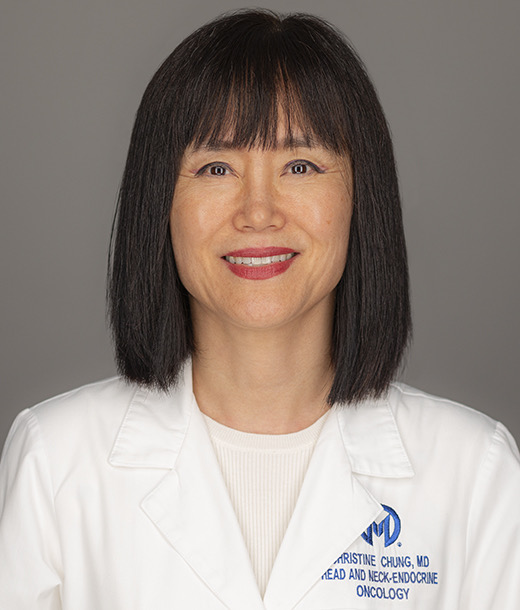 Christine Chung合作论文数Department of Head and Neck-Endocrine Oncology, Moffitt Cancer Center;University of South Florida5
 Guy Marti合作论文数Johns Hopkins University School of Medicine5Tomoharu Miyashita合作论文数5Peng Jiang合作论文数5R. Rezaee合作论文数4
 Malcolm V Brock合作论文数Department of Otolaryngology-Head and Neck Surgery, School of Medicine, Johns Hopkins University4
 Blair Jobe合作论文数4




