OBJECTIVE:The aim of this study was to develop and externally validate a machine-learning model that retrospectively identifies patients with acute respiratory distress syndrome (acute respiratory distress syndrome [ARDS]) using electronic health record (EHR) data.DESIGN:In this retrospective cohort study, ARDS was identified via physician-adjudication in three cohorts of patients with hypoxemic respiratory failure (training, internal validation, and external validation). Machine-learning models were trained to classify ARDS using vital signs, respiratory support, laboratory data, medications, chest radiology reports, and clinical notes. The best-performing models were assessed and internally and externally validated using the area under receiver-operating curve (AUROC), area under precision-recall curve, integrated calibration index (ICI), sensitivity, specificity, positive predictive value (PPV), and ARDS timing.PATIENTS:Patients with hypoxemic respiratory failure undergoing mechanical ventilation within two distinct health systemsINTERVENTIONS:None.MEASUREMENTS AND MAIN RESULTS:There were 1,845 patients in the training cohort, 556 in the internal validation cohort, and 199 in the external validation cohort. ARDS prevalence was 19%, 17%, and 31%, respectively. Regularized logistic regression models analyzing structured data (EHR model) and structured data and radiology reports (EHR-radiology model) had the best performance. During internal and external validation, the EHR-radiology model had AUROC of 0.91 (95% CI, 0.88-0.93) and 0.88 (95% CI, 0.87-0.93), respectively. Externally, the ICI was 0.13 (95% CI, 0.08-0.18). At a specified model threshold, sensitivity and specificity were 80% (95% CI, 75%-98%), PPV was 64% (95% CI, 58%-71%), and the model identified patients with a median of 2.2 hours (interquartile range 0.2-18.6) after meeting Berlin ARDS criteria.CONCLUSIONS:Machine-learning models analyzing EHR data can retrospectively identify patients with ARDS across different institutions.
Employees routinely make valuable contributions at work that are not part of their formal job description, such as helping a struggling coworker. These contributions, termed organizational citizenship behavior, are studied from many angles in the organizational behavior literature. However, the degree to which the past helping behavior of employees scheduled to a shift impacts that shift’s operational outcomes remains an underexplored question. We define two measures of past helping behavior for members of a shift—the total past helping of each employee and the past helping between each pair of employees—and hypothesize that they are associated with shift performance. We empirically confirm our hypotheses with detailed scheduling and patient outcome data from six intensive care units (ICUs) at a large academic medical center, using the hospital’s electronic medical records to identify cases of one nurse helping another. Our empirical results indicate that both measures of past helping are predictive of patient length of stay (LOS), more so than the broadly studied notion of team familiarity. Counterfactual analysis shows that relatively small changes in shift composition can yield significant reduction in total LOS, indicating the managerial significance of the results. Overall, our study suggests the potential value of shift scheduling using data on past helping behaviors, and this may have promise far beyond the selected application to ICU nursing. This paper was accepted by Elena Katok, operations management. Supplemental Material: The online appendix and data files are available at https://doi.org/10.1287/mnsc.2022.00465 .
Organ-specific metabolic pathways, including those related to mitochondrial metabolism, could provide insight into mechanisms underlying sepsis-induced organ dysfunction. However, it remains unclear if metabolic changes result from or precede clinical organ dysfunction. To determine if blood concentrations of the mitochondrial metabolites acetylcarnitine and l-carnitine correlate with organ-specific signals of sepsis-induced dysfunction, we performed a series of translational analyses of two cohorts of human sepsis and experiments using a murine model of polymicrobial sepsis. We evaluated the association between mitochondrial metabolites and clinical indices of organ function. In the blood of patients with sepsis or septic shock, we found metabolic signals of dysfunctional mitochondrial β-oxidation that were correlated with clinical measures of renal and liver dysfunction. The relevance of these findings was corroborated in an experimental model that showed distinct patterns of change in organ metabolism that correlated with the blood acetylcarnitine to l-carnitine ratio. In addition, sepsis-induced changes in organ metabolism were distinct in the liver and kidney, highlighting the unique energy economies of each organ. Importantly, metabolic changes preceded changes in clinical indices of organ function and histological evidence of cellular apoptosis. On the basis of these findings, sepsis-induced disruption in blood concentrations of specific metabolites could serve as more physiologically relevant indicators of early organ dysfunction than those we presently use. These early metabolite signals provide mechanistic insights into altered metabolism that may hold the key to timely identification of impending organ dysfunction. This could lead to strategies directed at the interruption of sepsis-induced organ failure.
Objectives/Goals: The objective of this study is to explore strategies for AI-physician collaboration in diagnosing acute respiratory distress syndrome (ARDS) using chest X-rays. By comparing the diagnostic accuracy of different AI deployment methods, the study aims to identify optimal strategies that leverage both AI and physician expertise to improve outcomes. Methods/Study Population: The study analyzed 414 frontal chest X-rays from 115 patients hospitalized between August 15 and October 2, 2017, at the University of Michigan. Each X-ray was reviewed by six physicians for ARDS presence and diagnostic confidence. We developed a deep learning AI model for detecting ARDS and explored the strengths, weaknesses, and blind spots of both physicians and AI systems to inform optimal system deployment. We then investigated several AI-physician collaboration strategies, including: 1) AI-aided physician: physicians interpret chest X-rays first and defer to the AI model if uncertain, 2) physician-aided AI: the AI model interprets chest X-rays first and defers to a physician if uncertain, and 3) AI model and physician interpreting chest X-rays separately and then averaging their interpretations. Results/Anticipated Results: While the AI model (84.7% accuracy) had higher accuracy than physicians (80.8%), we found evidence that AI and physician expertise are complementary. When physicians lacked confidence in a chest X-ray’s interpretation, the AI model had higher accuracy. Conversely, in cases of AI uncertainty, physicians were more accurate. The AI excelled with easier cases, while physicians were better with difficult cases, defined as those where at least two physicians disagreed with the majority label. Collaboration strategies tested include AI-aided physician (82.4%), physician-aided AI (86.9%), and averaging interpretations (86%). The physician-aided AI approach had the highest accuracy, could off-load the human expert workload on the reading of up to 79% chest X-rays, allowing physicians to focus on challenging cases. Discussion/Significance of Impact: This study shows AI and physicians complement each other in ARDS diagnosis, improving accuracy when combined. A physician-aided AI strategy, where the AI defers to physicians when uncertain, proved most effective. Implementing AI-physician collaborations in clinical settings could enhance ARDS care, especially in low-resource environments.
Objective:Use of prone positioning increased among mechanically ventilated patients during the COVID-19 pandemic, but it is unknown whether implementation of this life-saving intervention was sustained. Thus, we aimed to evaluate peri-pandemic trends in proning use. Design:We conducted a retrospective cohort study of proning use among mechanically ventilated adults, with proning rates compared across pre-pandemic (1/2018-2/2020), pandemic (3/2020-2/2022), and post-pandemic (3/2022-12/2024) periods. Setting:37 North American hospitals. Patients:Mechanically ventilated patients with persistent moderate-to-severe hypoxemia (PaO2/FiO2 ≤150 mmHg, FiO2 ≥0.6, and positive end-expiratory pressure ≥5 cmH2O). Intervention:Proning within 12 hours of meeting study hypoxemia criteria. Measurements and Main Results:Among 5,760 proning-eligible patients, 1,737 (30.2%) received proning: 8.0% pre-pandemic, 44.6% pandemic, and 19.9% post-pandemic. The adjusted odds ratio (OR) for proning during pandemic versus pre-pandemic periods was 8.25 (95% Confidence Interval (CI): 6.35-10.70) and pandemic versus post-pandemic, 2.76 (95% CI: 1.83-4.17). Proning varied widely by hospital and was quantified with the median odds ratio (median change in odds of proning an identical patient admitted at a lower versus higher proning hospital) of 2.54 (95% Credible Interval (CrI): 1.75-4.58) pre-pandemic, 2.33 (95% CrI: 1.92-3.04) pandemic, and 2.58 (95% CrI: 1.99-3.73) post-pandemic. Pandemic-period patients with SARS-CoV2 were proned more than those without (OR: 4.55, [95% CI: 3.85-5.56]), but pandemic-period patients without SARS-CoV2 were still proned more than pre-pandemic (OR: 3.87, [95% CI: 2.92-5.13]) or post-pandemic patients (OR: 1.37, [95% CI: 1.03-1.83]). Conclusions:In a North American cohort of proning-eligible patients, proning increased during the pandemic and then declined. Interventions that improve implementation of this life-saving treatment are urgently needed.
AI has the potential to augment human decision making. However, even high-performing models can produce inaccurate predictions when deployed. These inaccuracies, combined with automation bias, where humans overrely on AI predictions, can result in worse decisions. Selective prediction, in which potentially unreliable model predictions are hidden from users, has been proposed as a solution. This approach assumes that when AI abstains and informs the user so, humans make decisions as they would without AI involvement. To test this assumption, we study the effects of selective prediction on human decisions in a clinical context. We conducted a user study of 259 clinicians tasked with diagnosing and treating hospitalized patients. We compared their baseline performance without any AI involvement to their AI-assisted accuracy with and without selective prediction. Our findings indicate that selective prediction mitigates the negative effects of inaccurate AI in terms of decision accuracy. Compared to no AI assistance, clinician accuracy declined when shown inaccurate AI predictions (66
Secondary bacterial pneumonia is a frequent complication of acute lung injury (ALI) and the acute respiratory distress syndrome (ARDS). Prior efforts to explain increased pneumonia risk in ALI/ARDS have focused on impaired immunity and bacterial virulence, but have overlooked the potential contribution of ecological factors within acutely injured lungs. Here, we show that lung injury profoundly alters the alveolar metabolic microenvironment, a change that can be exploited by a common pneumonia pathogen. In mice and humans, we found that growth of Pseudomonas aeruginosa (the most prominent respiratory pathogen in a retrospective cohort of patients with ARDS) is enhanced by increased alveolar concentrations of multiple ALI/ARDS-associated metabolites, which are derived from the blood and cross the compromised alveolar-capillary barrier during alveolar leak. Collectively, this work reveals an ecological mechanism by which pathogens may survive in the injured lung microenvironment and identifies new potential targets for secondary pneumonia prevention and treatment. ### Competing Interest Statement The authors have declared no competing interest.
Rationale: Many patients who pass a spontaneous breathing trial (SBT) are not extubated, leaving them at risk for life-threatening ventilator-associated complications. Determining barriers to timely extubation may facilitate shorter overall durations of mechanical ventilation. Objectives: We sought to identify the patient-related and patient-independent barriers to timely extubation within 6 hours of passing an SBT. Methods: We analyzed electronic health record data from adult patients on mechanical ventilation who had been admitted to a medical or cardiac intensive care unit at an academic, tertiary-care center between January 1, 2015, and December 31, 2023. We utilized a mixed-effects, multivariate logistic regression model to evaluate the association between timely extubation within 6 hours of first passing an SBT and 15 potential reasons to delay extubation, accounting for clustering at the attending-physician level. Results: Among 3,240 patients, 62.3% underwent timely extubation within 6 hours of first passing an SBT. Patients with delayed extubation experienced a median of 2.0 (interquartile range = 1.0-3.8) additional days on mechanical ventilation after passing an SBT, for a total of 3,930 days. This delay accounts for 32% of the total time on mechanical ventilation for the study population. Patients were less likely to have timely extubation if they underwent a procedure in the 24 hours after passing an SBT (average marginal effect [AME], -17.7%; 95% confidence interval [CI] = -29.2 to -6.3); had lower levels of consciousness (AME, -16.5%; 95% CI = -23.2 to -10.0); were on low-dose vasopressors (AME, -12.9%; 95% CI = -19.2 to -4.8) or high-dose vasopressors (AME, -12.2%; 95% CI = -17.8 to -8.1); or had copious secretions (AME, -8.7%; 95% CI = -13.3 to -4.1). However, 55% of patients with delayed extubation experienced none of these top five potential barriers. There was minimal physician variability in the decision to extubate after a successful SBT (median odds ratio: 1.10; 95% CI = 1.02 to 1.78). The most frequent reason documented by respiratory therapists for not extubating a patient after passing an SBT was attending-physician preference (43%). Conclusions: One in 3 patients remain on mechanical ventilation after passing their first SBT, with over half lacking an identifiable barrier to extubation. Future work should be pursued to address this, including the consideration of unitwide interventions to increase timely extubation attempts among patients without contraindications.
Importance:Approximately 30% of US patients develop acute kidney injury (AKI) after cardiac surgery, which is associated with increased morbidity, mortality, and health care costs. The variation in potentially modifiable hospital- and clinician-level operating room practices and their implications for AKI have not been rigorously evaluated. Objective:To quantify variation in clinician- and hospital-level hemodynamic and resuscitative practices during cardiac surgery and identify their associations with AKI. Design, Setting, and Participants:This cohort study analyzed integrated hospital, clinician, and patient data extracted from the Multicenter Perioperative Outcomes Group dataset and the Society of Thoracic Surgeons Adult Cardiac Surgical Database. Participants were adult patients (aged ≥18 years) who underwent cardiac surgical procedures between January 1, 2014, and February 1, 2022, at 8 geographically diverse US hospitals. Patients were followed up through March 2, 2022. Statistical analyses were performed from October 2024 to February 2025. Exposures:Hospital- and clinician-level variations in operating room hemodynamic practices (inotrope infusion >60 minutes and vasopressor infusion >60 minutes) and resuscitative practices (homologous red blood cell [RBC] transfusion and total fluid volume administration). Main Outcomes and Measures:The primary outcome was consensus guideline-defined AKI (any stage) within 7 days after cardiac surgery. Hospital- and clinician-level variations were quantified using intraclass correlation coefficients (ICCs). Associations of hospital- and clinician-level practices with AKI were analyzed using multilevel mixed-effects models, adjusting for patient-level characteristics. Results:Among 23 389 patients (mean [SD] age, 63 [13] years; 16 122 males [68.9%]), 4779 (20.4%) developed AKI after cardiac surgery. AKI rates varied across hospitals (median [IQR], 21.7% [15.5%-27.2%]) and clinicians (18.1% [10.1%-23.7%]). Significant clinician- and hospital-level variation existed for inotrope infusion (ICC, 6.2% [95% CI, 4.2%-8.0%] vs 17.9% [95% CI, 3.3%-31.9%]), vasopressor infusion (ICC, 11.7% [95% CI, 8.3%-14.9%] vs 44.5% [95% CI, 11.7%-63.5%]), RBC transfusion (ICC, 1.7% [95% CI, 0.9%-2.6%] vs 4.5% [95% CI, 1.2%-9.4%]), and fluid volume administration (ICC, 2.1% [95% CI, 1.3%-2.7%] vs 23.8% [95% CI, 2.7%-39.9%]). In multilevel risk-adjusted models, the AKI rate was higher for patients at hospitals with higher inotrope infusion rates (adjusted odds ratio [AOR], 1.98; 95% CI, 1.18-3.33; P = .01) and lower among clinicians with higher RBC transfusion rates (AOR, 0.89; 95% CI, 0.79-0.99; P = .03). Other practice variations were not associated with AKI. Conclusions and Relevance:This cohort study of adult patients found that hospital- and clinician-level variation in operating room practices was associated with AKI after cardiac surgery, suggesting possible targets for intervention.
RATIONALE Electronic health record (EHR) alerts are designed to help clinicians provide safe care and comply with administrative tasks. However, high alert volume increases the likelihood of alerts being overridden, reducing their effectiveness. Despite widespread use in ICUs, there is limited understanding of alert burden and how it varies over time and across resident physicians, registered nurses (RNs), and attending physicians. METHODS We analyzed EHR data on all alerts fired for patients in 2 medical intensive care units (total 30 ICU beds) at an academic teaching hospital (01/2019 – 09/2024). Alerts were categorized as interruptive (“pop-up”) vs passive (patient banners and flags), and as providing actionable recommendations vs information alone. We assessed monthly volume of alerts directed to residents, RNs, and attendings. We conducted linear regression analysis adjusting for the average monthly ICU census and calculated a Pearson correlation coefficient to determine if census may explain month-to-month variability. RESULTS The mean monthly volume of alerts to residents, RNs, and attending physicians for patients across 30 medical ICU beds varied widely over time, with a mean of 4161 alerts/month (range 2617-7465, standard deviation 1016). This is a mean of 136.4 alerts per day for a mean census of 32.5 patents (range 29.3-37.5). 93% of alerts were interruptive (range 72.0% to 100% across 69 months) and 82.6% provided actionable recommendations (range 59.5% to 95.9%). On average per provider type, residents received 2680 alerts per month (range 1553-4493), RNs received 727 alerts (range 275-3622), and attendings received 296 alerts (range 156-688) (Figure). The proportion of alerts that were clinical rather than administrative was highest for residents (69.3%), followed by attendings (49.5%), and RNs (38.5%). The five most frequent alerts accounted for 33.3% of all alerts directed to residents, RNs, and attendings. The Pearson correlation coefficient for the relationship between average ICU census and monthly alert volume was 0.22, indicating ICU census is only weakly correlated with alert volume. CONCLUSIONS In this study examining nearly 6 years of EHR alerts fired for medical ICU patients, alerts were primarily interruptive and recommended specific actions. Monthly alert volumes varied by nearly 3-fold and were not explained by ICU census. Both volume of alerts and wide variability over time may contribute to alert fatigue, which can diminish the effectiveness of the alert system. Further understanding the cognitive factors underlying alert burden and response is critical for designing optimal alert systems that enhance clinician performance and patient safety.
Rationale: Machine learning models can identify bilateral airspace disease on chest radiographs consistent with ARDS with high accuracy. It is unknown whether such predictions could serve as a lung imaging biomarker that also quantifies severity of acute lung disease. We sought to determine whether machine learning model predictions of bilateral airspace disease predict clinical outcomes beyond what is captured by traditional clinical indicators of hypoxemia severity in patients receiving invasive mechanical ventilation. Methods: We applied a previously developed deep learning model to chest radiographs performed after intubation in patients receiving invasive mechanical ventilation at Michigan Medicine between 2019 and 2021. The model generates a probability that a chest radiograph has bilateral airspace disease consistent with ARDS. Model probabilities were transformed to a linear ARDS-CXR score using the logit function, with positive scores representing an ARDS probability above 50%. We calculated the AUROC for the ARDS-CXR score and PaO2/FiO2 for 28-day morality for the overall populations and in relevant patient subgroups. We also evaluated the score's association with 28-day mortality and time to extubation after adjusting for PaO2/FiO2 or APACHE-IV. Results: 6,591 patients who received invasive mechanical ventilation were analyzed. Their average ARDS-CXR score was -1.72, corresponding to an ARDS probability of 15%, and 1,089 (17%) patients had a positive score. The ARDS-CXR was strongly associated with 28-day mortality (Figure), and had an AUROC for mortality of 0.68 (95% CI 0.66 – 0.70) compared to 0.63 (95% CI 0.61-0.65) for PaO2/FiO2. ARDS-CXR scores also had higher discrimination of mortality than the PaO2/FiO2 in post-operative and non-operative patients, and in patients with sepsis or heart failure. A one-point increase in ARDS-CXR score was associated with a 28-day mortality odds ratio of 1.35 (95% CI, 1.30-1.40) after adjusting for the patient's concurrent PaO2/FiO2. The ARDS-CXR score was significantly associated with 28-day mortality after adjusting for APACHE-IV score, with an odds ratio of 1.17 (95% CI, 1.12-1.22). The score also predicted time to extubation after adjusting for APACHE-IV, with a one-point increase in score associated with a hazard ratio of 0.91 (95% CI, 0.89–0.92) for successful extubation. Conclusions: A machine-learning model identifying ARDS findings on chest radiographs can also capture acute lung disease severity and independently predicts clinical outcomes. Such machine-learning tools could potentially quantify lung disease severity for clinical care, research studies, or used as part of a future ARDS definition.
RATIONALE: Early prone positioning is lifesaving in severe acute respiratory distress syndrome, yet underused historically. While proning use increased during the early COVID-19 pandemic, single-center evidence suggests that this trend was not sustained. A large, multi-center, real-world, post-pandemic evaluation of proning practice would inform the current scale of proning implementation needs. METHODS: This multi-center federated retrospective observational study used electronic health record data from adult patients hospitalized between 1/1/2018-12/31/2023 at one of 37 hospitals across 8 health systems in the Common Longitudinal ICU Format (CLIF) consortium. Patients on mechanical ventilation with early moderate-severe hypoxemic respiratory failure, defined by PROSEVA trial persistence of a PaO2/FiO2 ratio≤150, while receiving FiO2≥60%, and PEEP≥5 cmH2O were included. We examined the pooled and individual system rates of proning within 12 hours of eligibility in pre-COVID (1/1/2018-2/29/2020), COVID (3/1/2020-2/28/2021), and post-COVID (3/1/2021-12/31/2023) periods. We used segmented logistic regression to evaluate the magnitude of difference in COVID vs. pre-COVID proning, and evaluated quarterly trends in early proning in the pre-COVID and a combined COVID through post-COVID study period. Models run within each healthcare system were adjusted for age, body mass index, PaO2/FiO2 ratio, vasopressor utilization, and hospital site. Site estimates were then aggregated using random-effects meta-analysis. RESULTS: Among the 5,397 included patients, the mean age was 59 (SD 15), 40% were female, 22% were Black, and 76% had a PaO2/FiO2<100. Across the CLIF consortium, rates of early proning receipt were 8.3% pre-COVID, 40.5% during the COVID period, and 15.3% post-COVID (Figure 1A). There was considerable variability across sites, with average proning rates within 12 hours ranging from 1.2-22.4% pre-COVID, 11.1-62.4% during COVID, and 2.3-36.7% post-COVID. Consortium-wide proning rates increased rapidly at the start of the COVID pandemic compared to pre-COVID (adjusted OR: 18.8 [95% CI: 5.6-63.3]; Figure 1B). However, proning subsequently decreased throughout the COVID- and post-COVID periods (OR: 0.92 per every 3 months [95% CI: 0.88-0.96]; Figure 1C). There was significant heterogeneity across the CLIF consortium in both the immediate effect of the COVID pandemic on early proning and its subsequent decline. CONCLUSIONS: In this large multi-center assessment of proning practices in patients with moderate and severe hypoxemic respiratory failure, proning use increased rapidly at the start of the COVID pandemic, but subsequently declined. Reversing this recent decline in early proning should be a key priority.
RATIONALE:Acute kidney injury (AKI) is a common complication of sepsis. Anti-anaerobic antibiotics, which deplete gut commensal bacteria, are common in the initial management of sepsis. Recent studies have reported an association between anti-anaerobic antibiotics and mortality, but the mechanisms underlying this relationship remain unknown. OBJECTIVE:To determine whether anti-anaerobic antibiotics and gut microbiome disruption increase patient susceptibility to sepsis-associated AKI. METHODS:We identified a cohort of patients with sepsis and performed four complementary analyses: 1) comparing AKI incidence among patients who did and did not receive early anti-anaerobic antibiotics, 2-3) two instrumental variable analyses using the 2015-16 piperacillin-tazobactam shortage to determine the effect of anti-anaerobic antibiotics on the onset and resolution of AKI, and 4) a matched case-control study comparing gut microbiota in septic patients who did and did not develop AKI. We then modeled sepsis in genetically-identical but microbially-heterogenous mice and compared creatinine elevation with gut microbiota. MEASUREMENTS AND MAIN RESULTS:In a retrospective cohort study (N=12,776), early exposure to anti-anaerobic antibiotics was independently associated with a 61% increased risk of sepsis-associated AKI (95% CI-37%-92%). In instrumental variable analyses of AKI onset (N=3,036) and resolution (N=2,177), treatment with anti-anaerobic antibiotics (piperacillin-tazobactam) was associated with an increased hazard of AKI onset (HR-1.65, 95% CI-1.18-2.30) and decreased AKI resolution (HR-0.74, 95% CI-0.61-0.88). In a matched case-control study of gut microbiota in 372 patients with sepsis, increased gut bacterial density and enrichment with Enterobacteriaceae and Lachnospiraceae spp. predicted subsequent AKI onset. In a murine model of sepsis (N=53), creatinine elevation was strongly associated with vendor and gut community composition (P<0.001 for all), with relative abundance of Lachnospiraceae spp. explaining 18% of variation in serum creatinine. CONCLUSIONS:Anti-anaerobic antibiotics are associated with increased risk of AKI in sepsis, potentially via modulation of the gut microbiome.
Rationale: Organizing ICU interprofessional teams is a high priority because of workforce needs, but the role of interprofessional familiarity remains unexplored. Objectives: Determine if mechanically ventilated patients cared for by teams with greater familiarity have improved outcomes, such as lower mortality, shorter duration of mechanical ventilation (MV), and greater spontaneous breathing trial (SBT) implementation. Methods: We used electronic health records data of five ICUs in an academic medical center to map interprofessional teams and their ICU networks, measuring team familiarity as network coreness and mean team value. We used patient-level regression models to link team familiarity with patient outcomes, accounting for patient and unit factors. We also performed a split-sample analysis by using 2018 team familiarity data to predict 2019 outcomes. Measurements and Main Results: Team familiarity was measured as the average number of patients shared by each clinician with all other clinicians in the ICU (i.e., coreness) and the average number of patients shared by any two members of the team (i.e., mean team value). Among 4,485 encounters, unadjusted mortality was 12.9%, average duration of MV was 2.32 days, and SBT implementation was 89%; average team coreness was 467.2 (standard deviation [SD], 96.15), and average mean team value was 87.02 (SD, 42.42). A 1-SD increase in team coreness was significantly associated with a 4.5% greater probability of SBT implementation, 23% shorter MV duration, and 3.8% lower probability of dying; the mean team value was significantly associated with lower mortality. Split-sample results were attenuated but congruent in direction and interpretation. Conclusions: Interprofessional familiarity was associated with improved outcomes; assignment models that prioritize familiarity might be a novel solution.
Purpose Pediatric acute respiratory distress syndrome (PARDS) is underrecognized in the pediatric intensive care unit and the interpretation of chest radiographs is a key step in identification. We sought to test the performance of a machine learning model to detect PARDS in a cohort of children with respiratory failure. Materials and methods A convolutional neural network (CNN) model previously developed to detect ARDS on adult chest radiographs was applied to a cohort of children age 7 days to 18 years, admitted to the PICU, and mechanically ventilated through a tracheostomy, endotracheal tube or full-face non-invasive positive pressure mask between May 2016 and January 2017. Two pediatric critical care physicians and a pediatric radiologist reviewed chest radiographs to evaluate if the chest radiographs were consistent with ARDS (bilateral airspace disease) and PARDS (any airspace disease) and the CNN model was tested against clinicians. Results A total of 328 chest radiographs were evaluated from 66 patients. Clinicians identified 84% (276/328) of the radiographs as potentially consistent with PARDS. Inter-rater reliability between individual clinicians and between the model and clinicians was similar (Cohen’s kappa 0.48 [95% CI 0.37–0.59] and 0.45 [95% CI 0.33–0.57], respectively). The model was better at identifying PARDS (AUC 0.882, F1 0.897) than ARDS (AUC 0.842, F1 0.742) and had equivalent or better performance to individual clinicians. Conclusions An ARDS detection model trained on adults performed well in detecting PARDS in children. Computer-assisted identification of PARDS on chest radiographs could improve the diagnosis of PARDS for enrollment in clinical trials and application of PARDS guidelines through improved diagnosis.
 Theodore J. Iwashyna合作论文数Department of Internal Medicine, Medical School, University of Michigan;Survey Research Center, Institute for Social Research, University of Michigan;Division of Pulmonary and Critical Care Medicine, Department of Medicine, The Johns Hopkins Hospital;Division of Pulmonary and Respiratory, Department of Medicine, The Johns Hopkins Hospital44
 Thomas Valley合作论文数31
 Hallie C Prescott合作论文数Division of Pulmonary & Critical Care Medicine, Department of Internal Medicine, University of Michigan Medical School;Institute for Healthcare Policy and Innovation, University of Michigan;Ann Arbor Veterans Affairs Healthcare System28
 Robert Dickson合作论文数School of Chemistry and Biochemistry, College of Sciences, Georgia Institute of Technology25
 Jenna Wiens合作论文数Department of Computer Science and Engineering, College of Engineering, University of Michigan;Michigan Institute for Data Science, University of Michigan23
 Colin R. Cooke合作论文数17Rishi Chanderraj合作论文数Division of Infectious Diseases, Department of Internal Medicine, Medical School, University of Michigan-Ann Arbor14
 Jakob I Mcsparron合作论文数13
 Admon Andrew J合作论文数12D. Claar合作论文数11
 Sardar Ansari合作论文数Virginia Commonwealth University11
 Kevin R. Ward合作论文数Department of Biomedical Engineering, College of Engineering, University of Michigan-Ann Arbor10C. R. Cooke合作论文数9
 Sarah Jabbour合作论文数College of Engineering, University of Michigan9
 Shengpu Tang (唐笙普)合作论文数Department of Electrical Engineering and Computer Science, University of Michigan8Nicole R. Falkowski合作论文数8
 Karandeep Singh合作论文数Department of Learning Health Sciences, Medical School, University of Michigan7Gillies Christopher E合作论文数7
 Catherine Lee Hough合作论文数Department of Medicine, University of Washington7Pauline K. Park合作论文数7
 Christopher A Brown合作论文数Inst Res Innovat & Sci, Univ Michigan6I. Co合作论文数6
 Ivan N. Co合作论文数Division of Pulmonary and Critical Care, Department of Emergency Medicine, Medical School, University of Michigan6
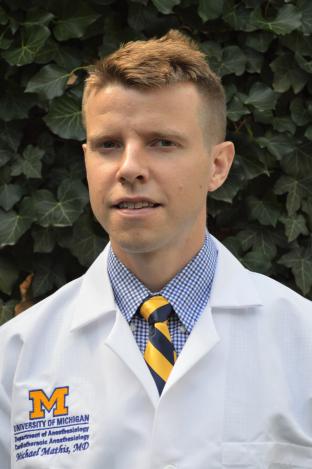 Michael R. Mathis合作论文数Department of Anesthesiology, Medical School, University of Michigan6
 Kathleen Stringer合作论文数Department of Clinical Pharmacy, College of Pharmacy, University of Michigan-Ann Arbor6
 David Fouhey合作论文数Tandon School of Engineering, New York University6Hyzy Robert C合作论文数Div Pulm & Crit Care Med, Univ Michigan6
 Michelle N. Gong合作论文数Montefiore Medical Center, Montefiore Einstein;Albert Einstein College of Medicine6
 Meeta Prasad Kerlin合作论文数Department of Medicine, Perelman School of Medicine, University of Pennsylvania6Ketcham Scott合作论文数Department of Physical Medicine and Rehabilitation, University of Pittsburgh6
 Kayvan Najarian合作论文数Department of Electrical Engineering and Computer Science at the University of Michigan6Mark Nuppnau合作论文数5M. Yuan合作论文数5
 Narathip Reamaroon合作论文数Univ Michigan, Dept Computat Med & Bioinformat, Ann Arbor, MI 48109 USA5
 Negar Farzaneh合作论文数Univ Michigan, Dept Computat Med & Bioinformat, Ann Arbor, MI 48109 USA5
 Andrew Ryan合作论文数Institute for Healthcare Policy and Innovation, Medical School, University of Michigan-Ann Arbor5
 Ruchi Sharma合作论文数Department of Anesthesiology Yale School of Medicine, Yale University5
 Brahmajee K. Nallamothu合作论文数Department of Internal Medicine, Medical School, University of Michigan5
 Timothy Philip Hofer合作论文数Michigan Medical, University of Michigan Health5
 Robert Woods合作论文数Lectenz® Bio;Department of Biochemistry and Molecular Biology, Franklin College of Arts and Sciences, University of Georgia;Complex Carbohydrate Research Center, University of Georgia;GlycoConsulting, LLC5
 Hannah Wunsch合作论文数Weill Cornell Medical College, Cornell University5D. Zinsser合作论文数4A. Mohan合作论文数4Stephen G Kay合作论文数4Jonathan R Motyka合作论文数4Kevin J Hinkle合作论文数4Erin Bisco合作论文数4Thomas L Flott合作论文数4




