Wildlife that inhabit urban landscapes face the dual challenge of negotiating their positions in their group while navigating obstacles of anthropogenically modified landscapes. The dynamics of urban environments can result in novel injuries and mortalities for these animals. However, these negative impacts can be mitigated through planning, and onsite veterinary care like that provided by the Ubud Monkey Forest in Bali, Indonesia. We examined 275 recorded injuries and mortalities among six social groups of long-tailed macaques (Macaca fascicularis) brought to the veterinary clinic from 2015–2018. We fit the probabilities of injury vs. death among macaques brought to the clinic using a multilevel logistic regression model to infer the relationship between injury vs. death and associated demographic parameters. Males were more likely to sustain injuries and females were more likely to die. The frequency of injuries and mortalities changed over the four-year study period, which was reflected in our model. The odds of mortality were highest among young macaques and the odds of injury vs. mortality varied across the six social groups. We categorized injuries and mortalities as “natural” or “anthropogenic”. Most injuries and mortalities were naturally occurring, but powerlines, motorized vehicles, and plastic present ongoing anthropogenic threats to macaque health. Most wounds and injuries were successfully treated, with healthy animals released back to their group. We suggest other sites with high levels of human–alloprimate interplays consider the Ubud Monkey Forest veterinary office as a model of care and potentially adopt their approaches.
OBJECTIVES:Tattooing is not an evolved behavior, but it may be a phenotypic gambit to highlight immunological health. Phenotypic gambits are traits or behaviors that appear costly but occur at high rates as a honing process of natural selection not constrained by genetics. Tattooing is an ancient practice that is increasing in popularity worldwide, but it involves wounding the body, which seems counterintuitive because it challenges the immune system and makes one more susceptible to infection. But tattooing may represent a costly honest signal of fitness by "upping the ante" in an era of hygiene or a means to stimulate the immune system in a way that improves and highlights underlying fitness.MATERIALS AND METHODS:We investigated this hypothesis by assessing bacteria killing activity (BKA) in saliva samples collected during two studies of tattooing (N = 40). We compared previous tattoo experience (extent of body tattooed and hours spent being tattooed) to BKA before and after getting a new tattoo.RESULTS:Tattoo experience positively predicts post-tattoo BKA (β = 0.48, p = 0.01), suggesting that people with more tattoo experience have a relatively more immediate and active immune response than those with less tattoo experience.DISCUSSION:Tattoo experience may elevate innate immunological vigilance, which could aid in protecting against future dermal insults.
Few studies have addressed the nutritional ecology of galagos. Observations of galagos in the wild reveal that they rely on fruits and invertebrates to varying degrees depending on their availability. We conducted a 6-week comparative dietary analysis of a colony of captive-housed northern greater galagos (Otolemur garnettii), which included five females and six males with known life histories. We compared two experimental diets. The first was fruit dominated and the second was invertebrate dominated. For each diet, we examined dietary intake and apparent dry matter digestibility over the course of 6 weeks. We found significant differences between the apparent digestibility of the diets, with the "invertebrate" diet being more digestible than the "frugivorous" diet. The lower apparent digestibility of the "frugivorous" diet was driven by the higher fiber contents of the fruits provided to the colony. However, variation in apparent digestibility of both diets was found among individual galagos. The experimental design used in this study may provide useful dietary data for the management of captive colonies of galagos and other strepsirrhine primates. This study may also be helpful for understanding the nutritional challenges faced by free-ranging galagos through time and across geographic space.
The interface between humans and nonhuman primates (NHP) is expanding and intensifying. The Ubud Monkey Forest in Bali, Indonesia is a working example of a multi-use, multi-species interface. This forest is an active religious space, top tourist attraction, critical regional economic contributor, core habitat for long-tailed macaques (Macaca fascicularis), and an important research and training location. This chapter explores two decades of successes, challenges, and ethnoprimatological research at this site. Successes in the forest include developing a durable management system to effectively address the affairs of the forest and surrounding villages, strong educational and outreach programs for the local community, initiatives to reduce plastic pollution and erosion, the establishment of extensive veterinary care, and the development of a provisioning program suited to the nutritional requirements of the macaques. Challenges to the forest include rapid macaque population growth, need for interventions for aggressive behavior, and expansion of macaque ranging patterns outside of the forest. Research at the site is the result of robust collaborations with Balinese, Canadian, European, and US universities, Indonesian and regional Balinese governments, and local stakeholders working together to understand the dynamics of primate tourism, ethnoprimatology, and human-NHP interconnections. In addition, the forest has been a critical space for field schools, scientific training for developing STEM professionals, and collaborative research. This research and training relies on support from local communities, and cultural competency that includes strong communication, an appreciation of historical context, and an understanding of religious and cultural institutions. Today, the Ubud Monkey Forest acts as an excellent example of how to use tourist revenues to stabilize and improve the health of NHP, conserve forest fragments considered sacred or important to local people, and incorporate monies into local economies to improve the lives and livelihoods of the primates who share these landscapes.
Natural disasters represent major stressors, resulting in psychological distress and physiological responses such as increased cortisol. During pregnancy, this impacts not only maternal well-being, but also fetal development. In 2018, Hurricane Florence caused extensive damage across the eastern United States. Studies indicated that compared to married pregnant women, unmarried pregnant women had higher risk of distress. Here we assess hair cortisol among a subsample of participants, and variations based on marital status.METHODS:We analyzed multiple stress measures among 37 participants who were pregnant during Hurricane Florence. We used questionnaires modeled on previous studies to assess hardship associated with the hurricane, psychological distress, sociodemographic characteristics, social support, and food security. We analyzed cortisol concentrations in proximal and distal hair sections, representing stress around the time of the disaster (distal) and 3-4 months following the disaster (proximal). We used linear regression to test relationships between hair cortisol and self-report stress measures, and variations based on marital status.RESULTS:Self-report measures of distress and hardship were similar among married and unmarried participants. Mean cortisol levels in distal and proximal sections were higher among unmarried participants. Controlling for confounding variables, hardship was not associated with hair cortisol. Distress predicted cortisol in distal sections (β = .482, p = .018), with a trend for proximal sections (β = .368, p = .055). Marital status was a significant predictor of distal (β = .388, p = .027) and proximal (β = .333, p = .047) hair cortisol, explaining 8.6%-11.7% of unique variance.CONCLUSIONS:Preexisting and intersecting risk factors likely place unmarried pregnant individuals at risk of stress during and following a disaster.
Primatologists use ecological models for understanding nonhuman primate (NHP) behavior and biology. Yet few studies have focused on the impacts of naturally occurring and anthropogenically derived toxicants in NHP habitats. For humans and NHPs, toxic levels of heavy metals frequently result in poor health outcomes including improper neurological development, immune system depression, and endocrine disruption. We analyzed the concentrations of lead (Pb), arsenic (As), and cadmium (Cd) in 48 vervet monkey (Chlorocebus pygerythrus) hair samples collected from eight South African groups living in environments with varying degrees of anthropogenic disturbance. We used two systems to categorize anthropogenic disturbance. The first was based on behavioral observations, home range overlap with human modified environments, and interviews with local people. The second system used stable isotope analysis (mean δ13C and δ15N hair values) from each group to estimate the consumption of C4 resources and the utilization of anthropogenically disturbed habitats. Preliminary analyses revealed differences in the Pb and As hair concentrations across the field sites (p < 0.05). Comparisons between anthropogenic disturbance using observations and interviews revealed differences in As (p < 0.01). In contrast, comparisons between categories using δ13C hair values revealed differences in Pb (p < 0.05). The results from this study suggest that multiple approaches using both qualitative and quantitative data should be employed to estimate the relationship between anthropogenic disturbance and environmental toxicants. Since many NHP populations share their habitats with humans, efforts to improve these landscapes would likely be beneficial for NHP and human health.
In this article, we explore the challenges of conceptualizing, designing, and establishing a rapid research agenda as a local researcher following a disaster. We share what we learned while developing and implementing this rapid study and explore the challenges shaped by time pressures, our local context, and resource availability. We identify four core challenges, experienced conducting rapid research, and provide suggestions to overcome these challenges. Our goal is to provide insight to undergraduates, graduate students, and professionals who are considering rapid research inside or outside their own communities.
Objective Though it injures the body in many ways, tattooing may also prepare it for later dermal stress through psychoneuroimmunological means. Methods To test this, we examined salivary endocrine (cortisol), immune (secretory immunoglobulin A), and inflammatory (C-reactive protein) responses to receiving a new tattoo relative to previous tattoo experience among 48 adults attending a tattoo festival. Results We found no effect of previous tattoo experience on pre-posttest cortisol but a significant main effect of extent of previous tattoo experience on pre-posttest cortisol and secretory immunoglobulin A and significant extent of body-by-hour tattooed interaction effect on C-reactive protein. Conclusions These findings suggest that the positive psychological evaluation of tattooing as eustress may contribute to biochemical adaptation through tattooing.
OBJECTIVES:We compared the physical activity of nine students participating in an anthropological field school to their activity expenditures in traditional classrooms. We predicted that the students would exhibit higher physical activity during the field school due to the substantial physical requirements associated with the program compared to traditional classroom environments which are frequently more sedentary.METHODS:Participants (n = 9) wore wrist accelerometers for ~23 h each day for 6 days during an anthropological field school and also in a traditional classroom environment. Accelerometers were programed with participant height, weight, age, and sex. Each accelerometer recorded total energy expenditure in kilocalories (kcal), step counts, and time in four physical activity levels (vigorous, moderate, easy, and very easy) between the field school and traditional classroom settings.RESULTS:During the field school portion of the study, participants burned more calories (p < .01), took more steps (p < .0001), and engaged in more moderate and easy exercise (p < .0001).CONCLUSIONS:This study provides insights into the physical benefits of study abroad programs and field schools. Our multi-day accelerometer data revealed significant differences in even relatively low intensities of physical activity. This is particularly pertinent in the United States where sedentary lifestyles are increasing among college students. Taken together, the results underscore the importance of study abroad programs, field schools, and other applied learning opportunities beyond the educational, professional, and social benefits.
BACKGROUND:Leaving "home" to pursue fieldwork is a necessity but also a rite of passage for many biological anthropology/human biology scholars. Field-based scientists prepare for the potential changes to activity patterns, sleep schedules, social interactions, and more that come with going to the field. However, returning from extended fieldwork and the reverse-culture shock, discomforts, and mental shifts that are part of the return process can be jarring, sometimes traumatic experiences. A failure to acknowledge and address such experiences can compromise the health and wellbeing of those returning.AIMS:We argue for an engaged awareness of the difficult nature of returning from the field and offer suggestions for individuals and programs to better train and prepare PhD students pursuing fieldwork.MATERIALS & METHODS:Here, we offer personal stories of "coming back" and give professional insights on how to best ready students and scholars for returning from fieldwork.DISCUSSION/CONCLUSION:By bringing forward and normalizing the difficulty of the fieldwork-return process, we hope that this reflection acts as a tool for future scholars to prepare to come home as successfully and consciously as possible.
OBJECTIVES:A common dilemma rarely mentioned during doctoral training is career/family balance-especially the timing of children. This dilemma extends to professional anthropologists and includes questions surrounding the benefits and challenges of taking children to the field. We analyzed survey data from tenure-track and tenured anthropologists to determine if fieldwork in general and fieldwork with or without their children on site impacts career/family balance. We hypothesized that having children and the burden of fieldwork puts more strain on women than on men in anthropology.METHODS:We compared 297 tenure-track and tenured anthropologists by gender, tenure status, and mean annual time spent conducting fieldwork using survey data collected for the Family and the Field study. Analysis was conducted using a combination of hierarchical multivariate analysis of variance and regression to analyze the differing factors affecting various groups.RESULTS:The primary differences in career/family balance occurred between tenure-track and tenured anthropologists, not women and men, and that fieldwork requirements do not necessarily make achieving personal balance harder for anthropologists than other academics.CONCLUSIONS:The need to conduct fieldwork may dissuade some people with or planning to have children from becoming anthropologists. However, upon obtaining tenure-track positions, the burdens impacting "balance" taper off and become less stressful. We offer policy suggestions for buffering stress related to career/family balance that may negatively impact decisions to pursue or continue in anthropology as a career.
Objectives The effects of stress caused by natural disasters may be more pronounced in individuals with preexisting disadvantages. The degree of hardship and psychological distress associated with Hurricane Florence was assessed in 83 pregnant women. This research helps identify unmarried pregnant women as a group particularly at risk of distress following a natural disaster. Methods We assessed hardship associated with the hurricane using a questionnaire modeled on previous studies of stress due to natural disasters. We assessed distress using the Impact of Event Scale-Revised. We assessed social support and household food security using validated questionnaires. We used hierarchical linear regression to test predictors of distress marital status. Finally, we analyzed interactions between marital status and hardship, social support, and food security to examine whether these variables explained differences in distress among married and unmarried women. Results Results indicated that unmarried women may be at higher risk of distress following natural disasters. Unmarried women were younger, had lower food security and education levels. We found no differences between experiences of hurricane-related hardship based on marital status. However, unmarried women were likely to have higher levels of distress following the hurricane. Hardship was a significant predictor of distress, but food security and social support were not significant predictors. Conclusions This study identifies unmarried pregnant women as a high risk/vulnerable group that may need additional support during emergencies. Taken together, this study further assesses how socially disadvantaged members of society may be unequally impacted by natural disasters.
 James E. Loudon合作论文数Department of Anthropology;University of Colorado-Boulder;Department of Anthropology, University of Colorado-Boulder13
 Christopher Lynn合作论文数10
 Agustín Fuentes合作论文数Department of Anthropology, Princeton University6
 Kelsey Needham Dancause合作论文数UQAM),, Université du Québec à Montréal6
 Latisha Rivera合作论文数4
 Matt Sponheimer合作论文数Department of Anthropology, College of Arts and Sciences, University of Colorado Boulder;Centre for the Exploration of the Deep Human Journey, University of the Witwatersrand4
 I. Nengah Wandia合作论文数Fakultas Kedokteran Hewan, Udayana University4
 B. Katherine Smith合作论文数3
 IGst Agung Arta Putra合作论文数3Jeffrey Gassen合作论文数2Jack E. Pender合作论文数2Chahra Arfouni合作论文数2Ouassila Benhelal合作论文数2Oliver C. C. Paine合作论文数2Sydnie Bianchi合作论文数2Tomasz J Nowak合作论文数Department of Anthropology, Baylor University2
 Christopher A Wolfe合作论文数University of Nevada Reno2
 Gomez Andres合作论文数Institute for Genomic Biology, University of Illinois at Urbana Champaign;Department of Animal Sciences, University of Illinois at Urbana Champaign;University of Illinois at Urbana Champaign, University of Illinois at Urbana Champaign2
 Richard L Bender合作论文数Department of Anthropology, University of Colorado2
 Michael P Muehlenbein合作论文数Department of Anthropology, Indiana University–Bloomington2
 Trudy R. Turner合作论文数Department of Anthropology, College of Letters & Science, University of Wisconsin-Milwaukee2Sheina Lew-Levy合作论文数1david j herdrich合作论文数1Mead A. Krowka合作论文数1Andres M. Gomez Zapata合作论文数1Alycia E. Lewis合作论文数1Emily Jacobson合作论文数1Hans Van Tilburg合作论文数1
 Alexandria D. Henderson合作论文数1
 Michelle Pieters合作论文数1Lauren Landgraf合作论文数1Lisa Brazelton合作论文数1Deanna Maybee合作论文数1Jeanwon Kim合作论文数1Samuel Davison合作论文数1Alysha J. Lieurance合作论文数1Georgia Oppenheim合作论文数1Sarah Hlubik合作论文数Dept Anthropol, Rutgers State Univ1
 Max J. Stein合作论文数1
 Richard S Pond, Jr.合作论文数Univ North Carolina Wilmington1
 Mallika S Sarma合作论文数Human Spaceflight Lab, Johns Hopkins Univ1
 Trumble Benjamin C合作论文数Dept Anthropol, Univ Calif Santa Barbara1
 Katherine Wander合作论文数1
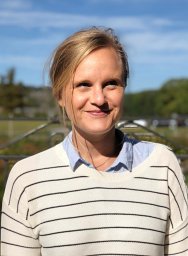 Fany Brotcorne合作论文数Primatology Research Group, University of Liège;Education and Nature, Royal Belgian Institute of Natural Sciences;Royal Belgian Institute of Natural Sciences, University of Liège1
 J. Paul Grobler合作论文数Department of Fisheries and Wildlife Sciences, Virginia Polytechnic Institute and State University1
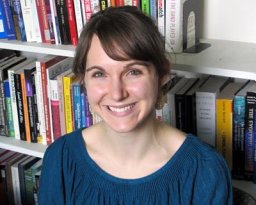 Theresa E Gildner合作论文数Department of Anthropology, University of Oregon1
 Jill D Pruetz合作论文数Department of Anthropology;University of Illinois;Department of Anthropology, University of Illinois1
 David R. Braun合作论文数Department of Archaeology, University of Cape Town1
 Thomas R. Gillespie合作论文数University of Illinois Program in Ecology and Evolutionary Biology, 505 South Goodwin Avenue, Urbana, IL 61801, USA1




