Altered hematopoietic stem cell (HSC) fate underlies primary blood disorders but microenvironmental factors controlling this are poorly understood. Genetically barcoded genome editing of synthetic target arrays for lineage tracing (GESTALT) zebrafish were used to screen for factors expressed by the sinusoidal vascular niche that alter the phylogenetic distribution of the HSC pool under native conditions. Dysregulated expression of protein kinase C delta (PKC-δ, encoded by prkcda) increases the number of HSC clones by up to 80% and expands polyclonal populations of immature neutrophil and erythroid precursors. PKC agonists such as cxcl8 augment HSC competition for residency within the niche and expand defined niche populations. CXCL8 induces association of PKC-δ with the focal adhesion complex, activating extracellular signal-regulated kinase (ERK) signaling and expression of niche factors in human endothelial cells. Our findings demonstrate the existence of reserve capacity within the niche that is controlled by CXCL8 and PKC and has significant impact on HSC phylogenetic and phenotypic fate.
Hematopoiesis is tightly regulated by a network of transcription factors and complexes that are required for the maintenance and development of HSCs. In a screen for epigenetic regulators of hematopoiesis in zebrafish, we identified a requirement of the tumor suppressor protein, Ing4, in hematopoietic stem and progenitor cell (HSPC) specification. Though the Ing4 mechanism of action remains poorly characterized, it has been shown to promote stem-like cell characteristics in malignant cells. This activity is, in part, due to the inhibitory role of Ing4 in the NF-kB signaling pathway. In the absence of Ing4, there is a significant increase in NF-kB target gene expression. As in the zebrafish, we have identified a requirement for Ing4 in murine hematopoiesis, where Ing4 deficiency impairs hematopoietic stem cell (HSC) function, but enhances multipotent progenitor cell (MPP) regenerative capacity. Given the role of Ing4 in both normal hematopoiesis and cancer, this gene likely has a critical role in regulation of stem cell self-renewal and maintenance.
Epoxyeicosatrienoic acids (EETs) are endogenous lipid signaling molecules with cardioprotective and vasodilatory actions. We recently showed that exogenous addition of 11,12-EET enhances hematopoietic induction and engraftment in mice and zebrafish. EETs are known to signal via a G-protein coupled receptor(s), and significant research supports the existence of a specific high-affinity receptor. Identification of a hematopoietic specific EET receptor would enable genetic interrogation of the EET signaling pathway and perhaps clinical use of this molecule. We developed a bioinformatic approach to identify the EET receptor based on the expression of GPCRs in cell lines with differential responses to EETs. We found 10 candidate EET receptors that are commonly expressed in three EET-responsive human cell lines, but not expressed in an EET-unresponsive line. Of these candidates, only GPR132 showed EET-responsiveness in vitro using a luminescence-based assay for β-arrestin recruitment. Knockdown of zebrafish gpr132b prevented EET-induced hematopoiesis, and marrow from GPR132 knockout mice showed decreased long-term engraftment capability. In contrast to the putative high-affinity EET receptor, GPR132 is reported to have affinity for additional fatty acids in vitro, and we found that these same fatty acids enhance hematopoietic stem cell specification in the zebrafish. We conducted structure-activity relationship analyses using both in vitro and in vivo assays on diverse medium chain fatty acids. Certain oxygenated, unsaturated free fatty acids showed high activation of GPR132, while unoxygenated or saturated fatty acids had lower activity. Absence of the carboxylic acid moiety prevented activity, suggesting that this moiety is required for receptor activation. GPR132 responds to a select panel of polyunsaturated, oxygenated fatty acids to enhance both embryonic and adult hematopoiesis.
To the editor: An understanding of hematopoietic stem cell (HSC) biology is therapeutically important because of the many human diseases that result from errors in HSC regulation or that can be treated with HSC transplantation. The zebrafish is a powerful model for studying HSC biology in vivo[1][1
Small molecule treatment of hematopoietic stem cells ex vivo has the potential to expand these cells or increase their engraftability. Previously, we discovered that ex vivo treatment of marrow with 11,12-epoxyeicosatrienoic acid (EET) enhances the engraftment of hematopoietic stem and progenitor cells in both zebrafish and mammals. Additionally, EET treatment promotes specification of HSPC from the hemogenic endothelium, suggesting a broad pro-hematopoietic role of this molecule. Indeed, bioactive lipids play an important role as signaling molecules both during embryo development and adult tissue homeostasis. However, due to their small-molecule nature, identifying their receptors biochemically has been a long-standing challenge which impedes the understanding of the biological processes they regulate. The identity of the EET receptor remains unknown despite more than a decade of research. Here, we utilized a novel bioinformatic approach to identify candidate EET receptors and identified a candidate functional in cell culture, zebrafish and mouse assays.
 Leonard Zon合作论文数Department of Stem Cell and Regenerative Biology, Harvard University;Boston Children's Hospital5
 Song P. Yang合作论文数3Yi Zhou合作论文数3
 Megan C Blair合作论文数2Vera Binder合作论文数2Julie R. Perlin合作论文数2
 Lahvic Jamie L合作论文数Department of Biology, Williams College2
 Charles Nicholas Serhan合作论文数Center for Experimental Therapeutics and Reperfusion Injury, Harvard Institutes of Medicine, Brigham and Women's Hospital, Harvard Medical School2Michael Chase合作论文数2Ellen M. Durand合作论文数2
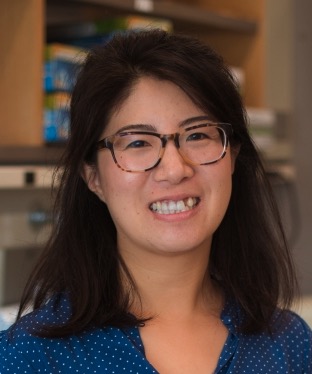 Pulin Li合作论文数Department of Biology, Massachusetts Institute of Technology;Whitehead Institute for Biomedical Research, Massachusetts Institute of Technology2
 Nan Chiang合作论文数Department of Anaesthesia, Brigham and Women's Hospital;Harvard Medical School2Alexander D. Leung合作论文数1Asher Lichtig合作论文数1Bruce Barut合作论文数1Francesca Barrett合作论文数1Jami Shaffer合作论文数1Shelby E. Redfield合作论文数1Madeleine L. Daily合作论文数1Donn L Calkins合作论文数1Emily M Teets合作论文数1Serine Avagyan合作论文数1
 Zanshe S Thompson合作论文数1Anne L. Robertson合作论文数1William Deruelle合作论文数1Wantong Li合作论文数1Elliott J Hagedorn合作论文数1
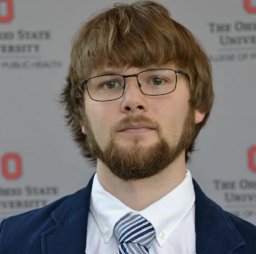 Charles Gregory合作论文数Department of Internal Medicine, The Ohio State University College of Medicine1Constantina Christodoulou合作论文数The Stem Cell Program, Boston Children’s Hospital, Boston, MA 02115, USA1
 Muhammad Faisal合作论文数Comprehens Canc Ctr, Ohio State Univ1Steven Sher合作论文数Ohio State Univ, Dept Internal Med, Div Hematol, Columbus, OH 43210 USA1
 Michael Superdock合作论文数1Paul C. Norris合作论文数School of Medicine, University of California at San Diego1
 Chafen Lu合作论文数1Kathrein Katie L合作论文数Department of Microbiology-Immunology, Northwestern University Feinberg School of Medicine1
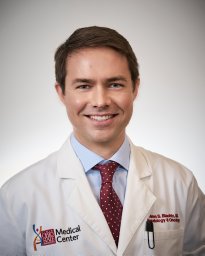 James S Blachly合作论文数College of Medicine, The Ohio State University;Comprehensive Cancer Center, The Ohio State University;Gnosigen Labs1Orwick Shelley合作论文数1Shive Heather R合作论文数1
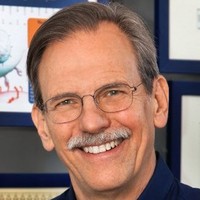 Timothy Alan Springer合作论文数Institute for Protein Innovation;Springer Lab, Harvard Medical School;Division of Hematology/Oncology, Department of Medicine, Boston Children’s Hospital1E. Fast合作论文数Idaho Nuclear Corporation1
 William E Carson合作论文数Department of Surgery, The Ohio State University;The Ohio State University Comprehensive Cancer Center1
 David Stachura合作论文数1John M. Gansner合作论文数1
 Bradley W Blaser合作论文数Comprehensive Cancer Center, The Ohio State University;College of Medicine, The Ohio State University1Rosa Lapalombella合作论文数1Robert I. Handin合作论文数Department of Medicine, Harvard Medical School1




