125 Background: Tovecimig is a recombinant bispecific antibody that simultaneously blocks the delta-like ligand-4 (DLL4) and vascular endothelial growth factor A (VEGF-A) signaling pathways. In a Phase 1 study of tovecimig, two patients with metastatic colorectal cancer (CRC) had confirmed partial responses (PRs) prompting the further exploration of tovecimig in patients with CRC treated in the third- or fourth-line setting. Methods: COMPANION-003 (NCT05513742) was a multi-center, single arm Phase 2 study with a Simon Two Stage design. Eligible patients had metastatic CRC with primary tumor resection and had progressed after receiving two or three prior systemic therapies, which must have included oxaliplatin, irinotecan, a fluoropyrimidine, an anti-VEGF therapy, and, if indicated, an anti-EGFR therapy. Patients with both KRAS wild type and KRAS mutated tumors were eligible. Tovecimig was given as a monotherapy intravenously at 10 mg/kg every two weeks, and tumor response was assessed every eight weeks based on RECIST v1.1. DLL4 expression assessed in tumor tissue from archived biopsy specimens was analyzed by immunohistochemistry (IHC) retrospectively. Results: Of the 49 patients enrolled in Stage 1 of the study, there were 40 response evaluable patients. 23 out of the 40 patients (58%) were treated in the fourth-line setting. 16 of the 40 patients (40%) had KRAS mutated tumors. Final analysis shows an objective response rate (ORR) of 5% (2 out of 40 patients), median progression free survival (PFS) of 3.9 months, disease control rate (DCR) of 68% (27 out of 40 patients with a partial response or stable disease as the observed best overall response), and median overall survival (OS) of 10.2 months. Treatment emergent adverse events (TEAEs) were reported in 98.0% of subjects and TEAEs of ≥ Grade 3 were reported in 65.3% of subjects. The most frequently reported TEAEs were hypertension (44.9%), proteinuria (36.7%), nausea (28.6%), and fatigue (26.5%). The most frequently reported TEAEs of ≥ Grade 3 were hypertension (32.7%) and proteinuria (6.1%). Archived biopsy specimens were obtained from 25 patients in the study. IHC analysis suggested a trend toward longer PFS in patients with DLL4 high tumors compared to patients with DLL4 low tumors. Conclusions: The results from the Phase 2 COMPANION-003 study demonstrated clinically meaningful anti-tumor activity with a manageable safety profile, which supports further development of tovecimig in patients with advanced, metastatic CRC. Clinical trial information: NCT05513742 .
ImportanceNeoadjuvant therapy (NT) is an increasingly used treatment strategy for patients with localized pancreatic ductal adenocarcinoma (PDAC). Little research has been conducted on cancer care delivery during NT, and the standards for optimal delivery of NT have not been defined. ObjectiveTo develop consensus best practices for delivering NT to patients with localized PDAC. Design, Setting, and ParticipantsThis study used a modified Delphi approach consisting of 2 rounds of voting, and a series of virtual conferences (from October to December 2023) to reach expert consensus on candidate best practice statements generated from a systematic review of the literature and expert opinion. An interdisciplinary panel was formed including 47 North American experts from surgical, medical, and radiation oncology, radiology, pathology, gastroenterology, integrative oncology, anesthesia, pharmacy, nursing, cancer care delivery research, and nutrition as well as patient and caregiver stakeholders. Main Outcome and MeasuresStatements that reached 75% agreement or greater were included in final consensus statements. ResultsOf the 47 participating panel members, 27 (57.64%) were male, and the mean (SD) age was 47.6 (8.2) years. Physicians reported completing training a mean (SD) 14.6 (8.6) years prior and seeing a mean (SD) 110.6 (38.4) patients with PDAC annually; 35 (77.7%) were in academic practice. Final consensus was reached on 82 best practices for delivering NT. Of these, 38 statements focused on pre-NT practices, including diagnosis and staging (n = 15), evaluation and optimization (n = 20), and decision-making (n = 3); 29 statements defined best practices during NT, including initiation (n = 3), delivery of therapy (n = 8), restaging practices (n = 12), and management of complications during NT (n = 6); and 15 best practices were identified to guide treatment post-NT, focusing on surgery (n = 7), pathology (n = 4), and follow-up (n = 3). ConclusionsUsing a modified Delphi consensus technique, best practice guidelines were developed focusing on the optimal standards for delivering NT to patients with localized PDAC. Given the prognostic importance of completing multimodality therapy, efforts to standardize and optimize the delivery of NT represent an immediate opportunity to decrease care variation and improve outcomes for patients with PDAC. Future research should focus on validating and implementing best practice standards into clinical practice.
Despite its recognized importance, there is currently no reliable tool for surgical quality assurance (SQA) of gastrectomy in surgical oncology. The aim of this study was to develop an SQA tool for gastrectomy and to apply this tool within the ADDICT Trial in order to assess the extent and completeness of lymphadenectomy. The operative steps for D1+ and D2 gastrectomy have been previously described in the literature and ADDICT trial manual. Two researchers also performed fieldwork in the UK and Japan to document key operative steps through photographs and semi-structured interviews with expert surgeons. This provided the steps that were used as the framework for the SQA tool. Sixty-two photographic cases from the ADDICT Trial were rated by three independent surgeons. Generalizability (G) theory determined inter-rater reliability. D-studies examined the effect of varying the number of assessors and photographic series they rated. Chi-square assessed intra-rater reliability, comparing how the individual assessor’s responses corresponded to their global rating for extent of lymphadenectomy. The tool comprised 20 items, including 19 anatomical landmarks and a global rating score. Overall reliability had G-coefficient of 0.557. Internal consistency was measured with a Cronbach’s alpha score of 0.869 and Chi-square confirmed intra-rater reliability for each assessor as < 0.05. A photographic surgical quality assurance tool is presented for gastrectomy. Using this tool, the assessor can reliably determine not only the quality but also the extent of the lymphadenectomy performed based on remaining anatomy rather than the excised specimen.
Supplementary fig 4 Baseline p-ERK score in Tumor Tissue Correlated to RAS/RAF Mutation Status
Supplementary fig 3 Tumor Regression Grade versus Baseline p-ERK score in Tumor Tissue
Background Minimally invasive surgery has been steadily growing in popularity. Control of splenic hilar vessels is the most delicate step during laparoscopic splenectomy (LS). In the earlier eras of LS, hilar vessels were controlled using clips and/or ligation. Laparoscopic staples were later introduced and have arguably led to an increase in popularity of LS. They do not abolish potential complications of splenectomy and theoretically represent an added operative cost.In this study, we aimed to assess the safety and efficacy of stapleless LS (using knots, haemostatic devices and clips) compared with the now more conventional stapled LS.Methods A pilot randomised prospective study was conducted in a university hospital between September 2018 and April 2020. It included 40 patients randomly assigned to two equal groups: (1) 20 patients: stapleless LS and (2) 20 patients: LS using laparoscopic staples.We compared operative time, intra and postoperative complications and postoperative recovery.Results There was no statistically significant difference between both groups across all comparative outcomes.Conclusion Both techniques are comparable in terms of safety and operative time. In terms of cost efficiency, we recommend more comprehensive analyses of hospital costs.
Abstract Background Esophagectomy for cancer is a complex procedure with high morbidity. Minimally invasive approach offers the benefits of minimal access across the different fields required during this operation. Robotic surgery is becoming an integral part of modern practice. It holds the potential of more precision especially in narrow thoracic space. Currently, Many Robotic platforms exist. This video aims to demonstrate the feasibility of Robotic Mc Keown esophagectomy in the prone position using Versius platform. Methods 56 years old male patient presented with grade I dysphagia of 3 months duration. His complete assessment revealed an 11 cm long invasive non keratinizing squamous cell carcinoma located in the mid esophagus (cT3N1M0). Marked regressive course of the lesion occurred with neoadjuvant chemoradiation. Robotic assisted Mc Keown esophagectomy was performed in the prone position. Thoracic phase was performed with the robotic approach. Bed side units and Port placement is illustrated in the video. The abdominal phase was accomplished laparoscopically. Finally, the stomach was pulled up and the esophagogastric anastomosis was done in the neck. Results No intraoperative adverse events were encountered. The improved vision, dexterity and articulation of instruments facilitated the identification of the thoracic duct, ligation of azygos vein tributaries and dissection of the recurrent laryngeal lymph nodes. Instrument clash was insignificant due to patient’s wide chest cavity and optimal positioning of ports and bed side units improving ergonomics. The operative time of the thoracic phase was 310 min. Blood loss was 300 mL. The postoperative course was uneventful except for chest infection which improved on conservative measures. The length of stay was 18 days. Pathology revealed complete clinical response with 0/25 lymph node yield. Conclusion Robotic assisted esophagectomy is feasible and can be safely performed using Versius robotic platform. The enhanced visualization and articulation enabled meticulous dissection of the recurrent laryngeal lymph nodes. Patient positioning, optimal port and bed side units placement were keys to achieving minimal instrument clash. Further research is needed to confirm these findings and to compare the long-term oncological outcomes and cost effectiveness of this modality. Video links: https://we.tl/t-rpkTHvNlXI or https://drive.google.com/drive/folders/1tOsFPrEBUHBpVn8C9jF7BGoNxlYPuBjq?usp=sharing.
Supplementary fig 5 Degree of Reduction (%) in Tumor pERK Levels From Baseline to After Trametinib Monotherapy and Correlation With pCR
Table S1. Antibodies used for flow cytometry Table S2. Monte Carlo cross-validation of continuous measure markers. Table S3. Monte Carlo cross-validation of dichotomous measure markers. Table S4. Pancreatic cancer patient circulating immune cell frequencies Figure S1. Overall survival does not predict plasma MCP-1 levels
Background Day-case thyroid surgery is practiced in some centers mainly in the United States. Potential life-threatening complications make surgeons apprehensive. Data published mainly from the American centers suggest that the approach is clearly feasible and the outcomes are encouraging. Patients and methods The study is a case series that was conducted on 75 participants who were indicated for thyroid surgery. Data were collected prospectively at Cairo University Hospitals from June 2018 to February 2019. Patients, fulfilling inclusion criteria, had their surgery and were discharged on the same day, only if the discharge criteria were met. Results Ten (13%) out of 75 patients fulfilling the discharge criteria refused to leave the hospital due to anxiety. Four patients were not eligible for the same-day discharge due to operative complications. 61 patients (81%) were patients were discharged safely and were contacted the next day for follow-up. Around 20% of those who were safely discharged on the day of surgery were not satisfied by the service. Conclusion With proper patient selection, day-case thyroidectomy is safe and applicable in the Egyptian health service. Awareness campaigns, supporting day-case surgery, are needed to increase public acceptance.
Objective: The aim was to develop a reliable surgical quality assurance system for 2-stage esophagectomy. This development was conducted during the pilot phase of the multicenter ROMIO trial, collaborating with international experts. Summary of Background Data: There is evidence that the quality of surgical performance in randomized controlled trials influences clinical outcomes, quality of lymphadenectomy and loco-regional recurrence. Methods: Standardization of 2-stage esophagectomy was based on structured observations, semi-structured interviews, hierarchical task analysis, and a Delphi consensus process. This standardization provided the structure for the operation manual and video and photographic assessment tools. Reliability was examined using generalizability theory. Results: Hierarchical task analysis for 2-stage esophagectomy comprised fifty-four steps. Consensus (75%) agreement was reached on thirty-nine steps, whereas fifteen steps had a majority decision. An operation manual and record were created. A thirty five-item video assessment tool was developed that assessed the process (safety and efficiency) and quality of the end product (anatomy exposed and lymphadenectomy performed) of the operation. The quality of the end product section was used as a twenty seven-item photographic assessment tool. Thirty-one videos and fifty-three photographic series were submitted from the ROMIO pilot phase for assessment. The overall G-coefficient for the video assessment tool was 0.744, and for the photographic assessment tool was 0.700. Conclusions: A reliable surgical quality assurance system for 2-stage esophagectomy has been developed for surgical oncology randomized controlled trials. Ethical approval: 11/NW/0895 and confirmed locally as appropriate, 12/SW/0161, 16/SW/0098. Trial registration number: ISRCTN59036820, ISRCTN10386621.
Background: Globally, the incidence of severe obesity and the comorbidities that it causes has increased. A patient who undergoes day-case surgery (DCS) is admitted and released the same day. The practicality and safety of using DCS during laparoscopic sleeve gastrectomy (LSG) and one anastomosis gastric bypass (OAGB) procedures have already been discussed and are almost established. As of yet, no studies have looked into this problem for OAGB. Objective: The present study aimed to evaluate the safety and feasibility of DC-OAGB in the Egyptian community and to compare it with DCS-LSG. Patients and methods: This is a prospective non-randomized controlled clinical trial that was conducted on 100 patients scheduled for bariatric surgery. Patients eligible for day-case surgery were included. The study patients were non-randomly equally allocated to the DC-LSG group or the DC-OAGB group. Patients’ operative data were recorded. They were followed by telephone for 4 days, and were followed again 15 days and 1 month later, and their satisfaction with DC bariatric surgery was assessed. Results: There was an equal same-day discharge rate (96%) in both groups. The total readmission rate was 1%, while for DC-LSG and DC-OAGB separately; the rates were 2% and 0%, respectively. The patients in the current study presented a high satisfaction rate. No statistically significant differences were found between the two groups in the postoperative outcome. Conclusion: DC-OAGB as well as DC-LSG showed feasibility and safety. Patients for the DCS should be properly selected to avoid elevated morbidity and mortality rates. Patients were highly satisfied with the DCS protocol.
Background Gastric resection for bariatric surgery is associated with nutrients deficiency, including thiamine and folic acid. Other sequelae of bypass surgeries have been described. The alteration in the anatomy and the motility pattern of the bowel may result in a blind bowel with subsequent small intestine bacterial overgrowth (SIBO). Aim The present study aimed to assess the prevalence of SIBO in patients undergoing one-anastomosis gastric bypass (OAGB) and the effect on thiamine and folic acid levels. Patients and methods The study included 40 patients planned for OAGB. Data on the prevalence of SIBO following OAGB and its implications on the nutritional status were collected. Results At the 6-month postoperative follow-up, the mean percentage of total weight loss was 27.61%. No statistically significant differences were found in the thiamine or folate levels as compared with the preoperative levels. A total of 20 (50%) patients had at least one GI disturbance symptom occurring at least once per week. Jejunal aspirate culture revealed SIBO in 31 (77.5%) patients. Comparing between patients according to the presence of SIBO revealed higher weight measures in patients who developed SIBO compared with those who did not. This difference reached the level of significance only in the preoperative and postoperative weight measures. There were no statistically significant differences in the percentage of total weight loss, the thiamine and folate levels, the other demographic data, or the gastrointestinal tract symptoms. Conclusion SIBO was highly prevalent after OAGB, with no apparent association with the thiamine or folate levels. The relationship between gastrointestinal tract symptoms and bacterial overgrowth was not statistically significant, with high incidence of asymptomatic SIBO. OAGB is an effective procedure for weight loss and resolution of comorbidities.
Roux-en-Y gastric bypass (RYGB) is one of the most effective bariatric procedures. The study aimed to explore the value of lengthening the biliopancreatic limb (BPL) in RYGB compared to the outcome of one-anastomosis gastric bypass (OAGB). This prospective study included morbidly obese patients divided into two groups. The RYGB group (n = 36) was subjected to long biliary limb Roux-en-Y gastric bypass (LPRYGB), and the OAGB Group (n = 36) had one anastomosis gastric bypass. During follow-up, weight, BMI, percentage of excess body weight loss (%EBWL), resolution of obesity-related comorbidities, and quality of life (QoL) were evaluated. There was no significant difference in weight and BMI after 3 and 6 months. At 12-month follow-up, weight loss was significantly higher in the OAGB group. After 12 months, the two groups showed significant improvement of comorbid conditions without significant difference between the two groups. The Qol was significantly higher in the LPRYGB group 3, 6, and 12 months after surgery compared to the OAGB group. Extending the BPL length in RYGB to 150 cm is as effective as OAGB in remission of comorbidities, including diabetes. It was also equally effective in weight reduction in the short term. OAGB was more efficient in weight reduction and a significantly faster operation. LPRYGB showed a better QoL of life 1 year after surgery.
Portal vein thrombosis (PVT) is an infrequent, yet potentially lethal, complication of bariatric surgery. The aim of this prospective, non-randomized, cohort study is to compare between laparoscopic sleeve gastrectomy (LSG) and laparoscopic one-anastomosis gastric bypass (LOAGB) in terms of their early postoperative effects on portal venous flow and patency. Forty-nine morbidly obese patients were allocated to one of 2 groups (A or B). Group A patients underwent LSG, whereas group B patients underwent LOAGB. Portal venous Doppler ultrasound scanning was performed preoperatively and 2 weeks postoperatively in all cases, in order to assess the portal venous flow (PVF) in terms of flow direction and peak systolic velocity (PSV); as well as to assess the portal venous patency and exclude PVT. The mean change in PSV (ΔPSV) and the mean percentage change in PSV (%ΔPSV) were determined in both groups. In all cases (group A (n = 26); group B (n = 23)), the direction of PVF was “hepatopetal” both preoperatively and 2 weeks postoperatively. The mean ΔPSV and the mean %ΔPSV were higher in LSG patients “group A” (− 0.84 cm/s and 3.25% respectively) compared with LOAGB patients “group B”(− 0.06 cm/s and 0.27% respectively); P = 0.038 and 0.039 respectively. The mean change in PSV was in the negative direction in both groups, i.e., “deceleration.” No cases of PVT were reported in the study. Laparoscopic sleeve gastrectomy is associated with greater reduction in portal venous peak systolic flow velocity in the early postoperative period, compared with laparoscopic one-anastomosis gastric bypass.
Objective Despite the rarity, the consequences of bleeding and leaks after bariatric procedures can be drastic and potentially fatal, mandating the search for preventive maneuvers. In this study, we investigated the safety and efficacy of the staple-line hemostasis using LigaSure patients subjected to one-anastomosis gastric bypass (OAGB). Patients and methods This prospective study involved 92 patients scheduled for OAGB. Patients were followed up during the next 2 weeks after the operation. Hemostasis of the stomach's stapler line was done using bipolar diathermy (LigaSure) to stop the bleeding sites if present. Postoperatively, the patients were monitored regularly for clinical signs of bleeding and leakage. Results Operative time did not exceed 120 min. All patients during the operation suffered from bleeding from the staple line and underwent hemostasis by using LigaSure. LigaSure secured complete hemostasis within 10 min and did not cause any intraoperative or postoperative complications in the form of electrothermal injury to the surrounding structures. Two patients suffered from postoperative intraluminal bleeding from the staple line and required blood transfusion. No case of leakage was recorded. Most of the study cohort (n=90, 97.8%) stayed only 1 day after surgery. Conclusion The bipolar diathermy device LigaSure is a promising technique for staple-line hemostasis in patients undergoing OAGB. It was not associated with increased leakage or other postoperative complications.
 Tanios S. Bekaii-Saab合作论文数Mayo Clinic Cancer Center45
 Kristen K. Ciombor合作论文数Vanderbilt University Medical Center27
 Christina Wu合作论文数26
 Noonan Anne Mary合作论文数Department of Internal Medicine, The Ohio State University22
 Michael J. Pishvaian合作论文数21
 Lai Wei合作论文数Center for Biostatistics, The Ohio State University17
 Emanuel F. Petricoin合作论文数School of Systems Biology, College of Science, George Mason University14
 Somashekar G Krishna合作论文数Department of Gastroenterology and Hepatology, University of Arkansas for Medical Sciences14
 Vincent Chi-Ho Chung (鍾志豪)合作论文数Government of the Hong Kong Special Administrative Region13
 Terence M. Williams合作论文数Department of Radiation Oncology, City of Hope;Duarte Cancer Center, City of Hope;City of Hope National Medical Center13
 Andrew Hendifar合作论文数Samuel Oschin Cancer Center, Cedars-Sinai13
 Evan J Wuthrick合作论文数12Ahn Daniel H合作论文数12
 Cynthia Timmers合作论文数Translational Sciences Discovery Lab, Incyte12
 Jonathan R. Brody合作论文数Department of Surgery, School of Medicine, Oregon Health & Science University12Sohal Davendra P S合作论文数11
 Subha Madhavan合作论文数Innovation Center for Biomedical Informatics, Georgetown University11Sameek Roychowdhury合作论文数College of Medicine and Public Health, The Ohio State University11
 Abdel-Misih Sherif合作论文数10
 Mark W. Arnold合作论文数Division of Colon and Rectal Surgery Grant Medical Center10
 Lola Rahib合作论文数Henry Samueli School of Engineering and Applied Science, University of California10
 Alan Harzman合作论文数10
 Edik Blais合作论文数Perthera9
 Wei Chen合作论文数Berkshire Medical Center8
 Vincent Picozzi合作论文数Floyd & Delores Jones Cancer Institute, Virginia Mason Medical Center8
 Lynn Matrisian合作论文数Pancreatic Cancer Action Network;Vanderbilt University Medical Center8Ryan Robb合作论文数7Kimberly Mason合作论文数7
 Dana B Cardin合作论文数Vanderbilt-Ingram Cancer Center, Vanderbilt University;Division of Hematology and Oncology, Department of Medicine, Vanderbilt University Medical Center7
 Mohammed Moustafa Elsheshtawy Salem合作论文数Physics Department, Faculty of Science, Tanta University7Webb Amy合作论文数7Emily Lyons合作论文数6
 James L Chen合作论文数Tempus AI;MatchTX6
 Bender R Joseph合作论文数Institute for Computational Medicine and Department of Biomedical Engineering, Johns Hopkins University6
 Richard M Goldberg合作论文数Department of Medicine, School of Medicine, West Virginia University;Cancer Institute, West Virginia University6
 Miguel Villalona Calero合作论文数Chao Family Comprehensive Cancer Center, University of California, Irvine6Sanaa Tahiri合作论文数5John L Marshall合作论文数5AiwuRuth He合作论文数5Smaglo Brandon G合作论文数5
 Gregory B Lesinski合作论文数Arthur G. James Cancer Hospital and Richard J. Solove Research Institute, Ohio State University5
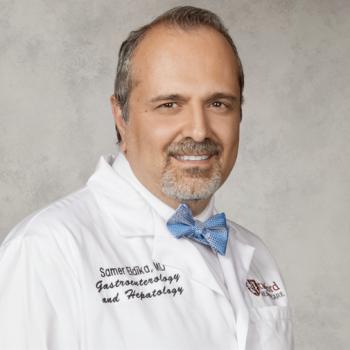 Samer Eldika合作论文数Medicine Department, Stanford University5
 Susan Geyer合作论文数Manager, Central processing5Chiang Li合作论文数4Mohamed Y. Ibrahim合作论文数4David C Halverson合作论文数4B Rizk合作论文数4
 Apurva Jain合作论文数Univ Texas MD Anderson Canc Ctr4
 Bassel El-Rayes合作论文数Department of Hematology and Medical Oncology, Emory University School of Medicine;O'Neal Comprehensive Cancer Center, School of Medicine, The University of Alabama at Birmingham4




