Portable and ultrasensitive biosensing was described for the rapid detection of targets, benefiting for the early warning and risk intervention. A Lab-in-Tip biosensing platform based on toehold-mediated strand displacement (TMSD) amplification and glucose oxidase (GOD)/Fe-PDs enzyme cascade strategy had integrated for dual-mode detection of target ochratoxin A (OTA). On the internal surface of pipette tip, the OTA-Apt@cDNA and T-DNA@DNA-GOD were immobilized to prepare micro workstation in advance. The prepared Fe-PDs nanozyme was employed in catalysis and used as substrate. When OTA was added in the micro workstation, the released cDNA might activate the powerful TMSD reaction and generated abundant DNA-GOD, and then introduced into the GOD/Fe-PDs enzyme cascade to reflect ultrasensitive dual-mode signals. The OTA could be identified via two optical signal modes: colorimetry (LOD of 0.24 pg/mL) and fluorescence (LOD of 0.074 pg/mL), demonstrating excellent sensitivity. The Lab-in-Tip biosensing exhibited several advantages, such as a notable pattern of micro workstation, high integration, dual-mode detection, ultrasensitivity and simplified operation. This proposed biosensing integrated GOD/Fe-PDs based colorimetric detection and fluorescence quenching based ”Turn-on” to ”Turn-off” detection, which may recommend valuable insights for the improvement of novel and portable detection pattern for other targets.
Stimuli-responsive delivery systems, particularly thermoresponsive platforms, are becoming increasingly important for physiological applications, but their development has been limited by poor biocompatibility, slow response, and non-scalable fabrication methods. Liposomes offer a biocompatible and adaptable foundation for this need, but no scalable approach exists to produce uniform thermosensitive liposomes that activate above 37°C. Here, we present the first scalable strategy for generating monodisperse thermoresponsive liposomes using a corona-discharge- treated PDMS double-emulsion device. Aqueous cargo-containing cores are encapsulated within DPPC-containing oleic acid shells, with Pluronic F-127 added to the outer phase to stabilize the interface. Ethanol-mediated solvent extraction transforms these shells into lipid bilayers, and the combined use of rotational mixing and surfactant-assisted interfacial tuning reduces extraction time by more than 50% compared with prior reports while ensuring complete bilayer formation, even for thick shells. Under regulated extraction, droplets with thin lipid membranes incorporating Pluronic F-127 undergo abrupt rupture and cargo release at ∼41°C-45°C, providing stable encapsulation at physiological temperature and sharp thermally triggered release above body temperature. Overall, this work creates the first platform capable of producing uniform thermoresponsive liposomes that undergo abrupt, super-physiological temperature-triggered release, providing broad potential for drug delivery, biosensing, and synthetic biology.
Droplet-based microfluidics has transformed high-throughput screening by compartmentalizing biochemical reactions into nanoliter-to-picoliter soft microenvironments. However, precise on-demand reagent addition after droplet formation remains challenging due to interfacial tension barriers. This review comprehensively summarizes recent advances in reagent addition technologies from the perspectives of soft matter physics and interfacial engineering. Strategies are categorized into passive hydrodynamic merging and active injection approaches, highlighting the mechanisms used to disrupt surfactant-stabilized interfaces for reagent delivery. The broad impact of these spatiotemporally decoupled addition strategies is further discussed in applications including multistep synthesis of soft functional materials, drug screening, single-cell multi-omics, and directed enzyme evolution. Finally, current challenges limiting industrial translation are critically assessed. Continued advances in this field are expected to drive the development of intelligent droplet microreactor systems for next-generation biomedical and materials applications.
ABSTRACT Droplet digital (dd) clustered regularly interspaced short palindromic repeats (CRISPR) integrates the high sequence specificity of CRISPR‐based nucleic acid detection with the absolute quantification capability of digital droplet microfluidics, offering high sensitivity, precision, and scalability. By partitioning samples into thousands to millions of picoliter microdroplets, ddCRISPR enables single‐molecule resolution and minimizes background interference. This review summarizes the principles of droplet generation, manipulation, and detection in ddCRISPR platforms, as well as recent advances in amplification‐based and amplification‐free detection strategies. Representative applications are highlighted for viral, bacterial, and other DNA/RNA biomarker detection. Current challenges, including workflow automation, droplet stability, multiplexing, and assay portability, are discussed alongside future perspectives such as artificial intelligence (AI)‐assisted analysis, point‐of‐care integration, and high‐throughput multiplexed detection. These insights aim to guide the translation of ddCRISPR technologies from laboratory research to robust, scalable, and accessible diagnostic solutions.
The glioblastoma (GBM) microenvironment exhibits elevated viscosity and spatial confinement that strongly influence tumor invasion, yet these mechanical features are difficult to reproduce in open experimental systems. We developed an open two-layer microfluidic membrane that enables precise control of migration onset and real-time visualization of cellular mechano-adaptation. The detachable cap confines a defined droplet, while the ring-shaped micro-valley topography provides localized confinement that deforms nuclei and activates YAP signaling, recapitulating the mechanical stress experienced by invading tumor cells at the GBM invasive front. Using this platform, we found that long-term culture in a 7.1 cP viscous medium produced smaller, more deformable cells with enhanced migration through confined regions, revealing clear cell-type-dependent differences in motility and adaptive capacity. Transcriptomic analysis further showed that U-251 cells underwent mesenchymal-like reprogramming and gained greater invasive potential, whereas LN-229 cells exhibited limited transcriptional change despite similar structural remodeling. These findings demonstrate that this open microfluidic platform bridges biophysical modeling and cellular mechanobiology, enabling direct investigation of viscosity-driven adaptation in GBM.
Microfluidic gradient platforms, especially flow-based types, have emerged as promising tools in 3D tumor spheroid research, as they enable precise control of concentration gradients with rapid establishment and sustained long-term stability. However, current flow-based gradient chips are often constrained by limited spheroid culture capacity, restricting their utility for large-scale drug evaluation. Here, we developed a microfluidic gradient platform embedded with high-density microwell arrays (MEG platform), which enables high-throughput and physiologically relevant spheroid culture across multiple chambers on a single chip. The total number of spheroids is flexibly tuned by adjusting the microwell array sheet size, and both monoculture and co-culture spheroids maintain continuous and stable growth with well-defined morphology. The platform demonstrates stable gradient delivery under dynamic perfusion. It is further applied to assess drug responses in monoculture and co-culture spheroids, with co-cultures exhibiting enhanced resistance compared with monocultures. The high-throughput MEG platform should facilitate the use of tumor spheroid models in large-scale drug testing and tumor-stromal interaction studies.
Electrochemical aptamer-based (E-AB) sensors have experienced remarkable growth across a broad range of applications, such as precision medicine, chronic disease management, food safety, and environmental monitoring, due to their exceptional capability for real-time and continuous monitoring of biomarkers. However, biofouling in complex biological environments remains a critical challenge for the E-AB sensors, compromising signal strength, operational stability, and biosensing specificity. Here, we present a zwitterionic coating strategy that integrates poly-sulfobetaine methacrylate (SBMA) and polydopamine (PDA) to enhance the antifouling properties of the E-AB sensors, thereby enabling sensitive, stable, and accurate detection of a model antibiotic drug, vancomycin. The durable and hydrophilic antifouling layer was grafted onto the electrode surface to minimize signal drift while preserving sufficient signal on the E-AB sensors. The SBMA@PDA coating was systematically optimized and demonstrated superior resistance to biofouling under various environmental conditions, including pH, temperature, and mechanical stress. Furthermore, the coating was incorporated into a wearable microneedle patch for monitoring vancomycin dynamics in artificial interstitial fluids, achieving robust stability and performance. These findings establish a reliable and effective antifouling approach, advancing the practical application of E-AB sensors for continuous therapeutic drug monitoring in clinical and wearable healthcare settings.
Droplet‐based microfluidics has revolutionized the lab‐on‐a‐chip field by enabling precise generation and manipulation of monodisperse droplets that act as independent microreactors. Over two decades, innovations in passive geometries and active control methods have facilitated a wide range of droplet operations, driving applications in molecular diagnostics, single‐cell analysis, drug discovery, and material synthesis. Despite these advances, challenges remain in reproducibility, scalability, and detection, alongside the growing need to manage complex experimental datasets. Parallel to these developments, artificial intelligence (AI) has evolved from early neural models to powerful deep learning and foundation architectures, offering transformative opportunities for droplet‐based platforms. Supervised, unsupervised, and reinforcement learning approaches enhance droplet detection, sorting, and adaptive control, while deep learning architectures enable high‐dimensional image analysis, time‐dependent modeling, and multimodal data integration. Transfer learning and meta learning further address data scarcity, and emerging explainable AI frameworks provide interpretability critical for clinical and diagnostic applications. This review highlights the convergence of droplet‐based microfluidics and AI, examining applications across droplet generation, detection, screening, and material synthesis and offering perspectives on challenges and future directions. Together, these fields promise to accelerate discovery and expand the clinical and industrial impact of microfluidics.
Tumor spheroids, the most widely used model of 3D cell culture, have emerged as a viable platform for assessing drug responses. However, high-throughput validation of novel drugs using tumor spheroids remains hindered by the challenges in generating large-scale, homogeneous, and functionally relevant spheroids. Here, a flow-focusing droplet microfluidic platform is developed for high-throughput generation of uniform tumor spheroids, producing over 50 000 droplets within 5 min, with each microdroplet serving as an individual bioreactor for spheroid formation. The initial size of the tumor spheroids is tuned based on cell concentration and water-to-oil flow rate ratio during microdroplet generation. After being released from the microdroplets, the 3D tumor spheroids continue growing, reaching diameters exceeding 300 µm. The growth and functional characteristics of the spheroids are examined both in a liquid environment and in a 3D collagen matrix. Moreover, these tumor spheroids enable assessment of the therapeutic efficacy of siRNA-based nanomedicine that demonstrates enhanced performance compared to free siRNA treatments. This platform offers a robust and scalable approach for evaluating novel nanomedicines, providing valuable insights into their therapeutic potential and underlying mechanisms of action.
CRISPR-based biosensors are emerging as powerful tools in precision medicine, enabling rapid and highly specific molecular detection for personalized interventions. Their performance depends on interconnected components. Guide RNA (gRNA) design and optimization improve on-target activity and reduce off-target effects, while Cas protein engineering and structure prediction reveal functional determinants for programmable modification. Meanwhile, biosensor design and signal readout strategies enable portable, quantitative, and multiplexed detection. Recent advances in artificial intelligence (AI) have created new opportunities to optimize these components. AI bridges molecular design and analytical performance, enhancing sensitivity, specificity, quantitative readout, and automation in CRISPR-based biosensing. This paper provides a systematic review and comparative analysis of recent progress in AI-enabled gRNA design and optimization, Cas protein engineering and structure prediction, and biosensor readout and automation for CRISPR-based biosensing. It further discusses the opportunities and challenges associated with integrating these advances into multifunctional, standardized platforms for point-of-care testing and clinical translation.
Recent advancements in microfabrication, computational modeling, and interfacial science have driven the development of diverse microfluidic techniques for the separation of a range of particles. The ultimate objective of developing passive microfluidic platforms is to enable the effective utilization of the isolated particles in downstream applications. In this work, we review studies that applied experimental assays to particles isolated using passive microfluidic approaches. Eight representative passive separation techniques including deterministic lateral displacement (DLD), adhesion, hydrophoresis, microfiltration, inertial microfluidics, viscoelastic microfluidics, pinched flow fractionation (PFF), and mechanical trapping are presented. A range of downstream assays such as polymerase chain reaction (PCR), RNA sequencing, drug sensitivity test, fluorescence detection, enzyme-catalyzed colorimetric analysis and electrochemical detection are presented. By categorizing particles into six groups, this study compares the separation resolution, throughput, and versatility of each method, offering guidance on the appropriate selection of each technique. Also, each technique is discussed regarding its ability to isolate biological and non-biological particles, ranging from nanoparticles (e.g., RNA) to cells (e.g., circulating tumor cells, blood cells) and pathogens. Furthermore, this study highlights emerging applications of passive microfluidic technologies in drug delivery mediated by extracellular vesicles and the detection of foodborne pathogens, while also addressing current commercialization efforts in these domains. This review outlines the progression of passive microfluidic techniques for particle separation and downstream assays, providing a basis for the translation of lab-on-a-chip techniques into practical real-world applications.
Crystallization plays a pivotal role in pharmaceutical manufacturing, yet conventional techniques often lack spatial and temporal control over nucleation, particularly for challenging molecules like amino acids. In this study, we present a microfluidic crystallization platform integrated with femtosecond laser irradiation to induce and regulate nucleation in supersaturated aqueous d-serine solutions. Through systematic screening of supersaturation levels, laser pulse energy, repetition rate, and flow rate, we demonstrate that crystal formation requires the synergistic action of confined flow and localized photomechanical stimulation. Neither microfluidic flow nor femtosecond laser irradiation alone was sufficient to initiate nucleation, while their combination enabled reproducible crystal generation. Notably, moderate supersaturation (sigma = 0.059) and lower energy or flow conditions yielded larger, well-defined crystals, whereas increased laser intensity, repetition rate, or flow rate enhanced nucleation but suppressed crystal growth. These findings offer new insight into crystallization dynamics under ultrafast excitation and establish a tunable strategy for amino acid crystallization, with potential applications in solid form screening and drug development.
Pinched flow fractionation (PFF) is a simple, biocompatible microfluidic technique for particle separation, well-suited for applications requiring easy design, ease of operation, and gentle sample handling. In this review, we systematically summarize design advances in PFF, categorizing innovations into five core strategies: broadened segment optimization, pinched segment modification, outlet design refinement, active method integration, and passive hybridization. Both the optimized designs and their underlying working mechanisms are elucidated. While PFF inherently operates as a size-based separation method, these developments have expanded its applicability to shape- and density-based separations. Key performance enhancements are highlighted, e.g., modifications to the pinched and broadened segments increase separation distance, microvalve-integrated outlets enable real-time control, active method integration improves separation resolution, and inertial microfluidic hybridization enhances throughput. Besides, we review representative applications of PFF, like the separation of extracellular vesicles for immunoblotting and microplastics for water quality evaluation. Design guidelines promoting the separation performance are discussed, alongside potential biological particle targets and a comparative analysis of PFF and other separation techniques. Finally, future directions are proposed, emphasizing the integration of passive methods and device parallelization to maintain PFF's simplicity while improving throughput and separation capabilities. This review aims to provide theoretical insights and technical guidance for continuous innovation in PFF, promoting its practical implementation across biomedical and environmental monitoring fields.
Heat exchangers are essential in industrial applications, where optimizing their design offers significant environmental and economic benefits. However, traditional methods of enhancing heat transfer, such as adding fins, often lead to increased friction and pressure drop. This study aims to optimize the design of helical-finned double-pipe heat exchangers to improve heat transfer efficiency while minimizing frictional losses. Numerical simulations, combined with Artificial Neural Networks (ANNs), were used to model the impact of design parameters (Reynolds number, number of fins, fin height, and twist pitch) on performance. The k-omega shear-stress transport turbulence model and finite volume method were used for fluid flow and heat transfer simulations, while Genetic Algorithms (GAs) were employed for optimization. ANN models demonstrated high predictive accuracy (R2 approximate to 1), and the optimized designs achieved a relative Nusselt number of 2.01, a relative friction factor of 1.01, and a Performance Evaluation Criterion (PEC) of 1.43. Notably, fins did not always improve thermal efficiency, illustrating the complexity of optimizing heat exchanger designs. This study presents an approach by integrating ANN and GA, providing an effective strategy for improving heat exchanger performance.
Robotic systems have become indispensable across various domains, enhancing efficiency, safety, and convenience in everyday life. While rigid robots excel in precision and load‐bearing tasks, their lack of adaptability poses challenges in human interaction and unstructured environments. Soft robots, constructed from flexible materials, offer safer and more adaptive solutions but often lack the rigidity needed for high‐force applications. To bridge this gap, stiffness‐tunable robotic systems have emerged, with phase‐change materials (PCMs) gaining significant attention due to their ability to transition between soft and rigid phases, enabling dynamic stiffness modulation. Unlike conventional stiffness‐tuning methods that require bulky external components, PCM‐based soft robots provide a lightweight and compact alternative, making them highly suitable for applications that demand both adaptability and load‐bearing capabilities. However, slow phase transition rates remain a key limitation, prompting research into advanced thermal management and phase control strategies to enhance responsiveness. This review explores recent advancements in PCM‐enabled robotics, focusing on their underlying mechanisms, key applications in gripping, minimally invasive surgery, shape morphing, and locomotion, and the challenges that must be addressed to unlock their full potential. By summarizing the latest developments, this review highlights the promising role of PCMs in the evolution of multifunctional, adaptable soft robotic systems.
Liquid biopsies have emerged as a key tool that enables personalized medicine, enabling precise detection of biochemical parameters to tailor treatments to individual needs. Modern biosensors enable real-time detection, precise diagnosis, and dynamic monitoring by rapidly analyzing biomarkers such as nucleic acids, proteins, and metabolites in bodily fluids like blood, saliva, and urine. Despite their potential, many biosensors are still constrained by mono-functionality, sub-optimal sensitivity, bulky designs, and complex operation requirements. Recent advances in stimuli-responsive smart materials present a promising pathway to overcome these limitations. These materials enhance biomarker signal transduction, release, or amplification, leading to improved sensitivity, simplified workflows, and multi-target detection capabilities. Further exploration of the integration of these smart materials into biosensing is therefore essential. To this end, this review critically examines and compares recent progress in the development and application of physical, chemical, and biochemical stimuli-responsive smart materials in biosensing. Emphasis is placed on their responsiveness mechanisms, operational principles, and their role in advancing biosensor performance for biomarker detection in bodily fluids. Additionally, future perspectives and challenges in developing versatile, accurate, and user-friendly biosensors for point-of-care and clinical applications using these smart materials are discussed.
The quantification of nucleic acids is of prominent importance for biology and medicine sciences. Droplet digital polymerase chain reaction (ddPCR) provides an absolute measure of target nucleic acid molecules with unrivalled sensitivity and accuracy, but suffers from limitations inherent to PCR amplification, droplet partition, and signal detection. Here, we present an ultrasensitive, rapid, and high-throughput technique for the absolute quantification of nucleic acids without the need for amplification, by combining the double-emulsion (DE) droplet digital platform with CRISPR/Cas12a system (d3CRISPR). We demonstrate the developed approach by accurately quantifying various DNA molecules, such as target human papillomavirus (HPV) 18, HPV16, and E. coli DNA, at concentrations down to attomole levels. This represents an over 1,000-fold improvement in the limit of detection (LOD) compared to existing bulk amplification-free Cas12a assays. Given the versatility and generality of the CRISPR system, we believe that this approach has great potential in the detection and measurements of diverse nucleic acid molecules for many biomedical, clinical, and environmental applications.
The glioblastoma (GBM) tumor microenvironment is characterized by abnormally high extracellular viscosity, particularly at the invasive tumor margins. While elevated viscosity is thought to impede migration, paradoxically, GBM cells often exhibit enhanced invasiveness following exposure to such environments. Here, we present a novel open microfluidic platform that enables real-time, high-resolution analysis of GBM cell behavior under tunable viscosity conditions, free from the geometric confinement of traditional closed systems. Using the U-251 cell line and primary GBM-3 cells, we demonstrate that acute exposure to high-viscosity medium (7.1 cP) suppresses migration, but prolonged exposure induces a primed, pro-invasive state. This phenotype is driven by cytoskeletal remodeling, shortened focal adhesions, nuclear translocation of YAP, and transcriptional upregulation of mitochondrial energy metabolism. Microfluidic chemotaxis assays reveal that while viscosity gradients do not guide migration (i.e., no visco-taxis), preconditioned cells exhibit enhanced chemotactic invasion toward nutrient cues. These findings establish extracellular viscosity not as a migratory attractant but as a mechanical conditioning factor that modulates cellular phenotype and invasion potential. Our open microfluidic platform provides a powerful framework to dissect the mechanobiology of GBM and other solid tumors.
Aquatic products play a crucial role in fulfilling the growing demand of the world’s population for food and provide essential health benefits owing to their high protein and omega-3 fatty acid concentrations that are often lacking in land-based diets. The rapid expansion of aquaculture as a burgeoning food production system has resulted in considerable food safety challenges, particularly concerning the presence of intrinsic toxins (e.g., marine toxins), environmental pollutants (e.g., heavy metals, microplastics, and pathogens), and regulatory issues. Notably, China’s maritime renaissance, which is reshaping the nation’s approach to food security and dietary structures, necessitates urgent solutions owing to its impact on one-fifth of the global population. In response to these pressing challenges, nanostructures have recently been investigated as promising tools for the detection and elimination of hazardous contaminants in aquaculture. Because of their large surface areas and adjustable physicochemical properties, nanostructures can be engineered with antibodies, aptamers, and functional ligands to function as indicators, signal amplifiers, photocatalysts, and separation tools across a wide range of targeted applications. This review presents the latest advancements in the application of nanostructures for safeguarding aquacultural environments and food products. It begins with an overview of aquacultural safety challenges and currently established solutions, followed by a comprehensive analysis of how diverse nanostructures are being utilized for the detection and elimination of hazardous substances from aquacultural systems and products. The review also presents a discussion on the integration of nanostructures into existing aquaculture practices, emphasizing the potential of nanostructures in revolutionizing hazard management by providing rapid, sensitive, and sustainable solutions. Finally, future perspectives on the integration of nanostructures for enhancing aquaculture safety are presented. By addressing both current challenges and future directions, this review underscores the transformative impact of nanostructures in fostering safer and more sustainable aquaculture, contributing to the advancement of global food security.
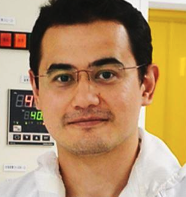 Yaxiaer Yalikun合作论文数Bio Process Engineering Lab, Nara Institute of Science and Technology;Graduate School of Materials Science, Nara Institute of Science and Technology45
 Yoichiroh Hosokawa合作论文数35
 Yo Tanaka合作论文数26Tianlong Zhang合作论文数19
 Weihua Li (李卫华)合作论文数School of Mechanical, Materials, Mechatronic and Biomedical Engineering, Faculty of Engineering and Information Sciences, University of Wollongong19
 Keisuke Goda (合田圭介)合作论文数Department of Chemistry, Graduate School of Science, University of Tokyo;Institute of Technological Sciences, Wuhan University;Department of Bioengineering, University of California, Los Angeles;CYBO16
 Shiyang Tang合作论文数School of Engineering, College of Engineering and Physical Sciences, University of Birmingham16
 Dino Di Carlo合作论文数Department of Bioengineering, Samueli School of Engineering, University of California, Los Angeles;Partillion Bioscience;The University of Tokyo13
 Hangrui Liu合作论文数Dept Phys & Astron, Macquarie Univ12
 Yapeng Yuan合作论文数11
 Xun Liu合作论文数11
 Cheng Lei (雷诚)合作论文数School of Integrated Circuits, Wuhan University11
 Shaokoon Cheng合作论文数Neuroscience Research Australia, University of New South Wales11Wc Shih合作论文数9
 Shen Yigang合作论文数Graduate School of Frontier Biosciences, Osaka University9Zhao Fusheng合作论文数Department of Electrical &Computer Engineering, University of Houston;Department of Electrical & Computer Engineering, University of Houston9
 Gursel Alici合作论文数School of Mechanical, Materials, Mechatronic and Biomedical Engineering, Faculty of Engineering and Information Sciences, University of Wollongong9Zeng Jianbo合作论文数8
 David W. Inglis合作论文数Princeton Institute for the Science and Technology of Materials ( PRISM );Department of Electrical Engineering;Princeton University;Princeton Institute for the Science and Technology of Materials ( PRISM ), Princeton University8Greggy M. Santos合作论文数7Ryota Kiya合作论文数7
 Shunbo Li (李顺波)合作论文数College of Optoelectronic Engineering, Chongqing University7
 Weijia Wen (温维佳)合作论文数Hong Kong University of Science and Technology (Guangzhou)7
 Dian Anggraini合作论文数6
 Dan Yuan合作论文数Univ Wollongong, Sch Mech Mat & Mechatron Engn, Wollongong, NSW 2522, Australia6Yansheng Hao合作论文数6
 Ong Hui Xin合作论文数Woolcock Inst Med Res, Univ Sydney6
 Daniela Traini合作论文数Woolcock Institute of Medical Research;Macquarie Medical School, Faculty of Medicine, Health and Human Sciences, Macquarie University6
 Kazunori Okano合作论文数Graduate School of Materials Science, Nara Institute of Science and Technology6Ye Zhang合作论文数5Nobutoshi Ota合作论文数5
 Yuxin Zhang合作论文数5
 Cain Amy K合作论文数School of Molecular Bioscience, University of Sydney5
 Kengo Suzuki合作论文数5
 Jun Zhang合作论文数5
 Sheng Yan (闫昇)合作论文数Institute for Advanced Study, Shenzhen University5Guizhong Tian合作论文数4
 Haowei Duan合作论文数School of Engineering, Macquarie University4
 Qianbin Zhao合作论文数Univ Wollongong, Sch Mech Mat Mechatron & Biomed Engn, Wollongong, NSW 2522, Australia4
 Guolin Yun (贠国霖)合作论文数Department of Modern Mechanics, University of Science and Technology of China4
 Akihiro Isozaki合作论文数4
 Tianben Ding合作论文数Dept. of Electr. Eng. & Inf. Syst., Univ. of Tokyo;c;Dept. of Electr. Eng. & Inf. Syst., Univ. of Tokyo4
 Muñoz Hector E合作论文数4
 Tao Tang (唐涛)合作论文数School of Electronic and Information Engineering, Beijing Jiaotong University;State Key Laboratory of Rail Traffic Control and Safety, Beijing Jiaotong University4Nao Nitta合作论文数Graduate School of Arts and Sciences, The University of Tokyo4
 Takuro Ito合作论文数4
 Yasuyuki Ozeki (小関泰之)合作论文数Department of Electrical and Electronic Engineering, Graduate School of Engineering, The University of Tokyo;Research Center for Advanced Science and Technology, The University of Tokyo4A.Ali Rabienataj Darzi合作论文数4




