Liver transplantation, the only curative option for end-stage liver disease, is limited by ischemia-reperfusion injury, with hepatocyte ferroptosis as a key pathogenic mechanism. CD36, a fatty acid translocase, drives the progression of multiple liver diseases. Yet, its role in hepatic ischemia-reperfusion injury (HIRI) and ferroptosis remains unclear. In this study, we generated full and hepatocyte-specific CD36 knockout mice to investigate its impact on HIRI. A significant upregulation of CD36 was observed in livers following ischemia-reperfusion (I/R) injury and in primary hepatocytes after hypoxia-reoxygenation (H/R). CD36 knockout alleviated liver injury and ferroptosis in HIRI models. In vitro, CD36 silencing suppressed H/R induced ferroptosis. Furthermore, our results establish rutin, a flavonoid derived from Gardenia, as a novel inhibitor of hepatocyte CD36 that alleviates HIRI. Mechanistically, CD36 regulates fatty acid binding protein 5 (FABP5) to reprogram lipid metabolism and drive ferroptosis in HIRI. Additionally, Rutin suppresses CD36 transcription through the stabilization of hepatocyte nuclear factor 4 α (HNF4α). Our findings demonstrate that CD36 exacerbates HIRI by regulating FABP5-mediated lipid metabolism and ferroptosis, while rutin exerts protective effects via CD36 inhibition. These results highlight the therapeutic potential of rutin for HIRI and identify the CD36/FABP5 axis as a novel target for intervention.
BackgroundEarly postoperative pneumonia (POP) is a common and serious complication after brain tumor surgery, but early recognition is difficult because postoperative neurological dysfunction and respiratory symptoms are often non-specific. Existing models are mostly retrospective, not designed for neurosurgical patients, and rarely prospectively validated across centers. We aimed to develop an interpretable model for early POP risk stratification.MethodsWe used routine perioperative data from 1,856 patients undergoing brain tumor surgery at multiple centers in China between 2022 and 2025. Ten machine learning algorithms were compared. From 41 candidate variables, 11 predictors were selected using correlation analysis and LASSO. The final locked model was prospectively tested in one internal temporal cohort and three external cohorts. Performance was assessed by AUC, calibration, and decision curve analysis. Interpretability was evaluated using SHAP, a nomogram, and a web calculator.ResultsLogistic regression showed the best overall performance, with an AUC of 0.897 (95% CI, 0.842–0.952) in the internal cohort and a mean AUC of 0.876 ± 0.044 across the three external cohorts. Key predictors included chronic lung disease (CLD), diabetes mellitus (DM), body mass index (BMI), admission Karnofsky Performance Status (KPS), and preoperative albumin (Alb) and glucose (Glu).ConclusionThis interpretable 11-variable model enables early POP risk stratification after brain tumor surgery and may support timely preventive intervention in neurosurgical care.
Metastasis is a great challenge in lung adenocarcinoma (ADC) therapy. Cholesterol has been implicated in ADC metastasis. 4-cholesten-3-one, as cholesterol metabolite and analog, can substitute membrane cholesterol and increase membrane fluidity. In this study, we explored the possibility that 4-cholesten-3-one inhibited ADC metastasis. Low-dose 4-cholesten-3-one significantly restrained ADC cells migration and invasion with little effects on cells viabilities. Further investigation showed that 4-cholesten-3-one promoted ROS generation, which transiently activated AMPKα1, increased HIF1α expression, reduced Bcl-2 expression and caused autophagy. AMPKα1 knockdown partly suppressed 4-cholesten-3-one-induced autophagy but, neither prevented 4-cholesten-3-one-induced upregulation of HIF1α or downregulation of Bcl-2. 4-cholesten-3-one-induced autophagy facilitated the release of HMGB1 from nuclei to cytoplasm, blocking nuclear translocation of HIF1α and activation of MMP2 and MMP9. Also, 4-cholesten-3-one induced time-dependent phosphorylation of caveolin-1, Akt and NF-κB. With increasing treatment time, 4-cholesten-3-one accelerated caveolin-1 internalization, but reduced the phosphorylation of Akt and NF-κB, and inhibited the expression of snail and twist. These data suggested that 4-cholesten-3-one could be a potential candidate for anti-metastasis of lung adenocarcinoma.
Gastric cancer (GC) continues to pose a major global health burden for which chemotherapy remains a first-line treatment. However, the efficacy of chemotherapy is often compromised by the development of chemoresistance, the underlying mechanisms of which remain elusive. Here, by profiling nascent RNA-binding proteins (nRBPs) and chromatin-binding proteins (chrBPs) in GC organoids, we identified RNA-binding motif protein 15 (RBM15) as a chromatin-associated nRBP (chr-nRBP) that is upregulated in GC cells and promotes tumour growth and chemoresistance. Mechanistically, RBM15 contains a microtubule-associated protein 1A/1B-light chain 3 (LC3)-interacting region (LIR) motif, which is directed to the lysosome through autophagy, and impaired nucleophagy leads to its accumulation in tumours. Accumulated RBM15 recruits ubiquitin-specific peptidase 10 (USP10) to the nucleus, where it deubiquitinates and stabilizes nuclear factor erythroid 2-related factor 2 (NRF2), thereby decreasing its proteasome-mediated degradation. This RBM15-USP10-NRF2 axis drives resistance to cisplatin and 5-fluorouracil (5-FU) both in vitro and in vivo. Disruption of this pathway sensitizes GC cells to chemotherapy and suppresses tumour growth. Collectively, our findings suggest that RBM15 is both a predictive biomarker and a therapeutic target for overcoming chemotherapy resistance in GC cells.
Resistance to epidermal growth factor receptor tyrosine kinase inhibitors (EGFR-TKIs) represents a major clinical challenge in the management of non-small cell lung cancer (NSCLC). Chromosome 4q12 locus is an important gene locus associated with progression-free survival (PFS) in NSCLC patients receiving EGFR-TKIs therapy. However, it remains poorly characterized how genes at this locus function in NSCLC development and resistance to EGFR-TKIs. Here, we found that CLOCK at this locus is highly expressed in NSCLC tissues and correlates with unfavorable PFS of patients. CLOCK promotes malignant proliferation and metastasis of NSCLC in vitro and in vivo. CLOCK could attenuate treatment efficacies of gefitinib (one of the first-generation EGFR-TKIs) or osimertinib (one of the third-generation EGFR-TKIs). Mechanistically, CLOCK functions as a transcriptional factor to upregulate LAMC2 transcription and expression in NSCLC cells. There was significantly elevated LAMC2 expressed in NSCLC tissues and its high levels were associated with shortened survival of patients. Indeed, CLOCK could activate multiple kinase signaling pathways, such as the PI3K-Akt signaling and the MAPK signaling, by facilitating either the LAMC2-ITGB1 interaction and the LAMC2-EGFR interaction and thereby accelerating NSCLC proliferation and conferring EGFR-TKI resistance. Collectively, these findings for the first time identify CLOCK as a critical mediator of EGFR-TKIs resistance and a promising target to overcome EGFR-TKIs resistance in NSCLC.
Hepatocellular carcinoma (HCC) is a common malignancy and a leading cause of cancer-related mortality. Current guidelines and staging systems provide coarse categories, but often miss within-stage heterogeneity and the clinical context in electronic medical records (EMRs). We present HCC-STAR (Hepatocellular Carcinoma Staging, Treatment And pRognosis), a clinically aligned large language model that reads routine EMR narratives and jointly outputs risk score-based staging, ranked guideline-consistent treatments with evidence-based rationales, and individualized survival estimates. We curated about 30,000 HCC cases from SEER and expanded them into EMR-style narrative training data using a clinician-validated, prompt-based augmentation workflow. On this corpus, we developed a knowledge-aligned reasoning framework optimized with a step-verifiable composite reward, moving beyond text-level memorization of clinical guidelines. In a multi-center cohort of 6,668 patients from 12 hospitals in China, HCC-STAR achieved state-of-the-art performance in treatment recommendation and risk stratification compared with clinical guidelines and competitive models, including GPT-5 and Gemini-2.5 Pro. Hypothetical overall-survival analysis showed a median survival of 51 months under adherence to HCC-STAR recommendations, compared with 29 and 32 months under BCLC and CNLC. In clinician-centric evaluations, blinded hepatobiliary specialists rated HCC-STAR's reasoning and evidence-based justifications as trustworthy. The model surpassed resident and attending physicians in treatment accuracy and helped physicians make more accurate decisions faster when used as an assistant. These findings support HCC-STAR as a reliable and verifiable decision-support system for risk stratification and precision therapy in HCC.
Purpose : Glioma remains challenging despite standard therapy, necessitating novel treatment strategies. This study aimed to evaluated the efficacy and safety of teniposide (VM-26)-based therapy in glioma patients. Methods : A retrospective analysis was conducted on glioma patients treated with teniposide-based therapy between 2022 and 2025. Safety assessments were performed using Common Terminology Criteria for Adverse Events (CTCAE). Efficacy was evaluated according to the Response Assessment in Neuro-Oncology (RANO) criteria. Kaplan-Meier analysis was utilized to estimate the prognosis of patients. Results : Thirty-eight patients were enrolled. Regarding adverse events (AEs), 39.5% of patients experienced no AEs, 44.7% developed AEs below grade 3, whereas 15.8% presented with grade 3 and 4 AEs. No treatment-related deaths occurred. In tumor-present gliomas patients, the objective response rate (ORR) was 33.3% and the disease control rate (DCR) was 62.5%. Among tumor-present glioblastomas (GBM) patients, the median progression-free survival (PFS) was 4.15 months versus 12.20 months in tumor-absent GBM. The median overall survival after VM-26 (OS-VM-26) was 7.57 months in tumor-present GBM, whereas the median value was not reached in tumor-absent GBM. The median OS-VM26 was 17.70 months for primary GBM and 6.63 months for recurrent GBM, respectively. Molecular subtypes analysis of the tumor-present GBM revealed that the MGMT-methylated group had superior OS-VM26 and overall survival (OS) (both p < 0.05), with no significant difference in PFS. One representative case illustrated durable response with manageable toxicity. Conclusion : Teniposide-based therapy demonstrated acceptable safety. This therapy may serve as a candidate treatment option for patients with GBM.
Background/Objectives: Brain metastases (BMs) are a major cause of morbidity and mortality in non-small-cell lung cancer (NSCLC). In this setting, EGFR-mutant and ALK-rearranged tumors represent clinically actionable, CNS-relevant oncogenic subgroups for which matched TKIs are essential to management, yet lesion-level molecular profiling is not always feasible or immediately available. We aimed to develop and externally validate DriverNet, a clinical and MRI-based framework for noninvasive pre-treatment molecular triage of EGFR/ALK status in NSCLC-BM. Methods: In this multicenter study, we analyzed pretreatment clinical, T1CE and T2-FLAIR MRI data to develop unimodal radiomics, 2D/2.5D deep learning (DL), and multimodal fusion models. The final model used ImageNet-pretrained CNNs for feature extraction and a Transformer-based architecture for fusion. The primary cohort was split strictly at the patient level before slice extraction and model development, and two independent external cohorts were used for testing. Clinical-only, imaging-only, and clinical-imaging models were compared using discrimination, calibration, Brier score, and decision-curve analyses. Model interpretability and exploratory prognostic stratification were also assessed. Results: A total of 374 patients from three centers were included. Center 1 comprised 224 patients (Chinese) and was divided into training (n = 179, EGFR/ALK+ 55.3%) and internal validation (n = 45, EGFR/ALK+ 57.8%) sets. External cohorts included 54 patients from Center 2 (Chinese, test 1, EGFR/ALK+ 42.6%) and 96 from Center 3 (Western, test 2, EGFR/ALK+ 12.5%). Among all evaluated models, DriverNet achieved the best overall performance, with AUCs of 0.967, 0.947, 0.962, and 0.952 in the training, internal validation, and two external cohorts, respectively, outperforming the clinical-only and imaging-only models. Model-derived labels were also associated with overall survival in exploratory analyses. Conclusions: DriverNet is a clinical and MRI-based framework for noninvasive pre-treatment molecular triage in NSCLC-BM. It may provide complementary information for future molecular triage studies when lesion-level profiling is unavailable or delayed. Prospective validation in larger and more molecularly balanced cohorts remains necessary before any clinical implementation can be considered.
BACKGROUND:Diabetic nephropathy (DN) is the leading cause of end-stage renal disease, with limited therapeutic options. S14G-humanin (HNG), a potent analog of humanin, exerts protective effects in various diseases, but its role in DN remains unexplored. METHODS:DN was induced in C57BL/6 mice via high-fat diet and streptozotocin (STZ), with or without HNG treatment. Renal injury, necroptosis, and Z-DNA/ZBP1 pathways were evaluated by histology, western blotting, and transcriptomics, and key findings were validated in db/db mice and high glucose/palmitate (HG + PA)-treated HK-2 cells. RESULTS:HNG treatment dose-dependently alleviated renal injury in DN mice. Specifically, high-dose-HNG significantly reduced the urinary albumin-to-creatinine ratio (UACR) by 49.5% (from 103.91 ± 7.68 to 52.50 ± 4.02 μg/mg, P < 0.001) and alleviated renal pathological injury compared to untreated DN mice. Mechanistically, transcriptomics and immunoblotting revealed that HNG markedly inhibited tubular necroptosis, as evidenced by a 52.2% reduction in p-MLKL expression (P < 0.001). HNG also suppressed mitochondrial BAX translocation, reduced mitochondrial ROS production, and blocked mitochondrial Z-DNA leakage, which consequently abrogated ZBP-1 upregulation and ZBP1-mediated necroptosis. These protective effects were corroborated in db/db diabetic mice and HG + PA-challenged HK-2 tubular cells. Moreover, ZBP1 was markedly upregulated, with increased p-MLKL expression in renal tubules of DN patients compared to controls (P < 0.05). CONCLUSION:HNG ameliorates DN tubular injury by inhibiting BAX-driven mitochondrial oxidative stress and subsequent Z-DNA/ZBP1-mediated necroptosis, highlighting HNG as a promising therapeutic candidate for DN.
Background:Immune cell infiltration in the renal interstitium contributes to the progression of diabetic nephropathy (DN), yet the precise mechanisms remain incompletely unclear. Methods:Public multi-omics datasets were integrated for comprehensive bioinformatic analyses. Interactions between infiltrating immune cells and damaged tubular epithelial cells (TECs) were analyzed with the CellChat, and key regulators were identified by machine learning. DN was modeled in C57BL/6 mice by high-fat diet/streptozotocin. Human kidney 2 (HK-2) cells were exposed to high glucose plus palmitic acid (HGPA). Gene function was validated by Western blotting, real-time quantitative polymerase chain reaction, immunohistochemistry and surface plasmon resonance (SPR). Results:Renal interstitium from DN patients displayed markedly increased infiltration of M1 macrophages, regulatory T-cells, natural killer cells and other immune subsets, all correlating with indices of renal injury. CellChat analysis indicated that damaged TECs communicated with infiltrating immune cells primarily through chemokine networks centered on C-X-C motif chemokine ligand (CXCL), C-X3-C motif chemokine ligand (CX3CL), and C-C motif chemokine ligand 2 (CCL2). Retinoic acid-induced 2 (RAI2) was upregulated in DN kidneys and showed significant associations with immune infiltration and renal injury via these chemokine pathways. Consistently, RAI2 expression was elevated in kidneys of DN mice and in HGPA-treated HK-2 cells. SPR demonstrated direct, high-affinity binding of resveratrol to human RAI2 protein. Knockdown of RAI2 or treatment with resveratrol attenuated HGPA-induced apoptosis and suppressed CCL2, CXCL, and CX3CL expression levels. Conclusion:RAI2 is a pivotal mediator of tubule injury and immune cell infiltration in DN, and resveratrol via direct binding to RAI2 and suppressed its function.
Volatile organic compound (VOC) exposure is ubiquitous and linked to aging, but dietary contributions and effects on multi-dimensional biological age (BA) indicators are unclear. This study investigated dietary drivers of urinary VOC metabolite (VOCM) concentrations, their association with multi-dimensional BA, and whether diet modifies this relationship. This study analyzed 4,976 U.S. adults (2011-2020), measuring 16 urinary VOC metabolites (VOCMs) and four BA indicators: Klemera-Doubal BA/phenotypic age acceleration (KDMAgeAccel/PhenoAgeAccel), allostatic load (AL), and homeostatic dysregulation (HD). Survey-weighted generalized linear and logistic regression models were used to examine associations between 16 VOCMs and four BA indicators, assessing interaction with dietary patterns. VOCM concentrations were influenced by dietary factors, including dietary patterns, food groups, and nutrients. Multiple VOCMs, and their mixture, were positively associated with BA (e.g., VOCM mixture on KDMAgeAccel > 0: OR = 1.235, 95% CI: 1.097, 1.391). Specifically, 4HBeMA exhibited significant positive associations with KDMAgeAccel, AL, and PhenoAgeAccel. KDMAgeAccel emerged as the most sensitive BA indicator, significantly associated with eight VOCMs, with DHBMA showing the strongest correlation (KDMAgeAccel > 0: OR = 1.393, 95% CI: 1.129, 1.718). Healthy dietary patterns have protective effects against VOCMs-related BA. Dietary factors are significant drivers of VOC exposure inequality. VOCM exposure is linked to multi-dimensional BA, for which KDMAgeAccel is a sensitive biomarker. Healthier dietary patterns may protect against VOC-related BA, suggesting a viable strategy for public health intervention.
Esophageal squamous cell carcinoma (ESCC) remains a leading cause of cancer-related mortality worldwide. Long non-coding RNAs (lncRNAs) play essential roles in ESCC progression. In this study, we profiled lncRNA expression in ESCC cells following serum deprivation and identified LHFPL3-AS2 as a serum starvation-inducible, oncogenic lncRNA. LHFPL3-AS2 could promote invasion and metastasis of ESCC cells in vitro and in vivo. Mechanistically, LHFPL3-AS2 directly binds to hnRNPA0 protein, enhances its interaction with its kinase MAPKAP-K2 (MK2), and promotes MK2-mediated phosphorylation of hnRNPA0 at serine 84. The phosphorylated hnRNPA0 binds to several oncogenic transcripts, such as the BMP7 mRNAs, stabilizes these mRNAs and elevates their expression in ESCC cells. Importantly, LHFPL3-AS2 enhances polarization of macrophages toward an immunosuppressive M2 phenotype via upregulating BMP7 secretion by cancer cells, thereby facilitating tumor immune evasion and ESCC progression. Overall, our study identified a previously unappreciated LHFPL3-AS2-MK2-hnRNPA0-BMP7 axis in cancer progression under serum starvation conditions and provides mechanistic insight for ESCC.
It remains unclear whether super-enhancers (SEs) can drive expression of circular RNAs (circRNA) in gastrointestinal cancers (GI cancers). We first identified circRREB1 as a novel SE-driven circRNA in GI cancers and HNRNPL as the RNA binding protein controlling circRREB1 biogenesis. Indeed, SE-driven HNRNPL leads to high circRREB1 expression in GI cancers, which is regulated by transcription factor MAZ. circRREB1 could promote invasion and metastasis of cancer cells in vitro and in vivo. Mechanistically, circRREB1 binds to the SRSF3-XRN1-YTHDC2 complex in cytoplasm, destabilizes the m6A-modified CD44 mRNAs, and, thus, enhances metastasis of cancer cells. Consistently, high circRREB1 levels in malignant tissues are associated with poor patient prognosis. Although showing no impacts on tumor growth in nude mice, circRreb1 accelerates tumor proliferation in immunocompetent mice. Interestingly, circRreb1 elevates Ets1 expression through a competing endogenous RNA mechanism, up-regulates Cxcl2 expression and secretion, drives myeloid-derived suppressor cells (MDSCs) infiltration to tumors and contributes to formation of immunosuppressive tumor microenvironments. In line with this, depletion of MDSCs abrogates the oncogenic effects of circRreb1 in vivo. Notably, circRREB1 silencing synergizes with anti-PD1 therapy to activate antitumor immunity, offering novel insights into circRNA-mediated cancer epigenetics and promising therapeutic targets.
Hepatocellular carcinoma (HCC) is one of the most common malignancies worldwide. tRNA-derived fragments (tRF) have been shown to play various roles in HCC tumorigenesis. In the current study, we identified that tRF-Glu-i-0545 (tRF-E), which is derived from an internal region of tRNA-Glu, is a tumor suppressor in HCC. tRF-E was significantly downregulated in HCC samples, and low tRF-E levels were associated with poor prognosis of patients with HCC from multiple cohorts. tRF-E sensitized HCC cells to ferroptosis in vitro and in vivo. Mechanistically, tRF-E interrupted binding of VDAC2 to the E3 ligase Nedd4 to block ubiquitination and promote VDAC2 stabilization, which enhanced iron-dependent lipid peroxidation and ultimately triggered ferroptosis. The RNA-binding protein SRSF6 cleaved tRNAGluTTC to generate tRF-E, and hypoxia inhibited tRF-E biogenesis by suppressing SRSF6. Specifically, hypoxia-induced alternative splicing of the SRSF6 mRNA produced a long transcript containing a poison cassette exon, which led to nonsense-mediated mRNA decay. In conclusion, this study identifies a tumor suppressive tRF that enhances ferroptosis sensitivity in HCC and illustrates the potentials of tRFs in cancer treatments. SIGNIFICANCE:Hypoxia promotes ferroptosis resistance in hepatocellular carcinoma by downregulating the tRNA-derived fragment tRF-E to suppress VDAC2 stability, highlighting activation of the tRF-E/VDAC2 axis as a promising therapeutic strategy in liver cancer.
Cisplatin-induced nephrotoxicity is a critical adverse reaction that restricts the clinical utilization of cisplatin. Alterations in fatty acid metabolism have been associated with the pathogenesis of cisplatin-induced nephrotoxicity, yet the precise mechanisms remain unclear. Bavachin, a natural flavonoid, exhibits anti-inflammatory, antioxidant, and lipid metabolism-regulating properties, yet its role in mitigating cisplatin-induced nephrotoxicity via mitochondrial β-oxidation remains unexplored. Mitofusin-2 (MFN2), a mitochondrial fusion protein, has emerged as a critical regulator of fatty acid oxidation (FAO) and lipid homeostasis. However, its role in cisplatin-induced nephrotoxicity has not been fully explored. C57/6L mice were randomly divided into control, DMSO, cisplatin, and cisplatin + Bavachin groups. Blood urea nitrogen (BUN), serum creatinine (SCr), reactive-oxygen-species (ROS), lipid accumulation, and apoptosis were assessed. In vitro, the human proximal tubule epithelial cell line (HK-2) cells were treated with 20 µM cisplatin with or without bavachin. ROS production was detected by the DCFH-DA, lipid deposition was detected by oil red O staining, and MFN2, carnitine palmitoyltransferase 1a (CPT1a) were detected by Western blot (WB). Compared with the cisplatin group, bavachin treatment reduced BUN (21.8
 Nasha Zhang合作论文数82
 Lin Sun (孙林)合作论文数The Second Xiangya Hospital of Central South University43
 Dongxin Lin (林东昕)合作论文数Cancer Institute & Hospital, Chinese Academy of Medical Sciences & Peking Union Medical College;Sun Yat-Sen University39Zhou Liqing合作论文数38
 Zheng Liu (刘正)合作论文数Cancer Hospital, Chinese Academy of Medical Sciences;National Cancer Center32
 Qipeng Yuan (袁其朋)合作论文数College of Life Science and Technology, Beijing University of Chemical Technology32
 Dianke Yu (于典科)合作论文数School of Public Health, Qingdao University30
 Wen Tan (谭文)合作论文数Cancer Hospital Chinese Academy of Medical Sciences29Shilu Luo合作论文数27Changchun Zhou合作论文数27
 Wenting Pan合作论文数27Yachun Han合作论文数26
 Xu Guan (关旭)合作论文数26Zhao Zhixun合作论文数26
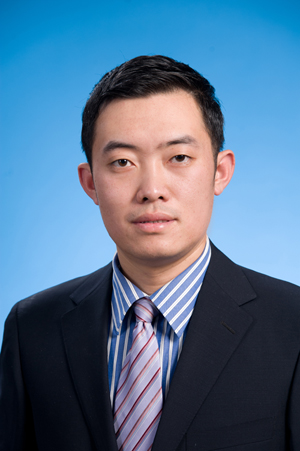 Zheng Jiang (姜争)合作论文数Cancer Hospital Chinese Academy of Medical Sciences26
 Tong Sun合作论文数Department of Pathology, School of Medicine, Yale University25Hao Zhao合作论文数23Chenrui Li合作论文数23
 Long Zhang合作论文数20Jinyu Wei合作论文数20Haipeng Chen (陈海鹏)合作论文数18Yue Shen合作论文数18Jinfei Yang合作论文数Hunan Key Lab Kidney Dis & Blood Purificat, Cent South Univ17Na Jiang合作论文数17Teng Wang合作论文数17Wei Chen合作论文数17
 Jie Qiao (乔杰)合作论文数Health Science Center, Peking University;Beijing Advanced Innovation Center for Genomics, Peking University;Peking University Third Hospital17Linyu Han合作论文数16
 Xishan Wang (王锡山)合作论文数Cancer Hospital, Chinese Academy of Medical Sciences15
 Li Xiao (肖力)合作论文数The Second Xiangya Hospital of Central South University14Xiaofen Xiong合作论文数13Chongbin Liu合作论文数13
 Qun Xu (许群)合作论文数Peking Union Medical College13
 Li Zhang (张莉)合作论文数Tongji Hospital, Tongji Medical College of Huazhong University of Science and Technology13
 Liying Yan (闫丽盈)合作论文数Institute of Advanced Clinical Medicine, Peking University;Center for Reproductive Medicine, Department of Obstetrics and Gynecology, Peking University Third Hospital13
 Jinming Yu (于金明)合作论文数Shandong First Medical University;Shandong Cancer Hospital13Yemei Song合作论文数12Kai Li合作论文数12Yunxia Ge合作论文数12Yanli Ren合作论文数12
 Yongli Guo (郭永丽)合作论文数Beijing Pediatric Research Institute12Jupeng Yuan合作论文数11
 Jing Xu合作论文数11
 Jiaxin Zhao合作论文数11Mengyu Xie合作论文数11Jiandong Liu合作论文数11
 Chen Wu (吴晨)合作论文数Cancer Hospital, Chinese Academy of Medical Sciences;Peking Union Medical College, Chinese Academy of Medical Sciences;Changping Laboratory11
 Xuemei Zhang (张雪梅)合作论文数College of Life Sciences, North China University of Science and Technology;School of Public Health, North China University of Technology11Ying Xiao合作论文数11




