Harnessing the immune system through PD-1/PD-L1 blockade has revolutionized cancer treatment. However, the efficacy of anti-PD-1/PD-L1 monotherapy remains limited in most gastrointestinal tract cancers, spurring dedicated efforts to enhance immunotherapeutic outcomes for these malignancies. This review discusses pivotal clinical evidence to highlight recent advances, ongoing challenges, and strategic countermeasures regarding immunotherapy for gastrointestinal tract cancers. Key focus areas include immunotherapy-centric approaches for subtypes with strong endogenous antitumor immunity, chemo-immunotherapy combinations for gastroesophageal cancers showing intermediate immunotherapy sensitivity, and rationally designed combination strategies to overcome immunotherapy resistance in poorly immunogenic and immunosuppressive phenotypes.
Supplementary Table 3: Basic Clinical Information of Patients from External Test Cohort 2
Supplementary Table 4: Basic Clinical Information of Patients from External Test Cohort 3
Figure S8 Additional information of tumor response after SAC and I3C administration and safety assessment
Supplementary Table 1: Basic Clinical Information of Patients collected from the ESCORT-1st trial
Background:The REGOTORI study showed that some metastatic colorectal cancer (mCRC) patients benefited from programmed death 1 (PD-1) antibody toripalimab plus anti-angiogenic tyrosine-kinase inhibitor regorafenib. However, biomarkers for this combined therapy in mCRC remain unclear. To address this gap, we performed an integrated multi-omics biomarker analysis in REGOTORI. Methods:Next-generation sequencing was performed on formalin-fixed, paraffin-embedded (FFPE) tissue and paired plasma samples. Multiplex immunohistochemistry was performed to analyze the tumor microenvironment (TME) on FFPE samples. Variant allele frequency, somatic alterations, tumor mutational burden (TMB), circulating tumor DNA (ctDNA), and TME markers were jointly assessed from both FFPE and plasma samples to explore their associations with clinical outcomes under regorafenib plus toripalimab. Results:A total of 35 patients were included. Patients with lower ctDNA maximum somatic allele frequency (maxAF), high-allele-frequency blood-based TMB (HAF-bTMB), blood-based intratumor heterogeneity (bITH), or HAF-bITH had longer survival time than their respective counterparts. Somatic alterations in SMAD4 (progression-free survival: 2.4 vs 1.6 months; overall survival: not reached vs 5.1 months) or PIK3CA (overall survival: 15.5 vs 5.7 months) were associated with shorter survival time. ctDNA dynamics appeared related to treatment response. High positive rates of CD3+, CD3+CD8+, CD3+CD8-, and PD-1+CD3+ T cells in the stroma area correlated with prolonged progression-free survival and favorable disease control; however, neither the positive rate of PD-L1 cells nor the density of it in the tumor area was associated with survival and response. Conclusion:In this combination-therapy-focused multi-omics analysis integrating tissue genomics, ctDNA features/dynamics and TME profiling, we identified ctDNA maxAF, HAF-bTMB, bITH, HAF-bITH, mutational status of SMAD4 or PIK3CA and TME markers as predictive or prognostic biomarkers for regorafenib plus toripalimab in refractory mCRC.
Figure S5 Identification of optimal long PFS cutoff to distinguish long and short term responders and key metabolite differences and predictive performance of on-treatment model
Background:While immunotherapy plus chemotherapy is the current first-line standard for gastric or gastroesophageal junction adenocarcinoma (GC/GEJC), subgroup analyses in patients with peritoneal metastasis are limited and show inconsistent benefits across trials (e.g., ATTRACTION-4, CheckMate 649). This post-hoc analysis evaluated the efficacy of immunotherapy plus chemotherapy in patients with or without peritoneal metastases. Methods:This is an exploratory post-hoc analysis of the randomised, double-blind, phase 3 RATIONALE-305 trial. Treatment-naïve patients aged ≥18 years with advanced GC/GEJC were enrolled across 13 countries from December 13, 2018, to February 9, 2021. Patients were randomised (1:1) to tislelizumab (200 mg intravenous every 3 weeks) plus chemotherapy or placebo plus chemotherapy until disease progression or unacceptable toxicity. Patients with or without peritoneal metastasis at baseline were identified and reanalysed. Outcomes included overall survival (OS) and progression-free survival (PFS) in the intention-to-treat population, and safety in all patients who received at least one dose of study drug. RATIONALE-305 is registered with ClinicalTrials.gov, NCT03777657. Findings:Among the 997 randomised patients, 434 (43.5%) had peritoneal metastases at baseline. Tislelizumab plus chemotherapy significantly improved OS versus placebo plus chemotherapy irrespective of peritoneal metastasis status, with consistent benefits observed in patients with peritoneal metastases (hazard ratio [HR], 0.78; 95% confidence interval [CI], 0.64-0.96) and those without peritoneal metastases (HR, 0.79; 95% CI, 0.65-0.95). The OS benefits were greater in patients with a programmed death ligand-1 tumour area positivity score of ≥5%, regardless of peritoneal metastasis status. Significant PFS benefit was also observed with tislelizumab plus chemotherapy in both patients with peritoneal metastasis (HR, 0.80; 95% CI, 0.64-0.98) and without peritoneal metastasis (HR, 0.77; 95% CI, 0.64-0.94). The safety profile was similar between treatment arms and consistent across subgroups. Interpretation:Tislelizumab plus chemotherapy significantly improved OS versus placebo plus chemotherapy in patients with GC/GEJC, irrespective of the presence of peritoneal metastases, with a comparable safety profile between treatment arms. Further dedicated prospective studies are warranted to validate these findings in this population. Funding:This study was supported by the Noncommunicable Chronic Diseases-National Science and Technology Major Project, National Natural Science Foundation of China, the Guangdong Basic and Applied Basic Research Foundation, Cancer Innovative Research Program of Sun Yat-sen University Cancer Center, Young Talents Program of Sun Yat-sen University Cancer Center, and Sanming Project of Medicine in Shenzhen.
Supplementary Table 2: Basic Clinical Information of Patients from External Test Cohort 1
Esophageal squamous cell carcinoma (ESCC) exhibits heterogeneous responses to chemoimmunotherapy, with only a minority achieving durable benefit, necessitating dynamic precision monitoring. Through longitudinal plasma metabolomics of 541 serial samples from 252 ESCORT-1st trial patients receiving chemoimmunotherapy plus 3 independent cohorts of 288 samples, we established an integrated risk assessment framework spanning the entire therapeutic continuum: (i) a baseline predictor for initial responders based on metabolite signatures; (ii) an on-treatment predictor in prognosticating long-term responders among initial ones based on treatment-induced metabolic shift patterns; and (iii) a real-time model based on dual alteration of sphingolipid and glycerophospholipid dynamically stratifying progression risk. Meanwhile, 2 dietary metabolites, garlic-derived S-allyl-L-cysteine and cruciferous vegetable-derived indole-3-carbinol, were confirmed to improve outcomes by promoting NK-cell infiltration and reversing CD8+ T-cell exhaustion. In conclusion, we provide the first metabolomic roadmap for precision chemoimmunotherapy in ESCC, unifying baseline prediction, longitudinal surveillance, and dietary modulation into a clinically actionable paradigm. SIGNIFICANCE:We established a large-scale plasma metabolomic database from patients with ESCC undergoing chemoimmunotherapy, defining the first noninvasive, comprehensive, and precise monitoring framework for treatment response prediction and risk assessment. Our findings reveal clinically actionable dietary metabolites that may serve as readily accessible adjuvants to enhance chemoimmunotherapy efficacy.
While multiple phase III trials have established the survival benefit of adding a programmed cell death protein 1 (PD-1) antibody to first-line chemotherapy in patients with human epidermal growth factor receptor 2 (HER2)-negative advanced gastric or gastroesophageal junction (G/GEJ) adenocarcinoma, evidence across different programmed cell death ligand 1 (PD-L1) expression levels remains limited, preventing definitive conclusions about the superiority of combination therapy in certain subgroups. We firstly performed a post-hoc analysis of the RATIONALE-305 trial, finding only marginal benefit in the 1 ≤ tumor area positivity (TAP) < 5 and 1 ≤ combined positive score (CPS) < 5 subgroups. Subsequently, we performed a pooled analysis of individual patient-level data from RATIONALE-305 and four additional phase III trials (CheckMate 649, KEYNOTE-062, KEYNOTE-859, and ORIENT-16). The pooled analysis demonstrated that adding a PD-1 antibody to chemotherapy significantly improved overall survival in patients with intermediate PD-L1 levels (1 ≤ CPS < 10: HR, 0.84; 95
Figure S3 Baseline metabolite model performance validation and clinical prognostic analysis
Supplementary Table 6: Prediction Result of On-Treatment Metabolite Model for Long-Term Responder
 Ruihua Xu (徐瑞华)合作论文数Sun Yat-sen University Cancer Center66
 Hui-Yan Luo (骆卉妍)合作论文数State Key Laboratory of Oncology in South China, Sun Yat-Sen University Cancer Center45
 Fenghua Wang (王风华)合作论文数Cancer Center, Sun Yat-sen University26
 Zhaolei Zeng (曾昭蕾)合作论文数Sun Yat-sen University Cancer Center26
 Jin Ying合作论文数23
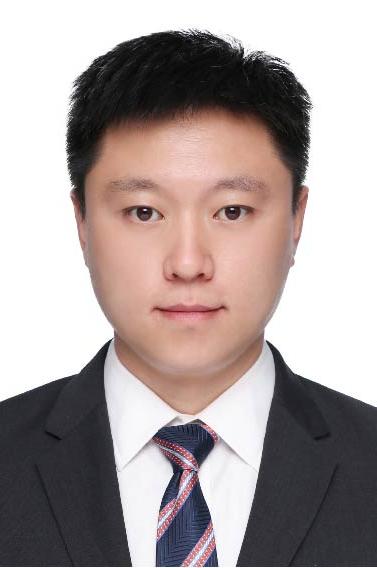 Jia Liu (刘佳)合作论文数School of Life Science and Technology, ShanghaiTech University21
 Wang Zixian合作论文数21Zhiqiang Wang (王志强)合作论文数21
 Yuhong Li (李宇红)合作论文数Sun Yat-sen University Cancer Center21
 Huai-Qiang Ju (鞠怀强)合作论文数Department of Experiment Research, Sun Yat-sen University Cancer Center;State Key Laboratory of Oncology in South China, Sun Yat-sen University20Zheng-Yu Qian合作论文数18
 Miaozhen Qiu (邱妙珍)合作论文数Sun Yat-Sen University Cancer Center18
 Baoqing Chen (陈宝清)合作论文数Sun Yat-sen University Cancer Center17
 Dongsheng Zhang (张东生)合作论文数State Key Laboratory of Oncology in South China, Collaborative Innovation Center for Cancer Medicine, Sun Yat-sen University Cancer Center17Mian Xi合作论文数17Chao Ren合作论文数Sun Yat-Sen University Cancer Center, Sun Yat-Sen University Cancer Center16Qi Zhao (赵奇)合作论文数吉林大学13Minjie Mao (毛敏杰)合作论文数12
 Hao-Xiang Wu合作论文数Biotherapy Center, The Third Affiliated Hospital, Sun Yat-Sen University, Guangzhou, China11
 Mingyang Song合作论文数Harvard T.H. Chan School of Public Health, Harvard University11
 Hui Sun (孙晖)合作论文数Heilongjiang University of Chinese Medicine11
 De-Shen Wang合作论文数Department of Medical Oncology, Sun Yat-sen University Cancer Center10Ying-Nan Wang合作论文数9
 Yanxing Chen合作论文数8Lu-Ping Yang合作论文数8
 Georg Polychronidis合作论文数Clinical and Translational Epidemiology Unit, Massachusetts General Hospital and Harvard Medical School8Markus Dines Knudsen合作论文数8Xiaoli Wei合作论文数7Feng Wang (王锋)合作论文数Department of Physical Education, Sun Yat-sen University7Qinian Wu合作论文数5Yuan Shu-qiang合作论文数5
 Dong-Liang Chen合作论文数5
 Rong Zhong (钟荣)合作论文数School of Public Health, Huazhong University of Science and Technology5
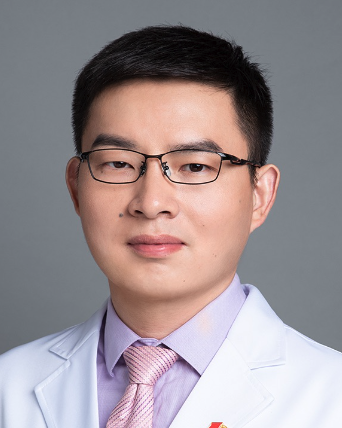 Ze-Xian Liu (刘泽先)合作论文数Sun Yat-sen University Cancer Center5
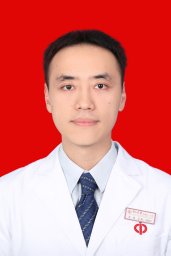 Liang Wang (王亮)合作论文数Department of Epidemiology, Harvard T.H. Chan School of Public Health4Yixin Zhou合作论文数4Chun-Han Lo合作论文数4Lu Yun-Xin合作论文数4
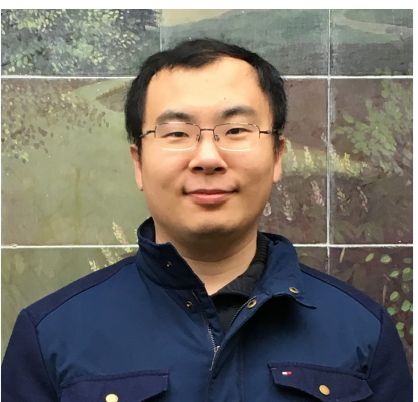 Kai Wang合作论文数Frontage Labs Inc, Bioanalyt Serv, 700 Penn Dr, Exton, PA 19341 USA4
 Dan Xie (谢丹)合作论文数Cancer Center, Sun Yat-sen University;State Key Laboratory of Oncology In South China4
 Tengjia Jiang合作论文数3Zongjiong Mai合作论文数3Chen-Yi Wu合作论文数3Shuang-Zhen Chen合作论文数3Yun Wang合作论文数3Mathew Vithayathil合作论文数3Wei Wang合作论文数3




