Accurate characterization of the three-dimensional (3D) spatiotemporal distribution of wheat canopy water content (CWC) is essential for diagnosing water stress and enabling precision field management. However, broadband multispectral data lack water-sensitive spectral bands, while conventional optical remote sensing has limited capability to characterize the 3D spatial distribution of CWC. To address these limitations, this study proposes a novel method for estimating the 3D spatiotemporal distribution of wheat CWC using multi-source data and machine learning. Multispectral vegetation indices (VIs) and accumulated growing degree days (AGDD) were integrated with four machine learning algorithms, namely random forest, XGBoost, Gaussian process regression, and neural networks, to develop accurate CWC estimation models. The resulting CWC maps were then directly fused with LiDAR point clouds to reconstruct the 3D spatiotemporal distribution of wheat CWC. The results demonstrated that the machine learning models integrating VIs and AGDD (R & sup2; = 0.65-0.73, RMSE = 0.021-0.025 g/cm(2), and rRMSE = 29.04-34.17%) consistently outperformed the linear regression model based solely on VIs (R & sup2; = 0.57, RMSE = 0.027 g/cm(2), and rRMSE = 36.68%). Among the evaluated models, the neural networks achieved the highest estimation accuracy (R-2 = 0.73, RMSE=0.021 g/cm(2), rRMSE=29.04%), while also exhibiting the narrowest residual range and the lowest mean RMSE in ten-fold cross-validation. The results obtained by directly fusing the CWC image with LiDAR point clouds were highly consistent with those produced using the conventional multispectral image-point cloud fusion method (r = 0.96, p < 0.001). Moreover, the proposed method reduced processing time from 1.2 h to 0.2 h and memory consumption from 620.5 MB to 103.6 MB. The proposed approach effectively characterized the 3D and vertical distributions of wheat CWC and revealed significant differences in CWC among growth stages, cultivars, nitrogen fertilization rates, and canopy layers (p < 0.05). This method provides a novel solution for accurate, high-throughput, and 3D monitoring of crop water status.
Human Novel View Synthesis (HNVS) aims to synthesize photorealistic human images from novel viewpoints given observations from known views. Despite significant advances achieved by existing methods such as NeRF, diffusion models, and 3DGS, they still face substantial challenges in achieving stable modeling from a single image. In this paper, we introduce Dual-Constraint Human Gaussian Splatting (DcSplat), a novel, simple, and efficient 3D Gaussian-based framework for single-view 3D human reconstruction. To address occlusion-induced texture missing and depth ambiguities, we introduce two key components: a Latent Multi-View Consistency Constraint Mechanism and a Geometric Constraint Module. The former employs a Latent-space Appearance Transformer (LatentFormer) to learn semantically coherent, view-consistent appearance priors via SMPL-guided pseudo-view fusion. The latter refines noisy SMPL-based depth through a U-Net-like structure conditioned on latent appearance features. These two modules are jointly optimized to generate high-quality Gaussian parameters in a unified latent space. Extensive experiments demonstrate that DcSplat outperforms existing SOTA methods in both geometry and texture quality, while achieving fast inference and lower computational cost.
The deployment of federated learning (FL) in real-world Internet of Things (IoT) ecosystems presents intrinsic challenges stemming from hardware asymmetry and sample scarcity, the existing related approaches generally homogenize model architectures and assume abundant labeled data, resulting in an inability to achieve the fast generalization on devices with varying computational capabilities and dynamic task conditions. To address the aforementioned challenges, we propose a novel federated cross-device heterogeneous few-shot adaptation (Fed-CHFSA) method for IoT systems. In Fed-CHFSA, collaborating with other devices, each edge device obtains a personalized model that can not only adapt well to the category distribution of respective local data but also recognize unseen categories without data leakage. Specifically, we designed a fine-grained personalized aggregation (FPA) module and an information entropy-driven adaptive feature constraint (EAFC) module for the devices possessing a small amount of labeled data in the model aggregation and training phases of Fed-CHFSA, respectively. In each round of global communication, the edge device performs a certain epoch of personalized training locally under the normalization of EAFC in the feature space. Subsequently, the central server follows the FPA to finely aggregate the received model updates parameterwise, and redistribute the updated global model to participating devices. After multiple rounds of global communication, every edge device acquires an optimal model more adaptable to local data and more generalized to unseen categories. Compared with existing FL and PFL algorithms on three benchmark few-shot learning (FSL) datasets, the proposed Fed-CHFSA framework achieves the best performance. The effectiveness of FPA and EAFC is also demonstrated by extensive ablation experiments.
Multitask learning (MTL) can effectively exploit the complementary information across different tasks in hyperspectral images (HSIs) to support classification. However, existing MTL methods for HSI classification usually employ shared structures in the early stages or simple information fusion in the later stages, failing to adequately characterize task-specific feature differences and adaptively select task-relevant information. Therefore, we propose a multistage information sharing multitask hyperspectral classification network with unmixing assistance (MSUANet). The proposed method adopts a three-stage strategy, including low-level information sharing, task-specific information mining, and adaptive latent information selection, to fully exploit the information gain introduced by the unmixing task and provide more fine-grained spectral details for improved classification performance. In addition, we propose an information diverter with hybrid attention (IDHA) module, which enhances task-specific information for classification and unmixing, respectively. Furthermore, we design the adaptive latent abundance knowledge transfer (ALAKT) module, which adaptively selects latent complementary information for both tasks. The experimental results on Indian Pines, Houston 2013, Berlin, and Washington DC MALL datasets demonstrate that MSUANet outperforms state-of-the-art methods. The source code will be available at https://github.com/chihuajiao/HSIMTL
Collaborative learning and optimization theory have become increasingly important paradigms for addressing complex intelligent system problems in modern machine learning and computational intelligence [...]
Various deep learning-based methods have greatly improved hyperspectral image (HSI) classification performance, but these models are sensitive to noisy training labels. Human annotation on remote sensing images inevitably introduced label noise, which degrades the model prediction confidence. Understanding the spatial characteristics and distribution of such annotation errors is crucial for both diagnosing dataset annotation failures and guiding effective robust learning strategies. Current noisy label learning methods pay limited attention to visualizing noise label distributions, and these approaches often exhibit poor compatibility with noise-free models. Leveraging the relationship between the prediction uncertainty and label noise, we propose a Local Bayesian Framework (LBF) for noisy HSI classification and noise labels awareness. LBF adapts standard CNN, GCN, or Transformer backbones via local Bayesian adaptation (LBA) to evaluate prediction uncertainty and employs an uncertainty-monitoring optimization strategy (U-MOS) for training. Without major architectural changes, LBF delivers accurate uncertainty maps that highlight noisy regions, suppresses overfitting to corrupted labels, and consistently improves classification robustness across four benchmark HSI datasets.
Efficient and scalable agentic intelligence requires models that can deliver both low-latency responses and strong reasoning capabilities while remaining practical to train, serve, and deploy. In this report, we present Ling-2.6 and Ring-2.6, a family of models designed to address this challenge at scale. Ling-2.6 is optimized for instant response generation and high capability per output token, whereas Ring-2.6 is tailored for deeper reasoning and more advanced agentic workflows. Instead of training from scratch, we upgrade the Ling-2.0 base model through architectural migration pre-training and large-scale post-training. This upgrade is guided by a unified co-design of model architecture, optimization objectives, serving systems, and agent training environments, enabling improvements in both model capability and deployment efficiency. At the architectural level, we introduce a hybrid linear attention design that integrates Lightning Attention with MLA, improving the efficiency of long-context training and decoding. To further enhance token efficiency, we optimize capability per output token through Evolutionary Chain-of-Thought, Linguistic Unit Policy Optimization, bidirectional preference alignment, and shortest-correct-response distillation. For agentic capabilities, we propose KPop, a reinforcement learning framework designed to support stable training of Ring-2.6-1T on large-scale environment-grounded data. KPop improves training efficiency through asynchronous scheduling across coding, search, tool use, and workflow execution, enabling scalable learning from complex agent-environment interactions. Together, Ling-2.6 and Ring-2.6 provide a practical pathway toward efficient, scalable, and open agentic systems. We open-source all checkpoints in the 2.6 family to support further research and development in practical agentic intelligence.
Deep learning-based methods have achieved significant success in remote sensing Earth observation data analysis. Numerous feature fusion techniques address multimodal remote sensing image classification by integrating global and local features. However, these techniques often struggle to extract structural and detail features from heterogeneous and redundant multimodal images, particularly in label-scarce scenarios. With the goal of introducing frequency domain learning to model key and sparse detail features, this paper introduces the spatial–spectral-frequency interaction network (S2Fin), which integrates pairwise fusion modules across the spatial, spectral, and frequency domains. Specifically, we propose a high-frequency enhancement and sparse transformer to refine spectral signatures by adaptively enhancing discriminative high-frequency components. For spatial-frequency interaction, we present a depth-wise strategy: the adaptive frequency channel module fuses low-frequency structural information with enhanced details in shallow layers, while the high-frequency resonance mask amplifies modality-consistent regions in deep layers using phase similarity. In addition, a spatial–spectral attention fusion module bridges the gap between spectral and spatial branches at intermediate depths. Extensive experiments on four benchmark datasets demonstrate that S2Fin exhibits good robustness and generalization, and its performance significantly outperforms state-of-the-art methods in few-sample settings. The code is available at https://github.com/HaoLiu-XDU/SSFin.
In response to the challenges of detecting irregular defect patterns on rolled steel surfaces, which include significant irrelevant noise, low contrast, and defects that exhibit only slight features, existing defect detection algorithms struggle to identify various types of defects in a timely, comprehensive, and accurate manner. To tackle these issues, this paper introduces the ADE-YOLO (attention dilated early YOLO) algorithm, which integrates an attention mechanism with multi-scale dilated convolutional feature enhancement. Central to this approach is the novel adaptive attention enhanced convolution (AAEC) feature extraction module, which replaces the conventional C2f module. By employing fine-grained channel segmentation, an adaptive attention mechanism, and a residual mechanism, the AAEC module substantially improves the detection of small-scale defects. Furthermore, the integration of the dilated convolution feature fusion module (DC-FFM) into the YOLOv8 backbone enables the fusion of feature maps from various dilated convolutions across multiple pathways, augmenting the model’s capability in multi-target and multi-scale defect detection. Additionally, the ADE-YOLO algorithm incorporates the early fusion feature pyramid network (EF-FPN), leveraging early intervention and cross-scale connectivity strategies to capture more nuanced, shallow defect features. Experimental analysis was conducted using the NEU-DET and GC10-DET datasets. The ADE-YOLO model achieved mAP of 81.5
With the rapid advancements in computer vision, high-resolution remote sensing imagery has become a crucial data source for object detection. Nevertheless, effectively utilizing limited computational resources and reducing the burden on satellite edge devices remains a significant challenge. To effectively reduce model complexity while maintaining its representational capacity, this article proposes a scale-aware pruning framework (SAPF) to enhance remote sensing object detection ability. First, this article classifies the convolutional layers in object detection models into two categories: layers with a single-scale feature representation and layers with a multiscale feature representation. For convolutional layers with single-scale features, we utilize singular value decomposition (SVD) to quantify feature importance and assess filter redundancy to enhance model efficiency. By removing less critical filters, this pruning criteria aims to reduce the model size and computational load without compromising performance. However, convolutional layers with multiscale features are crucial for optimizing feature extraction and balancing information capture across various scales. To address this, this article evaluates the similarity between convolutional layers with different scales to determine the contribution of various scale features in multiscale fusion. Surprisingly, the SAPF can reduce the FLOPs and parameters, as well as ensure the representational ability obviously when the YOLO v5s and Faster-RCNN are adopted to classify the NWPU VHR-10, RSOD, and SIMD datasets. This means we can save the training computation resources for the model. Additionally, SAPF can significantly improve the efficiency of the model in object detection to ensure its real-time performance.
Hyperspectral imaging has demonstrated substantial advantages in enhancing classification performance in remote sensing applications due to its abundant spectral information. To address the challenges of label noise and class imbalance in the hyperspectral image (HSI) classification, we propose an end-to-end feature-guided network (FGN) for HSIs. Instead of merely combining spatial and channel attention, the FGN leverages feature-level attention interactions to enhance contextual understanding, leading to better feature extraction, especially for underrepresented classes. Furthermore, a bidirectional loss for curriculum learning (CL) is proposed to rank the HSI training data in descending or ascending order. The top and bottom loss regularizers are designed to make the proposed model suitable for noisy and imbalanced HSI data distributions. In the phase of selecting the pace parameter, a stacking ensemble CL (SECL) model is established to avoid the outliers and noisy HSI data involved in the CL training process. A novel instruction matrix based on sample weights is designed for base classifiers. The outputs of the base models, combined with the expected labels, form the input-output pairs for training the second-level classifier. Experiments conducted on multiple hyperspectral imbalanced datasets with noisy labels demonstrate the superior performance of our method.
Existing free-energy guided No-Reference Image Quality Assessment (NR-IQA) methods continue to face challenges in effectively restoring complexly distorted images. The features guiding the main network for quality assessment lack interpretability, and efficiently leveraging high-level feature information remains a significant challenge. As a novel class of state-of-the-art (SOTA) generative model, the diffusion model exhibits the capability to model intricate relationships, enhancing image restoration effectiveness. Moreover, the intermediate variables in the denoising iteration process exhibit clearer and more interpretable meanings for high-level visual information guidance. In view of these, we pioneer the exploration of the diffusion model into the domain of NR-IQA. We design a novel diffusion model for enhancing images with various types of distortions, resulting in higher quality and more interpretable high-level visual information. Our experiments demonstrate that the diffusion model establishes a clear mapping relationship between image reconstruction and image quality scores, which the network learns to guide quality assessment. Finally, to fully leverage high-level visual information, we design two complementary visual branches to collaboratively perform quality evaluation. Extensive experiments are conducted on seven public NR-IQA datasets, and the results demonstrate that the proposed model outperforms SOTA methods for NR-IQA. The codes will be available at https://github.com/handsomewzy/DiffV2IQA.
Change Detection (CD) in Very High-Resolution (VHR) images can bring more detailed and valuable geoinformation for geographic information system. However, existing CD methods are still limited by the poor recognition of multi-scale land cover objects with varied shapes in VHR CD tasks. Besides, obtaining accurate change information in complex scenes is still challenging since high-frequency component tends to be suppressed in the most deep learning-based CD methods. To alleviate these problems, we propose a novel encoder-decoder network, Multi-scale Hierarchical Feature Fusion Network (MHF2Net), which utilizes all-scale feature fusion and global high-frequency enhancement strategies. The key functional modules are High-frequency Enhancement Blocks (HEBs) and a Layer-wise Multi-scale Feature Fusion Module (LMF2M). HEB provides auxiliary high-frequency information to further finely annotate the changed land cover. LMF2M fully integrates hierarchical features to better fuse semantic and spatial information at each layer, thus better detecting multi-scale changed objects. And in LMF2M, a Self-weighted Attention Block (SAB) is constructed to throttle uninformative features without supervised parameters. Asa result, MHF2Net is able to map the changed objects of varied scales and shapes with quite high accuracy. Extensive experiments are conducted over three public VHR change detection data sets. And the corresponding results suggest that the proposed method achieves state-of-the-art change detection performance in comparison with several recently proposed methods.
Using multimodal remote sensing images for change detection (CD) can significantly improve the feasibility and reliability in challenging environments. However, the differences in imaging mechanisms make multimodal images highly heterogeneous. A key challenge for multimodal CD (MCD) is that the heterogeneity of the modalities and changes in ground objects are intertwined during processing. To address this issue, this article proposes a change masked modality alignment network (CMMAN), which uses a multitask framework consisting of one CD branch and two image modal transformation (IMT) branches. Specifically, to ensure a unified feature space, bi-temporal multimodal images are first input into the same Swin-Transformer-based encoder. The extracted features are then fed simultaneously into the CD branch and separately into the two IMT branches. In the CD branch, the decoder is also designed based on the Swin-Transformer, and a weakly modality-correlated feature enhancement (WMCFE) module is introduced to mitigate the interference of modality heterogeneity on CD. For the two IMT branches, both employ a generative adversarial network (GAN) to transform between modalities, and the distributions of features from different modalities are aligned through simultaneous optimization. Uniquely, the change probability map predicted by the CD branch is utilized to mask the change regions in IMT, further decoupling ground object changes and modal heterogeneity. Experimental results on multiple public datasets demonstrate that the proposed CMMAN significantly improves MCD performance and shows good compatibility and portability with various common backbone networks.
Automatic recognition of student classroom behaviors based on video data can effectively assist teachers in classroom supervision and holds significant importance for improving teaching quality. Existing methods are constrained to single-student detection, which have limited application scenarios and deteriorated recognition performance under partial occlusions conditions. A multi-target, multi-feature fusion-based occlusion behavior recognition method is proposed for video data analysis. It segments multiple recognition targets in videos, and aligns them to obtain individual student video streams. By constructing skeletal point trajectory vectors, spatiotemporal graphs containing positional and motion information are generated to capture dynamic limb posture features. Head pose features are derived by calculating Euler angles for head rotation from facial skeletal keypoints. Facial images are extracted, enhanced, and analyzed to obtain facial expression features. Three distinct feature types are comprehensively fused to analyze effective feature representations of occluded student, ensuring complementary utilization of heterogeneous features. Simulation results demonstrate that the proposed multi-feature fusion video-based classroom behavior recognition network achieves an accuracy rate of over 99%, significantly improving recognition precision. Even under partial feature occlusion, the method maintains a recognition rate above 95%, outperforming classical algorithms such as YOLO, VGG, and ResNet, thereby ensuring robust recognition of student classroom behaviors.
Constrained by imaging systems, hyperspectral images (HSIs) always have a low spatial resolution. Deep learning-based HSI super-resolution methods have achieved impressive results through learning the nonlinear mapping between low-resolution (LR) and high-resolution (HR) images. However, most of them take the LR image or its upsampled version through bicubic interpolation as input, leading to low-quality features and limited details captured by the network. As a powerful generative model, diffusion model has the ability to learn both contextual semantics and textual details from distinct timesteps, enabling the effective exploration of spatial-spectral distributions in high-dimensional data. In this paper, we propose a novel method that extracts high-quality prior information from original images to assist in super-resolution through pretraining a diffusion model. Specifically, we first train a diffusion model using original HSI patches in a self-supervised manner and then obtain prior features from the pretrained denoising U-Net decoder. To efficiently incorporate the prior features into the super-resolution model, we propose an adaptive fusion module based on spatial and spectral attention mechanisms, which enhances features in both dimensions while preserving the original characteristics. Additionally, to leverage the complementarity of spatial and spectral information, we design a spatial-spectral aggregation Transformer module that incorporates an adaptive interaction module to facilitate information exchange across different dimensions, thereby enhancing the representation capability. Extensive experiments on three public hyperspectral datasets demonstrate that the proposed method achieves excellent super-resolution performance and outperforms the state-of-the-art methods in terms of quantitative quality and visual results.
The vulnerability to poor local optimum and the memorization of noise data limit the generalizability and reliability of massively parameterized convolutional neural networks (CNNs) on complex real-world data. Self-paced curriculum learning (SPCL), which models the easy-to-hard learning progression from human beings, is considered as a potential savior. In spite of the fact that numerous SPCL solutions have been explored, it still confronts two main challenges exactly in solving deep networks. By virtue of various designed regularizers, existing weighting schemes independent of the learning objective heavily rely on the prior knowledge. In addition, alternative optimization strategy (AOS) enables the tedious iterative training procedure, thus there is still not an efficient framework that integrates the SPCL paradigm well with networks. This article delivers a novel insight that attention mechanism allows for adaptive enhancement in the contribution of diverse instance information to the gradient propagation. Accordingly, we propose a general-purpose deep SPCL paradigm that incorporates the preferences of implicit regularizer for different samples into the network structure with inductive bias, which in turn is formalized as the self-paced curriculum network (SPCNet). Our proposal allows simultaneous online difficulty estimation, adaptive sample selection, and model updating in an end-to-end manner, which significantly facilitates the collaboration of SPCL to deep networks. Experiments on image classification and scene classification tasks demonstrate that our approach surpasses the state-of-the-art schemes and obtains superior performance.
Remote sensing change detection (CD) plays a critical role in urban land management and disaster assessment. However, most existing methods rely on expensive and time-consuming pixel-level labels, limiting their practical applicability. Weakly supervised CD (WSCD) methods, such as only using image-level labels, offer the potential to reduce annotation costs while maintaining robust detection performance. However, this coarse supervisory information often makes it difficult to accurately capture fine-grained details, resulting in poor pixel-level detection accuracy. To overcome these challenges, we propose a novel boundary-aware refinement network (BARNet) for WSCD, which utilizes a two-stage framework that first generates pixel-level pseudo labels via image-level CD activation maps, then subsequently trains a pixel-level CD network using these generated pseudo labels. Specifically, the first stage adopted a teacher-student distillation image-level CD network, which integrated a multiscale boundary feature attention (MBA) module, along with activation ambiguity loss and contrastive learning loss as feature separation constraints (FSCs), to generate high-quality pseudo labels. In the second stage, these pseudo labels are used to provide deep supervision to a pixel-level CD network, where the boundary-aware decoupling (BAD) module further refines boundary information, leading to more precise segmentation of change areas. Extensive experiments on three public datasets demonstrate that BARNet not only achieves state-of-the-art performance in the WSCD domain but also shows competitive performance with existing fully supervised methods, significantly reducing annotation costs while maintaining detection accuracy. With its strong performance, BARNet demonstrates great potential for practical applications in scenarios with limited supervision.
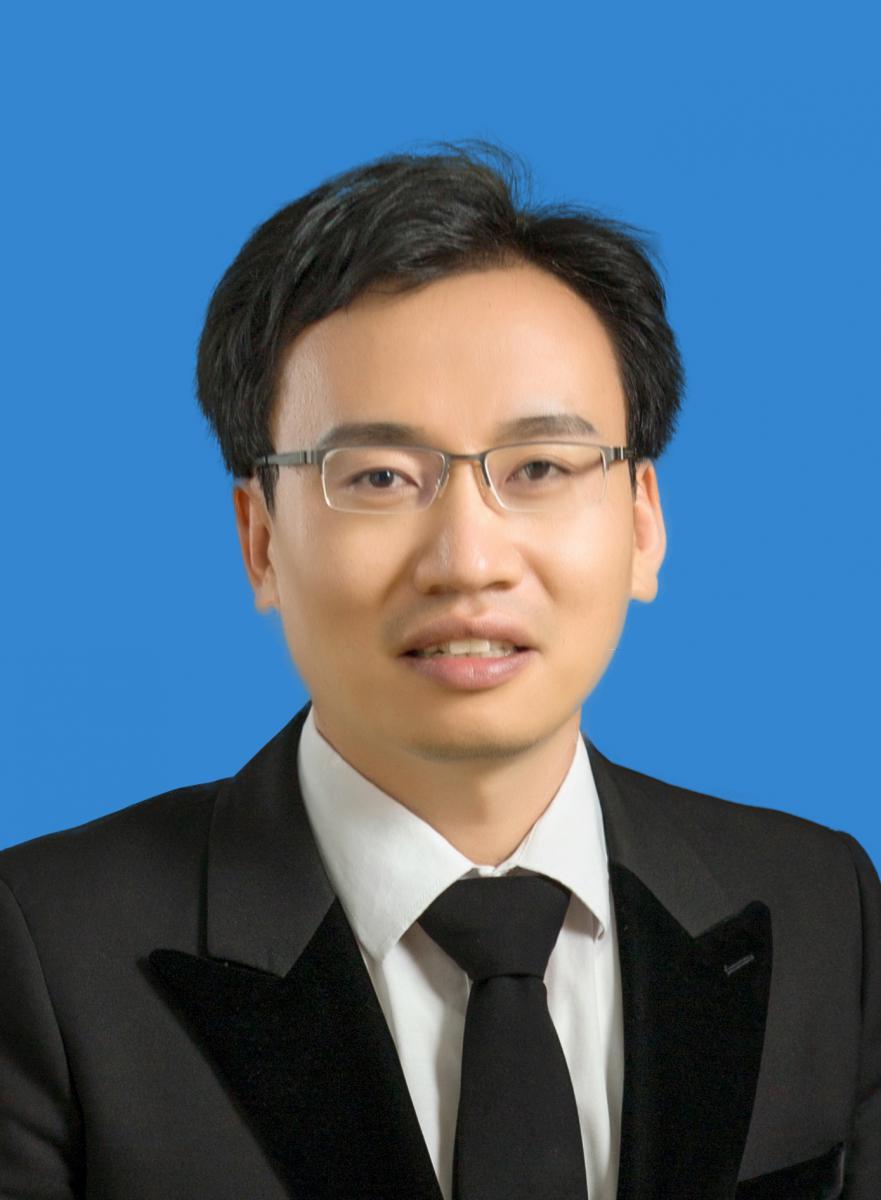 Maoguo Gong (公茂果)合作论文数School of Electronic Engineering, Xidian University;Key Laboratory of Collaborative Intelligence Systems, Ministry of Education of China, Xidian University;College of Mathematics Science, Inner Mongolia Normal University91
 Yue Wu (武越)合作论文数Key Laboratory of Collaborative Intelligent Systems of the Ministry of Education, School of Computer Science and Technology, Xidian University32
 Hao Li (李豪)合作论文数School of Electronic Engineering, Xidian University28
 Fenlong Jiang合作论文数School of Electronic Engineering, Key Laboratory of Intelligent Perception and Image Understanding of Ministry of Education, Xidian University, Xi’an, China17
 Tongfei Liu合作论文数Xian Univ Technol, Sch Comp Sci & Engn, Xian 710048, Shaanxi, Peoples R China11
 Xiangming Jiang合作论文数Key Laboratory of Intelligent Perception and Image Understanding of Ministry of Education, International Research Center for Intelligent Perception and Computation, Joint International Research Laboratory of Intelligent Perception and Computation, Xidian University, Xi’an, China11
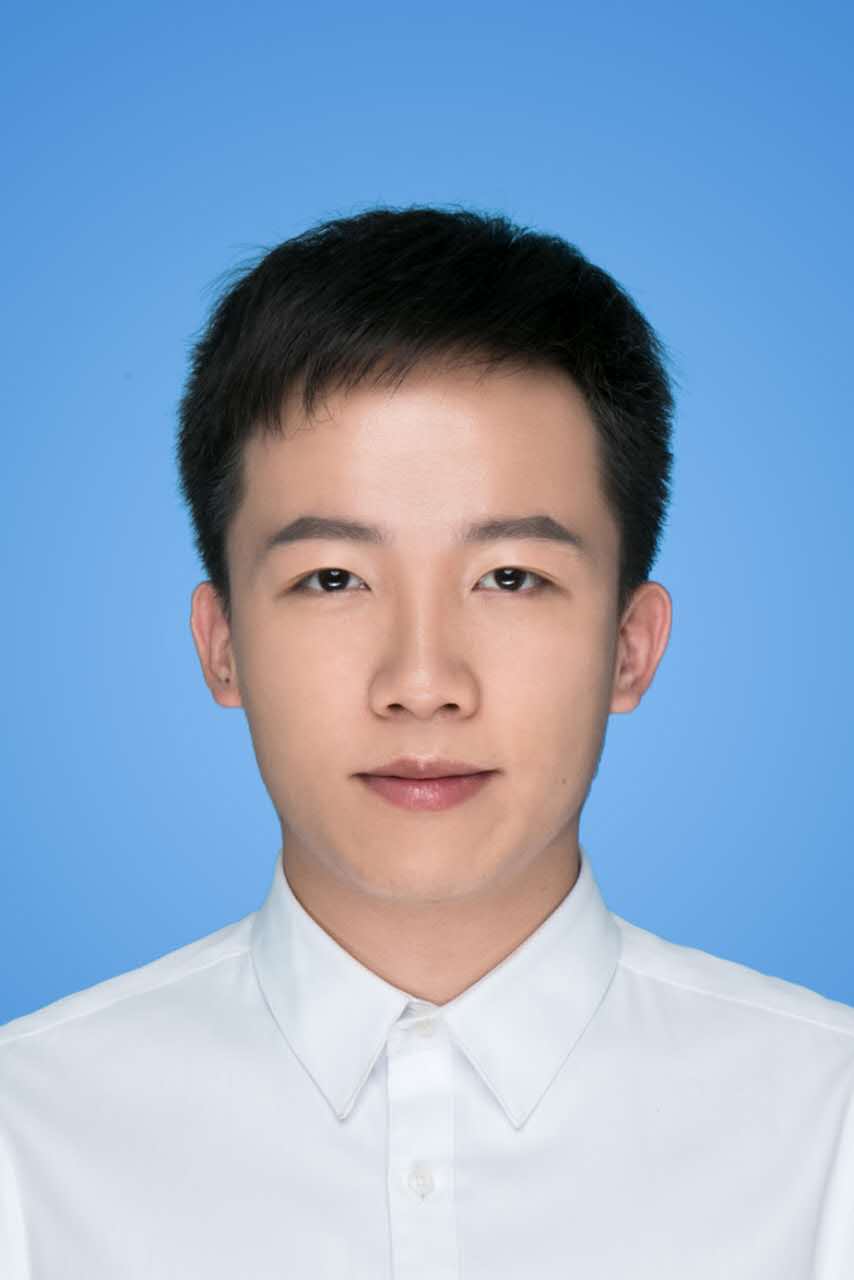 Jianzhao Li (黎健钊)合作论文数Guangzhou Institute of Technology, Xidian University10
 Hanhong Zheng合作论文数School of Electronic Engineering, Xidian University10
 Shanfeng Wang (王善峰)合作论文数Xidian University9
 Wei Zhao合作论文数Key Laboratory of Intelligent Perception and Image Understanding of the Ministry of Education, Xidian University9
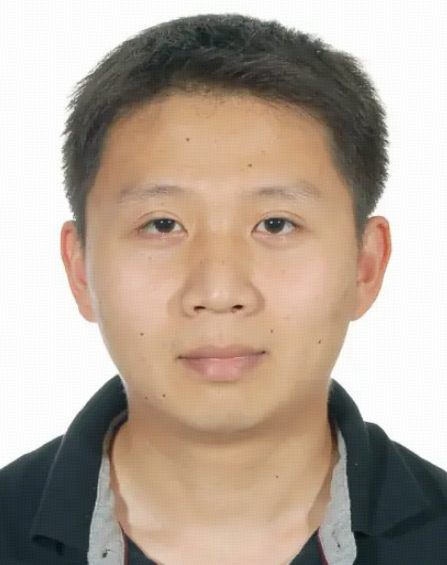 Ziyu Guan (管子玉)合作论文数School of Computer Science and Technology, Xidian University9
 Qiguang Miao (苗启广)合作论文数School of Computer Science and Technology, Xidian University;Machine Learning and Intelligent Image Processing laboratory, Xidian University8
 Yourun Zhang合作论文数7
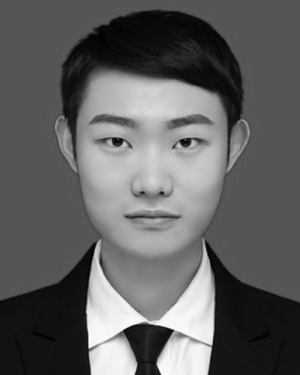 Tianqi Gao合作论文数7
 Jieyi Liu (刘洁怡)合作论文数School of Electronic Engineering, Xidian University7
 Hao Liu合作论文数Washington University in Saint Louis6
 Tao Zhan (詹涛)合作论文数College of Information Engineering, Northwest A&F University6
 Wenping Ma (马文萍)合作论文数School of Artificial Intelligence, Xidian University6
 Xiaolong Fan (范晓龙)合作论文数School of Electronic Engineering, Xidian University;Key Laboratory of Collaborative Intelligence Systems of Ministry of Education Xidian University5
 Yu Zhou (周宇)合作论文数College of Computer Science, Nankai University5
 Kai Qin (Alex) (秦凯)合作论文数Department of Computing Technologies, Swinburne University of Technology;School of Science, Computing and Engineering Technologies, Swinburne University of Technology;Swinburne Space Technology and Industry Institute, Swinburne University of Technology5
 Yan Pu (蒲彦)合作论文数School of Electronic Engineering, Key Laboratory of Collaborative Intelligence Systems, Ministry of Education, Xidian University.4
 Feng Zhou合作论文数4
 Zhuping Hu合作论文数4
 Xuesheng Bian合作论文数Xiamen Univ, Sch Informat, Fujian Key Lab Sensing & Comp Smart City, Xiamen 361005, Peoples R China4Rugang Wang合作论文数4
 Wei Li (李伟)合作论文数School of Information and Electronics, Beijing Institute of Technology4
 Yongzhe Yuan合作论文数3
 Zhaoyang Wang (王昭阳)合作论文数Ministry of Education, Key Laboratory of Collaborative Intelligence Systems, Xidian University3
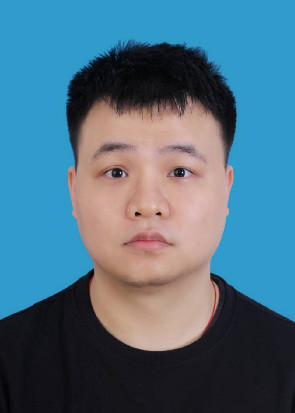 Zedong Tang (唐泽栋)合作论文数Academy of Advanced Interdisciplinary Research, Xidian University3
 Dan Feng合作论文数Xidian Univ, State Key Lab ISN, Xian, Peoples R China3
 Yue Zhao (赵越)合作论文数Xidian Univ, Sch Telecom Engn, State Key Lab Integrated Serv Networks, Xian 710071, Peoples R China3
 Jia Liu (刘嘉)合作论文数School of Computer Science and Engineering, Nanjing University of Science & Technology3
 Di Lu (卢迪)合作论文数Dataminr Inc.3
 Jihong Yan (闫纪红)合作论文数School of Mechatronics Engineering, Harbin Institute of Technology3
 Qingfu Zhang合作论文数Department of Computer Science, College of Engineering, City University of Hong Kong;School of Artificial Intelligence, Xidian University3
 Dongyang Li合作论文数2Zhongshu Wang合作论文数Alibaba Group2
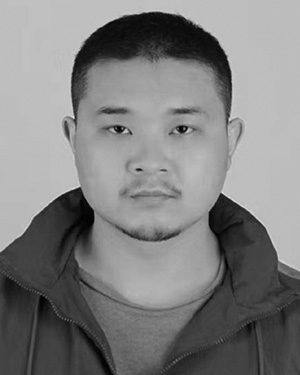 Yiheng Lu (y lu)合作论文数2
 Zhibin Wang合作论文数2
 Jianli Zhao (赵建立)合作论文数College of Computer Science and Engineering, Shandong University of Science and Technology2
 Jingjing Ma (马晶晶)合作论文数School of Information Mechanics and Sensing Engineering, Xidian University2
 Shengqi Zhu (朱圣棋)合作论文数School of Electronic Engineering, Xidian University2
 Lining Xing (邢立宁)合作论文数National University of Defense Technology2
 Jun Li (李军)合作论文数China University of Geosciences (Wuhan)2Yongqiang Chan合作论文数2
 Lorenzo Bruzzone合作论文数Remote Sensing Laboratory, Department of Information Engineering and Computer Science, University of Trento2




