Fear of chemotherapy-induced side effects is a major concern among patients with cancer and may affect psychological well-being and treatment adherence. This methodological study aimed to translate, culturally adapt, and evaluate the psychometric properties of the Persian version of the Chemotherapy Side Effects Fear Scale (CheSeFS). The study was conducted from January to April 2024 at the Cancer Institute of Imam Khomeini Hospital Complex in Tehran, Iran, and included 600 patients undergoing chemotherapy. The CheSeFS underwent forward-backward translation and cross-cultural adaptation. Face and content validity, structural validity, convergent and discriminant validity, internal consistency, test-retest reliability, measurement error, a distribution-based MIC estimate, and factors associated with CheSeFS scores were evaluated. All statistical analyses were performed using Jamovi version 2.7.1 and included descriptive statistics, item analysis, exploratory factor analysis, confirmatory factor analysis, reliability and measurement error analyses, convergent and discriminant validity assessment, distribution-based MIC estimation, and regression analysis. Patient and expert evaluations supported face and content validity. Exploratory factor analysis identified a two-factor structure, including Physiological fear and Subjective or Psychological fear, explaining 54.4% of the total variance. Three items were removed during factor analysis, resulting in a final 11-item scale. Confirmatory factor analysis supported model fit, with χ²(df = 43) = 84.2, RMSEA = 0.06, CFI = 0.99, TLI = 0.99, and SRMR = 0.04. Internal consistency was satisfactory, with Cronbach's alpha = 0.89 for the total scale. Measurement error analysis showed an SEM of 1.64 and an MDC95 of 4.56, and the distribution-based MIC estimate was 1.01 points. The Persian 11-item CheSeFS demonstrated satisfactory validity and reliability for assessing chemotherapy-related fear among Iranian patients with cancer.
The advancement of science and technology has significantly impacted nursing, emphasizing the importance of professional attitudes and caring behaviors. While previous studies have examined this relationship, limited research has considered the specific educational and sociocultural context of Iranian nursing students. This study addresses this gap by investigating how these factors shape professional attitudes and caring behaviors in an Iranian nursing education setting. Conducted at Tehran University of Medical Sciences in June 2024, the study involved 291 nursing students from their second to fourth years, selected through proportional random sampling. Data were gathered using the Professional Attitude for Student Nurses (IPASN) and Caring Behavior Inventory (CBI) instruments. Descriptive statistics, Pearson correlation, and multiple linear regression analyses were performed using Stata version 14. A weak but statistically significant positive correlation was found between overall IPASN and CBI scores (r = 0.29, p < 0.01). Multiple regression analysis identified professional attitude (β = 0.257, p < 0.001) and satisfaction with nursing (β = 0.136, p = 0.017) as significant predictors of caring behaviors. Enhancing professional attitudes and satisfaction in nursing can improve caring behaviors, highlighting the need for targeted educational interventions and organizational changes. Not applicable. Nurses consider caring behavior to be an essential aspect of patient care in clinical settings. The unique role of universities in shaping the professional attitude of students is accomplished through education and competent trainers. Our study showed that improvement of nursing’s professional attitude and overall job satisfaction can positively impact caregiving behaviors.
Cuminum cyminum L. (cumin) essential oil (CEO) possesses documented analgesic and anti-inflammatory properties, but its topical application is limited by volatility, instability and low aqueous solubility. This study aimed to develop a CEO nanoemulgel and evaluate its physicochemical characteristics, dermal safety and antinociceptive/anti-inflammatory effects in rodent models. The optimized formulation exhibited nanometric droplet size, uniform distribution and acceptable physical stability. In a rat skin irritation test, repeated application of the CEO nanoemulgel did not produce visible erythema or edema compared with the gel base. In mice, the formulation increased tail-flick latency and reduced nociceptive behaviors in both phases of the formalin test, and histological analysis revealed attenuated inflammatory cell infiltration. These findings suggest that the CEO nanoemulgel has promising antinociceptive and anti-inflammatory activity and appears to be well tolerated in short-term preclinical models. Further studies, including long-term safety assessment, mechanistic analysis and clinical trials, are required before CEO nanoemulgel can be considered for use in humans.
Post-traumatic amnesia (PTA) is a common symptom of acute traumatic brain injury (TBI). The Galveston Amnesia and Orientation Test (GOAT) and Orientation-Log (O-Log) are commonly used assessment tools to evaluate PTA following TBI. In this study, we aimed to validate the Persian versions of both scales. The forward-backward translation method was used, and a panel of experts, including three neuroscientists, one epidemiologist, and four lay experts with TBI experience, evaluated the scales. A total of 140 mild TBI patients aged 12 years and older were subsequently assessed with scales. Reliability was assessed using two approaches including Cronbach’s Alpha and Intraclass Correlation Coefficient (ICC). The total ICCs were 0.870 (95% CI: 0.818–0.907) and 0.687 (95% CI: 0.564–0.776) for the GOAT and O-Log, respectively. The Cronbach’s alpha values for the GOAT and O-Log were 0.64 and 0.75, respectively. A significant correlation was also found between the GOAT score and the O-Log (r = 0.729, p < 0.001). The Persian GOAT and O-Log were validated as reliable tools for monitoring TBI patients’ orientation. The interviews revealed significant cultural considerations that must be considered when the scales are translated and validated to ensure their validity and reliability in diverse cultural contexts and prevent bias.
Background: The purpose of the current work was to manufacture vitamin A (Vit A) niosome and solid lipid nanoparticle (SLN) using an ultrasonic approach and to evaluate its effect on wound healing. Methods: The nanoparticles were prepared through an ultrasonication technique and characterized by dynamic light scattering (DLS), and transmission electron microscopy (TEM). Further, the nanoparticles were evaluated for their various parameters such as pH, viscosity, spreadability, stability, in-vitro drug release study, in-vitro cytotoxicity, and in-vivo wound healing. Results: TEM confirmed the spherical nature of the Vit A-niosome and SLN. The Vit A formulations (niosome and SLN) were stable in the accelerated stability test (freeze-thaw cycle). Vit A release from the SLN gel and niosome gel was significantly higher (almost 70 and 80%, respectively) than simple Vit A gel. According to the animal study, the wound healing closure in the Vit A niosomal gel and Vit A SLN gel was greater than the other groups during the 21 days after surgery (P < 0.05) and was close to each other over time and on day 21. Based on histological data, wounds treated with Vit A niosome gel and Vit A-SLN gel had more collagen than the other groups. MDA malondialdehyde (MDA, an end-product of lipid peroxidation) significantly decreased in the Vit A-niosome and Vit A-SLN gel group after 21 days, while glutathione peroxidase (GPx), superoxide dismutase (SOD, an endogenous antioxidant), and hydroxyproline levels demonstrated an increase. Conclusion: The findings of this study revealed that the prepared Vit A nano-formulations could be used as a possible and safe nano-vesicle for Vit A cutaneous delivery thus potentially opening up new prospects for the treatment of wound disorders.
Objectives During the COVID-19 pandemic, healthcare workers (HCWs) are at a serious risk of contracting this virus. Therefore, they should use personal protective equipment (PPE) to protect themselves. Long-term use of these devices has led to many side effects, including headaches. This study investigated the prevalence of headaches related to using PPE in HCWs during the COVID-19 pandemic.Design Systematic review and meta-analysis.Data sources Embase, PubMed, Scopus and Web of Science databases were searched from December 2019 to February 2023.Eligibility criteria for selecting studies All cross-sectional studies that investigated the prevalence of headache complications caused by PPE were included.Data extraction and synthesis Two researchers reviewed the articles separately and independently. The Appraisal Tool for Cross-Sectional Studies was used to address study design quality and the risk of bias in cross-sectional studies. The heterogeneity of the studies was checked with the I2 statistic, and due to the high heterogeneity, the random effects model was used for synthesis. Data were analysed using Comprehensive Meta-Analysis software V.3.3.70.Results Out of 3218 articles retrieved for all side effects, 40 were eligible for this meta-analysis. The prevalence of headaches related to the use of PPE in these 40 studies, with a sample size of 19 229 people, was 43.8% (95% CI 43.1% to 44.6%, I2=98.6%, p<0.001). Based on the meta-regression results, no significant relationship was observed between the prevalence of headaches and variables such as year of publication, study location, sample size and quality of studies.Conclusion Headache is one of the common side effects of PPE, which can interfere with HCWs’ performance. It is suggested that manufacturers improve the quality of their equipment while healthcare managers should equip and train staff adequately to minimise side effects, ensuring health and enhanced service delivery.PROSPERO registration number CRD42021264874.
Importance Spinal cord injury is a lifelong disability necessitating early management of falls during inpatient admissions. However, there is a paucity of research on fall prevention and management in Spinal cord injury rehabilitation. Objective(s) This study aimed at developing a fall prevention program in an inpatient rehabilitation Spinal cord injury unit. Method A participatory action research approach utilizing a before-and-after, mixed-method design was employed for this study. The study was performed at Rofaydeh Rehabilitation Hospital in Tehran, Iran, from 2021 to 2022. the study implemented Cohen’s four-stage model, encompassing the design of a change program, action, observation and evaluation, and feedback stages. A purposeful sampling method was utilized to select 19 nurses and members of the rehabilitation team from the hospital, ensuring maximum diversity. Data collection involved semi-structured interviews, focus groups, and a checklist for fall prevention measures. Qualitative content analysis, alongside descriptive (frequency, mean, and standard deviation) and inferential statistics (paired t-tests and Chi-square tests), were employed for data analysis. The study adhered to COREQ guidelines. Results Falls were most common among patients aged fifty years or older (P = 0.026). Throughout the study period, men were more likely to experience falls than women (P = 0.01). Preventive interventions have led to significant improvements in indicators of patient monitoring and care, patient education, and environmental safety, as demonstrated by a paired-sample t-test (P<0.001). Moreover, factors contributing to patients’ falls included "shortcomings in fall prevention policies" and "lack of knowledge and participation among patients and caregivers." Changes implemented in the Spinal Cord Injury unit involved enhancing interprofessional interactions, conducting educational workshops for patients and their companions, and identifying high-risk patients. These findings indicate a significant decrease in the incidence of falls following the intervention (P = 0.02). Conclusions The study found that a multifaceted intervention can increase knowledge about fall risks and substantially reduce both falls and associated minor injuries.
Background and purpose: The role of free radicals in causing many diseases has been well proven. These particles can destroy biomolecules. Antioxidants can prevent these harmful effects. Considering that plants are a source of natural antioxidants, research in this field is increasing. Hypoxia means the reduction of oxygen in the body tissues, which can lead to dysfunction of the body. Hypoxia causes a significant increase in reactive oxygen species, thus, antioxidants are considered anti-hypoxia. Melissa officinalis L. is a well-known medicinal plant of Lamiaceae. Leaves of this plant have been widely used for the treatment of cardiovascular and respiratory problems and as a memory enhancer. This investigation was carried out to examine the impact of extraction on total phenolic contents and antioxidant activities of M. officinalis aerial parts. In addition, the Antihypoxic activities of all extracts were evaluated in three models in mice. Materials and methods: In this experimental study, dried aerial parts were extracted by three different methods, i.e. maceration method, ultrasonic-assisted, and soxhlet-assisted extraction. Antioxidative capacity was assessed by utilizing DPPH free radicals scavenging and reducing power. The total phenolic and flavonoid contents were also determined. The protective effects of extract in the initial dose of 62.5-250 mg/kg were evaluated against hypoxia-induced lethality in mice by three experimental models of hypoxia, i.e. asphyctic, haemic, and circulatory. The latencies for death for mice in minutes were recorded. The Institutional Animal Ethical Committee of Mazandaran University of Medical Sciences approved the experimental protocol. In the asphyctic hypoxic model, phenytoin (50 mg/kg, i.p.) and in the next two tests, propranolol (20 and 30 mg/kg, i.p.) were used as the positive control. In all tests, Normal saline (0.5 ml, i.p.) was used as the negative control. Analysis of variance was performed followed by Newman-Keuls multiple comparisons (by GraphPad Prism 8) were used to determine the differences in means. Results: Meceration method and ultrasonic(P<0.0001) assisted extraction were the best methods for extraction of polyphenols. In DPPH radical scavenging activity, soxhlet-assisted extraction and extraction by the meceration method were more efficient than ultrasonic-assisted extraction(P>0.05). In the hemic model, none of the extracts showed any activity. Even the soxhlet-assisted extract at the dose of 250 mg/kg, even though it increased the death time by about one minute, could not cause a significant effect(P>0.05). In the circulatory model, none of the extracts showed any effect at the lowest tested dose i.e. 62.5 mg/kg but all the extracts showed a very potent activity at higher doses. All the extracts at a dose of 250 mg/kg showed a much stronger effect than propranolol 30 mg/kg. In the asphyctic model, all the extracts showed very good effects so we had to reduce the dosage many times. The extract obtained from the maceration method at a dose of 1.95 mg/kg and ultrasonic-assisted and soxhlet assisted extracts at the dose of 7.81 mg/kg showed the same activity as phenytoin(P>0.05). Conclusion: The findings of the current study indicated that extraction methods significantly affect antioxidant capacities and total phenolic contents. The ultrasonic-assisted extraction and maceration method were the most suitable methods for extracting phenolic and flavonoid compounds from this plant. All extracts showed high antioxidant activities. All extracts showed very strong effects in the asphyctic model.
Background and purpose: Hypoxia, a decrease in available oxygen reaching the tissues, may cause a variety of physiological abnormalities. It is linked to the pathology of stroke, cardiovascular disease, and acute mountain sickness. Hypoxia occurs especially in heart diseases, ischemia, and heart attack, and finally causing death. Hypoxia causes oxidative stress involving the production of reactive oxygen species (ROS). Compounds with antioxidant activity can scavenge ROS and can exhibit anti-hypoxic properties. Pomegranate (Punica granatum) is a well-known fruit with very good anti-ischemic and antioxidant activities. Little is known about the protective effects of pomegranate against hypoxia-induced lethality. Several medicinal plants have accepted anti-hypoxic activities. In the present study, the protective effect of this fruit against hypoxia-induced lethality in mice was determined by three different experimental models. Materials and methods: Protective effects of methanolic extract of Pomegranate's seed and peel against hypoxia-induced lethality in mice were evaluated by three experimental models of hypoxia, i.e. asphyctic, haemic, and circulatory models. The latencies for death for mice were recorded. All the experimental procedures were conducted by the NIH guidelines of the Laboratory Animal Care and Use. The Institutional Animal Ethical Committee of Mazandaran University of Medical Sciences also approved the experimental protocol. In the asphyctic hypoxic model, phenytoin (50 mg/kg, i.p.) and in the next two tests, propranolol (20 and 30 mg/kg, i.p.) were used as the positive control. In all tests, Normal saline (0.5 ml, i.p.) was used as the negative control. One-way analysis of variance (ANOVA) was performed followed by the Newman-Keuls multiple comparisons test was used to determine the differences in means. All p values less than 5% were considered as significant. Results: Extracts showed good anti-hypoxic activities in some tested models in mice. In the hemic model, Peel extract at 250 mg/kg significantly prolonged mice survival time for about 4.8 minutes (P<0.001). At this dose, it showed the same activity of propranolol 20 mg/kg which was used as positive control. In the circulatory antihypoxic model, peel extract at 250 mg/kg, significantly increased the survival time by about 5.4 minutes (P<0.0001). At this dose, the extract showed the same activity as propranolol 30 mg/kg (P>0.05). In the asphyctic anti hypoxic model, seed extract at 250 mg/kg prolonged the survival time for 2.4 minutes in the control group. But this increase was not statistically significant (P>0.05). Peel extract at 62.5 mg/kg prolonged the survival time for 4.2 minutes in the control group, but this increase was also not statistically significant (P>0.05). Peel extract showed good activity in an asphyctic model where at 125 mg/kg. It increased the survival time of mice about 2 times (P<0.0001). At this dose, extract showed higher activity than phenytoin 50 mg/kg. The survival time for the group that received phenytoin was 29.60 ± 2.51 minutes which was statistically significant than that of the control group (P<0.001). Conclusion: Extracts showed very good protective effects against hypoxia in some tested models. In particular, the effects in the asphyctic model of hypoxia were high. Peel extract was stronger than seed extract. Phenolic compounds may be responsible for the anti-hypoxic activities of these extracts
Artemisia is a beneficial plant genus from the Asteraceae family with about 500 species. Species of this genus are resistant herbs and shrubs, and its essential oil is renowned for its chemical value. Artemisia plants are often found in dry and semiarid locations, especially in Asia, Europe, and North America. Considering the importance of the Artemisia genus in treatment procedure of diseases, in this study, we have reviewed the pharmacological and biological activities of Artemisia persica. In traditional medicine, A. persica is often used in treating gastrointestinal, skin, and general diseases. In addition, its extract and essential oil have significant antioxidant, anti-bacterial, anti-fungal effects, anti-parasitic, anti-neoplasm, antinociceptive, anti-epileptic, anti-anxiety, etc. activities
Systematic trauma care scale could be designed and used by nurses to completely and adequately fulfill a complex care to improve trauma care quality. The purpose of this study was to design and evaluate the psychometric property of the Nursing Care Quality in Trauma Emergency Units and trauma care promotion. This methodological study was conducted in 2022. The process of designing and psychometric assessment of the scale was performed in two steps such as Generating an Item Pool and Validity and Reliability evaluation (Item reduction). The construct validity was determined using the experimental intervention; for determining the reliability of the scale and internal consistency, we measured the inter-rater reliability (IRR). Data were analyzed using the SPSS software, version 22. Based on our findings, the CVI and CVR of the scale were 1 and 0.83–1, respectively. A significant difference between the pre- and post-intervention scores in group 1 supports the inference that the construct has been appropriately represented, and the instrument has construct validity (p < 0.001). We found that there was a significant difference in the scores of Patient assessment, Planning and Implementations, and Evaluation of the care plan. The inter-rater reliability method allows the optimal reliability assessment of observational instruments, which was used in this study, and the results confirmed excellent reliability of the instrument. The validity and reliability of the Nursing Care Quality in Trauma Emergency Units Scale were confirmed. The instrument could successfully assess the process of nursing care in the trauma emergency ward. The use of this checklist is recommended as a valid observational tool for other researchers. Therapeutic/care management.
Background and purpose: Hypoxia can lead to body function impairment and is linked to the pathology of acute mountain sickness, cardiovascular disease, and stroke. Hypoxia causes oxidative stress involving production of reactive oxygen species (ROS). Heracleum persicum and Boswellia serrata (Kundur) are well-known medicinal plants with high level of antioxidant activities and therapeutic potential use against COVID-19. However, nothing is known about antihypoxic activity of these plants. Materials and methods: Protective effects of H. persicum fruit and Kundur resin against hypoxia-induced lethality in mice were evaluated by three experimental models of hypoxia including asphyctic, haemic, and circulatory using two administration methods, intraperitoneal (i.p.) and gavage. Results: H. persicum extract (i.p.) was dose dependent and showed very good activities in all antihypoxic models. In circulatory, asphyctic, and haemic models, extarcts at 3.90, 7.81, and 31.25 mg/kg showed the same activities of propranolol (30 mg/kg) which was used as positive control (P>0.05). In circulatory model, Kundur (by gavage) at 62.5 mg/kg showed the same activity as positive control (P>0.05). H. persicum extract in the form of i.p., and Kundur by gavage were more efficient than the other forms. Conclusion: Extracts showed very good protective effects against hypoxia in all the models. Even in low doses, they were able to show the same activity as positive groups. It seems that these plants have a good potential for treating hypoxic conditions such as COVID-19.
Background and purpose: Hypoxia is a decrease in oxygen levels of body tissues which can lead to body function impairment. Coenzyme Q and folic acid are well-known drugs with distinctive antioxidant and anti-ischemic activities, but, nothing is known about antihypoxic activities of these compounds. The current study investigated the antihypoxic activities of Coenzyme Q and folic acid in three experimental models of hypoxia; asphyctic, circulatory, and hemic. Materials and methods: Protective effects of coenzyme Q at 25, 50, and 100 mg/kg and folic acid at 10, 20, and 40 mg/kg against hypoxia-induced lethality in mice were evaluated by increase in the survival time in asphyctic hypoxia, haemic hypoxia, and circulatory hypoxia models against negative control (normal saline) and positive control (propranolol 30 mg/kg). Analysis of variance was performed followed by Newman-Keuls multiple comparison test to determine the differences between means. Results: Coenzyme Q at 25 mg/kg, in asphyctic and circulating models, showed activities similar to those of propranolol in increasing the survival time (P>0.05). Folic acid at 10 mg/kg, in hemic and circulating models, exhibited activities similar to those of propranolol in increasing the survival time (P>0.05). Conclusion: Coenzyme Q and folic acid showed good protective effects by increasing the survival time against hypoxia in all models. The effects were dominant, especially in asphyctic and circulating models for coenzyme Q and in hemic and circulating models for folic acid which led to prolonged survival times. These drugs seem to have a good potential in treatment of hypoxic conditions.
Abstract In the current study, an ultrasonic approach (as green method) was utilized to prepared kojic acid niosome (kojisome) which aimed to increase the dermal delivery and improving anti-melanogenesis properties. The study’s findings demonstrated that increasing cholesterol enhanced the mean particle size from 68.333 ± 5.686 nm to 325.000 ± 15.099 nm and entrapment efficiency 0% to 39.341 ± 4.126% of the kojisome. Cholesterol may enhance the number and rigidity of bilayers that induced a size enhancement and entrapment efficiency. The skin permeability test revealed that kojisome gel had more kojic acid in dermal layers (437.563 ± 29.857 μg/cm2 or 16.624 ± 1.379%) than kojic acid plain gel (161.290 ± 14.812 μg/cm2 or 6.128 ± 0.672%). The niosome’s lipophilicity allowed for gradual penetration, possibly due to better contact with the skin layers. Also, the extended-release behavior of improved kojisome exhibited high safety profile and low side effect in In vitro cytotoxicity assay, dermal irritation test, and Histo-pathological evaluation. Furthermore, optimum kojisome inhibited melanin formation (53.093 ± 2.985% at 1000 µM) higher than free kojic acid (62.383 ± 1.958%) significantly (p < 0.05). In addition, Kojisome 6 inhibited L-dopa auto-oxidation greater extent (94.806 ± 2.411%) than pure kojic acid solution (72.953 ± 2.728%). Kojisome by delivering and targeting large amount of kojic acid on specific site causes high efficacy in inhibition of melanin synthesis. The observations of this study revealed that the produced kojisome might be used as a potential nano-vehicle for kojic acid dermal administration, thereby opening up innovative options for the treatment of hyperpigmentation problems. Graphical abstract
Background: Hypoxia exists in some malignancies and is a prognostic risk factor contributing to tumor growth and metastasis. Anti-hypoxic compounds may improve this situation and be considered as anti-cancer agents. In previous reports, Cydonia oblonga, Portulaca oleracea, and Artemisia dracunculus showed anti-cancer activities. So, we investigated the anti-hypoxic activities of C. oblonga, P. oleracea, and A. dracunculus to evaluate the possible mechanism of their effectiveness in treating cancer. Methods: Total phenolic and flavonoid contents and HPLC analysis were performed on C. oblonga leaves, P. oleracea, and A. dracunculus aerial parts extract. Anti-hypoxic activities were evaluated in asphyctic, haemic, and circulatory hypoxia models. Results: A. dracunculus extract (at 250 mg/kg) significantly improved the survival time compared to the normal saline (P<0.0001) in asphyctic hypoxia, even its effect was significantly better than phenytoin in this dose (P=0.0005). Although the extracts increased the survival time in other doses, their effects were not significant (P>0.05). In haemic hypoxia, the extracts were ineffective at any dose (P>0.05). At 250 mg/kg, P. oleracea and A. dracunculus significantly increased the survival time (P<0.001 and P<0.05, respectively) in circulatory hypoxia. Their effects were similar to propranolol (P>0.05). Conclusion: The anti-cancer effects of C. oblonga are not dependent on the anti-hypoxic effects. P. oleracea and A. dracunculus have anti-hypoxic effects only in high doses, indicating their extracts’ weak anti-hypoxic ability or the presence of potent anti-hypoxic compounds with low concentrations in them.
Aim: To conduct, translate, and psychometric evaluation of the MISSCARE-Persian Survey. Design: A cross-sectional study was conducted in Iran in February-June 2021. Methods: The translation of the MISSCARE Survey was accomplished according to World Health Organization ( WHO) guidelines. Construct validity was performed by (N = 300) exploratory factor analysis and confirmation. To assess the reliability, internal consistency was assessed using Cronbach's alpha coefficient, and relative stability was assessed using the interclass correlation coefficient (ICC). The study adhered to COSMIN guidelines. Results: The exploratory factor analysis, which resulted in the identification of three factors in the second part of the tool, explained 79.6% of the total variance. Confirmatory factor analysis indicated the model's good fit of information. The reliability of the first and second parts of the tool was 0.912 and 0.901, respectively. Additionally, the ICC was found to be 0.687 for the first and 0.706 for the second part of the tool.
Background and purpose: Hypoxia or lack of oxygen in tissues can cause death or serious injury. Betaine is a natural product that is beneficial in some diseases such as obesity, diabetes, cancer, and Alzheimer’s disease. It is found in spinach, shrimp, beets, and grains. This research was conducted to investigate the anti-hypoxic activities of betaine in three experimental models of hypoxia in mice. Materials and methods: Protective effects of betaine at 25, 50, and 100 mg/kg, i.p. against hypoxia-induced lethality in mice were evaluated in three experimental models of hypoxia; asphyctic, haemic, and circulatory. Analysis of variance was performed followed by Newman-Keuls multiple comparisons to determine the differences in means. Results: In circulatory model, betaine at 50 mg/kg, significantly prolonged mice survival time and showed similar activity to propranolol 30 mg/kg which was used as positive control (P>0.05). At 100 mg/kg, it was more effective than propranolol (P<0.0001). In haemic antihypoxic model, betaine 25 mg/kg, significantly increased survival time and showed the same activity as propranolol 20 mg/kg (P>0.05), while at 100 mg/kg, it was more effective than propranolol (P<0.05). In asphyctic model, betaine 12.5 mg/kg significantly prolonged survival time compared to the control group (P<0.05). Conclusion: Betaine showed good protective effects against hypoxia in circulatory and heamic models where the drug at 100 mg/kg, was more effective than propranolol at 30 mg/kg.
Purposes Calcium channel blockers, such as diltiazem (DLZ), are important drugs for wound repair treatment. This current study used an ultrasonic method to increase the cutaneous delivery of (DLZ) niosomes. Methods The impact of the cholesterol:surfactant ratio on the DLZ-loaded niosome formulations was investigated. Differential scanning calorimetry (DSC), powder X-ray diffraction (PXRD), scanning electron microscopy (SEM), attenuated total reflectance-Fourier transform infrared (ATR-FTIR) spectroscopy, drug release, skin sensitivity, animal wound repair model, and histopathological assessment were applied to investigate the characteristics, morphology, and therapeutic effectiveness of the DLZ noisome. Results The results showed that changes in the cholesterol:surfactant ratio can influence the zeta potential and the size of the niosome. The maximum entrapment efficiency was observed to be about 94% when the cholesterol content in the formulation was high. The DLZ release studies revealed that the niosomal formulation was released slowly over the course of 24 h. Macroscopic observations of the wound demonstrated that wound closure in the DLZ-niosome-treated group and the commercial brand was equal and higher than in the other groups (gel base, placebo gel, and negative control). Pathological studies described that the wound repair in the DLZ-niosomal gel group was greater than in the other treatment. All the preparations tested for cutaneous irritation on Wistar rats showed the DLZ niosomal gels to be non-irritating. Conclusion The findings of this study revealed that the prepared DLZ-niosome could be used as a possible nano-vesicle for DLZ cutaneous delivery thus potentially opening up new prospects for the treatment of wound disorders.
Generalized anxiety is one of the most frequent anxiety problems. This study aimed to improve the distribution of venlafaxine HCl (Ven) in the brain by using Tween 80-coated chitosan nanoparticles made by ionic gelation. The impact of the proportion of chitosan (CS): tripolyphosphate (TPP) and surface coating on the formulations were investigated. Differential scanning calorimetry (DSC), attenuated total reflectance–Fourier transform infrared (ATR-FTIR) spectroscopy, drug release, scanning electron microscopy (SEM), and animal bio-distribution model, and cellular safety assessment were applied to investigate the characteristics, morphology, and effectiveness of the Ven nanoparticle. The drug entrapment efficiency (80.69 ± 1.91
Background: Recently, niosomes are becoming popular in drug delivery. The current work aimed to investigate the characteristics, cellular safety, and antifungal activity of ketoconazole-loaded niosome (ketosome). Methods: Ultrasonic approach was employed to prepare ketosome including cholesterol, nonionic surfactant and ketoconazole. The size characteristics and morphological features of ketosome and physicochemical properties of ketoconazole in ketosomes were evaluated using dynamic light scattering (DLS), differential scanning calorimetry (DSC), powder x-ray diffractometer (PXRD), scanning electron microscopy (SEM), and attenuated total reflectance-Fourier transform infrared (ATR-FTIR) spectroscopy. Also, the dissolution rate, cellular safety test and antimycotic properties of ketosome were examined. Results: According to the results, the particle size of the ketosome decreased from 491.400±10.622 to 121.300±7.274 nm by the increment of cholesterol. According to further research, changes in the cholesterol:surfactants ratio can modulate the zeta potential from -27.866±1.069 to -12.500±1.153 mV. The highest entrapment of ketoconazole was about 87% when the cholesterol concentration in the ketosome was high. Ketosome with the maximum cholesterol:surfactants ratio showed the fastest drug release. Furthermore, the cell viability assay revealed that the ketosome had lower cytotoxicity in comparison with pure drug. The cell viability of the ketosome was estimated to be about 90% (HGF cell line). The ketosome had a lower MIC than the pure drug when tested against Candida albicans. Conclusion: The results of this study revealed that the optimized ketoconazole-loaded niosome could be used as a possible nanovesicle for ketoconazole drug delivery, potentially opening up new ways for the management of cutaneous candidiasis complaints.
 Reza Negarandeh合作论文数Nursing & Midwifery Care Res Ctr, Univ Tehran Med Sci10
 Majid Saeedi合作论文数9
 Mohammad Ali Ebrahimzadeh合作论文数9
 Jafar Akbari合作论文数Faculty of pharmacy, Mazandaran University of Medical Sciences8Seyyed Mohammad Hassan Hashemi合作论文数Fac Pharm, Mazandaran Univ Med Sci7Katayoun Morteza-Semnani合作论文数7Amirhossein Babaei合作论文数6
 Abbas Ebadi合作论文数Department of Industrial and Systems Engineering, Isfahan University of Technology6
 Farzaneh Motafeghi合作论文数Faculty of Pharmacy, Mazandaran University of Medical Sciences5
 Mohammad Hossein Hosseinzadeh合作论文数Student Res Comm, Mazandaran Univ Med Sci5Amin Barani合作论文数4Behrouz Jafarkhani合作论文数4
 Seyyed Mobin Rahimnia合作论文数4
 Margaret Renn Andrews合作论文数4
 Maisa Omara合作论文数4
 Valentin Ritschl合作论文数Center for Medical Statistics, Informatics, and Intelligent Systems, Medical University of Vienna4
 Mir Saeed Yekaninejad合作论文数School of Public Health, Tehran University of Medical Sciences4Khankeh Hamidreza合作论文数4
 Ali Nokhodchi合作论文数Department of Chemistry, University of Sussex4
 Erika Mosor合作论文数4
 Tanja Stamm合作论文数Institute of Outcomes Research, Medizinische Universität Wien;Center for Medical Data Science, Medizinische Universität Wien4
 Parham Mortazavi合作论文数Student Research Committee, Mazandaran University of Medical Sciences3
 Hamidreza Khankeh合作论文数Karolinska Institutet;Department of Clinical Science and Education, University of Social Welfare and Rehabilitation Sciences;Iranian Academy of Medical Sciences;Charitie-BIH-QUEST Center for Responsible Research3Froutan Razieh合作论文数University of Social Welfare &amp;Rehabilitation Sciences, Tehran, Iran.;University of Social Welfare &amp; Rehabilitation Sciences3
 Razieh Bandari合作论文数Research Center for Social Determinants of Health, Semnan University of Medical Sciences3
 Shokoh Varaei合作论文数School of Nursing and Midwifery, Tehran University of Medical Sciences3
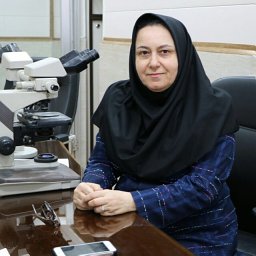 Maryam Ghasemieshkaftaki合作论文数Faculty of Medicine, Mazandaran University of Medical Sciences3
 Vafa Rahimi-Movaghar合作论文数Sina Trauma and Surgery Research Center, Tehran University of Medical Sciences3Seyyed Hamid Hoseini合作论文数2Alireza Sanaee合作论文数2Seyed Reza Mazloom合作论文数2Gertraud Schaffer合作论文数2Sandra Mintz合作论文数2Elizabeth Morasso合作论文数2Souzi Makri合作论文数2
 Nafiseh Zarei合作论文数2
 Shoeleh Rahimi合作论文数2Amirhossein Salmanmahiny合作论文数2
 Farzaneh Dastaran合作论文数2Amin Goodarzi合作论文数2Batol Mohammadian合作论文数Nursing school, Gonabad University of Medical Sciences2
 Kobra Ghorbanzadeh合作论文数Student Res Comm, Univ Social Welf & Rehabil Sci2
 Yuki Seidler合作论文数Center for Medical Statistics, Informatics and Intelligent Systems, Medical University of Vienna2
 Simiso Ntuli合作论文数Dept Podiatry, Univ Johannesburg2
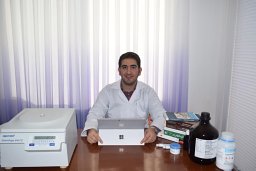 Seyyed Sohrab Rostamkalaei合作论文数Fac Pharm, Islamic Azad Univ2
 Gabriele Gabler合作论文数2
 Miguel Simancas-Pallares合作论文数Adams Sch Dent, Univ N Carolina2
 Susan Murphy合作论文数Department of Physical Medicine and Rehabilitation, Medical School, University of Michigan;Telehealth and Rehabilitation Advancing Chronic Condition Research Center, University of Michigan;Rheumatology Division, Department of Internal Medicine, University of Michigan;Institute for Healthcare Policy and Innovation, University of Michigan;Institute of Gerontology, Department of Internal Medicine, University of Michigan2
 Moe Rikke H合作论文数National Resource Center for Rehabilitation in Rheumatology (NRRK),, Diakonhjemmet Hospital2




