Recent philosophical literature has called for more participatory approaches in psychiatric research, advocating for the inclusion of patients and other stakeholders in processes ranging from the classification of mental disorders to the evaluation of treatment standards. While the dominant scientific paradigm continues to emphasize statistical rigor and methodological control, this approach often fails to accommodate the complexities of psychiatric phenomena, particularly as experienced by those diagnosed with mental disorders. There is growing recognition that participatory methods—when implemented robustly—can offer epistemic advantages by incorporating forms of knowledge that are otherwise marginalized or excluded. This paper examines the epistemic case for participatory psychiatry through the lens of anorexia nervosa (AN), a condition in which patients’ first-person reports may diverge from clinical frameworks. We argue that these divergences are epistemically significant—they reveal structural gaps in current models of understanding AN—and evidence of the value for a social objectivity framework for psychiatry. Drawing on recent work in the philosophy of psychiatry, we assess how alternative philosophical approaches, that seek to redefine objectivity and the epistemic value of lived experience, can be appropriate for the AN case.
Objective: Standardized protocols for assessing and addressing patient suffering are absent from Canadian clinical practice documents on medical assistance in dying (MAiD). Our Delphi study aimed to seek expert consensus on potential improvements to clinical practice documents and on research priorities to address suffering in MAiD. Methods: A multidisciplinary panel of 54 experts from across Canada participated in a modified e-Delphi study. Three rounds of surveys were conducted after a national knowledge dissemination meeting. Results: There was agreement on 27 clinical practice document revisions and on 24 research priorities. Among the main recommendations were early integration of psychosocial and palliative care, providing follow-up and support for patients deemed ineligible for MAiD, addressing mental health stigma, including basic psychosocial assessments in MAiD evaluations, involving social workers when suffering of MAiD requestors is linked to social determinants of health , and clarifying bio-psycho-social-existential issues associated with intolerable suffering (including social determinants of health) in patients requesting MAiD in the context of life-threatening and non-life-threatening conditions. Conclusion: Our results provide practical recommendations for improving MAiD clinical practice documents as they pertain to suffering, as well as identify research priorities to pursue. Our experience can inform clinical policies in Canada and other countries where MAiD is legal or being considered.
BackgroundMedical assistance in dying (MAiD) became a legal end-of-life option on December 10, 2015, in Québec, and on June 17, 2016, in the rest of Canada. Since its legalization, there has been a steady increase in the number of MAiD requests and provisions. Across permissive jurisdictions, Québec now has the highest rate of assisted death. Despite the growing use of MAiD, research examining the factors driving this increase remains limited and fragmented. Existing studies offer partial and sometimes contradictory explanations, with little integration of legal, institutional, societal, and individual dimensions. Further research is needed to better understand the determinants of MAiD requests and practices, particularly in the Canadian and Québec contexts. ObjectiveThis research aims to understand the factors influencing changes in MAiD requests and administrations in Québec by examining laws, practices, societal perspectives, organization of care and services, and individual characteristics of those requesting MAiD, as well as their interrelationships. We present the protocol developed by the Consortium interdisciplinaire de recherche sur l'aide médicale à mourir, an interdisciplinary research consortium, including an international advisory committee, set up for this research. MethodsThe design of this protocol is multimethods and convergent mixed methods, including (1) an international cross-thematical approach with 4 main research methods (a scoping review, key informant interviews, focus groups with health care professionals, and a population-based survey) chosen to partially answer research questions across the entire study and to compare with other jurisdictions and (2) 11 theme-specific methods (including community forums, media coverage analysis, comparative legal analyses, case studies of triads, individual interviews, and system mapping) to enrich and complement findings from the cross-thematical approach. ResultsWhen this 3-year funded study started in July 2024, several research methods not requiring ethics committee approval (because no human participants were involved) were initiated, including scoping and systematic reviews, media coverage analysis, and comparative legal analyses. By August 2025, interviews with key informants were completed, and analyses took place in September. Concurrently, other subteams started data collection (focus groups December 2025) or are getting ready to seek ethics approval for their protocols and data collection processes involving human participants: case studies of triads, individual interviews, and community forums. ConclusionsFindings from the international cross-thematical approach and theme-specific methods will provide a comprehensive understanding of the factors influencing the use of MAiD in Québec. This study has strengths, including the use of a specific theoretical framework, a variety of complementary methods, and an integrated knowledge mobilization strategy. As for its limitations, we foresee challenges with the comparison of jurisdictions in terms of language, culture, and legal systems, as well as access to data about MAiD cases, since reporting systems may differ between jurisdictions. International Registered Report Identifier (IRRID)DERR1-10.2196/83549
Medical assistance in dying (MAiD) requires careful attention to suffering, yet clinical practice guidance documents provide variable detail on how multidimensional suffering can be explored and addressed. This Delphi study sought expert consensus on potential improvements to clinical practice guidance documents and research priorities related to suffering in MAiD. A multidisciplinary panel of 54 experts participated in a modified e-Delphi study. Candidate items were developed from a previously published scoping review conducted by members of the research team and discussions from a National Knowledge Dissemination and Research Planning Meeting conducted as part of a broader knowledge-translation initiative. The resulting items were then prioritized through three Delphi survey rounds. Consensus recommendations emphasized the need to move beyond MAiD assessment as a discrete eligibility determination and toward a more longitudinal, interdisciplinary approach to understanding and responding to suffering. The strongest priorities included earlier integration of psychosocial and palliative approaches throughout the illness trajectory, rather than only once MAiD is being considered; continued support for patients throughout the MAiD process, including those deemed ineligible; and greater attention to mental health stigma, social determinants of health, culturally responsive care, and the bio-psycho-social-existential dimensions of suffering. Findings provide a framework for strengthening MAiD guidance documents by supporting consistent, interdisciplinary approaches to exploring and addressing suffering. Embedding palliative and psychosocial care earlier in the illness trajectory may help ensure that potentially modifiable sources of suffering are identified and addressed while respecting patient autonomy and supporting high-quality, patient-centered MAiD care. -Current clinical practice guidance documents on medical assistance in dying (MAiD) do not provide clear guidance on how suffering should be assessed and addressed, particularly beyond physical symptoms. -Findings from our study underline the importance of introducing psychosocial and palliative care early in the illness trajectory, rather than waiting until a MAiD request. -MAiD clinical practice guidance documents would benefit from more systematic attention to psychosocial factors, including mental health, stigma, and social determinants of health, with appropriate involvement of social workers and other members of the interdisciplinary team when these issues contribute to suffering. -Greater clarity is needed in clinical practice guidance documents regarding what constitutes “intolerable suffering,” including its bio-psycho-social-existential dimensions, and how this should be approached in both life-threatening and non-life-threatening conditions.
Abstract Objective Increasingly in psychiatric and psychotherapeutic training, simulated patients (SPs) participate in the teaching and evaluation of clinical skills and knowledge. Despite their widespread involvement, doubt remains as to whether a genuine therapeutic alliance can be established with SPs. Further, little is known about the SP’s perspective on alliance formation which is an important gap given the correlation between patient perception of alliance and therapeutic success. Methods We interviewed three simulated patients about their perception of the bond formed during role plays of standard full-length psychiatric diagnostic assessments. Each SP played their role multiple times yielding sixteen unique interactions and therefore sixteen interviews. SPs watched a complete video recording of each of their role plays. After watching each role play, they rated their interaction with the psychiatrists using the bond subscale of the Working Alliance Inventory (WAI). Following the ratings, each SP was interviewed about the bond formation in each interaction. Results Despite the simulation, SPs were able to form bonds with psychiatrists across full-length diagnostic assessments. Feeling respected by the psychiatrist, both in the psychiatrist’s attempt to understand the problem and in their approaches to finding solutions facilitated bond formation. However, SPs had different preferences as to how respect should be conveyed. When it went well and when it went wrong, bond formation was affected by the same factors in the simulations as is the case in real practice. Conclusions Our results suggest that from the point of view of SPs, a therapeutic alliance as reflected by bond formation can be established between psychiatrists and SPs in the context of full-length diagnostic assessments. These findings would be strengthened through replication involving comparison of both the SP and the psychiatrist perspectives.
In countries where assisted dying is legal, the relationship between this practice and suicide often raises concerns. In Canada, the issue has been particularly contentious in the context of policy debates about the permissibility of assisted dying for persons with mental disorders. The problem is often formulated by asking whether an assisted death by a person with a mental disorder is different from suicide. This question depends on two related assumptions: 1. suicide is a sign of mental disorder and 2. suicide is a descriptive term that picks out an empirically decidable state of affairs. These assumptions – and therefore the question upon which they are based - have generated considerable and unresolved debate. In this paper, we explore these assumptions. Suicide and assisted dying are both intentional acts to end one’s life. We argue that when a certain form of intentional ending of one’s life is negatively evaluated, it is called a suicide. When it is not negatively evaluated, it is described in other terms. We contend that asking whether an assisted death by a person with a mental disorder is different from suicide is really just asking whether an assisted death by a person with a mental disorder is negatively evaluated or not, rather than whether they are different in some empirically decidable way.
Background:Medical assistance in dying ("MAiD") became legal across Canada in 2016, and in Québec in 2015. Provincial/territorial regulatory bodies play a critical role in MAiD as they can issue binding requirements on health practitioners. Law and regulatory standards are the "twin pillars" of MAiD regulation, yet the content of MAiD practice standards for physicians is unstudied. Design:This article analysed MAiD guidance for physicians from Canadian medical regulators (often called the "College of Physicians and Surgeons"), using a qualitative descriptive approach, informed by regulatory space theory. Methods:We identified MAiD-specific regulatory documents (practice standards and related documents) using web-based searches and follow-up inquiries. We analysed the documents using qualitative descriptive analysis and the Framework Method, facilitated by NVivo. The analysis focused on identifying areas where regulators issued guidance beyond the law. Results:We identified 15 regulatory documents from 11 of the 13 provinces and territories. We determined that these documents primarily outline the law without detailed guidance on how to apply it. We identified eight areas for which regulators provided guidance that went beyond the MAiD-specific legislation, most relating to core aspects of medical practice, such as competency, documentation, and patient-centred care. The rights and obligations of conscientious objectors were a predominant focus in all documents. The documents largely lacked guidance about the meaning of terms in the legislation. There was also variation in standards between provinces and territories; the documents focused on similar topics but varied in their policy choices. Physicians in each province/territory are therefore subject to differing expectations (to some extent). Conclusion:This study highlights a gap in guidance on the meaning of legal terms in the Criminal Code MAiD provisions and highlights interprovincial/territorial variability in MAiD practice standards and guidance for physicians. The study demonstrates the risks of fragmentation inherent in polycentric regulation, which can be challenging for physicians to navigate.
Diabetes care in Canada is compromised by the lack of resources to adequately address the mental health challenges associated with both type 1 and type 2 diabetes. To address this gap Breakthrough T1D (formerly JDRF) Canada and Diabetes Canada developed a bilingual training program, and associated directory listing successful graduates, to educate and empower existing mental health providers to better provide services to those living with diabetes. This study reports on the development and initial outcomes of this virtual training program. Training involved 6 self-learning modules and a 3-hour interactive session to consolidate knowledge. Over a 24-month period, 796 mental health providers (68.5% English-speaking, 31.5% French-speaking) enrolled in the training program. Over half of enrollees (56.3%) have completed the program to date (N=448) and 37% of completers (N=166) were approved for the Directory. The professions enrolled, spanning the country, included social workers (42.1%), psychologists (33.7%), psychotherapists (10.8%), counsellors (7.0%), mental health nurses (5.5%), and psychiatrists (0.6%). Satisfaction with the program was very high and training was considered very practical. The program is available at no cost on an ongoing basis, and follow-up research will evaluate the feasibility, acceptability, and potential health-related impact of training mental health providers in working with people with diabetes.
To access medical assistance in dying (MAiD) in Canada, a person must have a “grievous and irremediable medical condition” defined in part as “a serious and incurable illness, disease, or disability”. Thus, the clinical assessment of the incurability of a person’s condition is central to determining MAiD eligibility. However, the clinical interpretation and operationalization of the term have been uncertain due to the absence of a clear legal definition and evolving legislation. This has led to confusion and controversy in the public and professional discussion of MAiD eligibility. In this paper, we examine various attempts to interpret and operationalize the term “incurable”, identifying the limitations of each approach. We aim to overcome these limitations by proposing a method for operationalizing the term. We argue that our approach: (1) is consistent with the current legal framework, (2) is consistent with the interpretations of the terminology used in the Criminal Code, and (3) reflects the clinical knowledge and reasoning about the full range of medical conditions that can lead to a request for MAiD. In our analysis, we show that incurability cannot be understood only as a feature of a person’s medical condition but resides in the interplay between the nature of the pathology and the person’s treatment decision-making. Our analysis should help with the ongoing operationalization of the incurability requirement in Canada. It may also be helpful to clinicians in other jurisdictions that either invoke or are considering invoking similar terms/concepts.
Background Persons with mental illness as their sole underlying medical condition are eligible to access medical assistance in dying (MAiD) in a small number of countries, including Belgium, the Netherlands, Luxemburg and Switzerland. In Canada, it is anticipated that people experiencing mental illness as their sole underlying medical condition (MI-SUMC) will be eligible to request MAiD as of March 17th 2024. To date, few studies have addressed patient and family perspectives on MAiD MI-SUMC care processes. This study aimed to address this gap and qualitatively explore the perspectives of persons with lived experience of mental illness and family members on care considerations during MI-SUMC implementation. Methods Thirty adults with lived experience of mental illness and 25 adult family members residing in Ontario participated in this study. To facilitate participant engagement, the semi-structured interview used a persona-scenario exercise to discuss perspectives on MAiD MI-SUMC acceptability and care considerations. Framework analysis was used to inductively analyze data using NVivo 12 Pro. Steps, processes, or other care considerations suggested by the participants were charted in a framework matrix after familiarization with the narratives. Key themes were further identified. A lived-experience advisory group participated in every aspect of this study. Results Six themes were developed from the patient and family narratives: (1) Raising MAiD MI-SUMC awareness; (2) Sensitive Introduction of MAiD MI-SUMC in goals of care discussions; (3) Asking for MAiD MI-SUMC: a person-focused response; (4) A comprehensive circle of MAiD MI-SUMC care; (5) A holistic, person-centered assessment process; and (6) Need for support in the aftermath of the decision. These themes highlighted a congruence of views between patient and family members and described key desired process ingredients, including a person-centred non-judgmental stance by care providers, inter-professional holistic care, shared decision making, and the primacy of patient autonomy in healthcare decision making. Conclusions Family and patient perspectives on the implementation of MAiD MI-SUMC offer important considerations for service planning that could complement existing and emerging professional practice standards. These stakeholders’ perspectives will continue to be essential in MAiD MI-SUMC implementation efforts, to better address the needs of diverse communities and inform improvement efforts.
BACKGROUND:Palliative psychiatry has been proposed as a new clinical construct within mental health care and aims to improve quality of life (QoL) for individuals experiencing severe and persistent mental illness (SPMI). To date, explorations of palliative psychiatry have been largely theoretical, and more work is needed to develop its approaches into tangible clinical practice.METHODS:In this paper, we synthesize existing literature with discussions held at a one-day knowledge user meeting titled "A Community of Practice for Palliative Psychiatry" to generate priorities for research, clinical practice, and education that will help advance the development of palliative psychiatry.RESULTS:Palliative psychiatry will benefit from research that is co-produced by people with lived experience (PWLE) of mental illness, that clarifies contested concepts within mental health care and wider medicine, and that adapts existing interventions that have the potential to improve the QoL of individuals experiencing SPMI into the mental health care context. Specific methods and tools might be developed for use in clinical spaces taking a palliative psychiatry approach. More work must be done to understand the populations that might benefit from palliative psychiatry, and to mitigate mental health care providers' (MHCPs') anxieties about using these approaches in their work. As palliative psychiatry is developed, current MHCPs, trainees, individuals experiencing SPMI, and their loved ones will all require education about and orientation to this novel approach within mental health care.CONCLUSIONS:There are several priorities in research, clinical practice, and education that can help advance the development of palliative psychiatry. All future work must be considered through a human rights-based, anti-oppressive lens. Research projects, clinical models, and educational initiatives should all be developed in co-production with PWLE to mitigate the epistemic injustices common in mental health care.
Objective: This lived experience-engaged study aims to understand patient and family perspectives on the relationship between suicidality and medical assistance in dying when the sole underlying medical condition is mental illness (MAiD MI-SUMC). Method: Thirty individuals with mental illness (age M = 41.8 years, SD = 14.2) and 25 family members (age M = 47.5 years, SD = 16.0) participated in qualitative interviews examining perspectives on MAiD MI-SUMC and its relationship with suicide. Audio recordings were transcribed and analysed using reflexive thematic analysis. People with lived experience were engaged in the research process as team members. Results: Four main themes were developed, which were consistent across individuals with mental illness and family members: (a) deciding to die is an individual choice to end the ongoing intolerable suffering of people with mental illness; (b) MAiD MI-SUMC is the same as suicide because the end result is death, although suicide can be more impulsive; (c) MAiD MI-SUMC is a humane, dignified, safe, nonstigmatized alternative to suicide; and (4) suicidality should be considered when MAiD MI-SUMC is requested, but suicidality's role is multifaceted given its diverse manifestations. Conclusion: For patient-oriented mental health policy and treatment, it is critical that the voices of people with lived experience be heard on the issue of MAiD MI-SUMC. Given the important intersections between MAiD MI-SUMC and suicidality and the context of suicide prevention, the role that suicidality should play in MAiD MI-SUMC is multifaceted. Future research and policy development are required to ensure that patient and family perspectives guide the development and implementation of MAiD MI-SUMC policy and practice.
The Debate about Assisted Dying for Persons with Mental DisordersAn Essential Role for Philosophy Mona Gupta, MD, CM, FRCPC, PhD (bio) In 20141 and 2016,2 respectively, Québec and Canada adopted legislation permitting medical assistance in dying (MAID). In this context, the question of whether persons with mental disorders should be able to access MAID has received considerable scrutiny. Over the last 5 years, I have been involved in the academic and policy debates about assisted dying for persons with mental disorders. Policymakers and clinicians alike demand that public policy be based on 'evidence' by which they tend to mean empirical, usually quantitative, data. There is little acknowledgement that some questions are not empirical and that facts require interpretation. The debate about whether a request for assistance in dying by a person with a mental disorder is a form of suicidality illustrates this problem. Because suicidality (including thoughts, plans, gestures, and attempts) is strongly associated with certain mental disorders, there are some who argue that a request for assisted dying by a person with a mental disorder is an expression of suicidality, while others argue that suicidality and requests for assisted dying are different phenomena.3 The approach to resolving this debate is to frame the problem as an empirical one. Because it is generally agreed that we should prevent suicide, we should not allow assistance in dying if it is the same thing as suicide. Researchers set about to identify characteristics of persons with mental disorders who are suicidal and those who request assistance in dying. If these two groups share characteristics, it is assumed that those who request assisted dying and those who complete suicide are the same people. If they have different characteristics, the opposite is true. Thus far, there are no characteristics that are specific to all or most members of one group nor are there a sufficient number of common characteristics that apply to all or most members of both groups. With insufficient 'evidence' one way or the other, the debate continues about whether requests for assisted dying by persons with mental disorders are an expression of suicidality. Looking at the concepts at play can clarify the matter. People engage in a variety of different actions that they know may bring about their deaths. These include refusal or non-adherence [End Page 9] to life-sustaining treatment, engaging in highrisk behaviors, or consuming potentially lethal substances to name but a few. Society's responses to these decisions vary. Sometimes society intervenes to prevent these deaths, sometimes it permits death, and sometimes society is neutral. If we think carefully about these different responses and the circumstances to which they apply, we see that suicidality is the term we use precisely to describe those deaths society wishes to prevent. Debating whether suicide differs from MAID is simply restating the issue at stake: is assisted dying for persons with mental disorders something we should accept or prevent? Questioning the meaning and use of concepts lies at the heart of philosophy. Examining how we use the seemingly descriptive term suicide shows it is preceded by a normative judgment. The fact that a person has a mental disorder and expresses an intention to end her life does not tell us what to do. We prevent this person from acting because we have already decided that this is the kind of death we should prevent. Philosophy has a crucial role to play in the debate about assisted dying by circumscribing which issues involve empirical questions, and which ones require normative reasoning. Mona Gupta Mona Gupta is a psychiatrist and clinician-scientist at the Université de Montréal and the Centre Hospitalier de l'Université de Montréal (CHUM). Her academic focus concerns the interface of ethical and epistemological issues in psychiatric practice. She is currently working on the epistemology of clinical reasoning in psychiatry. Notes 1. https://www.legisquebec.gouv.qc.ca/en/document/cs/s-32.0001. 2. https://laws-lois.justice.gc.ca/eng/annualstatutes/2016_3/fulltext.html. 3. https://www.canada.ca/en/health-canada/corporate/about-health-canada/public-engagement/external-advisory-bodies/expert-panel-maid-mental-illness/final-report-expert-panel...
Euthanasia, assisted suicide, medical assistance in dying, death with dignity: these and many other different terms are used around the world to capture various types of assistance in dying. This diversity in terminology can create confusion both in academic debates and in policy-making if it is unclear what type of action or inaction is intended to be captured, by whom, and under what circumstances. By defining and contrasting several terms and legal status of assistance in dying in jurisdictions authorizing it, this comparative glossary aims to lay a foundation that prevents linguistic and conceptual confusion.
Medical assistance in dying (MAiD) was introduced into Canadian federal legislation in 2016. Mental illness as the sole underlying medical condition (MI-SUMC) is currently excluded from eligibility; such exclusion is scheduled to expire on March 17, 2024. Irremediability, capacity, quality of life, autonomy, family involvement, and healthcare system constraints have been debated intensively. Recent studies have not explored the views of family members of persons with mental illness on MAiD MI-SUMC. This study aimed to fill this knowledge gap. Twenty-five Ontario residents who had a loved one with mental illness participated. A persona-scenario exercise was designed to explore participants' views on MAiD MI-SUMC in hypothetical situations. Reflexive thematic analysis was used to analyze the data. A lived experience-advisory panel was engaged throughout the study. Seven themes were developed: Witnessing suffering; A road with barriers and limitations; Societal barriers; The unknowns of mental illness; Individual choices: the life or death that a person wants; MAiD MI-SUMC as an acceptable choice when suffering cannot be relieved with available treatments and supports; and The emotional outcome. Participants constructed their views based on their experience of supporting a loved one with mental illness. MAiD MI-SUMC was perceived as a multifaceted issue, whose acceptability and potential introduction required a concurrent exploration and discussion of the challenges arising due to limitations of the healthcare system, the opportunities and limits to family involvement, and the value of patient autonomy.
Medical assistance in dying (MAiD) was introduced into Canadian legislation in 2016. Mental illness as the sole underlying medical condition (MI-SUMC) is excluded from eligibility; this is expected to change in 2024. Incurability, intolerable suffering, capacity to make healthcare decisions, and suicidality have been publicly debated in connection with mental illness. Few studies have explored the views of persons with mental illness on the introduction and acceptability of MAiD MI-SUMC; this study aimed to fill this gap. Thirty adults, residing in Ontario, Canada, who self-identified as living with mental illness participated. A semi-structured interview including a persona-scenario exercise was designed to discuss participants' views on MAiD MI-SUMC and when it could be acceptable or not. Reflexive thematic analysis was used to inductively analyze data. Codes and themes were developed after extensive familiarization with the dataset. A lived-experience advisory group was engaged throughout the study. We identified six themes: The certainty of suffering; Is there a suffering threshold to be met? The uncertainty of mental illness; My own limits, values, and decisions; MAiD MI-SUMCas acceptable when therapeutic means, and othersupports, have been tried to alleviate long-term suffering; and Between relief and rejection. These themes underline how the participants' lived experience comprised negative impacts caused by long-term mental illness, stigma, and in some cases, socioeconomic factors. The need for therapeutic and non-therapeutic supports was highlighted, along with unresolved tensions about the links between mental illness, capacity, and suicidality. Although not all participants viewed MAiD MI-SUMC as acceptable for mental illness, they autonomously embraced limits, values, and decisions of their own along their search for relief. Identifying individual and contextual elements in each person's experience of illness and suffering is necessary to understand diverse perspectives on MAiD MI-SUMC.
Making Medical Science More Scientific:Embracing Uncertainty and Complexity Mona Gupta, MD CM, FRCPC, PhD* (bio) Scott Waterman's reflection on his experience with chronic pain and alternative treatments raises a fundamental question in medical epistemology: How can we know that an intervention will help people who are suffering? Waterman's details his trial of an alternative therapy with a dubious pathophysiological rationale. Despite the lack of research demonstrating its efficacy, and a lack of therapeutic benefit for him in particular, he acknowledges its benefit to others who were more attitudinally predisposed to it. This leads him to conclude that one's personal beliefs and explanatory hypotheses play a role in the healing process. From this he concludes that data from clinical studies conducted according to conventional research methods—whose role is to isolate only the effect of the intervention itself—cannot be the only way to secure knowledge about whether or not a specific person can be helped by a specific intervention. As a consequence, Waterman calls for 'epistemic humility' when it comes to our knowledge about healing. Indeed, various critiques of conventional clinical research suggest that such humility is warranted (see, for example, Borgerson, 2014; Stegenga, 2018). However, at the end of his paper, he contends that any way forward must reconcile the epistemic pluralism born from this humility with the protection offered by traditional scientific standards of evaluating medical knowledge. In other words, how does one accommodate therapies that may be beneficial but are not supported by the same empirical research as other, conventional therapies? I concur with Waterman that there is a great deal more going on when a person tries a therapeutic intervention than can be explained by clinical trial data or pathophysiologic rationale. And I agree that advancing knowledge about the treatment of pain and other 'whole person' phenomena has to begin with humility about the many uncertainties about illness. His idea of "conceptualizing clinical treatments as integrated wholes, with theories of action, therapeutic techniques, clinicians' characteristics and expectations, and patients' characteristics and expectations all as active ingredients" seems like a better description [End Page 125] of what is actually happening in treatment than the active ingredient conceptualization of therapeutic effect drawn from pharmacology. With respect to therapeutic intervention in the context of the helping relationship, Waterman believes that: "their myriad complexities, including their interaction effects, might not be amenable to disentanglement for the purpose of analytic study; the system might thus be intractable and the notion of separating efficacy from mechanism might be incoherent." He worries that such a way of thinking about treatment and treatment research is 'mystical' and perhaps not amenable to scientific enquiry. The scientific approach to medicine that Waterman lauds draws its strength from the ability to reduce, isolate, and control normal and perturbed structures and functions in the body in order to gain knowledge about them. Though we do it, it can by no means be taken for granted that understanding a biological phenomenon through this reductionist lens will enable understanding of that phenomenon in a living, dynamic organism. The fact that an anti-inflammatory agent can be delivered to a precise anatomical location where the inflammation occurs and yet not relieve pain, is an example of this problem. The scientific method—like any method—provides but one of many partial views of what it tries to study. This is not to say such knowledge is not of value, but it cannot be expected to tell the whole story about a subject. In this case, Waterman rightly questions whether standard clinical research can investigate fully the therapeutic impact of an intervention, embedded as it is with a clinician–patient relationship complete with its beliefs, expectations and interactions. Reducing this intervention to individual pieces that can provide a full explanation of what is going on seems improbable. Part of what underlies the problem Waterman identifies is our view of science itself including what counts as high quality clinical research. Here the Open Science (UNESCO, 2021) movement offers a promising way forward. This movement is perhaps most associated with the emphasis on ensuring public access to knowledge. However, it is also committed to a series of epistemic values...
Nixon et al F Clinical Case Rounds for this issue, we asked two child and adolescent psychiatrists who are experts in concurrent disorders to provide short written responses as to their approaching to the clinical scenario described below. We then asked two additional psychiatrists who are experts in ethics to provide a commentary on ideas raised in the case and the responses. We hope you find these thoughtful considerations useful for challenges you may find in your own clinical practice.
 Ajay Kumar Gupta合作论文数8
 Jocelyn Downie合作论文数Health Law Institute, Schulich School of Law, Dalhousie University6
 Hamer Bastidas-Bilbao合作论文数Universidad del Rosario5
 Vicky Stergiopoulos合作论文数Department of Psychiatry, Temerty Faculty of Medicine, University of Toronto5
 Lisa D. Hawke合作论文数Department of Psychiatry, Temerty Faculty of Medicine, University of Toronto5
 David Castle合作论文数St Vincent’s Health;Centre for Addiction & Mental Health, Temerty Faculty of Medicine, University of Toronto;University of Melbourne5
 Stephen J. Yarwood合作论文数Faculty of Biomedical and Life Sciences, University of Glasgow5
 Vivien Cappe合作论文数4Mary Rose van Kesteren合作论文数4Samuel Blouin合作论文数4
 Alexander Simpson合作论文数Department of Psychiatry, Temerty Faculty of Medicine, University of Toronto4
 Donna Stewart合作论文数Department of Anesthesiology and Pain Medicine, Temerty Faculty of Medicine, University of Toronto4
 Daniel Z. Buchman合作论文数Clinical Public Health Division, Dalla Lana School of Public Health, University of Toronto3
 Rosalie Steinberg合作论文数Department of Psychiatry, Temerty Faculty of Medicine, University of Toronto3
 Jonathan Hunter合作论文数Department of Psychiatry, Temerty Faculty of Medicine, University of Toronto3
 Stefano Cavalli合作论文数Centre for Interdisciplinary Gerontology, University of Geneva3
 Robert Maunder合作论文数Institute of Medical Science, Temerty Faculty of Medicine, University of Toronto3Simon Giasson合作论文数2Marie Nolin合作论文数2Geneviève Létourneau合作论文数2Nancy Read合作论文数2Clare Pain合作论文数2
 David S. Goldbloom合作论文数Department of Psychiatry, Temerty Faculty of Medicine, University of Toronto2
 Sean Rourke合作论文数Department of Psychiatry, Temerty Faculty of Medicine, University of Toronto;St. Michael's Hospital, Unity Health Toronto2Borgundvaag Bjug合作论文数Department of Emergency Medicine, University of Toronto2Raymond Glenna合作论文数2
 Jean-Philippe Miron合作论文数Département de Neurosciences, Université de Montréal;and.;Département de Neurosciences, Université de Montréal2VanDeVelde-Coke Susan合作论文数2Thomas E. Stewart合作论文数Mount Sinai Hospital and University Health Network, University of Toronto2
 Tarek Rajji合作论文数Centre for Addiction & Mental Health, Department of Psychiatry, Temerty Faculty of Medicine, University of Toronto2Maria M. Magiera合作论文数2Jocelyn Bennett合作论文数2
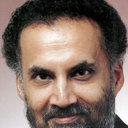 Christopher M.B. Fernandes合作论文数2
 David Luck合作论文数2Catherine J Rundell合作论文数2
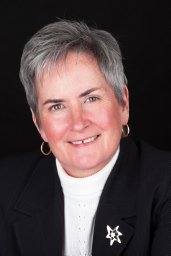 Lynn M. Nagle合作论文数University of Toronto;University of Toronto, University of Toronto2William J. Lancee合作论文数2
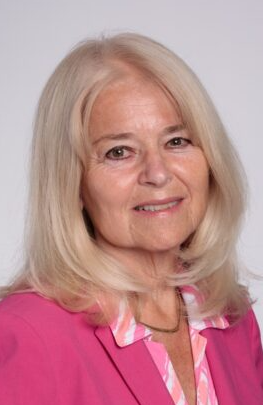 Linda McGillis Hall合作论文数Lawrence Bloomberg Faculty of Nursing, University of Toronto2Robert Lee合作论文数1Philippe Hout合作论文数1Greg L. Bryan合作论文数1Alan G. Goodridge合作论文数1Ramesh Sahpaul合作论文数1Young London合作论文数1Brian G. Weinshenker合作论文数1LV RODRIGUEZ合作论文数1
 Mark G Hamilton合作论文数1Donatella Tampieri合作论文数1Evangelia Pappa合作论文数1




