In 2025, the Computational Intelligence journal celebrates the 40th anniversary. Motivated by this event, this paper conducts a bibliometric analysis of the journal between 1985 and 2024 by using the Scopus and Web of Science databases. The aim is to explore the research trends, development, topic clusters, and key contributors in Computational Intelligence. The study also employs the VOSviewer and bibliometrix software to visualize co-citation networks, bibliographic coupling, and co-occurrence patterns to map the intellectual structure of the journal. The analysis shows that early theories were introduced primarily by Canadian and American researchers, while more recent contributions are increasingly coming from developing countries such as China and India, reflecting the global changing research trends. The exploration reveals the evolution of topics over time, highlighting the transition from early symbolic artificial intelligence and logic-based reasoning towards modern developments in deep learning, big data, and machine learning. The study highlights Computational Intelligence's past achievements while outlining its future direction, emphasizing collaboration, diversity, and innovation as key to sustaining its academic excellence.
Computers & Graphics celebrates its golden anniversary in 2025. Motivated by this special event, this study presents a comprehensive bibliometric analysis of the journal, identifying key research trends, frequently cited authors, institutions, countries, and major citation patterns. The work retrieves data from the Web of Science (WoS) core collection and Scopus databases and utilizes bibliometric tools such as VOS viewer and bibliometrix software. We analyse the keyword evolution; co-citation networks and bibliographic coupling of the documents published in Computers & Graphics. The distribution of topics indicates increased attention to artificial intelligence-based methods, including deep learning, point cloud processing, and virtual reality, alongside established rendering and simulation techniques. Additionally, the bibliometric analysis of productive authors, institutions and countries, indicate increased publication and citation activity associated with institutions in Asian countries, especially China. Beyond broader trends, this study also highlights Computers & Graphics' recent initiatives that emphasize transparency and reproducibility, such as the graphics replicability stamp and the special sections, which bridge academic conferences and high-quality journal publications. This study serves as a reference for researchers seeking to understand the historical trajectory, emerging trends, and evolving editorial priorities in computer graphics research.
Emerging Internet of Things (IoT) sensor networks produce uncertain, imprecise, and context-dependent data due to environmental noise and device limitations. Traditional aggregation operators struggle with this complexity. Thus, this paper introduces a novel aggregation framework, termed the fuzzy induced ordered weighted averaging (OWA) operator for hypersoft sets, which integrates fuzzy logic, hypersoft set theory, and induced OWA mechanisms to address complex decision-making scenarios. It effectively deals with multilevel attributes, uncertain modeling, and changing sensor relevance, thus making it ideal for intelligent decision-making and data fusion in a complex IOT environment. Unlike the classical OWA and induced OWA operators, the fuzzy hypersoft induced OWA operator considers both fuzzy membership degrees and hypersoft memberships to model sophisticated expert judgments of the subattributes. The reordering is accomplished using an inducing function that represents criterionspecific importance or relevance in the background information. Theoretical properties, including the boundedness, monotonicity, idempotency, and the preservation of convexity, are proved. A comparison with classical induced OWA and hypersoft set induced OWA operators reveals that the fuzzy induced OWA operator is more flexible and applicable. We also present hybrid versions, including generalizedinterval valued extensions to be used for recommendations as well as distance and similarity measures. Finally, the performance of the operator is tested in sensor networks for IoT, where data are both heterogeneous and imprecise and require robust or context-aware aggregation models.
Iran is currently the 4th most productive country with 15,392 publications and 367,510 total citations to fuzzy research through its researchers, whose work reflects a growing interest in both the theoretical and applied aspects. However, the extent and impact of these contributions remain unexplored in scholarly evaluations. Thus, this study aims to provide a bibliometric analysis of fuzzy research in Iran from 1976 to 2024, utilizing the Web of Science (WoS) core collection database and VOSviewer software. The key bibliometric indicators, including h-index, co-citation analysis, bibliographic coupling, and keyword co-occurrence, have been evaluated. The main findings show a significant growth, with Total Publications (TP) increasing from 126 (1976–2003) to 6,755 (2020–2024). Early research focused on foundational concepts like fuzzy sets and fuzzy logic, while recent studies emphasize applied domains such as decision-making, artificial intelligence, and machine learning. Leading contributors include Bijan Davvaz (163 publications) and Islamic Azad University (IAU), with 4,199 TP, emerging as the most productive institution. Collaboration analysis identifies Malaysia, Vietnam, the USA, and China as the primary partners, and Tofigh Allahviranloo (198 publications, 4,310 citations) from Türkiye, as a prominent collaborator. The topical and keyword analysis reveals the focus of the area of research and its alignment with global trends in fuzzy theories, and a significant contribution across diverse disciplines. Iran's fuzzy research community shows a diversified portfolio of research, which includes both theoretical progress and application research (e.g., in Mathematics, Physics, Environmental Sciences, Business Economics, and Medical Informatics). Fields like Public Health, Biology, and Medical Informatics, however, still have a low output, indicating potential rising opportunities to incorporate and integrate fuzzy logic more in addressing complicated problems in health, biology, and society.
Resilient airport security systems are essential for safeguarding passengers, infrastructure, and personnel while fostering trust in air travel. Airport security efficiency requires the balance of advanced physical and cyber tools with adaptable strategies, ensuring rapid recovery and continuous operation despite disruptions. The logarithmic proportional comparison operator weighting (LOPCOW) is used for determining criteria weights of airport security, and an alternative ranking order method accounting for a two-step normalization (AROMAN) approach is used for ranking airport security alternatives by using cubic intuitionistic fuzzy information. Integrating the softmax function and Hamacher operations, new aggregation operators are developed, such as cubic intuitionistic fuzzy softmax Hamacher weighted averaging (CIFSHWA), cubic intuitionistic fuzzy softmax Hamacher ordered weighted averaging (CIFSHOWA), cubic intuitionistic fuzzy softmax Hamacher weighted geometric (CIFSHWG), and cubic intuitionistic fuzzy softmax Hamacher ordered weighted geometric (CIFSHOWG). This study introduces a robust Softmax Hamacher LOPCOW-AROMAN approach for multi-criteria decision-making (MCDM) that improves airport security screening efficiency by integrating Industry 5.0. By combining qualitative and quantitative criteria under uncertainty, these operators make it possible to evaluate airport security procedures more thoroughly, guaranteeing more equitable and realistic evaluations. A sensitivity analysis is performed to verify the robustness of the suggested framework, which demonstrates that the Softmax Hamacher LOPCOW-AROMAN approach ensures accurate, reliable, and efficient evaluations of airport security systems.
Fixed point theory is a fundamental area of mathematical research with diverse applications in analysis, optimization, and computational mathematics. Over the past five decades, Thailand has made notable contributions to this field, reflected in a growing number of publications, collaborations, and scholarly impact. This study presents a comprehensive bibliometric analysis of fixed-point theory research in Thailand. Using data from the Scopus database, analysed with VOS viewer software, we examine publication trends, citation patterns, leading authors, key institutions, and international collaborations. Our findings reveal significant growth, with total publications increasing from 35 (1973-2005) to 2,332 (2000-2024). Among the leading contributors, Poom Kumam from King Mongkut's University of Technology Thonburi (KMUTT) stands out with 460 publications and 7,094 citations, while KMUTT itself is the most prolific institution, producing 512 papers. Collaboration analysis identifies Saudi Arabia as the primary international partner, contributing 235 co-authored works, and Sotiris K. Ntouyas from the University of Ioannina, Greece, as a key collaborator. Early studies were centred on foundational concepts; recent research has increasingly explored applied domains. Topical and keyword analyses indicate that research in Thailand is somewhat less aligned with global trends, especially towards artificial intelligence and machine learning. These findings provide valuable insights into the evolution and impact of fixed-point theory research in Thailand, offering guidance for future research directions and policy development in the mathematical sciences.
The unclear and vague information, subjective assessments, and the languages spoken with diversity in these domains are some of the linguistic features that complicate the decision-making process in the construction industry. Language-specific terminology, context-specific terms, and terms requiring a common translation all provide challenges. Furthermore, it is challenging to compile linguistic information from several sources with a cohesive framework due to interpretation variability. To address these challenges, in this article, we propose a novel theory term as linguistic q-rung orthopair fuzzy hypersoft set (Lq-ROFHS). To aggregate the various information, we defined some new weighted averaging and geometric operators by using Einstein t-norm operations. The fundamental properties of all these stated operators are derived in detail. To illustrate the method, a multi-criteria group decision making algorithm is proposed by using the stated operators and apply them to the case study related to the selection of the best construction company. To demonstrate the efficiency of the proposed algorithm, a comparative analysis between the proposed and the several existing studies is done by comparing the order of preference. The proposed approach is a significant advancement that will enable decision-makers to navigate the complexities of their choice with greater assurance and precision using a single tool.
This study proposes novel extensions to overcome the limitations of classical aggregation methods, namely ordered weighted averaging (OWA) and probabilistic OWA (POWA) operators, in handling hierarchical or subdivided attributes under uncertainty within the hypersoft set (HS) framework, resulting in the hypersoft set-based OWA (HS-OWA) and hypersoft set-based POWA (HS-POWA) operators. These extensions (HS-OWA and HS-POWA operators) preserve sub-attribute information, enhance decision accuracy, and handle uncertainty, including fuzzy, intuitionistic, and neutrosophic data. We formalize the mathematical definitions and theoretical properties of HS-OWA and HS-POWA, demonstrating their practical applicability through a case study of sustainable wastewater treatment method selection. Additionally, we generalize the proposed operators under various fuzzy extensions, including intuitionistic fuzzy sets (IFS), pythagorean fuzzy sets (PFS), q-Rung orthopair fuzzy sets (q-ROFS), and neutrosophic sets (NS), allowing flexible modeling of uncertainty, hesitation, and conflict in expert assessments. The results from our study validate the superiority of the proposed framework in aggregating distributed evaluations while preserving semantic depth and interoperability. The proposed operators are effective in complex multi-criteria and group decision-making problems, such as sustainable technology assessment and policy-making, and provide a robust framework for future research in dynamic and large-scale MCDM applications.
This study aims to fill the research gap and linguistic uncertainty associated with crypto mining. Recent environmental concerns such as increased carbon emissions have been raised due to cryptocurrency mining, and demand for energy production increases as cryptocurrency mining increases. The mathematical model can be used to evaluate and mitigate the environmental concerns associated with cryptocurrency mining activities. Thus, this paper presents the Linguistic Fuzzy-valued Hypersoft Set (LFHSs), its aggregate operators, and the unique mathematical technique for Multi-Criteria Decision-Making (MCDM) method based on proposed aggregation to evaluate the uncertainty and vagueness associated with crypto mining and its impacts on the environment. This analyzes the comprehensive understanding of environmental problems such as increased carbon emissions, higher demand for electricity associated with crypto mining, and the inherent uncertainty associated with data processing in the Decision-Making (DM) process using LFHSs. Linguistic terms are used to collect and express complicated, ambiguous, and amorphous information. The modeling and construction of the problem involve the identification of energy production as alternatives, and relevant environmental factors are in the form of further bifurcation as attributes. Subsequently, the fuzzy values are assigned to each linguistic attribute by considering individual impact. This allows for a more accurate representation of the many factors of the environmental effect of crypto mining. The proposed MCDM method, based on weighted and geometric aggregate operators, solves the case study. The results evaluated are then compared with the existing studies, and it shows that the study has the potential to assist researchers, industry stakeholders, and policymakers in creating strategies that will effectively address the environmental problems raised by crypto mining while minimizing energy use and promoting sustainable practices in changing digital environment.
When we talk about decision-making then it means we have to tackle the attributes and alternatives, and it becomes difficult when attributes are further subdivided. The hypersoft theory allows us to handle further bifurcated attributes. This paper is aim to provide the legal way to deal with multi-criteria decision-making (MCDM) problems in the sense of further subdividing attributes by applying the concept of fuzzy hypersoft matrices (FHSM’s). Since matrices provide us with a fast and reliable way to solve problems. In this paper, we have proposed the concept of FHSM with their operators, theorems, propositions, and decision-making (DM) algorithms. The proposed algorithms have been supported with real-life application of airline selection while you have to take any flight. The concept of further bifurcation gives more accurate and refined results than the existing techniques, along with the implication of FHSM. In the future, the proposed concept can be implemented in other hybrids of hypersoft set theory with DM algorithms. The challenges faced in implication can be dealt with machine learning algorithms for fast and more accurate results.
This bibliometric research investigates the development, productivity, and academic influence of fuzzy research from 1981 to 2024 in Saudi Arabia. We retrieved the bibliometric data from the Scopus database and analyzed 5,719 publications, leading to 111,381 citations. The metric analysis shows that Mohammad A. Abido is leading the country with the highest number of publications. At the same time, King Abdulaziz University and King Saud University are the most productive institutes in fuzzy research. Journals such as the IEEE Access and MDPI are leading quite often as the publishing venue, and a trend of publication towards high-impact journals. International collaborations with Pakistan, India, China, and Canada significantly impacted the research productivity. The visual analysis was done using VOS viewer and Bibliometrix software, which includes co-citation, bibliographic coupling, co-occurrence, word cloud mapping, and emerging or declining thematic maps. These evaluations illustrate strong interdisciplinary ties of literature, while top research topics and trends involve artificial intelligence, optimization, decision making, and sustainability. The current direction is to increase the application of fuzzy logic in the energy, health, and environmental sciences. More generally, this study highlights the trends and themes of Saudi Arabia in the world of fuzzy set theory and its applications, facilitated by institutional backing, inter-institutional collaboration, and increasing demands for cross-disciplinary research.
Turkey is currently the 7th most productive country in fuzzy research. However, the extent and impact of contributions remain unexplored in scholarly evaluations. Thus, this study aims to provide a bibliometric analysis of fuzzy research in Turkey from 1985–2024, utilizing the Scopus database, and VOSviewer software. The main findings show a significant growth, with total publications increasing from 93 (1985–1999) to 8,601 (2000–2024). Early research focused on foundational concepts like fuzzy sets and fuzzy logic, while recent studies emphasize applied domains such as decision-making, artificial intelligence, and machine learning. Leading contributors include Cengiz Kahraman from Istanbul Technical University (325 total publications, and 20,173 total citations) with the Istanbul Technical University (977 Total Papers) as the most productive institution. Collaboration analysis identifies Iran as the primary partner, contributing 520 of co-authored works, and Dragan Pamucar, from the University of Belgrade Serbia, as a prominent collaborator. The topical and keyword analysis reveals the focus of the area of research and its alignment with global trends in fuzzy theories, and a significant contribution across diverse disciplines. Institutions can encourage strategic publishing to improve global rankings and citation impact.
Language is closely connected to the concepts of uncertainty and indeterminacy, as it functions as a fundamental tool for the expression and communication of information. Linguistic formulations possess inherent qualities of ambiguity, imprecision, and vagueness. The comprehension of language frequently hinges upon contextual factors, individual interpretation, and subjective viewpoints, resulting in ambiguities in comprehension. Neutrosophic-linguistic valued hypersoft sets (N-LVHS) play a pivotal role in decision-making by effectively managing linguistic uncertainty, modeling real-world complexity, and accommodating multidimensional information. In the realm of medical diagnosis and treatment, several limitations tied to language and indeterminacy persist. Patients often use vague or imprecise language to describe their symptoms, complicating the accurate identification of ailments. Moreover, diagnostic criteria are subjectively defined, leading to inconsistencies in diagnoses. Disease progression, characterized by its complexity and unpredictability, adds further indeterminacy in treatment planning. The variability in patient responses to treatments introduces uncertainties in outcome prediction. Inconclusive test results and limited clinical data may compound these challenges, underscoring the need for innovative approaches like N-LVHS to address these linguistic and indeterminacy-related limitations and improve the precision and efficacy of medical decision-making and treatment procedures. In constructing an N-LVHS framework for medical diagnosis and treatment, relevant factors, and linguistic terms characterizing medical conditions and treatments are identified. For example, disease severity could be described using terms such as "mild," "moderate," and "severe," while treatment effectiveness may be categorized as "low," "moderate," and "high." Each factor is then assigned neutrosophic values based on their measured impacts. This approach provides a more precise representation of the complex medical diagnostic and treatment landscape. The findings of this study have the potential to assist medical practitioners, researchers, and policymakers in optimizing medical diagnosis and treatment strategies, enhancing patient outcomes, and improving healthcare practices.
The selection of energy suppliers is important for sustainable energy management, as selecting the most appropriate suppliers reduces the environmental impact and improves resource optimization through sustainable practices. Our primary objective of this work was to develop a system for identifying energy suppliers by assessing various characteristics and their associated sub-attributes. Interval-valued q-rung orthopair fuzzy hypersoft sets (IVq-ROFHSS) originate by developing an association among interval-valued q-rung orthopair fuzzy sets and hypersoft sets. It is a crucial resource to handle unpredictable situations, mainly when presenting a component in a real-life scenario. IVq-ROFHSS is a new structure developed to manage the sub-parametric values of the alternatives. We developed the Einstein operational laws for IVq-ROFHSS and extended the Interval-valued q-rung ortho-pair fuzzy hypersoft Einstein weighted average (IVq-ROFHSEWA) and interval-valued q-rung ortho-pair fuzzy hypersoft Einstein weighted geometric (IVq-ROFHSEWG) operators. Moreover, we used the developed operators to formulate a multi-attribute group decision-making strategy to choose the ideal provider in sustainable energy management. The presented fuzzy robust approach reliably reiterated the challenged energy supplier selection in supply chain management to regular activities while alleviating overall expenses and promising stable reliability.
To reduce the threats that wastewater poses to human health and the environment, water treatment techniques must be improved. The use of a procedure that includes preparation, testing, primary and secondary treatments, filtration, disinfection, and continuous monitoring is therefore required. The objective of this research is to create a hybrid notion that extends the idea of an interval-valued neutrosophic fuzzy soft set (IVNFSS) to an interval-valued neutrosophic fuzzy set. Operations like complement, union, and integration are included in the idea. To improve decision-making accuracy, a quality-assessment distance measure is incorporated, offering a numerical representation of the disparity between various factors. Furthermore, the IVNFSS defines distance measures, which are used in the wastewater treatment process. To monitor water quality, IVNFSS, in conjunction with a distance measure, is a potent instrument whose application extends to water waste treatment procedures. This can completely change the way that water quality management is now done by providing a methodical way to guarantee the security and quality of drinking water.
For the creation of cryptocurrencies like bitcoin, blockchain is the fundamental technology. Since the development of the steam engine, electricity, and computer technology, there has been a fourth industrial revolution. Blockchain technology is one of the components of this revolution, and it has been used in many sectors, including commerce, banking, and the legal system. In the beginning of this study, we talk about blocks and their many sorts. Following that, cutting-edge blockchain technology applications were covered. In addition, the benefits and drawbacks are also emphasized to help explain the blockchain idea. But there is also discussion on the use of blockchain in 5G.
The complex process of decision-making is addressed in this study, especially when dealing with diverse factors and input from several specialists. In the context of m-polar interval-valued neutrosophic hypersoft sets (m-PIVNHSSs), the paper proposes innovative adaptations of the correlation coefficient (CC) and weighted correlation coefficient (WCC), drawing on correlation analysis in statistics and engineering. The goal is to improve decision-making processes in scenarios with complicated features and input from several specialists. Through defined theorems and claims, the study offers a solid mathematical framework and presents methods based on CC and WCC to address decision-making complexity. These strategies show promise for enhancing decision accuracy in circumstances involving a wide range of features and expert inputs. AHP, TOPSIS, and other strategies that are now used might also be extended, according to the research. AHP, TOPSIS, and VIKOR are three possible methodologies that might be used to the m-PIVNHSSs environment, according to the research, opening opportunities for additional breakthroughs in the decision-making sector.
In educational settings of Pakistan, where English is utilized as the primary medium of instruction but not as an official language, the assessment of instructional text readability is crucial. This research investigates the impact of text readability on student comprehension and achievement by integrating deep learning methods with mathematical and statistical approaches. It has been observed that when suitably trained, deep learning models exhibit a significant correlation with human assessments of text readability. The investigation further illuminates the linguistic and structural elements influencing readability. Such insights are instrumental for educators and content developers in establishing standards to craft more accessible educational materials. Emphasis is placed on the exploration of Advanced Natural Language Processing (NLP) techniques, the incorporation of multilingual models, and the refinement of curricular structures to enhance readability assessments. Additionally, the study underscores the necessity of engaging with educational policymakers in Pakistan to implement accessibility guidelines. These efforts aim to reduce linguistic barriers, amplify student potential, and foster an inclusive educational ecosystem. The findings and methodologies presented in this study offer a comprehensive understanding of the challenges and solutions in optimizing English language instructional materials for non-native speakers, with potential applications in diverse multilingual educational contexts.
 Muhammad Naveed Jafar合作论文数Department of Mathematics, University of Management and Technology14
 Muhammad Tariq Saeed合作论文数Hazara University12
 Rana Muhammad Zulqarnain合作论文数School of Economics and Management, Tongji University10
 Muhammad Riaz合作论文数9
 Xiaolong Xin (辛小龙)合作论文数School of Science, Xi'an Polytechnic University7
 Poom Kumam合作论文数Department of Mathematics, Faculty of Science, King Mongkut’s University of Technology Thonburi7
 Florentin Smarandache合作论文数Department of Mathematics, University of New Mexico;Mathematics, Physics, and Natural Science Division, University of New Mexico7
 Muhammad Saeed合作论文数6
 Wiyada Kumam合作论文数5
 Miin Shen Yang (楊敏生)合作论文数Department of Applied Mathematics, Chung Yuan Christian University4
 Hafiz Burhan Ul Haq合作论文数3
 Sana Moin合作论文数3
 Muhammad Irfan Ahamad合作论文数Dept Geog, Govt Coll Univ3
 Muhammad Umer Farooq合作论文数2Asma Riffat合作论文数2
 Muhammad Ahmad合作论文数Department of Mathematics, University of Management and TechnologyLahore2Muhammad Waqas合作论文数2
 Asad Mehmood合作论文数Dept Math, Univ Management & Technol2
 Muhammad Imran Anwar合作论文数2Ahmed M. Hassan合作论文数1Abdul Rauf合作论文数1M. Mudassar Gulzar合作论文数1Nek Muhammad Katbar合作论文数1Yijie Li合作论文数1Sadia Fareed合作论文数1
 Abdul Wahab合作论文数1
 Vladimir Simic合作论文数1
 Bhimraj Basumatary合作论文数Department of Math. Sciences, Bodoland University1
 Zeeshan Zafar合作论文数The College of Geography and Environmental Science, Henan University1
 Nijwm Wary合作论文数Dept Math Sci, Bodoland Univ1
 Anam Habib合作论文数1
 Zaka Ur Rehman合作论文数Department of Computer Science and IT, The University of Lahore, Gujrat campus, Gujrat, Pakistan1
 Dr-Wasim Jamshed合作论文数Islamabad Expressway1
 Muhammad Zulqarnain合作论文数Fac Comp Sci & Informat Technol, Univ Tun Hussein Onn Malaysia1
 Sohaib Abdal合作论文数Sch Math, Northwest Univ1
 Bagh .e. Ali合作论文数1
 Huseyin Kamacı合作论文数Yozgat Bozok Univ, Fac Sci & Arts, Dept Math, TR-66100 Yozgat, Turkey1
 M Prakash合作论文数Dept Math, Dr NGP Inst Technol1
 Imran Siddique合作论文数Dept Math, Univ Management & Technol1
 Muhammad Naveed合作论文数Institute of Soil and Environmental Sciences, University of Agriculture Faisalabad1
 Hamza Ali合作论文数Canadian Blood Services1
 Eid Mohamed R合作论文数1
 Dragan Pamučar合作论文数Department of Operations Research and Statistics, Faculty of Organizational Sciences, University of Belgrade1
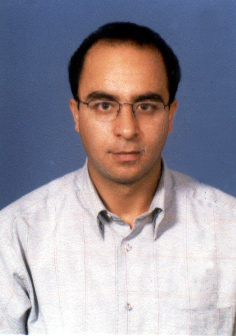 Fahd Jarad合作论文数Department of Mathematics and Computer Science, Çankaya University1
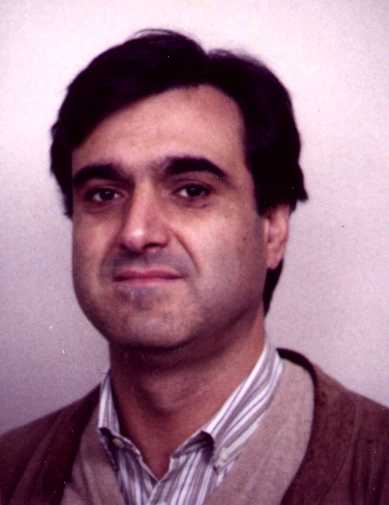 Joaquim Jorge合作论文数Department of Computer Science and Engineering, University of Lisbon;Victoria University of Wellington;Pontifícia Universidade Católica do Rio de Janeiro1
 Ahmad M. Alshamrani合作论文数1
 Lazim Abdullah合作论文数Faculty of Science and Technology, University of Malaysia Terengganu1
 Sameh S. Askar合作论文数Department of Statistics and Operations Researches, College of Science, King Saud University1
 Ilyani Abdullah合作论文数Universiti Teknologi Malaysia1




