Hadal subseafloor sediments host abundant and active microbial biosphere with considerable heterotrophic activity. However, carbon and nutrient cycling processes and mechanisms driven by hadal subsurface microorganisms remain poorly understood. Using culture-dependent and culture-independent methods, we characterized the diversity, metabolism, and vertical dynamics of hydrocarbon-degrading (HYD) bacteria in a subsurface sediment core (MT20-750, ~750 cm below seafloor [cmbsf]) collected from the Challenger Deep (10,816 m below sea level) in the Mariana Trench. The sediment core contained high concentrations of mid- and long-chain n-alkanes (310-8,724 ng/g), although no <C18 n-alkanes at detectable levels were present, in contrast to proximal hadal seawater samples where these compounds were highly abundant. Metagenomic analysis identified diverse genes for aerobic and anaerobic degradation of n-alkanes and aromatic compounds, distributed across a wide range of taxa, dominated by Chloroflexota, Planctomycetes, Proteobacteria, and Actinobacteria, alongside six novel HYD phyla. Metabolic reconstruction of 120 HYD metagenome-assembled genomes (MAGs) suggests distinct hydrocarbon degradation preferences and metabolic strategies among different bacterial groups. Additionally, hadal bacterial isolates from Proteobacteria, Actinobacteria, and Firmicutes were able to degrade n-alkanes (C18-36), with Dietzia maris HXX048 removing ~50% of n-eicosane within 45 days under 5°C and 50 MPa. Predicted substrate binding of C10 and C20 with AhyA and heterologous expression of almA in Chloroflexota genomes supported their degradative capacity under anaerobic and aerobic conditions. The detection of putative hydrocarbon synthesis genes, specifically oleBC and oleC, suggests that hadal heterotrophic microorganisms may synthesize hydrocarbons. These findings provide evidence for microbial hydrocarbon production and thereby support a previously unrecognized sedimentary hydrocarbon cycle.IMPORTANCEOur findings suggest that hydrocarbon degradation may play an important role in organic matter decomposition and carbon cycling in the hadal subseafloor. This degradation capacity is likely distributed through diverse metabolic pathways across a wide range of phylogenetic taxa. The detection of genes likely encoding enzymes involved in aerobic and anaerobic hydrocarbon degradation, as well as the identification of novel hydrocarbon-degrading (HYD) phyla, highlights the complexity and significance of microbial processes in hadal subsurface sediment. The widespread distribution of hydrocarbon degradation capacity in different hadal sediments suggests hydrocarbons as a potential carbon source sustaining microbial life in this extreme environment. Moreover, the presence of genes associated with hydrocarbon synthesis suggests that hadal sediment microbes possess the genetic potential for both degrading and producing hydrocarbons, pointing to a dynamic and multifaceted hydrocarbon cycle within hadal subsurface sediment.
Advances in position-specific deuterium (H-2) analyses provide powerful and accurate means for evaluating organic H isotopic signatures and fractionation factors. Density functional theory can aid in determining H-2-H equilibrium fractionation factors at specific positions on organic compounds. This work evaluates a DFT method that provides improved accuracy with respect to experimental data over previous methods while allowing for calculations on higher molecular weight compounds that are useful organic geochemical markers (biomarkers). We used computational quantum chemistry and applied the density functional theory method B3LYP and multiple basis sets. Based on accuracy criteria, we selected the basis set, 6-311++G(d,p), to calculate H-2-H equilibrium fractionation factors (alpha) on primary, secondary, tertiary, sp(2), and aromatic C atoms for a model set that included methane, ethane, propane, 2-methylbutane, 2,3-dimethylpentane, 2,4-dimethylpentane, 2,6-dimethyloctane, 2,6,10,14-tetramethylpentadecane (pristane), 2,6,10,14-tetramethylhexadecane (phytane), twist-boat and chair cyclohexane, axial and equatorial methylcyclohexane, 2-heptanone, (E) and (Z) 2-pentene, and benzene with water. Two conformers each of cyclohexane, 2-pentene, and pristane were used to explore how thermodynamic weighting using the Boltzmann partition function could improve the alpha results for models of organic compounds that occur in more than one isomeric form. The B3LYP method coupled with the 6-311++G(d,p) basis set provided the most accurate alpha results, when compared with results from B3LYP coupled with 17 other basis sets. The calculated equilibrium alpha values for H-2 on primary, secondary, and tertiary C atoms follow the observed trend in the deuterium preference for carbon-hydrogen bonds relative to water: alpha 3 degrees > alpha 2 degrees > alpha 1 degrees. Further, ln(beta) values predicted from the DFT calculations also agree with fractionation estimated within 4%, as calculated using observed FTIR vibrational frequencies. Application of B3LYP/6-311++G(d,p) will aid in the assessments of position-specific H-2-H equilibrium fractionation factors (alpha) for comparison with experimental studies. Estimated position-specific alpha values can be scaled with temperature and used to predict molecular-averaged delta values, such as determined using compound-specific isotope analyses (CSIA). The ability to adjust position and molecular-averaged calculations for dominant isomeric forms makes this a useful approach to study equilibrium H isotope distributions in larger compounds of organic geochemical, biogeochemical, and environmental interest.
Stable carbon isotopes in fossil leaf cuticles (n-alkanes, 613Cn-alkanes) extracted from the sediment are widely used for palaeoenvironmental reconstructions. This approach relies on a series of assumptions (such as the plantgroup -specific isotopic range, or the atmospheric CO2 being the major factor for the isotopic values) and leaves out the complexity of the carbon isotope fractionation within the plant through time, space, and different environments. The leaf cuticle is a unique archive of local environmental conditions, which has the potential to constrain individual plant habitat. To explore the applicability of the information gained from the 613Cn-alkanes from fossil plants, a fossil coastal environment was studied. During the Cenomanian (100.5-93.9 Ma), the basal part of the Bohemian Cretaceous Basin, including locality Pecfnov (Czechia), was formed as a result of sea transgression to the Palaeozoic Bohemian Massif triggered by the Alpine orogenesis. Coastal halophytic vegetation growing in this zone of prograding sea has no extant equivalent, and there are uncertainties associated with vegetation distribution or individual taxa habitat. Therefore, we examine the relationship between 613Cn-alkanes extracted from individual leaves of coastal C3 plants (fossil and modern) and osmotic stress (salinity and drought) to reconstruct the individual plant habitat, thus, vegetation distribution in the coastal zone. We investigated modern mangrove and salt marsh vegetation in New Zealand and the United Kingdom, respectively, as well as transition zones (mangrove invading original salt marshes) for 613C, soil moisture and salinity to build a calibration of the relationship, which is then applied to the Cenomanian fossil leaves from the locality of Pecfnov. We found a positive correlation between water stress (caused by salinity or drought) and the 613C values of n -C25, n -C27, n -C29 and n -C31 alkanes when combining all species from all modern localities. However, the absence of a strong correlation within individual species suggests a combination of several factors controlling the carbon isotopic composition. Nevertheless, the general response of 613C to osmotic stress can be applied to compare the habitat of modern and fossil coastal plants. Thus, by using this relationship, we reconstructed the relative salinity and water stress of individual species of the Cenomanian plants by relating them to modern species -specific ranges of n -C29 isotopic signatures. We showed that the 613Cn-alkanes of fossil plant cuticles/leaves can be a valuable tool in the reconstruction of plant habitat and help us understand evolution of fossil environments in time and space. Additionally, our data further confirm that the 613C acquired from plants should be used with caution when reconstructing global atmospheric CO2 because the osmotic stress can shift the 613C in plants growing in terrestrial environments, particularly in coastal sea -influenced ecosystems.
Hadal trenches are characterized by enhanced and infrequent high-rate episodic sedimentation events that likely introduce not only labile organic carbon and key nutrients but also new microbes that significantly alter the subseafloor microbiosphere. Currently, the role of high-rate episodic sedimentation in controlling the composition of the hadal subseafloor microbiosphere is unknown. Here, analyses of carbon isotope composition in a ~ 750 cm long sediment core from the Challenger Deep revealed noncontinuous deposition, with anomalous 14 C ages likely caused by seismically driven mass transport and the funneling effect of trench geomorphology. Microbial community composition and diverse enzyme activities in the upper ~ 27 cm differed from those at lower depths, probably due to sudden sediment deposition and differences in redox condition and organic matter availability. At lower depths, microbial population numbers, and composition remained relatively constant, except at some discrete depths with altered enzyme activity and microbial phyla abundance, possibly due to additional sudden sedimentation events of different magnitude. Evidence is provided of a unique role for high-rate episodic sedimentation events in controlling the subsurface microbiosphere in Earth’s deepest ocean floor and highlight the need to perform thorough analysis over a large depth range to characterize hadal benthic populations. Such depositional processes are likely crucial in shaping deep-water geochemical environments and thereby the deep subseafloor biosphere.
Preview this conference paper: Paleoenvironments and Organic Matter Enrichment in Southern Russia and Central Asia During the Petm, Page 1 of 1 < Previous page | Next page > /docserver/preview/fulltext/2214-4609/2023/imog-2023/239-1.gif
Preview this conference paper: Modern Calibration Applied to Paleoenvironment: A Case Study from the Cenomanian of the Bohemian Cretaceous Basin, Czechia, Page 1 of 1 < Previous page | Next page > /docserver/preview/fulltext/2214-4609/2023/imog-2023/118-1.gif
The transfer of dissolved organic carbon (DOC) from land to watercourses plays a major role in the carbon cycle, and in the transport and fate of associated organic and inorganic contaminants. We investigated, at global scale, how the concentrations and properties of riverine DOC depend upon combinations of terrestrial source solutions. For topsoil, subsoil, groundwater and river solutions in different Köppen-Geiger climatic zones, we compiled published and new values of DOC concentration ([DOC]), radiocarbon signature (DO14C), and specific UV absorbance (SUVA). The average value of each DOC variable decreased significantly in magnitude from topsoil to subsoil to groundwater, permitting the terrestrial sources to be distinguished. We used the terrestrial data to simulate the riverine distributions of each variable, and also relationships between pairs of variables. To achieve good matches between observed and simulated data, it was necessary to optimise the distributions of water fractions contributed by each of the three terrestrial sources, and also to reduce the mean input terrestrial [DOC] values, to about 60% of the measured ones. One possible explanation for the required lowering of the modelled terrestrial [DOC] values might be unrepresentative sampling of terrestrial DOC, including dilution effects; another is the loss of DOC during riverine transport. High variations in simulated riverine DOC variables, which match observed data, are due predominantly to variations in source solution values, with a lesser contribution from the different combinations of source waters. On average, most DOC in rivers draining catchments with forest and/or grass-shrub land cover comes in similar amounts from topsoil and subsoil, with about 10% from groundwater. In rivers draining croplands, subsoil and groundwater solutions are the likely dominant DOC sources, while in wetland rivers most DOC is from topsoil.
Source-specific highly branched isoprenoids (HBIs) have been recently served as a binary or semi-quantitative biomarker to indicate the sea ice extent in the past. Since the light intensity controlled by overlying snow cover and sea ice thickness has a significant impact on the productivity of photoautotrophic organisms and environmental water is the sole source of the hydrogen for the biosynthesis of these organisms, the hydrogen isotope ratio (2H/1H) of HBIs holds the potential to reveal more characteristics of sea ice. In this study, based on the observation of natural settings underneath sea ice, diatom Pleurosigma intermedium were grown at irradiances from 20 to 300 μmol m-2 s-1 in laboratory conditions and harvested from exponential phase and stationary phase respectively to investigate the effect of light and growth phase on hydrogen isotope fractionation in HBIs. Gas chromatography-mass spectrometry (GC-MS) screening showed that a triene (C25:3) and a tetraene (C25:4) C25 HBI alkene were detected in all samples from varying irradiances. A remarkable decline of the ratio of C25:3/C25:4 from higher to lower irradiances was observed. However, there was no significant change in the concentration of C14 (myristic), C16:1 (palmitoleic) and C16 (palmitic) fatty acids with varying light intensity. In addition, terpenoids such as phytol, squalene and range of sterols were also be identified. Published studies on phytol, fatty acid and sterol from Thalassiosira pseudonana and alkenones from Emiliania huxleyi have shown dramatic changes in hydrogen isotope fractionation and concluded that the source of nicotinamide adenine dinucleotide phosphate (NADPH) and the operation of acetogenic pathway, plastidic methylerythritol phosphate (MEP) and/or cytosolic mevalonic acid (MVA) of lipids are the key factors controlling 2H/1H fractionation. The integration of molecular distribution of HBIs, fatty acids and terpenoids in Pleurosigma intermedium together with our ongoing work on their 2H/1H and 13C/12C compositions will lead to a better understanding of diatom metabolism and biochemistry under different light conditions. This knowledge will be instrumental to a more robust interpretation of stable isotope data from environmental samples and thus will contribute to further developing HBI biomarkers as a tool for estimating not only the absence/presence of sea ice but also the ice type, thickness, and snow cover.
Summary Compound-specific isotope analysis (CSIA) of individual hydrocarbons is a powerful tool in petroleum exploration. When integrated with other organic geochemical methodologies it can provide evidence of fluid histories including source, maturity, charge history and reservoir processes that can support field development planning and exploration efforts. The purpose of this presentation is to provide a review of the methodology used for generating carbon and hydrogen isotope data for petroleum hydrocarbons. The talk will cover the key factors that control stable carbon and hydrogen isotope compositions of n-alkanes and related compounds in sedimentary and petroleum systems and review current and future applications of this methodology for petroleum exploration. In addition, the presentation will give examples of basin specific case studies that demonstrate the usefulness of CSIA when addressing either particular aspects of petroleum exploration (e.g., charge evaluation, source rock-oil correlation, and investigation of maturity and in-reservoir processes) or when this technique is used to corroborate interpretations from integrated petroleum systems analysis, providing unique insights, which may not be revealed when using other methods. CSIA of petroleum hydrocarbons can provide crucial data to strengthen petroleum systems concepts from generation and expulsion of fluids from source rock, to charge history, connectivity, and in-reservoir processes.
This study investigates the magnitude and direction of stable C and H isotope shifts of n-C15–30 alkanes from biodegraded oils sourced from Type II (Oil suite S) and Type II/III (Oil suite H) kerogens. Compound-specific isotope data show a 2.0‰ 13C-enrichment and no D-enrichment of n-alkanes in the most biodegraded oil from sample suite S. Similarly, there is a 1.5–2.5‰ 13C-enrichment and no D-enrichment in Oil suite H. Overall, there is a <2.5‰ δ13C and <20‰ δD variability among individual n-alkanes in the whole sequence of biodegradation. N-alkanes from the least biodegraded Oil H samples are 2–4‰ 13C-enriched in comparison with the least biodegraded Oil S. However, there are no differences in the δD values of n-alkanes in these samples. Our indirect isotopic evidence suggests (1) a site-specific biodegradation process, most likely at position C-2 and/or C-3 or another site-specific process, and (2) a significant D/H exchange between organic compounds in the source rock and isotopically similar marine formation waters. We conclude that, unlike δD methodology, investigation of δ13C composition of n-alkanes has strong potential as a supplementary tool for oil–oil and oil–source-rock correlation even in biodegraded oils when n-alkanes are present.
Sea ice is a crucial component of the Earth’s climate system, which helps regulate global ocean and atmosphere’s temperature. The alarming decline in sea-ice extent and thickness under modern climate conditions has created the urgency to understand the long-term sea-ice variability and mechanisms of change. In recent years, the highly branched isoprenoid (HBI) lipid biomarker IP25 has emerged as a powerful proxy measure of past sea ice in the Arctic, and its analysis in a variety of marine sediments has provided the foundation for a large number of palaeo sea ice reconstructions spanning thousands to millions of years before present. To date, IP25 and related HBI-based studies have focussed largely on reconstructions of sea-ice extent and seasonal dynamics. Here we aim to further develop such sea ice proxies by measuring the changes in distribution and isotopic composition of HBIs in HBI-producing diatoms grown under different controlled laboratory conditions. We present preliminary results from the diatom Haslea ostrearia and outline the next steps of our research in the coming year.
A novel tri-unsaturated C-25 highly branched isoprenoid (HBI) alkene has been identified in a laboratory culture of the diatom Navicula salinicola and its structure determined using a combination of NMR spectroscopy and gas chromatography-mass spectrometry (GC-MS). This represents the first report of a C-25 HBI in a marine diatom from the Navicula genus, although a different tri-unsaturated C-25 HBI has been reported previously in the freshwater species N. sclesvicensis and unspecified HBIs have been identified in the brackish N. phyllepta. The newly characterised HBI contains a relatively unusual conjugated diene sub-unit, a structural feature only previously reported in some HBIs biosynthesised by a further marine diatom, Haslea ostrearia. (C) 2020 Elsevier Ltd. All rights reserved.
The Mariana Trench is the deepest known site in the Earth’s oceans, reaching a depth of ~ 11,000 m at the Challenger Deep. Recent studies reveal that hadal waters harbor distinctive microbial planktonic communities. However, the genetic potential of microbial communities within the hadal zone is poorly understood. Here, implementing both culture-dependent and culture-independent methods, we perform extensive analysis of microbial populations and their genetic potential at different depths in the Mariana Trench. Unexpectedly, we observed an abrupt increase in the abundance of hydrocarbon-degrading bacteria at depths > 10,400 m in the Challenger Deep. Indeed, the proportion of hydrocarbon-degrading bacteria at > 10,400 m is the highest observed in any natural environment on Earth. These bacteria were mainly Oleibacter, Thalassolituus, and Alcanivorax genera, all of which include species known to consume aliphatic hydrocarbons. This community shift towards hydrocarbon degraders was accompanied by increased abundance and transcription of genes involved in alkane degradation. Correspondingly, three Alcanivorax species that were isolated from 10,400 m water supplemented with hexadecane were able to efficiently degrade n-alkanes under conditions simulating the deep sea, as did a reference Oleibacter strain cultured at atmospheric pressure. Abundant n-alkanes were observed in sinking particles at 2000, 4000, and 6000 m (averaged 23.5 μg/gdw) and hadal surface sediments at depths of 10,908, 10,909, and 10,911 m (averaged 2.3 μg/gdw). The δ2H values of n-C16/18 alkanes that dominated surface sediments at near 11,000-m depths ranged from − 79 to − 93‰, suggesting that these sedimentary alkanes may have been derived from an unknown heterotrophic source. These results reveal that hydrocarbon-degrading microorganisms are present in great abundance in the deepest seawater on Earth and shed a new light on potential biological processes in this extreme environment.
Some diatoms are able to synthesize and accumulate HBIs – highly branched isoprenoids containing 25 carbon atoms, which are used in paleo-reconstruction of sea ice dynamics. The work assessed the ability of eight strains of diatoms to synthesize and accumulate IP25 (Ice Proxy C25). It was shown that among the studied strains only Navicula salinicola Hustedt and Pleurosigma intermedium W. Smith contain HBIs.
Instrumental records of temperature and hydrological regimes in East Africa evidence frequent droughts with dramatic effects on population and ecosystems. Sources of these climatic variations remain largely unconstrained, partly because of a paucity of Late Holocene records. Here, we present a multi-proxy analysis of a 4-m continuous sediment core collected in the Kyambangunguru crater marsh, in southwest Tanzania, covering the last 4000 yrs (cal. BP). We used microscopic (macro-remains, microfossils, palynofacies, pollen), elemental (carbon, nitrogen contents), molecular (br GDGTs, n-alkanes) and compound-specific isotopic (delta H-2 n-alkanes) investigations to reconstruct the environmental history of the marsh. The multi proxy record reveals that, 2500 years ago, the marsh underwent a major ecological transition from a lake to a peatland. Temperature and hydrological reconstructions evidence warmer and drier conditions between 2200 and 860 cal. BP, which probably triggered the establishment of a perennial peatland. This study is one of the first combined temperature and precipitation record of Late Holocene in the region and highlights changes in the spatial distribution of the East African climate regimes. Several cold periods are observed, between 3300 and 2000 cal. BP and since 630 cal. BP, the latter corresponding to the Little Ice Age. Moreover, wetter conditions are reported during the Medieval Climate Anomaly in contrast to other north-eastern African records suggesting that Tanzania is located at the transition between two hydro-climatic zones (north-eastern versus southern Africa) and has experienced variable contributions of these two zones over the last millennium. (C) 2018 Elsevier Ltd. All rights reserved.
Abstract Compound-specific isotope analysis (CSIA) of individual organic compounds is a powerful but underutilized tool in petroleum exploration. When integrated with other organic geochemical methodologies it can provide evidence of fluid histories including source, maturity, charge history and reservoir processes that can support field development planning and exploration efforts. The purpose of this chapter is to provide a review of the methodologies used for generating carbon and hydrogen isotope data for mid- and high-molecular-weight n-alkanes. We discuss the factors that control stable carbon and hydrogen isotope compositions of n-alkanes and related compounds in sedimentary and petroleum systems and review current and future applications of this methodology for petroleum exploration. We discuss basin-specific case studies that demonstrate the usefulness of CSIA either when addressing particular aspects of petroleum exploration (e.g. charge evaluation, source rock–oil correlation, and investigation of maturity and in-reservoir processes) or when this technique is used to corroborate interpretations from integrated petroleum systems analysis, providing unique insights which may not be revealed when using other methods. CSIA of n-alkanes and related n-alkyl structures can provide independent data to strengthen petroleum systems concepts from generation and expulsion of fluids from source rock, to charge history, connectivity, and in-reservoir processes.
13 14 Interpretation of sedimentary n-alkyl lipid δH data is complicated by a limited understanding 15 of factors controlling interspecies variation in biomarker H/H composition. To distinguish 16 between the effects of interrelated environmental, physical and biochemical controls on the 17 hydrogen isotope composition of n-alkyl lipids, we conducted linked δH analyses of soil 18 water, xylem water, leaf water and n-alkanes from a range of C3 and C4 plants growing at a 19 UK saltmarsh (i) across multiple sampling sites, (ii) throughout the 2012 growing season, and 20 (iii) at different times of the day. Soil waters varied isotopically by up to 35‰ depending on 21 marsh sub-environment, and exhibited site-specific seasonal shifts in δH up to a maximum 22 of 31‰. Maximum interspecies variation in xylem water was 38‰, while leaf waters differed 23 seasonally by a maximum of 29‰. Leaf wax n-alkane H/H, however, consistently varied by 24 over 100‰ throughout the 2012 growth season, resulting in an interspecies range in the 25 εwax/leaf water values of -79 to -227‰. From the discrepancy in the magnitude of these isotopic 26 differences, we conclude that mechanisms driving variation in the H/H composition of leaf 27 water, including (i) spatial changes in soil water H/H, (ii) temporal changes in soil water 28 H/H, (iii) differences in xylem water H/H, and (iv) differences in leaf water evaporative 29 H-enrichment due to varied plant life forms, cannot explain the range of n-alkane δH values 30 we observed. Results from this study suggests that accurate reconstructions of palaeoclimate 31 regimes from sedimentary n-alkane δH require further research to constrain those biological 32 mechanisms influencing species-specific differences in H/H fractionation during lipid 33 biosynthesis, in particular where plants have developed biochemical adaptations to water34 stressed conditions. Understanding how these mechanisms interact with environmental 35 conditions will be crucial to ensure accurate interpretation of hydrogen isotope signals from 36 the geological record. 37 38
 Martin Jakobsson合作论文数15
 Yvette Eley合作论文数0000-0001-5434-683012
 Mark Pagani合作论文数The Department of Earth & Planetary Sciences, Yale University10Kathryn Moran合作论文数8
 Henk Brinkhuis合作论文数Department of Earth Sciences, Utrecht University;Department of Ocean Systems, Royal Netherlands Institute for Sea Research;IODP8
 Sarah Coffinet合作论文数Laboratoire des Mécanismes Réactionnels, Ecole Polytechnique7
 Katherine H. Freeman合作论文数Department of Chemistry, Eberly College of Science, Pennsylvania State University;Department of Geosciences, College of Earth and Mineral Sciences, The Pennsylvania State University7
 Lorna A. Dawson合作论文数Macaulay Institute7
 David Williamson合作论文数CEREGE, CNRS—Université Paul Cézanne6
 Stefan Schouten合作论文数Department of Earth Sciences, Faculty of Geosciences, Utrecht University6
 Arnaud Huguet合作论文数CNRS UMR 7618, Université Pierre et Marie Curie6
 Appy Sluijs合作论文数Department of Earth Sciences, Faculty of Geosciences, Utrecht University6
 Alina Mihailova合作论文数School of Environmental Sciences, University of East Anglia5
 Amos Majule合作论文数University of Dar-es-Salaam Institute of Resource Assessment5Laurent Bergonzini合作论文数5
 Matt O'Regan合作论文数Graduate School of Oceanography;Department of Ocean Engineering;University of Rhode Island;Graduate School of Oceanography, University of Rhode Island5Christelle Anquetil合作论文数4
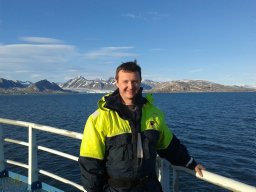 Lukas Smik合作论文数Sch Geog Earth & Environm Sci, Univ Plymouth4
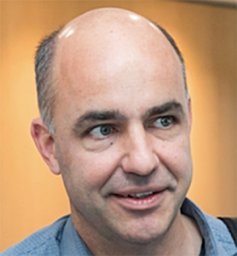 Thomas Mock合作论文数Univ E Anglia, Sch Environm Sci, Norwich NR4 7TJ, Norfolk, England4
 Matthew Huber合作论文数Department of Earth, Atmospheric, and Planetary Sciences, Purdue University;University of New Hampshire4
 Richard James Cooper合作论文数School of Environmental Sciences, University of East Anglia4Ruediger Stein合作论文数Faculty of Geosciences, Universitat Bremen4
 Gerald Dickens合作论文数Trinity College Dublin, University of Dublin4Jens Matthiessen合作论文数Alfred Wegener Institute for Polar and Marine Research4Nicholas B Harris合作论文数Department of Geosciences, The Pennsylvania State University4Sylvie Derenne合作论文数3
 Simon D. Kelly合作论文数3
 Meixun Zhao (赵美训)合作论文数Department of Marine Chemistry, College of Chemistry and Chemical Engineering, Ocean University of China3
 Jaap S. Sinninghe Damsté合作论文数Department. of Earth Sciences, Faculty of Geosciences, Utrecht University;Department of Marine Microbiology and Biogeochemistry, NIOZ Royal Netherlands Institute for Sea Research;Netherlands Earth System Science Centre3
 Krueger Tobias合作论文数IRI THESys, Humboldt University3Abbado Dimitri合作论文数3
 Jiwen Liu (刘吉文)合作论文数Institute of Evolution & Marine Biodiversity, Ocean University Of China3
 Xiaohua Zhang (张晓华)合作论文数Institute of Evolution & Marine Biodiversity, Ocean University Of China3Simon T Belt合作论文数School of Geography, Earth and Environmental Sciences, University of Plymouth3
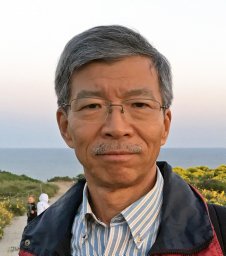 Kozo Takahashi合作论文数Department of Earth and Planetary Sciences;School of Sciences;Kyushu University;School of Sciences, Kyushu University3
 Julian Andrews合作论文数School of Environmental Sciences, University of East Anglia3
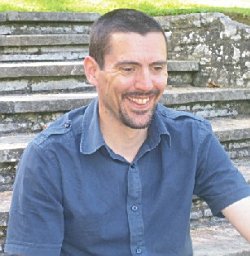 Barry G. Rawlins合作论文数British Geological Survey Keyworth Nottingham3
 Jonathan D Todd合作论文数School of Biological Sciences|University of East Anglia3Domenico Rio合作论文数3
 Kevin M. Hiscock合作论文数School of Environmental Sciences, University of East Anglia3
 Heiko Pälike合作论文数School of Ocean and Earth Science, University of Southampton3Martin Jones合作论文数3
 Jan Backman合作论文数Department of Geological Sciences, Stockholm University3
 David J. Lea-Smith合作论文数Department of Biochemistry, University of Cambridge3sara k enders合作论文数2david b mcinroy合作论文数2
 Thomas W. Wagner合作论文数2Nataliya Shkurina合作论文数2C. Isabella Bovolo合作论文数2




