BACKGROUND:Sentinel lymph node biopsy (SLNB) is increasingly used in oral cavity squamous cell carcinoma (OCSCC) as a minimally invasive approach that may reduce overtreatment and morbidity compared to elective neck dissection (END). AIM:This study evaluated the diagnostic performance of SLNB in clinically node-negative (cN0) OCSCC and its utility in mapping lymphatic drainage, particularly in advanced tumors. METHODS:A retrospective cohort of 57 cN0 OCSCC patients undergoing SLNB followed by completion neck dissection was analysed. RESULTS:In early-stage tumors (T1/T2), SLNB demonstrated 100% sensitivity and negative predictive value, with an occult metastasis rate of 23.8%. No false negatives were observed, and only one patient was upstaged. In T3/T4 tumors, sensitivity and NPV decreased to 55.6% and 60%. The false-negative rate (FNR), calculated as the proportion of false negatives among patients with histopathologically confirmed nodal metastases, was 44.4%. Contralateral or bilateral drainage occurred in 40% of well-lateralized advanced tumors, reflecting altered drainage with progression. CONCLUSION:SLNB is a reliable staging tool in early OCSCC. In advanced disease, although diagnostic accuracy is reduced, it provides valuable information on atypical drainage pathways. SIGNIFICANCE:These findings support SLNB as an effective staging and lymphatic mapping tool, reinforcing its selective integration into OCSCC management.
BACKGROUND:Large language models (LLMs) are increasingly used in clinical decision-making and patient education, including in complex specialties such as head and neck cancer (HNC). OBJECTIVE:To evaluate the performance of ChatGPT-4o and DeepSeek-V3 in answering HNC-related clinical questions. METHODS:A set of 154 questions across six clinical categories was submitted twice to both models. Responses were independently graded by head and neck surgeons using a four-point accuracy scale. Accuracy, reproducibility, and inter-model agreement were assessed. RESULTS:ChatGPT-4o and DeepSeek-V3 provided ''comprehensive/correct'' answers in 92.2% and 89.6% of cases, respectively (p = .42). The accuracy ratings of both models' responses overlapped in 85.1% of cases; however, the statistical agreement between them remained low (Cohen's κ = 0.12; ICC = 0.21, p = .006). DeepSeek-V3 outperformed ChatGPT in Treatment category (96.3% vs. 81.5%, p = .08), while ChatGPT excelled in Recovery, Complications, and Follow-up (95.0% vs. 82.5%, p = .08); however, these differences did not reach statistical significance. Reproducibility was high for both models (ChatGPT-4o: 96.1%; DeepSeek-V3: 96.8%). CONCLUSIONS:Both models demonstrated strong accuracy and consistency in HNC-related queries. SIGNIFICANCE:LLMs hold promise as reliable tools in clinical decision-making and patient education within HNCs when used with careful consideration of their inherent limitations.
Abstract Introduction Parathyroid carcinoma is a rare endocrine malignancy, accounting for a small fraction of primary hyperparathyroidism (PHPT) cases. Its rarity complicates diagnosis due to overlapping symptoms with benign conditions and challenges in pathological examination. Limited cases result in insufficient data on optimal treatment strategies and outcomes. Clinical Case A 49-year-old male with a history of symptomatic primary hyperparathyroidism (PHPT) four years earlier was referred due to recurring hypercalcemia. His initial imaging scans were unobtainable, however, he had a pathology report indicating that he had total thyroidectomy, left-sided cervical lymph node dissection (LND) and parathyroidectomy. A poorly differentiated thyroid carcinoma measuring 4.5x3.5 cm with positive surgical margins and cervical lymph node metastases (15/24) were reported. Additionally, three parathyroid glands were excised; with one reported to be a parathyroid adenoma with a Ki-67 index of 7-10%. The patient was asymptomatic for the following 4 years, except for a transient hypocalcemia early after surgery. However, recently, his symptoms of nausea, muscle weakness and fatigue returned due to recurrent PHPT. Two months before being referred to our center, he was assessed elsewhere (Serum Ca: 15.6 mg/dL, P: 1.9 mg/dL, creatinine: 1.2 g/dL, PTH: 1121 pg/mL), and given 5 mg intravenous zoledronic acid, followed by cinacalcet 30 mg daily. At the time of his presentation to our center, physical examination was unremarkable except surgical scars compatible with thyroidectomy and left-sided cervical LND, and a fixated left-sided supraclavicular lymph node of ∼2 cm. Upon presentation at our center, his labs showed Calcium: 12.07 mg/dL, phoshorus: 1.63 mg/dL, PTH: 1319 pg/mL, and imaging revealed multiple metastatic lymph nodes and lung metastases. A pathology re-evaluation confirmed parathyroid neoplasia, as the immunohistochemical evaluation of the specimens were positive for PTH but negative for thyroidal markers. Multidisciplinary treatment included cervical LND, surgical removal of lung and pleura metastases for reducing tumor load, followed by denosumab, and 16 cycles of paclitaxel and carboplatin, achieving stable disease. Sorafenib was then administered and continued for 18 months. The patient has an 8-year overall survival, with rather stable PTH levels (909-1626 pg/mL), with recent rapid PTH progression to 7897 pg/mL. Conclusion Management of parathyroid carcinoma requires a multidisciplinary approach, with a focus on meticulous metastatic assessment and calcium control. Surgical excision is advised for regional recurrences, while surgery for distant metastases is mainly palliative. Though rare, multikinase inhibitors may help manage hypercalcemia, but long-term survival data are lacking, warranting further research.
OBJECTIVE:The present study aimed to investigate the symptomatic swallowing complaints in individuals with total laryngectomy (TL) and reveal how swallowing kinematics differs between those with and without symptomatic dysphagia complaints. METHODS:A total of 34 subjects with TL were included in the study. Swallowing kinematics of those with symptomatic swallowing complaints (Group 1) were compared to those without (Group 2). Kinematic parameters including pharyngeal transit duration (PTD), maximum pharyngeal constriction ratio (MPCR), upper esophageal sphincter opening ratio (UESOR), upper esophageal sphincter opening duration (UESOD), and bolus clearance ratio (BCR) were investigated from Videofluoroscopic Swallowing Study (VFSS) records via ImageJ software. RESULTS:Symptomatic swallowing complaints were determined in 47.1% of the subjects (n = 16). Difficulty while swallowing solid foods and pills, diminished pleasure of eating, food getting stuck in the throat, and increased level of stress during swallowing were among the major swallowing complaints in the present cohort. PTD, MPCR, and BCR parameters were significantly higher in subjects with symptomatic swallowing complaints than those without. CONCLUSION:These preliminary findings indicate that almost half of individuals with TL may have symptomatic swallowing complaints. The underlying pathophysiology of this phenomenon may be the devianced kinematic parameters including PTD, MPCR, and BCR in this population. Therefore, it is recommended to include the kinematic measurements in the dysphagia evaluation protocol in individuals with TL, most notably in those with symptomatic swallowing complaints. LEVEL OF EVIDENCE:3 Laryngoscope, 135:809-817, 2025.
Background: We aimed to evaluate the effect of sarcopenia on survival in head and neck squamous cell carcinoma patients treated with chemoradiotherapy. Materials & methods: Disease-free survival and overall survival were compared according to cervical computed tomography for radiotherapy in 123 sarcopenic and non-sarcopenic patients with locally advanced head and neck squamous cell carcinoma treated with chemoradiotherapy with weekly cisplatin. Results: In multivariate analyses, pretreatment sarcopenia was associated with lower disease-free survival (hazard ratio: 2.60; 95% CI: 1.38-4.87; p = 0.003) and overall survival (hazard ratio: 2.86; 95% CI: 1.40-5.85; p = 0.004). Sarcopenic patients experienced more frequent radiotherapy-related toxicities and platinum-related side effects than non-sarcopenic patients. Conclusion: Sarcopenia could be a potential biomarker to predict prognosis and treatment toxicity in head and neck squamous cell carcinoma.
Background and objectiveChat Generative Pre-trained Transformer (ChatGPT) is an artificial intelligence (AI)-based language processing model using deep learning to create human-like text dialogue. It has been a popular source of information covering vast number of topics including medicine. Patient education in head and neck cancer (HNC) is crucial to enhance the understanding of patients about their medical condition, diagnosis, and treatment options. Therefore, this study aims to examine the accuracy and reliability of ChatGPT in answering questions regarding HNC.Methods154 head and neck cancer-related questions were compiled from sources including professional societies, institutions, patient support groups, and social media. These questions were categorized into topics like basic knowledge, diagnosis, treatment, recovery, operative risks, complications, follow-up, and cancer prevention. ChatGPT was queried with each question, and two experienced head and neck surgeons assessed each response independently for accuracy and reproducibility. Responses were rated on a scale: (1) comprehensive/correct, (2) incomplete/partially correct, (3) a mix of accurate and inaccurate/misleading, and (4) completely inaccurate/irrelevant. Discrepancies in grading were resolved by a third reviewer. Reproducibility was evaluated by repeating questions and analyzing grading consistency.ResultsChatGPT yielded “comprehensive/correct” responses to 133/154 (86.4%) of the questions whereas, rates of “incomplete/partially correct” and “mixed with accurate and inaccurate data/misleading” responses were 11% and 2.6%, respectively. There were no “completely inaccurate/irrelevant” responses. According to category, the model provided “comprehensive/correct” answers to 80.6% of questions regarding “basic knowledge”, 92.6% related to “diagnosis”, 88.9% related to “treatment”, 80% related to “recovery – operative risks – complications – follow-up”, 100% related to “cancer prevention” and 92.9% related to “other”. There was not any significant difference between the categories regarding the grades of ChatGPT responses (p=0.88). The rate of reproducibility was 94.1% (145 of 154 questions).ConclusionChatGPT generated substantially accurate and reproducible information to diverse medical queries related to HNC. Despite its limitations, it can be a useful source of information for both patients and medical professionals. With further developments in the model, ChatGPT can also play a crucial role in clinical decision support to provide the clinicians with up-to-date information.
OBJECTIVE:Angiogenesis is indeed a vital process in the progression of carcinomas, including that of larynx. Therefore, this study (AngLaC) aimed to identify candidate angiogenesis-related biomarkers in laryngeal carcinoma patients.STUDY DESIGN:Prospective controlled cohort study.SETTING:Tertiary referral center.METHODS:In silico analyses of angiogenesis-related genes in laryngeal carcinoma were performed to determine candidate biomarkers. Serum levels of candidate biomarkers were determined via enzyme-linked immunosorbent assay in laryngeal carcinoma patients as well as in an age and gender-matched control group. The associations of the biomarkers with clinical parameters were investigated.RESULTS:The study included 60 laryngeal carcinoma patients and 20 healthy controls. The serum levels of osteopontin, IGFBP-3, VEGF, sVEGFR-1, and VEGFR-2 were significantly higher in the patient group (p < .001, p ≤ .001, p < .001, p < .01, p < .01, respectively). High osteopontin and sVEGFR-1 levels were associated with locoregional-recurrence (p = .024, p = .016, respectively). IGFBP-3 had the highest diagnostic sensitivity (81.4%) and specificity (80%) among the molecules that were investigated (p < .001). High sVEGFR-1 and low VEGFR-2 levels were associated with poor overall-survival (p = .037, p = .027, respectively). High osteopontin and sVEGFR-1 levels were associated with poor disease-specific survival rates (p = .035, p = .018, respectively).CONCLUSION:High serum levels of sVEGFR-1 and osteopontin as well as low serum levels of VEGFR-2 proved to be poor prognostic in terms of survival in laryngeal carcinoma. VEGF, sVEGFR1, VEGFR2, IGFBP-3, and osteopontin levels were found to be significantly increased in larynx cancer patients compared to the normal population. Further studies on osteopontin and sVEGFR-1 are required in order to determine their associations with recurrence.
Intensity-modulated radiotherapy (IMRT) is a treatment method that is used in the treatment of head and neck cancers. Impairment of chewing and swallowing functions in the early and late periods of radiotherapy is frequent. Therefore, revealing the dose–effect relationship is important. The main purpose of this study is to investigate the dose–effect relationship between chewing and swallowing structures objectively via a standardized videofluoroscopy protocol. The study included 35 participants treated with chemo-IMRT. A videofluoroscopic swallowing study (VFSS) was performed before IMRT, and 3 and 6 months after IMRT. VFSS results were scored according to the Modified Barium Swallow Impairment Profile (MBSImP) and the Penetration-Aspiration Scale (PAS). Maximum interincisor mouth opening, body mass index (BMI), and Functional Oral Intake Scale levels were determined in these cases. The quality of life of participants was evaluated. There was a significant increase in PAS and MBSImP scores and a significant decrease in BMI scores of the patients after treatment. Xerotomy and sticky saliva complaints increased after treatment. The dose to the mastication muscles (> 40 Gy) and the temporomandibular joint (> 46 Gy) were found to be associated with a decrease in BMI; the dose to the superior pharyngeal constructor muscle (> 58 Gy) was found to be associated with pharyngeal stripping wave. The presence of aspiration was associated with the inferior pharyngeal constructor muscle, glottic larynx, supraglottic larynx, and upper esophageal sphincter. Important findings to emerge from this study include detected toxic dose limits. These findings may guide physicians to minimize the side effects of IMRT.
Introduction: Lysyl oxidase-like 4 is an amine oxidase from the lysyl oxidase family that was previously shown to be overexpressed in head and neck cancer and upregulated in response to hypoxia. The possible role of lysyl oxidase-like 4 as a tumor marker in advanced stage larynx cancer was investigated. Objective: To investigate the expression of lysyl Oxidase-Like 4 protein in advanced stage laryngeal cancer and elucidate its possible role as a tumor marker, predictor of treatment response and prognosticator. Methods: Diagnostic specimens of 72 patients treated for stage III–IV laryngeal squamous cell carcinoma were evaluated for lysyl oxidase-like 4 expression by immunohistochemistry. Results: Lysyl oxidase-like 4 expression was correlated with advanced tumor stage (p = 0.041) and better differentiation (p = 0.025) but was independent of tumor diameter (p = 0.456). Response to induction chemotherapy or the need for salvage laryngectomy were not affected by lysyl oxidase-like 4 expression (p = 0.999, p = 0.070 respectively). Increased lysyl oxidase-like 4 expression was associated with better 2 year overall survival in both univariate (p = 0.036) and multivariate analyses (p = 0.014). Conclusion: Lysyl oxidase-like 4 expression emerges with advancing stages, is lost with worsening differentiation, and may have tumor suppressive properties in larynx cancer.
Background This study aims to develop and validate a new classification system that better predicts combined risk of neurological and neurovascular complications following CBT surgery, crucial for treatment decision-making. Methods Multinational retrospective cohort study with 199 consecutive cases. A cohort of 132 CBT cases was used to develop the new classification. To undertake external validation, assessment was made between the actual complication rate and predicted risk by the model on an independent cohort (n = 67). Results Univariate analyses showed statistically significant associations between developing a complication and the following factors: craniocaudal dimension, volume, Shamblin classification, and Mehanna types. In the multivariate prognostic model, only Mehanna type remained as a significant risk predictor. The risk of developing complications increases with increasing Mehanna type. Conclusions We have developed and then validated a new classification and risk stratification system for CBTs, which demonstrated better prognostic power for the risk of developing neurovascular complications after surgery.
Purpose Neck dissection (ND), whether therapeutic or elective, is an essential component of the treatment of head and neck squamous cell carcinoma (HNSCC). Due to altered anatomy and fibrosis caused by initial treatments, surgeons face challenges during salvage ND. A combination of Technetium-99 m and indocyanine green (ICG) previously used in the sentinel lymph node (SLN) biopsy for oral cavity cancers, may be useful in different types of neck surgeries. We aimed to show the additional advantage of this combination in detecting HNSCC and thyroid cancer recurrences, as well as individual lymphatic drainage in elective ND. Methods We retrospectively reviewed medical records of patients, underwent neck surgery guided with ICG and Tc-99 m, in Hacettepe University Hospital between June 2018 and December 2020. In a total of 28 patients, intraoperative gamma probes were paired with near infrared (NIR) cameras. Patients are divided into two groups: neck surgery with recurrent occult lesion localization (NS- ROLL) (n: 14) and ND with SLN screening (ND-SLNS) (n: 14). Results Among all 14 patients in NS-ROLL group, recurrent diseases, hidden behind tissues were 100% successfully localized. In ND-SLNS group, 238 lymph nodes were harvested, metastasis rate was 31.3% (10/32) in sentinel nodes. SLNS revealed 100% accuracy in detecting metastasis in clinically N0 neck (10/238). Contralateral lymphatic drainage was observed in three patients (lateral-sided oral cavity SCC). In two patients (floor of mouth), three sentinel nodes were detected by NIR only. Conclusion The use of ICG-radiotracer provides additional value in disease removal for both primary and recurrent tumors of the head and neck.
The level of the major endocannabinoids anandamide (AEA) and 2-arachidonoylglycerol (2-AG) are altered in several types of carcinomas, and are known to regulate tumor growth. Thusly, this study hypothesized that the HEp-2 human laryngeal squamous cell carcinoma (LSCC) cell line releases AEA and 2-AG, and aimed to determine if their exogenous supplementation has an anti-proliferative effect in vitro. In this in vitro observational study a commercial human LSCC cell line (HEp-2) was used to test for endogenous AEA and 2-AG release via liquid chromatography-tandem mass spectrometry (LC–MS/MS). The anti-proliferative effect of AEA and 2-AG supplementation was evaluated via WST-1 proliferation assay. It was observed that the HEp-2 LSCC cell line released AEA and 2-AG; the median quantity of AEA released was 15.69 ng mL–1 (range: 14.55–15.95 ng mL–1) and the median quantity of 2-AG released was 2.72 ng –1 (range: 2.67–2.74 ng mL–1). Additionally, both AEA and 2-AG exhibited an anti-proliferative effect. The anti-proliferative effect of 2-AG was stronger than that of AEA. These findings suggest that AEA might function via a CB1 receptor-independent pathway and that 2-AG might function via a CB2-dependent pathway. The present findings show that the HEp-2 LSCC cell line releases the major endocannabinoids AEA and 2-AG, and that their supplementation inhibits tumor cell proliferation in vitro. Thus, cannabinoid ligands might represent novel drug candidates for laryngeal cancers, although functional in vivo studies are required in order to validate their potency.
Purpose: Our study aimed to quantify the impact of submandibular gland (SMG) resection during Level I neck dissection (ND) on stimulated salivary output (SSO) and xerostomia-related quality of life in patients with head and neck cancer (HNC). Methods: A retrospective cohort was formed from 32 patients that underwent unilateral or bilateral Level I ND and a control group of 23 patients that had level II–IV ND. SSO (Saxon test) and University of Washington Quality of Life survey results for both groups were compared. Results: Mean SSO was 3.41 g in the SMG resection group and 3.86 g in the control group, with no significant statistical difference. There was no difference in mean SSO between patients with 2 SMGs, a single remaining SMG, or no glands. The mean SSO of SMG resection cases with a history of adjuvant RT was 2.61 g which was below the xerostomia threshold for the Saxon test (2.75 g) and control group patients with RT had a significantly higher mean SSO (4.07 g). The lowest UW-QoL saliva domain score average (53.8) was in the SMG-resected, RT-positive group. Conclusion: Results indicate unilateral or bilateral resection of SMG does not reduce SSO to a significant extent. Adjuvant radiotherapy and SMG resection are additive risk factors for xerostomia and the related loss in quality of life. SMG sparing may be necessary in HNC patients with higher risk for the need of adjuvant radiation.
Reconstruction of parotidectomy involves the correction of facial contour abnormalities and prevention from Frey Syndrome. Reconstruction of parotidectomy field with autologous fat has not been popular among head and neck surgeons due to unclear predictability of fat resorption rates. The aim of this paper is to compare the fat resorption rates between different fat transfer techniques using radiologic measurements and reviewing the aesthetic and functional outcomes. We retrospectively reviewed medical records of patients, who underwent parotidectomy in Hacettepe University Hospital between 2015 and 2018. The aesthetic and functional outcomes of en-bloc fat graft and lipofilling techniques were compared among themselves, as well as with patients who had no reconstruction, using objective parameters. Fat resorption rates were compared using calculation of fat volumes obtained by MRI scans, 1 year after surgery. Among 77 patients, 26 underwent reconstruction with en-bloc fat graft (P-EBFG); 21 patients reconstruction with lipofilling technique (P-LFT), whereas 30 patients had no reconstruction of parotidectomy field (P-NR). In three groups, there was no statistically significant difference in mean resected parotid tissue volumes (mean 18 ± 10.8 cm3, p = 0.754). We found a significant difference in decreased presence of Frey Syndrome and increased satisfation rates of cosmetic appearance in P-EBFG and P-LFT, in comparison to P-NR (p < 0.001). There was no significant difference in fat resorption rates between P-EBFG (50.75 + 21.20%) and P-LFT (48.59 + 17.93%) (p = 0.771). Both en-bloc fat graft and lipofilling techniques have been found to be safe and to have similar fat resorption rates for reconstruction after parotidectomy.
Medullary thyroid cancer (MTC) arises from neuroendocrine C cells of the thyroid. There is no single diagnostic imaging method that can reveal all MTC recurrences or metastases. 68Ga-DOTATATE is an alternative PET radiotracer that showed acceptable efficacy in the detection of MTC. In this study, we aimed to reveal the clinical efficacy and impact of this radiotracer on the management of patients with MTC. The 68Ga-DOTATATE PET-CT records of 38 patients with confirmed MTC were included in the study. The demographic data, clinical indication for the scan, previous therapies, and tumor marker levels were recorded. The site and SUVmax of the lesions were also noted. A consensus was reached on the additional value of 68Ga-DOTATATE PET-CT, and sites with discordant results on conventional imaging (CI). Finally, changes in management after the scan were evaluated. 68Ga-DOTATATE PET-CT outperformed CI in 14/38 (37%) patients. In these 14 patients, metastatic lymph nodes were detected in 8, bone metastases in 4, and both bone and lymph nodes metastases in 2 patients. In 16/38 (42%) patients, 68Ga-DOTATATE PET-CT performed equally well as CI. In 5/38 (13%) patients, CI outperformed PET-CT. Most of the patients (4/5) in this group had hepatic metastases. 68Ga-DOTATATE PET-CT positivity was also correlated with tumor marker expression [median calcitonin; PET-positive: 743 ± 5439 vs PET-negative: 45 ± 17 (p:0.012), median CEA; PET-positive: 41 ± 162 vs PET-negative: 2.6 ± 1.4 (p:0.015)]. 68Ga-DOTATATE PET-CT changed the clinical management of 13/38 (34%) patients. The information provided by PET-CT resulted in neck surgery in 5/13 patients, external radiotherapy in 3/13 and both in one patient. Four of these thirteen patients were found to be eligible for peptide receptor radionuclide therapy. 68 Ga-DOTATATE is an essential part of the work-up for patients with MTC. This modality outperformed CI in 14/38 (37%) patients and changed the clinical management in 13/38 (34%) patients. Prospective randomized studies with image-guided therapy decisions are needed to further reveal the impact of PET imaging in patients with MTC.
Objective: This study is designed to determine the value and accuracy of Fiberoptic Endoscopic Evaluation of Swallowing (FEES) in the diagnosis of swallowing disorders as a diagnostic tool, in comparison with the widely accepted Videofluoroscopic Swallowing Study (VFSS) in pediatric patients.Methods: Cross-sectional study in tertiary referral center. Fifty one children with swallowing difficulty due to various diseases were prospectively evaluated using both VFSS and FEES. The variables, early pharyngeal spillover, pharyngeal residues, laryngeal sensitivity-silent aspiration, laryngeal penetration and laryngeal aspiration were evaluated in all patients. Results: Mean patient age was 29.8±17.8 (range 9-72) months. Six patients were younger than 13 months, 19 were between 13 and 24 months, and 26 patients were older than 2 years of age. There were 21 (42%) females and 30 (58%) males in the study group. Significant correlation in pharyngeal residues and laryngeal sensitivity-silent aspiration findings were found between FEES and VFSS data. No Significant dissimilarity in laryngeal aspiration and penetration evaluation was found. Conclusion: Swallowing evaluation in children is more challenging than adults. Study findings showed that FEES outcomes correlate with VFSS data, especially in the diagnosis of laryngeal aspiration and FESS is a valuable tool in identifying swallowing disorders in pediatric patients
Objective: This study aimed to assess the efficiency of radiotherapy and evaluate its outcomes for elderly (> 65 years) patients who have undergone treatment for nasopharyngeal carcinoma (NPC). Methods: Forty- five (male, 35; female, 10) elderly patients with a diagnosis of undifferentiated NPC who were treated at our institution between 1994 and 2012 were retrospectively evaluated. The primary endpoint was the relationship between the patients' characteristics and overall survival (OS); progression-free survival (PFS), locoregional progression-free survival (LR-PFS), and toxicity analysis were the secondary endpoints. Results: The patients had a median age of 74.2 years. At a median follow-up period of 64 months, the median OS, PFS, and LR-PFS were 45 (95% confidence interval [CI]: 5.887-84.113), 34 (95% CI: 0.0-70.504), and 45 (95% CI: 20.092-69908) months, respectively. The 2-, 3-, and 5-year OS rates were 61.5%, 53.1%, and 50.0%, respectively, and the 2-, 3-, and 5-year PFS rates were 57.6%, 46.8%, and 43.7%, respectively. Patients with T stage (T3-T4 vs.T1-T2) or N stage (N0-1 vs. N2) had significantly shorter OS (p<0.05), PFS (p<0.05), and LR-PFS (p<0.05) outcomes, respectively, which were also confirmed using a multivariate analysis (p<0.05). Conclusion: Our results demonstrated that the established prognostic factors, including T and N stages, were important prognostic indicators of NPC in elderly patients.
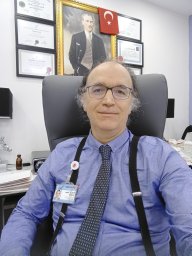 Taner Yılmaz合作论文数Medicine Faculty, Hacettepe University16
 Sefik Hosal合作论文数Medical Faculty, Hacettepe University16
 Kuscu Oguz合作论文数Faculty of Medicine, Hacettepe University14Rıza Önder Günaydın合作论文数13
 Serdar Ozer合作论文数11
 Mehmet Umut Akyol合作论文数10
 Munir Demir Bajin合作论文数Faculty of Medicine, Hacettepe University Hospital9Gamze Atay合作论文数8
 Murat Tuncel合作论文数Faculty of Medicine, Hacettepe University7
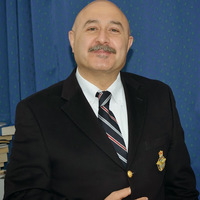 Ibrahim Gullu (易卜拉欣·古鲁)合作论文数Hacettepe University5Ozan Muzaffer Altuntaş合作论文数4Sennaroglu Levent合作论文数4
 Cabbarzade Cavid合作论文数School of Medicine, Hacettepe University4Bülent Sözeri合作论文数4
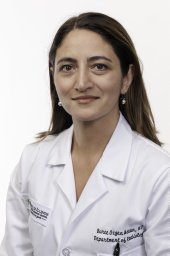 Burce Ozgen Mocan合作论文数Faculty of Medicine, Hacettepe University4Övsen Önay合作论文数3
 Altan Gunes合作论文数3Cengiz Mustafa合作论文数3
 Nimet Anıl Barak Dolgun合作论文数3Kayikci Mavis Emel Kulak合作论文数3
 Elif Bulut合作论文数3
 Pamuk A Erim合作论文数Faculty of Medicine, Hacettepe University3Kayahan Bahar合作论文数3Gozde Yazici合作论文数Faculty of Medicine, Hacettepe University3
 Ahmet Emre Suslu合作论文数3
 H. Kader Karli Oguz合作论文数Division of Neuroradiology, Department of Radiology, University of California, Davis;University of California Davis Medical Center;UC Davis Health3Yesim Gaye Guler Tezel合作论文数2Rezarta Taga Senirli合作论文数2Anil Barak Dolgun合作论文数2G. Kaya合作论文数2
 Onal Incebay合作论文数Faculty of Health Sciences, Hacettepe University2
 Emel Tahir合作论文数Faculty of Medicine, Ondokuz Mayıs University2
 Fatma aydınlı合作论文数2
 Sibel Ersoy-Evans合作论文数School of Medicine, Hacettepe University2
 Saadettin Kılıçkap合作论文数Department of Medical Oncology, Faculty of Medicine, Istinye University;Liv Hospital2
 Onur Ergun合作论文数2Sozen Tevfik合作论文数Faculty of Medicine, Hacettepe University2Ermutlu Gülce合作论文数2
 Omer Erdeve合作论文数Ankara Üniversitesi Tıp Fakültesi;Ankara Üniversitesi Neonatoloji2Aysen Karaduman合作论文数2Bilgehan Budak合作论文数2
 Gökhan Özyiğit合作论文数Department of Radiation Oncology, Hacettepe University2
 Asli Hapa合作论文数2Bülent Gürsel合作论文数2Oğuz Öğretmenoğlu合作论文数Faculty of Medicine, Hacettepe University2M D Bajin合作论文数1
 Sercan Aksoy合作论文数1G. Yazici合作论文数1S. Yuce Sari合作论文数1




