OBJECTIVES We sought to determine whether coronary vascular nitric oxide (NO) release in vivo modulates platelet activation.BACKGROUND Nitric oxide modulates vasodilator tone and platelet activity via the cyclic guanosine monophosphate (cGMP) pathway, but whether coronary endothelial dysfunction influences platelet cGMP content during intracoronary infusion of acetylcholine (ACH), L-N-G monomethyl arginine (L-NMMA) and sodium nitroprusside.RESULTS Acety;choline increased platelet cGMP content (p = 0.013), but its magnitude was lower in patients with endothelial dysfunction; thus, patients with epicardial constriction with ACH had a 7 +/- 6%, p = ns change compared with a 32 +/- 13%, p = 0.05 increase in platelet cGMP in those with epicardial dilation. Similarly, patients with atherosclerosis or its risk factors had a smaller increase (9 +/- 6%) compared with those having normal coronary arteries without risk factors (51 +/- 22%, p = 0.019). L-N-G monomethyl arginine decreased platelet cGMP content to a greater extent in patients with epicardial dilation with ACH (-15 +/- 7%, p = 0.06) compared to those with constriction (+5 +/- 6% change, p = 0.5). Sodium nitroprusside produced a similar increase in platelet cGMP content in patients with and without endothelial dysfunction (p = 0.56). The effect of sodium nitroprusside, but not ACH or L-NMMA, were reproduced in vitro.CONCLUSIONS Platelet cGMP levels can be modulated by basal and stimulated release of NO. The platelet inhibitory effect of NO is reduced in patients with endothelial dysfunction, which may explain their increased risk from thrombotic events and the improved survival associated with strategies designed to improve vascular function. (C) 2001 by the American College of Cardiology.
Our objectives were to (1) test the hypothesis that nitric oxide (NO) contributes to peak reactive hyperemia (RH) in the human peripheral vasculature, (2) examine the impact of atherosclerosis and its risk factors on RH, and (3) investigate whether L-arginine will improve RH in patients with endothelial dysfunction. The endothelium contributes to shear stress-mediated vasomotion by releasing a variety of dilating factors, including NO, but the contribution of NO to peak RH in patients with and without endothelial dysfunction is unknown. Endothelium-dependent and endothelium-independent function was assessed with intrafemoral arterial acetylcholine (ACh) and sodium nitroprusside. RH was produced by occlusion of blood flow to the leg for 3 minutes. The study was repeated after N-G-monomethyl-L-arginine (L-NMMA) in 44 subjects and L-arginine in 9 patients with atherosclerosis. There were 15 normal control subjects without risk factors for atherosclerosis and 29 patients with risk factors or angiographic atherosclerosis. Microvascular vasodilation in response to ACh, but not to sodium nitroprusside, was lower in the patients with risk factors or atherosclerosis compared with normal control subjects, P=0.048, and the inhibition of ACh-induced microvascular dilation by L-NMMA was also greater in normal control subjects (P=0.045). Similarly, RH, including the peak response, was inhibited by L-NMMA in normal control subjects (P=0.0011) but not in patients with risk factors or atherosclerosis, suggesting that the contribution of NO to both ACh-induced dilation and RH was diminished in patients with risk factors or atherosclerosis. L-Arginine did not affect vasodilation in response to ACh, sodium nitroprusside, or RH. We concluded that (1) NO contributes to all phases of RH in the normal human peripheral vasculature, (2) patients with atherosclerosis or its risks have abnormal NO bioactivity in response to pharmacological and physiological stimulation, and (3) L-arginine does not improve RH in atherosclerosis. Reduced physiological vasodilation in atherosclerosis may contribute to or exacerbate hypertension and ischemia.
BACKGROUND We investigated whether luminal release of nitric oxide (NO) contributes to inhibition of platelet activation and whether these effects are reduced in patients with atherosclerosis. METHODS AND RESULTS Femoral blood flow velocity and ex vivo whole blood platelet aggregation by impedance aggregometry were measured in femoral venous blood during femoral arterial infusion of acetylcholine (ACh; 30 microg/min) in 30 patients, 19 of whom had angiographic atherosclerosis. Measurements were repeated with sodium nitroprusside (40 microg/min), L-arginine (160 micromol/min), and N(G)-monomethyl-L-arginine (L-NMMA; 16 micromol/min). There was significant inhibition of collagen-induced platelet aggregation with ACh (45+/-9.5% lower, P<0.001), and this inhibition was greater in patients without atherosclerosis (68.7+/-10.4% reduction) than in those with atherosclerosis (32.5+/-8.1%, P=0.04). The magnitude of inhibition correlated with vasodilation with ACh, indicating an association between the smooth muscle and antiplatelet effects of endothelium-dependent stimulation. Neither L-NMMA nor sodium nitroprusside altered platelet aggregation. L-Arginine inhibited platelet aggregation equally in vitro (34+/-8% reduction, P<0.01) and in vivo (37+/-13% reduction, P<0.01). CONCLUSIONS Stimulation of NO release into the vascular lumen with ACh inhibits platelet aggregation, an effect that is attenuated in patients with atherosclerosis and endothelial dysfunction. Basal NO release does not appear to contribute to platelet passivation in vivo. L-Arginine inhibited platelet aggregation by its direct action on platelets. These findings provide a pathophysiological basis for the observed increase in thrombotic events in atherosclerosis. Use of L-arginine and other strategies to improve endothelial NO activity may impact favorably on thrombotic events in atherosclerosis.
Objectives. We hypothesized that L-arginine would improve abnormal coronary vasodilation in response to physiologic stress in patients with atherosclerosis and its risk factors by reversing coronary endothelial dysfunction.Background. Studies have demonstrated that physiologic coronary vasodilation correlates with endothelial function and that L-arginine, the substrate for nitric oxide synthesis, improves the response to acetylcholine (Ach).Methods. Changes in coronary blood flow and epicardial diameter response to Ach, adenosine and cardiac pacing were measured in 32 patients with coronary atherosclerosis or its risk factors and in 7 patients without risk factors and normal coronary angiograms.Results. Intracoronary L-arginine did not alter baseline coronary vascular tone, but the epicardial and microvascular responses to Ach were enhanced (both p < 0.001). The improvement after L-arginine was greater in epicardial segments that initially constricted with Ach; similarly L-arginine abolished microvascular constriction produced by higher doses of Ach. Thus, there mas a negative correlation between the initial epicardial and vascular resistance responses to Ach and the magnitude of improvement with L-arginine (r = -0.55 and r = -0.50, respectively, p < 0.001). D-Arginine did not affect the responses to Ach, and adenosine responses were unchanged with L-arginine. Cardiac pacing-induced epicardial constriction was abolished ba L-arginine, hut microvascular dilation remained unaffected.Conclusions. Thus, L-arginine improved endothelium dependent coronary epicardial and microvascular function in patients with endothelial dysfunction. Prevention of epicardial constriction during physiologic stress by L-arginine in patients with endothelial dysfunction may be of therapeutic value in the treatment of myocardial ischemia. (C) 1997 by the American College of Cardiology.
OBJECTIVES:We determined the activity of nitric oxide at rest and after acetylcholine in the atherosclerotic human coronary circulation. BACKGROUND:Although responses to acetylcholine, an endothelium-dependent vasodilator, are abnormal in patients with coronary atherosclerosis, whether this reflects abnormal nitric oxide activity in humans in vivo has not been investigated previously. METHODS:We investigated the effects of intracoronary L-NG-monomethyl arginine (L-NMMA), a specific antagonist of nitric oxide synthesis, on coronary vascular resistance and epicardial coronary artery diameter at rest and after acetylcholine in 24 patients with coronary artery disease and in 12 subjects with angiographically normal coronary arteries who were free from atherosclerotic risk factors. RESULTS:With L-NMMA, the 13 +/- 4% (mean +/- SEM) increase in coronary vascular resistance and the 4 +/- 1% lumen diameter narrowing in atherosclerotic patients were lower than the 38 +/- 9% increase in resistance and the 15 +/- 2% decrease in diameter (both p < 0.01) observed in normal control subjects, indicating reduced basal nitric oxide activity in atherosclerosis. The degree of angiographic atherosclerotic narrowing did not correlate with the magnitude of diameter reduction. Acetylcholine-induced coronary epicardial and microvascular dilation was also depressed in atherosclerotic patients (32.2 +/- 9% reduction in coronary vascular resistance with 10(-6) mol/liter acetylcholine) compared with normal control subjects (65.5 +/- 2% decrease, p < 0.01). L-NMMA inhibited acetylcholine-induced epicardial and microvascular vasodilation in both patient groups, but the inhibition was greater in normal control subjects than in atherosclerotic patients, indicating that stimulation of nitric oxide activity by acetylcholine is reduced in atherosclerotic patients compared with normal control subjects. Coronary vascular dilation with sodium nitroprusside was similar in both groups and was not suppressed by L-NMMA. Furthermore, L-arginine reversed the constrictor effects of L-NMMA, indicating that the action of L-NMMA is specifically caused by inhibition of nitric oxide production from L-arginine. CONCLUSIONS:These findings indicate that 1) there is a reduced basal activity of nitric oxide in the human atherosclerotic epicardial and microvascular coronary circulation; and 2) acetylcholine-induced coronary vascular dilation is at least partly due to stimulation of the activity of nitric oxide, and the reduced response to acetylcholine is due to attenuation in the stimulated activity of nitric oxide in patients with atherosclerosis.
Objectives. This study sought to compare the circadian variations in transient ischemic activity, mean heart rate and ischemic threshold between women and men with coronary artery disease.Background. There is a circadian variation in ischemic activity, onset of myocardial infarction and sudden cardiac death in patients with coronary artery disease, but studies assessing ischemia have incorporated predominantly male subjects.Methods. Thirty-one women and 45 men underwent at least 48 h of ambulatory ST segment monitoring.Results. There was a similar and significant circadian variation in ischemic activity in both women and men (p < 0.0001 and p < 0.0001, respectively), with a trough at night, a surge in the morning and a peak between 1 and 2 PM, corresponding to a similar circadian variation in mean hourly heart rate (p < 0.0001) that was not different between men and women (p = 0.28, power to detect a shift 99.9%). Mean heart rate at onset of ischemia (ischemic threshold) had similar variability in women and men (p = 0.96), and harmonic regression analysis confirmed a significant circadian variation (p < 0.0001), with a trough at night and a peak during activity hours. Heart rate increased significantly in the 5 min before ischemia throughout the 24 h (p < 0.0001), with no gender differences in the pattern of preonset to onset heart rate changes over time (p = 0.52); the smallest differences were recorded in the middle of the night. The majority of ischemic episodes (80%) had a heart rate increase >5 beats/min in the 5 min before ischemia, but there were no gender differences.Conclusions. Women with coronary artery disease have a pattern of ischemic activity and underlying pathophysiologic mechanisms very similar to men. The importance of increase in myocardial oxygen demand in the genesis of ischemia in both men and women is reflected by similar magnitude of heart rate increases before ischemia. The lower ischemic threshold during the nocturnal hours, when blood pressure is also lower, is consistent with a circadian variation in underlying coronary vascular tone.
Mental stress often causes myocardial ischemia in patients with coronary artery disease (CAD). There is increasing evidence that the coronary microcirculation of patients with atherosclerosis may be dysfunctional, with the potential of contributing to myocardial ischemia. This study investigated sympathetically mediated coronary microcirculatory and regional noradrenergic effects of mental stress. We measured left anterior descending coronary artery blood flow and norepinephrine kinetics at rest and during a 10-minute video game in 10 CAD patients with nonsignificant atherosclerosis of this artery and in 5 patients with normal coronary angiograms (NCA). The 2 groups did not differ in their responses of systemic and cardiac norepinephrine spillovers, heart rate, and blood pressure during mental stress. Patients with NCA had microvascular dilation during mental stress (26 +/- 9% [mean +/- SD] decline in coronary vascular resistance from baseline, p < 0.01), whereas patients with CAD did not (9 +/- 20% decline, p = 0.11). Six patients with CAD then received intracoronary phentolamine (1.7 micrograms/kg/min for 5 minutes, followed by 0.17 micrograms/kg/min) and played the video game again. In contrast to nonsignificant changes in coronary resistance during the initial video game (6 +/- 15% decline, p = 0.20), coronary vascular resistance decreased significantly during the repeat video game (25 +/- 19% decline, p = 0.02). Vasomotor responses of epicardial coronary artery segments did not differ between the 2 video game studies. Five other patients (4 with CAD, 1 with NCA) repeated the video game during intracoronary administration of 5% dextrose, with systemic and coronary hemodynamic and noradrenergic responses unchanged from those during the initial video game.(ABSTRACT TRUNCATED AT 250 WORDS)
Norepinephrine (NE) and epinephrine (E) are metabolized extraneuronally by catechol-O-methyl-transferase to the metanephrines (MNs), normetanephrine (NMN) and metanephrine (MN). Subjects in this study received infusions of tritium-labeled NE and E. Concentrations of MNs and catecholamines were measured in plasma flowing into and out of the heart, forearm, lungs, kidneys, mesenteric organs (gastrointestinal tract, spleen, and pancreas), liver, and adrenals to examine the regional production of MNs from circulating and locally released catecholamines. NE spillover from mesenteric organs and kidneys accounted for 64% of the spillover from all tissues. There was detectable spillover of E from most extraadrenal tissues, but 91% was from the adrenals. The production of MNs from locally released and circulating catecholamines varied widely among tissues. The liver made the largest contribution to removal of circulating NE (57%) and E (32%) and the largest contribution to the production of NMN (54%) and MN (37%) from metabolism of circulating catecholamines. In all other tissues more NMN was produced from locally released than from circulating NE. Thus, the metabolism of circulating NE was responsible for only 19% of the total production of NMN. An even smaller portion (6%) of plasma MN was derived from metabolism of circulating E. Most plasma MN (91%) was produced within the adrenals, which also provided the largest single source (23%) of NMN. The regional variation in extraneuronal production of MNs indicates considerable heterogeneity in how circulating and locally released catecholamines are handled by different tissues. The substantial contribution of the adrenals to the production of MNs explains the extraordinary sensitivity of these metabolites for the diagnosis of pheochromocytoma.
The bioavailability of nitric oxide (NO) in the human coronary circulation at rest and after acetylcholine (ACH)-induced vasodilation was investigated in 32 patients with angiographically normal coronary arteries. The effects of intracoronary L-NG monomethyl arginine (L-NMMA) were investigated at rest and after ACH, sodium nitroprusside, and adenosine. L-NMMA (64 mumol/min) increased resting coronary vascular resistance by 22% (P < 0.001), reduced distal epicardial coronary artery diameter by 12.6% (P < 0.001), and inhibited ACH-induced coronary epicardial and microvascular vasodilation. These effects were reversed with intracoronary L-arginine. L-NMMA did not inhibit dilation in response to sodium nitroprusside and adenosine. 23 patients were exposed to one or more coronary risk factors. The vasoconstrictor effect of L-NMMA on the epicardial and microvessels was greater in patients free of risk factors: Coronary vascular resistance was 36% higher in patients without risks, compared to 17% higher in patients with risks (P < 0.05). Both epicardial and microvascular dilator effects of ACH were greater in patients without risk factors, and the inhibition of these effects by L-NMMA was also greater in patients without risk factors. Thus: (a) NO contributes importantly to resting epicardial and coronary microvascular tone, (b) coronary vascular dilation in response to ACH is predominantly due to increased production of NO, and (c) despite the absence of angiographic evidence of atherosclerosis, exposure to coronary risk factors is associated with reduced resting and stimulated bioavailability of NO from the human coronary circulation.
The acute haemodynamic and neurohumoral effects of flosequinan, a new direct-acting vasodilator, were studied in 12 patients with severe (eight in New York Heart Association grade 3, four in grade 4) cardiac failure. Flosequinan was administered in a single oral dose of 100 mg, with haemodynamic monitoring over a 22 h period. The effects were compared with those observed during high dose intravenous nitroglycerin therapy (276 +/- 100 micrograms.min-1), given to the same patients for an identical period on the previous day. Both flosequinan and nitroglycerin produced significant haemodynamic improvement during the 22 h monitoring period. Cardiac and stroke indices increased with both drugs. However, while systemic and pulmonary vascular resistance were reduced similarly by both drugs, the decrease in right atrial and pulmonary capillary wedge pressures was greater with nitroglycerin and less with flosequinan, indicating a greater venodilator effect for nitroglycerin and a more balanced arterial and venodilator effect for flosequinan. Systemic arterial pressure and heart rate tended to increase with flosequinan and to decrease with nitroglycerin. In contrast to nitroglycerin, flosequinan did not increase plasma renin activity and serum aldosterone levels. Atrial natriuretic peptide decreased appropriately after both drugs, in keeping with the decreases in left and right heart filling pressures. The favourable haemodynamic and neurohumoral profiles of flosequinan suggest that it may be a useful vasodilating drug in the management of patients with severe heart failure.
Atrial natriuretic peptide (ANP) levels were measured in 17 patients with severe congestive heart failure (New York Heart Association functional class IV), and the response of the peptide was studied during changes in cardiac filling pressures induced by a 24-hour infusion of nitroglycerin. In the control state plasma ANP levels (687 +/- 551 pg/ml) were 10-fold normal. During the administration of nitroglycerin, natriuretic peptide levels decreased (p less than 0.005) with changes matching very closely the decreases in pulmonary arterial wedge and right atrial pressures, a 1% mean decrease in the peptide level for every 1.5 to 2% mean change in atrial filling pressures. In patients with hemodynamic tolerance to constant-dose nitroglycerin infusion, the resulting increase in atrial pressures was accompanied by an appropriate secondary increase in the plasma ANP level. During the 24-hour study period there was a direct linear relationship between both wedge (r = 0.93, p = 0.007) and right atrial (r = 0.93, p = 0.008) pressures and the plasma ANP level, with a zero-pressure ANP intercept near normal (69 pg/ml for wedge, 174 pg/ml for right atrial pressure). The findings were no different in a subgroup of five patients receiving simultaneous treatment with captopril, except that plasma renin activity was higher and the aldosterone level lower than in the control group by a factor of approximately 2.5. The close relationship and tracking of atrial pressure and natriuretic peptide curves suggested that the sensitivity of the atrial stretch response to changes in atrial filling pressures was maintained in severe congestive heart failure.
The hemodynamic profile of tolerance to intravenous nitroglycerin was studied in 9 patients with New York Heart Association Class III to IV congestive heart failure. After rapid dosage build-up to the maximal tolerated dose (decrease in pulmonary wedge pressure to 10 mm Hg or systolic blood pressure to 90 mm Hg), nitroglycerin (525 ± 548 μg/min) was administered at a constant continuous intravenous infusion for a total of 24 hours. The extent of nitrate tolerance at 24 hours was calculated as the percentage loss of the benefit achieved at time of peak effect of nitroglycerin. Tolerance had a different time course and magnitude in the venous, arterial and pulmonary circulations. At 24 hours, right atrial pressure and pulmonary vascular resistance returned to control values in most patients, while 40 to 50% of the effect on systemic vascular resistance, cardiac index and pulmonary wedge pressure was maintained. These findings emphasize the importance of precise definitions in studies relating to nitrate tolerance.
 Arshed Quyyumi合作论文数Division of Cardiology, Department of Medicine, School of Medicine, Emory University;Emory Clinical Cardiovascular Research Institute, Emory University15
 Np Andrews合作论文数10Richard O. Cannon合作论文数Translational Medicine Branch, National Heart, Lung, and Blood Institute9
 Julio A. Panza合作论文数Division of Cardiology, Washington Hospital Center;School of Medicine, Georgetown University8Dm Gilligan合作论文数7
 Basil Lewis合作论文数Baim Institute for Clinical Research;Technion - Israel Institute of Technology;Lady Davis Carmel Medical Center5Nabeel Makhoul合作论文数5Jean G. Diodati合作论文数5DA Halon合作论文数4
 Syed Husain合作论文数National Heart, Lung, and Blood Institute, National Institutes of Health4Amnon Merdler合作论文数4Moshe Flugelman合作论文数4William H. Schenke合作论文数4
 Graeme Eisenhofer合作论文数Division of Clinical Neurochemistry, Technische Universität Dresden3S Arora合作论文数3Adam Schneeweiss合作论文数3
 Dennis Mulcahy合作论文数2
 David S. Goldstein合作论文数Autonomic Medicine Section, National Institute of Neurological Disorders and Stroke, National Institutes of Health2H Yechiely合作论文数2Luna Kahana合作论文数2Arie Shefer合作论文数2arshed a quyyumi合作论文数1D Halon合作论文数1B Rundquist合作论文数1PT KATSIYIANNIS合作论文数1Jwm Lenders合作论文数1David Mulcahy合作论文数1Ma Waclawiw合作论文数1GB JOHNSON合作论文数1M C Jacobs合作论文数1I J Kopin合作论文数1G Johnson合作论文数1Peter Friberg合作论文数1
 Julio Panza合作论文数Department of Cardiology, Westchester Medical Center;Cardiovascular TSI, New York Medical College1
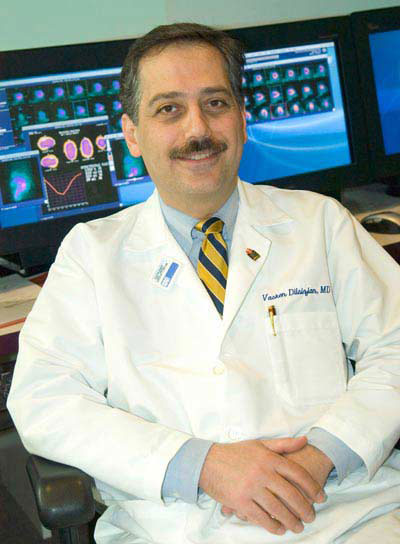 Vasken Dilsizian合作论文数Department of Diagnostic Radiology and Nuclear Medicine, School of Medicine, University of Maryland1Michael A. Proschan合作论文数1Myron Waclawiw合作论文数1Habib Shehadeh合作论文数1R Mincemoyer合作论文数1
 Anders Aneman合作论文数Sahlgrenska Academy, Goteborg University1Gloria Zalos合作论文数1
 M. Husain合作论文数Department of Physics, Jamia Millia Islamia1




