Purpose:Polycystic ovary syndrome (PCOS) is the most common endocrine and metabolic disorder in reproductive-age women. Several published studies demonstrated the therapeutic potential of vitamin D on PCOS condition, but vitamin D supplementation leads to only modest improvements. Doxercalciferol (Dox) is a highly potent vitamin D receptor (VDR) agonist that binds to VDR with at least 150 times greater affinity than other vitamin D compounds. In this study, we hypothesized that the therapeutic potential of Dox may reverse PCOS-related phenotypes more efficiently. Method:We first analyzed the regulatory potential of Dox in fat metabolism by comparing adipocyte proliferation and differentiation in our in vitro model. We also injected Dox into our mouse model of PCOS to analyze the therapeutic effect of Dox treatment on various PCOS-related parameters and fertility. Result:Dox treatment inhibited the proliferation of both adipose lineage cells and androgen-producing H295R cells in a dose-dependent manner. PCOS-related outcomes such as body weight and fertility rate were significantly reversed in Dox-treated PCOS mice model. Conclusion:Our study revealed that vitamin D analogs are a promising family of compounds for reducing body weight and reversing infertility in an animal model of PCOS.
A major health challenge resulting from the COVID-19 pandemic is the manifestation of post-acute sequelae of SARS-CoV-2 (PASC). PASC (or long COVID) is a collective term used for clinical symptoms, various pathologies, and life-quality-changing functional impairment that persist for months to years after the initial SARS-CoV-2 infection. The mechanisms underlying PASC are not understood, although advances have been made in identifying factors that may contribute to long-term pathology. Recent data have emerged, showing an association between SARS-CoV-2 viral persistence and non-SARS-CoV-2 infections (pre-existing, viral reactivation, or new infections) in facilitating or mediating PASC. However, the heterogeneous nature and timing of co-infections have made it challenging to understand, interpret, and contextualize their contribution to PASC. Here, we summarize the impact of potential viral, bacterial, and fungal infections on SARS-CoV-2 pathogenesis, with a focus on their possible roles in the development of PASC. We also provide a framework to understand the mechanisms of PASC and inform basic, translational, and clinical research initiatives, including RECOVER, a large and ongoing research initiative to understand, treat, and prevent long COVID.
The host immune system uses reactive oxygen species (ROS) and reactive nitrogen species to build up an oxidative response as a host defense mechanism against infectious agents. However, uncontrolled ROS causes excessive inflammation and oxidative stress, which is counteracted by host antioxidant responses. Oxidative stress is recognized as an imbalance between the production of oxidants such as ROS and antioxidant defenses, which account for organ damage following severe infection with bacterial pathogens. Ehrlichia is an obligatory intracellular Gram-negative bacterial pathogen that causes human monocytic ehrlichiosis (HME), a potentially life-threatening tick-borne emerging infectious disease. Patients with severe HME develop sepsis that progresses to multi-organ failure. Ehrlichia develops several immune evasion strategies that cause oxidative stress and tissue damage. This review discusses various mechanisms that Ehrlichia employs to counteract host anti-oxidative responses, including the complex interplay among oxidative stress, mitochondrial damage, and endoplasmic stress during Ehrlichia -induced sepsis. Understanding these immune evasion strategies is important for the rational development of targeted therapy, not only for severe HME but also for other infectious and non-infectious diseases where oxidative stress is a key mechanism in pathogenesis.
Systemic and organ-specific fibrotic disorders are a leading cause of death worldwide. Crosstalk between fibroblasts and macrophages has been suggested as a key event leading to either resolution or aberrant remodeling and fibrosis. This study sought to identify the impacts of the timing and effects of exposure to quiescent (basal) and transforming growth factor-β-stimulated (activated) fibroblast-secreted products on macrophage polarization and function. Naïve (M0 macrophages), lipopolysaccharide/interferon-γ-stimulated (M1 macrophages), and IL-4-stimulated (M2 macrophages) macrophages were exposed to basal or activated fibroblast conditioned media (FBCM) for 24 hours before, after, or during macrophage polarization. Macrophage function and polarization were quantified by phagocytosis, nitric oxide, and arginase activity assays and by cytokine array. FBCM from activated fibroblasts led to a pronounced up-regulation of arginase-1 compared with that from quiescent fibroblasts in M0 macrophages. Moreover, treatment with FBCM from activated fibroblasts resulted in significant increases in arginase-1 immunoexpression as well as urea production in M2 macrophages when applied antecedent, concurrent, or subsequent to M2 macrophage polarizing cytokines. Activated FBCM enhanced several proinflammatory cytokines, such as IL-1β and IL-6, in all macrophage subsets while only increasing tumor necrosis factor-α in M1 macrophages. This study elucidates multiple proinflammatory and profibrotic effects of fibroblasts on M1 and M2 macrophages, providing insights into the complex orchestration of macrophage-fibroblast crosstalk in fibrosis and the critical role of fibroblasts in the inflammatory response to injury.
The period during which tissue and organ development occurs is particularly vulnerable to the influence of environmental exposures. However, the specific mechanisms through which biological pathways are disrupted in response to developmental insults, consequently elevating the risk of hormone-dependent diseases, such as uterine fibroids (UFs), remain poorly understood. Here, we show that developmental exposure to the endocrine-disrupting chemical (EDC), diethylstilbestrol (DES), activates the inflammatory pathways in myometrial stem cells (MMSCs), which are the origin of UFs. Significantly, the secretome of reprogrammed MMSCs enhances the expression of critical inflammation-related genes in differentiated myometrial cells through the paracrine mechanism, which amplifies pro-inflammatory and immune suppression signaling in the myometrium. The expression of reprogrammed inflammatory responsive genes (IRGs) is driven by activated mixed-lineage leukemia protein-1 (MLL1) in MMSCs. The deactivation of MLL reverses the reprogramming of IRG expression. In addition, the inhibition of histone deacetylases (HDACs) also reversed the reprogrammed IRG expression induced by EDC exposure. This work identifies the epigenetic mechanisms of MLL1/HDAC-mediated MMSC reprogramming, and EDC exposure epigenetically targets MMSCs and imparts an IRG expression pattern, which may result in a "hyper-inflammatory phenotype" and an increased hormone-dependent risk of UFs later in life.
Activating inflammatory caspases and releasing pro-inflammatory mediators are two essential functions of inflammasomes which are triggered in response to pathogen-associated molecular patterns (PAMPs) or danger-associated molecular patterns (DAMPs). The canonical inflammasome pathway involves the activation of inflammasome and its downstream pathway via the adaptor ASC protein, which causes caspase 1 activation and, eventually, the cleavage of pro-IL-1b and pro-IL-18. The non-canonical inflammasome pathway is induced upon detecting cytosolic lipopolysaccharide (LPS) by NLRP3 inflammasome in Gram-negative bacteria. The activation of NLRP3 triggers the cleavage of murine caspase 11 (human caspase 4 or caspase 5), which results in the formation of pores (via gasdermin) to cause pyroptosis. Ehrlichia is an obligately intracellular bacterium which is responsible for causing human monocytic ehrlichiosis (HME), a potentially lethal disease similar to toxic shock syndrome and septic shock syndrome. Several studies have indicated that canonical and non-canonical inflammasome activation is a crucial pathogenic mechanism that induces dysregulated inflammation and host cellular death in the pathophysiology of HME. Mechanistically, the activation of canonical and non-canonical inflammasome pathways affected by virulent Ehrlichia infection is due to a block in autophagy. This review aims to explore the significance of non-canonical inflammasomes in ehrlichiosis, and how the pathways involving caspases (with the exception of caspase 1) contribute to the pathophysiology of severe and fatal ehrlichiosis. Improving our understanding of the non-canonical inflammatory pathway that cause cell death and inflammation in ehrlichiosis will help the advancement of innovative therapeutic, preventative, and diagnostic approaches to the treatment of ehrlichiosis.
ABSTRACT Indiscriminate use of antibiotics has imposed a selective pressure for the rapid rise in bacterial resistance, creating an urgent need for novel therapeutics for managing bacterial infectious diseases while counteracting bacterial resistance. Carbapenem-resistant Klebsiella pneumoniae strains have become a major challenge in modern medicine due to their ability to cause an array of severe infections. Recently, we have shown that the 20-mer random peptide mixtures are effective therapeutics against three ESKAPEE pathogens. Here, we evaluated the toxicity, biodistribution, bioavailability, and efficacy of the ultra-short palmitoylated 5-mer phenylalanine:lysine (FK5P) random peptide mixtures against multiple clinical isolates of carbapenem-resistant K. pneumoniae and K. oxytoca . We demonstrate the FK5P rapidly and effectively killed various strains of K. pneumoniae , inhibited the formation of biofilms, and disrupted mature biofilms. FK5P displayed strong toxicity profiles both in vitro and in mice, with prolonged favorable biodistribution and a long half-life. Significantly, FK5P reduced the bacterial burden in mouse models of acute pneumonia and bacteremia and increased the survival rate in a mouse model of bacteremia. Our results demonstrate that FK5P is a safe and promising therapy against Klebsiella species as well as other ESKAPEE pathogens.
Uterine fibroids (UFs) are the most common benign tumor in reproductive age women. UFs negatively impair endometrial receptivity (ER). Yet, mechanism isn't fully clear. ER is influenced by hormones, cytokines, growth factors, microRNAs as well as immune cells, mainly natural killer (NK) cells, which plays key role in implantation. Our objective is to explore UF effects on ER using 3D organoid system. Stem cells isolated from UFs or normal myometrium (MyoN) tissues were used to develop 3D organoids. RNA-seq was employed to comparatively profile their transcriptomes. Organoids were stained for inflammatory markers TNF-α and NF-kB (p65) by immunohistochemistry (IHC). Organoids secretome was analyzed for 48-cytokine array as well as TGF-β1 using multiplex ELISA. Exosomal miRNA was extracted from organoids secretome and differential gene expression of miR223-3p, 494-3p and 150 was measured. UFs organoid secretome was exposed to (1) 3D endometrial organoids established from primary epithelial and stromal cells and then ER related markers insulin growth factor binding protein 1 (IGFBP1) and prolactin (PRL) were measured using qRT-PCR. (2) cultured CD56+ CD16- NK cells and cell proliferation was measured using XTT assay after 24hr. Also, NK cells were treated with TGF-b1 (10ng/ml) or its receptor inhibitor LY-364947 (2μM) and viability was measured. UFs organoids were treated with VitaminD3 (VitD3 100nM) or green tea extract (EGCG 100μM) for 48hr and IHC, exosomal miRNA expression, cytokine array and effect on NK cell viability was explored using same markers. Unpaired student t-test was used for statistical significance detection. RNA-seq analysis showed enhanced inflammatory signaling in UFs organoids compared to MM using DisGeNET (adjp=0.00001, gene ratio 40/407). UF organoids secreted higher levels of many cytokines including IL-6, IL-8, and TNF-α than MyoN organoid and showed higher expression of TNF-α, and p-NF-kB using IHC (p<0.05). UF organoids secreted higher exosomal miR-223-3p, miR-494-3p, and miR-150 vs. MyoN (p<0.05) which are associated with recurrent implantation failure, infertility and impaired ER. Importantly, UF organoid secretome downregulated IGFBP1 and PRL expression in endometrial organoids compared to untreated control (p<0.05). UFs organoids secreted more TGF-b1 compared to MyoN Which might justify NK cells growth inhibition following UF organoid secretome, compared to MyoN, since TGF-β1 treatment inhibited NK cell growth while its inhibitor restored it (p<0.05). Treating UFs organoids with VitD3 or EGCG induced reduction of IL-6, IL-8, TNF-α and miRs (223-3p, 494-3p and 150) secretion. Moreover, it restored NK cells viability compared to untreated UFs secretome (p<0.05). UFs may negatively impact ER directly through secretion of cytokines and miRNA that interfere with implantation and indirectly via disrupting NK cells viability. VitD3/EGCG might offer beneficial effects by interrupting such negative crosstalk.
Ehrlichia is Gram negative obligate intracellular bacterium that cause human monocytotropic ehrlichiosis (HME). HME is characterized by acute liver damage and inflammation that may progress to fatal toxic shock. We previously showed that fatal ehrlichiosis is due to deleterious activation of inflammasome pathways, which causes excessive inflammation and liver injury. Mammalian cells have developed mechanisms to control oxidative stress via regulation of nuclear factor erythroid 2 related 2 (NRF2) signaling. However, the contribution of NRF2 signaling to Ehrlichia-induced inflammasome activation and liver damage remains elusive. In this study, we investigated the contribution of NRF2 signaling in hepatocytes (HCs) to the pathogenesis of Ehrlichia-induced liver injury following infection with virulent Ixodes ovatus Ehrlichia (IOE, AKA E. japonica). Employing murine model of fatal ehrlichiosis, we found that virulent IOE inhibited NRF2 signaling in liver tissue of infected mice and in HCs as evidenced by downregulation of NRF2 expression, and downstream target GPX4, as well as decreased NRF2 nuclear translocation, a key step in NRF2 activation. This was associated with activation of non-canonical inflammasomes pathway marked by activation of caspase 11, accumulation of reactive oxygen species (ROS), mitochondrial dysfunction, and endoplasmic reticulum (ER) stress. Mechanistically, treatment of IOE-infected HCs with the antioxidant 3H-1,2-Dithiole-3-Thione (D3T), that induces NRF2 activation, attenuated oxidative stress and caspase 11 activation, as well as restored cell viability. Importantly, treatment of IOE-infected mice with D3T resulted in attenuated liver pathology, decreased inflammation, enhanced bacterial clearance, prolonged survival, and resistance to fatal ehrlichiosis. Our study reveals, for the first time, that targeting anti-oxidative signaling pathway is a key approach in the treatment of severe and potential Ehrlichia-induced acute liver injury and sepsis.
Autophagy is a cellular process that involves the cell breakdown and recycling of cellular components, such as old, damaged, or abnormal proteins, for important cellular functions including development, immune function, stress, and starvation [...]
Hepatocytes play a crucial role in host response to infection. Ehrlichia is an obligate intracellular bacterium that causes potentially life-threatening human monocytic ehrlichiosis (HME) characterized by an initial liver injury followed by sepsis and multi-organ failure. We previously showed that infection with highly virulent Ehrlichia japonica (E. japonica) induces liver damage and fatal ehrlichiosis in mice via deleterious MyD88-dependent activation of CASP11 and inhibition of autophagy in macrophage. While macrophages are major target cells for Ehrlichia, the role of hepatocytes (HCs) in ehrlichiosis remains unclear. We investigated here the role of MyD88 signaling in HCs during infection with E. japonica using primary cells from wild-type (WT) and MyD88-/- mice, along with pharmacologic inhibitors of MyD88 in a murine HC cell line. Similar to macrophages, MyD88 signaling in infected HCs led to deleterious CASP11 activation, cleavage of Gasdermin D, secretion of high mobility group box 1, IL-6 production, and inflammatory cell death, while controlling bacterial replication. Unlike macrophages, MyD88 signaling in Ehrlichia-infected HCs attenuated CASP1 activation but activated CASP3. Mechanistically, active CASP1/canonical inflammasome pathway negatively regulated the activation of CASP3 in infected MyD88-/- HCs. Further, MyD88 promoted autophagy induction in HCs, which was surprisingly associated with the activation of the mammalian target of rapamycin complex 1 (mTORC1), a known negative regulator of autophagy. Pharmacologic blocking mTORC1 activation in E. japonica-infected WT, but not infected MyD88-/- HCs, resulted in significant induction of autophagy, suggesting that MyD88 promotes autophagy during Ehrlichia infection not only in an mTORC1-indpenedent manner, but also abrogates mTORC1-mediated inhibition of autophagy in HCs. In conclusion, this study demonstrates that hepatocyte-specific regulation of autophagy and inflammasome pathway via MyD88 is distinct than MyD88 signaling in macrophages during fatal ehrlichiosis. Understanding hepatocyte-specific signaling is critical for the development of new therapeutics against liver-targeting pathogens such as Ehrlichia.
Every year, millions of women are affected by genital tract disorders, such as bacterial vaginosis (BV), endometrial cancer, polycystic ovary syndrome (PCOS), endometriosis, and uterine fibroids (UFs). These disorders pose a significant economic burden on healthcare systems and have serious implications for health and fertility outcomes. This review explores the relationships between gut, vaginal, and uterine dysbiosis and the pathogenesis of various diseases of the female genital tract. In recent years, reproductive health clinicians and scientists have focused on the microbiome to investigate its role in the pathogenesis and prevention of such diseases. Recent studies of the gut, vaginal, and uterine microbiomes have identified patterns in bacterial composition and changes across individuals’ lives associated with specific healthy and diseased states, particularly regarding the effects of the estrogen–gut microbiome axis on estrogen-driven disorders (such as endometrial cancer, endometriosis, and UFs) and disorders associated with estrogen deficiency (such as PCOS). Furthermore, this review discusses the contribution of vitamin D deficiency to gut dysbiosis and altered estrogen metabolism as well as how these changes play key roles in the pathogenesis of UFs. More research on the microbiome influences on reproductive health and fertility is vital.
The COVID pandemic prompted the need for rapid detection of the SARS-CoV-2 virus and potentially other pathogens. In this study, we report a rapid, label-free optical detection method for SARS-CoV-2 that is aimed at detecting the virus in the patient’s breath condensates. We show in the published pre-clinical study that, through phase imaging with computational specificity (PICS), we can detect and classify SARS-CoV-2 versus other viruses (H1N1, HAdV and ZIKV) with 96% accuracy, within a minute after sample collection. PICS combines ultrasensitive quantitative phase imaging (QPI) with advanced deep-learning algorithms to detect and classify viral particles. The second stage of our project, currently under development, involves clinical validation of our proposed testing technique. Breath samples collected from patients in the clinic will be imaged with QPI and a U-Net model trained on the breath samples will identify the SARS-CoV-2 in the sample within a minute.
Human monocytic ehrlichiosis, a tick transmitted infection, ranges in severity from apparently subclinical to a fatal toxic shock-like fatal disease. Models in immunocompetent mice range from an abortive infection to uniformly lethal depending on the infecting Ehrlichia species, dose of inoculum, and route of inoculation. Effective immunity is mediated by CD4+ T lymphocytes and gamma interferon. Lethal infection occurs with early overproduction of proinflammatory cytokines and overproduction of TNF alpha and IL-10 by CD8+ T lymphocytes. Furthermore, fatal ehrlichiosis is associated with signaling via TLR 9/MyD88 with upregulation of several inflammasome complexes and secretion of IL-1 beta, IL-1 alpha, and IL-18 by hepatic mononuclear cells, suggesting activation of canonical and noncanonical inflammasome pathways, a deleterious role for IL-18, and the protective role for caspase 1. Autophagy promotes ehrlichial infection, and MyD88 signaling hinders ehrlichial infection by inhibiting autophagy induction and flux. Activation of caspase 11 during infection of hepatocytes by the lethal ehrlichial species after interferon alpha receptor signaling results in the production of inflammasome-dependent IL-1 beta, extracellular secretion of HMGB1, and pyroptosis. The high level of HMGB1 in lethal ehrlichiosis suggests a role in toxic shock. Studies of primary bone marrow-derived macrophages infected by highly avirulent or mildly avirulent ehrlichiae reveal divergent M1 and M2 macrophage polarization that links with generation of pathogenic CD8 T cells, neutrophils, and excessive inflammation or with strong expansion of protective Th1 and NKT cells, resolution of inflammation and clearance of infection, respectively.
In Fall 2020, universities saw extensive transmission of SARS-CoV-2 among their populations, threatening health of the university and surrounding communities, and viability of in-person instruction. Here we report a case study at the University of Illinois at Urbana-Champaign, where a multimodal "SHIELD: Target, Test, and Tell" program, with other non-pharmaceutical interventions, was employed to keep classrooms and laboratories open. The program included epidemiological modeling and surveillance, fast/frequent testing using a novel low-cost and scalable saliva-based RT-qPCR assay for SARS-CoV-2 that bypasses RNA extraction, called covidSHIELD, and digital tools for communication and compliance. In Fall 2020, we performed >1,000,000 covidSHIELD tests, positivity rates remained low, we had zero COVID-19-related hospitalizations or deaths amongst our university community, and mortality in the surrounding Champaign County was reduced more than 4-fold relative to expected. This case study shows that fast/frequent testing and other interventions mitigated transmission of SARS-CoV-2 at a large public university.
Antibiotic resistance is one of the greatest crises in human medicine. Increased incidents of antibiotic resistance are linked to clinical overuse and overreliance on antibiotics. Among the ESKAPE pathogens, Acinetobacter baumannii, especially carbapenem-resistant isolates, has emerged as a significant threat in the context of blood, urinary tract, lung, and wound infections. Therefore, new approaches that limit the emergence of antibiotic resistant A. baumannii are urgently needed. Recently, we have shown that random peptide mixtures (RPMs) are an attractive alternative class of drugs to antibiotics with strong safety and pharmacokinetic profiles. RPMs are antimicrobial peptide mixtures produced by incorporating two amino acids at each coupling step, rendering them extremely diverse but still defined in their overall composition, chain length, and stereochemistry. The extreme diversity of RPMs may prevent bacteria from evolving resistance rapidly. Here, we demonstrated that RPMs rapidly and efficiently kill different strains of A. baumannii, inhibit biofilm formation, and disrupt mature biofilms. Importantly, RPMs attenuated bacterial burden in mouse models of acute pneumonia and soft tissue infection and significantly reduced mouse mortality during sepsis. Collectively, our results demonstrate RPMs have the potential to be used as powerful therapeutics against antibiotic-resistant A. baumannii.
 David H. Walker合作论文数Department of Pathology, University of Texas Medical Branch;Graduate School of Biomedical Sciences, University of Texas Medical Branch;UTMB Center for Biodefense and Emerging Infectious Disease, University of Texas Medical Branch39
 Ayman Al-Hendy合作论文数Department of Obstetrics and Gynecology, School of Medicine, The University of Chicago36
 Abdeljabar El Andaloussi合作论文数23
 Heather L Stevenson合作论文数Centers for Dis. Contr. and Prev., Centers for Disease Control and Prevention17Kader Muhamuda合作论文数11
 Fang Rong合作论文数11
 Qiwei Yang合作论文数Feinberg School of Medicine, Northwestern University10
 Melanie J. Scott合作论文数Department of Surgery, University of Pittsburgh;Trauma and Transfusion Medicine Research Center, University of Pittsburgh9
 Hoda Elkafas合作论文数Dept Pharmacol & Toxicol, Natl Org Drug Control & Res8
 Jere W. McBride合作论文数Departments of Pathology, The University of Texas Medical Branch;Center for Biodefense and Emerging Infectious Diseases, The University of Texas Medical Branch7Thirumalapura Nagaraja R合作论文数Department of Pathology, University of Texas Medical Branch7
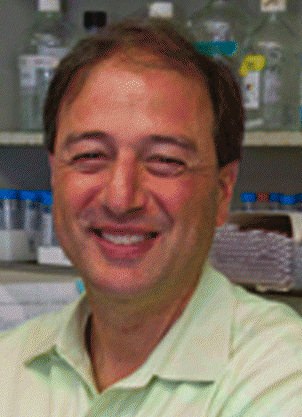 Alan Wells合作论文数Department of Pathology, School of Medicine, University of Pittsburgh;Department of Bioengineering, School of Medicine, University of Pittsburg;VA Pittsburgh Healthcare System University Drive Division7Peter a Bretscher合作论文数7
 Michael Diamond合作论文数Department of Obstetrics and Gynecology, Medical College of Georgia, Augusta University;Department of Physiology, Medical College of Georgia, Augusta University7Noura Eziba合作论文数6A. El Andaloussi合作论文数6Mohamed Abdelaziz合作论文数6Halder Sunil K合作论文数6Ghose Purnima合作论文数6
 Cecelia C Yates合作论文数Department of Pathology, University of Pittsburgh and Pittsburgh VAMC6Mohamed Ali合作论文数5Aditya Kumar Sharma合作论文数5
 Samar Habib合作论文数Mansoura Faculty of Medicine, Mansoura University5Laknaur Archana合作论文数5Wells Jakob Z合作论文数5emily crossley合作论文数4Qin Yang合作论文数4
 Catherine Alicia Best-Popescu合作论文数Department of Bioengineering, The Grainger College of Engineering, University of Illinois at Urbana-Champaign4
 Rashid Bashir合作论文数Laboratory of Integrated Biomedical Micro/Nanotechnology & Applications, Electrical and Computer Engineering Department, Grainger College of Engineering, University of Illinois at Urbana-Champaign4
 Xue-jie Yu (于学杰)合作论文数State Key Laboratory of Virology, College of Life Sciences, Wuhan University;School of Health Sciences, Wuhan University4
 H. M. Feng (冯会民)合作论文数4
 Juan P Olano合作论文数4Thomas G. Boyer合作论文数Institute of Biotechnology, University of Texas Health Science Center at San Antonio4Tais B. Saito合作论文数4
 Enrique Valera合作论文数Department of Bioengineering, The Grainger College of Engineering, University of Illinois at Urbana-Champaign4Jorge Torgal合作论文数3Sónia Dória-Nóbrega合作论文数3Claire Smalley合作论文数3Heba Elhusseini合作论文数3Jose Pocas合作论文数3Ana França合作论文数3Rita de Sousa合作论文数3Mário Amaro合作论文数3
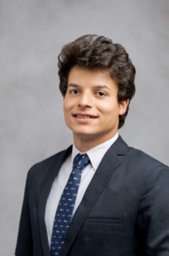 Mohamed Haloul合作论文数Department of Biochemistry and Molecular Genetics, University of Illinois at Chicago3n goswami合作论文数University of Illinois Urbana-Champaign3
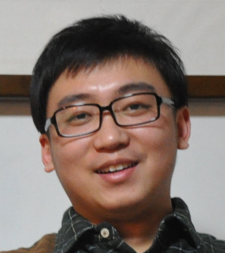 Yuchen He (贺雨晨)合作论文数School of Electronic Science and Engineering, Faculty of Electronic and Information Engineering, Xi'an Jiaotong University3
 Yu-Heng Deng合作论文数Department of Chemical and Biomolecular Engineering, Carle Illinois College of Medicine3
 Ihor Atabiekov合作论文数3




