Purpose. To assess the chemopreventive effect of oleanolic acid (ONA) and its synthetic analog 18 alpha-olean-12-ene-3 beta-23,28-triol (OT) on azoxymethane (AOM)-induced colonic aberrant crypt foci (ACF) in F344 rats and understand anti-inflammatory properties and apoptosis effects in HT29 colon cancer cells and Raw 264.7 macrophage cell lines.Methods. Five week-old male F344 rats were fed a control diet or experimental diets containing two doses of ONA (750 and 1,500 ppm) and OT (250 and 500 ppm). After 1 week, all animals were s.c. injected with AOM (15 mg/kg body weight, once weekly for 2 weeks). At 14 weeks of age, all rats were killed and colons were evaluated for ACF. Cyclooxygenase (COX)-2, inducible nitric oxide synthase (iNOS) expressions and apoptosis were assessed in cell lines exposed to OT using western blots and 4',6-diamidino-2-phenylindole staining.Results. Administration of ONA and OT inhibited mean colonic ACF and multi-crypt AC/foci in a dose dependent manner (p < 0.001-0.0001). OT blocked the COX-2 expression induced by phorbol 12-myristate 13-acetate in a dose-dependent manner and induced apoptosis in HT-29 cancer cells, and suppressed iNOS activation in RAW264.7 macrophages.Conclusions. ONA and OT possess chemopreventive activity against colon carcinogenesis in rat and OT inhibits the COX-2 and iNOS and induces apoptosis in cell lines.
Effect of talniflumate and gefitinib on GCNT3, PCNA, cyclin D1 and mucin protein levels in human pancreatic cancer cells
Purpose This study aimed to develop and characterize a closed intra-articular fracture (IAF) mediated post-traumatic osteoarthritis (PTOA) model in rats to serve as a testbed for putative disease modifying interventions. Methods Male rats were subject to a 0 Joule (J), 1 J, 3 J, or 5 J blunt-force impact to the lateral aspect of the knee and allowed to heal for 14 and 56 days. Micro-CT was performed at time of injury and at the specified endpoints to assess bone morphometry and bone mineral density measurements. Cytokines and osteochondral degradation markers were assayed from serum and synovial fluid via immunoassays. Histopathological analyses were performed on decalcified tissues and assessed for evidence of osteochondral degradation. Results High-energy (5 J) blunt impacts consistently induced IAF to the proximal tibia, distal femur, or both while lower energy (1 J and 3 J) impacts did not. CCL2 was found to be elevated in the synovial fluid of rats with IAF at both 14- and 56-days post-injury while COMP and NTX-1 were upregulated chronically relative to sham controls. Histological analysis showed increased immune cell infiltration, increased osteoclasts and osteochondral degradation with IAF relative to sham. Conclusion Based on results from the current study, our data indicates that a 5 J blunt-forced impact adequately and consistently induces hallmark osteoarthritic changes to the articular surface and subchondral bone at 56 days after IAF. Marked development of PTOA pathobiology suggest this model will provide a robust testbed for screening putative disease modifying interventions that might be translated to the clinic for militarily relevant, high-energy joint injuries.
List of 349 differentially expressed genes in normal-looking colonic mucosal tissues in Sgo1, compared with control wild type. (P<0.05, 2-fold cutoff)
Composite tissue injuries (CTIs) in extremities include segmental bone defects (SBDs) and volumetric muscle loss. The objective of this study was to determine if skeletal muscle autografting with minced muscle grafts (MMGs) could improve healing in an SBD and improve muscle function in a porcine CTI model that includes an SBD and adjacent volumetric muscle loss injury. Adult Yucatan Minipigs were stratified into three groups including specimens with an isolated SBD, an SBD with volumetric muscle loss (CTI), and an SBD with volumetric muscle loss treated with MMG (CTI + MMG). Bone healing was quantified with serial x-rays and postmortem computed tomography scanning. Muscle function was quantified with a custom in vivo force transducer. Muscle tissue content was determined by biochemical analyses and histology. Anterior cortex-modified Radiographic Union Score for Tibia fractures (mRUSTs) decreased from 2.7 to 1.9 (p = 0.003) in CTI versus SBD animals. MMG improved anterior mRUST scores to 2.5 in CTI + MMG specimens (p = 0.030 compared to CTI specimens) and overall mRUST scores increased from 9.4 in CTI specimens to 11.1 in CTI + MMG specimens (p = 0.049). Residual strength deficits at euthanasia were 42% in SBD (p < 0.001), 44% in CTI (p < 0.001), and 48% in CTI + MMG (p < 0.001) compared to preoperative values. There were no differences in strength deficits between the three groups. Biochemical and histologic analyses demonstrated scattered differences between the three groups compared to contralateral muscle. MMG improved bone healing. However, the primary cause of muscle dysfunction and biochemical changes was the presence of an SBD. Clinical significance: Early mitigation of SBDs may be necessary to prevent muscle damage and weakness in patients sustaining composite extremity trauma.
Effect of talniflumate and gefitinib on mRNA expression of Muc4 and Muc5ac in human pancreatic cancer cell lines
Histological images showing progression of PanIN lesions to ductal carcinoma presenting with stage-wise increases in EGFR, GCNT3, and mucins as the disease progresses.
Supplementary Figure 1A. Effect of Frondanol A5 treatment on small intestine polyps (SIPs) cell proliferation
Supplementary Figure 2A. CD163 protein expression in the control and Frondanol A5-treated colon
Supplementary Figure 1C. Proliferative index in SIPs and CTs from control and treated groups
PDF file - 61K, Primer sequences and PCR conditions for Lgr5, EpCAM, CD44, CD24, GAPDH, 5-LOX, mPGES-1, beta-catenin and cyclin D1.
Non-steroidal anti-inflammatory drugs (NSAIDs) are promising colorectal cancer (CRC) chemopreventive drugs; however, to overcome NSAIDs' associated side effects, there is a need to develop safer and efficacious approaches. The present study was designed to evaluate (i) the efficacy of nitric-oxide releasing (NO)-Sulindac as compared to Sulindac; (ii) whether NO-Sulindac is superior to Sulindac in enhancing low-dose difluoromethylornithine (DFMO)-induced chemopreventive efficacy, and (iii) assessing the key biomarkers associated with colon tumor inhibition by these combinations. In F344 rats, colonic tumors were induced by azoxymethane (AOM). At the adenoma stage (13 weeks post AOM), groups of rats were fed the experimental diets containing 0 ppm, 500 ppm DFMO, 150 ppm Sulindac, and 200 ppm NO-Sulindac, individually or in combinations, for 36 weeks. Colon tumors were evaluated histopathologically and assayed for expression levels of proliferative, apoptotic, and inflammatory markers. Results suggest that (except for NO-Sulindac alone), DFMO, Sulindac individually, and DFMO combined with Sulindac or NO-Sulindac significantly suppressed AOM-induced adenocarcinoma incidence and multiplicities. DFMO and Sulindac suppressed adenocarcinoma multiplicity by 63% (p < 0.0001) and 51% (p < 0.0011), respectively, whereas NO-Sulindac had a modest effect (22.8%, p = 0.09). Combinations of DFMO plus Sulindac or NO-Sulindac suppressed adenocarcinoma incidence (60%, p < 0.0001; 50% p < 0.0004), and multiplicity (81%, p < 0.0001; 62%, p < 0.0001). Rats that were fed the combination of DFMO plus Sulindac showed significant inhibition of tumor cell proliferation and induction of apoptosis. In addition, enhancement of p21, Bax, and caspases; downregulation of Ki-67, VEGF, and β-catenin; and modulation of iNOS, COX-2, and ODC activities in colonic tumors were observed. These observations show that a lower-dose of DFMO and Sulindac significantly enhanced CRC chemopreventive efficacy when compared to NO-Sulindac alone, and the combination of DFMO and NO-Sulindac was modestly efficacious as compared to DFMO alone.
Supplementary Table 1. Effect of oral OME on terminal body weight and various organs. Supplementary Table 2. Analysis of various serum parameters to determine the effect of OME on liver function (AST & ALT), kidney function (BUN & CREA) and mineral absorption (Mg & Ca). Supplementary Table 3. Partial list of significantly altered pathways (TOP 20) identified using Panther Supplementary Table 4. Selected gene related to tumor growth and progression promoting mechanism / pathways with significantly suppressed gene expression in omeprazole 500 ppm rat colon tumors compared to control.
mRNA expression of GCNT3 and Cell viability of human pancreatic cancer cells upon treatment with a combination of talniflumate and gefitinib
The use of a rehabilitation approach that promotes regeneration has the potential to improve the efficacy of pro-regenerative therapies and maximize functional outcomes in the treatment of volumetric muscle loss (VML). An adjunct antifibrotic treatment could further enhance functional gains by reducing fibrotic scarring. This study aimed to evaluate the potential synergistic effects of losartan, an antifibrotic pharmaceutical, paired with a voluntary wheel running rehabilitation strategy to enhance a minced muscle graft (MMG) pro-regenerative therapy in a rodent model of VML. The animals were randomly assigned into four groups: (1) antifibrotic with rehabilitation, (2) antifibrotic without rehabilitation, (3) vehicle treatment with rehabilitation, and (4) vehicle treatment without rehabilitation. At 56 days, the neuromuscular function was assessed, and muscles were collected for histological and molecular analysis. Surprisingly, we found that the losartan treatment decreased muscle function in MMG-treated VML injuries by 56 days, while the voluntary wheel running elicited no effect. Histologic and molecular analysis revealed that losartan treatment did not reduce fibrosis. These findings suggest that losartan treatment as an adjunct therapy to a regenerative rehabilitation strategy negatively impacts muscular function and fails to promote myogenesis following VML injury. There still remains a clinical need to develop a regenerative rehabilitation treatment strategy for traumatic skeletal muscle injuries. Future studies should consider optimizing the timing and duration of adjunct antifibrotic treatments to maximize functional outcomes in VML injuries.
 Chinthalapally V. Rao合作论文数Department of Pathology, College of Medicine, The University of Oklahoma;Department of Internal Medicine, College of Medicine, The University of Oklahoma108
 Mohammed Altaf合作论文数PC Stephenson Cancer Center, University of Oklahoma Health Sciences Center91
 Stan A. Lightfoot合作论文数58
 Vernon E. Steele合作论文数Development Research Group, NCI Division of Cancer Prevention52
 Madka Venkateshwar合作论文数Center for Chemoprevention and Cancer Drug Development, Department of Medicine, Oklahoma City, OK, USA.35
 Laura Biddick合作论文数27Brewer Misty合作论文数27Zhang Yuting合作论文数26Bryant Taylor合作论文数25
 Pathuri Gopal合作论文数College of Pharmacy, The University of Oklahoma Health Sciences Center23Ritchie Rebekah L合作论文数21
 Hariprasad Gali合作论文数Lynntech Inc14Li Qian合作论文数13Chen S. Suen合作论文数11Edgar J Scott合作论文数10
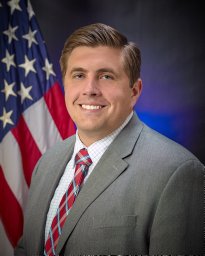 Dearth Christopher L合作论文数McGowan Inst Regenerat Med, Univ Pittsburgh10
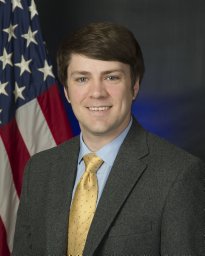 Stephen M Goldman合作论文数Interdisciplinary Bioengineering Graduate Program, Georgia Institute of Technology;George W. Woodruff School of Mechanical Engineering, Georgia Institute of Technology;Georgia Institute of Technology, Georgia Institute of Technology10Hannah Kutche合作论文数9Duff Ashley合作论文数9Singh Anil合作论文数8
 Michael S. Valerio合作论文数SUNY at Buffalo8Daniel Zhao合作论文数7Nicole Stratton合作论文数7Gaurav Kumar合作论文数7Stanley Lightfoot合作论文数7
 Peter Collin合作论文数Division of Structural and Fire Engineering, Department of Civil, Environmental and Natural Resources Engineering, Luleå University of Technology;Royal Swedish Acedemy of Engineering Sciences;Eurokodutbildningar7
 Chang In Choi合作论文数6
 Robert E. (Gene) Anderson合作论文数Dean McGee Eye Institute, Department of Ophthalmology, College of Medicine, University of Oklahoma6
 Richard S Brush合作论文数6Connor P Dolan合作论文数Department of Surgery, Uniformed Services University of the Health Sciences and Walter Reed National Military Medical Center, Bethesda, MD, USA.5Patlolla Jagan M R合作论文数5
 Vibhudutta Awasthi合作论文数Department of Nuclear Medicine, Sanjay Gandhi Post-Graduate Institute of Medical Sciences5
 Jessica Motherwell合作论文数J. Crayton Pruitt Department of Biomedical Engineering, University of Florida4Ronald Lubet合作论文数National Cancer Institute4Patlolla Jagan Mohan R合作论文数4Anuj Marya合作论文数3Sarah Franco合作论文数3misty ely合作论文数3Qian Li合作论文数3Sadeghi Michael合作论文数3
 Hiroshi Y Yamada合作论文数3
 Adam S Asch合作论文数3
 Doris Benbrook合作论文数3
 Mark L. Lang合作论文数Department of Microbiology and Immunology;University of Oklahoma Health Sciences Center;Health Sciences Center, University of Oklahoma3Jorge B Edwards合作论文数2Vishal Ganta合作论文数2Chung Xiou Wang合作论文数2Barbara Simi合作论文数2




