Objective: Genetic predisposition is very common among the patients with coronary artery disease (CAD), a complex and multifactorial disease. Our objective was to determine the possible association between the most remarkable functional variants in the paraoxonase 1(PON1), cytochrome P450 3A4 (CYP3A4), integrin subunit beta 3 (ITGB3) genes and familial CAD. Materials and Methods: We included 117 patients diagnosed with familial CAD and 99 healthy subjects with no family history of CAD. PON1 Q192R, PON1 L55M, CYP3A4*1G and ITGB3 L33P single nucleotide polymorphisms were genotyped using the Sequenom MassARRAY system. Results: Comparison of genotype and allele frequencies in inheritance models of polymorphisms between the patient and control groups did not reveal any significant findings related to CAD. Stratified analysis by gender did also not display any association both in females and males. There was no significant difference in the frequencies of the haplotypes of the PON1 Q192R and L55M polymorphisms between the groups. Conclusions: Our findings confirmed previous studies that did not consider PON1, CYP3A4 and ITGB3 genes as risk loci. The fact that our study was conducted only in patients with familial CAD shows the originality and importance of our results.
Semptomatik mitral darlığı (MD) hastaları perkütan yolla tedavi edilebilmektedir. Bu hastalarda perkütan mitral balon valvulaplasti (PMBV) ile MD ve semptomları giderilebilmektedir. Bu çalışmamızda ciddi MD hastalarında PMBV işlemi sırasında transözofajiyal ekokardiyografi (TEE) kılavuzluğunun işlem başarısı ve komplikasyonlar üzerine etkisini araştırmak istedik. Çalışmaya ciddi MD ile başvuran ve PMBV yapılması planlanan 45 hasta alındı. PMBV işlemi 23 hastaya TEE kılavuzluğunda (TEE(+)), 22 hastaya ise TEE kılavuzluğu olmadan (TEE(-)) gerçekleştirildi. Çalışmada her iki grubun transseptal ponksiyon (TSP) süresi, septum geçiş başarısı, kapak geçiş başarısı değerlendirildi. PMBV ile tedavi edilen tüm hastalara 24. saat ve 12. haftada transtorasik ekokardiyografi ile değerlendirildi. Çalışmaya alınan hastaların TEE(+) grubunda yaş ortalaması 47,9±11,4, TEE(-) grubunda ise 48,5±15 (p=0,88) idi. TEE(-) grubundaki olguların ortalama boyu 163,1±7,5 cm, TEE(+) grubunda ise 161,7±5,4 cm (p=0,47) olarak gözlendi. TEE(-) grubunda Wilkins skoru 8,5(7,0-10,0), TEE(+) grubunda ise 9,0(7,0-11,0) (p=0,111) olarak gözlendi. TSP süresi TEE(-) grubunda ve TEE(+) grubunda sırasıyla 25,24±5,1 dk. ve 21,86±3,8 dk (p=0,02) olarak tespit edildi. TEE(-) grubunda kapak geçiş başarısı %100 iken, TEE(+) grubunda %85,8 olarak bulundu. TEE(+) grubunda mitral kapak geçişi daha başarısızdı ancak istatistiksel anlamlı fark yoktu (p=0,072). Komplikasyonlar her iki grupta benzerdi. PBMV esnasında kullanılan TEE’nin TSP’den doğan komplikasyonlar, TSP başarısı, kapak geçiş başarısı, işlem başarısı, işlem komplikasyonları üzerine ise herhangi bir etkisinin olmamasına rağmen TSP süresini kısalttığı gösterildi. Hastalarda işlem süresini kısaltmak, radyasyon maruziyetini en aza indirmek için PBMV işlemi sırasında TEE kılavuzluğu konvansiyonel yönteme eklenebilir.
AIM:This study was performed on primary hypertension patients in a Turkish population to determine the frequency of the A1166C polymorphism in the angiotensin II type 1 receptor (AT1) gene and to examine the role of this polymorphism in hypertension development.MATERIALS AND METHODS:In this study, 250 genomic DNA samples were collected (from 142 hypertension patients and 108 healthy subjects), randomized, and analyzed. Genomic DNA was prepared from peripheral blood using the salt extraction method. The presence of the A1166C polymorphism in the AT1 gene was determined using the polymerase chain reaction (PCR)-restriction fragment length polymorphism method. PCR products were separated by 2% agarose gel electrophoresis and visualized by a charge-coupled device camera.RESULTS:Genotype distribution and allele frequency A1166C genotype frequency was determined as AA 96.3% and AC 3.7% for controls and as AA 86.6% and AC 13.4% for patients. A statistically significant difference was found between the control group and patients in terms of genotype and allele frequency.CONCLUSION:Our results suggest that an interaction exists between the AT1 gene polymorphism and hypertension in the Turkish population.
Detrended fluctuation analysis (DFA) of laser Doppler flowmetry (LDF) time series from volar skin reveals three scaling regions: cardiac, cardio-respiratory and local. Scaling exponents, slopes (αC, αCR and αL) of the straight lines, in these regions indicate correlation properties of LDF signal. Transitions from uncorrelated to positive in cardiac (αC) and positive to negative correlations in the cardio-respiratory (αCR) exponent have been observed for vasodilatation signals in response to local heating. However, positive correlation in local region (αL) did not change with vasodilatation. We studied whether the transitions in scaling exponents are correlated with the increase in peak to peak fluctuation amplitude (AF) of LDF signal. LDF signals were normalized to unity using average values of their pulsatile parts: baseline and saturation signals. If AF of normalized LDF signal is ≥0.5, we observed transitions in αC and in αCR but not in αL, in healthy subjects. It is suggested that the transition from positive to negative correlation in αCR with increasing amplitude may be explained by intact arteriolar myogenic activity in healthy young (Y) and middle aged (MA) subjects. In contrast, we did not observe transition in αCR suggesting impaired myogenic activity in patients with essential hypertension (EHT).
OBJECTIVE:To investigate limb specific differences in cutaneous vascular function in patients (n=33) with essential hypertension (EHT). METHODS:In this observational cross-sectional study, baseline skin blood flow and the response to local heating were measured with a laser Doppler flowmeter (LDF) from the volar region of the forearm and the gaiter area of the foot at supine rest. The fractal analysis, detrended fluctuation analysis (DFA), was used to calculate the correlation properties of skin blood flow, LDF signal. The paired t-test and repeated measures ANOVA were used to determine the response to local heating and compare the scaling exponents of different anatomical locations respectively. RESULTS:We found three linear scaling regions that describe the fractal behavior of LDF signal with their slopes, scaling exponents. For cardiac (α(C)) and cardio-respiratory (α(CR)) scaling exponents, thermal hyperemia (T) induced greater change in the leg (α(C)=1.49 ± 0.26; α(CT)=1.62 ± 0.20 p<0.01 and α(CR)=0.84 ± 0.29 α(CRT)=0.42 ± 0.28 p<0.001) than in forearm (α(C)=1.28 ± 0.13; α(CT)=1.33 ± 0.13 p>0.05 and α(CR)=0.73 ± 0.15; α(CRT)=0.65 ± 0.018 p<0.05). Local scaling exponents (α(L) ≈ α(LT) ~ 1) were not significantly different (p>0.05) and, local lines did not shift in parallel with local heating in both extremities. CONCLUSION:The results of the present study suggest that skin microvascular function is impaired in both extremities in EHT patients. However, myogenic response is not uniform in both extremities and pronounced response to local thermal hyperemia has been observed in the gaiter area compared with the volar region. Further studies are needed to determine if these limb specific microvascular differences is the result of posture-induced structural and functional adaptation.
Amaç: Önde gelen hemodinamik risk faktörlerinden biri olan kan akımının pulslu doğasını, esansiyel hipertansiyonlu (EHT) hastalarda, deri kan dolaşımında araştırmak. Gereç ve Yöntemler: Çalışmaya esansiyel hipertansiyonlu (EHT) 33 hasta ile sağlıklı 25 genç ve sağlıklı orta yaşlı 34 kişi gönüllü olarak katıldı. Kan akımı, kişiler yatar pozisyonda iken, bazal koşullarda ve lokal ısısal uyaran (42°C) uygulanırken, ön kolun volar bölgesinden bir laser Doppler (LD) akış ölçer ile kayıtlandı. Deri kan akımının merkezi (pulslu) ve lokal kontrol mekanizmalarının güç spektrumlarını (PSD) hesaplamak için LD sinyallerinin hızlı Fourier dönüşümleri kullanıldı. Güç spektrumu eğrilerinin integralleri 1'e normalize edildi ve merkezi (0,145-16 Hz) ile lokal (0,005-0,145 Hz) bölgelerin integralleri üç grup arasında karşılaştırıldı. Bulgular: Sağlıklı genç grupta, merkezi (IM) ve lokal (IL) bileşenlerin güç spektrumları birbirlerine eşit ve IL ~ IM = 0,5 olacak şekilde aralarında anlamlı bir fark yoktu (p=0,335). Bu denge lokal ısısal uyaranın oluşturduğu vazodilatasyonla bozuldu ve IM ~ 0,8, IL ~ 0,2 oldu. Bununla birlikte, orta yaşlı kontrol grubunda ve EHT grubunda merkezi güç her zaman baskındı (IM ~ 0,8) ve bazal koşullar altında bile denge yoktu (p<0,001). Orta yaşlı kontrol grubunda ısısal uyarana yanıt gözlenirken EHT grubunda anlamlı bir yanıt yoktu. Sonuç: Bazal LD sinyalinin pulslu olma özelliğinin artması (bazal PSD fonksiyonundaki merkez/lokal dengesizliği) ve bu özelliğin vazodilatör uyaranlarla değişebilirliği mikro/makro-vasküler yapıların sağlığını belirlemede bir gösterge olarak kullanılabilir.
BACKGROUND:Cardiac simulators have been developed as an alternative training model in order to improve the cardiac auscultation skills of medical students. The effectiveness of the cardiac simulator's use in cardiac auscultatory training is presently not yet well established.OBJECTIVES:The authors aimed to investigate whether the use of a cardiac simulator can improve the auscultation skills of medical students.MATERIAL AND METHODS:The students taking the auscultation training on the cardiac simulator were grouped as Group A and the students not taking the auscultation training on the cardiac simulator were grouped as Group B (before). The students in Group B (before) were grouped as Group B (after) after receiving the auscultation training on the cardiac simulator. The percentages of accurate diagnoses for the tested heart murmurs were compared between Group A and Group B (before), and between Group B (before) and Group B (after).RESULTS:The rate of making correct diagnoses of normal heart sounds was similar in all the groups (Group A, Group B (before), and Group B (after)). By contrast, the percentage of accurate diagnoses for the tested heart murmurs was notably improved among the students in Group A with respect to Group B (before) (p < 0.01). Similarly, the rate of correct diagnoses for the tested heart murmurs was markedly higher among the students in Group B (after) than in Group B (before) (p < 0.01).CONCLUSIONS:The use of a cardiac simulator as a training tool can improve the auscultation skills of medical students quickly and efficiently.
OBJECTIVE The aim of this prospective study was to evaluate the diagnostic value of heart-type fatty acid binding protein (H-FABP) determined by qualitative immunoassay method for the detection of minor myocardial damage (MMD) in patients with non-ST elevation acute coronary syndrome (NSTE-ACS). METHODS The study consisted of 62 patients with NSTE-ACS. Cardiac troponin I (cTnI) and creatine kinase MB isoenzyme (CK-MB) values were measured at arrival. Myoglobin and H-FABP were obtained if cTnI level was found to be elevated. A control group included 20 subjects with normal cTnI and CK-MB values. H-FABP was determined by a rapid qualitative immunochromatographic test. Patients were classified as MMD-ACS group if they had abnormal cTnI and normal CK-MB (n=24) and as NSTEMI-ACS group if they had elevated both cTnI and CK-MB (n=38). The diagnostic accuracy of H-FABP for minor myocardial damage was determined using ROC analysis. RESULTS The sensitivity of the H-FABP was significantly higher for NSTEMI-ACS than for MMD-ACS (44.7% vs 0%, p<0.001) and its specificity was 95% for both groups. The diagnostic efficacy rates for myoglobin and H-FABP were 75% and 43% for MMD-ACS, 74% and 62% for NSTEMI-ACS. Positive predictive value for H-FABP and myoglobin were found to be 0% and 80.8% in MMD-ACS, 94% and 87% in NSTEMI-ACS and negative predictive value was 44% and 69.5% in MMD-ACS, 47.5% and 59% in NSTEMI-ACS, respectively. AUC for myoglobin was significantly greater than that for H-FABP in MMD-ACS group (0.754 vs 0.525, p=0.027). The sensitivity of the H-FABP was significantly higher in patients with >3-fold increase in cTnI than those with <3-fold increase in cTnI (46.8% vs. 6.7%, p<0.001). A positive correlation was found between the magnitude of cTnI rise and H-FABP results (r=0.45, p<0.001). CONCLUSIONS H-FABP determined by the rapid qualitative immunochromatographic test has almost similar diagnostic value to that of myoglobin for identifying NSTEMI-ACS, however, does not seem to represent diagnostic potential for the detection of MMD.
OBJECTIVES:We evaluated the procedural success and short-mid term results of stent implantation for aortic coarctation in adults.STUDY DESIGN:The study included 15 consecutive patients (9 women, 6 men; mean age 27±7 years; range 17 to 45 years) treated with stent implantation for aortic coarctation. Fourteen patients had native, one patient had recurrent coarctation. Nine patients received bare metal and six patients received covered Cheatham-Platinum stents. Covered stents were used in patients with accompanying patent ductus arteriosus (n=2), severe coarctation (n=3), and recurrent coarctation (n=1). Procedural success was defined as the reduction in the pressure gradient across the coarctation site to less than 20 mmHg. The mean follow-up period was 10.4±4.6 months (range 3 to 18 months).RESULTS:Stent implantation was successful in all the patients. Compared to the preprocedure figures, systolic gradient across the aortic coarctation decreased from 37.2±11.3 mmHg to 3.5±2.9 mmHg, the diameter of the coarcted aortic segment increased from 5.4±1.5 mm to 17.2±1.4 mm, and systolic blood pressure declined from 154±9.7 mmHg to 130±7.3 mmHg following stenting (for all, p<0.001). There were no procedure-related major complications.CONCLUSION:Stent implantation for aortic coarctation in adults is a safe and effective alternative to surgical correction.
The full diagnostic potential of the fractal complexity measure, α, of detrended fluctuation analysis (DFA) has not been realized yet. To reveal the impaired mechanisms in the blood flow regulation in patients with essential hypertension (EHT), we studied the laser Doppler flowmetry (LDF) time series by applying DFA. Forearm microvascular blood flow was measured by LDF during supine rest. After a 15 min baseline recording, microvascular response to thermal hyperemia was measured over 30 min. We found three distinct scaling regions; corresponding to the integration of local mechanisms, cardiac effect on local blood flow, and the coupling of extrinsic factors (cardiac and respiratory) to local blood flow by myogenic mechanism. In the control group, local scaling exponent, α(L)=0.96 ± 0.08, did not change but cardiac scaling exponent, α(C)=1.53 ± 0.05, for baseline signal was increased to α(CT)=1.73 ± 0.10 and cardio-respiratory scaling exponent, α(CR)=0.73 ± 0.19, was decreased to α(CRT)=0.24 ± 0.06 during vasodilatation in response to local heating. However, we found significantly different scaling exponents, α(LT)<1, α(CT) ≥ α(C)<1.5 and α(CR) ≈ α(CRT)>0.5 in patients with EHT. Our findings suggest that the local regulatory and the cushioning peripheral vascular functions are impaired in patients with EHT, and vascular/microvascular pathology can be evaluated by applying DFA to LDF signal.
This study has been performed on hypertensive patients in the Turkish population to determine the frequency of 4G/5G polymorphism genotypes of plasminogen activator inhibitor type-1 gene and with the aim of examining the role of this polymorphism in hypertension development. Genomic DNA obtained from 284 persons (176 patients with hypertension and 108 healthy controls) was used in the study. DNA was multiplied by polymerase chain reaction using 4G and 5G allele-specific primers. Polymerase chain reaction products were assessed by being exposed to 2% agarose gel electrophoresis. Results were evaluated with the chi-square test. The 4G allele frequency was 31.25% and the 5G allele frequency was 68.75% in patients, whereas it was 49/51% in a control group. 5G5G genotype was found statistically high (p < 0.001) in patients relative to controls. This study showed that the plasminogen activator inhibitor type-1 gene 4G/5G polymorphism and the 5G5G genotype appear to be associated with an elevated risk of developing hypertension in a representative sample of Turkish population.
BACKGROUND: Polymorphic ventricular tachycardia (PVT) can occur during acute myocardial infarction (MI). In the past, studies investigated the initiation pattern of ventricular tachycardias in different patient populations; however, the mode of onset of PVT in acute MI patients has not been investigated previously.OBJECTIVE: To retrospectively investigate the electrophysiological features of PVT with different initiation patterns in acute MI patients to assess whether there is a relationship of the initiation patterns of PVT with clinical and electrophysiological characteristics.METHODS: Sixty-two rhythm strips defined as PVT from 53 patients (mean [+/- SD] age 63+/-8 years) with acute ST elevation MI were analyzed. All patients were monitored while they were hospitalized in the coronary care unit, and the electrocardiogram strips were obtained from continuous monitoring. PVT was defined as sudden-onset tachycardia if it was not preceded by ventricular ectopic beats. PVT that was preceded by single or multiple ectopic beats was defined as nonsudden-onset tachycardia.RESULTS: Nonsudden-onset episodes were more common than sudden-onset episodes (40 episodes [64.5%] versus 22 episodes [35.5%]). In the nonsudden-onset group, 25 episodes (62.5%) were initiated after a single ectopic beat, while 15 episodes (37.5%) were initiated after multiple complexes. The mean (+/- SD) left ventricular ejection fraction of patients with nonsudden-onset PVT was decreased (53+/-6% versus 65+/-7%, P<0.01). Nonsudden-onset tachycardias had lower coupling intervals than sudden-onset tachycardias. Similarly, the PVT cycle length was shorter in the presence of nonsudden-onset initiation. When nonsudden-onset PVT episodes were further subclassified based on the morphology of the first beat of tachycardia, 26 PVTs (65%) had a first beat of tachycardia similar to the subsequent PVT beats and 14 (35%) did not.CONCLUSIONS: These results demonstrate that PVT is often preceded by ventricular ectopy in acute MI patients. Nonsudden-onset PVT is usually characterized by a lower coupling interval, shorter PVT cycle length and an associated lower ejection fraction.
Levosimendan, a novel calcium-sensitizing positive inotropic agent with vasodilatory effect, is increasingly used in the treatment of decompensated heart failure. It has been proven to enhance myocardial contractility by sensitizing troponin C to calcium within the cardiomyocyte, and hence to increase cardiac output and stroke volume with a simultaneous decrease in pulmonary capillary wedge pressure (PCWP), thereby leading to significant symptomatic, hemodynamic, and neurohormonal improvements in patients with advanced heart failure [1–4]. Levosimendan has also been shown to have vasodilating properties in the systemic and pulmonary vasculature, mediated by the activation of ATP-sensitive potassium channels and phosphodiesterase-III inhibition in vascular smooth muscle. As an inodilator drug, levosimendan has proved effective in treating acutely decompensated heart failure with systolic dysfunction.
OBJECTIVES:Unlike traditional inotropic agents, levosimendan is thought to have a lower potential to induce arrhythmias because it does not increase intracellular calcium levels and myocardial oxygen consumption. We compared the potential effect of levosimendan and dobutamine to induce cardiac arrhythmias in patients with decompensated heart failure. STUDY DESIGN:Fifty patients with acute decompensated heart failure (NYHA class III-IV, ejection fraction <35%) who were in need of inotropic support were randomized to dobutamine (n=25; mean age 69±10 years) or levosimendan (n=25; mean age 67.5±11.5 years) and underwent 24-hour Holter monitoring before and during inotropic infusion. Holter recordings were analyzed with respect to heart rate (HR), ventricular premature contraction (VPC), couplets of VPC, supraventricular premature contraction (SVPC), paroxysmal atrial fibrillation (PAF), and nonsustained ventricular tachycardia (NSVT). RESULTS:Before infusions, the two groups were similar with respect to HR, VPC, couplets of VPC, SVPC, and PAF episodes, but the number of NSVT episodes was significantly higher in the levosimendan group. Heart rate and the number of VPCs increased significantly during infusions of levosimendan (p=0.036 and p<0.001, respectively) and dobutamine (for both p<0.001). Increase in couplets of VPC was significant only with dobutamine (p=0.012). The episodes of NSVT and PAF increased with levosimendan, without reaching significance. Levosimendan and dobutamine groups were similar in terms of percentage changes in arrhythmias (55±224% vs. 11±16% for VPC; 2±2.7% vs. 12±9% for couplets of VPC; 3.4±5.8% vs. 16±39% for SVPC, 0.4±2.8% vs. -2±0% for NSVT) and percentage change in total arrhythmias (41±190% vs. 18±35.4%), and the mean HR, VPC, couplets of VPC, SVPC, and episodes of NSVT and PAF (p>0.05). CONCLUSION:Our findings suggest that levosimendan and dobutamine have a similar profile for potential risk for cardiac arrhythmias.
 Alparslan Birdane合作论文数Eskisehir Osmangazi University53
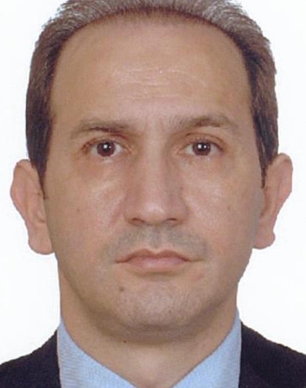 Yüksel Çavuşoğlu合作论文数Tıp Fakültesi, Eskisehir Osmangazi Universitesi52
 Bilgin Timuralp合作论文数49Ahmet Unalir合作论文数48
 Bulent Gorenek合作论文数Eskisehir Osmangazi University47
 Omer Goktekin合作论文数Cardiology Department, Osmangazi University36Gulmira Kudaiberdieva合作论文数16
 Mehmet Melek合作论文数Department of Cardiology, Kocatepe University School of Medicine8
 Taner Ulus合作论文数7Barbaros Dokumaci合作论文数7Emre Entok合作论文数Osmangazi Uni7Parspour Afşin合作论文数6
 Sait Mesut Dogan合作论文数Department of Cardiology, Kocatepe University School of Medicine6Canan Demirustu合作论文数5Hasan Veysi Gunes合作论文数5
 Irfan Degirmenci合作论文数Tıbbi Biyoloji AD, Eskişehir Osmangazi Üniversitesi5Sevda Atalay合作论文数4Murat Taraktas合作论文数4
 Muharrem Nasifov合作论文数4
 Ferhan Esen合作论文数Faculty of Medicine, Eskişehir Osmangazi University4Hamza Esen合作论文数4Serhat Kuskus合作论文数3Omer Colak合作论文数3Ozkan Alatas合作论文数Faculty of Medicine, Eskisehir Osmangazi University3Beyaztas Ayse合作论文数3
 Mert Kadir Uğur合作论文数Faculty of Medicine, Sıtkı Koçman University3
 Aydin Nadir合作论文数3
 Cengiz Korkmaz合作论文数Faculty of Medicine, Internal Medicine, Eskişehir Osmangazi University3Mujgan Tek合作论文数3Demet Gücüyener合作论文数2Mine Inal合作论文数2Volkan Dogan合作论文数2Ali Latif合作论文数2Temel K合作论文数2
 Miris Dıkmen合作论文数2Gazi Özdemir合作论文数2Nurten Yildiz合作论文数2Huseyin Yazici合作论文数2
 Recep Aslan合作论文数Faculty of Medicine, Osmangazi University2
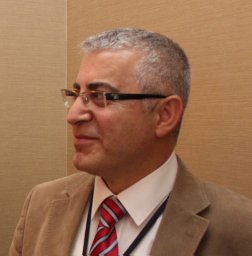 Nevzat Uzuner合作论文数Department of Neurology, Osmangazi University Medical Faculty2Binnur Yasar合作论文数2E. Vardareli合作论文数2
 Yüksel Aydar合作论文数Medical Faculty, Eskisehir Osmangazi University2
 Huseyin Ugur Yazici合作论文数2Mehmet Cengiz Ustuner合作论文数2Mahmut Ozdemir合作论文数1Inci Uslu合作论文数1Osman Cengiz合作论文数1




