Clinical trials in oncology represent a moral and scientific contract: Patients accept risk and uncertainty with the expectation that results will be reported fully, accurately, and transparently to inform future care. Despite regulatory mandates and journal policies, nonpublication, selective outcome reporting, weak linkage between protocols, registries, and manuscripts, and limited access to individual participant data remain common, particularly among investigator-initiated trials. In an era of artificial intelligence (AI)-driven evidence synthesis and precision oncology, opaque or selectively curated trial data threaten the validity of clinical evidence and risk propagating bias into downstream AI systems. This commentary argues that data transparency must be treated as foundational infrastructure for AI-ready oncology trials rather than as a discretionary compliance task. We describe how AI can function as a “transparency engine” by automating trial–publication linkage, detecting protocol-to-article discordance, and converting unstructured trial reports into standardized, machine-readable results. Embedded within journal workflows and applied with appropriate human oversight, these tools can shift transparency from episodic auditing to continuous, verifiable practice—honoring obligations to trial participants and strengthening the reliability of oncology evidence and AI-enabled care. This commentary is intended for trialists, journal editors, regulators, funders, and developers of AI systems in precision oncology.
To critically evaluate the performance of Generative Pre-trained Transformer (GPT)-4-based large language models (LLMs) for extracting imaging findings from oncology records, with a primary focus on quantifying the impact of reference data quality on measured performance. A two-phase study was conducted on 40 oncology medical records. In Phase 1, model outputs were compared against existing, uncurated reference summaries. In Phase 2, outputs for a 20-record subset were re-evaluated against a new "gold standard" of expert-curated, standardized summaries created by a board-certified radiologist. We systematically tested two model versions (text-only GPT-4.0 vs. multimodal GPT-4.1), two prompt designs, two input modalities (text vs. image), and two document scopes. Performance was assessed using lexical metrics (BLEU, ROUGE, METEOR) and a semantic alignment metric (Kullback-Leibler [KL] Divergence). A profound performance disparity was observed between phases. Phase 1 evaluation against uncurated references yielded modest scores (e.g., max ROUGE-1 approximate to 0.45, BLEU approximate to 0.15) and high semantic divergence (KL > 7.7). In contrast, Phase 2 evaluation against the gold-standard references resulted in substantial improvements across all configurations. The top-performing configuration-multimodal GPT-4.1 using image-based input on the full document-achieved a ROUGE-1 of 0.57, BLEU of 0.25, and a significantly lower KL Divergence of 5.96, closely approaching the expert standard. The quality and consistency of the reference standard are the most critical drivers of measured LLM performance in clinical information extraction tasks. Standard NLP metrics can be misleading when applied to uncurated "ground truth." With a clinically validated reference, advanced multimodal models like GPT-4.1 demonstrate a powerful capability to accurately summarize complex oncology reports, highlighting the necessity of codeveloping AI models and their evaluation frameworks.
Debates about artificial intelligence (AI) safety often reach for P(doom), a shorthand in AI-safety discussions for the probability of catastrophic AI risk. Healthcare needs a nearer and more testable companion: P(harm), a proposed surveillance framework for cumulative clinical risk. We define accumulative risk as harm that arises from repeated small shifts in diagnosis, triage, clinician behavior, training, or workflow rather than a single catastrophic failure. We operationalize P(harm) as a family of workflow-specific, severity-weighted conditional estimates: in a declared workflow and model version, it is the estimated probability that an independently reviewed AI-exposed encounter has an adverse outcome of at least a prespecified severity within a prespecified time horizon, after stratifying or adjusting for acuity, case mix, and local workflow covariates. In pilot use, the estimator should be prespecified, for example, a risk-adjusted empirical incidence with confidence or credible intervals or a hierarchical logistic/Bayesian model; P(harm) is not a causal-attributable fraction unless paired with a valid comparison design. The framework is organized around four local pathways—AI–clinician discordance in complex patients, automation bias, skill erosion and never-skilling, and consumer AI triage failure—plus a fifth, less mature pathway for correlated vendor or foundation-model failures across institutions. The motivating evidence is early and heterogeneous, often retrospective or vignette-based, so each pathway is framed as a surveillance hypothesis rather than proof of generalized harm. The purpose is not to slow beneficial AI, which may reduce errors and administrative burden, but to make clinical drift visible early enough for health systems to adjudicate, recalibrate, roll back, or retrain before repeated small failures accumulate.
The Internet of Medical Things (IoMT)—a system of interconnected medical devices and sensors—offers new opportunities to enhance cancer care through real-time data collection, remote monitoring, and intelligent automation. In radiation oncology, IoMT is especially impactful given the field’s reliance on technology, imaging, and precision workflows. This narrative review synthesizes recent literature and examples of IoMT applications relevant to radiation oncology. Areas of focus include device and sensor integration, AI-enhanced decision oncology. Areas of focus include device and sensor integration, AI-enhanced decision-support platforms, and clinical use cases such as adaptive radiotherapy and real-time toxicity monitoring. When combined with artificial intelligence (AI), particularly generative AI, IoMT systems become decision-support platforms that enable adaptive radiotherapy, predictive maintenance, real-time toxicity monitoring, and patient-specific treatment planning. Emerging applications include synthetic imaging generation for MRI-only workflows, digital twins that simulate patient-specific treatment responses, and large language models for clinical education and documentation support. This review outlines the architecture, practical applications, and future directions of AI-powered IoMT in radiation oncology. It highlights how the convergence of IoMT and AI enables more personalized, efficient, and proactive care. However, barriers remain—including cybersecurity risks, data interoperability, usability concerns, and lack of reimbursement—that must be addressed to ensure broad adoption.
Background: The volume of oncology research continues to expand rapidly, creating an unsustainable cognitive burden for clinicians and researchers. Traditional scientific articles are written for human consumption and are poorly suited for machine processing, limiting the ability of artificial intelligence (AI) systems—such as large language models (LLMs) and multimodal AI tools—to extract and apply insights in real-time clinical settings. Objective: To propose a transformative framework for oncology publishing in which scientific content is structured and optimized for ingestion by AI systems, enabling personalized, interactive, and timely knowledge delivery. Methods: This article presents a narrative review of existing limitations in current publishing practices, examines technological enablers such as structured metadata, semantic annotations, and interoperability standards (e.g., HL7 FHIR, BioC), and highlights the role of FAIR (Findable, Accessible, Interoperable, Reusable) principles. The authors explore how AI-optimized content can integrate with clinical decision support tools and tumor boards, and propose incentives for publishers, editors, and authors to adopt machine-readable publication formats. Results: AI-optimized oncology content has the potential to enhance literature discoverability, reduce clinician burnout, and improve the utility of decision support systems. LLMs and multimodal AI models can summarize, personalize, and surface clinically relevant findings when publications are structured for algorithmic access. Emerging tools like APIs and plugins that connect machine-readable articles with electronic health records (EHRs) could enable just-in-time delivery of oncology knowledge tailored to individual patient cases. Conclusions: Redesigning oncology publications for AI consumption represents a critical evolution in biomedical communication. This shift requires alignment among stakeholders, the creation of validation frameworks, ethical oversight, and incentives for AI-readability. AI-enhanced publishing can help close the translational gap between research and clinical care, fostering more accessible, inclusive, and actionable oncology knowledge dissemination.
The field of radiation oncology has achieved significant technological and scientific advancements in the 21st century. Yet uptake of new evidence-based practices has been heterogeneous, even in the presence of national and international guidelines. Addressing barriers to practice change requires a deliberate focus on developing and testing strategies tailored to improving care delivery and quality, especially for vulnerable patient populations. Implementation science provides a systematic approach to developing and testing strategies, though applications in radiation oncology remain limited. In this critical review, we aim to 1) assess the time from first evidence to widespread adoption, or “time to translation,” across multiple evidence-based practices involving radiation therapy, and 2) provide a primer on the application of implementation science to radiation oncology. Specifically, we discuss potential targets for implementation research in radiation oncology, including both evidence-based practices and quality metrics, and highlight examples of studies evaluating implementation strategies. We also define key concepts and frameworks in the field of implementation science, review common study designs including hybrid trials and cluster randomization, and discuss the interaction with related disciplines such as quality improvement and behavioral economics. Ultimately, this review aims to illustrate how a comprehensive understanding of implementation science could be used to promote equity and quality in cancer care through the development of effective, scalable, and sustainable care delivery solutions.
Simulation is a technique used in healthcare to replicate clinical scenarios and improve patient safety, efficacy, and efficiency. Simulation-based medical education facilitates training and assessment in healthcare without increasing risk to patients, supported by ample evidence from surgical/procedural specialties. Simulation in radiation oncology has been leveraged to an extent, with successful examples of both screen-based and hands-on simulators that have improved confidence and performance in trainees. In the current era, evidence substantiates a significant deficit in brachytherapy procedure education, with radiation oncology residents reporting low confidence in this procedural skill, largely attributable to insufficient caseloads at some centers. Simulation-based medical education can facilitate structured training and competency-based assessment in brachytherapy skills. This review discusses existing advances and future directions in brachytherapy simulation, using examples from simulation in surgical specialties.
AI in Precision OncologyAhead of Print Prompt AssistanceFree AccessDesigning Prompts for Generative Artificial Intelligence in Clinical Oncology ContextsDouglas B. Flora and Nikhil G. ThakerDouglas B. FloraEditor-in-Chief, AI in Precision Oncology.Search for more papers by this author and Nikhil G. Thaker*Address correspondence to: Nikhil Thaker, MD, MHA, MBA, Department of Radiation Oncology, Capital Health Radiation Oncology, One Capital Way, Pennington, NJ 08534, USA, E-mail Address: [email protected]Department of Radiation Oncology, Capital Health Radiation Oncology, One Capital Way, Pennington, New Jersey, USA.Search for more papers by this authorPublished Online:17 Oct 2023https://doi.org/10.1089/aipo.2023.0004AboutSectionsPDF/EPUB Permissions & CitationsDownload CitationsTrack CitationsAdd to favorites Back To Publication ShareShare onFacebookXLinked InRedditEmail As we stand at the forefront of a paradigm shift in oncology, the intertwining of artificial intelligence (AI) tools such as ChatGPT with traditional medical practices is becoming increasingly salient. Like mentoring a fellow or resident, the specificity, clarity, and nuances we convey to a generative AI system deeply influence the quality and relevance of its outputs.In this transformative era, the union of AI and oncology is not just a fleeting innovation but a paradigm shift, marking a new chapter in patient care. The intricate interplay of technology with the age-old wisdom of medicine has the potential to augment clinical decision making and broaden our horizons. The intricacies of oncology, with its ever-evolving landscape of treatments and methodologies, stand to benefit immensely from the precision and vast knowledge base of AI platforms such as ChatGPT.Yet, as with any tool, its utility hinges on its wielder's skill. Models such as ChaptGPT-3.5 cannot access real-time data (and have a cutoff date of September 2021), although newer models have evolving real-time functionality. By mastering the art of prompt engineering, oncologists can navigate the vast sea of information with precision, ensuring they extract the most pertinent, up-to-date, and clinically relevant insights. Such adept use of AI tools does not just offer more information, but it also promises clearer insights, richer understanding, and a more personalized approach to patient care, amplifying the efficacy of clinical decisions and thus optimizing patient outcomes.This new series highlights the mastery of “prompt engineering” in an oncology setting, aiming to enhance the harmony between clinicians and AI, ensuring AI is a valuable partner in delivering patient care.Ten Standardized Steps for Prompt Engineering in OncologyHere we list 10 key guidelines (in no particular order) to assist users get the best out of their AI queries: 1.Purpose DefinitionClearly articulate your objective and be specific. Instead of a generic “Tell me about lung cancer treatments,” opt for “Detail the latest advancements in targeted therapies for epidermal growth factor receptor-positive metastatic non-small cell lung cancer.”2.Use Contextual InformationEquip the AI with the setting. Instead of “What are common side effects of radiation?,” provide “Discuss the side effects of whole brain radiation in a metastatic breast cancer patient with cerebral metastases. My audience will be a patient with metastatic breast cancer and her family who are not AI experts.” Also make use of previous threads or even conversations earlier on in the same thread to provide further context for prompts.3.Structure the QuestionShape the output's format. To delve into surgical options: “Provide a step-by-step guide on performing a thoracoscopic lobectomy in early-stage lung cancer.” You can also specify the structure of the desired output. For instance, “List the top 10 most common radiation oncology CPT codes in JSON format.”4.Limit ScopeRein in your request to limit scope. For drugs, say: “Detail only the second-line immunotherapies used in advanced melanoma, excluding first-line treatments.”5.Control Output Length and FormatSet a number of words or characters for your desired output. Most modern models do not always provide answers within these limits, but they can still help with specifying your desired output. For instance, “Summarize this paper in 250 characters.” Provide examples in your prompt on the desired format of your output.6.Specify the Desired ToneDetermine the emotional undertone. For a patient memo: “Describe the potential impacts of palliative whole brain radiation in an empathetic, reassuring, friendly and easy to understand tone.”7.Role PlayAsk the generative pre-trained transformer (GPT) to play a role to better contextualize the intended response. Ask, “Act as a machine learning engineer and explain the top 10 prompt engineering tips to an oncologist.” Or “Act as a nutritionist and explain dietary and nutrition goals to a patient who will be undergoing chemoradiation therapy for a tonsil cancer.”8.Safety and Fact CheckingCross-reference AI guidance with trusted oncological resources, especially when discussing treatment dosages or new therapeutic modalities. If you are having difficulty understanding an answer, ask for specific examples.9.Explicit Over Implicit, Open Over ClosedAssume no inherent AI knowledge of your patient. For instance, specify, “Outline a treatment plan for HER2-positive breast cancer in a post-menopausal woman with a history of osteoporosis.” However, keep prompts as open ended as possible. Rather than “Is exercise important for reducing the risk of endometrial cancer?” try, “How does regular physical activity benefit patients with endometrial cancer?”10.Iterate and RefineDespite the most meticulous engineering of your prompt, you will likely still get an initial explanation that seems too general or too technical. Refine the question with follow-up prompts that help to continue the conversation or even challenge the GPT to list pros and cons of a situation before answering. For instance, if a GPT responds in general terms about resistance to poly ADP ribose polymerase (PARP) inhibitors for ovarian cancer, recalibrate with: “Break down the mechanism of action of PARP inhibitors in BRCA-mutant ovarian cancer for a patient newly diagnosed.” Engage in iterative discussions with the AI. If a treatment plan seems too generic, refine it: “Suggest a more personalized treatment regimen for a patient with triple-negative breast cancer and liver metastases.”Prompt AssistanceIn Figure 1, we provide an actual example of an AI prompt used in practice. This query was submitted to Chat GPT-4 on Wednesday, September 13, 2023. The response is provided without edits (Fig. 1).Fig. 1. Draft letter generated by ChatGPT in response to a real-world query posed by one of the authors (D.F.) in September 2023.PET/CT Scan Appeal for a Patient with Advanced NSCLC:“I need a comprehensive letter to appeal an insurance denial for a PET/CT scan. The patient, a 56-year-old male, has advanced non-small cell lung cancer (NSCLC). After a six-month regimen of combination chemotherapy, it's vital to assess disease status and progression. Due to a previous severe reaction to iodinated contrast, standard CT with contrast is contraindicated. The letter should be thorough, professional, and make a compelling argument for the clinical necessity of the PET/CT in guiding future treatment decisions.”ConclusionThis issue's example of a ChatGPT-generated insurance appeal letter is just one example of how generative AI tools can be leveraged to reduce administrative burden by speeding up the process of letter generation while still utilizing precise and detailed language to convey the intricacies of a common clinical scenario.As we embark on this journey together, we invite our readership to participate actively in shaping the future of AI in Precision Oncology. If you have explored innovative methods of prompt engineering or have suggestions to enhance AI–clinician interactions, we would be thrilled to feature them. We are excited to introduce a “Prompt Assistance” segment in our upcoming issues, and we encourage you to submit your ideas and experiences.Address your submissions to the editorial office of AI in Precision Oncology: [email protected]. Let us collaboratively push the boundaries of what is possible, ensuring AI serves as our ally in the noble pursuit of advancing oncological care.FiguresReferencesRelatedDetails Volume 0Issue 0 InformationCopyright 2023, Mary Ann Liebert, Inc., publishersTo cite this article:Douglas B. Flora and Nikhil G. Thaker.Designing Prompts for Generative Artificial Intelligence in Clinical Oncology Contexts.AI in Precision Oncology.ahead of printhttp://doi.org/10.1089/aipo.2023.0004Online Ahead of Print:October 17, 2023PDF download
Introduction: Early cancer detection can lead to improved outcomes and a shift toward a prevention model. This review explores the role of artificial intelligence (AI) in early cancer detection, focusing on its application in various clinical settings.
The Responsible AI for Social and Ethical Healthcare (RAISE) Conference, organized by Harvard Medical School's Department of Biomedical Informatics in October 2023, served as a pivotal forum for addressing the integration of artificial intelligence into health care (AIH). Highlighting the urgency of leveraging AI to mitigate current health care challenges such as medical errors and accessibility disparities, this commentary delves into the conference's discussions on ethical imperatives, patient-centric AI applications, and the strategic direction for responsible AI deployment in health care. The conference identified six crucial areas for action and debate: the primary beneficiaries of AIH, authoritative medical systems, AI's role within the patient–clinician relationship, control over patient data, consumer access to AI-driven medical advice, and the business models underpinning AI in medicine. Emphasizing real-life scenarios, the commentary underscores the potential of AI to enhance patient care, support health care professionals, and ensure broad accessibility and safety. It calls for immediate actions, such as adopting AI to augment clinical practice, establishing transparent financial models, and ensuring AI's complementary role in health care.
PURPOSE:Our purpose was to use real world data to assess trends in radiation therapy (RT) treatment fractionation and cost under the Oncology Care Model (OCM) through the first 8 performance periods (PPs). METHODS:We identified 17,157 episodes of care from 9898 patients treated at a statewide multispecialty health system through the first 8 6-month PPs (PP1-8: July 1, 2016, to June 30, 2020) of the OCM. Spending was stratified by 10 expenditure domains (eg, Part B/D drugs, radiation oncology [RO], etc), and 21 disease sites were extracted from claims data, from which an analysis of RO expenditures was performed on 2219 episodes from 2033 patients treated with RT. Expenses are expressed in per-beneficiary, per-episode terms. RESULTS:RO expenditures comprised 3% ($14.7M) of total spending over the 8 periods. By primary cancer, the largest RO expenses were for breast ($2.9M; 20%), prostate ($2.9M; 19%), and lung cancer ($2.8M; 13%). For RO, total per-episode average spending remained roughly constant between PP1 ($6314) and PP8 ($6664; Ptrend > .05) and decreased ($6314-$6215) when indexed to the Consumer Price Index for July 2016. Average number of RT fractions per episode decreased from 19.2 in PP1 to 18.6 in PP8; this decrease was most notably seen for breast (-2.1), lung (-2.8), and female genitourinary (-3.5) cancers. Intensity-modulated RT (IMRT) charges accounted for $7.6M (51%) of RT spending and increased 5% from PP1 to 8, whereas conventional external beam RT made up $3.0M (21%) and decreased 8%. Expenses for image guidance ($2.5M; 17%; +2% from PP1-8) and stereotactic RT ($1.3M; 9%; +1%) increased. CONCLUSIONS:In inflation-adjusted terms, total RO expenditures have declined despite greater use of IMRT, stereotactic RT, and image guidance. Conversely, oncology costs have risen because of drug spending. Successful payment models must prioritize high-cost spending areas-including novel drug therapies-while accounting for high-value care and patient outcomes.
PURPOSE:The optimal management of early-stage, low-risk, hormone-positive breast cancer in older women remains controversial. Recent trials have shown that 5-fraction ultrahypofractionated whole-breast irradiation (U-WBI) has similar outcomes to longer courses, reducing the cost and inconvenience of treatment. We performed a cost-utility analysis to compare U-WBI to hormone therapy alone or their combination. METHODS AND MATERIALS:We simulated 3 different treatment approaches for women age 65 years or older with pT1-2N0 ER-positive invasive ductal carcinoma treated with lumpectomy with negative margins using a Markov microsimulation model. The strategies were U-WBI performed with a 3-dimensional conformal technique over 5 fractions without a boost ("radiation therapy [RT] alone"), adjuvant hormone therapy (anastrozole for 5 years) without RT ("aromatase-inhibitor [AI] alone"), or the combination of the 2. The combination strategy was calibrated to match trial results, and the relative effectiveness of the RT alone and AI alone strategies were inferred from previous randomized trials. The primary endpoint was the cost-effectiveness of the 3 strategies over a lifetime horizon as measured by the incremental cost-effectiveness ratio (ICER), with a value of $100,000/quality-adjusted life-year deemed "cost-effective." RESULTS:The model results compared with the prespecified target outcomes. On average, RT alone was the least expensive strategy ($14,775), with AI alone slightly more ($14,998), and combination therapy the costliest ($19,802). RT alone dominated AI alone (the incremental cost-effectiveness ratio [ICER] -$5089). Combination therapy, compared with RT alone, was slightly more expensive than our definition of cost-effective (ICER $113,468) but was cost-effective compared with AI alone (ICER $54,451). Probabilistic sensitivity analysis demonstrated RT alone to be cost-effective in 50% of trials, with combination therapy in 36% and AI alone in 14%. CONCLUSIONS:U-WBI alone appears the more cost-effective de-escalation strategy for these low-risk patients, compared with AI alone. Combining U-WBI and AI appears more costly but may be preferred by some patients.
Purpose/Objective(s) The Oncology Care Model (OCM) is an alternative payment model aimed at providing higher quality, lower cost care to participating Medicare beneficiaries. However, information regarding trends in spending, particularly for radiation oncology (RO) services, is limited. Materials/Methods We identified 17,157 episodes of care from 9,898 patients treated at a statewide multispecialty health system through the first eight six-month Performance Periods (PP1-8; July 1, 2016 to June 30, 2020) of the OCM. Aggregate spending stratified by 10 expenditure domains (e.g., Part B/D drugs, RO, etc.) and 21 disease sites was extracted from claims data. A subset analysis of RO expenditures was performed on 2,149 episodes from 2,033 patients treated with radiotherapy (RT). All expenses are expressed in per beneficiary, per episode (PBPE) terms indexed to average PBPE. Results Indexed to the average PBPE payment, average expenditures increased (Ptrend < 0.001) from 92% in PP1 to a peak of 111% in PP7. Part B and D drugs were used in 87% and 23% of episodes, whereas RO services were used in 13%. Part B spending increased from 41.9% of PBPE expenses in PP1 to 45.6% in PP8 and Part D spending increased from 17.0% to 22.6%, whereas RO spending decreased from 2.6% to 2.4%. Physician services and in-hospital costs also decreased from 11.2% and 11.4% to 8.4% and 8.3%, respectively. By disease site, the largest PBPE expenses were for melanoma (234%), multiple myeloma (226%), and kidney cancer (191%), for which Part B/D spending accounted for 77%, 82%, and 81% of spending for each site, respectively. Among sites with the highest total expenditures, increases in Part B/D spending from PP1-8 were seen for breast (+11%), multiple myeloma (+11%), lung (+12%), and prostate (+7%), and chronic leukemia (+12%). Among sites with the highest RO spending, decreases in RO expenses were seen for breast (-1%), lung (-1%), and female genitourinary (-4%), while an increase was seen for prostate (+4%). On subset analysis, the average number of RT fractions per episode decreased from 19.2 in PP1 to 18.6 in PP8; this decrease was seen for breast (-2.1) and lung (-2.8) cancers but not for prostate (unchanged). Intensity-modulated RT charges accounted for 51% of RT spending and increased 5% from PP1-8, whereas 3D/electron external beam made up 21% and decreased 8%. Expenses for image guidance (17%; +2%), stereotactic RT (9%; +1%), radiopharmaceuticals (1.4%; +0.5%), and brachytherapy (1.4%; +0.5%) all increased. Conclusion The total cost of oncology care continues to rise, driven by increases in Part B and Part D drug spending. Conversely, RO expenditures were small and decreased on a relative basis over the study period. Future payment models directed at meaningfully managing the total cost of cancer care will need to prioritize high cost and high growth areas of spending, including novel drug therapies, while accounting for patient outcomes.
Purpose/Objective(s)The optimal management of early-stage, low-risk, hormone-positive breast cancer in women age 70 and older remains controversial. Recent trials have shown whole-breast radiation courses of only 5 fractions have similar outcome as longer courses, reducing the cost and inconvenience of treatment. We therefore performed a cost-utility analysis to compare ultra-short whole breast irradiation (U-WBI) to endocrine therapy (ET) alone and to combined ET and U-WBI.Materials/MethodsWe simulated the cost-effectiveness and acute and late effects of different treatment approaches for women age 70 years or older with pT1-2N0 ER-positive invasive ductal carcinoma treated with lumpectomy with negative margins using a Markov microsimulation model. The strategies were: U-WBI performed with a 3D technique over 5 fractions without a boost ("RT Alone"), adjuvant ET (anastrozole for 5 years) without RT ("AI Alone"), or the combination of the two. The FAST-Forward trial served as the basis for this analysis. The combination strategy was calibrated to match the trial results. The relative effectiveness of the RT Alone and AI Alone strategies were inferred from historical randomized trials. Costs were obtained from 2022 Medicare rates. Utilities and other costs were obtained from the literature. The primary endpoint was the cost-effectiveness of the 3 strategies over a 10-year horizon as measured by the incremental cost-effectiveness ratio (ICER), with a value of $100,000/QALY deemed "cost-effective". Deterministic and probabilistic sensitivity analyses were performed to evaluate parameter uncertainty.ResultsThe model was validated using 500,000 simulated patients, each treated with the 3 strategies. The model results agreed well with the pre-specified target outcomes. On average, RT Alone was the least expensive strategy ($15,200), with AI Alone slightly more expensive, ($16,761), and combination therapy the most costly ($20,416). The most effective strategy was the combination (9.497 QALY), with small differences between RT Alone (9.453) and AI Alone (9.420). Therefore, the AI Alone strategy was more costly and less effective than RT Alone (dominated), and the combination therapy was slightly more expensive than the usual definition of "cost-effective" (ICER $117,721 relative to RT Alone). Probabilistic sensitivity analysis demonstrated RT Alone to be cost-effective in 52% of trials, with combination in 35% and AI Alone in 13%.ConclusionU-WBI without ET represents a cost-effective strategy for low-risk women in the United States, with slightly higher QALY outcome compared to AI Alone. Combination therapy improves outcome very modestly. Hence, many patients may prefer RT Alone in order to avoid the possible side effects of ET. Discussion of these options must account for patients' weighing of these issues.
 Steven Frank合作论文数Department of Anesthesiology and Critical Care Medicine, School of Medicine, Johns Hopkins University33
 Thomas W Feeley合作论文数Institute for Strategy and Competitiveness, Harvard Business School, Harvard University;Institute for Cancer Care Innovation, MD Anderson Cancer Center, The University of Texas18
 Ning Matthew S合作论文数Department of Chemistry and Biochemistry, George Mason University14
 Guzman Alexis Barboza合作论文数12Incalcaterra James R合作论文数11
 Peter F. Orio III合作论文数Department of Radiation Oncology, Dana-Farber Cancer Institute, Brigham and Women’s Hospital11
 Chirag Shah合作论文数Information School, University of Washington11
 David Boyce-Fappiano合作论文数Dept Radiat Oncol, Univ Texas MD Anderson Canc Ctr10
 Adam S. Garden合作论文数Department of Radiation Oncology, Division of Radiation Oncology, The University of Texas MD Anderson Cancer Center10
 G. Brandon Gunn合作论文数Department of Radiation Oncology, Division of Radiation Oncology, The University of Texas MD Anderson Cancer Center10
 Clifton David Fuller合作论文数Department of Radiation Oncology, Division of Radiation Oncology, The University of Texas MD Anderson Cancer Center, Houston9
 Ian F. Pollack合作论文数Department of Neurological Surgery, School of Medicine, University of Pittsburgh8
 Thomas Buchholz合作论文数Scripps MD Anderson Cancer Center8
 Prajnan Das合作论文数Department of Gastrointestinal Radiation Oncology, Division of Radiation Oncology, The University of Texas MD Anderson Cancer Center;Department of Radiation Oncology, The University of Texas MD Anderson Cancer Center8Nicholas D. Olivieri合作论文数7
 Robert Samuel Kaplan合作论文数Development of Leadership, Harvard Business School, Harvard University7
 Pierre Blanchard合作论文数Gustave Roussy;Université Paris-Saclay7Royce Trevor J合作论文数7
 Anuja Jhingran合作论文数Department of Radiation Oncology, The University of Texas M. D. Anderson Cancer Center7
 Sushil Beriwal合作论文数Radiation Oncology, University of Pittsburgh Cancer Institute7
 David N. Rosenthal合作论文数Pediatrics Department, Stanford University7
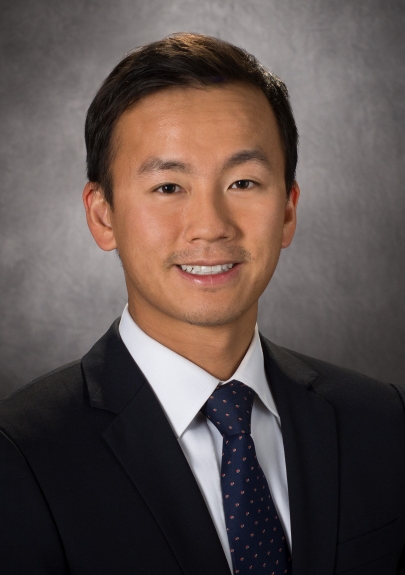 Chad Tang合作论文数Department of Radiation Oncology, Division of Radiation Oncology, The University of Texas MD Anderson Cancer Center7Usama Mahmood合作论文数Department of Radiation Oncology, University of Maryland Medical System7
 Peter McDonald合作论文数Infectious Disease Assay Development Laboratory/HTS, University of Kansas6Agarwal Ankit合作论文数6
 Shane Mesko合作论文数School of Medicine, University of California6
 John S. Lazo合作论文数Department of Chemistry, University of Virginia;Department of Pharmacology, University of Virginia6Rajat J. Kudchadker合作论文数6
 Ann Klopp合作论文数6
 Matthew Christopher Ward合作论文数5D A Kuban合作论文数5Anne Hubbard合作论文数5Tongying Shun合作论文数5Atif J Khan合作论文数Rutgers Canc Inst New Jersey5
 Gjyshi Olsi合作论文数Chicago Medical School, Rosalind Franklin University of Medicine and Science5
 Pasalic Dario合作论文数Mayo Medical School, Mayo Clinic5
 Abram Recht合作论文数Beth Israel Deaconess Medical Center;Harvard Medical School5
 Frank Vicini合作论文数Radiation Oncology Institute, Michigan Healthcare Professionals5Deborah A. Kuban合作论文数5
 Robert S. Kaplan合作论文数The Accounting & Management unit, Harvard Business School, Harvard University5Mitchell Kamrava合作论文数5
 Trevor Pugh合作论文数Department of Medical Biophysics, Temerty Faculty of Medicine, University of Toronto;Princess Margaret Cancer Centre, University Health Network;Translational Genomics Laboratory, Ontario Institute for Cancer Research4Chadha Manjeet合作论文数4
 Jack Phan合作论文数4Pezzi Todd A合作论文数4
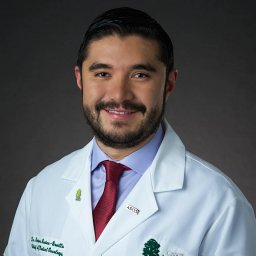 Loaiza-Bonilla Arturo合作论文数Department of Medicine, University of Miami Miller School of Medicine4
 Emma B. Holliday合作论文数Department of GI Radiation Oncology, Division of Radiation Oncology, The University of Texas MD Anderson Cancer Center4
 Tharakeswara Kumar Bathala合作论文数4Matthew Palmer合作论文数4




