Purpose: The 44/20 and 20/0 randomized trials evaluated whether different external beam radiation therapy (EBRT) dosing regimens prior to brachytherapy affected biochemical failure (BF). We report long-term outcomes of both trials and evaluate whether biological equivalent dose (BED) was associated with reduced BF in the combined trial cohort. Methods and Materials: Both trials enrolled patients with clinical T1c to T2b, Gleason scores 7 to 9, and/or a pretreatment prostate-specific antigen (PSA) 10 to 20 ng/mL disease. The 44/20 trial randomized patients to 44 Gy EBRT with 90 Gy palladium (Pd)-103 versus 20 Gy EBRT with 115 Gy Pd-103. The subsequent 20/0 trial randomized patients to the 20 Gy arm versus monotherapeutic 125 Gy Pd-103. For each trial, univariate Fine-Gray analysis evaluated whether the treatment arm was associated with BF for the entire cohort and the unfavorable intermediate-risk (UIR) subgroup. For the combined trial cohort, multivariate Fine-Gray analysis evaluated whether BED was associated with BF while adjusting for clinical factors. Results: There were 247 analyzable patients in the 44/20 trial. At a median follow-up of 13.7 years, there were no differences in BF for the entire cohort (subdistribution hazard ratio [sHR] 0.99; 95% CI, 0.43, 2.276; P = .97) or the UIR subgroup (sHR 0.72; 95% CI, 0.25, 2.08; P = .55). There were 383 analyzable patients in the 20/0 trial. At a median follow-up of 10.4 years, there were no differences in BF for the entire cohort (sHR 0.42; 95% CI, 0.13-1.80; P = .15) or the UIR subgroup (sHR 0.81; 95% CI, 0.16-4.03; P = .80). For the combined cohort (630 patients), BED was not associated with BF (1.00; 95% CI, 0.98-1.02; P = .88) on multivariate analyses while adjusting for androgen deprivation therapy utilization, 4-tiered National Comprehensive Cancer Network category, and year of treatment. Conclusions: Brachytherapy monotherapy should be a standard-of-care treatment for clinically localized, intermediate-risk prostate cancer, including UIR disease. (c) 2024 American Society for Radiation Oncology. Published by Elsevier Inc. All rights are reserved, including those for text and data mining, AI training, and similar technologies.
Introduction: A prostate-specific antigen (PSA) level >0.5 ng/mL after 9 to 10 weeks of neoadjuvant androgen deprivation therapy and before radiation therapy (RT) was associated with an increased PSA-failure risk; however, the impact on all-cause mortality (ACM) risk after adjusting for serum testosterone level remains unknown. Methods: From 2005 to 2015, 350 patients with localized, unfavorable-risk prostate cancer (PC) were randomly assigned to receive androgen deprivation therapy and RT plus docetaxel vs standard of care (SOC) with androgen deprivation therapy and RT. Multivariable Cox regression analyses were used to assess whether a significant association existed between PSA (continuous and categorized as <= 0.5 vs > 0.5 ng/mL) measured at 9 to 10 weeks after randomization and ACM risk, adjusting for known PC prognostic factors and baseline testosterone level. Results: After a median follow-up of 10.23 years (interquartile range: 8.07-11.41), 85 patients died (25.30%), 41 from PC (48.24%). PSA level at 9 to 10 weeks after randomization was significantly associated with increased risk of ACM when analyzed as a continuous (adjusted hazard ratio, 1.16; 95% CI, 1.04-1.30; p = .008) or categorical covariate (>0.5 vs <= 0.5 ng/mL; adjusted hazard ratio, 1.88; 95% CI, 1.12-3.17; p = .02) after adjusting for covariates. Conclusions: This study validates that a PSA level >0.5 ng/mL after neoadjuvant androgen deprivation therapy and before RT is prognostic and significantly associated with an increased ACM risk. Patients achieving this endpoint should be considered for enrollment in future randomized trials evaluating the impact of treatment escalation on ACM using a prerandomization stratification by age or validated comorbidity metrics.
Background Prostate cancer is a substantial health concern in the Middle East and North Africa region, with many cases diagnosed at advanced stages, a high mortality to incidence ratio, and low prostate cancer awareness. This study aimed to evaluate prostate cancer screening practices in the region to inform effective early detection and management strategies.Methods A cross-sectional survey was conducted from July 1, 2023, to November 8, 2024, among physicians from 19 countries in the Middle East and North Africa region. The study used a validated questionnaire to assess prostate cancer screening practices, barriers, and educational needs.Results The survey had a response rate of 96.8% and 1163 participants. Of these participants, 34.7% routinely performed prostate cancer screenings, with 61.1% using prostate-specific antigen tests. The primary barrier was lack of patient awareness (51.2%). In addition, 65.3% of participants had no formal training. To improve screening rates, participants suggested better patient education (63.5%), increased training for health-care professionals (41.9%), and improved access to screening equipment (38.9%).Conclusion This study revealed that prostate cancer screening rates were low, with barriers including a lack of patient awareness and formal training among physicians. Addressing these issues through culturally tailored education programs may improve early detection rates and ultimately reduce the burden of prostate cancer in the Middle East and North Africa region.
Background: Gleason score (GS) 10 prostate cancer (PC) is a highly aggressive localized disease. Despite advances in treating high-risk PC, the clinical outcomes and molecular underpinnings of GS 10 remain unclear. This study aimed to determine whether GS 10 PC has distinct clinical outcomes from other "high-risk" cancers (i.e., Gleason 8-9) and identify genomic alterations driving its aggressive phenotype. Methods: A retrospective review of The Cancer Genome Atlas database identified patients with GS 8-10 PC who underwent radical prostatectomy. Clinical factors were compared between GS 10 and GS 8-9 cohorts. Time to biochemical recurrence (BCR) was analyzed using Kaplan-Meier and Cox regression. RNA sequencing identified differentially expressed genes, and protein-protein interaction networks identified hub genes. Results: Of 192 patients, 13 (6.8%) had GS 10 PC. After median follow-up of 37.87 months, GS 10 status was associated with significantly lower time to BCR (AHR, 2.67; 95% CI, 1.18-6.02; p = 0.018) compared to GS 8-9. Multiple genes (e.g., RAD54L, FAAH, AATK, MAST2) showed higher alteration frequencies, and high expression of RAD54L, MAST2, and CCHCR1 correlated with shorter disease-free survival. Six overlapping hub genes (CD8A, CDC20, E2F1, IL10, TNF, VCAM1) were overexpressed in GS 10 tumors, reflecting key pathways in tumor progression. Conclusions: GS 10 PC confers inferior time to BCR and displays a distinct genomic landscape compared to GS 8-9 disease, highlighting the need for biomarker-driven therapeutic strategies. Further studies are needed to validate these genomic targets and improve management for this very high-risk population.
BACKGROUND:Recent interest in leveraging external data for clinical trial design and analysis in glioblastoma has raised questions on the identification of appropriate data to use as external controls for future trials. We perform a comprehensive analysis assessing candidate sources of external data and comparing clinical trial and real-world datasets in newly diagnosed glioblastoma. METHODS:Individual patient-level data (PLD) from several clinical trials, a large academic institutional database and a registry (National Cancer Database) were used for analysis of patients receiving standard of care radiation with concurrent and adjuvant temozolomide. Data summaries from randomized trials 2012-2022 were analyzed to account for trials without available PLD. Multivariable modeling was employed to compare survival across datasets. RESULTS:In total, 8 datasets with PLD for 3061 patients with newly diagnosed glioblastoma treated with standard chemoradiation were analyzed. Patients on trials were younger (age < 60:64% vs. 48%, p < 0.001) and had higher KPS (KPS≥90:58% vs. 48%, P < .001) compared to non-trial patients. Patients in clinical trials exhibited inferior survival relative to non-trial patients (HR 1.30,95%CI 1.13-1.48, P < .001) after adjustment for age, sex, KPS, extent of resection and MGMT methylation status. In assessment of data summaries of 19 randomized trials, there was no detectable time-trend toward improved outcomes 2012-2022. CONCLUSIONS:In newly diagnosed glioblastoma patients treated with standard of care chemoradiation, there were significant differences between trial datasets and real-world datasets but no evidence of a trial effect benefit from trial participation. After adjustment of relevant covariates, there was no evidence of temporal drift of improved survival over the last decade.
BACKGROUND AND PURPOSE:Artificial intelligence (AI) may extract prognostic information from MRI for localized prostate cancer. We evaluate whether AI-derived prostate and gross tumor volume (GTV) are associated with toxicity and oncologic outcomes after radiotherapy. MATERIALS AND METHODS:We conducted a retrospective study of patients, who underwent radiotherapy between 2010 and 2017. We trained an AI segmentation algorithm to contour the prostate and GTV from patients treated with external-beam RT, and applied the algorithm to those treated with brachytherapy. AI prostate and GTV volumes were calculated from segmentation results. We evaluated whether AI GTV volume was associated with biochemical failure (BF) and metastasis. We evaluated whether AI prostate volume was associated with acute and late grade 2+ genitourinary toxicity, and International Prostate Symptom Score (IPSS) resolution for monotherapy and combination sets, separately. RESULTS:We identified 187 patients who received brachytherapy (monotherapy (N = 154) or combination therapy (N = 33)). AI GTV volume was associated with BF (hazard ratio (HR):1.28[1.14,1.44];p < 0.001) and metastasis (HR:1.34[1.18,1.53;p < 0.001). For the monotherapy subset, AI prostate volume was associated with both acute (adjusted odds ratio:1.16[1.07,1.25];p < 0.001) and late grade 2 + genitourinary toxicity (adjusted HR:1.04[1.01,1.07];p = 0.01), but not IPSS resolution (0.99[0.97,1.00];p = 0.13). For the combination therapy subset, AI prostate volume was not associated with either acute (p = 0.72) or late (p = 0.75) grade 2 + urinary toxicity. However, AI prostate volume was associated with IPSS resolution (0.96[0.93, 0.99];p = 0.01). CONCLUSION:AI-derived prostate and GTV volumes may be prognostic for toxicity and oncologic outcomes after RT. Such information may aid in treatment decision-making, given differences in outcomes among RT treatment modalities.
Rectal spacers, such as stabilized hyaluronic acid (sHA), are used to reduce rectal radiation dose and associated toxicities. Although they have a favorable safety profile, rectal wall infiltration (RWI) can occur. The aim of this study was to evaluate the management and outcomes of patients with RWI after sHA spacer insertion. We conducted a retrospective analysis of patients with prostate cancer who developed RWI after spacer insertion between 2021 and 2024 in Australia. Data included patient characteristics, RWI grades and volume, management strategies (reversal or observation), and delays and toxicities related to radiation therapy (RT). Statistical tests were used to assess associations between RWI volume, grade, management decisions, and delays in RT. Among 5788 spacer patients, 16 cases of RWI (0.3%) were identified. Three patients (18.7%) had grade 1, 7 (43.8%) had grade 2, and 6 (37.5%) had grade 3 RWI. The median infiltration volume was 3.0 mL. Higher infiltration volumes were associated with more severity grade (Spearman rho = 0.93, P < .001). Patients with infiltration volumes of 3 mL or greater were more likely to experience delays, with 7 requiring reversal procedures. All successfully resumed RT without major complications. By contrast, 9 patients with infiltration volumes < 3 mL had either no delays or short delays < 2 weeks. sHA spacers are generally safe for prostate cancer treatment. Careful monitoring and individualized management can optimize outcomes in cases of RWI.
Background: Although extensive research highlights the detrimental effect of cribriform pattern 4 (CP4) on survival in non-high-risk prostate cancer (PC), its prognostic significance in high-risk PC is not well understood. Methods: The individual patient data from the The Cancer Genome Atlas (TCGA) database following radical prostatectomy was retrospectively examined. A predefined statistical analysis was conducted to evaluate the potential association between CP4 and progression-free survival (PFS). Results: Of the 135 patients examined, CP4 was present in 66 (48.9%). Median follow-up was 45.93 months (interquartile range: 22.87, 80.10). Cribriform pattern 4 was associated with a significantly reduced PFS (subdistribution hazard ratio, 1.99; 95% CI, 1.01-3.92; P=.045) following adjustment for covariates. Conclusions: The presence of CP4 in high-risk Gleason 8-10 PC portends worse PFS. Further studies are warranted to fully understand its implications in risk stratification and post-operative management of PC.
Brachytherapy is an essential skill in the practice of radiation oncology and is an important component of high-quality, full-service radiation oncology departments. With rapidly changing technology, the role of brachytherapy is constantly evolving, but it remains critically important for optimal patient care in several disease sites. As a procedural aspect of radiation oncology practice, brachytherapy requires a fundamentally different and more focused training approach, with specific training objectives, a unique knowledge base, and specialized training environment. The existing gap in brachytherapy training and experience is compounded with a lack of standardized training objectives. Consensus statement objectives were in part adapted with permission from the Royal College of Physician and Surgeons of Canada, and then further reviewed, modified and enriched with expert knowledge by all authors. Training objectives were further synchronized with the US Accreditation Council for Graduate Medical Education (ACGME). This ABS/GEC-ESTRO Consensus Statement of training objectives will facilitate brachytherapy training by outlining the necessary knowledge and procedural skills for successful practice in brachytherapy. The final brachytherapy curriculum development for any individual program, country and regions, is the responsibility of the individual programs and licensing jurisdictions and should be tailored to their patient population, available equipment and facilities.
Introduction: Risk of cardiovascular disease is higher among men with prostate cancer than men without, and prostate cancer treatments (especially those that are hormonally based) are associated with increased cardiovascular risk. Materials and methods: An 11-member panel of urologic, medical, and radiation oncologists (along with a men's health specialist and an endocrinologist/ preventive cardiologist) met to discuss current practices and challenges in the management of cardiovascular risk in prostate cancer patients who are taking androgen deprivation therapies (ADT) including LHRH analogues, alone and in combination with androgen-targeted therapies (ATTs). Results: The panel developed an assessment algorithm to categorize patients by risk and deploy a riskadapted management strategy, in collaboration with other healthcare providers (the patient's healthcare "village"), with the goal of preventing as well as reducing cardiovascular events. The panel also developed a patient questionnaire for cardiovascular risk as well as a checklist to ensure that all aspects of cardiovascular disease risk reduction are completed and monitored. Conclusions: Prostate cancer patients receiving ADT with or without ATT need to be more zealously assessed for prevention and aggressively managed to reduce cardiovascular events. This can and should include participation from the entire multidisciplinary healthcare team.
Purpose: Given the variable clinical course of prostate cancer and the limitations of current prognostic factors, this study was conducted to investigate the impact of a histologically overt stromal response (HOST-response) to prostate cancer on clinical outcomes after radical prostatectomy. Methods: This retrospective analysis utilized The Cancer Genome Atlas (TCGA) to evaluate data from individuals with a confirmed diagnosis of prostate cancer who underwent radical prostatectomy and had available pathology slides. These slides were assessed for the presence of a HOST-response, similar to desmoplasia. The primary endpoint was progression-free survival (PFS). A multivariable competing risk regression analysis was used to assess whether a significant association existed between HOST-response and PFS, adjusting for known prostate cancer prognostic factors. Results: Among the 348 patients analyzed, 166 (47.70%) demonstrated a HOST-response. After a median follow-up of 37.87 months (IQR: 21.20, 65.50), the presence of a HOST-response was significantly associated with a shorter PFS (SDHR, 2.10; 95% CI, 1.26 to 3.50; p = 0.004), after adjusting for covariates. Conclusions: HOST-response in prostate cancer patients treated with radical prostatectomy is significantly associated with reduced PFS, suggesting a potential benefit from adjuvant therapy and highlighting the need for further investigation in a prospective randomized clinical trial.
Purpose To evaluate the necessity and/or dose of supplemental external beam radiotherapy (EBRT) in predicting biochemical failure (BF) and prostate cancer specific mortality (PCSM) in higher-risk prostate cancer patients implanted with Pd-103. Materials and Methods Eligibility criteria included clinically organ-confined disease with Gleason scores 7-9 and/or a pre-treatment prostate-specific antigen (PSA) of 10-20ng/mL. Trial 44/20 randomized 247 patients to 44Gy + 90Gy Pd-103 vs. 20Gy with 115Gy Pd-103. The subsequent 20/0 trial randomized 383 patients to the 20Gy arm vs. monotherapeutic 125Gy Pd-103. The brachytherapy prescription dose was prescribed to the prostate gland with generous periprostatic margins using extracapsular seeds and implantation of the proximal 10-12mm of the seminal vesicles. Post-implant computerized tomography (CT) based dosimetry was performed on day 0. Biochemical failure (BF) was defined as a PSA > 0.40ng/mL after nadir. Multiple clinical, pathologic and treatment parameters were evaluated for impact on BF, PCSM, and overall mortality(OM). Results For all 630 patients, the median follow up was 11.8 years with a day 0 D90 of 121.9% of prescription and a V100 of 98.3%. The 13-year BF, PCSM and OM were 5.8%, 1.0%, 30.4%, respectively. For the 44/20 patients (median follow up 13.7 years) BF, PCSM &OM were 8.9%, 2.4% and 39.7% while BF, PCSM & OM for 20/0 (median follow-up 10.4 years) were 3.6%, 0.0% and 21.5%. In part, the difference in outcome between the two groups was due to a significant difference in the number of accrued Gleason score (GS) 8-9 patients (15.8% versus 1.6%). BF and PCSM for FIR, UIR and HR were 3.5% and 0.0%, 7.5% and 1.9%, and 15.2%, and 4.3%, respectively. The median time to BF was 5.1 (range 0.7-10.7), 4.6 (range 0.7-12.3), & 2.9 (range 0.2-7.8) years for FIR, UIR & HR. Neither the addition of EBRT or dose impacted BF (Figure) or PCSM. In multivariate analysis, BF was most closely related to pre-implant PSA (p=0.019, HR=1.154), GS (p=0.008, HR=1.748) & percent positive biopsies (p=0.015, HR=1.020). PCSM was most closely related to pre-implant PSA (p= 0.02, HR=1.218) & GS (p< 0.001, HR=4.178). For all biochemically-controlled patients, the median PSA was< 0.02 ng/ml. Conclusions In this study, consistent, high-quality Pd-103 dose distributions with aggressive extra-capsular and proximal seminal vesicle coverage resulted in durable biochemical control rates in patients with higher-risk features. The addition of supplemental EBRT did not impact BF or PCSM.
Prostate cancer has substantial heterogeneity in clinical outcomes and therapeutic responses, posing challenges in predicting disease progression and tailoring treatment strategies. Recent studies have highlighted the potential prognostic value of evaluating the tumor microenvironment, including the presence of a histologically overt stromal response (HOST-response) characterized by peri-glandular stromal changes and architectural distortions. This retrospective study examined patient records from The Cancer Genome Atlas database to identify genomic alterations associated with the HOST-response in prostate cancer. Among 348 patients who underwent radical prostatectomy, 160 (45.98%) were identified as having a HOST-response. A gene expression analysis revealed 1263 genes with significantly higher expression in patients with a HOST-response. A protein–protein interaction network analysis identified seven hub genes (KIF2C, CENPA, CDC20, UBE2C, ESPL1, KIF23, and PLK1) highly interconnected in the network. A functional enrichment analysis revealed alterations in the cell division, cytoskeletal organization, cytokinesis, and interleukin-16 signaling pathways in patients with a HOST-response, suggesting dysregulated proliferation and inflammation. The distinct molecular signature associated with the HOST-response provides insights into the tumor–stroma interactions driving adverse outcomes and potential targets for tailored therapeutic interventions in this subset of patients with prostate cancer.
BACKGROUND:This study sought to evaluate the late toxicity associated with neoadjuvant and concurrent docetaxel and radiation therapy in patients with prostate cancer. METHODS:A secondary analysis was performed of the phase 3 multicenter randomized trial (Dana-Farber Cancer Institute 05-043) including 350 patients with nonmetastatic unfavorable-risk prostate cancer. Patients were randomized 1:1 to receive androgen deprivation therapy, radiation therapy, and docetaxel versus androgen deprivation therapy and radiation therapy. The study assessed the cumulative incidence rates of grade 2 and grade 3 or higher gastrointestinal, genitourinary, and sexual toxicity. A multivariable Fine and Gray's competing risks regression model adjusted for age at randomization and pelvic lymph node radiation therapy was used to evaluate the treatment effect of docetaxel on time to late genitourinary and gastrointestinal toxicities. RESULTS:The study included 338 patients who primarily had minimal or no comorbidity (74.9%) and median age 66 years (interquartile range: 61,71). At a median follow-up of 10.2 years, docetaxel was not associated with increased risk of any grade 3 or higher (adjusted hazard ratio [AHR], 0.98; 95% confidence interval [CI], 0.36-2.67; p = .96) or grade 2 gastrointestinal (p = .75), genitourinary (p = .44), and sexual (p = .29) toxicity. Age was associated with increased grade 3 or higher (AHR, 1.08; 95% CI, 1.01-1.16; p = .03) and grade 2 gastrointestinal toxicity (AHR, 1.11; 95% CI, 1.03-1.20; p = .005). A nonsignificant trend (p = .09) toward increased late grade 3 or higher toxicity was observed for pelvic radiation therapy use. CONCLUSIONS:Docetaxel combined with radiotherapy has an acceptable long-term toxicity profile.
Purpose/Objective(s) Locally, radiorecurrent prostate cancer (RRPCa) can be treated with salvage brachytherapy. The introduction of prostate-specific PET imaging to detect RRPCa and the establishment of HDR brachytherapy salvage at our institution have led to increased brachytherapy salvage utilization. We investigated the patient make-up and outcomes of this new cohort in comparison to the last two decades of MRI and TRUS guided LDR salvage. Materials/Methods A retrospective review of 101 RRPCa patients with whole-gland brachytherapy (2000-2021) with at least 3 years of follow-up was performed. All were biopsy-proven, locally-recurrent, with no evidence of metastatic progression and received pre-salvage MRI. 30 patients received MRI-guided LDR (Cohort 1: 2000-10), 39 with trans-rectal ultrasound (TRUS)-guided LDR (Cohort 2: 2011-20), and 32 patients with (TRUS guided: 22, CT planned: 10) HDR (Cohort 3: 2017-2021). Percentages are actuarial and calculated using cumulative incidence. Survival analysis was conducted first via Log-Rank test, and Cox proportional hazards for univariate and multivariate analyses. Results At median follow-ups of 20.5, 6.9, and 3.4 years, 3y freedom from BCR were (cohort 1- 79.3%, cohort 2- 78.6%, cohort 3- 75.1%). There was no statistical difference for time to BCR (p = 0.4). As the MRI patients (cohort 1) have been previously reported [Nguyen PL, Cancer 2007] and TRUS LDR is often utilized as an HDR alternative, we further analyzed TRUS and HDR patients. OS, DMFS, Local (Intraprostatic or SV) recurrence, or LRR were not statistically different (p > = 0.05). Long-term GU grade 3 toxicity (90d to 3 y) was not statistically different (Cohort 2: 4/39 (10%), Cohort 3: 4/32 (13%)). There was similarly no difference for long-term GI grade 3 toxicity (Cohort 2: 1/39 (2.6%), Cohort 3: 1/32 (3.1%)). PSA DT < 12 mo trended towards an association with BCR (p = 0.12) and LRR (p = 0.088) on UVA (Table). SVI on pre-salvage MRI was negatively prognostic, UVA (p = 0.045 and p = 0.027) and MVA of cohort and PSA DT (p = 0.038 and p = 0.022) for BCR and LRR, respectively. HDR recurrences were: 1 LR only, 2 regional recurrences only, and 3 LRRs. Conclusion In this single-institution retrospective comparison study, modern, salvage HDR brachytherapy for RRPCa (BCR, LRR, OS) appears similar to historical methods (MRI guided LDR) and contemporary alternatives (TRUS LDR). Additionally, long-term GU and GI toxicities are rare for both HDR and TRUS LDR. As the majority of LRR failures included intraprostatic or SV failure (4/6) for HDR therapy, prospective studies involving further dose-escalation to PSMA-avid lesions may be warranted.
 Paul L. Nguyen合作论文数Brigham and Women's Hospital;75 Francis Street;Boston, MA 02115/Dana-Farber Cancer Institute;450 Brookline Avenue;Boston, MA 02215112
 King Martin T合作论文数70
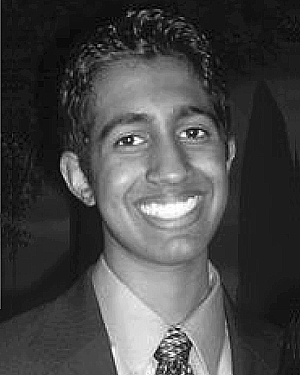 Muralidhar Vinayak合作论文数Harvard Medical School, MIT39
 Neil E. Martin合作论文数Harvard Medical School;Department of Radiation Oncology, Brigham and Women's Hospital;Dana-Farber Brigham Cancer Center, Milford Regional Medical Center;Center for Gastrointestinal Oncology, Dana-Farber Cancer Institute38
 Anthony V. D'Amico合作论文数Harvard Medical School;Division of Genitourinary Radiation Oncology, Brigham And Women's Hospital;Dana-Farber Cancer Institute35
 Brandon A. Mahal合作论文数Sylvester Comprehensive Cancer Center, Miller School of Medicine, University of Miami;Sylvester Comprehensive Cancer Center;Department of Radiation Oncology, Miller School of Medicine, University of Miami35
 Clair Beard合作论文数Division of Genitourinary Radiation Oncology, Department of Radiation Oncology, Harvard Medical School;Dana-Farber/Brigham Cancer Center, Harvard Medical School32
 Ivan Buzurovic合作论文数Thomas Jefferson University27David C Yang合作论文数26Leeman Jonathan合作论文数Dept Radiat Oncol, Mem Sloan Kettering Canc Ctr21
 Gregory Stephen Merrick合作论文数Wheeling Hospital;Wetzel County Hospital;Weirton Medical Center20
 Quoc-Dien Trinh合作论文数School of the Health Sciences, University of Pittsburgh;Department of Urology, UPMC19Yuwei Chen合作论文数Department of Radiation Oncology, Massachusetts General Hospital19
 Mutlay Sayan合作论文数18R. Cormack合作论文数18
 Kent W. Mouw合作论文数Harvard Medical School;Bladder Cancer Center, Dana-Farber Cancer Institute;Brigham And Women's Hospital18Nezolosky Michelle D合作论文数18
 Philip M. Devlin合作论文数18
 Christian V. Guthier合作论文数Medical Faculty of Mannheim, Heidelberg University17
 Shalini Moningi合作论文数Sidney Kimmel Comprehensive Cancer Center, Johns Hopkins University16M T King合作论文数14
 Martin Neil合作论文数School of Electronic and Electrical Engineering and Computer Science, Queen Mary University of London13
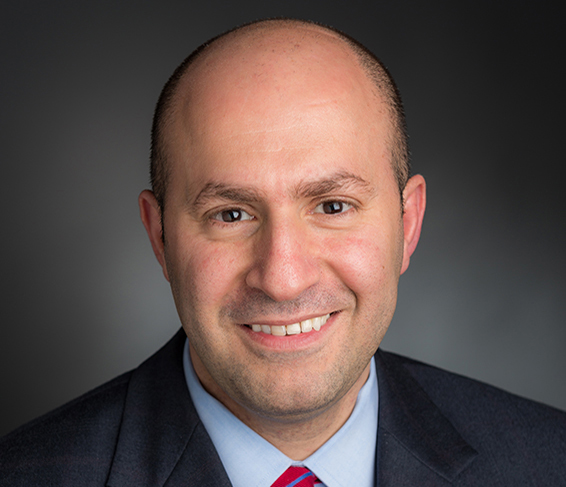 Toni Choueiri合作论文数Lank Center for Genitourinary (GU) Oncology, Dana-Farber Cancer Institute;Harvard Medical School;Brigham and Women's Hospital12
 Wayne Butler合作论文数Schiffler Cancer Center, Wheeling Hospital12
 Ming-Hui Chen合作论文数Department of Statistics, College of Liberal Arts and Sciences, University of Connecticut11
 Felix Y. Feng合作论文数Department of Radiation Oncology, University of California, San Francisco11
 Nikhil G. Thaker合作论文数11Lee Leslie K合作论文数Department of Radiology, Massachusetts General Hospital10
 Kent Wallner合作论文数Radiation Oncology Center, University of Washington10A. V. DAmico合作论文数9Ninjin Boldbaatar合作论文数9Yang David T合作论文数9
 Harris C Thomas合作论文数Center for Integrated Nanotechnologies, Sandia National Laboratories9Desmond A. O'Farrell合作论文数9
 Karen Elizabeth Hoffman合作论文数Department of Breast Radiation Oncology, Division of Radiation Oncology, MD Anderson Cancer Center, The University of Texas9
 Steven Frank合作论文数Department of Anesthesiology and Critical Care Medicine, School of Medicine, Johns Hopkins University8
 David R. Ziehr合作论文数Department of Chemistry, University of Wisconsin-Madison8
 Marian Loffredo合作论文数8Mitchell Kamrava合作论文数8
 Robert Galbreath合作论文数8Christopher E. Kehayias合作论文数7Yetkin Tuaç合作论文数7
 James Man Git Tsui合作论文数Gerald Bronfman Department of Oncology, Faculty of Medicine and Health Sciences, McGill University7Cox Brett W合作论文数7Daniel Rosen合作论文数7Luciant D. Wolfsberger合作论文数6Emily Neubauer Sugar合作论文数6Albert J Chang合作论文数6




