Background:This study evaluates and compares the performance of Artificial Intelligence Assessment (AIA) and Clinical Expert Assessment (CEA) in assessing clinical skills. Methods:Data were collected during two clinical skills competitions held in November 2024 and April 2025. Students' skills were assessed on history-taking, endotracheal intubation, and cardio-pulmonary resuscitation (CPR) by CEA and AIA at the same time. Statistical analyses included intraclass correlation coefficient (ICC), Pearson's correlation, paired-sample t-tests, and Bland-Altman plots. Results:For history-taking, endotracheal intubation, and CPR, scores of AIA and CEA showed moderate, excellent, and poor correlation, respectively. In history-taking, the results of ICC, Pearson's correlation, and paired-sample t-tests (CEA-AIA) are 0.40, 0.57 and 8.23. In endotracheal intubation, the results are 0.92, 0.96 and -1.31. In CPR, the results are 0.20, 0.25 and 3.75. Discussion:The findings indicate that while AIA is good at objective structured content assessments, it struggles with subjective or context-rich scenarios. Conversely, CEA provides valuable holistic judgments but is likely to have bias and lack continuous attention. Combining both methods could leverage their respective strengths, improving evaluation reliability and educational outcomes. Conclusion:Integrating AIA for quantifying technical skills alongside CEA for comprehensive evaluation can enhance medical education assessments. Nonetheless, significant calibration and validation efforts are required before AI systems can be fully implemented.
BACKGROUND:The development of non-invasive diagnostic tools for Parkinson's disease (PD) remains an unmet clinical need. Given the contribution by peripheral metabolism and environmental factors toward PD pathogenesis, comprehensive profiling of the plasma phenome could enable early disease detection. Accordingly, this study aimed to develop a non-invasive diagnostic panel for PD, to comprehensively characterize potential environmental triggers of PD pathogenesis, and to delineate the relationship between peripheral metabolism and disease progression. METHODS:We performed quantitative plasma phenome profiling - including metabolomics, lipidomics and bile acid analysis - in two independent cohorts of early PD (n = 226, median disease duration <5 years) comprising predominantly treated and treatment-naive patients, respectively, and healthy controls (HCs; n = 122) to identify PD-associated metabolites. Longitudinal analyses were conducted in a patient subset over a two-year follow-up. Longitudinal analyses (2 years) and trans-omics integration were applied. RESULTS:Trans-omics integration showed glutathione metabolism dysregulation, with reduced plasma γ-glutamyl peptides and elevated sphingomyelin linked to motor dysfunction; higher baseline γ-glutamyl peptides predicted worse motor prognosis in PD. Reduced sphingosine-1-phosphates (S1Ps) and lysophosphatidic acids (LPAs) were correlated with abated tricarboxylic acid (TCA) cycle and motor deterioration. A three-metabolite panel (pyroglutamic acid, 2-methylbutyrylglycine, α-ketoisovaleric acid), selected via LASSO regression, robustly discriminated early PD from HCs, consistently outperforming clinical indices and lipid/bile acid panels (Discovery AUROC = 0.97 [0.96-0.99]; Validation AUROC = 0.83 [0.75-0.91]). CONCLUSION:Our findings demonstrate the clinical utility of plasma metabolites as robust, medication-independent biomarkers for early PD diagnosis, and delineate disease-associated metabolic deficits as potential targets for nutritional/metabolic intervention.
Central nervous system infections present clinical features of high disability and high mortality in the field of neurosurgery. The expansion of neurosurgical centers, the increase in surgical volume and the use of prosthetic materials and implants, have made nosocomial and iatrogenic intracranial infections coexist, the pathogen spectrum has shifted from Gram-positive cocci toward multidrug-resistant Gram-negative bacilli, and the coverage window of conventional empirical antimicrobial regimens has been compressed. In terms of diagnosis, the positivity of cerebrospinal fluid (CSF) culture is low after empirical antibiotic exposure; CSF heparin-binding protein, procalcitonin, lactate and metagenomic next-generation sequencing (mNGS) are becoming key methods for early postoperative stratified differentiation. In terms of treatment, the clinical positioning of intraventricular/intrathecal administration and new-generation antimicrobials (cefiderocol, contezolid, etc.) are becoming increasingly clear; long-term external drainage (LED) and continuous lumbar drainage (CLD) as approaches for refractory ventriculitis and complex postoperative infection, have become routine strategies that can be tested by multicenter prospective studies. In the future, the key issues for this disease are the routine management of antimicrobial resistance (AMR), multi-marker combined diagnosis and a national neuro-infection registry. This article presents a clinical perspective from the standpoints of current epidemiology, diagnostic stratification, treatment pathways and future directions.
CLOVES syndrome is driven by somatic activating PIK3CA mutations that constitutively activate the PI3K-AKT-mTOR pathway, resulting in segmental overgrowth and complex vascular malformations. Emerging evidence suggests these vascular lesions are biologically active and may pre-dispose to localized intravascular coagulation and thrombosis. We report a 21-year-old man with genetically confirmed CLOVES syndrome who developed concurrent consumptive coagulopathy and hypercoagulability. Post-operatively, he experienced both hemorrhagic and thromboembolic complications, culminating in fatal cardiac arrest. This case highlights a fragile perioperative hemostatic balance in CLOVES syndrome, underscoring the need for careful risk stratification and multidisciplinary management.
BACKGROUND:Cerebral venous sinus thrombosis (CVST) occurring during the puerperium is a rare yet life-threatening condition. The management of CVST becomes more complex when complicated by heparin-induced thrombocytopenia (HIT), a prothrombotic adverse effect of heparin therapy. CASE PRESENTATION:A case of puerperium-associated CVST with HIT is presented, in which fondaparinux was utilized as an alternative anticoagulant during the acute phase, followed by rivaroxaban. A multidisciplinary approach was employed, which included hematoma drainage, decompressive craniectomy, and endovascular recanalization. The patient achieved a favorable outcome, with a modified Rankin scale score of 2 at the 3-month follow-up. CONCLUSION:This case highlights the potential safety and efficacy of fondaparinux in the management of CVST with HIT, emphasizing the critical role of a multidisciplinary approach in optimizing patient recovery.
Objective To evaluate the clinical value of temporal horn-abdominal subcutaneous tunnelled external drainage for the management of post-infectious trapped temporal horn(TTH).Methods A retrospective analysis was performed on 26 patients who developed TTH after intracranial infection and underwent temporal horn-abdominal subcutaneous tunnelled external drainage in the Plastic Surgery Hospital,Chinese Academy of Medical Sciences from August 2022 to August 2024.Preoperative and postoperative clinical and imaging data were collected.The reduction rate of the maximum cross-sectional area of the temporal horn,the volume of temporal horn,and improvement rate of clinical symptoms were statistically analysed.Results Among the 26 patients,21 underwent direct temporal horn-abdominal subcutaneous tunnelled drainage surgery;5 cases of temporal horn abscess were treated with temporal horn external drainage first,after no pus was discharged and the bacterial culture of cerebrospinal fluid(CSF)was negative,temporal horn-abdominal subcutaneous tunnelled external drainage was performed.Among them,12 cases had simple temporal horn exteral drainage surgery,12 cases had temporal horn exteral drainage surgery combined with lateral ventricle external drainage,2 cases had temporal horn exteral drainage surgery combined with trapped fourth ventricle exteral drainage.One case had the drain removed because of persistent absence of CSF outflow,2 cases died,and 23 cases underwent modified ventriculo-peritoneal shunt(VPS)at the second stage.A≥50%reduction in the maximum cross-sectional area of the temporal horn was achieved in 88.46%(23/26)of the patients.The postoperative volume of temporal horn was significantly smaller than the preoperative volume(Z=-5.626,P=0.000).Headache(χ2=17.053,P=0.000),cerebral herniation(χ2=6.125,P=0.008),consciousness disorders(χ2=7.111,P=0.004),increased muscle tone(χ2=5.143,P=0.016),elevated blood pressure(χ2=16.056,P=0.000),and tachycardia(χ2=21.043,P=0.000)had all improved compared to preoperative levels.Conclusions Temporal horn-abdominal subcutaneous tunnelled external drainage for post-infectious TTH can effectively control infection and clear CSF while continuously relieving intracranial hypertension,creating safe conditions for second-stage VPS,and thereby helping to increase the shunt success rate and shorten the overall treatment period.
Asialoglycoprotein receptor 1 (ASGR1) is associated with lipid metabolism and coronary artery disease (CAD) risk, but its expression patterns, diagnostic performance, and prognostic significance in hypertensive patients with CAD remain unelucidated. This single-center study enrolled 345 hypertensive patients between 2022 and 2025 (59 with hypertension alone, 286 with hypertension and CAD). Plasma ASGR1 levels were measured by enzyme-linked immunosorbent assay. Receiver operating characteristic (ROC) curves, Spearman correlation, and Cox proportional hazards modeling were performed to assess the diagnostic efficacy of ASGR1 in CAD and its prognostic value for all-cause rehospitalization. Plasma ASGR1 levels were significantly higher in hypertensive patients with CAD than in those with hypertension alone (p < 0.001) and higher ASGR1 expression is accompanied by more severe coronary lesions and adverse clinical phenotypes. Inflammatory markers, liver injury biomarkers and cardiac injury biomarkers were positively correlated with ASGR1, whereas high-density lipoprotein cholesterol (HDL-C) was negatively correlated. ASGR1 showed excellent diagnostic ability for CAD in hypertensive patients with area under the curve of 0.937 (95% CI: 0.906-0.960). Multivariate analysis showed that each 1-unit increase in ASGR1 was associated with a 37% higher risk of CAD (odds ratio 1.37, 95% CI: 1.24-1.52, p < 0.001). Longitudinally, elevated baseline ASGR1 was independently associated with an increased risk of all-cause rehospitalization (adjusted hazard ratio 1.97, 95% CI: 1.16-3.35, p = 0.012). These findings support ASGR1 may serve as a diagnostic biomarker and prognostic indicator for hypertensive patients with CAD.
OBJECTIVE:Fractional flow (FF) reserve has been developed as a gold standard for coronary intervention. Intracranial FF is also a valuable hemodynamic index to assess the severity of narrowing in intracranial atherosclerotic stenosis (ICAS). This study aims to investigate the predictive value of FF in assessing restenosis following endovascular treatment in patients with symptomatic ICAS. METHODS:This retrospective study recruited 67 patients with symptomatic ICAS who received intracranial stenting between March 2019 and January 2024. FF was measured by dedicated software (AccuICAD) before and after stenting. During follow-up, patients were categorized into two groups based on the occurrence of in-stent restenosis (ISR): ISR group and non-ISR group. Multivariate regression analysis and Kaplan-Meier survival analysis were performed to identify the predictive factors for ISR. RESULTS:Post-FF was significantly different between the ISR and non-ISR groups (0.84±0.09 vs 0.92±0.06, respectively, P<0.01). Univariate and multivariate Cox regression analyses identified post-FF (HR 0.0, 95% CI 0.0 to 0.08, P=0.005) and smoking (HR 3.06, 95% CI 1.02 to 9.19, P=0.047) as the two predictors of ISR. Receiver operating characteristic curve analysis confirmed the predictive value of post-FF for ISR (AUC=0.783, 95% CI 0.645 to 0.920, P=0.003), with a cut-off value of 0.94. Kaplan-Meier survival analysis further demonstrated that patients with a post-FF value >0.94 had a significantly lower incidence of ISR (P=0.001). CONCLUSION:In this study, post-FF effectively predicted ISR, providing an intraoperative evaluation value for stenting in ICAS.
IntroductionMeige syndrome is a rare adult-onset segmental dystonia characterized by blepharospasms and oromandibular dystonia. Deep brain stimulation (DBS) of the subthalamic nucleus (STN) is an established treatment, but it can lead to stimulation-induced dyskinesia (SID) in some patients. Refractory SID in Meige syndrome after STN-DBS is clinically challenging. We report a case of a Meige syndrome patient who developed refractory SID following STN-DBS and was successfully managed using a novel timed-stimulation programming strategy employing different contacts.Case descriptionA 47-year-old female with a two-year history of Meige syndrome developed refractory SID after the treatment of STN-DBS. Various programming strategies were attempted, including monopolar stimulation, interleaved stimulation, bipolar stimulation et al., but none achieved a balance between symptom control and SID. A novel approach involving timed alternation between ventral contacts (contacts 3 and 7) and dorsal contacts (contacts 4 and 8) was implemented. The stimulation was gradually programmed, the duration of ventral stimulation was increased while decreasing dorsal stimulation. Eventually, the patient achieved significant symptom improvement without SID. The reconstruction of the volume of tissue activated (VTA) revealed that this stimulation strategy likely modulates the neural circuits of pallidothalamic fibers (PTF) to suppress SID.ConclusionThis case demonstrates that this noval timed stimulation programming can effectively manage refractory SID in Meige syndrome patients, offering a viable alternative when conventional methods fail. The findings suggest that PTF stimulation plays a key role in SID suppression, and this strategy warrants further investigation in larger cohorts.
BACKGROUND:Chaihu-Shugan-San (CSS), a classic traditional Chinese medicine formula, has demonstrated significant efficacy in treating various gastrointestinal disorders. AIM:To explore the therapeutic efficacy of CSS in alleviating chronic atrophic gastritis (CAG), and elucidate the underlying mechanisms of action. METHODS:High performance liquid chromatography-mass spectrometry was used to identify the main active components of CSS. The therapeutic effects of CSS at doses of 925 mg/kg/day and 1850 mg/kg/day on N-methyl-N'-nitro-N-nitrosoguanidine (MNNG)-induced CAG were evaluated. Network pharmacology and molecular docking were used to predict the potential targets of CSS in CAG. The impact of CSS on the gut microbiota of rats was investigated by 16S rRNA sequencing. RESULTS:The main active components of CSS were lipids and lipid-like molecules, phenylpropanoids and polyketides. In vivo experiments showed that CSS significantly ameliorated MNNG-induced CAG by inhibiting inflammation and apoptosis. The core target of CSS to alleviate CAG were tumor necrosis factor, interleukin (IL)-1β, IL-6, BAX, BCL2, caspase-3/caspase-9, and NFKBIA. Gene Ontology analysis of these core targets revealed their predominant association with the nuclear factor-kappa B (NF-κB) signaling complex and BAX apoptotic complex. Molecular docking demonstrated that six compounds in CSS, including baicalin, licoisoflavone B, licochalcone B, glabrone, glycyrrhiza flavonol A, and marmin exhibited strong binding affinities with NFKBIA. 16S rRNA sequencing indicated that CSS promoted beneficial changes in the colonic microbial community. CONCLUSION:CSS alleviated CAG by inhibiting NF-κB-mediated inflammation and apoptosis, providing insights into its mechanism of action in protection against CAG.
[This retracts the article DOI: 10.3892/etm.2019.8060.].
BACKGROUND:Tissue engineering technology has limited application in bone tissue regeneration because the mechanism remains unclear. SUV39H1 is a well-characterized histone methyltransferase, but its specific role in bone regeneration of dental pulp stem cells(DPSCs) remains unclear. Mitochondrial energy metabolism plays a regulatory role in osteogenesis, with lipid metabolites serving as critical substrates to fuel this process. FASN has been established as a key regulator of fatty acid metabolism. Therefore, we speculate that SUV39H1 influences the osteogenic differentiation of DPSCs through the mediation of FASN. However, it is still unclear how to regulate the expression of the SUV39H1. METHODS:Alkaline phosphatase activity and alizarin red staining were used to detect the osteogenic differentiation of DPSCs. Real-time reverse transcription polymerase chain reaction (RT-PCR) and Western blot were performed to detect gene expression levels. Cranioparietal bone replantation in rats and subcutaneous replantation in nude mice were used to confirm bone tissue regeneration. The Seahorse Cell Mitochondria Stress Test was used to detect the oxygen consumption rate. Co-Immunoprecipitation and GST pull-down confirmed the proteins complex. Lipid metabolism sequencing was used to detect the lipid metabolites. Software-based prediction tools analyze gene conservation and interaction networks. Dual-luciferase Reporter Gene Assay was used to detect SUV39H1 regulation by miRNA. RESULTS:SUV39H1 promoted osteogenic differentiation and bone regeneration in DPSCs. Our results further demonstrated that SUV39H1 enhanced the osteogenic differentiation of DPSCs by promoting lipid metabolism and subsequent mitochondrial energy metabolism. Upon exploring the mechanism by which SUV39H1 regulates lipid metabolism and mitochondrial function. SUV39H1 was found to bind to non-histone and methylated FASN. Simultaneously, FASN was degraded by ubiquitination after SUV39H1 combined with FASN. Thus, SUV39H1 was speculated to methylate FASN, and subsequently recruit a ubiquitination enzyme targeting FASN for degradation. This process modulated lipid and mitochondrial energy metabolism to facilitate the bone regeneration of DPSCs. Regarding the mechanism of regulating SUV39H1 expression, miR-4788 bound to the 3 'UTR of SUV39H1 was found to silence its expression. CONCLUSION:Overall, SUV39H1 facilitated the osteogenic differentiation of DPSCs by modulating lipid metabolism and affected mitochondrial energy metabolism through FASN via non-histone methylation and ubiquitination mechanisms. The expression of SUV39H1was regulated by miR-4788.
Introduction Hyperosmolar therapy is crucial for the management of cerebral oedema and high intracranial pressure. Mannitol and hypertonic saline (HTS) at different concentrations are commonly used in clinical practice, but evidence of their use is mostly derived from studies about traumatic brain injury. The aim of this study was to evaluate the efficacy and safety of hyperosmolar therapy for severe aneurysmal subarachnoid haemorrhage (SAH).Methods and design This is a prospective multicentre observational study in which adult patients with severe aneurysmal SAH (Hunt–Hess score ≥3) will be enrolled. At least 124 patients will be enrolled over 2 years. Each enrolled patient will be treated in accordance with relevant management guidelines. The hypertonic agent used will be 20% mannitol (3 mL/kg) or 10% sodium chloride (HTS) (1 mL/kg). The choice and daily dose of the hypertonic agent will be determined by the attending doctor. The primary outcome will be the modified Rankin scale (mRS) score at 30 days after ictus. The secondary outcomes will be the mRS score at 6 months and the incidence of complications during hospitalisation, including phlebitis, acute kidney injury (AKI), hypokalaemia, hyperkalaemia, hyponatraemia, hypernatraemia, vessel spasm, delayed cerebral ischaemia (DCI), subdural effusion and hydrocephalus. An mRS score 0–2 will indicate a favourable outcome, whereas an mRS score 3–6 will indicate an unfavourable outcome. Logistic analysis will be performed to evaluate the association between the hyperosmolar agent and outcome (favourable or unfavourable).Discussions The aim of this multicentre observational study is to provide evidence on the efficacy and safety of hyperosmolar therapy for severe aneurysmal SAH.Ethics and dissemination This study was approved by the Ethics Committee of Xuanwu Hospital (approval date: 10 July 2023) under protocol V.2.0 (version date: 26 April 2023) (reference number: [2023]086). The results will be published in a peer-reviewed journal and reported at relevant professional conferences.Trial registration number NCT05858060.
Acute ischemic stroke (AIS) subtypes exhibit distinct pathophysiological mechanisms. While current classification methods predominantly depend on neuroimaging, there remains a critical need for sensitive biomarkers to complement imaging and enhance early subtype identification in clinical settings. This study employed metabolomics to identify such biomarkers. A total of 320 AIS patients within 48 h of symptom onset were enrolled, including 227 with large artery atherosclerosis (LAA) and 93 with small vessel occlusion (SVO). Participants were divided into a discovery cohort (n = 177) and a validation cohort (n = 143) based on enrollment order. Pseudotargeted serum metabolomic profiling was performed using liquid chromatography-tandem mass spectrometry (LC-MS/MS). Distinct metabolomic signatures were observed between LAA and SVO subtypes. Three differentiating metabolites-glycoursodeoxycholic acid, docosapentaenoic acid (22n-6), and FAHFA 38:4-were consistently identified and validated across both cohorts. Combined analysis of these metabolites significantly enhanced the discriminatory power for AIS subtype differentiation. This study presents these three circulating metabolites that have the potential to serve as novel biomarkers for the early differentiation between LAA and SVO subtypes of AIS.
Evobrutinib, a third-generation Bruton's tyrosine kinase (BTK) inhibitor, shows great promise for treating neuroinflammatory diseases due to its small molecular size, ease of absorption, and ability to cross the blood–brain barrier. Although previous studies have confirmed significant BTK expression in microglia, the potential of Evobrutinib to treat ischemic stroke by modulating microglial function and its underlying mechanisms remain to be elucidated. Male C57BL/6 mice with cerebral ischemia was established to evaluate the effects of oral Evobrutinib treatment. Assessments included TTC staining, behavioral experiments, and pathological examinations were used to evaluate cerebral ischemic injury. Western Blot, flow cytometry, and qPCR were employed to monitor changes in BTK and pBTK expression in microglia and the impact of Evobrutinib on neuroinflammation following the stroke. In vitro, primary microglia were generated to determine the effects of Evobrutinib on the TLR4/ Myd88/NF-κB pathway and on the polarization of microglial subtypes. The expression of BTK and pBTK is upregulated in microglia under conditions of cerebral ischemia and oxygen–glucose deprivation (OGD). Evobrutinib treatment not only reduced infarct volume in mice but also ameliorated pathological damage and facilitated neurological function recovery. Flow cytometry revealed that Evobrutinib decreased inflammatory cell infiltration and promoted M2 microglia polarization post-stroke. In vitro studies demonstrated that Evobrutinib downregulated the proportion of pro-inflammatory microglia and curtailed the secretion of inflammatory factors under OGD conditions. Mechanistically, Evobrutinib attenuated the OGD-induced upregulation of TLR4/Myd88/NF-κB expression, an effect that was further enhanced by the addition of the TLR4 pathway inhibitor TAK242. Evobrutinib inhibits the expression and activation of BTK in microglia, reducing M1 microglia-mediated neuroinflammation and alleviating ischemic injury following stroke. This effect is mechanistically linked to the inhibition of TLR4/Myd88/NF-κB-mediated M1 polarization of microglia. Evobrutinib treatment improves neurological function of mice with cerebral ischemia, and alleviates neuroinflammation by inhibiting M1 microglia polarization through TLR4/Myd88/NF-κB pathway.
ETHNOPHARMACOLOGICAL RELEVANCE:Dysregulation of the upper respiratory tract microbiota, host metabolite profiles, and immune lymphocyte subpopulations is critical in the pathogenesis of respiratory tract infectious diseases (RTIs). Sang Zhu Yang Zheng herbal tea (SZYZ) has emerged as a promising intervention for RTIs, yet its underlying mechanism remains unclear. AIM OF THE STUDY:This study aims to investigate the immunomodulatory mechanisms of SZYZ underlying its role in the prevention and treatment of RTIs. MATERIALS AND METHODS:Human studies were conducted to investigate SZYZ's immunomodulatory effects in preventing RTIs in healthy individuals. In healthy human subjects, SZYZ administration was evaluated for its impact on immune cell counts, airway microbiota composition, and metabolic profiles using advanced sequencing and metabonomic techniques. Murine models were utilized to explore SZYZ's preventive and therapeutic effects, as well as its underlying mechanisms against RTIs, with a focus on influenza A virus (IAV) infection. Murine models were employed with H1N1 PR8 virus infection, and study the therapeutic efficacy and mechanisms of SZYZ alone or in combination with oseltamivir. RESULTS:In healthy humans, SZYZ profoundly increased the total T cells, B cells, CD4+ T cells, and CD8+ T cells. 16S rRNA sequencing showed decreased airway microbes' diversity, enrichment of the genera Bacteroides and Bifidobacterium, and lowered phyla Actinobacteria, Synergistetes, and several opportunistic pathogens, including Actinomyces, Fretibacterium, Mobiluncus, and Cloacibacillus, and inhibited microbe functions of human disease and bacterial infectious pathways, after administration. Serum and fecal metabonomic identified changes in 138 and 197 metabolites, respectively. Airway Actinobacteria were negatively corelated to total T cells and CD8+T cells count. Serum methyl hexadecanoic acid levels were negatively correlated with T cell counts and positively with Actinobacteria abundance. In IAV-infected mice, SZYZ, administered either as a prophylactic intervention or in combination with oseltamivir, significantly reduced mortality and pathological damage, which were related to immunomodulatory mechanisms of oxidative stress, inflammatory cytokines, and lymphocyte ratio. CONCLUSION:We comprehensively elucidate the immunomodulatory effects of SZYZ's on microbiota, metabolism, and lymphocyte subpopulations, which provides a new therapeutic approach for the prevention and treatment of RTIs.
Sepsis is a life-threatening condition caused by dysregulated host responses to infection, characterized by excessive inflammation and abnormal coagulation. Neutrophil extracellular traps (NETs) formation bridges these two pathological processes. Through both in vivo and in vitro experiments, it is observed that Emodin, a natural anthraquinone derivative derived from Dahuang, significantly ameliorates the cytokine storm and coagulation abnormalities induced by sepsis, demonstrating remarkable efficacy in inhibiting NETs formation. Furthermore, through protein microarrays, surface plasmon resonance (SPR), pull-down assays, and molecular docking analyses, BCL-10 is established as a direct target of Emodin, providing protective effects in both in vivo and in vitro settings. Through conditional knockout of BCL-10 in neutrophils, alongside single-cell sequencing analyses, it is confirmed that BCL-10 is key in promoting excessive NET formation in sepsis. Additionally, Emodin exerts powerful protective effects by modulating the function of the BCL-10/MALT1 complex, thereby alleviating the NF-κB signaling activation and inhibiting NETs formation. Collectively, these findings provide pharmacological evidence that Emodin targeted BCL-10 regulates the BCL-10/MALT1 complex and suppresses NF-κB activation, ultimately conferring significant multiorgan protective effects in sepsis. The conduct of this study provides new clues for the translational research of Emodin and its target BCL-10 in sepsis.
Infection with Influenza A virus (IAV) induces severe inflammatory responses and lung injury, contributing significantly to mortality and morbidity rates. Alterations in the microbial composition of the lungs and intestinal tract resulting from infection could influence disease progression and treatment outcomes. Xiyanping (XYP) injection has demonstrated efficacy in clinical treatment across various viral infections. However, its specific effects and mechanisms against IAV remain unclear. In this study, we established an IAV infection mice model, and utilized 16 S rRNA sequencing, RNA sequencing, protein chips, and molecular docking, to investigate the mechanisms of XYP injection on altering pulmonary and gut microbiota, and identifying its target sites. We revealed that XYP injection significantly reduced mortality, weight loss, lung viral titers, and lung pathology in IAV-infected mice. XYP injection down-regulated the activity of malondialdehyde, and the levels of interleukin (IL)-1β, IL-5, IL-6, tumor necrosis factor-α, IL-18, IL-15, granulocyte colony-stimulating factor, IL-9, chemokine (C-C motif) ligand-5, and C-X-C motif chemokine ligand 5, while up-regulated the activities of glutathione peroxidase reactive and superoxide dismutase, and the level of interferon-γ. The diversity of the pulmonary and gut microbiota was altered slightly after XYP injection. The linear discriminant analysis of the gut microbes revealed a higher proportion of potentially beneficial bacteria, including Akkermansia, Parabacteroides goldsteinii, Defluviitaleaceae, Oscillospirales, and Eubacterium_coprostanoligenes_group characterized the XYP group. Peritoneal macrophage RNA sequencing highlighted Serpinb2 as the most significantly regulated gene by XYP injection, along with consistent changes in multiple downstream Th2 structure genes. KEGG pathway analysis indicated significant modifications in genes associated with influenza A, mitogen-activated protein kinase signaling, nuclear factor kappa-B signaling, and apoptosis following XYP injection. Finally, human protein chips and molecular docking were carried out to confirm the binding of the main component of XYP injection, andrographolide, with SERPINB2/PAI-2 protein. Overall, our study provides valuable insights into the therapeutic potential of XYP injection in treating influenza, highlighting its multifaceted effects on host microbiota and immune responses, and pinpointing SerpinB2/PAI-2 as the target for XYP injection in exerting anti-inflammatory and antiviral therapeutic mechanisms.
 WenJin Chen (陈文劲)合作论文数35Weitao Cheng合作论文数34Xin Qu合作论文数33Meng Qi (齐猛)合作论文数Xuanwu Hospital, Capital Medical University30YueJiao Xu (徐跃峤)合作论文数26LiDan Jiang (蒋丽丹)合作论文数19XiaoLong Xu (徐霄龙)合作论文数18Feng Shang合作论文数15Yueqiao Xu合作论文数14
 Shasha He (何沙沙)合作论文数College of Chemistry and Chemical Engineering, Xiamen University13
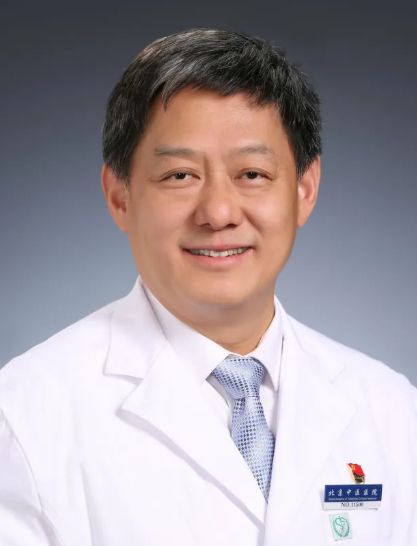 Qingquan Liu (刘清泉)合作论文数Beijing Hospital of Traditional Chinese Medicine, Capital Medical University13
 Jingxia Zhao (赵京霞)合作论文数Beijing Institute of Traditional Chinese Medicine/Capital Medical University/Beijing University of Chinese Medicine13Hao Zhao (赵浩)合作论文数11Yan Lin合作论文数11
 Yuhong Guo (郭玉红)合作论文数Beijing Hospital of Traditional Chinese Medicine, Capital Medical University11
 Feng Ling (凌锋)合作论文数Department of Neurosurgery, Xuanwu Hospital, Capital Medical University10
 Hongqi Zhang (张鸿祺)合作论文数Xuanwu Hospital, Capital Medical University9Yunjing Bai合作论文数7Lin Wang合作论文数6Ming Wang合作论文数5Jin Song合作论文数5Haoqing Yang合作论文数5
 Jiuchang Zhong (钟久昌)合作论文数Beijing Chao-Yang Hospital, Capital Medical University5
 Zhipeng Fan (范志朋)合作论文数Graduate School of Capital Medical University5
 Shu Wan (万曙)合作论文数浙江大学5
 Wenyao Zhang (张文耀)合作论文数School of Computer Science and Technology, Beijing Institute of Technology5
 Ping Li (李萍)合作论文数Department of Dermatology, Beijing Hospital of Traditional Chinese Medicine;Graduate School, Capital Medical University5
 Baofeng Yang (杨宝峰)合作论文数Harbin Medical University5
 Lihua Wang (王丽华)合作论文数The Second Affiliated Hospital of Harbin Medical University5Wang Na合作论文数4Jiawei Song合作论文数4YuPeng Guo (郭宇鹏)合作论文数4Yangyang Cao合作论文数4Chunxiao Qi (齐春晓)合作论文数4
 Xuerui Wang (王雪蕊)合作论文数Beijing Hospital of Traditional Chinese Medicine, Capital Medical University4
 Shengsheng Zhang (张声生)合作论文数Beijing Hospital of Traditional Chinese Medicine, Capital Medical University4
 Chen Zhang (张琛)合作论文数Beijing Stomatological Hospital, Capital Medical University4
 Guoqiang Chen (陈国强)合作论文数航空总医院4Yuning Lu合作论文数3Shiying Fan合作论文数3Zonghui Fu合作论文数3
 Yujiao Meng合作论文数3Yabing Wang合作论文数3Xue-Ting Li合作论文数3
 Rong Zou合作论文数ArteryFlow Technology Co., Ltd.3Dongdong Lin合作论文数3XIANG Jianping (向建平)合作论文数3YanJie Lu (鲁艳杰)合作论文数3YiYang Huang (黄乙洋)合作论文数3




