Purpose: Nowadays, many electronic thermometers are available to measure baby fever. There are two types of thermometers. One type needs contact with the body, and the other is contactless. The contact-type thermometer must be touched to the body for a few minutes till the count is steady. Sometimes, our baby is unwilling to keep the thermometer on their body for a long time. Both contact and contactless thermometers are operated manually. The baby's body temperature cannot be captured When the mother or attender sleeps. However, the mother could not measure the temperature without sleeping all night. When the mother sleeps at night, and the baby's fever suddenly goes high, she needs to feed the baby fever medicine or water bath on the baby’s forehead. It would be good if someone continuously measured the temperature and informed us of some abnormal temperature detection. Yes, now we have the solution. We can solve the problem using our IoT technology. We can automatically measure the baby's body temperature even when the mother sleeps. If the temperature is in an abnormal range, the system draws attention, producing an audio and visual alarm. The system reads the temperature in every predefined interval and saves it to the cloud. When we visit the clinic, the doctor generally wants a temperature history. Using this procedure, the temperature graph can be autogenerated. In this research work, we describe a process to measure the baby's body temperature autonomously and make a backup to the cloud. Design/Methodology: we are making the project possible using IoT technology. We are using a contactless temperature sensor MLX90614. The temperature is processed by Arduino Mega and uploaded to the cloud through the Nodemcu using the MQTT protocol. We are saving the data to the WordPress database. Additionally, to extend the device’s functionality, we integrated Alexa. When the mother needs to get the temperature, she must ask Alexa over the voice command. The Alexa will respond to the current body temperature as voice. It is required basically at night when all high-intensity lights are off. Findings/Result: we created the prototype device and ran a proof of concept. The device runs for a couple of weeks. The device worked as expected. For the scope of improvement, we found a couple of points. For example, our device is bulkier due to the prototype; in practice, it is a handy device. The GUI is also more user-friendly. The complete process is automatic, and before the doctor's visit, we need to carry the temperature graph, which can be generated from our C# application. Originality/Value: The medical device, especially for a baby, needs to be designed so that the baby gets a little bit involved. We surfed the net and found most of the automated fever measurement devices use contact type, which creates several complications for the baby when it is attached to the baby’s body. So here, we added a couple of unique approaches to provide more value in our daily lives. We said a contactless temperature sensor so that there is no need for direct contact with the baby’s body. The second one is that it is Alexa-enabled. The temperature can be a voice response if the room has no light, especially at night. The third one is the autogenerated temperature graph, which is very helpful when we go for a doctor's consultation. The above features provide novelty. Type of Paper: Experimental-based Research.
Purpose: AI-Based Generative Pre-trained Transformers (GPT) including ChatGPT of OpenAI and Bard of Google are becoming popular in many industry sectors including Education, Research, and Publications. Innovative users discovered many more uses for such GPTs, even though the main goals of their design and development were to translate publicly available information from many languages to a chosen language of customers or users and to create a highly versatile and adaptable language model capable of understanding and generating text that resembles that of a human. By utilizing extensive pre-training on a variety of datasets, GPT models seek to achieve superior performance in natural language interpretation and generating tasks. Methodology: An exploratory research method is used to analyse the collected information as per the keywords using the Google search engine, Google Scholar search engine, and AI-driven search engines. Result and Analysis: In this paper, a comprehensive analysis of user-found innovative applications of AI-Based GPTs in primary industry sector, secondary industry sector, tertiary industry sector, and quaternary industry sector. Furthermore, some of the Smart-Innovative applications based on users’ strategy of identifying opportunities to make effective usage of AI-Based GPTs in Teaching-learning responsibilities and Research & Publications in Higher education industry. Originality/Value: The paper discuses some of these smart-innovative application identified by teachers and researchers for effective use of AI-based GPTs in academics and research & publications other than its primary objectives of language translation, in order to make effective use of them to improve academic and research & publication productivity. Type of Research: Exploratory Research.
Purpose: Wireless communication is a common scenario in our everyday lives. There are several strong reasons why wired communication is becoming obsolete. Every day, in every field, devices are becoming wifi, the primary communication medium. The researcher is also integrating the Wifi into their project. In the Wi-Fi category, the ESP module from Espressif Systems is the most popular in the embedded world. Several board variations and modes of communication are also available. When we integrated the ESP module into our project, we faced several challenges due to the vast amount of information available over the net. Finding a workable code is a time-consuming task. Here, for the researcher, we provide a summary of the Esp module communication in various forms. All provided codes are tested in our labs and available on the Github repository for easy integration. Design/Methodology/Approach: we created the software environment to test each communication channel. We use an ESP8266-based NodeMCU module. We use our online server to test the communication channels in several scenarios. A fiber optic backbone was used to get better performance. To program the nodemcu, we used Arduino IDE. It is a popular and rapid prototyping platform. The two modules were used for client-server communication. Findings/Result: we tested various communication modes available for the NodeMCU module. To avoid communication latency, we integrate a high-bandwidth internet backbone. Among the available modes, we found that an MQTT performs better response. The other modes suffer data updation delays due to inherent protocol overhead. For real-time sensor applications, the lite weight MQTT protocol is the best way to integrate it into our research. Originality/Value/ Novelty: The ESP module has been used in various research projects for decades. There are plenty of documents available around the globe. But the scenario is that when we start finding the effective code for our research project, most of the time, it consumes our valuable time. We need to provide the tested code to the researcher. So through this research work, the researcher can get esp module tested code for the available mode of communication. Type of Paper: Experimental-based Research.
Purpose: Now, we are in a bright living era. Smart devices and equipment surround us. We are familiar with beds, kitchens, bulbs, televisions, shoes, homes, etc., which are all smart. Around the clock, all the equipment and gadgets provide smart service to us. All these devices are suitable, but we might notice some things. Their smartness is bound inside their enclosure, not contributing to other activities. If smart bulbs get faulty, other standby lights should be triggered, and the report should be immediate. If cooking LPG is almost empty, book the cylinder automatically. We need a centralized control to coordinate all devices to address the issue. This research demonstrates using artificial intelligence (AI) to manage our sweet homes. Design/Methodology/Approach: We install surveillance cameras in every corner of the house from where we need to capture the event and the action module to trigger the equipment. All the cameras are connected to one CPU, and all action modules are connected to one controller, which is attached to the CPU via a USB cable. When the system is powered up, it initializes all available cameras and action modules. The CPU always captures the image from every camera and analyzes the image around the clock. When it finds the incident, it finds from the database for action. Once the single action or series of actions is matched, take the action using the action module. Findings/Result: the described concept is the application of the advancement of technology of IoT and AI. We can improve our living environment by employing both technologies in our homes. This system provides us with the ability to manage every activity nicely. We can have a secure life trusting technology. Every monotonous or repetitive task can be handled through this system, and we can be engaged with other innovative tasks. So, as a result, the outcome of the system is to enhance our quality of life in our busy lives. Originality/Value/ Novelty: we studied several research works on this home automation field. Most of the research is on creating home automation using IoT with the help of smart electronic gadgets. Whatever smart devices we install in our homes are manually operated. When busy with another task, we need something to take care of our sweet home. Most of the research work only fulfills our needs. In this project, we fill those research gaps. We integrate the relevant technologies under one supervisory control, and we attach the AI to control not only logically but also emotionally. This kind of system fulfills our needs in our busy modern lives. So, this project will provide more value in our day-to-day activities. Type of Paper: Conceptual Research.
Purpose: India has been the advocate the digital infrastructure addressing last-mile connectivity through financial inclusion by integrating innovative financial technology(fintech)and Digital Ecosystem for making financial services more accessible to a large number of people, at present India’s fin tech adoption rate is 87% in the world, Digital ecosystem will account for 30% of global revenues by 2025 as per McKinsey and Digital Financial Services(DFS) is a tool to boost the inclusive growth and access to the finance for solving societal issues and economic growth by adaption of SHG, JLG and Farmer Interest Groups(FIGs) in Farm and Non-Farm Sector and digital model more impact in creating micro-entrepreneurs in non-agriculture sector, employment in Sustainable agriculture, reducing poverty, income equality, equitable society with good health and wellbeing and economic growth with initiatives undertaken by the current government to improve financial inclusion in association with RBI, NABARD, NBFC in Empowering the sustainable development goals and more opportunities for women in rural areas as well as tire 3,tiere4 cities in improving lives with the Financial inclusion initiatives like the National Strategy for Financial Inclusion (NSFI), NABARD E – Shakti, Pradhan Mantri Jan Dhan Yojana (PMJDY), Atal Pension Yojana, Pradhan Mantri Suraksha Bima Yojana, Bharat Interface for Money (BHIM), Electronic Benefits Transfer (EBT)/Direct Benefit transfer, JAM, e-KYC, smart panchayats, agriculture credit, Buy Now Pay Later(BNPL), Digital Banks, Central Bank Digital Currency(DBDC), Robotic Automation with AI, Block chain Technology, Neo banks, Kisan Credit. The innovations and revolution that have had the biggest effect on inclusive digital and financial services include BSB for MSMEs, Rupay, Paytm, PhonePe, Google Pay, and Bharat Interface for Money (BHIM), as well as cloud computing, biometrics, government e-marketplaces, AGMARKNET, and FPOs. RBI FINANCIAL INCLUSION INDEX2022 indicates a gap in FI in India and it impacts GDP, and Atmanirbhar Mahila - Aatmanirbhar Bharat. Design/Methodology: The research relies on secondary data, which were gathered from websites, journals, newspapers, magazines, reports, and Case studies on SHGs promoted by SKDRDP-Shri Kshetra Dharmasthala Rural Development Project. The data are descriptively analysed. Originality/value: Digital Financial Inclusion (DFI) Initiatives on The Self-Help Group: For Sustainable Development and its impact studied through various case studies- how it is helpful to self-help groups. Paper type: Conceptual framework
Purpose: Shareholders are the real owners of the company. They provide capital to the business to get a better return on their investment. Maximizing shareholder wealth has become the primary goal of today's business world. No business entity can become profitable without producing a lot for various investors. There are some strategies to determine the organization productivity and valuation of investors. A cutting-edge form of top management, economic value added (EVA) is a way of valuing shareholder wealth. This helps ensure the true productivity of the organization at the expense of value and capital. The concept was first created by Stern Stewart and Co. The company proposed 164 changes in GAAP rules to calculate real economic profit and some changes in economic capital. MVA is another modern way of valuing shareholder wealth. It describes how efficiently a company uses shareholders' assets. The study made two corrections to the calculation of economic benefit and two corrections to the related population. Real estate and banking companies listed on the Bombay Stock Exchange were selected for the study. The purpose of the audit was to determine the value of investors in BSE-listed land and bank units based on EVA and MVA over a period of five years. Speculations were tested using ANOVA and T-TEST. The audit revealed that an organization like Legend Engine Corp expanded its EVA and MVA during this period. Design/Methodology/Approach: Five BSE listed industries are considered for the present research work and analysed by using EVA and MVA. Findings/Result: A profitable sector is identified. Opportunity is provided for the investors to buy, sell, or hold the stock to generate more profits in the selected sector. It has been observed that SBI has a high typical EVA unlike various banks but it has decreased in the long run. All financial organizations have a positive relationship between EVA and MVA. Originality/Value: Among the organizations in the selected countries, Godrej Properties, and DLF are positively associated with MVA and investment wealth creation every 5 years. Choosing stocks from an industry is a big problem for investors because the market is unpredictable and offers more opportunities for traders and investors to buy sell or hold stocks and earn potential profits in the market. This study aims to compare EVA and MVA to provide some recommendations for stock and industry selection to all investors. Paper Type: Comparative research
Purpose: Roger self theory is an important section in every organization in handling individual’s personality. Personality is a combination of behaviour, attitude emotion, perception and thought pattern that define an individual. On approach to personality emphasizes the self and it is characteristic. The research paper is an interesting blend of “I” or “Me” to self and relationships of “I” and “Me” to others to management, science and mythology. The researcher explains how self-theory to professional & psychology students with the help of characters from Mahabharata. The outcome of the research helps individual personalities to discover them as well as to understand basic individual differences. Objectives: The researchers have set the following primary objectives and the current study investigates 2 broad research questions: (1) To examine self theory from character sketch of Mahabharata (OCEAN). (2) To identify whether self-theory applies to actualizing tendency (Real Self). Design/Methodology/Approach: The study is based on both secondary & primary evidence. Hypotheses are stated for the various variables selected and analyzed to prove or disprove the same without any errors. Findings/Result: After analysis researchers conclude there is a fairly high degree of positive correlation between theory aspects and renewal trend. Therefore, the study concludes there is a correlation between the elements of theory and the renewal trend from Mahabharata characters to individuals with the ancient Indian texts. Research Limitations/Implications: In the present research an attempt is made by the researchers to understand the research gap in the area hence a conceptual idea is proposed and the research goes further to advance significance to discover the degree of relationship to interpret characters from Mahabharata to explain self-theory. Originality/New Knowledge/Interpretation/Value: Roger’s theory is very essential to safeguard the individual’s personality and committed himself to understanding the how attitude, behavior and perception change can come about. Thus, the researchers work aims at finding the self-theory & its impact on individual’s personality. Psychologists explain this by segregating personality into a private and public persona. Private is the ‘real’ inner person, while public is the way that the individual presents themselves to the outside world. We may be confident. Paper Type: The study is based on both secondary & primary evidence. There are many characters in the Mahabharata, with each one having self-theory. Many characters are similar but differ in their personality. However, this is not a definitive list.
Purpose: Sustainable education is achieved through Green Human Resource Management practices such as virtual interviews, training, e-meetings, recycling, green payroll, energy-efficient office spaces, and raising awareness among teaching faculty about pedagogical techniques that connect the environment, economy, and society in the fields of education, agriculture, and medicine by utilizing the Teachers, Students, and Education Institutions (TSE) approach to developing 21st-century skills with multidisciplinary, Interdisciplinary, research, incubation for Student Nirbhar (SN) through business leaders, marketing experience lab, sustainable entrepreneurship with AI, Chat GPT, allowing faculty members to participate in Massive Online Open Courses (MOOCs) based approaches to building a better world, quality of life, and values for future generations. UNESCO emphasizes that course metrics should include Sustainable Development Goals. Green HRM and Teaching Sustainability in Higher Education can be met. SDG-1: No Poverty SDG-4: Quality Education, SDG-5: Gender Equality, SDG-8: Decent Work and Economic Growth SDG-9: Industry, Innovation, and Infrastructure; SDG-10: Reduced InequalitySDG-13: Climate Action, SDG-16: Peace, Justice, and Strong Institutions, and SDG-17 SDG-17: Partnerships for the Goals It is possible to meet 9 of the 17 Sustainable Development Goals (SDGs) for a sustainable livelihood and an inclusive society. Methodology: This study is solely based on secondary data, case studies, and the literature reviews of several scholars. The study collects information from online journals, e-papers, newspaper stories, and websites for the present research article. Analysis/Results: The Main impact of this research paper A case study on NIRBHAR-SREE KUTUMBH and ABCD analysis gives more insight into Green HRM in HEIs sustainability. Originality/Value: The institutional 3’sP sustainability model highlights higher educational institutions, GHRM (Green Human Resource Management) - People & Planet, Policy and Program for Institutional Sustainability and this original study highlights its significance. Type of Research: Conceptual research. Social Implication: Research article as created on the environment as well as social awareness in the HEIs through, Institutional 3p’s Sustainability Model.
Purpose: The increasing emphasis on continuous development in student learning worldwide, particularly in the Digital Age, necessitates leveraging technology to enhance educational experiences. This research focuses on exploring the potential of virtual reality (VR) to transform MBA education, aiming to inspire innovative teaching methods that extend beyond conventional knowledge exchange. Design/Methodology: Employing a mixed-methods approach, this study comprehensively examines the implementation and impact of VR-based learning experiences in MBA programs, Through surveys data is gathered from MBA students. This methodology enables a thorough evaluation of VR's effectiveness as a pedagogical tool in enhancing engagement, comprehension, and retention of MBA subjects Findings: The study uncovers a range of advantages and challenges linked to the integration of VR technology in MBA education. On the one hand, VR offers immersive, interactive learning experiences that bolster comprehension and critical thinking skills. However, significant challenges persist, including the initial cost of VR implementation, ensuring technological accessibility for all students, and providing sufficient faculty training to effectively leverage VR in teaching. Conclusion: This empirical study underscores the transformative potential of VR in enhancing MBA education. By providing immersive and interactive learning experiences, VR has the capacity to significantly enrich the learning journey of MBA students. VR shows promise in simulating complex business scenarios and bridging theory with real-world application. Originality/Value-This research aims to inspire greater adoption of educational technology, enhancing MBA learning experiences and preparing students for success in the digital age. Paper Type- Empirical Analysis
Purpose: The purpose of this lecture is to conduct an in-depth exploratory analysis of the variables that significantly influence consumer decision-making when purchasing kitchen appliances within shopping mall environments. In this study, we aim to unravel the intricate web of factors that shape consumers' choices in this specific retail setting. Through a comprehensive examination of various variables such as product features, brand perception, pricing strategies, promotional activities, and the overall shopping mall environment, we seek to gain valuable insights into the complex decision-making processes of consumers. By understanding these variables, we aim to provide retailers, marketers, and manufacturers with actionable information to enhance their strategies, ultimately improving the overall consumer experience and increasing market competitiveness. Furthermore, this research aspires to contribute to the existing body of knowledge on consumer behaviour within retail contexts, shedding light on the dynamics unique to the purchase of kitchen appliances in shopping malls. The findings may not only benefit businesses operating in this sector but also serve as a foundation for future research and academic discussions surrounding consumer decision-making in diverse retail environments. Ultimately, the goal is to equip stakeholders with knowledge that can drive informed decision-making and foster a more consumer-centric approach in the marketing and retail landscape. Design: This research adopted the conceptual research by using a descriptive research design. Secondary data has been collected and analyzed to find out the factors affecting the shopping malls. This research employs a mixed-methods approach to investigate the multifaceted factors influencing consumers' decision-making when purchasing kitchen appliances in shopping malls. Quantitative surveys will be administered to a diverse sample, examining demographics, product preferences, and shopping behaviors. Additionally, qualitative interviews with consumers and retail experts will provide in-depth insights into the subjective aspects of decision-making. The study aims to identify key variables, such as brand perception, price sensitivity, and product features, contributing to consumers' choices in the dynamic shopping mall environment. Findings will contribute to a comprehensive understanding of the intricate dynamics shaping consumer behavior in the kitchen appliances market within shopping malls. Findings: The exploratory analysis of variables shaping consumer decision-making in the purchase of kitchen appliances within shopping malls has yielded several key findings. Firstly, product features emerged as a crucial determinant, with consumers placing high importance on functionality, energy efficiency, and innovative technologies. Brands that effectively communicate these features are likely to influence purchasing decisions positively. Secondly, the role of pricing strategies was evident, indicating that consumers are sensitive to both initial costs and long-term value. Promotional activities, such as discounts, bundle offers, and loyalty programs, were found to significantly impact consumer preferences and choices. Thirdly, the study identified the substantial influence of brand perception on consumer decision-making. Brands associated with reliability, durability, and positive customer experiences tended to attract more attention and trust from consumers. Moreover, the overall shopping mall environment played a pivotal role. Factors such as store layout, ambiance, and staff expertise influenced consumers' perceptions and preferences. Consumers often seek a seamless and enjoyable shopping experience, which can contribute to their decision-making process. Originality/value: This study includes a detailed analysis of the Exploratory Analysis of Variables Shaping Consumer Decision-Making In The Purchase of Kitchen Appliances Within Shopping Mall Environments Paper type: Conceptual Research
Purpose: Manufacturing industry in India is one of the largest sectors and its continuously attaining growth and development. As focused by the NMCC (National Manufacturing Competitiveness Council, it is put to contribute 25% to the GDP by the year 2025 compared to the recent share of almost 16%. Particularly, the industry contributed 66% to the exports of the nation in FY11 and has been reinforcing at a CAGR of 20% in the past five years. Manufacturing holds a major position in the economy of the country, India, reporting for almost 16% of actual GDP in FY12 and employing nearly 12% of the labour force of India. The growth and development in the industry has been matching a very strong rate in the whole growth and development of the GDP in the past few years (India Brand Equity Foundation, n.d).At present, India is the biggest producer of chemical products, basic metals, textiles, pharmaceuticals, electrical machinery and general machinery and equipment. Design: This research adopted the conceptual research by using a descriptive research design. Secondary data has been collected and analyzed to find out the factors affecting the manufacturing. industry. This will help them to cope with the work environment and to effectively handle different situations. Findings: The findings from studies on Leveraging a comprehensive exploration, the study delves into the profound impact of Human Resource Management (HRM) on Enterprise Performance in the Manufacturing Sector. Findings illuminate HRM's pivotal role in shaping Enterprise Performance Management (EPM), demonstrating a direct correlation between strategic HR practices and heightened organizational effectiveness. The research underscores the nuanced ways in which HRM practices contribute to enhanced productivity, workforce engagement, and overall operational efficiency within manufacturing enterprises. As organizations align HR strategies with EPM goals, the symbiotic relationship emerges as a critical catalyst for sustained growth and success in the dynamic manufacturing landscape. Originality/value: This study includes a detailed analysis of the Significance and Influence of Human Resource Management (HRM) on Enterprise Performance in the Manufacturing Sector: An In-Depth Analysis of Enterprise Performance Management (EPM) Impacts. Paper type: Conceptual Research.
The application of ICCT underlying technologies in higher education institutions has profound implications. The creation of value propositions based on IoT, cloud computing, and data analytics, etc. can lead to improved learning outcomes, enhanced student engagement, and increased institutional efficiency. By adopting these technologies, institutions can adapt to the evolving needs and expectations of students, foster innovation and entrepreneurship, and establish a competitive edge in the higher education landscape. This paper explores the application of Information Communication and Computation Technologies (ICCT) and their underlying technologies, such as the Internet of Things (IoT), cloud computing, and data analytics, to create value propositions in higher education institutions. It focuses on how these technologies can be leveraged to create value propositions, enhance the learning experience, improve administrative processes, and foster innovation within the context of higher education.
Purpose: The TBA in the primary industry sector is to organize the efficiency and sustainability of agricultural extraction activities. The primary sector is heavily reliant on natural resources and environmental conditions, and TBA can help businesses in this sector make data-driven decisions to optimize their operations and reduce their environmental impact. For example, TBA can help agricultural businesses optimize their crop yields by analysing data from weather sensors, soil sensors, and other sources. By using predictive analytics, businesses can anticipate weather patterns and adjust their planting schedules and crop management practices accordingly. This can lead to higher crop yields, improved resource utilization, and reduced environmental impact. Similarly, TBA can help natural resource extraction businesses optimize their operations by analysing data from sensors, drones, and other sources. By using advanced analytics techniques, businesses can identify opportunities to improve resource utilization, reduce waste, and minimize the impact of their activities on the environment. Hence, the primary industry sector faces many challenges, including climate change, resource depletion, and environmental degradation. By using TBA, businesses in this sector can make data-driven decisions to improve their operations, reduce their environmental impact, and ensure the long-term sustainability of their activities. Design/Methodology/Approach: The TBA in primary industry sector involves a combination of data collection, analysis, and interpretation techniques. The specific methodology used will depend on the industry and the specific business objectives. Hence, the TBA methodology for the primary industry sector is focused on using data-driven insights to improve efficiency, productivity, and sustainability. By collecting and analysing data from various sources, businesses in this sector can make informed decisions that lead to improved outcomes for both the business and the environment. Findings/Result: It is discussed in the paper how Tech Business Analytics in the Primary industry sector will have managed the growth itself from its evolution to till date. Originality/Value: An explanation of how Tech Business Analytics in the Primary industry sector differs from business analytics. A generic architecture is also available, which looks at 30 recently presented TBA in Primary industry sector research proposals and is useful for technical purposes. Paper Type: Exploratory research.
Purpose: The voice biometric system for verification and authentication of the user is a more advanced version. The technology is slowly grabbing the attention of researchers and industrialists for customer verification. This method allows users to use a voice instead of any code-based password which can be hacked or forgotten easily. The present research work proposes and describes the voice biometric system that can be implemented in the banking sector. The key of this entire research work is to convert the input voice into a waveform in a multifrequency range and store it in the bank server. During the authentication and verification, a customer will repeat a random phrase given by the voice assistant and then the bank server will match the voice availability. Design/Methodology/Approach: In this study, we are defining the speech biometric system architecture, which will provide rapid client authentication regardless of language. This technique generates a random word and asks the user to repeat it, rather than asking numerous questions like name, account number details, etc. The banking server will match, recognise, and authenticate the clients' voices by repeating a certain phrase, after which it will determine which customers have access. Findings/Result: This process will decide the access/denial of the usage of the banking facility to the customer. The overall results conclude that this system will help to enhance the accuracy level of recognition. Originality/Value: The conceptual framework of the speech biometric system in the banking industry is described in this research study. The system's architecture will assist the banking industry in building a robust voice biometric identification database. Paper Type: Conceptual Research.
Purpose: After liberalization of the Indian economy, the impact of privatisation, economic changes, and international markets put pressure on all functions of the organizations (Bhatnagar, 2007; Budhwar, et al, 2026) There is a requirement amongst the managers to build capacities, competencies, and capabilities. With the overall competition, retaining and attracting good talent has become a challenge. Employee engagement is key to the retention of talent in an organization. During the last decade, several studies related to talent management have been conducted, but mostly in developed countries and in a corporate context. Even within the employee engagement framework, very little has been done on teaching faculty and staff in colleges and universities. Methodology: There is a strong need to study employee/ faculty engagement in the education sector. The literature study on employee engagement shows very little study on faculty engagement and motivation. Faculty engagement and motivation are possible if organizations, i.e., colleges and institutes provide the teachers with a passion for work and an engaging ambience which their performances and give them a continuous satisfying work experience. Result/Analysis: The research titled, “A Study of Employee Engagement in the Higher Education Institutions”, is carried out as there is an immense need to study faculty engagement in the education sector. The previous studies on employee engagement have very little emphasis on faculty engagement and motivation. The study is a descriptive study and is based on primary data. Primary data from 72 teachers/ faculty members were collected from colleges and institutes of higher education across India. A structured questionnaire was adopted for collecting primary data through the questionnaire method and in few cases, wherever possible through the interview method, to collect in-depth information about the education system. Originality/Value: This paper discusses a very important observation of the research study, i.e., the reason for the change in the engagement pattern of faculty members/teachers in the HEI. What has been discussed and seen during the research interview is that the faculty has expressed the support of the senior management and academic leaders in their meaningful contribution. Paper Type: Empirical study.
Purpose: A mutual fund is an effectively managed portfolio that buys securities by collecting capital from numerous investors. The Systematic Investment Plan (SIP) of mutual fund investment is attempted to be analyzed in this study. The aim of the research is to ascertain the investors’ opinions of Nepalese Mutual Funds’ Systematic Investment Plan. Design/ Methodology/ Approach: Data were obtained through the use of questionaries and analyzed by using the descriptive statistics in JAMOVI. The sample for this study consists of one hundred fifty-seven respondents who own mutual funds in Kathmandu metropolitan city. Finding / Result: Research shows how investors felt about SIP investments in mutual funds. Investors learn more about SIP through their broker than from any other sources, Additionally, it is advised that SIP awareness may be spread through various media, including newspapers, television, and interest to reach investors generally, and that the research indicates of investing under SIP is to encourage investors to purchase mutual funds by emphasizing the components of flexibility and long-term gain. Originality/Value: The SIP is a novel approach to investment in Nepal's financial industry. The researchers have not yet finished creating the article on this SIP topic. The paper could provide light on the variables that affect investors' decision-making processes, the advantages and difficulties of SIP, and the potential of Nepal's mutual fund market. The paper could also add to the body of knowledge already available on the subjects of financial inclusion in emerging nations, mutual fund performance, and investor behavior. Paper Type: Research Paper
Purpose: This paper aims to discover the dynamic landscape of Information Communication and Computation Technologies (ICCT) within agriculture and environmental information management, elucidating their evolutionary trajectory and the resonance of Society 5.0 principles in fostering innovative solutions. By scrutinizing the core technologies constituting ICCT in these sectors, it endeavours to shed light on the potential for integration within the framework of Society 5.0, contemplating both the possibilities and challenges inherent in this convergence. Methodology: This exploratory chapter delves into the evolving landscape of Society 5.0 and its pivotal emphasis on the integration of Information Communication and Computation Technologies (ICCT) to address the complex challenges in agriculture and environmental information management. Analysis/Results: The paper provides a background on the evolution of Society 5.0 and establishes the rationale for exploring the role of ICCT in advancing Agricultural and Environmental Information Systems within this transformative societal framework. The core technologies in ICCT are explored through IoT applications in precision agriculture, the transformative impact of blockchain in agricultural supply chains, and the utilization of remote sensing and Earth observation systems along with data analytics for environmental insights. The paper further investigates the integration of ICCT in Society 5.0 agricultural and environmental systems, unveiling how these technologies support smart farming practices, citizen engagement in agricultural decision-making, and sustainable resource management. Case studies highlight successful ICCT implementations in agriculture and environmental management, underscoring best practices and lessons learned. Emerging trends in ICCT for agriculture and environmental science are explored, providing insights into future developments. Originality/Value: Through the lens of case studies showcasing successful ICCT implementations, it seeks to distill key insights, while also conducting a forward-looking assessment of emerging trends and applications, thus contributing to a deeper understanding of the evolving role of ICCT in shaping sustainable agricultural and environmental information paradigms within the societal context of the future. Type of Paper: Exploratory analysis.
Purpose: To access the current snacking habits of community school children’s dietary habits and health status. Design/Methodology/Approach: The study was conducted in a Kathmandu community school to identify the problem of inadequate access to nutritious snacks, school choices, and regular monitoring and collaboration among the students. Used mixed methodologies, reviewed relevant day snack literatures, discussed with the school's early childhood department head, and measured height, weight, and MUAC to identify the nutrition status of children. Collected information was analysed using Ena (WHO software). Total Managl Secondary School, Kirtipur, Kathmandu participated in research n=26 (boys 16 and girls 10) and Mahendra Adarsha Secondary School, Mahalaxmi -4, Imadol, Lalitpur n=27 (boys 15 and girls 12) total numbers of participants 53 were. Findings/Results: There were (14) 63.6% boys and (8) 36.4% girls out which (2) 7.7% moderate and (1) 3.8% severe (1) 3.8% malnutrition in Mangal Secondary School where as (15) 55.6%boys and (12) 44.6% girls out of which (3) 11.1% moderate and equal (3) 11.1% severe malnutrition in Mahendra Adarsha Secondary School. There were severe wasting total (1) 4.5%, Moderate wasting (1) 4.5% and normal (20) 90.9% in Mangal Secondary School, Kirtipur -10, Kirtipur, Kathmandu whereas Moderate Wasting was (3) 11.1%, and normal (24) 88.9% were in Mahendra Adarsha Secondary School. At Mangal Secondary School, Kirtipur -10, Kirtipur, Kathmandu, the prevalence of stunting by age based on height-for-age Z-score showed severe stunting in children aged 42-53 months at 9.1%, moderate stunting at 13.6%, and normal height at 77.3%. Similarly, at Mahendra Adarsha Secondary School, Mahalaxmi -4, Imadol, Lalitpur, the total prevalence showed moderate stunting in children aged 42-53 months at 33.3% and normal height at 66.7%. Mid Upper Arm Circumference (MUAC) is used for emergency and screening purposes to assess the nutritional status of children. Originality/Value: This research provides insights for policy maker to guide for improvements on Day Snacks Program. Paper Type: Research Analysis
Purpose: To analyze the procurement methods and practices adopted in Mandandeupur Municipality, newly formed municipality in Kavrepalanchowk district under Bagmati province of Nepal. Design/Methodology/Approach: A structured set of questionnaires were developed in order to assess the practice of contract administration functions in the contract project conducted by the Mandandeupur Municipality in the F/Y 2074/075 B.S, 2075/076 B.S, 2076/077 B.S, 2077/078 B.S & 2078/079 B.S. Findings/Result: The study also examined the bidding trends in the municipality, revealing that 56.25% of the total bids were low bids, indicating potential cost savings. Additionally, 68.75% of the bids were competitive, suggesting a healthy level of competition in the procurement process. However, 3.125% of the bids were found to be collusive, indicating the presence of unethical practices that need to be addressed. Originality/Value: The study is significant to control significant low bid by asking to provide a method of statement, work schedule, and clarification for low bidding to ensure effective implementation of contract projects. The method of statement from the contractor can also help resolve negotiation/variation of conflicts. Paper Type: Empirical Research
Purpose: The 21st century has seen an unprecedented surge in nanomaterials research, driven by conventional scientific approaches and the advent of potent AI-based tools. This paper focus on comparative analysis, scrutinizing the trajectory of nanomaterial breakthroughs achieved with and without the integration of AI-based Generative Pre-trained Transformers (GPTs). Historically, advances in nanomaterials have occurred during several historical periods, characterized by the discovery of materials like carbon nanotubes, metamaterials, and self-assembling nanostructures. These turning points, which depended on simulations and testing, influenced a variety of fields, including materials science, electronics, and medicine. On the other hand, the age enabled by AI-based GPTs saw a rapid improvement in fields such as artificial intelligence (AI) assisted material design, predictive simulations, automation of synthesis processes, and the development of self-learning nanomaterials and AI-driven nanorobots. Methodology: This paper uses exploratory research methodology to analyse, compare, evaluate, interpret, and create new knowledge to address the use of AI-Driven GPTs in Nanomaterials Research Breakthroughs in the 21st Century by collecting relevant information using appropriate keywords through Google, Google scholar, and AI-driven GPT search engines. Analysis & Discussion: When comparing the timelines, research procedures, and material design were significantly expedited by the inclusion of AI-based GPTs. In addition to accelerating discoveries, automation and AI-driven approaches reduced research expenses, which may democratize access to nanotechnology. These GPTs delved into uncharted chemical territory, discovering new compounds with uses in electronics, energy, and medicine. However, issues with data accessibility, bias in AI models, and moral questions about self-learning nanomaterials continue to be crucial topics that demand close attention in order to make responsible and fair progress. Originality/Value: AI-based GPTs stand as transformative catalysts in nanomaterials research, complementing traditional methodologies. While their integration promises accelerated progress, the responsible and beneficial evolution of AI-powered nanotechnology mandates addressing challenges related to data, bias, and ethical implications for a sustainable future in this burgeoning field.
 P.K. Paul合作论文数Raiganj University103
 Anjay Kumar Mishra合作论文数Srinivas University72
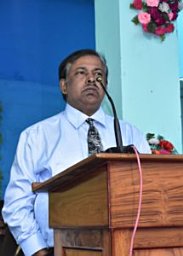 A. Bhuimali合作论文数Department of Sericulture (Centre for Applied Biology),, Raiganj University55
 Sudip Chakraborty合作论文数46
 Krishna Prasad Karani合作论文数40
 Shubhrajyotsna Aithal合作论文数33
 DR BHADRAPPA HARALAYYA合作论文数24Ricardo Saavedra合作论文数21
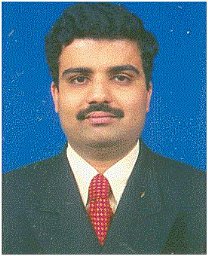 P. Sridhar Acharya合作论文数Srinivas Institute of Management Studies, Srinivas University21H.R. Ganesh合作论文数18
 Keerthan Raj合作论文数18
 Shyam B. R.合作论文数16Ganesha H. R.合作论文数16
 Varun Shenoy合作论文数Srinivas Institute of Medical Sciences and Research Centre16
 Bashiru Aremu合作论文数CUICI, Crown University, Int’l. Chartered Inc.14P Kirubadevi合作论文数13
 Periyapatna Sathyanarayana Rao Nethravathi合作论文数13
 Kalishankar TİWARY合作论文数12
 Architha Aithal P合作论文数School of Health Sciences, The University of Manchester12
 Ripu R. Sinha合作论文数11
 Rajesh Ravindran合作论文数11
 Dr Mahesh K.M合作论文数10
 Sharma K R S合作论文数10V. T. Shailashree合作论文数9Sudipta Ghosh合作论文数9
 Meghana Salins合作论文数Institute of Management & Commerce, Srinivas University9Revathi R合作论文数9
 Pradeep Mullekyal Devadasan合作论文数8K. V. M. Varambally合作论文数8Adithya Kumar Maiya合作论文数7Mayanath Ghimire合作论文数7
 Suresh Kumar合作论文数7
 Ks Shivraj合作论文数7
 Sonia Delrose Noronha合作论文数College of Management & Commerce, Srinivas University7
 Vaikunth T Pai合作论文数College of Computer & Information Sciences, Srinivas University7PM Rao合作论文数6Sujaya H.合作论文数6G. Nandini Prabhu合作论文数6D. Rajasekar合作论文数6Arikketh Devi合作论文数5
 Bhuvana R.合作论文数5Ashwini V.合作论文数5S. Mewada合作论文数5
 Gopala Krishna Bhat合作论文数5Mike Dillon合作论文数5Sachin Kumar合作论文数5Shailashri v. T合作论文数5
 Pavithra Kumari合作论文数Institute of Management and Commerce, Srinivas University5Amjad Hassan Khan Mk合作论文数5




