Alain Bel, MD; Valérie Planat-Bernard, PhD, MD; Atsuhiro Saito, PhD; Lionel Bonnevie, MD; Valérie Bellamy, MSc; Laurent Sabbah, MD; Linda Bellabas; Benjamin Brinon, MSc; Valérie Vanneaux, MD, PhD; Pascal Pradeau, DVet; Séverine Peyrard, MSc; Jérôme Larghero, MD, PhD; Julia Pouly, MD; Patrice Binder, MD; Sylvie Garcia, PhD; Tatsuya Shimizu, PhD; Yoshiki Sawa, MD; Teruo Okano, PhD; Patrick Bruneval, MD; Michel Desnos, MD, PhD; Albert A. Hagège, MD, PhD; Louis Casteilla, PhD; Michel Pucéat, PhD; Philippe Menasché, MD, PhD
Background— The safety and efficacy of myocardial regeneration using embryonic stem cells are limited by the risk of teratoma and the high rate of cell death. Methods and Results— To address these issues, we developed a composite construct made of a sheet of adipose tissue–derived stroma cells and embryonic stem cell–derived cardiac progenitors. Ten Rhesus monkeys underwent a transient coronary artery occlusion followed, 2 weeks later, by the open-chest delivery of the composite cell sheet over the infarcted area or a sham operation. The sheet was made of adipose tissue–derived stroma cells grown from a biopsy of autologous adipose tissue and cultured onto temperature-responsive dishes. Allogeneic Rhesus embryonic stem cells were committed to a cardiac lineage and immunomagnetically sorted to yield SSEA-1 + cardiac progenitors, which were then deposited onto the cell sheet. Cyclosporine was given for 2 months until the animals were euthanized. Preimplantation studies showed that the SSEA-1 + progenitors expressed cardiac markers and had lost pluripotency. After 2 months, there was no teratoma in any of the 5 cell-treated monkeys. Analysis of >1500 histological sections showed that the SSEA-1 + cardiac progenitors had differentiated into cardiomyocytes, as evidenced by immunofluorescence and real-time polymerase chain reaction. There were also a robust engraftment of autologous adipose tissue–derived stroma cells and increased angiogenesis compared with the sham animals. Conclusions— These data collected in a clinically relevant nonhuman primate model show that developmentally restricted SSEA-1 + cardiac progenitors appear to be safe and highlight the benefit of the epicardial delivery of a construct harboring cells with a cardiomyogenic differentiation potential and cells providing them the necessary trophic support.
To test the purported immune privilege of embryonic stem cells (ESC) in the challenging setting of xenotransplantation, 14 immunocompetent baboons were subjected to a coronary artery occlusion-reperfusion sequence and, two weeks later, randomized to receive in-scar injections of culture medium or cardiac-committed mouse ESC engineered to express fluorescent reporter genes driven by cardiac-specific promoters. Two months after transplantation, left ventricular function, as assessed by echocardiography, deteriorated to a similar extent in control and treated baboons. This correlated with failure to identify the grafted cells by X-gal histology and immunofluorescence. Rejection did not seem to be mediated by xenoantibodies, but rather by T lymphocytes and natural killer cells as suggested by positive immunostaining for CD3 and CD56 early after transplantation. There was no increase in circulating levels of regulatory T cells. These data raise a cautionary note about the immune privilege of ESC and suggest that from a mere immunologic standpoint, ESC xenotransplantation is likely to be an unrealistic challenge.
 Laurent Sabbah合作论文数3
 Michel Puceat合作论文数CNRS FRE2593, CRBM, 1919, route de Mende, 34293 Montpellier, France3Albert Hagège合作论文数Cardiol Dept, CHU Nancy3Patrick Bruneval合作论文数Laboratoire d'Anatomie Pathologique INSERM U 430, Hopital Broussais3
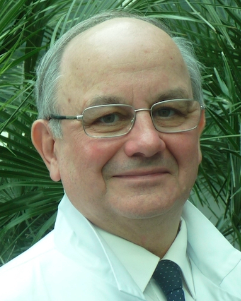 Michel Desnos合作论文数Département de Cardiologie Adulte, Hôpital Marie-Lannelongue3
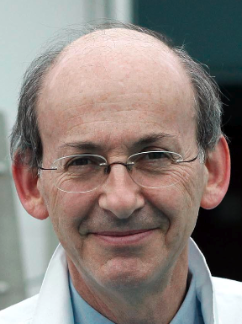 Philippe Menasche合作论文数University of Paris Descartes;Department of Cardiovascular Surgery, Hôpital Européen Georges Pompidou3Severine Peyrard合作论文数3Valérie Bellamy合作论文数3Alain Bel合作论文数3Lionel Bonnevie合作论文数3Patrice Binder合作论文数3Benjamin Brinon合作论文数2valerie planatbernard合作论文数2Sylvie Garcia合作论文数2Valérie Vanneaux合作论文数French Institute of Health and Medical Research2Saito Atsuhiro合作论文数2
 Tatsuya Shimizu (清水達也)合作论文数Institute of Advanced Biomedical Engineering and Science, Tokyo Women’s Medical University2Louis Casteilla合作论文数2
 Teruo Okano合作论文数Institute of Advanced Biomedical Engineering and Science, Tokyo Women’s Medical University;Center for Advanced Biomedical Science, Tokyo Women’s Medical University2Julia Pouly合作论文数2
 Jerome Larghero合作论文数Département de Biothérapies Cellulaires et Tissulaires, Hôpital Saint-Louis;Centre Meary, Hôpital Saint-Louis2Marjorie Durand合作论文数Military Biomedical Research Institute (IRBA)1Claudine Menard合作论文数1Le Bousse-Kerdilès Marie-Caroline合作论文数1Bellabas Linda合作论文数1Holy Xavier合作论文数1Clay Denis合作论文数1Marina Trouillas合作论文数1
 Yoshiki Sawa合作论文数Department of Cardiovascular Surgery, Graduate School of Medicine, Osaka University;Division of Health science, Graduate School of Medicine, Osaka University;Osaka Police Hospital1Nawwar Al-Attar合作论文数1Bernard Weill合作论文数1
 Jean-Jacques Lataillade合作论文数Centre de Transfusion Sanguine des Armees, Service de Santé des Armées1




