The biochemical compositions of diatoms are important for agricultural and pharmaceutical applications, and they vary according to nutrients and physical factors. To study the influence of carbonate and nitrogen source supplementation in the medium on the chemical composition of the marine diatom Chaetoceros muelleri, Guillard's medium was modified for this study. Three types of Guillard medium were prepared including standard Guillard medium (T1), modified Guillard medium (0.005 g/L bicarbonate supplement, T2), and 50% nitrogen reducing medium (T3). Results showed that the maximum biomass was observed at T3 (5.75 × 10⁶ cell/mL), which was significantly different (p < 0.05) from that at T1 (3.85 ± 0.13 × 10⁶ cells/mL) but did not differ from that at T2 (4.03 ± 0.08 × 10⁶ cells/mL). T3 contained the highest level of carbohydrates (13.71 ± 1.56 ), with a statistically significant difference (p < 0.05) from T1 (5.81 ± 0.50) and T2 (6.90 ± 1.14). The total lipid content in T3 (4.34 ± 0.03) was significantly greater (p < 0.05) than that in T1 (1.1 ± 0.08) and T2 (2.21 ± 0.62). The protein content in T1 (94.84 ± 0.08 mg/g) was significantly higher (p < 0.05) compared to that in T2 (31.39 ± 0.72 mg/g) and T3 (30.91 ± 0.38 mg/g). The highest β-glucan level was measured in T3 (0.4 1 ± 0.01 g/L), and statistical analysis revealed a significant difference (p < 0.05) from that in T1 (0.41 ± 0.01 gL-1) and T2 (0.41 ± 0.01 gL-1). The phenolic content in T1 was 14.91 ± 0.97, while those in T2 and T3 were 4.44 ± 0.11 and 4.16 ± 0.17 μg/mg gallic acid equivalents (GAE), respectively. Antioxidation examination revealed the highest value at 94.59 ± 0.04 mg mL-1 extract in T3, followed by T1 (89.21 ± 1.71 mg mL-1 extract) and T2 (10.66 ± 0.38). Phenolic content showed the values for T1, T2 and T3 were 49.44 ± 4.49, 47.61 ± 5.45, and 53.23 ± 6.61 mg ascorbic acid, respectively. Statistical analysis revealed that the phenolic content in T1 significantly higher differed (p < 0.05) from that in T2 and T3. In contrast, the 2,2'-azino-bis(3-ethylbenzothiazoline-6-sulfonic acid (ABTS) scavenging ability significantly differed (p < 0.05) among T3, T1, and T2 according to the 1,1-diphenyl-2-picrylhydrazyl (DPPH) scavenging ability and reducing power. The presence of β-glucan in the diatom extracts was confirmed by the FTIR spectrum data at wavenumbers 1,065 and 1,038 cm-1, whereas the LCMS spectrum confirmed the presence of gluconic acid at m/z 198, 196, and 194. Our results demonstrate that the modified Guillard T3 medium is optimal for cultivating C. muelleri to enhance the production of carbohydrates, lipids, proteins, and β-glucan. These findings are critical for advancing the large-scale production of diatom-derived biochemical components, particularly for pharmaceutical applications.
Ten new limonoids, named xylomolones E-N (1-10), and two new protolimonoids, named xylomolones O (11) and P (12), were isolated from seeds of the Thai mangrove Xylocarpus moluccensis, together with the known compound, hispidone acetonide (13). The structures of these compounds were established by extensive NMR spectroscopic data, single-crystal X-ray diffraction analysis, and comparison of experimental ECD spectra. The absolute configurations of xylomolones E (1) and L (8) were unambiguously determined by single-crystal X-ray diffraction analyses, conducted with Cu Kα radiation. Xylomolones E-L (1-8) are mexicanolide-type limonoids, among which xylomolones J (6) and K (7) contain a C7/C28δ-lactone ring, whereas xylomolones M (9) and N (10) are phragmalin-type limonoids. Xylomolones O (11) and P (12) are two new protolimonoids. In addition, the 1H and 13C NMR spectroscopic data for hispidone acetonide (13) was first assigned completely. In bioassay, xylomolones F (2), M (9), and P (12) exhibited moderate inhibitory activity against the production of NO in LPS-induced RAW 264.7 cells with IC50 values of 31.54 ± 7.27, 62.84 ± 17.62, and 22.7 ± 6.56 μM, respectively.
Objective of the study was to determine growth and the accumulation of an anticancer metabolite, renieramycin M (RM) of the sponge Xestospongia sp. Two phytoplankton, Chaetocerose gracilis and Nannochloropsis sp., were used as live feed. Sponges fed by C. gracilis weighed significantly more than sponges fed by Nannochloropsis sp. and control (2.95 g vs 1.27 and 0.66 g, respectively; P<0.05), respectively. Sponges fed by Nannochloropsis sp. showed maximum RM accumulation (0.32 mg/1500 mg tissue), followed by sponges fed by with C. gracilis (0.19 mg/1500 mg tissue) and the control (0.16 mg/1500 g tissue). RM accumulation was not significantly different among treatment groups, suggesting the type of phytoplankton feed affects the growth of Xestospongia sp. To confirm the existence of sponge associated cyanobacteria (Ca. E. renieramycinifaciens), two renieramycin biosynthetic genes (renC and renJ) belonging to the endosymbiont were amplified. Quantification, purification and sequencing analysis of recombinant DNA revealed the existence of renC and renJ in sponge tissue, with similarities of 99.40% and 99.33% to other isolates in the gene bank suggesting the association of Ca. E. renieramycinifaciens with the sponge. It can conclude that C. gracilis promotes the growth of a blue sponge, while RM was produced by an associated cyanobacterium.
The goal of this research was to stimulate renieramycin M (RM) production and the growth performance of a blue marine sponge, Xestospongia sp., in response to different concentration of calcium/magnesium (Ca/Mg).The sponge’s pieceswere exposed to various concentrations of Ca/Mg in natural seawater at salinity 35ppt. Results showed that a Ca/Mg concentration at 430/1,230 ppm (T3)stimulated in maximum RM accumulation in sponge tissue (1.74mg/1,500mg tissue), while 410/1,170 (T1),420/1,200 (T2), and a pure seawater control were 0.33, 0.92, and 0.32 mg/1,500mg tissue, respectively. The mean values calculation revealed that there was statistical difference of RM accumulation between T3and control at 95% confidence interval.Sponges supplemented with Ca/Mg at a level of 410/1,170 showed the most growth (3.77g), while 420/1,200, 430/1,230, and the control were 2.36, 2.44, and 1.70g, respectively. The analysis revealed statistically significant growth differentials between T1 and control at the 95% confidence interval. The resultssuggested the Ca/Mg levels are stressor activate secondary metabolites synthesisand promote the growth of a blue marine sponge, Xestospongia sp.
alpha-Mangostin-rich extract (AME) exhibited satisfactory inhibitory activities against all tested MRSA strains, with minimum inhibitory concentrations (MICs) of 7.8-31.25 mu g ml(-1), whereas lawsone methyl ether (LME) and ampicillin revealed weak antibacterial activity with MICs of 62.5-125 mu g ml(-1). However, the combination of AME and LME showed synergistic effects against all tested MRSA strains with fractional inhibitory concentration index (FICI) values of 0.008-0.009, while the combination of AME and ampicillin, as well as LME and ampicillin produced synergistic effects with FICIs of 0.016-0.257. A time-kill assay against MRSA (DMST 20654 strain) revealed a 6-log reduction in CFU per ml, which completely inhibited bacterial growth for the combinations of AME and LME, AME and ampicillin, and LME and ampicillin at a 8-h incubation, while those against MRSA (2468 strain) were at 10-h incubation. The combination of alpha-mangostin and LME as well as the combinations of each compound with ampicillin synergized the alteration of membrane permeability. In addition, alpha-mangostin, LME and ampicillin inhibited the biofilm formation of MRSA. These findings indicated that the combinations of AME and LME or each of them in combination with ampicillin had enhanced antibacterial activity against MRSA. Therefore, these compounds might be used as the antibacterial cocktails for treatment of MRSA.
Eight new limonoids named thaixylogranins A–H (1–8), including seven mexicanolides (1–3 and 5–8), were isolated from the seeds of a Thai mangrove, Xylocarpus granatum. The structures of these limonoids were established on the basis of HRESIMS and NMR spectroscopic data. Compounds 1–4 possess an 8α, 30α-epoxy ring, whereas compounds 5−8 have a C8C30 bond. Compounds 1–8 exhibited weak cytotoxicities against the MDA-MB-231 cell with IC50 values of 49.4, 58.3, 53.6, 61.1, 57.9, 44.6, 40.6, and 38.5μM, respectively.
The cultivation of a blue marine sponge, Xestospongia sp.(C.f.Neopretrosia sp.) to be a marine ornamental species was performed in hatchery for 35 days.It was cultured in water circulation close system with vertical long line rope method.The small pieces of sponge were cut out from mother colony and further cultured in three different container materials including, glass, polymeric form box and plastic containers.Experimental design was done by CRD and the analysis of variance was also calculated to compare mean values.The results showed the sponge cultured in glass container gave highest weigh (5.76g) on the other hand, the lowest weight (5.63g) was observed in plastic containers, but it was not statistically significant difference (p>0.05).All chemicals and physico chemicals parameters of cultured water showed under toxic level.The high fluctuate temperature during the days of 21-34 result decreasing growth of sponge.
The absolute stereostructures of trangmolins A-F (1-6), limonoids with three new and one known topologies of the rings A and B, were unambiguously determined by NMR spectroscopic investigations, single-crystal XRD analysis, and quantum-chemical electronic circular dichroism calculations. Compounds 1-3 contain a hexahydro-1H-inden-4-one motif, compound 4 comprises a hexahydro-2,6-methanobenzofuran-7-one cage, and compound 5 consists of a hexahydro-2H-2,8-epoxychromene scaffold. The C1-C30 linkage in 1-3 and the C3-C30 connection in 4 form two unprecedented types of ring A/B-fused carbobicyclic cores: viii and ix. The oxidative cleavage of the C2-C3 bond in 5 and heterocyclization in 4 and 5 constitute the unprecedented tricyclic 6/6/5 ring A/B-1/B-2- and 6/5/6 ring A(1)A(2)/B-fused topologies, respectively, which are uncovered, for the first time, in the construction of limonoid architectures. The diverse cyclization patterns of 1-6 reveal an unparalleled structural plasticity of rings A and B in limonoid biosynthesis.
Chemical investigation of the mangrove fungal endophytes, Phomopsis spp. xy21 and xy22, afforded four new cytochalasins, named phomopsichalasins D-G, along with six known analogues. The structures of these cytochalasins were elucidated on the basis of HRESIMS and extensive NMR spectroscopic data. Phomopsichalasins D (1) and E (2) represent the first two 10-phenyl[11]-cytochalasans containing a 12-carboxyl function. All of the isolates were evaluated for their cytotoxicities against eight human cancer cell lines by the MTT method. Phomopsichalasin G (4) exhibited inhibitory activities against HCT-8, HCT-8/T, A549, MDA-MB-231, and A2780 cancer cell lines with IC50 values of 7.5, 8.6, 6.4, 3.4, and 7.1μM, respectively.
Four new limonoids, including two novel phragmalin 8,9,12-orthoesters, were identified from the seeds of Thai mangrove, Xylocarpus moluccensis.
Three new indolediketopiperazine alkaloids of the isoechinulin type, rubrumazines A-C (1-3), each possessing an oxygenated prenyl group either at C-7 (1 and 2) or at C-5 (3), along with 13 related analogues (4-16), were isolated and identified from a culture extract of Eurotium rubrum MA-150, a fungus obtained from mangrove-derived rhizospheric soil collected from the Andaman Sea coastline, Thailand. Their structures were established by detailed interpretation of NMR spectroscopic and mass spectrometry data analysis. The structure and absolute configuration of compound 1 were confirmed by X-ray crystallographic analysis, thus providing the first characterized crystal structure of an isoechinulin-type alkaloid. All isolated compounds were evaluated for brine shrimp lethality and antibacterial activity.
Eight new khayanolides, named thaixylomolins G-N (1-8), two new phragmalins (9 and 10), and two new mexicanolides (11 and 12) were obtained from the seeds of the Trang mangrove plant Xylocarpus moluccensis. The absolute configurations of these limonoids, except for the stereocenter at C-6 of 11 and 12, were assigned by experimental and TDDFT calculated electronic circular dichroism spectra. The khayanolides may be classified into two subclasses, one of which has a C-2 carbonyl and a 3β-acetoxy group, whereas the other possesses a 2β-acetoxy and a C-3 carbonyl function. Khayanolides, rearranged phragmalin-type limonoids, are reported for the first time from plants of the mangrove genus Xylocarpus. The structure of moluccensin J, a known 30-ketophragmalin containing a Δ(8(14)) double bond, was revised to be a khayanolide, named thaixylomolin K. The antiviral activities of the isolates against pandemic influenza A virus (subtype H1N1) were tested by the assay of cytopathic effect inhibition. Three khayanolides, viz., thaixylomolins I, K, and M, exhibited moderate anti-H1N1 activities. The most potent one, thaixylomolin I (IC50 = 77.1 ± 8.7 μM), showed stronger inhibitory activity than that of the positive control, ribavirin (IC50 = 185.9 ± 16.8 μM).
Chemical examination of a Chinese sponge Axinyssa sp. resulted in the isolation of 12 new formamidobisabolene-based analogues named axinyssines A–L (1–12), along with a new natural product (13) and three known formamidobisabolenes (14–16). Their structures were determined on the basis of extensive NMR and mass spectroscopic analyses in association with ICD data, Mosher reaction and chemical conversion for the assignment of absolute configurations. All compounds were evaluated for antitumor and antimicrobial activities.
Three new limonoids, named thaixylomolins D–F (1–3), were obtained from the seeds of a Thai true mangrove, Xylocarpus moluccensis. The structures of these compounds were identified by extensive NMR and HR-ESIMS/MS investigations. They are further additions to the small group of phragmalins with a C-30 carbonyl moiety, among which thaixylomolins D–E (1–2) contain a Δ8,14 double bond, whereas thaixylomolin F (3) possesses conjugated Δ8,9 and Δ14,15 double bonds.
Three limonoids named thaixylomolins A-C (1-3), featuring two new motifs, were isolated from the seeds of a Thai mangrove, Xylocarpus moluccensis. The absolute configurations of these limonoids were determined by extensive NMR investigations, single-crystal X-ray diffraction analysis, and circular-dichroism spectroscopy in combination with quantum-chemical calculations. Thaixylomolin B exhibited inhibitory activity against nitric oxide production in lipopolysaccharide and IFN-gamma-induced RAW264.7 murine macrophages with an IC50 value of 84.3 mu M.
Bioactivity-guided fractionation of the ethyl acetate extract of a marine sponge, Xestospongia sp., led to the isolation of a new thiophene-S-oxide acyclic sesterterpene (1). The chemical structure was extensively analyzed using NMR and mass spectral data. Compound 1 showed weak cytotoxicity against Vero cells.
Thirty six organic extracts were prepared from eighteen marine sponges collected from the Andaman Sea, Thailand. The extracts were examined for anti-malaria, anti-Microbacterium tuberculosis, anti-herpes simplex virus, antimicrobial, anti-acetylcholinesterase enzyme and cytotoxic activities. Four extracts showed anti-M. tuberculosis, one anti-malarial, twenty four antimicrobial and one extract exhibited cytotoxic activity. However, anti-acetylcholinesterase enzyme and anti-herpes simplex virus type 1 (HSV-1) activities were not recorded. Dichloromethane extracts prepared from Axinyssa sp., Halichondria sp. and Chondrosia reticulata exhibited potential anti-M. tuberculosis at MIC 50, 100 and 200 mg/mL, respectively. The Hexane part of Phakellia ventilabrum extract showed anti-malarial activity (MIC= 2.8 mg/mL) while the dichloromethane extract showed anti-M. tuberculosis and cytotoxic activity with MIC 200 and IC50 7.1 mg/mL, respectively. Antimicrobial activity was found in both the hexane and dichloromethane parts of extracts.
 Jun Wu (吴军)合作论文数Medical School, Shenzhen University;School of Pharmaceutical Sciences, Southern Medical University7
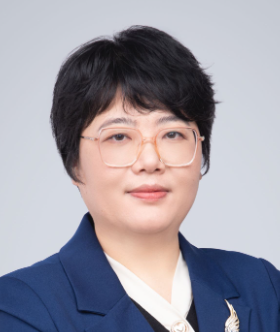 Li Shen (申丽)合作论文数School of Pharmacy, Guangdong Medical University4
 Wan-Shan Li合作论文数3
 Gerhard Bringmann合作论文数Institut für Organische Chemie, Julius-Maximilians-Universität Würzburg3
 Udomsak Darumas合作论文数Department of Marine Science;Faculty of Sciences;Chulalongkorn University;Faculty of Sciences, Chulalongkorn University3Torsten Bruhn合作论文数Institute of Organic Chemistry, University of Würzburg3Yan-Fang Luo合作论文数2李君合作论文数首都师范大学生命科学学院2Min-Yi Li合作论文数2
 Jungui Dai (戴均贵)合作论文数Institute of Materia Medica, Peking Union Medical College2Wen-Jing Wang合作论文数1Veena Nukoolkarn合作论文数1Yi-Guo Dai合作论文数1wanlapa molex合作论文数1
 Linghong Meng (孟令红)合作论文数Institute of Oceanology, Chinese Academy of Sciences1Qiang Xiao合作论文数1W. Lin合作论文数1monthon lertcanawanichakul合作论文数1
 Zhongping Jiang (江仲平)合作论文数School of Pharmacy, Hainan University1Peter Proksch合作论文数1
 Bingui Wang (王斌贵)合作论文数Institute of Oceanology, Chinese Academy of Sciences;University of Chinese Academy of Sciences1Junjun Liu (刘俊军)合作论文数School of Pharmacy, Tongji Medical College, Huazhong University of Science and Technology1
 Fuli Liu (刘福利)合作论文数中国水产科学研究院黄海水产研究所1
 Gangming Xu合作论文数1
 Dong Liu (刘东)合作论文数State Key Laboratory of Natural and Biomimetic Drugs, School of Pharmaceutical Sciences, Peking University;Institute of Ocean Research, Peking University1Min Zhang (张敏)合作论文数1
 Wei Cheng (程伟)合作论文数Department of Natural Medicines, School of Pharmaceutical Sciences, Peking University1
 Hong Liang (梁鸿)合作论文数Department of Natural Medicines, School of Pharmaceutical Sciences, Peking University1Fengying Zhang合作论文数1
 Wenhan Lin (林文翰)合作论文数Institute of Ocean Research, Peking University;School of Pharmaceutical Sciences, Peking University;State Key Laboratory of Natural and Biomimetic Drugs, Peking University1
 Xiaoming Li合作论文数1Wei Zhao合作论文数1
 Qingying Zhang (张庆英)合作论文数Department of Natural Medicines, School of Pharmaceutical Sciences, Peking University1
 Khanit Suwanborirux合作论文数1Fengyu Du (杜丰玉)合作论文数1
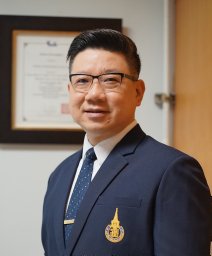 Pharkphoom Panichayupakaranant合作论文数Faculty of Pharmaceutical Sciences, Prince of Songkla University1
 Kui Zhu (朱奎)合作论文数College of Veterinary Medicine, China Agricultural University1




