This chapter examines stigma surrounding mental illness, focusing on its effects, causes, and potential solutions. Stigma, defined as a mark of disgrace, manifests in public and self-stigma, both of which negatively impact mental health treatment and well-being. Public stigma refers to societal discrimination against those with mental illness, while self-stigma involves internalized negative beliefs that reduce self-esteem and hinder treatment-seeking behavior. The consequences of stigma include reduced access to healthcare, lower quality of life, and worsened mental health outcomes. Finally, the chapter emphasizes the importance of stigma reduction strategies, such as education, media portrayal, and personal contact, which effectively change attitudes and increase support for those affected by mental illness.
Although messenger RNA (mRNA) technology revolutionized vaccine creation, its use is threatened by unwarranted fear that DNA left over from the vaccine manufacturing process could integrate into recipients' DNA, increasing cancer and heritable risks. Drawing on the mental model theory of reasoning, our two preregistered interventions undercut these problematic conclusions. They do so by testing the effectiveness of two mental model-based interventions juxtaposing problematic claims with visualized or verbally explained models of basic biological and vaccination systems. Study 1: a) graphically modeled how mRNA COVID-19 vaccination works (Model 1); b) verbally modeled ways in which cells protect themselves from foreign DNA (Model 2); and c) provided ancillary material designed to bolster perceptions of mRNA vaccination safety. Study 2 deployed an animation of the cell-protection model (Model 2), alone, and in combination with Study 1's messaging. Neither the mRNA vaccine nor the DNA protection model explicitly acknowledged the problematic DNA-integration claim. Both preemptive (before) and rebuttal (after) positioning of the models were effective. Within-person analyses suggested that preemptive positioning may be somewhat more effective than rebuttal positioning. Some positive effects of exposure to the modeled knowledge messaging condition in Study 1 persisted 2 mo after exposure.
PURPOSE:The United States is unique among wealthy countries for its increasing rates of mortality in young people. Firearm injuries are a major source of this disparity. Here we examined the potential imitative effect of firearm use in entertainment media as a factor in the rise of their use in youth homicides in the United States. METHODS:We coded the use of firearms in both the top 30 most popular TV dramas and movies from 2000 to 2021 and determined the rate at which those weapons were used to inflict harm on others. We compared these rates to the comparable population rates at which young people ages 15-24 were the victims of homicide and suicide due to firearms. RESULTS:The rates of firearm portrayal in movies closely paralleled the increase in homicides but not suicides attributable to firearms over the study period. The relation was weaker for TV, especially at the end of the series. Neither changes in economic adversity during childhood nor the national increase in firearm purchases during the study period provided as clear an explanation as the imitative effect of entertainment media. DISCUSSION:The findings suggest that the entertainment industry serves to promote the use of commercially available firearms in its products, especially in movies. Future research is needed to test this hypothesis at the individual level to determine whether exposure to firearm use in entertainment predicts subsequent interest in acquiring and using these weapons in young people and the conditions under which this might occur.
Using a weighted 2023-2025 national probability panel of US adults, we compared the perceived Credibility, Prudence, Unbiasedness, Self-Correction, and Benefit (i.e. Factors Assessing Science's Self-Presentation [FASS]) of AI scientists with those of scientists in general and climate scientists in particular. Our analysis reveals that respondents' composite perceptions of AI scientists are the most negative of the three, a difference driven by a facet of the Prudence factor, specifically the perception that AI science is causing unintended consequences; political ideology and patterns of media exposure are substantially more predictive of perceptions of climate science and science in general than of AI; and FASS and respondent ideology predict more variance in support for federal funding of the other two than of AI.
Understanding the factors associated with acceptance of climate action is central in designing effective climate change communication strategies. An exploratory factor analysis of 12 science-consistent beliefs about the existence, causes, and consequences of climate change reveals three underlying factors: climate change [a] is real and human caused, [b] has increased the frequency of extreme weather events, and [c] negatively affects public health. In the presence of demographic, ideological, and party controls, this health factor significantly predicts a 3-6 percentage point increase in respondents' [a] willingness to advocate for climate change; [b] reported personal pro-climate behaviors; and [c] support for government policies addressing climate change. These results are robust when controlling for respondents' underlying belief in the existence and causes of climate change, respondent worry, self-efficacy, and respondent belief that extreme weather events and heat waves are increasing. These findings suggest ways to bolster public support for climate policies that may otherwise be at risk.
Despite differential uptake of COVID-19 vaccination between Black and non-Hispanic White Americans early in the pandemic, the gap narrowed over time. We tested five hypotheses that could explain the reduction in the disparity. Using a national probability panel of over 1800 individuals surveyed from April 2021 to July 2022, we assessed receipt of recommended doses of COVID-19 vaccines along with (a) reported exposure to deaths due to COVID-19, (b) trust in US health authorities, such as the CDC, (c) knowledge about the safety and efficacy of COVID-19 vaccination, (d) media use as a source of information, and (e) access to COVID-19 vaccines. Only increases in knowledge about the safety and efficacy of COVID-19 vaccines uniquely mediated the increase in vaccination uptake among non-Hispanic Black compared to White, Asian and Hispanic panelists. While trust in CDC and exposure to COVID-19 deaths were related to vaccination acceptance at baseline, those factors were not associated with change in reported vaccination coverage. In addition, neither differential access nor media use explained the increase. Enhanced knowledge about the safety and efficacy of COVID-19 vaccination transmitted from within the Black community likely helped to increase vaccination relative to other racial-ethnic groups.
Differential media treatment of climate change, including conservative media's tendency to reject the anthropogenic climate change scientific consensus, has reinforced polarized perceptions of climate change. Studies have found differences in coverage patterns and in perceptions among those relying more heavily on conservative rather than liberal or moderate media. This scholarship has been limited by narrow measurements of media exposure, climate-related outcomes, and the mechanism of effects. We analyzed nationally representative US data (N = 1,181) using measures that included not only reported use of mainstream print, cable, and social media captured in past research, but also science programming, as well as far-right, alternative-health, and Christian media. On average, participants relied more heavily on centrist and liberal media, followed by Fox News and social media. The results corroborate findings associating exposure to centrist media with pro-climate attitudes, and conservative media, including Fox News with the opposite views. Use of far-right outlets was associated with the lowest levels of belief in anthropogenic climate change, perceptions of personal threat, and support for climate-friendly policy. Reliance on science media was associated with pro-climate views. Most associations were mediated via perceptions of science and scientists (using the Factors Associated with Self-Presentation of Science, FASS scale).
A confirmatory factor analysis (CFA) of responses to 13 questions from a 2022 national probability sample of 1,154 US adults supported the existence of five factors that we argue assess perceptions of Factors Assessing Science's Self-Presentation (FASS). These factors also predict support for increasing federal funding of science and, separately, supporting federal funding of basic research. Each of the factors reflects perceptions of a key facet of scientists' self-presentation, science/scientists' adherence to professed norms, or science's benefits: specifically, that scientists are Credible, Prudent, and Unbiased and that science is Self-Correcting and Beneficial. The FASS model explained 40.6% of the variance in support for increasing federal funding for science and 33.7% in support for basic research. For both dependent variables, conservatives were less likely to be supportive when they perceived that science/scientists fail to overcome biases. The interactions between political ideology and both Prudence and Beneficial, however, were significant only when predicting Basic Research support. In that case, there were no differences between conservatives and liberals when perceptions of benefit were low, but when high, liberals' perception of benefit had a stronger association with support for funding than conservatives'. Among those perceiving that scientists lack prudence, liberals were more likely to support funding basic research than conservatives, but the difference disappeared when perceptions of prudence were very high. The factors could serve as across-time indicators of the public's assessment of the state of science.
Despite increasing rates of vaccination for COVID-19 in the US, hesitancy continues to be a barrier to the full immunization of the eligible population. Hesitancy appears to be particularly pronounced among adults deciding whether to recommend that children be vaccinated against COVID-19. In this research, we tested whether embrace of misinformation about the safety of vaccination is associated with hesitancy to vaccinate oneself and to recommend vaccination of a 5–11-year-old child for COVID-19. In a national probability panel created in April 2021, we assessed belief in both general vaccination misinformation and misinformation about COVID-19 vaccines, in particular. As hypothesized, belief in general vaccination misinformation predicted the uptake in reported vaccination among adults through September 2021, and likelihood to recommend COVID-19 vaccination of children aged 5–11 in January 2022, three months after the approval of that vaccine. In addition, misinformation about COVID-19 vaccines that arose over time correlated highly with more general vaccination misinformation. For both outcomes, general vaccine misinformation predicted vaccination hesitancy beyond concerns about the health risks of contracting COVID-19 for one’s family and children ages 5–11. The findings indicate that continued efforts are needed to bolster beliefs about the safety of authorized and approved vaccines of many types and not just those for COVID-19. Some strategies to achieve this objective are suggested.
Injuries and fatalities due to firearms are a major burden on public health in the US. The rise in gun violence in popular movies has been suggested as a potential cultural influence on this behavior. Nevertheless, homicide rates have not increased over recent decades in the US, suggesting that media portrayals have had little influence on gun violence. Here we challenge this interpretation by examining trends in the proportion of violence that are attributable to firearms, a measure that should be more sensitive to media violence. In addition, we examine trends in the portrayal of guns in popular television (TV) dramas, which are viewed more frequently than movies. We ask (a) whether gun violence has increased in these TV shows not only on an absolute basis but also as a proportion of violent scenes and (b) whether trends in gun portrayal on these shows are associated with corresponding trends in the proportion of real-world violence attributable to firearms in the US from 2000 to 2018. To answer these questions, we coded annual instances of violence, gun violence, and proportion of violence involving guns for each 5-minute segment of 33 popular TV dramas in the police, medical, and legal genres from 2000 to 2018. Trends in annual rates of violence, gun violence and proportion of violence involving guns were determined over the study period and were compared to annual rates of homicide attributable to firearms in three age groups: 15-24, 25-34 and 35 and older. Although violence on TV dramas peaked in 2011, gun use steadily increased over the study period both in absolute terms and in relation to other violent methods. The latter metric paralleled trends in homicides attributable to firearms for all three age groups, with the strongest relationship for youth ages 15-24 (R2 = .40, P = .003). The positive relation between relative amount of TV violence involving guns and actual homicides due to firearms, especially among youth, is consistent with the hypothesis that entertainment media are contributing to the normative acceptance of guns for violent purposes. Future research is needed to study the influence of media violence on gun acquisition at the individual level.
Although declines in intent to vaccinate had been identified in international surveys conducted between June and October 2020, including in the United States, some individuals in the United States who previously expressed reluctance said, in spring 2021, that they were willing to vaccinate. That change raised the following questions: What factors predicted an increased willingness to inoculate against COVID-19? And, to what extent was the change driven by COVID-specific factors, such as personalworry about the disease and COVID-specific misinformation, and to what extent by background (non-COVID-specific) factors, such as trust in medical authorities, accurate/inaccurate information about vaccination, vaccination history, and patterns of media reliance? This panel study of more than 8,000 individuals found that trust in health authorities anchored acceptance of vaccination and that knowledge about vaccination, flu vaccination history, and patterns of media reliance played a more prominent role in shifting individuals from vaccination hesitance to acceptance than COVID-specific factors. COVID-specific conspiracy beliefs did play a role, although a lesser one. These findings underscore the need to reinforce trust in health experts, facilitate community engagement with them, and preemptively communicate the benefits and safety record of authorized vaccines. The findings suggest, as well, the need to identify and deploy messaging able to undercut health-related conspiracy beliefs when they begin circulating.
A content analysis of popular videos on YouTube containing tobacco-relevant material revealed five categories of misleading content about tobacco use in 2013. A re-examination in 2019 of the most heavily viewed exemplars of these categories identified in 2013 revealed a striking increase in viewership in all categories but especially in the portrayal and promotion of vaping. Because Internet sites such as YouTube are immune from responsibility for the content they host, it remains a challenge to correct or remove these videos.
YouTube's propagation of misleading protobacco content to youth has the potential to increase their protobacco beliefs, attitudes, and smoking behavior. We assessed the effects of potential interventions aimed at ameliorating the effect of misleading protobacco videos. An online experiment randomly exposed past and current young tobacco users (N = 716) between the ages of 15 and 19 years to real protobacco, pipe-focused YouTube content that was either shown in its original uncorrected form or edited to include either a propositional voiced and text-based rebuttal that warned about the health effects of smoking or a counternarrative that showed that a person who promoted protobacco messages was diagnosed with and eventually died from esophageal cancer. On average, the two interventions were equally effective at reducing the effects of protobacco messages on beliefs and attitudes. However, the narrative correction was more effective for participants who strongly identified with the character. Practical and theoretical implications are discussed.
Media exposure to risky behaviors (e.g., alcohol use, violence) has been associated with adolescent engagement in risk-taking behaviors, but not all adolescents are equally at risk. Here we focus on individual differences in impulsivity and sensation seeking and assess their effects on the relation between media risk exposure and adolescent risk behavior. Survey data from 1990 Black and White US adolescents (mean age = 15.6 ± 1.10 years; 48% female) and content analysis of top-grossing films and popular TV shows were analyzed using linear regression models. High levels of impulsivity and sensation seeking were associated with greater exposure to risky media content, and also operated as moderators, exacerbating the impact of media risk exposure on adolescent risk behaviors. Prevention efforts targeting negative effects of media on adolescent health should prioritize youth with high levels of impulsivity and sensation seeking.
Movies that involve violence increasingly attract large audiences, leading to concern that such entertainment will encourage imitation by youth, especially when the violence is seen as justified. To assess differences between brain responses to justified and unjustified film violence, we computed intersubject correlation (ISC) of fMRI BOLD time courses in a sample of late adolescents while they watched pairs of movie segments featuring violent characters prior to and during violent action. Based on a virtue-ethics approach that emphasizes motives in moral evaluation, we hypothesized significant ISC in lateral orbital frontal cortex (lOFC) and ventromedial prefrontal cortex (vmPFC) in response to unjustified and justified scenes of movie violence, respectively. Our predictions were confirmed. In addition, unjustified violence elicited greater intersubject synchrony in insular cortex, consistent with an empathic response to the pain experienced by victims of this kind of violence. The results provide evidence supporting the notion that lOFC and vmPFC play unique roles in moral evaluation of violence, with lOFC becoming more synchronous in response to unacceptable violence and vmPFC becoming more synchronous in response to virtuous forms of self-defense, thereby expanding the purview of current models that only focus on vmPFC. The results suggest that justified violence in popular movies is acceptable to youth who are accustomed to viewing such entertainment.
Because media portrayal can influence adolescents’ health, we assessed the health-related content of a popular telenovela—a Spanish-language TV soap opera genre—and its widely watched English adaptation. To test our “culture of corruption” hypothesis, which predicts that the English-language adaptation of telenovelas will “Americanize” their content by increasing risky and reducing healthy portrayal on screen, we coded the depictions of five risk variables and five culture of health ones in ten episodes each of “Juana la Virgen” (2002) and its popular English-language counterpart, “Jane the Virgin” (2014). A significant increase was found between the Spanish and English-language shows in the risk category of sexual content and a marginally significant increase was found in violence. “Jane” also had larger numbers of characters modeling alcohol consumption, sex, or violence. Across culture of health variables, “Juana” and “Jane” did not exhibit significant differences in the amounts of education-related content, social cohesion, and exercise at the episode level. However, “Jane” had significantly more unhealthy food content (specifically, fats, oils, and sweets and takeout food) and more pro-health messaging than did “Juana.” “Jane” also had a larger amount of modeled food/beverage consumption. While “Juana” modeled several instances of characters involved in exercise, “Jane” had no exercise content across the sample. Overall, “Jane” portrayed more problematic health content than “Juana.” The increase in worrisome content in “Jane” may adversely affect the health of adolescent Hispanics, who make up a large part of the show’s audience.
Rationale: The Netflix show 13 Reasons Why (2017) aroused widespread concern regarding potential contagious effects of its graphic depiction of an adolescent girl's suicide and the events that led to her death. Objective: To explore the effects of the second season of the show in 2018. Method. We recruited a sample of young adults (ages 18-29; N = 729) with access to Netflix who completed surveys shortly before and one month after the release of the show's second season. Based on theories of narrative empathy, we hypothesized that those who discontinued watching the show would be most vulnerable to its adverse effects on suicide-relevant outcomes. We further identified a higher risk subset of viewers who were more likely to have stopped watching the first season (those currently enrolled in school) in order to observe if the show had more adverse effects on this audience. Finally, we examined effects of the show on all viewers' intentions to help a suicidal person as a prosocial consequence of viewing the entire second season. We used both covariance and "genetic" matching to control for selection effects. Results: In support of predictions, viewers who stopped watching the second season exhibited greater suicide risk and less optimism about the future than those who continued to the end. However, unexpectedly, current students who watched the entire second season reported declines in suicide ideation and self-harm relative to those who did not watch the show at all (ps <.01). Moreover, those who watched the entire second season were also more likely to express interest in helping a suicidal person, especially compared to those who stopped watching. Conclusion: The results suggest that a fictional story with a focus on suicidal content can have both harmful and helpful effects.
Media violence exposure (MVE) is associated with aggressive outcomes in adolescents. However, based on the differential susceptibility hypothesis, this risk is expected to vary based on the individual's unique risk and protective factors. Using survey data from 1,990 adolescents (Mean age = 15.6 ± 1.10 years; 48% female) and content analysis of U.S. top-grossing films and popular TV shows, we evaluated the effect of MVE in relation to both risk (i.e., family conflict, impulsivity, sensation seeking) and protective factors (i.e., parental monitoring, parental involvement, parental mediation). Relative weights analyses revealed that MVE was one of the strongest predictors of aggression, after impulsivity and family conflict. The cumulative risk score showed a linear and quadratic relation with the likelihood of aggression, with MVE and family conflict having an interactive relation in predicting aggression. Parental monitoring remained a significant protective factor even when all risk factors were accounted for. Targeted preventive interventions that reduce family conflict, promote parental monitoring, and reduce exposure to violent media may be effective in reducing aggressive tendencies and related negative outcomes.
 Daniel Romer合作论文数31
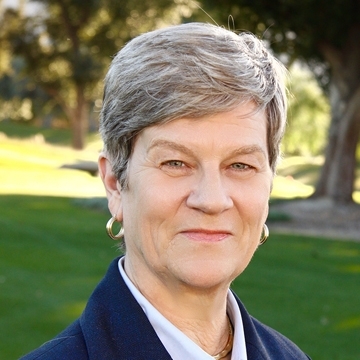 Kathleen Hall Jamieson合作论文数Annenberg School for Communication, University of Pennsylvania;Annenberg Public Policy Center, University of Pennsylvania21
 Amy Bleakley合作论文数Annenberg School for Communication, University of Pennsylvania Public Policy Center12
 Dan Romer合作论文数Annenberg School for Communication, University of Pennsylvania9Weitz Ilana合作论文数8Khurana Atika合作论文数7
 Yotam Ophir合作论文数Dept Commun, Univ Buffalo State Univ New York5
 Dror Walter合作论文数Dept Commun, Digital Media, Georgia State Univ4Michael B. Hennessy合作论文数4
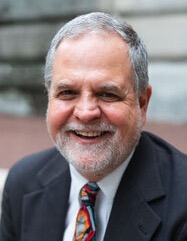 Brad J. Bushman合作论文数School of Communication, College of Arts and Sciences, The Ohio State University;Center on Youth Violence and Juvenile Justice, Rutgers University;Mershon Center for International Security Studies, The Ohio State University3
 Azeez Adebimpe合作论文数2Morgan E. Ellithorpe合作论文数2
 Josh Pasek合作论文数Department of Communication and Media, College of Literature, Science, and the Arts, University of Michigan-Ann Arbor2
 Ken Winneg合作论文数Annenberg School for Communication, University of Pennsylvania2Jones Christopher W合作论文数Department of Psychiatry, University of Pennsylvania Perelman School of Medicine2
 Bruce W. Hardy合作论文数2Priya G. Nalkur合作论文数1Eian More合作论文数1
 Robert Lull合作论文数Calif State Univ Fresno, Dept Commun, Fresno, CA 93740 USA1Teresa Senserrick合作论文数Ctr Accid Res & Rd Safety Queensland CARRS Q, Queensland Univ Technol QUT1
 Daniel D. Langleben合作论文数Department of Psychiatry, Perelman School of Medicine, University of Pennsylvania;Mahoney Institute for Neurological Sciences, University of Pennsylvania;Annenberg Public Policy Center, University of Pennsylvania1
 Dani S. Bassett合作论文数Department of Bioengineering, University of Pennsylvania;Departments of Physics & Astronomy, School of Arts & Sciences, University of Pennsylvania;Santa Fe Institute1
 Madelyn Gould合作论文数Department of Epidemiology, Columbia University Mailman School of Public Health1
 Flaura K. Winston合作论文数Center for Injury Research and Prevention, The Children's Hospital of Philadelphia;Perelman School of Medicine, University of Pennsylvania;Diagnostic Driving, Inc.1
 Scherr Sebastian合作论文数Department of Communication Science and Media Research, Ludwig-Maximilians-University Munich1
 Wang An-Li合作论文数Annenberg Public Policy Center, University of Pennsylvania1Brensinger Colleen合作论文数1
 Dolores Albarracín合作论文数Leonard Davis Institute for Health Economics, University of Pennsylvania;Department of Psychology, College of Liberal Arts & Sciences, University of Illinois Urbana-Champaign1
 Florian Arendt合作论文数1Lauren Hutchens合作论文数YOUNG DRIVER RESEARCH INITIATIVE RESEARCH TEAM, The Center for Injury Research and Prevention1
 Sean Joe合作论文数School of Social Work, University of Michigan1Peter Busse合作论文数Annenberg School for Communication, University of Pennsylvania1Jennifer Horner合作论文数1




