Heavy metals are increasingly recognized as major drivers of antibiotic resistance gene (ARG) dissemination in soil ecosystems. However, the role of phages in heavy metal-driven ARG dissemination and the underlying mechanisms remain poorly understood. Here, through integrative metagenomic, viromics, and metabolomic analyses of paddy soils across China, we reveal that soil phages promote ARG dissemination under heavy metal stress, likely through two potential mechanisms. First, phage-encoded auxiliary metabolic genes (AMGs) reprogram host metabolism to enhance bacterial survival and adaptation, thereby facilitating the cotransfer of adjacent ARGs and indirectly promoting horizontal dissemination. Second, phage-encoded heavy metal detoxification genes (HDGs) directly mediate metal detoxification, driving the cotransfer of neighboring ARG fragments and inducing lipid peroxidation-associated increases in membrane permeability, which collectively enhance ARG mobilization. We further identify a significant enrichment of lysogenic phages coharboring ARGs with AMGs or HDGs (AMG-ARG and HDG-ARG fragments), underscoring their contribution to ARG dissemination. Phage transplantation experiments confirm that elevated heavy metal stress triggers lysogenic phage-mediated ARG transduction to bacterial hosts. Cumulatively, our experiments highlight the pivotal role of phages in mediating ARG transfer under heavy metal pressure and underscore the necessity of incorporating phage dynamics into ARG risk assessments.
Urban parks serve millions of visitors annually, yet antimicrobial resistance (AMR) surveillance programs rarely consider invasive species as environmental reservoirs. Here, we investigated antibiotic resistance genes (ARGs) and potential zoonotic pathogens in invasive giant African snails (Lissachatina fulica) across 23 urban parks in Xiamen, China, with comparative analysis of dog feces and earthworm casts collected from the same parks. Metagenomic profiling revealed that snails harbored extensive ARG diversity (1222 subtypes) comparable to dogs (1,393) and substantially exceeding earthworms (492), with 936 ARG subtypes shared between invasive snails and dogs. Invasive snails also carried substantial relative abundances of potential zoonotic pathogens (mean 15.7% relative abundance), including clinically relevant taxa such as Escherichia, Pseudomonas, and Enterococcus. Phenotypic testing of representative isolates confirmed the presence of antibiotic-resistant bacteria in snail and dog fecal samples. The convergence of broad ARG diversity, substantial potential zoonotic pathogen burdens, and coprophagous behavior suggests that invasive snails may represent previously unmonitored environmental hosts associated with AMR in urban parks. Field observations of snails consuming dog feces, together with the greater resistome similarity between snails and dogs than between snails and earthworms, are consistent with exposure to animal feces as a potential source of ARGs. This study underscores the need to integrate invasive species into One Health AMR surveillance and urban environmental management strategies.
The plastisphere is increasingly recognized as a hotspot for pathogens, driven by microbial colonization. Microorganisms can produce extracellular vesicles (EVs), which can carry antibiotic resistance genes (ARGs) and virulence factor genes (VFGs). However, whether microbes exploit EVs in the plastisphere environment to further disseminate ARGs and VFGs remains unclear, leaving a critical gap in our comprehensive understanding of antimicrobial resistance (AMR) transmission pathways. Here, we show that plastisphere-derived EVs act as potent vectors for ARG transfer, facilitating AMR spread in environmental settings. Specifically, microbes colonizing both biodegradable and non-biodegradable plastics release abundant ARG-loaded EVs that effectively transfer resistance traits to pathogens. Global surveys reveal that plastic environments enriched EV-producing microbes. Notably, environmental stressors elevate ARG abundance within these EVs, exacerbating the risk of resistance spillovers. Our findings highlight plastisphere EVs as a critical, previously overlooked vector for amplifying and disseminating AMR, posing a profound public health threat.
Soil-borne pathogens represent an emerging concern for food security and public health. Soil invertebrates, such as earthworms and nematodes, may act as important reservoirs of bacterial pathogens, but their global distribution patterns and environmental drivers remain poorly understood. Here, we analysed 1330 samples from 79 sites across 11 countries, combining public datasets with our own surveys. We found that climatic factors and host diversity were associated with pathogen abundance in soil faunal guts. Specifically, higher earthworm biodiversity was associated with lower pathogen abundance in the gut, suggesting that host diversity may suppress pathogen proliferation through the dilution effect or functional redundancy. Global change factors such as drought, acidification, and pollution were associated with increased pathogen proportions. Zoonotic pathogen hotspots were identified in densely populated areas of southern China. Pathogen diversity increased with trophic level, suggesting biomagnification within the soil food web. Notably, 53% of human gut zoonotic pathogens were also detected in earthworm guts, indicating potential links between soil fauna and human health. These findings highlight the importance of conserving soil biodiversity and understanding soil food web dynamics to mitigate pathogen risks under global change.
School‐based citizen science projects facilitate authentic scientific interactions between research and educational institutions while exposing students to scientific processes. Evidence is accruing that citizen science participation and activities can have positive impacts on students' environmental awareness and intentions for pro‐environmental behaviour changes. In addition, teachers benefit by expanding their knowledge and acquiring new skills, although the influence of participation on teaching practice requires investigation. Incorporating insects into school‐based citizen science projects can challenge widespread human misconceptions about insects and their roles in ecosystems, and foster human–insect connections. Given global concerns of rapid insect declines and the overarching biodiversity crisis, insect focussed school‐based citizen science projects can ultimately contribute towards equipping students with knowledge of, and actions to promote, insect conservation. In Australia, approximately 33% of insects are formally described, the remainder exist as ‘dark taxa’ to the detriment of environmental and biodiversity management initiatives. The citizen science project Insect Investigators documented insect biodiversity using Malaise traps operated by 50 regional schools across three Australian states. The project's aims were to increase the number of DNA barcodes of Australian arthropods on public databases while inspiring and educating students about entomology and their local biodiversity. Here we describe outcomes of the project based on student ( n = 118) and teacher ( n = 22) surveys. We explored whether participation in the project influenced (1) students' intention to engage more in 10 pro‐environmental (insect–science–nature) activities and (2) teachers' inclusion of environment‐related topics in their teaching practice. We also explored participants' attitudes to insects, conservation, and engagement and motivation for citizen science. We found that students' values for the insect–science–nature activities were positively associated with their intentions to engage more in pro‐environmental behaviour after participating in the project. As a result of their involvement, students expressed intentions to further engage in insect–science–nature activities, including activities such as ‘acting to‐’ and ‘encouraging others to protect nature’. In addition, teachers reported increased intentions to include insect‐related topics in their teaching, which was positively associated with students' own intentions for pro‐environmental behaviour change—suggesting ‘positive feedback’ between students' engagement and teachers' intentions. Finally, teacher surveys revealed unexpected benefits of collaboration for regional/remote schools including excitement and involvement of the broader school‐community, regional recognition and the sense of contributing to something ‘bigger’.
Understanding factors influencing students' success in statistics is crucial, as many psychology students struggle with the subject, affecting their academic confidence and career readiness. This study examines profiles of undergraduate psychology students learning statistics, focusing on attitudes, IT self-efficacy, and statistical performance. A sample of 175 first-year students completed assessments on attitudes toward statistics, academic delay of gratification, test anxiety, and computer self-efficacy, plus an end-of-year exam. Latent profile analysis identified two groups: "Motivated Performers" with higher positive attitudes toward statistics, greater computer self-efficacy, and lower statistical anxiety, and "Anxious Learners," who scored lower in these areas. Although Motivated Performers outperformed Anxious Learners on the exam, the difference was nonsignificant. Academic delay of gratification was the only significant predictor of performance, regardless of profile membership. These findings emphasize promoting positive attitudes and I.T. confidence in statistics and highlight the importance of self-regulatory academic behaviors in preparing students for statistics exams.
Climate change-induced floods and droughts pose significant threats to rice farm development in Indonesia, particularly in regions reliant on pump-based irrigation systems. The urgency of this study lies in the increasing vulnerability of rice production to extreme weather events, necessitating institutional adaptations to enhance irrigation sustainability and financial risk sharing. This study examines the role of irrigation institutions in supporting sustainable rice farming in Wajo District, Indonesia. Using a case study approach, qualitative data were collected from four irrigation service provider (ISP) units across three subdistricts through in-depth interviews and focus group discussions. The analysis focuses on institutional mechanisms, including irrigation payment structures, input credit systems, and cost-sharing arrangements. The findings reveal that institutional frameworks are crucial in mitigating financial risks by promoting adaptive payment schemes and equitable cost-sharing mechanisms. Farmers’ access to critical agricultural inputs, such as fertilizers and pesticides, is enhanced through collaborative financing models, ensuring resilience against climate-induced production risks. However, variations in institutional support led to disparities in irrigation fees, credit access, and financial sustainability across study sites. This study underscores the need for risk-based irrigation pricing models and public–private partnerships to invest in climate-resilient infrastructure, such as water storage facilities and sustainable irrigation systems. In conclusion, it is important to remember that each of us, including agricultural policymakers, researchers, and stakeholders, plays a crucial role in implementing these solutions. By strengthening institutional governance, promoting flexible financial mechanisms, and integrating climate-adaptive pricing models, we can all contribute to enhancing the long-term sustainability of rice farming in Indonesia.
Land-use changes drive the microbial community and associated soil resistome. Enrichment of risk antibiotic resistance genes (risk ARGs) is related to 4.95 million deaths across the globe each year, rendering them an urgent threat to human health. To provide better understanding of distribution patterns of risk ARGs and their key biotic/abiotic drivers across land-use systems, we used soil eDNA combined with an ARGs annotation pipeline and ARGs risk assessment list to assess ARGs risks in three human-dominated systems (farmlands, parks and residential areas) and natural forests across thirteen cities in China. Compared to forests, farmlands and parks, residential areas contained a markedly higher diversity of risk ARGs and virulence factors. This study indicates human activity intensity primarily enriched risk ARGs by promoting MGEs richness and relative abundance of potential zoonotic pathogens. In addition, the essential drivers affecting risk ARGs differed in a system-specific manner, with pathogens and soil nutrient level being the most important positive drivers of risk ARGs in highly managed urban systems (residential areas). Our research emphasizes practical approaches to mitigate the risk of ARG dissemination by reducing zoonotic pathogens in urban green spaces within highly urbanized areas, for which benefits the implementation of the One Health framework.
Soil viruses play critical roles in shaping microbial communities and propelling the evolution of microorganisms. However, our understanding of how land use and climate factors modulate soil viral communities across broader geographical scales remains limited. Here, we conducted deep metagenomic sequencing and analysis of soil samples from different land use types including forests, farmland, residential areas, and parks across 13 cities spanning three climatic zones in China. Integrating local and global soil virome data (n = 2.1◊105 vOTUs (viral Operational Taxonomic Units)) with kmer-based methods has increased our understanding of soil viral diversity in metagenomics by about fortyfold. Our combined results demonstrated that the urban green spaces exhibited remarkably lower heterogeneity compared to those from forests and farmland within China. Parks and residential areas reduced viral species diversity by 19.4 % and 33.5 %, respectively, compared to forests. vOTUs from urban green spaces had significantly higher SNB (social niche breadth) compared to those from forests and farmland, indicating the introduction of generalist vOTUs with high genetic variance, and thus resulting in the homogenization of viral communities in urban green spaces across climate zones. Overall, our study provides a comprehensive understanding of the influence of land use on soil viral communities across climate zones at a national scale.
Manure applications can facilitate the transmission of antibiotic resistance genes (ARGs) from the soil to the plant microbiome, with detrimental effects on human health through the food chain. Interventions to mitigate the spread of ARGs from animal waste to plants are essential for food safety. We previously demonstrated that converting composted manure into biochar can effectively mitigate the spread of ARGs into soil. However, it remains unclear whether compost-derived biochar can decrease the spread of ARGs in the vegetable endosphere. In this study, a pot experiment involving pakchoi (Brassica chinensis) was conducted to investigate the effects of compost-derived biochar on endophytic ARGs and the pakchoi microbiome. A total of 99 ARGs and 7 mobile genetic elements (MGEs) were identified in endophytes via high-throughput quantitative PCR. Compared with the compost amendment, the application of biochar produced from composted pig manure significantly decreased the diversity of ARGs and MGEs in vegetable endophytes. The abundance of ARGs, MGEs, and bacteria closely related to known pathogens in roots treated with biochar was much lower than that in roots treated with compost, but was similar to that in the control treatment. Fertilizer treatments influenced endophytic bacterial community assembly, while bacterial communities played an important role in shaping ARG profiles. Overall, the transmission of ARGs from animal waste to endophytic microbiomes in vegetables can be effectively mitigated using biochar derived from manure.
The extensive use of antibiotics in the global livestock industry in recent decades has accelerated the accumulation and dissemination of antibiotic-resistance genes (ARGs) within terrestrial ecosystems. This occurs due to the limited absorption of most antibiotics, leading to their release into the environment through feces and urine. This poses a significant threat to both the environment and human health. However, the response of antibiotic-resistant microorganisms and their ARGs in grasslands to prolonged grazing, as well as the primary microbial taxa driving the ARG distribution, remain poorly understood, especially within various microhabitats. In this study, we characterized ARGs in the phyllosphere, litter, and soil after decades of livestock grazing in a meadow steppe. We particularly focused on identifying the major members of the microbial community influencing ARGs and the distinction between microbial generalists and specialists. Our findings indicate that a core set of ARGs accounted for 90
Biodegradable plastic (BP) is anticipated to become one of the most important strategies to alleviate plastic pollution. However, the colonization and assemblage of bacterial communities in biodegradable microplastic (BMP) plastisphere in farming soil ecosystems is still little understood. We carried out a field experiment in farmland soil with three fertilization practices to ascertain the differences in the bacterial community assembly between BMP and non-BMP plastispheres. We found that substrate type was the key factor determining the diversity and structure of bacterial communities in biofilms, in comparison with fertilization practice. The bacterial alpha diversity of BMP plastispheres was significantly lower than those of non-BMP plastispheres (p < 0.05). Deterministic processes dominated the bacterial community assembly of microplastic plastispheres in the farmland soil. Higher contributions of deterministic processes were observed in BMP plastispheres than in non-BMP plastispheres. Additionally, bacterial co-occurrence networks on BMPs were simpler and more unstable than those on non-BMPs, and some microorganisms with potential for degradation were identified as key taxa in bacterial co-occurrence networks of microplastics. Together, our findings provide insight on the peculiarities of bacterial community assembly mechanism on BMPs and a scientific basis for the application and management of biodegradable plastics in the future.
BACKGROUND:Fungicide residues were frequently detected in vegetables and soils, which severely affected crop yields and qualities. Reasonable nitrogen management might promote yields and decrease fungicide carbendazim residues in plant-soil systems. Current study explores comprehensive relationships among carbendazim residues, crop yields, soil multifunctionalities and endophytic and soil bacterial communities after applying nitrification inhibitors (3,4-dimethylpyrazole phosphate and dicyandiamide) and percarbamide to different soils. RESULTS:Combined nitrification inhibitor and percarbamide additions produced multi-effects on restoring yields, declining fungicide residues, promoting soil multifunctionalities and stimulating bacterial communities. Relative to the control, percarbamide application promoted carbendazim dissipations in upland soils but decreased bacterial community diversities and stabilities in different soils. Compared to exclusive percarbamide, extra dicyandiamide applications decreased carbendazim residues by 25.8% in upland soils and 70.2% in paddy soils, declined carbendazim residues in carrots via improving soil pH, ammonium nitrogen (NH4 +-N) and Proteobacteria ratios. Relative to percarbamide application alone, extra dicyandiamide addition promoted the dry carrot yields by 133.2% in upland soils and 33.5% in paddy soils via promoting soil NH4 +-N, Acidobacteriota and Actinobacteriota ratios and bacterial community diversities and stabilities. Upland soil multifunctionality improvements diminished soil carbendazim residues via promoting soil pH and NH4 +-N, and paddy soil multifunctionalities and endophytic bacterial community structures generated negative influences on carrot carbendazim residues. CONCLUSION:Our study suggested that nitrification inhibitor on the basis of percarbamide generated multi-effects on the different crop-soil systems: restoring carrot yields, reducing carbendazim contents, promoting soil multifunctionalities and stimulating bacterial community diversities and stabilities. © 2024 Society of Chemical Industry.
Disentangling the effects of environmental variation and management actions on vegetation condition is increasingly important given increasing efforts to tackle biodiversity loss and the advent of environmental accounting programs. The Mount Lofty Ranges (South Australia) contains temperate ecosystems supporting rich but threatened biodiversity. Using 15 years of vegetation monitoring, we quantified drivers of and trends in four indicators of vegetation health; native species richness, vegetation structure, regeneration, tree habitat quality, and two indicators of vegetation threats; grazing pressure and weed species richness. After correcting for differences between vegetation communities, we found all indicators were significantly associated with environmental variables. Seasonal effects were found for native and weed species richness and vegetation structure with peaks in spring. Significant spatial effects for native and weed species richness, vegetation structure and grazing scores reflect historic and current land use. Rainfall in the year before a survey resulted in higher native and weed species richness and higher grazing scores. To demonstrate the application of model-based correction factors when monitoring vegetation change in this system, we simulated a management-induced native species gain and tested the capacity of different before-after survey regimes to detect this gain under environmental variability. Across sites, model-based corrections increased the probability of detecting the simulated gain by c. 8% and reduced the variance in this probability approximately six-fold. Our results quantify the effects of environmental drivers on vegetation in the study region and highlight the improved capacity to detect the true effects of management actions through model-based adjustments for environmental drivers.
Land use has a critical role to play in both climate change mitigation and biodiversity conservation, and increasingly there have been calls to integrate policies for concurrently meeting Paris Agreement commitments and the UN decade on ecosystem restoration 2021–2030. Currently however, investment activities have been dominated by climate change mitigation activities, including through the development of carbon markets (both voluntary and compliance markets). Whilst climate change mitigation is to be welcomed, the prioritization of carbon in avoided deforestation and reforestation can lead to suboptimal or negative outcomes for biodiversity. Restoration of degraded native vegetation may provide an opportunity for concurrent production of both carbon and biodiversity benefits, by harnessing existing carbon markets without the need to trade-off biodiversity outcomes. Here we demonstrate that carbon sequestered by restoring degraded temperate woodland can pay the price of the restored biodiversity. This is shown using conservative carbon prices in an established market (during both a voluntary and compliance market phase), and the restoration price revealed by a 10-year conservation incentive payment scheme. When recovery rates are high, market prices for carbon could pay the full price of restoration, with additional independent investment needed in cases where recovery trajectories are slower. Using carbon markets to fund restoration of degraded native vegetation thereby provides a solution for constrained resources and problematic trade-offs between carbon and biodiversity outcomes. Multi-attribute markets offer the potential to greatly increase the extent of restoration for biodiversity conservation, while providing an affordable source of carbon sequestration and enhancing economic benefits to landowners.
Understanding the embodied carbon transfer in inter-provincial trade and its employment-economic spillover effects is of crucial value in achieving carbon equity management. Surprisingly, few studies have focused on the intrinsic relationship between embodied carbon, embodied GDP, and embodied employment in iinter-provincial trade and its equity implications. Based on the 2012 and 2017 multi-regional input-output tables, our study of inter-provincial trade in 30 Chinese provinces shows that: 1) net outflows of embodied carbon were concentrated in the Beijing-Tianjin region and the eastern and southern coastal regions, while net inflows were in the central and northwestern regions; 2) embodied carbon, GDP, and employment were characterized by nearby transfer, complementary energy economy, and asymmetric transfers in and out; and 3) western provinces, which relied heavily on traditional energy and heavy chemical industries, gained a competitive disadvantage implying by the internal relationship between net transfers of embodied carbon, GDP, and employment. To mitigate the inequity of inter-provincial carbon trade, top-down climate goals must be aligned with bottom-up socio-economic incentives to achieve balanced regional development and improved public welfare.
This large, international dataset contains survey responses from N = 12,570 students from 100 universities in 35 countries, collected in 21 languages. We measured anxieties (statistics, mathematics, test, trait, social interaction, performance, creativity, intolerance of uncertainty, and fear of negative evaluation), self-efficacy, persistence, and the cognitive reflection test, and collected demographics, previous mathematics grades, self-reported and official statistics grades, and statistics module details. Data reuse potential is broad, including testing links between anxieties and statistics/mathematics education factors, and examining instruments’ psychometric properties across different languages and contexts. Data and metadata are stored on the Open Science Framework website (https://osf.io/mhg94/).
The relationships between consumers' motivations, food management behaviours, and food waste are complex and depend on multiple motivational and health-related competing goals. This study uses Goal-Framing Theory and Structural Equation Modelling using data from a household survey (n = 1030) to demonstrate that multiple motivations, including gain, hedonic, normative, and competing motivations, can influence food waste through the mediations of daily food management behaviours (i.e. planning, purchasing, storing, preparing, and managing leftovers). The normative motivation emerges as the most significant driver of food waste reduction through four food management behaviours, except purchasing behaviour. The gain motivation exerts the secondlargest effect on food waste reduction and is associated with all five food management behaviours. The hedonic motivation shows weaker associations with food waste reduction, primarily manifesting in phases involving the physical disposal of food (e.g. managing leftovers). Importantly, the competing goal related to health and food safety concerns emerges as the strongest motivation leading to increased food waste. Among the food management behaviours, over-purchasing and consuming leftovers have the largest effects on food waste, presenting two critical points for interventions, especially in the context of consumer-retailer engagement, where the normative motivation is absent while the gain and hedonic motivations for food waste reduction are weak. Understanding the underlying motivations associated with specific behaviours provides valuable guidance for identifying ways to motivate households to change behaviours in relevant domains, ultimately contributing to reductions in food waste and fostering more sustainable practices.
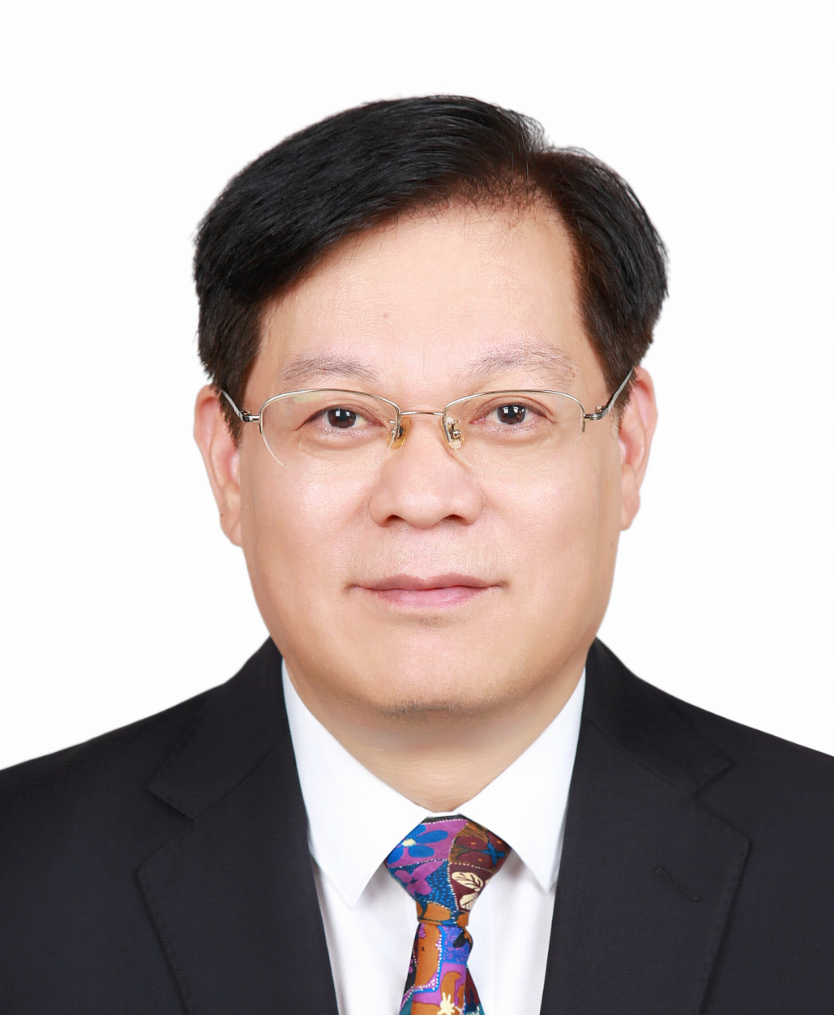 Yongguan Zhu (朱永官)合作论文数Research Center for Eco-Environmental Sciences, Chinese Academy of Sciences14
 Dong Zhu (朱冬)合作论文数Institute of Urban Environment, Chinese Academy of Sciences;University of Chinese Academy of Sciences11
 Teresa Mccormack合作论文数University of Warwick10
 Kinga Morsanyi合作论文数School of Psychology;University of Plymouth;School of Psychology, University of Plymouth10
 Margaret Ann Cargill合作论文数8
 Timothy R. Cavagnaro合作论文数School of Agriculture, Food and Wine, Faculty of Sciences, The University of Adelaide7
 Rs Patel合作论文数6Hugh E Mulcahy合作论文数6
 Alan Barkun合作论文数Division of Gastroenterology & Hepatology, Faculty of Medicine and Health Sciences, McGill University;Department of Medicine, McGill University;McGill University Health Centre6
 Joseph W C Leung合作论文数School of Medicine, University of California Davis6
 Anthelia Bond合作论文数6
 Pavel V Baranov合作论文数Biochemistry Department, University College Cork6Ruonan Li (李若男)合作论文数State Key Laboratory of Urban and Regional Ecology, Chinese Academy of Sciences5Patrick Burns合作论文数Queen's University Belfast5
 Zhiyun Ouyang (欧阳志云)合作论文数Research Center for Eco-Environmental Sciences, Chinese Academy of Sciences5
 Qinglin Chen (陈青林)合作论文数Institute of Urban Environment, Chinese Academy of Sciences;University of Chinese Academy of Sciences5Xiaoru Yang (杨小茹)合作论文数5
 Thomas A A Prowse合作论文数University of Sydney Anatomy and Histology, Bosch Institute5G. Daniel Sheng合作论文数4
 Courtney M. Regan合作论文数Ctr Markets Values & Inclus, Univ South Australia4
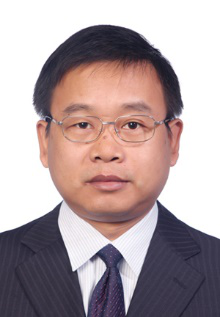 Hua Zheng (郑华)合作论文数Research Center for Eco-Environmental Sciences, Chinese Academy of Sciences;Institute of Urban Environment, Chinese Academy of Sciences4
 Jeffery D. Connor合作论文数CSIRO, Waite Campus4David M. Summers合作论文数4
 Audrey Michel合作论文数4
 Yongyan Li (李詠燕)合作论文数Faculty of Education, The University of Hong Kong4
 Jianqiang Su (苏建强)合作论文数Institute of Urban Environment, Chinese Academy of Sciences4
 Hugh Possingham合作论文数Centre for Biodiversity and Conservation Science, Faculty of Science, The University of Queensland;Accounting for Nature Ltd4
 Benedetto De Vivo合作论文数Dipartimento di Scienze della Terra, University of Napoli “Federico II”,4
 Alecos Demetriades合作论文数Institute of Geology and Mineral Exploration 1 Spirou Louis Street, Entrance C, Olympic Village Acharnae Gr-136 77 Hellas4
 Laurie Feldman合作论文数Language Laboratory, Department of Psychology, University at Albany;Haskins Laboratories4
 Manyun Zhang (张满云)合作论文数4Stuart J. Collard合作论文数4j locutura合作论文数3M. Ďuriš合作论文数3Se Smith合作论文数3
 Claire Settre合作论文数3Zhaowei Ding合作论文数3
 Qiansheng Huang (黄乾生)合作论文数Institute of Urban Environment, Chinese Academy of Sciences3
 Thi Thu Trang Nguyen合作论文数3
 Veronica Guardabassi合作论文数Dept Psychol, Univ Bologna3
 Ruth Lee合作论文数Department of Psychology, University of York3Stephen J Kiniry合作论文数3Jing Ding合作论文数3
 Xin Sun (孙新)合作论文数Institute of Urban Environment, Chinese Academy of Sciences3
 WM (Willem) de Vos合作论文数Wageningen University;Medical Faculty, University of Helsinki3
 Malek Lenka合作论文数3Mullan James P A合作论文数3
 James H. Neely合作论文数Department of Psychology, University at Albany, State University of New York3
 Ladenberger Anna合作论文数Geological Survey of Sweden3




