Abstract Introduction- Persistent residual lesions represent a common yet ambiguous outcome in melanoma patients treated with immune checkpoint inhibitors (ICIs). These lesions can reflect either (i) disease eradication with fibrosis and necrosis, or multiple modes of tumor dormancy, including (ii) residual disease characterized by cellular dormancy or quiescence, and (iii) macroscopic tumor mass dormancy, in which overall stability emerges from a dynamic balance between tumor proliferation and loss. Because these lesions are infrequently biopsied, the biological mechanisms that sustain these forms of dormancy remain poorly defined. This study aimed to characterize the cellular and microenvironmental states underlying persistent residual disease following ICI therapy. Methods- We performed multi-omics spatial profiling on persistent residual lesions resected from six ICI-treated melanoma patients. For comparison, we included lymph node metastases from patients who progressed after ICIs. Results- In 4 of 6 patients, persistent residual lesions consisted largely of immune cells and scar tissue, suggesting that the PET signal may arise primarily from non-tumor components rather than residual viable tumor. In contrast, one patient with a large residual lymph node lesion harbored viable, proliferating tumor cells at levels comparable to — or exceeding — those in lymph node lesions from patients with active clinical progression after ICI therapy. Extensive cytotoxic T-cell infiltration and high levels of programmed cell death were observed within this lesion. Although some tumor cells expressed cellular dormancy-associated markers (e.g., p27), this was not the dominant tumor state. Strikingly, in another patient, a persistent residual lesion that was pathologically negative for tumor cells by H&E contained discrete nests of tumor cells identified by multiplex IF, with approximately half of them proliferating in close proximity to immune cells. Conclusion- Together, these findings demonstrate that post-ICI residual disease can arise from persistent, viable tumor cells and that the phenotype is more consistent with tumor mass dormancy rather than the classical cellular dormancy concept. Furthermore, the persistent residual lesion can harbor viable and proliferative tumor cells despite appearing clinically stable, underscoring that such lesions may act as reservoirs with potential for late progression. This dormancy-like state has important implications for patient monitoring, clinical interpretation of stability, and long-term management following ICI therapy. Citation Format: Yingxiao Shi, Zoltan Maliga, Tuulia Vallius, Shishir Pant, Roxanne Pelletier, Brigette Kobs, Priyanka Solanky, Yiwen He, Eliezer M. Van Allen, Sandro Santagata, Patrick Ott, Christine G. Lian, Elizabeth I. Buchbinder, David Liu, Peter Karl Sorger. Tumor mass dormancy - a potential driver of long-term persistent melanoma after immunotherapy [abstract]. In: Proceedings of the American Association for Cancer Research Annual Meeting 2026; Part 1 (Regular Abstracts); 2026 Apr 17-22; San Diego, CA. Philadelphia (PA): AACR; Cancer Res 2026;86(7 Suppl):Abstract nr 3450.
Persistent stable lesions represent a common but ambiguous outcome in melanoma patients receiving immune checkpoint inhibitors (ICIs). However, these lesions are infrequently removed and poorly characterized. Here, we perform in-depth multi-omics spatial profiling on persistent stable lesions from six ICI-treated patients. In one, the proportion of viable and proliferating tumor cells was similar to that of site-matched tumors from patients progressing during ICI. Extensive infiltration with cytotoxic T cells and a high level of programmed cell death were also observed. Some quiescent cancer cells were present, but this was not the dominant tumor state. A second stable lesion, while pathologically negative, also contained proliferative tumor nests with proximate immune cells. These findings provide evidence in patients for extended tumor mass dormancy in which cell death balances ongoing proliferation and further demonstrate that persistent stable lesions can be reservoirs of viable tumor cells with implications for clinical monitoring and management.
Leveraging the specificity of personalized tumor antigens, neoantigen targeting personalized cancer vaccines (PCVs) have great potential as an effective cancer therapy. Accurate prediction and selection of the most immunogenic neoepitopes for inclusion the vaccines is critical for their success. We have previously demonstrated robust PVC immunogenicity in phase I trials of melanoma and glioblastoma multiforme (GBM). We completed a trial in renal cell carcinoma (RCC) NCT02950766, in which the PCVs were immunogenic in all patients, targeted cancer driver mutations, and importantly demonstrated in vitro reactivity to autologous patient tumors. Neoantigen selection pipeline currently supports clinical trials by employing state-of-art immunopeptidome-trained epitope prediction algorithms. For the PCV platform (NeoVax), we design up to 24 synthetic long peptides, eighteen to thirty-two amino acids in length. Algorithms incorporate prediction for HLA Class I neoantigens, as well as for synthesizability and solubility. Highly expressed neoantigens and neoantigens originating from cancer drivers are prioritized. For future iterations, we aim to enhance pipeline by including novel classes of neoantigens, such as those derived from endogenous human retroviruses, fusion epitopes, novel or unannotated open reading frames (nuORFs), and neoantigens identified through immunopeptidome analysis. The neoantigen selection pipeline is currently supporting seven cancer vaccine trials at DFCI. Department of Defense CDMRP (KC190130). Department of Defense (KCRP AKCI-ECI, W81XWH-20-1-0882), DF/HCC Kidney Cancer SPORE P50 CA101942. NHLBI 1R01HL157174-01A1. NCI-1R01CA229261, Francis and Adele Kittredge Family Immuno-Oncology and Melanoma Research Fund, Fisher Family Fund, Morgan Family Fund for Melanoma Research, Susana and Bruce Hampton Research Fund, Faircloth Family Research Fund Tumor Immunology: Checkpoints, Prevention, and Treatment (TIPT)
Background While anti-PD-based therapy is an approved first-line treatment for patients with advanced, surgically unresectable metastatic melanoma (MM), many do not benefit. Abundance of Ruminococcaceae and other microbes in cancer patients' gut microbiome has been associated with improved anti-PD1 efficacy. Thus, combination approaches to overcome anti-PD1 primary resistance with gut microbiome modulation are being explored. In this trial, SER-401, an investigational microbiome therapeutic enriched in Ruminococcaceae and other spore-forming microbes, was evaluated in combination with nivolumab in first line MM patients. Methods MCGRAW is a multi-center, randomized, blinded, and placebo-controlled phase 1b study in patients with advanced melanoma. Patients were randomized 2:1 to the SER-401 active or placebo arm, respectively, and stratified by baseline stool Ruminococcaceae abundance. Patients received an oral vancomycin preparative regimen+SER-401 (active arm), versus no antibiotics+placebo (placebo arm). One week later, all patients received nivolumab 480 mg Q4W. The primary endpoint was safety. Secondary endpoints were SER-401 microbiome engraftment, ORR, DCR, PFS, and change in frequency of tumoral CD8+ T cells on-treatment. The study was not powered for comparison between arms. Baseline and on-treatment stool samples were collected for microbiome analysis, tumor and blood samples were collected for exploratory biomarker analysis. Results Fourteen patients were randomized (N=8 active, N=6 placebo). Grade 3-4 TRAEs were observed in 0 and 1 (17%) participants in the SER-401/nivolumab and placebo/nivolumab arms, respectively. In the vancomycin+SER-401/nivolumab arm, ORR was 25.0% (95% CI: 3-65) and DCR was 37.5% (95% CI: 9-76). In the no antibiotics+placebo/nivolumab arm, ORR was 66.7% (95% CI: 22-96) and DCR was 83.3% (95% CI: 36-99). Overall, microbiome engraftment was observed in the active arm but did not reach optimal kinetics or magnitude in many patients. Differences in the fecal microbial and metabolic profiles of responders and non-responders were observed to be prior to initial nivolumab administration. Additional orthogonal biomarker analyses revealed further differences between the responders and non-responders, with the CR patient in the active arm having a distinct profile both at screening and on-treatment. Conclusions This study demonstrated that SER-401 and anti-PD1 are a safe combination in MM patients, however DCR was lower in the active arm versus control, perhaps related to the antibiotic preparative regimen. Enrollment challenges and sub-optimal SER-401 engraftment resulted in early termination of the study. Despite these limitations, our integrative clinical and biomarker analysis provides information regarding the link between the gut microbiome, peripheral immune cell populations, and the tumor microenvironment during nivolumab therapy with or without SER-401. Acknowledgements We extend our gratitude to the patients, their families, the clinical investigators, and their site staff members who made this trial possible. We would also like to thank Sultan Nawabi at Parker Institute for Cancer Immunotherapy (PICI) for operations leadership of the trial. The study was funded by Seres Therapeutics. Trial Registration ClinicalTrials. gov (NCT03817125) Ethics Approval The MCGRAW study was approved by WCG IRB (previously known as WIRB) protocol # 20182747 Consent All participants provided written informed consent before enrollment
Background Clinical trials of immunotherapy have excluded patients with pre-existing autoimmune disease. While the safety and efficacy of single agent ipilimumab and anti-PD1 antibodies in patients with autoimmune disease has been examined in retrospective studies, no data are available for combination therapy which has significantly higher toxicity risk. We sought to establish the safety and efficacy of combination immunotherapy for patients with advanced melanoma and pre-existing autoimmune diseases.Methods We performed a retrospective study of patients with advanced melanoma and pre-existing autoimmune disease who received combination ipilimumab and anti-PD1 at 10 international centers from March 2015 to February 2020. Data regarding the autoimmune disease, treatment, toxicity and outcomes were examined in patients.Results Of the 55 patients who received ipilimumab and anti-PD1, the median age was 63 years (range 23–83). Forty-six were treated with ipilimumab and nivolumab and nine with ipilimumab and pembrolizumab.Eighteen patients (33%) had a flare of their autoimmune disease including 4 of 7 with rheumatoid arthritis, 3 of 6 with psoriasis, 5 of 10 with inflammatory bowel disease, 3 of 19 with thyroiditis, 1 of 1 with Sjogren’s syndrome, 1 of 1 with polymyalgia and 1 of 1 with Behcet’s syndrome and psoriasis. Eight (44%) patients ceased combination therapy due to flare. Thirty-seven patients (67%) had an unrelated immune-related adverse event (irAE), and 20 (36%) ceased combination immunotherapy due to irAEs. There were no treatment-related deaths. Patients on immunosuppression (OR 4.59; p=0.03) had a higher risk of flare.The overall response rate was 55%, with 77% of responses ongoing. Median progression free survival and overall survival were 10 and 24 months, respectively. Patients on baseline immunosuppression had an overall survival of 11 months (95% CI 3.42 to 18.58) compared with 31 months without (95% CI 20.89 to 41.11, p=0.005).Conclusions In patients with pre-existing autoimmune disease, not on immunosuppression and advanced melanoma, combination ipilimumab and anti-PD1 has similar efficacy compared with previously reported trials. There is a risk of flare of pre-existing autoimmune disorders, particularly in patients with inflammatory bowel disease and rheumatologic conditions, and patients on baseline immunosuppression.
BackgroundONCR-177 is a recombinant oncolytic herpes simplex virus (oHSV) that retains γ34.5 and is engineered to express five immunomodulatory transgenes (IL-12, FLT3LG ECD, CCL4 and anti-PD-1 and anti-CTLA-4 antibodies) for the intratumoral treatment of solid tumors. Attenuation by miRNA leads to selective replication in tumor cells, and mutations in UL37 act as an orthogonal safety strategy. Transgenes elicit potent systemic stimulation of anti-tumor immunity.1 ONCR-177 is being tested in an open-label, multicenter, phase 1 study alone and in combination with pembrolizumab (NCT04348916), for surface lesion injection and intrahepatic injection. Here we present the surface lesion escalation data.MethodsThe objectives were determination of safety and recommended phase 2 dose (RP2D) of ONCR-177 monotherapy in subjects with advanced and/or refractory injectable surface lesions using a modified toxicity probability interval-2 (mTPI-2) escalation design at four dose levels: (Cohort 1: 1×10⁶ PFU in 1 mL, Cohort 2: 1×10⁷ PFU in 1 mL, Cohort 3: 1×10⁸ PFU in 1 mL and Cohort 4: 4×10⁸ PFU in 4 mL). Subjects received ONCR-177 by intratumoral injection once every 2 weeks (up to 10 times) until disease progression or unacceptable toxicity. There was no intrapatient dose escalation.ResultsAs of June 28, 2021, 14 subjects with injectable tumors were enrolled in the dose escalation phase (3 in cohort 1, 4 in cohort 2, 3 in cohort 3 and 4 in cohort 4). Enrolled tumor types included: melanoma (3), breast (3), anal squamous cell (1), lung (1), duodenal (1), basal cell (1), chondrosarcoma (1), thyroid (1), oropharyngeal (1) and papillary renal cell (1). Subject median age was 67 years. Median number of prior lines of therapy was 4 (range 2–11), including 11 of 14 subjects with prior immunotherapy. Nine subjects were HSV-1 seropositive at baseline, 4 were negative, one was unknown. Treatment-related Adverse Events were all Grade 1–2. Most commonly reported were: cytokine release syndrome (2 occurrences in Cohort 4), fatigue, nausea, chills, headache, decreased appetite, hypotension, and injection site pain. There were no dose-limiting toxicities. The RP2D was selected as 4×10⁸ PFU in 4 mL every 2 weeks up to 10 doses. Clinical data, including safety, viral shedding and exploratory biomarker data including peripheral payloads, peripheral cytokines and immune infiltration and PD-L1 expression in the tumor microenvironment will be presented.ConclusionsONCR-177 monotherapy in heavily pretreated subjects with advanced, injectable, solid tumors at the RP2D was safe and tolerable. Enrollment at the RP2D is underway in monotherapy expansion.Trial RegistrationNCT04348916ReferencesHaines BB, Denslow A, Grzesik P, Lee JS, Farkaly T, Hewett J, Wambua D, Kong L, Behera P, Jacques J, et al. ONCR-177, an Oncolytic HSV-1 Designed to Potently Activate Systemic Antitumor Immunity. Cancer Immunol Res 2021;9: 291–308Ethics ApprovalThis study was approved by the following institutional Ethics Boards:-University Health Network Research Ethics Board (ID Number: 20-5069)-Integreview IRB (ID Number RM 694) -WCG IRB (ID Number: 20200150)-Advarra (ID Number: 00000971)-Roswell Park IRB (ID Number: STUDY00001189/P-553719)-The Ohio State University Cancer IRB (ID Number: 2020C0139) -Dana Farber Cancer Institute IRB (ID Number 354020)All participants gave informed consent before taking part in this clinical trial.
SARS-CoV-2 infection and the resulting COVID-19 have afflicted millions of people in an ongoing worldwide pandemic. Safe and effective vaccination is needed urgently to protect not only the general population but also vulnerable subjects such as patients with cancer. Currently approved mRNA-based SARS-CoV-2 vaccines seem suitable for patients with cancer based on their mode of action, efficacy, and favorable safety profile reported in the general population. Here, we provide an overview of mRNA-based vaccines including their safety and efficacy. Extrapolating from insights gained from a different preventable viral infection, we review existing data on immunity against influenza A and B vaccines in patients with cancer. Finally, we discuss COVID-19 vaccination in light of the challenges specific to patients with cancer, such as factors that may hinder protective SARS-CoV-2 immune responses in the context of compromised immunity and the use of immune-suppressive or immune-modulating drugs.
Abstract Background: Genomic mechanisms associated with response to ICI in mTNBC are largely unknown. The aim of this work is to assess the genomic and immune profiles of mTNBC samples collected from patients (pts) treated with ICI. Methods: We identified 31 women with mTNBC treated with ICI (pembrolizumab, n=6, NCT02447003; atezolizumab, n=4, NCT01375842; nivolumab + cabozantinib, n = 6, NCT03316586; pembrolizumab + eribulin, n=8, NCT02513472; atezolizumab + nab-paclitaxel, n=7, NCT01633970) who had tumor tissue or blood available for sequencing obtained before and after ICI. Clinical benefit (CB), here defined as any objective response or stable disease (SD) for > 24 weeks, was observed in 20 pts (65%). An extraordinary responder was defined as having CB ≥ 2 yrs; 5 pts were considered extraordinary responders (range 26-60months). Whole exome sequencing (WES) was done on each tumor and on germline DNA from blood (23 pts had successful WES performed on samples collected before ICI; 5 of these had WES on samples taken after disease progression). RNA sequencing (RNAseq) was successfully performed in 18 of the tumors with WES performed on samples before ICI; and 3 of these had RNAseq on samples taken after disease progression. 18 pts had tumors assessed by multiplex immunofluorescence (mIF) panels encompassing CD4, CD8, PD-1, PD-L1, and cytokeratin on samples collected before ICI. WES, deep targeted panel and low coverage whole genome sequencing were performed on serially collected plasma samples from 22 pts to evaluate tumor fraction and specific mutations. The association between biomarkers and clinical benefit to ICI was assessed. Results: 21 of 31 pts (67%) had received ≥1 prior lines of systemic therapy in the metastatic setting before starting ICI. Among the most frequently mutated genes at baseline are: TP53 (57%); PIK3CA (18%); DNAH5, MYH8 (both 13%); KMT2C, AKT1, LAMA2 (all 9%). Pts with CB had a higher tumor mutational burden (TMB) than pts with no CB (p=0.018). Differential expression analysis of RNAseq data revealed an upregulation of several immune-related genes in pts with CB, indicating increased immune infiltration in that group. Gene set enrichment analysis of this expression data using hallmark and canonical pathway gene sets from MSigDB (nominal p-val < 0.05) showed that, compared to samples from pts without CB, extraordinary responders had elevated transcriptional signatures of several cancer-related pathways associated with cell survival, proliferation and metabolism, as well as genes associated with increased immune infiltration and upregulation of inflammatory response programs. The mIF showed that the tumor microenvironment (TME) of pts with CB were enriched in Cytokeratin-negative/PD-L1-positive cells compared to those without CB (p=0.014). Expression of CD4, CD8 and PD-1 was not significantly different between pts with and without CB. Genomic analysis of circulating tumor DNA, and tumor evolutionary analysis for pts with both pre- and post-ICI samples (acquired resistance) will be presented. Conclusions: Clinical benefit to ICI in mTNBC was associated with upregulation of immune-related pathways, enrichment of non-tumoral PD-L1-positive cells in TME, and high TMB. Citation Format: Romualdo Barroso-Sousa, Juliet Forman, Zachary T. Weber, Katherine Collier, Katrina Z. Kao, Edward T. Richardson, III, Tanya Keenan, Ofir Cohen, Michael P. Manos, Ryan C. Brennick, Patrick Ott, F. Steve Hodi, Deborah A. Dillon, Nancy U. Lin, Eliezer E. Van Allen, Scott Rodig, Eric P. Winer, Elizabeth A. Mittendorf, Catherine J. Wu, Daniel Stover, Nikhil Wagle, Sachet Shukla, Sara Tolaney. Comprehensive genomic analysis reveals molecular correlates of response to immune checkpoint inhibitors (ICI) in metastatic triple-negative breast cancer (mTNBC) [abstract]. In: Proceedings of the 2020 San Antonio Breast Cancer Virtual Symposium; 2020 Dec 8-11; San Antonio, TX. Philadelphia (PA): AACR; Cancer Res 2021;81(4 Suppl):Abstract nr PS4-25.
Despite the major role that metastasis plays in the morbidity and mortality of melanoma, stereotyped patterns of metastasis and drivers of its organotropism in melanoma are still not well characterized, limited by a dearth of sequencing data in well-annotated clinical melanoma samples. To address these open questions, we performed an integrative analysis of clinical and genomic features from 243 patients with metastatic melanoma treated at Dana Farber Cancer Institute (DFCI). Tumor biopsies were sequenced with OncoPanel, a next-generation sequencing panel that identifies mutations in 331 cancer genes. Presence of site metastases was evaluated radiographically pre-treatment for each patient; sites include lymph node (64% of cohort), soft tissue (59%), lung (57%), liver (32%), brain (24%), bone (22%), mesentery (12%), adrenal gland (9%), spleen (7%), and other metastatic sites (13%). Metastases showed significant co-occurrences (e.g. bone and lung, OR 2.8, 95% CI = [2.3, 3.3], p Patients with cutaneous melanoma (n=203) exhibited both site-specific and pattern-specific genomic correlates of metastatic organotropism that persist after correction for mutational burden. Tumors from patients with liver metastases showed significantly higher prevalence (p We present robust stereotypic patterns of metastasis and both site- and pattern-specific genomic correlates of organotropism in metastatic melanoma. By leveraging a valuable clinical/genomic data set, we nominate genetic correlates of organotropism for functional validation and potential therapeutic targets. Citation Format: William H. Ge, Giuseppe Tarantino, Emily Robitschek, Michael P. Manos, Lauren Eastman, Olivia Ouyang, Patrick Ott, Ann W. Silk, Osama E. Rahma, Alexander Gusev, Rizwan Haq, Elizabeth I. Buchbinder, Megan L. Insco, Stephen Hodi, Eliezer Van Allen, David Liu. Stereotypic patterns and genomic correlates of organotropism in metastatic melanoma [abstract]. In: Proceedings of the American Association for Cancer Research Annual Meeting 2021; 2021 Apr 10-15 and May 17-21. Philadelphia (PA): AACR; Cancer Res 2021;81(13_Suppl):Abstract nr 2846.
Background: Neoantigens arising from somatic mutations are attractive targets for cancer immunotherapy as they may be recognized as foreign by the immune system. RO7198457, a systemically administered RNA-Lipoplex iNeST was designed to stimulate T cell responses against neoantigens. A first-in-human Phase Ib study of RO7198457, in combination with the aPD-L1 antibody atezolizumab is being conducted in patients with locally advanced or metastatic solid tumors. Methods: RO7198457 is manufactured on a per-patient basis and contains up to 20 tumor-specific neoepitopes. Nine doses of RO7198457 were administered i.v. in weekly and bi-weekly intervals during the 12-week induction stage and every 24 weeks during the maintenance stage. Atezolizumab 1200 mg was administered on Day 1 of each 21-day cycle. Results: In total, 132 patients enrolled in cohorts with doses ranging from 15-50 μg RO7198457 in combination with atezolizumab. Most common tumor types were NSCLC, TNBC, melanoma and CRC. The median number of prior therapies was 3 (range 1-11). 39% of patients received prior immunotherapy. Most patients had low levels of PD-L1 expression (93% patients with Citation Format: Juanita S. Lopez, Ross Camidge, Marco Iafolla, Sylvie Rottey, Martin Schuler, Matthew Hellmann, Ani Balmanoukian, Luc Dirix, Michael Gordon, Ryan Sullivan, Brian S. Henick, Charles Drake, Kit Wong, Patricia LoRusso, Patrick Ott, Lawrence Fong, Aglaia Schiza, Jeffery Yachnin, Christian Ottensmeier, Fadi Braiteh, Johanna Bendell, Rom Leidner, George Fisher, Guy Jerusalem, Laura Molenaar-Kuijsten, Marcus Schmidt, Scott A. Laurie, Raid Aljumaily, Achim Rittmeyer, Eelke Gort, Ignacio Melero, Lars Mueller, Rachel Sabado, Patrick Twomey, Jack Huang, Manesh Yadav, Jingbin Zhang, Felicitas Mueller, Evelyna Derhovanessian, Ugur Sahin, Ozlem Tureci, Thomas Powles. A phase Ib study to evaluate RO7198457, an individualized Neoantigen Specific immunoTherapy (iNeST), in combination with atezolizumab in patients with locally advanced or metastatic solid tumors [abstract]. In: Proceedings of the Annual Meeting of the American Association for Cancer Research 2020; 2020 Apr 27-28 and Jun 22-24. Philadelphia (PA): AACR; Cancer Res 2020;80(16 Suppl):Abstract nr CT301.
Introduction:To evaluate the impact of Sars-Cov-2 infection on mortality and immune checkpoint inhibitor (ICI) toxicity in patients with cancer receiving ICIs compared to those not receiving ICIs.Methods:We conducted a retrospective matched cohort study of 25 patients receiving ICIs within 1 year of coronavirus disease 2019 (COVID-19) diagnosis between March 20, 2020, and June 3, 2020, at the Dana-Farber Cancer Institute/Mass General Brigham. Cases were matched 1:1 with controls based on age, sex, and anticancer therapy within the prior 6 months.Results:Seven of 25 (28%) patients receiving ICIs died from COVID-19 as compared with nine of 25 (36%) controls. Through multivariable analysis adjusting for age, sex, and anticancer therapy, ICI use was not associated with increased risk for COVID-19 death (OR [odds ratio] 0.36, 95% CI 0.07-1.87). Determinants of mortality included age (OR 1.14, 95% CI 1.03-1.27) and chronic obstructive pulmonary disease (OR 12.26, 95% CI 1.76-85.14). Statin use was protective against mortality (OR 0.08, 95% CI 0.01-0.63). Two patients experienced persistent immune-related adverse events (irAEs) (hypophysitis); one had new-onset irAE (hypothyroidism) during their COVID-19 course. Patients with ICIs had significantly higher platelet (p = 0.017) and D-dimer (p = 0.037) levels. Elevated troponin levels (p = 0.01) were associated with COVID-19 death in patients using ICI.Conclusion:There is insufficient evidence to conclude COVID-19-related outcomes are associated with ICIs, and we did not observe an increased risk of COVID-19-related death associated with ICIs. The potential protective effect of statin therapy and role of laboratory biomarkers warrant further investigation.
Landmark discoveries in cancer research improve clinical therapies. To bring these therapies to the right patients quickly and safely requires well-designed clinical trials. Harmony Turk of Cancer Cell and Sara Hamilton of Cell Reports Medicine spoke with Dr. Lillian Siu of Princess Margaret Cancer Center, Dr. Carl June of the University of Pennsylvania's Perelman School of Medicine, and Dr. Patrick Ott of Dana-Farber Cancer Institute on improving the design of oncology clinical trials in the evolving landscape of precision medicine. Excerpts from this conversation are presented below, and the full conversation is available with the article online. Editor's note: Some text was subsequently revised for clarity and conciseness.
Background There are conflicting data regarding the vulnerability of cancer patients receiving immune checkpoint inhibitors (ICIs) to COVID-19 infection.1–3 In addition, immune-related adverse events (irAEs) driven in part by cytokine dysregulation could parallel the cytokine storm implicated in COVID-19. We sought to evaluate the impact of COVID-19 infection on irAEs and mortality in cancer patients receiving ICIs. Methods We performed a retrospective matched cohort study of 25 patients receiving ICIs within one year of a confirmed COVID-19 diagnosis between March 20, 2020 and June 3, 2020 at the Dana-Farber Cancer Institute/Mass General Brigham network. Cases were matched 1:1 with controls without ICI use based on age, sex, and use of non-ICI anti-cancer therapy within 6 months prior to COVID-19 diagnosis. The primary outcome was death due to COVID-19, and potential covariates (patient comorbidities, concomitant medications, ICI therapy, other anti-cancer therapy) were explored using multivariable logistic regression models. Results We reviewed the records of 611 patients with prior ICI use who were evaluated at our institutions. The final study population included 25 patients who tested positive for COVID-19. The median age was 72 years (range 45–83) and 11 patients (44%) were female (table 1). Seven of 25 (28%) patients on ICIs died from COVID-19 compared to 9 of 25 (36%) controls (figure 1). In multivariable analysis, determinants of mortality included age (OR 1.14, 95% CI 1.03–1.27) and chronic obstructive pulmonary disease (OR 12.26, 95% CI 1.76–85.14), while concomitant statin use was protective against mortality (OR 0.08, 95% CI 0.01–0.63). After adjusting for age, sex, and anti-cancer therapy, ICI use was not associated with increased risk for COVID-19 death (OR 0.36, 95% CI 0.07–1.87, figure 2). Two patients experienced persistent irAEs (hypophysitis) and one patient had new onset irAE (hypothyroidism) during their COVID-19 course. Patients with ICI use presented with significantly higher platelet (p = 0.017) and D-dimer (p = 0.037) levels compared to controls (figure 3A). Elevated troponin levels (p = 0.01) were associated with COVID-19 death in patients using ICI but not in controls (figure 3B). Conclusions In our study, ICI use was not associated with increased risk of COVID-19 related death. We observed low rates of new or persistent irAEs within our small sample. The potential protective effect of statin therapy and predictive role of laboratory biomarkers warrants further investigation. Our findings are promising for the continuation of immunotherapy in cancer patients with COVID-19. Acknowledgements K.T. and A.N.B. contributed equally. N.R.L. and O.E.R. contributed equally.The authors would like to acknowledge the DFCI Oncology Data Retrieval System (OncDRS) for the aggregation, management, and delivery of the clinical and operational research data used in this project. The content is solely the responsibility of the authors. Ethics Approval This project was approved by the Partners Healthcare Institutional Review Board (#2020P000851). References Robilotti EV, Babady NE, Mead PA, et al. Determinants of COVID-19 disease severity in patients with cancer. Nature Medicine 2020. In press. Luo J, Rizvi H, Egger JV, Preeshagul IR, Wolchok JD, Hellmann MD. Impact of PD-1 blockade on severity of COVID-19 in patients with lung cancers. Cancer Discov 2020. In press. Lee LYW, Cazier JB, Starkey T, Turnbull CD, Kerr R, Middleton G. COVID-19 mortality in patients with cancer on chemotherapy or other anticancer treatments: a prospective cohort study. Lancet 2020;395(10241):1919–1926.
BackgroundThe incidence of high-grade immune-related adverse events (irAEs) due to immune checkpoint inhibitors (ICIs) is increasing due to the rapid expansion of indications for their use. There is an urgent need for a feasible approach of identifying patients with high-grade irAEs to ensure early detection and proper management of this unique set of toxicities.MethodsWe established one of the first inpatient services that are specifically devoted to mitigating irAEs. The service uses a multidisciplinary approach with consulting service from experts in managing irAEs. We are leveraging the electronic medical record (EMR) to triage patients who are admitted to the hospital and have received or are currently receiving ICIs. A list of patients with ICI exposure is generated daily by EMR and then curated manually to identify patients with potential irAEs.ResultsA total of 129 patients with high-grade irAEs were admitted between June 2018 and June 2019. The most common irAEs were colitis (32%), pneumonitis (30%), and hepatitis (14%). Eighty five per cent of the patients had grade 3 irAEs and 15% had grade 4–5. About half of the patients had received ICI monotherapy; 30% had received combination of ICIs and non-ICIs; and 19% had received a combination of ICIs. Only 9% of patients had steroid-refractory irAEs requiring other immunosuppressive agents. The average length of stay for irAE-related admission was 11 days with a readmission rate due to recurrent irAEs of 26% within a year.ConclusionWe demonstrated the feasibility of using the EMR to accurately triage patients with suspected irAEs to a dedicated immune-toxicity service. Our model is adaptable in major academic centers and could have a major impact on quality of care and future clinical research addressing irAEs.
Background: GSK3359609 (GSK609) is an inducible T cell co-stimulator (ICOS) agonist antibody and tremelimumab (treme) is a cytotoxic T-lymphocyte-antigen 4 (CTLA-4) antagonist antibody. Nonclinical and clinical studies have shown that ICOS expression on T cells is upregulated after anti-CTLA-4 treatment (tx). ICOS+ T cells have a positive association with overall survival (OS) in treme treated chemotherapy-resistant malignant mesothelioma and melanoma patients (pts). Therefore, the combination of these 2 drugs may provide greater antitumoral response than either drug alone (Coutzac C: AACR 2019 meeting abstract). Methods: This is a Phase I/II, open-label, 2-part study. In Part 1, N=~24 pts will be enrolled. The study is designed to assess treme starting at 75 mg followed by GSK609 starting at 8 mg. At dose level (DL) 1, one pt who will receive the lowest doses of both drugs will be enrolled. If no dose limiting toxicity (DLT) is observed in the DLT observation period of 28 days, then 1-3 pts will be enrolled in DL2 - DL6 in a zone-based fashion (zones include the DLs with the next highest dose of one of the two drugs - 2DL are included in each zone in this study) with different dose combinations of the drugs being evaluated. The dose of 1 of the 2 drugs will be escalated with each new DL up to the highest dose of each. If ≥ grade 2 tx-related AEs occur at DL1 or 2, additional pts will be enrolled to collect more safety information. If DLTs are observed, the bivariate Continual Reassessment Method (CRM) model will be used to guide dose recommendations. The primary objective of Part 1 will be to assess safety. Additional pts may be enrolled in Part 1 to further evaluate pharmacokinetics/pharmacodynamics (PK/PD). Part 2 is a randomized expansion enrolling recurrent/metastatic head and neck squamous cell carcinoma pts who have disease progression after platinum chemotherapy and anti-programmed death receptor protein-1 (PD-1)/anti-programmed death-ligand 1 (PD-L1) therapy, in combination or separately. Pts may not have had ≥4 lines of prior tx in either Part 1 or 2. In Part 2, pts will be randomized 2:1 to the doses of GSK609 and treme (n=60) selected from Part 1 or to the Investigator’s choice of SOC single-agent therapy (paclitaxel, docetaxel or cetuximab) (n=30). The primary objective in Part 2 is to evaluate overall survival and the primary analysis is to perform Bayesian predictive probability of success for a future hypothetical Phase III study based on survival data. Secondary endpoints include safety, ORR, PFS, DOR, and PK while pharmacodynamic and other biomarker analyses constitute exploratory endpoints. Pts will be treated for up to 2 years with survival follow-up for up to 2 years post-tx. This study has enrolled 1 pt. Study NCT03693612 funded by GSK. Citation Format: Aaron Hansen, Raghad Abdul-Karim, Naiyer Rizvi, Danny Rischen, John Hilton, Zujun Li, Patrick Ott, Natalie Karpinich-Fedoriw, Sapna Yadavilli, Xiaowei Wang, Laurel Adams, Melody Wyres, Charles Ferte, Marc Ballas, Axel Hoos, Daniel Zandberg. A Phase I/II, open-label, two part study of GSK3359609 in combination with tremelimumab in participants with selected, advanced solid tumors [abstract]. In: Proceedings of the American Association for Cancer Research Annual Meeting 2019; 2019 Mar 29-Apr 3; Atlanta, GA. Philadelphia (PA): AACR; Cancer Res 2019;79(13 Suppl):Abstract nr CT166.
The impact of individualized neoepitope vaccination targeting neoantigens arising from tumor-specific mutations for GBM, a low mutation burden tumor with an immunologically cold tumor microenvironment, as well as that of concurrently administered dexamethasone (dex), are unknown. Individualized vaccination of up to 20 synthetic, long neoepitope peptides with high predicted HLA binding affinity admixed with poly-ICLC, were administered subcutaneously using a prime-boost schedule after RT to newly diagnosed, MGMT unmethylated, at least partially resected, GBM patients without progression after radiation (RT) in our phase 1b study. 9 of 10 screened patients had sufficient (10) identified neoepitope peptides. 8 patients without progression after RT received vaccine consisting of a median of 12 peptides (range, 7–20) beginning a median of 19.9 wks (range 17.1–24.7) after surgery. Adverse events were limited to infrequent grade 1/2 local reactions and fatigue. Median PFS and OS were 7.5 mths (90% CI: 6.2, 9.7) and 16.8 mths (90% CI: 9.6, 21.3). Evaluation of neoepitope-specific immune responses and tumor immune infiltrate analyses were performed on five patients with pre- and post-vaccination samples. Three patients on dex for post-RT edema during vaccine had no immune responses and no change in tumor infiltrating effector cells. In contrast 2 patients not on dex had robust, de novo immune responses against multiple predicted personal neoantigens including polyfunctional neoantigen-specific CD4+ and CD8+ T cell responses that were enriched for memory and activated phenotypes as well as increased numbers of tumor-infiltrating CD4+ and CD8+ T cells. T cell receptor analysis from one patient identified identical clonotypes isolated from post-vaccination tumor tissue and peripheral blood including two clonotypes specific for ARHGAP35, a neoantigen targeted by vaccination. Individualized, multi-neoepitope vaccines are feasible, safe and capable of generating systemic and intra-tumoral immune responses in GBM patients that appear to be abrogated by dex.
 F. Stephen Hodi Jr.合作论文数Department of Medical Oncology, Dana-Farber Cancer Institute;Center for Immuno-Oncology, Dana-Farber Brigham Cancer Center;Harvard Medical School7
 Osama Rahma合作论文数Dana-Farber Cancer Institute;Brigham and Women's Hospital6
 Michael Manos合作论文数Dana Farber Canc Inst, Boston, MA 02115 USA5A. Giobbie-Hurder合作论文数Cooperative Studies Program Coordinating Center, Hines, IL5
 Matthew Hellmann合作论文数Memorial Sloan Kettering Cancer Center4
 Matthew H. Taylor合作论文数Providence Cancer Institute Franz Clinic4Shilpa Grover合作论文数4
 Emiliano Calvo合作论文数3
 Anna C. Pavlick合作论文数Weill Cornell Medical College, Cornell University;NewYork-Presbyterian Hospital3
 Elizabeth I. Buchbinder合作论文数Dana-Farber Cancer Institute;Harvard Medical School3
 Dirk Jäger合作论文数National Center for Tumor Diseases Heidelberg, Heidelberg University Hospital3
 Paolo A. Ascierto合作论文数Melanoma, Cancer Immunotherapy and Development Therapeutics Oncology Unit, Istituto Nazionale Tumori IRCCS Fondazione “G. Pascale3
 Johanna C. Bendell合作论文数Tennessee Oncology/Sarah Cannon Research Institute3Nicole LeBoeuf合作论文数2Gerald Weinhouse合作论文数2Raghad Abdul-Karim合作论文数2Kerry Reynolds合作论文数2Marc Ballas合作论文数2Jaishree Bhosle合作论文数2Natalie Karpinich-Fedoriw合作论文数2Danny Rischen合作论文数2Victor Moreno合作论文数2
 Isaac A Klein合作论文数Dewpoint Therapeutics2
 Aaron Hansen合作论文数University Health Network;Royal Australasian College of Physicians Medical;University of Toronto2
 Zujun Li合作论文数Division of Hematology and Medical Oncology, Department of Medicine, New York University2
 Braud Filippo Guglielmo Maria合作论文数Dipartimento di Oncologia ed Emato-Oncologia, Università degli Studi di Milano;Divisione di Oncologia Medica, Istituto Nazionale dei Tumori di Milano2
 Naiyer A. Rizvi合作论文数Synthekine2
 Padmanee Sharma合作论文数Department of Genitourinary Medical Oncology, Division of Cancer Medicine, The University of Texas MD Anderson Cancer Center;Department of Immunology, The University of Texas MD Anderson Cancer Center2
 Jason J Luke合作论文数Division of Oncology, Department of Medicine, School of Medicine, University of Pittsburgh;Immunotherapy and Drug Development Center, UPMC Hillman Cancer Center2Pillai Rathi N合作论文数2
 Enriqueta Felip合作论文数Vall d'Hebron Institute of Oncology;Oncology Department, Vall d'Hebron University Hospital2
 Scott Joseph Antonia合作论文数Duke Cancer Institute, School of Medicine, Duke University;Duke Human Vaccine Institute, School of Medicine, Duke University;Department of Medicine, School of Medicine, Duke University2
 Eliezer Van Allen合作论文数Division of Population Sciences, Dana-Farber Cancer Institute;Harvard Medical School2
 Leora Horn合作论文数AstraZeneca2
 Tram Bui合作论文数Stanford Health Care;Department of Dermatology, Stanford University2
 Sachet Shukla合作论文数Department of Hematopoietic Biology Malignancy, Graduate School of Biomedical Sciences, The University of Texas MD Anderson Cancer Center;Broad Institute2
 Mark Awad合作论文数Memorial Sloan Kettering Cancer Center;Weill Cornell Medicine2
 Douglas B. Johnson合作论文数Vanderbilt Institute for Infection, Immunology and Inflammation, Vanderbilt University Medical Center;Division of Hematology, Vanderbilt University Medical Center;Division of Oncology, Vanderbilt University Medical Center;School of Medicine, Vanderbilt University2
 Zubiri Leyre合作论文数Department of Oncology, University Clinic of Navarra2Salama April K合作论文数2
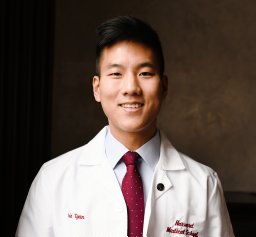 Tyan Kevin合作论文数Department of Pathology and Cell Biology, Columbia University Medical Center;Department of Medicine, Columbia University Medical Center;Department of Dermatology, Columbia University Medical Center;and.2Grossmann Kenneth F合作论文数2
 Nina Bhardwaj合作论文数Division of Hematology and Medical Oncology, Department of Medicine, Icahn School of Medicine, Mount Sinai;Vaccine and Cell Therapy Laboratory, Icahn School of Medicine, Mount Sinai2Tschaika Marina合作论文数2
 Catherine J. Wu合作论文数Department of Medical Oncology, Dana-Farber Cancer Institute;Division of Stem Cell Transplantation and Cellular Therapies, Dana-Farber Cancer Institute;Harvard Medical School2Yadavilli Sapna合作论文数2Morosky Anne合作论文数2Saraf Sanatan合作论文数a Department of Mathematics and Statistics, University of Maryland Baltimore County2
 Santiago Ponce合作论文数2




