Fossil evidence indicates that millipedes were the first animals adapted to life on land about 425 million years ago, becoming the very first land animals and beating vertebrates by a staggering 50 million years.1,2 These multi-legged arthropods provide a vital ecological role in forests by decomposing coarse organic matter and contributing to the formation of nutrient-rich soils.3,4 To date, 14,232 species have been described, with at least as many still awaiting discovery.5 Despite their ecological significance and ancient origins in the Ordovician, the evolutionary relationships among millipedes have remained unresolved, and a synthesis of the 16 orders that comprise the class Diplopoda had never been attempted. In this study, we analyzed the last two remaining unsampled orders, Siphonocryptida and Siphoniulida, two rare paleoendemics whose placement had been unresolved until now. Our results show that all extant diplopod orders except one were present by the end of the Jurassic, that millipedes evolved potent terpenoid alkaloid chemical defenses 261 million years ago, and that Siphonocryptida is a derived lineage of Polyzoniida. Early millipede lineages possessed sophisticated sensory structures, including compound eyes and Tömösváry organs, which were repeatedly lost over 459 million years of diversification. These findings provide a robust framework for understanding the evolution of the earliest fully terrestrial animals and support ongoing efforts to discover and describe thousands of new millipede species.
Caves and other subterranean ecosystems impose highly selective environmental filters, driving the evolution of convergent and specialized traits in subterranean organisms. Here, we present the first comprehensive checklist and trait database for subterranean spiders of Macaronesia, thereby filling a significant knowledge gap relative to continental Europe. We compiled data through direct morphological measurements and literature review, covering 64 morphological and ecological traits for 61 species (14 families) from Macaronesia, along with 66 additional species in continental Europe not included in the previous checklist. After accounting for taxonomic changes, the checklist of European subterranean spiders now lists 637 species, of which 278 are considered obligate subterranean dwellers (troglobionts). We used multidimensional hypervolumes to compare the functional spaces of Europe and Macaronesia and explore some putative eco-evolutionary patterns shaping both assemblies. The expanded trait database is a valuable resource for ecological and conservation research, highlighting the need for continued exploration and protection of subterranean biodiversity, including on oceanic islands.
Caves and other subterranean ecosystems impose highly selective environmental filters, driving the evolution of convergent and specialized traits in subterranean organisms. Here, we present the first comprehensive checklist and trait database for subterranean spiders of Macaronesia, thereby filling a significant knowledge gap relative to continental Europe. We compiled data through direct morphological measurements and literature review, covering 64 morphological and ecological traits for 61 species (14 families) from Macaronesia, along with 66 additional species in continental Europe not included in the previous checklist. After accounting for taxonomic changes, the checklist of European subterranean spiders now lists 637 species, of which 278 are considered to be obligate subterranean-dwellers (troglobionts). Functional trait analyses using n-dimensional hypervolumes revealed moderate overlap in the functional space of continental Europe and Macaronesian subterranean spiders (β_total = 0.47), driven primarily by differences in trait richness rather than the replacement of functional space, with the Macaronesian spiders occupying a smaller functional space than the continental European ones. The Macaronesian assemblage showed more regular (even) niche occupation but similar overall functional dispersion compared to Europe, suggesting lower functional redundancy yet comparable trait diversity. These findings suggest that similar environmental pressures drive functional convergence in cave faunas despite geographic, geological (karstic vs. volcanic), and taxonomic differences. The expanded trait database is a valuable resource for ecological and conservation research, highlighting the need for continued exploration and protection of subterranean biodiversity on oceanic islands.
Soil arthropod communities are key indicators of agroecosystem sustainability, yet their responses to different management practices remain understudied in oceanic islands. This study evaluates soil arthropod diversity, community structure, and composition across three ecological zones of Tenerife (Canary Islands, Spain), each including an ecological and a conventional agroecosystem, along with a natural reference site. Employing a combination of hypogean fauna pitfall trapping and taxonomic identification, we analyzed communities at five soil depths (0-75 cm). Results show that ecological management fosters communities resembling natural vegetation more closely than conventional systems in laurel forests and thermo-sclerophyllous woodlands, but not in spurge shrublands. Patterns were variable, with conventional systems occasionally supporting higher abundance and richness (e.g., 5922 individuals in conventional vs. 2100 in natural vegetation in laurel forests), albeit dominated by few taxa. Key taxa such as Diplura highlighted management-specific responses, while depthdependent trends revealed significant surface layer impacts, with the highest dissimilarities at 0-15 cm (0.62 in laurel forests and thermo-sclerophyllous woodlands). Coleoptera analyses further demonstrated that natural vegetation supports a higher richness of endemic and native species (e.g., 23 endemics in laurel forests), while conventional systems are characterized by the abundance of introduced taxa (e.g., 31 % of individuals in conventional laurel forests). Despite the potential of ecological practices to enhance biodiversity, natural vegetation remains irreplaceable for conserving endemic and native arthropods. These findings underscore the relevance of soil arthropods as indicators of sustainable land use and the need for agroecological strategies tailored to local contexts to maximize biodiversity conservation.
The Canary Islands harbour a rich and diverse fauna of obligate subterranean arthropods (i.e. troglobionts). Among the insect taxa which have repeatedly undergone the evolutionary switch from life on the surface to underground environments are the Fulgoromorpha, or planthoppers: Cixiidae and Meenoplidae. Previously, a total of 13 troglobitic planthopper species have been described from El Hierro, La Palma, Tenerife and Gran Canaria. Here we describe three new troglobitic cixiid species: Cixius palmirandus sp. nov. from La Palma, Cixius theseus sp. nov. from El Hierro and Tachycixius gomerobscurus sp. nov. from La Gomera, and one new meenoplid species: Meenoplus skotinophilus sp. nov. from El Hierro. Tachycixius gomerobscurus sp. nov. is the first record of a subterranean adapted Fulgoromorpha on La Gomera. With now 17 documented species of strictly hypogean planthoppers, the Canary Islands hold the highest number of subterranean planthoppers of any region worldwide, representing ca. ¼ of all known species. We provide a key to all subterranean planthopper species known from the Canary Islands as well as information on their habitat, distribution, ecological classification and conservation status. As all highly specialized, narrow range troglobitic planthopper species must be regarded as vulnerable, if not endangered, climate change poses a major risk of extinction. We hypothesize on island colonization and subterranean speciation underlying taxonomic diversity and high endemicity. We conclude that the currently observed zoogeographic patterns imply the existence of an ancient fauna which is now extinct.
A new species of terrestrial isopod, Porcellio aguerensis Orihuela-Rivero, sp. nov. of the family Porcellionidae (Oniscidea), is described from the laurel forest of Tenerife, Canary Islands. This new species belongs to the Atlantic group (“scaber”) as defined by Vandel due to the structure of the male pleopod 1 and its “primitive” glandular system. Some diagnostic characters that allow it to be differentiated from other species are revealed, such as (i) the smooth dorsal surface, (ii) the sinuosity of the posterior margin of the first pereonites, (iii) the configuration of the glandular system, and (iv) the structure of the male pleopod 1 exopod. The affinity of Porcellio aguerensis Orihuela-Rivero, sp. nov. with the morphologically closest members of the genus is discussed, both with continental and insular species, hypothesizing a relationship between the Canarian species of Porcellio and the “primitive” continental lineages of the genus. A key of the Porcellio species occurring in Tenerife is included. The conservation of Porcellio aguerensis Orihuela-Rivero, sp. nov. within a scenario of increasing dominance of invasive species is discussed.
Species of the genus Loboptera from the Canary Islands are adapted to life in subterranean environments, except Loboptera canariensis and Loboptera decipiens which inhabit epigean, often influenced by human activities. The genome of Loboptera subterranea provides a valuable resource for understanding the genetic basis of how the Canarian Loboptera species evolved and thrived in subterranean environments. A total of 14 contiguous chromosomal pseudomolecules were assembled from the genome sequence. This chromosome-level assembly encompasses 2.7 Gb, composed of 486 contigs and 90 scaffolds, with contig and scaffold N50 values of 13.1 Mb and 202.7 Mb, respectively. ### Competing Interest Statement The authors declare no conflict of interest related to this study. The funding sources had no involvement in the study design, collection, analysis, or interpretation of data; in the writing of the manuscript; or in the decision to submit the article for publication. All authors have participated sufficiently in the work to take public responsibility for the content and agree to the submission of this manuscript.
En Canarias el medio subterráneo terrestre habitable ocupa una elevada proporción del terreno e incluye hábitats diversos como los tubos de lava y otros tipos de cavidades volcánicas, la red profunda de grietas, el medio subterráneo superficial o los campos de piroclastos. Su extensión y frecuente interconexión permite la presencia de una gran diversidad de especies adaptadas a este medio (troglobiontes). Todas las arañas troglobiontes encontradas son endemismos canarios y cada isla, a excepción de Lanzarote, tiene sus propias especies. Tras los coleópteros, las arañas son el grupo de artrópodos con más troglobiontes en el archipiélago: 39 especies pertenecientes a 9 familias distintas. En este trabajo se aporta un listado de las arañas troglobiontes del archipiélago canario, se comentan datos relevantes de las distintas familias representadas, y se compara dicha fauna con la de otros archipiélagos oceánicos. Finalmente, se abordan las principales amenazas que afectan a estas especies y a la conservación del medio subterráneo en Canarias.
The inhabitable terrestrial subterranean environment in the Canary Islands covers a high proportion of the total area, including several habitats such as lava tubes and other types of volcanic caves, the deep network of cracks and voids, the mesovoid shallow substratum and pyroclast deposits. Their extension and their frequently interconnected spaces allow the presence of a diversity of adapted species (troglobionts). All these species are Canarian endemics, and each island except Lanzarote have their own exclusive ones. After beetles, spiders are the richest arthropod group in troglobionts within the archipelago: 39 species belonging to 9 different families. A list of the troglobiont spiders from the archipelago is provided herein, some relevant features on the different families occurring underground are commented, and a comparison of this fauna with that of other oceanic archipelagos is made. Finally, the current threats affecting these species as well as their conservation status in the Canary Islands are discussed.
Climate change affects all ecosystems, but subterranean ecosystems are repeatedly neglected from political and public agendas. Cave habitats are home to unknown and endangered species, with low trait variability and intrinsic vulnerability to recover from human-induced disturbances. We studied the annual variability and cyclicity of temperatures in caves vis-à-vis surface in different climatic areas. We hypothesize that cave temperatures follow the average temperature pattern at the surface for each location with a slight delay in the signal, but we found three different thermal patterns occurring in caves: (1) high positive correlation and a similar thermal pattern to the surface, (2) low correlation and a slight thermal delay of the signal from the surface, and (3) high negative correlation with an extreme delay from the surface. We found daily thermal cycles in some caves, which may potentially control the circadian rhythms of cave organisms. Our results show that caves had lower thermal amplitude than the surface, and that thermal averages within caves approximately correspond to the to the annual average of surface temperature. Caves buffer external temperature and act as refugia for biota in extreme climatic events. Likewise, temperature increases at surface will lead to increment in caves, threatening subterranean biota and ecosystem services.
Decomposition is a major contributor to ecosystem respiration, determining the carbon emission and nutrient cycling rates. Our current understanding of decomposition dynamics and their underlying drivers has mainly focused on surface habitats but largely ignored in subterranean environments. Here we studied abiotic and microbial drivers of early-stage litter decomposition inside and outside caves along an elevational gradient in Tenerife. We found comparable decomposition rates (k) and litter stabilizing factors (S), with contrasting drivers and elevational variation. At the surface, we observed a mid-elevational trend in k, which tended to correlate with water availability, cooler temperatures, nutrient availability, and surface-specific bacterial taxa. In sharp contrast, caves showed no elevational impact nor influence of abiotic parameters and bacterial communities on k. Despite this, we found higher levels of S in caves, which were associated mainly with reduced water availability, lower temperatures and cave-specific bacterial taxa, indicating that conditions in caves are strongly linked with carbon storage. Our findings imply that our current perception of terrestrial habitat-based carbon cycling are underestimating the net carbon budget in areas with caves. Disentangling the role of the environment on decomposition in caves is key to fully characterize their roles in nutrient cycling and to understand how increasing anthropogenic pressures will affect fundamental processes in subterranean ecosystems.
Heriaeus buffoni (Audouin, 1826) is reported for the first time from the Canary Islands, where it was found on Lanzarote. This also represents the first record of the genus in the archipelago. All individuals were collected with pitfall traps installed in nitrophilous synanthropic shrub vegetation near urban areas. Species identification was based on male genitalia only as females were not sampled. A map including all known records from Lanzarote, drawings of the pedipalps and photographs of living and preserved specimens are presented.
Using subterranean fauna in the Canary Islands as a simplified natural laboratory, we explored how the interplay of eco-evolutionary processes shape taxonomic and functional diversity patterns in oceanic archipelagos through geological times. First, we demonstrated an overall convergence in the trait spaces of subterranean communities across islands, yet with variability according to each island’s ontogenetic state—young, mature, or senescent. Next, we showed that the reduced species contribution to the island’s traits space in mature islands is a consequence of an optimisation of the use of the available niche space driven by species interactions. Finally, we link those lines of evidence showing that species interactions select a non-random combination of traits in mature islands. Collectively, our results provided a mechanistic description of the drivers of diversity in oceanic islands by suggesting causal relationships between species functional properties and island diversity metrics accounting for their geological age.
Most of our understanding of island diversity comes from the study of aboveground systems, while the patterns and processes of diversification and community assembly for belowground biotas remain poorly understood. Here, we take advantage of a relatively young and dynamic oceanic island to advance our understanding of ecoevolutionary processes driving community assembly within soil mesofauna. Using whole organism community DNA (wocDNA) metabarcoding and the recently developed metaMATE pipeline, we have generated spatially explicit and reliable haplotype-level DNA sequence data for soil mesofaunal assemblages sampled across the four main habitats within the island of Tenerife. Community ecological and metaphylogeographic analyses have been performed at multiple levels of genetic similarity, from haplotypes to species and supraspecific groupings. Broadly consistent patterns of local-scale species richness across different insular habitats have been found, whereas local insular richness is lower than in continental settings. Our results reveal an important role for niche conservatism as a driver of insular community assembly of soil mesofauna, with only limited evidence for habitat shifts promoting diversification. Furthermore, support is found for a fundamental role of habitat in the assembly of soil mesofauna, where habitat specialism is mainly due to colonization and the establishment of preadapted species. Hierarchical patterns of distance decay at the community level and metaphylogeographical analyses support a pattern of geographic structuring over limited spatial scales, from the level of haplotypes through to species and lineages, as expected for taxa with strong dispersal limitations. Our results demonstrate the potential for wocDNA metabarcoding to advance our understanding of biodiversity.
Research in Macaronesia has led to substantial advances in ecology, evolution and conservation biology. We review the scientific developments achieved in this region, and outline promising research avenues enhancing conservation. Some of these discoveries indicate that the Macaronesian flora and fauna are composed of rather young lineages, not Tertiary relicts, predominantly of European origin. Macaronesia also seems to be an important source region for back-colonisation of continental fringe regions on both sides of the Atlantic. This group of archipelagos (Azores, Madeira, Selvagens, Canary Islands, and Cabo Verde) has been crucial to learn about the particularities of macroecological patterns and interaction networks on islands, providing evidence for the development of the General Dynamic Model of oceanic island biogeography and subsequent updates. However, in addition to exceptionally high richness of endemic species, Macaronesia is also home to a growing number of threatened species, along with invasive alien plants and animals. Several innovative conservation and management actions are in place to protect its biodiversity from these and other drivers of global change. The Macaronesian Islands are a well-suited field of study for island ecology and evolution research, mostly due to its special geological layout with 40 islands grouped within five archipelagos differing in geological age, climate and isolation. A large amount of data is now available for several groups of organisms on and around many of these islands. However, continued efforts should be made toward compiling new information on their biodiversity, to pursue various fruitful research avenues and develop appropriate conservation management tools.
The genus Baezia Alonso-Zarazaga & Garcia, 1999 is endemic to the Canary Islands, where four species were known to date. Based on morphological evidence, three new species of Baezia are described in this study: Baezia aranfaybo Garcia & Lopez, sp. nov. from El Hierro island, and Baezia madai Garcia & Oromi sp. nov. and Baezia tizziri Garcia & Andujar, sp. nov. from La Palma island. Notes on their biology, habitat, and distribution are presented. The number of taxa in this endemic Canarian genus increases to seven eyeless species. One species has been reported from the soil (endogean environment), with the other six associated with caves and the mesovoid shallow substratum (hypogean or subterranean environment). Frequent association with the presence of roots suggests that species of Baezia may inhabit the continuum represented by the endogean and hypogean environments. Identification key to the seven species are provided.
Cueva del Viento and Cueva de Felipe Reventón are lava tubes located in Tenerife, Canary Islands, and are considered the volcanic caves with the greatest cave-dwelling diversity in the world. Geological aspects of the island relevant to the formation of these caves are discussed, and their most outstanding internal geomorphological structures are described. An analysis of the environmental parameters relevant to animal communities is made, and an updated list of the cave-adapted species and their way of life into the caves is provided. Some paleontological data and comments on the conservation status of these tubes are included.
 Heriberto López合作论文数Departamento Biología Animal, Universidad La Laguna51
 Brent Emerson合作论文数Institute of Natural Products and Agrobiology, Department of Agrobiology and the EnvironmentSpain, Spanish National Research Council, CSIC27
 Ana Sofia Reboleira合作论文数Natural History Museum of Denmark, Exercise and Sports, Faculty of Science, University of Copenhagen26
 Carlos Juan合作论文数Ctr Invest Biomed Red Enfermedades Infecc, CIBERINFEC23
 Macías-Hernández Nuria合作论文数Departamento de Biología Animal, Universidad de La Laguna15
 Paulo A. V. Borges合作论文数Azorean Biodiversity Group, Department of Environmental Sciences, Faculty of Agriculture and Environment, University of Azores;Centre for Ecology, Evolution and Environmental Changes, University of Azores;Centro de Investigação e Tecnologia Agrária dos Açores, University of Azores15
 Fernando José Mendes Gonçalves合作论文数Department of Biology, University of Aveiro;Department of Biology, Centre for Environmental and Marine Studies14
 Antonio J. Perez-Delgado合作论文数13Godfrey M. Hewitt合作论文数13
 Jose Luis Martin Esquivel合作论文数Cijisa11
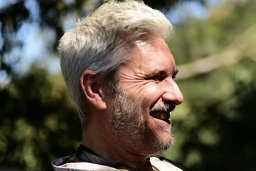 Miquel A. Arnedo合作论文数Departament de Biologia Animal, Universitat de Barcelona11Hermans G. Contreras-Díaz合作论文数10rafael garcia becerra合作论文数9Rafael García合作论文数8
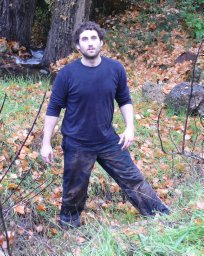 Carmelo Andujar合作论文数Facultad de Veterinaria, Universidad de Murcia8
 Isabel R. Amorim合作论文数Grupo de Estudo do Património Espeleológico dos Açores, GESPEA8
 Pedro Cardoso合作论文数7
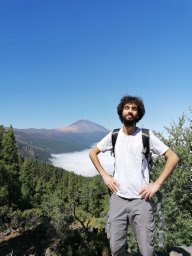 Daniel Suárez合作论文数Isl Ecol & Evolut Res Grp, Inst Nat Prod & Agrobiol IPNA CSIC7
 Juan A. Zaragoza合作论文数6David Hernandez-Teixidor合作论文数Anim Biol Geol & Edaphol Dept, Univ La Guajira6
 Alberto Sendra合作论文数6Damia Jaume合作论文数6
 Manuel Nogales合作论文数Island Ecology and Evolution Research Group (IPNA-CSIC) Astrofísico Francisco Sánchez 3 38206 La Laguna, Tenerife Canary Islands Spain6
 François Rigal合作论文数Centro de Investigação e Tecnologias Agrárias dos Açores (CITA-A),, Universidade dos Açores;Centro de Investigação e Tecnologias Agrárias dos Açores (CITA-A),, Universidade dos Açores5
 Fernando Pereira合作论文数5M. A. Vicente Hernández合作论文数4
 Joan Pons Bauza合作论文数4
 Carla Rego合作论文数Azorean Biodiversity Group-CITAA, Universidade dos Açores4
 Christophe Thebaud合作论文数EDB (Laboratoire Evolution et Diversité Biologique),, Université de Toulouse4
 Rosalina Gabriel合作论文数Departamento Ciências Agrárias, Universidade dos Açores Azorean Biodiversity Group—CITA-A4
 Jose Maria Fernandez-Palacios合作论文数Ecology Department, Biology Faculty, La Laguna University4
 Artur R. M. Serrano合作论文数Faculdade de Ciências;Universidade de Lisboa;Centro de Biologia Ambiental;Departamento de Biologia Animal;Centro de Biologia Ambiental, Universidade de Lisboa4
 Dominique Strasberg合作论文数Laboratoire de Biologie et Physiologie Végétales, Université de La Réunion4Carles Ribera合作论文数Department of Animal Biology, University of Barcelona4
 Alejandro Martínez合作论文数Nanophotonics Technology Center, Universitat Politècnica de Valencia4
 Elena Morales合作论文数3
 Lucas Lamelas-Lopez合作论文数3
 Mário Boieiro合作论文数IUCN SSC Mid-Atlantic Islands Invertebrates Specialist Group3
 Jairo Patino合作论文数Department of Biology, Ecology and Evolution, University of Liège;Department of Plant Biology, University of La Laguna;CE3C - Center for Ecology, Evolution and Environmental Changes) and Platform for Enhancing Ecological Research &, GBA;Sustainability (PEERS),, Universidade dos Açores;Department of Life Sciences, The Natural History Museum;Evolutionary Biology and Ecology, Université Libre de Bruxelles (ULB),;Department of Biology, Duke University;University of Lausanne, University of Liège;University of Lausanne, University of Liège;University of Lausanne, University of Lausanne3
 Juliane Casquet合作论文数3
 Juli Caujape-Castells合作论文数CSIC, Jardin Bot Canario Viera & Clavijo Unidad Asociad3
 Rui Miguel Carvalho合作论文数Centro de Neurociências de Coimbra;Universidade de Coimbra;Centro de Neurociências de Coimbra, Universidade de Coimbra3David J. Rees合作论文数National Centre for Occupational Health3
 Vicente M. Ortuno合作论文数3
 Leticia Bidegaray-Batista合作论文数3
 Lea De Nascimento合作论文数Island Ecology and Biogeography Group;Instituto Universitario de Enfermedades Tropicales y Salud Pública de Canarias (IUETSPC),, Universidad de La Laguna (ULL);Canary;Instituto Universitario de Enfermedades Tropicales y Salud Pública de Canarias (IUETSPC),, Universidad de La Laguna (ULL);3
 Maria M. Romeiras合作论文数Unit of Plant Molecular Biology and Biotechnology, ICAT Faculdade de Ciências de Lisboa3
 Margarita Florencio合作论文数Doñana Biological Station-CSIC3




