Tool learning methods have enhanced the ability of large language models (LLMs) to interact with real-world applications. Many existing works fine-tune LLMs or design prompts to enable LLMs to select appropriate tools and correctly invoke them to meet user requirements. However, it is observed in previous works that the performance of tool learning varies from tasks, datasets, training settings, and algorithms. Without understanding the impact of these factors, it can lead to inconsistent results, inefficient model deployment, and suboptimal tool utilization, ultimately hindering the practical integration and scalability of LLMs in real-world scenarios. Therefore, in this paper, we explore the impact of both internal and external factors on the performance of tool learning frameworks. Through extensive experiments on two benchmark datasets, we find several insightful conclusions for future work, including the observation that LLMs can benefit significantly from increased trial and exploration. We believe our empirical study provides a new perspective for future tool learning research.
Large reasoning models (LRMs) aim to solve diverse and complex problems through structured reasoning. Recent advances in group-based policy optimization methods have shown promise in enabling stable advantage estimation without reliance on process-level annotations. However, these methods rely on advantage gaps induced by high-quality samples within the same batch, which makes the training process fragile and inefficient when intra-group advantages collapse under challenging tasks. To address these problems, we propose a reinforcement learning mechanism named R^3 that along three directions: (1) a cross-context Replay strategy that maintains the intra-group advantage by recalling valuable examples from historical trajectories of the same query, (2) an in-context self-Reflection mechanism enabling models to refine outputs by leveraging past failures, and (3) a structural entropy Ranking reward, which assigns relative rewards to truncated or failed samples by ranking responses based on token-level entropy patterns, capturing both local exploration and global stability. We implement our method on Deepseek-R1-Distill-Qwen-1.5B and train it on the DeepscaleR-40k in the math domain. Experiments demonstrate our method achieves SoTA performance on several math benchmarks, representing significant improvements and fewer reasoning tokens over the base models. Code and model will be released.
Trajectory similarity computation is a key functionality in many applications, such as abnormal trajectory detection and traffic-mode classification. However, existing methods either incompletely exploit trajectory features or overlook the effects of noisy and critical points, compromising the accuracy of trajectory similarity computation. This paper presents SimCFT, a novel trajectory representation learning framework for accurate trajectory similarity computation. SimCFT consists of two parallel channels. In the dynamic status channel, point-level features (e.g., position, speed, movement distance, movement angle, timestamp) are extracted and fed into a Dynamic Gated Recurrent Unit (DGRU) with an attention mechanism to capture temporal dependencies and dynamic variations. In the spatial context channel, a weighted grid graph is built from historical trajectory data, and Node2Vec is employed to learn the grid embeddings. A Transformer encoder with a noise recognition mechanism (TransNR) is followed to identify and de-emphasize noisy trajectory points. The two channels are fused via a learnable coefficient to produce the final trajectory embeddings. The model is then optimized with the unsupervised InfoNCE contrastive loss, which pulls similar trajectories together while pushing dissimilar ones apart. Experiments on three real-world datasets show that SimCFT significantly outperforms six state-of-the-art methods in similarity accuracy. The source code is available at https://github.com/xianghz123/SIMCFT.git.
Topolectrical circuits provide a versatile platform for exploring modern physical models, yet existing approaches lack full programmability and effective mechanisms for inverse state design. Here, we present a deep-learning-empowered programmable topolectrical circuit platform for physical modeling and analysis. Our system integrating fully independent, continuous tuning of on-site and off-site Hamiltonian terms, physics-graph-informed inverse state design, and immediate hardware verification, thereby bridges theoretical modeling and practical realization. Through flexible control and adiabatic path engineering, we experimentally observe boundary states in higher-order topological systems without global symmetry, the associated adiabatic phase transitions, and flat-band characteristics corresponding to Landau levels. Incorporating a physics-graph-informed generative model, we achieve arbitrary, position-controllable Anderson localization surpassing conventional random approaches. Leveraging this capability, we demonstrate physics-mechanism-driven probabilistic information encryption and product anti-counterfeiting. Our work establishes a paradigm where deep learning and programmable hardware synergistically enable on-demand inverse design, bridging physics and information technologies.
Root Cause Analysis (RCA) aims at identifying the underlying causes of system faults by uncovering and analyzing the causal structure from complex systems. It has been widely used in many application domains. Reliable diagnostic conclusions are of great importance in mitigating system failures and financial losses. However, previous studies implicitly assume a full observation of the system, which neglect the effect of partial observation (i.e., missing nodes and latent malfunction). As a result, they fail in deriving reliable RCA results. In this paper, we unveil the issues of unobserved confounders and heterogeneity in partial observation and come up with a new problem of root cause analysis with partially observed data. To achieve this, we propose PORCA, a novel RCA framework which can explore reliable root causes under both unobserved confounders and unobserved heterogeneity. PORCA leverages magnified score-based causal discovery to efficiently optimize acyclic directed mixed graph under unobserved confounders. In addition, we also develop a heterogeneity-aware scheduling strategy to provide adaptive sample weights. Extensive experimental results on one synthetic and two real-world datasets demonstrate the effectiveness and superiority of the proposed framework.
Recommendation systems play a crucial role in various domains, suggesting items based on user behavior.However, the lack of transparency in presenting recommendations can lead to user confusion. In this paper, we introduce Data-level Recommendation Explanation (DRE), a non-intrusive explanation framework for black-box recommendation models.Different from existing methods, DRE does not require any intermediary representations of the recommendation model or latent alignment training, mitigating potential performance issues.We propose a data-level alignment method, leveraging large language models to reason relationships between user data and recommended items.Additionally, we address the challenge of enriching the details of the explanation by introducing target-aware user preference distillation, utilizing item reviews. Experimental results on benchmark datasets demonstrate the effectiveness of the DRE in providing accurate and user-centric explanations, enhancing user engagement with recommended item.
Abstract Green fuels are essential for decarbonizing transportation sectors, requiring accurate prediction of different physicochemical properties to optimize engine performance and emissions. Although artificial intelligence-based models demonstrate significant potential to accelerate fuel design, most existing methods cannot utilize the internal and external information within and between fuel molecules with interpretability, limiting their generalizability for diverse properties prediction. To address these challenges, a deep learning framework, the learned graph feature fusion Transformer (LG-Transformer), is proposed. Unlike conventional graph neural networks (GNNs) that operate on atom-bond molecular graphs, LG-Transformer employs contrastive learning to construct an inter-molecular relationship graph guided by topological descriptors and property similarity, enabling property-aware feature propagation through Transformer layers for various property prediction. Supporting this effort, a comprehensive fuel property database is developed, containing 1850 diverse molecules across 26 chemical classes, each annotated with 17 key physicochemical properties relevant to engine performance. Here we show that LG-Transformer achieves superior predictive performance with an average R 2 of 0.900, significantly outperforming other GNN and deep learning baselines. Additionally, interpretability analyses via integrated gradients reveal underlying molecular structure-property relationships.
Large language models (LLMs) can carry out human-like dialogue, but unlike humans, they are stateless due to the superposition property. However, during multi-turn, multi-agent interactions, LLMs begin to exhibit consistent, character-like behaviors, hinting at a form of emergent lifelong learning. Despite this, existing benchmarks often fail to capture these dynamics, primarily focusing on static, open-ended evaluations. To address this gap, we introduce LIFESTATE-BENCH, a benchmark designed to assess lifelong learning in LLMs. It features two episodic datasets: Hamlet and a synthetic script collection, rich in narrative structure and character interactions. Our fact checking evaluation probes models' self-awareness, episodic memory retrieval, and relationship tracking, across both parametric and non-parametric approaches. Experiments on models like Llama3.1-8B, GPT-4-turbo, and DeepSeek R1, we demonstrate that nonparametric methods significantly outperform parametric ones in managing stateful learning. However, all models exhibit challenges with catastrophic forgetting as interactions extend, highlighting the need for further advancements in lifelong learning.
Due to the large number of parameters, the inference phase of Large Language Models (LLMs) is resource-intensive. Unlike traditional model compression, which needs retraining, recent dynamic computation methods show that not all components are required for inference, enabling a training-free pipeline. In this paper, we focus on the dynamic depth of LLM generation. A token-position aware layer skipping framework is proposed to save 1.5x times operations efficiently while maintaining performance. We first observed that tokens predicted later have lower perplexity and thus require less computation. Then, we propose a training-free algorithm called Position-Aware Depth Decay Decoding (D^3), which leverages a power-law decay function, ⌊ L × (α^i) ⌋, to determine the number of layers to retain when generating token T_i. Remarkably, without any retraining, the D^3 achieves success across a wide range of generation tasks for the first time. Experiments on large language models (the Llama) with 7 ∼ 70 billion parameters show that D^3 can achieve an average 1.5x speedup compared with the full-inference pipeline while maintaining comparable performance with nearly no performance drop (<1%) on the GSM8K and BBH benchmarks.
Next POInt-of-Interest (POI) recommendation predicts a user's next move and facilitates location-based services such as navigation and travel planning. SOTA methods fuse each POI and its contexts (e.g., time, category, and region) into a single representation to model sequential user movement. This hinders the effective utilization of context information, and diverse user preferences are also neglected. To tackle these limitations, we propose Disentangled and Personalized Representation Learning (DPRL) as a novel method for next POI recommendation. DPRL decouples POIs and contexts during representation learning, capturing their sequential regularities independently using separate recurrent neural networks (RNNs). To model the preference of each user, DPRL adopts an aggregation mechanism that integrates dynamic user preferences and spatial-temporal factors into the learned representations. We compare DPRL with 16 state-of-the-art baselines. The results show that DPRL outperforms all baselines and achieves an average accuracy improvement of 10.53% over the best-performing baseline.
Road trajectory generation creates synthetic yet realistic trajectories to tackle data collection costs and privacy concerns. Existing methods generate a trajectory either segment-by-segment using sequence models or holistically in one step using diffusion models. Sequence-based models have good regularity and consistency (i.e., resemble the input trajectories) but lack diversity, while diffusion-based models enhance diversity but sacrifice regularity and consistency. To combine the merits of existing methods, we propose $\textit{Seed}$, by bridging $\underline{\textit{se}}$quenc$\underline{\textit{e}}$ and $\underline{\textit{d}}$iffusion models for trajectory generation. In particular, Seed adopts a \textit{conditional diffusion structure}, where a Transformer models the movement of each trajectory along the road segments, and conditioned on the Transformer's output, a diffusion model recovers the next road segment from random noise. The rationale is that the Transformer captures sequential movement patterns for regularity and consistency, while the diffusion model introduces diversity by recovering from noise. To train Seed, we adopt Node2vec to learn embeddings for the road segments to prepare model inputs, supervise learning using the task of trajectory reconstruction, and design a curriculum learning strategy to accelerate convergence. We compare Seed with 8 state-of-the-art trajectory generation methods on 3 datasets, and the results show that Seed improves the best-performing baseline by over 50\%.
Traffic forecasting predicts future traffic condition based on historical traffic data and facilitates important applications such as travel planning and traffic control. In this paper, we propose an effective traffic forecasting method dubbed patch-based graph convolutional recurrent network (i.e., PGCRN). In particular, PGCRN organizes multiple data points that are consecutive in time as a patch and uses patch as the basic input and output unit. Compared with using individual data point as the basic unit as in existing work, patch better captures local temporal correlation, controls error accumulation in RNN by reducing sequence length, and accelerates execution. PGCRN adopts an encoder-decoder architecture with the graph convolutional recurrent cell (GCRCell) at its core to extract spatial-temporal information. We train embedding representations for the patches by jointly considering two objectives, i.e., self-supervised learning encourages similar patches to have similar representations, and time-aware graph learning dynamically adjusts the correlation graph between locations over time to model their spatial dependencies. We conduct extensive experiments on 4 real-world datasets and compare PGCRN with 11 state-of-the-art traffic forecasting methods. The results show that PGCRN consistently outperforms all baselines in the accuracy of the predictions and suggest that our designs are effective.
Traffic accidents represent a significant concern due to their devastating consequences. The ability to predict future traffic accident risks is of key importance to accident prevention activities in transportation systems. Although existing studies have made substantial efforts to model spatio-temporal correlations, they fall short when it comes to addressing the zero-inflated data issue and capturing spatio-temporal heterogeneity, which reduces their predictive abilities. In addition, improving efficiency is an urgent requirement for traffic accident forecasting. To overcome these limitations, we propose an efficient Spatio-Temporal learning framework for Traffic Accident Risk forecasting (ST-TAR). Taking long-term and short-term data as separate inputs, the ST-TAR model integrates hierarchical multi-view GCN and long shortterm cross-attention mechanism to encode spatial dependencies and temporal patterns. We leverage long-term periodicity and short-term proximity for spatio-temporal contrastive learning to capture spatio-temporal heterogeneity. A tailored adaptive risk-level weighted loss function based on efficient locality-sensitive hashing is introduced to alleviate the zero-inflated issue. Extensive experiments on two real-world datasets offer evidence that ST-TAR is capable of advancing state-of-the-art forecasting accuracy with improved efficiency. This makes STTAR suitable for applications that require accurate real-time forecasting.
Next point-of-interest (POI) recommendation predicts user's next movement and facilitates location-based applications such as destination suggestion and travel planning. State-of-the-art (SOTA) methods learn an adaptive graph from user trajectories and compute POI representations using graph neural networks (GNNs). However, a single graph cannot capture the diverse dependencies among the POIs (e.g., geographical proximity and transition frequency). To tackle this limitation, we propose the A daptive G raph C ontrastive L earning ( AGCL ) framework. AGCL constructs multiple adaptive graphs, each modeling a kind of POI dependency and producing one POI representation; and the POI representations from different graphs are merged into a multi-facet representation that encodes comprehensive information. To train the POI representations, we tailor a graph-based contrastive learning , which encourages the representations of similar POIs to align and dissimilar POIs to differentiate. Moreover, to learn the sequential regularities of user trajectories, we design an attention mechanism to integrate spatial-temporal information into the POI representations. An explicit spatial-temporal bias is also employed to adjust the predictions for enhanced accuracy. We compare AGCL with 10 state-of-the-art baselines on 3 datasets. The results show that AGCL outperforms all baselines and achieves an improvement of 10.14% over the best performing baseline in average accuracy.
Recent thinking models trained with reinforcement learning and backward-checking CoT often suffer from overthinking: they produce excessively long outputs even on simple problems, wasting computation. Existing evaluations, based on token efficiency, give an incomplete view as they neglect problem difficulty and intermediate computation costs. We formalize reasoning efficiency as a relative measure between thinking and instruct models, treating instruct models as the minimal-effort baseline. A systematic study across four thinking models and multiple benchmarks reveals two consistent patterns: (i) instruct models achieve higher efficiency overall, and (ii) problem difficulty affects efficiency, with thinking models wasting computation on easy problems but providing value on harder ones. Building on this insight, we propose COTHINK, a simple two-stage pipeline: an instruct model drafts a brief outline, and a thinking model expands it. On GSM8K, MATH500, and AIME24, COTHINK cuts token usage by 21.1
Due to the large number of parameters, the inference phase of Large Language Models (LLMs) is resource-intensive. However, not all requests posed to LLMs are equally difficult to handle. Through analysis, we show that for some tasks, LLMs can achieve results comparable to the final output at some intermediate layers. That is, not all layers of LLMs are necessary during inference. If we can predict at which layer the inferred results match the final results (produced by evaluating all layers), we could significantly reduce the inference cost. To this end, we propose a simple yet effective algorithm named AdaInfer to adaptively terminate the inference process for an input instance. AdaInfer relies on easily obtainable statistical features and classic classifiers like SVM. Experiments on well-known LLMs like the Llama2 series and OPT, show that AdaInfer can achieve an average of 17.8% pruning ratio, and up to 43% on sentiment tasks, with nearly no performance drop (<1%). Because AdaInfer does not alter LLM parameters, the LLMs incorporated with AdaInfer maintain generalizability across tasks.
Trajectory representation learning (TRL) maps trajectories to vectors that can be used for many downstream tasks. Existing TRL methods use either grid trajectories, capturing movement in free space, or road trajectories, capturing movement in a road network, as input. We observe that the two types of trajectories are complementary, providing either region and location information or providing road structure and movement regularity. Therefore, we propose a novel multimodal TRL method, dubbed GREEN, to jointly utilize Grid and Road trajectory Expressions for Effective representatioN learning. In particular, we transform raw GPS trajectories into both grid and road trajectories and tailor two encoders to capture their respective information. To align the two encoders such that they complement each other, we adopt a contrastive loss to encourage them to produce similar embeddings for the same raw trajectory and design a mask language model (MLM) loss to use grid trajectories to help reconstruct masked road trajectories. To learn the final trajectory representation, a dual-modal interactor is used to fuse the outputs of the two encoders via cross-attention. We compare GREEN with 7 state-of-the-art TRL methods for 3 downstream tasks, finding that GREEN consistently outperforms all baselines and improves the accuracy of the best-performing baseline by an average of 15.99%. Code and data are available at https://github.com/slzhou-xy/GREEN.
Due to the global trend towards urbanization, people increasingly move to and live in cities that then continue to grow. Traffic forecasting plays an important role in the intelligent transportation systems of cities as well as in spatio-temporal data mining. State-of-the-art forecasting is achieved by deep-learning approaches due to their ability to contend with complex spatio-temporal dynamics. However, existing methods assume the input is fixed-topology road networks and static traffic time series. These assumptions fail to align with urbanization, where time series are collected continuously and road networks evolve over time. In such settings, deep-learning models require frequent re-initialization and re-training, imposing high computational costs. To enable much more efficient training without jeopardizing model accuracy, we propose the Topological Evolution-aware Framework (TEAM) for traffic forecasting that incorporates convolution and attention. This combination of mechanisms enables better adaptation to newly collected time series, while being able to maintain learned knowledge from old time series. TEAM features a continual learning module based on the Wasserstein metric that acts as a buffer that can identify the most stable and the most changing network nodes. Then, only data related to stable nodes is employed for re-training when consolidating a model. Further, only data of new nodes and their adjacent nodes as well as data pertaining to changing nodes are used to re-train the model. Empirical studies with two real-world traffic datasets offer evidence that TEAM is capable of much lower re-training costs than existing methods are, without jeopardizing forecasting accuracy.
Multi-view learning is an emerging field of multi-modal fusion, which involves representing a single instance using multiple heterogeneous features to improve compatibility prediction. However, existing graph-based multi-view learning approaches are implemented on homogeneous assumptions and pairwise relationships, which may not adequately capture the complex interactions among real-world instances. In this paper, we design a compressed hypergraph neural network from the perspective of multi-view heterogeneous graph learning. This approach effectively captures rich multi-view heterogeneous semantic information, incorporating a hypergraph structure that simultaneously enables the exploration of higher-order correlations between samples in multi-view scenarios. Specifically, we introduce efficient hypergraph convolutional networks based on an explainable regularizer-centered optimization framework. Additionally, a low-rank approximation is adopted as hypergraphs to reformat the initial complex multi-view heterogeneous graph. Extensive experiments compared with several advanced node classification methods and multi-view classification methods have demonstrated the feasibility and effectiveness of the proposed method.
Defocus blur, due to spatially-varying sizes and shapes, is hard to remove. Existing methods either are unable to effectively handle irregular defocus blur or fail to generalize well on other datasets. In this work, we propose a divide-and-conquer approach to tackling this issue, which gives rise to a novel end-to-end deep learning method, called prior-and-prediction inverse kernel transformer (P2IKT), for single image defocus deblurring. Since most defocus blur can be approximated as Gaussian blur or its variants, we construct an inverse Gaussian kernel module in our method to enhance its generalization ability. At the same time, an inverse kernel prediction module is introduced in order to flexibly address the irregular blur that cannot be approximated by Gaussian blur. We further design a scale recurrent transformer, which estimates mixing coefficients for adaptively combining the results from the two modules and runs the scale recurrent ``coarse-to-fine" procedure for progressive defocus deblurring. Extensive experimental results demonstrate that our P2IKT outperforms previous methods in terms of PSNR on multiple defocus deblurring datasets.
 Shuo Shang (商烁)合作论文数School of Computer Science and Engineering, University of Electronic Science and Technology of China29
 Yequan Wang (王业全)合作论文数Beijing Academy of Artificial Intelligence;Peking University13
 Lisi Chen (陳力思)合作论文数School of Computer Science and Engineering, University of Electronic Science and Technology of China13
 Aixin Sun (孙爱欣)合作论文数College of Computing & Data Science, Nanyang Technological University12
 Siqi Fan合作论文数University of Electronic Science and Technology of China9
 Jing Li (李晶)合作论文数School of Computer Science snd Technology, Harbin Institute of Technology (Shenzhen)8
 Xuying Meng (孟绪颖)合作论文数Network Technology Research Center, Institute of Computing Technology, Chinese Academy of Sciences;University of Chinese Academy of Sciences7
 Xin Jiang合作论文数Speech and Semantics Lab, Noah’s Ark Lab, Huawei Technologies7Xuezhi Fang合作论文数6
 Peilin Zhao (赵沛霖)合作论文数School of Artificial Intelligence, Shanghai Jiao Tong University6
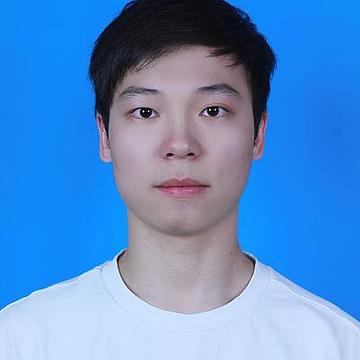 Silin Zhou合作论文数School of Computer Science and Engineering, University of Electronic Science and Technology of China5
 Christian S. Jensen合作论文数Department of Computer Science, Aalborg University5
 Renhe Jiang (姜仁河)合作论文数Information Technology Center, The University of Tokyo4
 Xiang Li合作论文数Xiaomi AI Lab4
 Xuan Rao (饶漩)合作论文数University of Electronic Science and Technology of China4
 Xiangliang (Lynn) Zhang合作论文数Machine Intelligence and kNowledge Engineering Lab, University of Notre Dame4Yiqun Yao合作论文数3Jie Yu合作论文数3
 Ching Hua Lee合作论文数Department of Physics, Faculty of Science, National University of Singapore3
 Kevin Kai Zheng (郑凯)合作论文数School of Computer Science and Engineering, University of Electronic Science and Technology of China3
 Yong Liu (刘勇)合作论文数Huawei Noah's Ark Lab3
 Stephen Smith合作论文数Medical Sciences Division, Nuffield Department of Clinical Neurosciences, University of Oxford;Li Ka Shing Centre for Health Information and Discovery, Big Data Institute, University of Oxford3
 Shuo Liu (刘硕)合作论文数School of Information Science and Engineering, Southeast University3
 Kang Liu (刘康)合作论文数National Laboratory of Pattern Recognition, Institute of Automation, Chinese Academy of Sciences;School of Artificial Intelligence, University of Chinese Academy of Sciences3
 Panagiotis Kalnis合作论文数King Abdullah University of Science and Technology3
 Tiejun Cui (崔铁军)合作论文数School of Information Science and Engineering, Southeast University3Li Du合作论文数BAAI2
 Xiusheng Huang合作论文数The Key Laboratory of Cognition and Decision Intelligence for Complex Systems, Institute of Automation, Chinese Academy of Sciences;School of Artificial Intelligence, University of Chinese Academy of Sciences2Bowen Qin合作论文数2Ziyi Ni合作论文数2Xiaobing Pang合作论文数University of Electronic Science and Technology of China2
 Zheng Zhang合作论文数Zhejiang Univ, Hangzhou, Peoples R China2Ce Shang合作论文数2
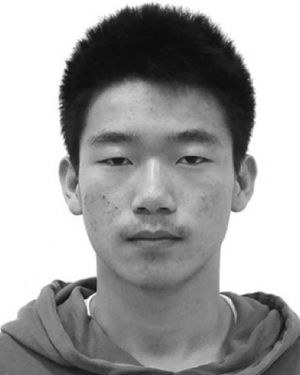 Ruiwen Shao合作论文数2
 Xiaoning Zang合作论文数Phys Sci & Engn Div PSE, King Abdullah Univ Sci & Technol KAUST2
 Wenlong Gao (高文龙)合作论文数College of Science, Eastern Institute for Advanced Study, Eastern Institute of Technology, Ningbo2
 Shen Gao (高莘)合作论文数School of Computer Science and Technology, Shandong University2Jin Wang (王津)合作论文数2
 Di Yao (姚迪)合作论文数Institute of Computing Technology, Chinese Academy of Sciences2
 Aurelien Manchon合作论文数Centre Interdisciplinaire de Nanoscience de Marseille, Aix Marseille University2
 Jingping Bi (毕经平)合作论文数Institute of Computing Technology, Chinese Academy of Sciences2Zhiqiang Xu合作论文数Baidu Research2
 Bin Yao (姚斌)合作论文数School of Computer Science, Shanghai Jiao Tong University2
 Bin Yang (杨彬)合作论文数Decision Intelligence Lab, School of Data Science and Engineering, East China Normal University2
 Ronny Thomale合作论文数Institut fur Theoretische Festkorperphysik, Julius-Maximilians-Universitat Wurzburg2
 Udo Schwingenschlögl合作论文数Physical Science and Engineering Division, King Abdullah University of Science and Technology2
 Peter E. Holderrieth合作论文数Computer Science and Artificial Intelligence Laboratory, Massachusetts Institute of Technology2
 Khaled Nabil Salama合作论文数Computer, Electrical and Mathematical Science and Engineering Division, King Abdullah University of Science and Technology;Sensors Lab, King Abdullah University of Science and Technology2




