As natural environments deteriorate, genetic improvements to agricultural animals will be required to ensure global food security. Improving livestock production by introducing asexual reproduction (AR) into mainstream animal husbandry can help meet the challenge, but its advantages must be accompanied by social, commercial, and governmental acceptance.
Mucopolysaccharidosis type I (MPS I) is an inherited lysosomal disorder that causes syndromes characterized by physiological dysfunction in many organs and tissues. Despite the recognizable morphological and behavioral deficits associated with MPS I, neither the underlying alterations in functional neural connectivity nor its restoration following gene therapy have been shown. By employing high-resolution resting-state fMRI (rs-fMRI), we found significant reductions in functional neural connectivity in the limbic areas of the brain that play key roles in learning and memory in MPS I mice, and that adeno-associated virus (AAV)-mediated gene therapy can reestablish most brain connectivity. Using logistic regression in MPS I and treated animals, we identified functional networks with the most alterations. The rs-fMRI and statistical methods should be translatable into clinical evaluation of humans with neurological disorders.
There is an urgent need to reform the regulation of transgenic and genome-edited food animals. Now is the time to simplify regulatory safety guidelines based on science before it is too late to have these animals in place to meet societal needs in coming decades.
Genetically modified food animals (GMFAs) are needed to address early the cumulative effects of livestock production on the environment, and to accommodate future food demands. In 2020 China and the USA, the world's two largest economies, embarked on regulatory reforms to boost the commercialization of such animals. However, gaining social acceptance of GMFAs for commercialization remains a global challenge. We propose a framework that focuses on social license for commercialization of GMFAs by defining four classes of improvement using precision genetics: (1) animals equivalent to natural variation to obtain the improved effect of cross-breeding (ENV); (2) animals with an inactivated gene that could occur via natural mutation (ENC-); (3) animals harboring a natural genetic sequence isolated from another species (ENC+); and (4) animals with synthetic sequences encoding novel genes (BNE). Our approach can guide regulators and the public to support orderly commercialization of GMFAs.
Cloven hoof animals have been a major source of nutritious animal protein for humans for at least 10 000 years. Over this time many were domesticated into livestock and some were put under selection for traits of importance or cultural preference. Accompanying domestication, diseases were transmitted from livestock to humans as a result of living in close quarters. Eight of 15 major chronic, temperate diseases, including diphtheria, influenza A, measles,
Precision genetics and breeding have the potential to meet the agricultural needs and goals of the world in the 21 st century.These needs include increasing the efficiency of production of animals and improving their products with minimal impact on the environment.The USA is the major innovator in genomic science and the acknowledged leader in formulating policies to regulate genetic applications in medicine and agriculture.However,governments worldwide have been exceedingly reluctant to support the introduction of genetically modified (GM)animals into agriculture.Regulatory policies have stagnated due to legal guidelines that could not anticipate the needs and solutions that are evident today.This must change if we are to maintain planetary integrity.I propose a new,market-based regulatory model for GM livestock that has both a strong scientific foundation and has worked for 10000 years.The model is similar to that for information technology in which specific algorithms drive computer and cell phone applications.Genome engineers write genetic algorithms that drive the traits in biological organisms.Accordingly,GM products should be viewed in terms of their use and public benefit rather than by limitations to the genetic programing coming from a few highly vocal groups.Genetic algorithms (Genapps) of the 21 st century will include not only introduction of synthetic genes,but also complete natural and synthetic biochemical pathways to produce agricultural products that are maximally efficient,healthy to humans and animals,and sustainable in an era of changing climates while avoiding environmental degradation.
Although the Sleeping Beauty (SB) transposon is the most validated DNA transposon used as a gene delivery vehicle in vertebrates, many details of the excision and integration steps in the transposition process are unclear. We have probed in detail the products of the excision step and apparent selective integration of a subset of those products during transposition. The standard model of SB transposase-mediated transposition includes symmetrical cleavages at both ends of the transposon for excision and re-integration in another DNA sequence. In our analysis of excised transposon fragments (ETFs), we found evidence for the requirement of certain flanking sequences for efficient cleavage and a significant rate of asymmetrical cleavage during the excision process that generates multiple ETFs. Our results suggest that the cleavage step by SB transposase is not as precise as indicated in most models. Repair of the donor ends can produce eight footprint sequences (TACTGTA, TACAGTA, TACATA, TACGTA, TATGTA, TACTA, TAGTA and TATA). Our data also suggest that mismatch repair (MMR) is not an essential requirement for footprint formation. Among the twenty liberated ETFs, only eight appear to effectively re-integrate into TA sites distributed across the genome, supporting earlier findings of unequal rates of excision and reintegration during SB transposition. These findings may be important in considerations of efficiency of SB transposon remobilization, selection of TA integration sites and detection of SB excision and integration loci, all of which may be important in human gene therapy.
Blastocyst complementation combined with gene editing is an emerging approach in the field of regenerative medicine that could potentially solve the worldwide problem of organ shortages for transplantation. In theory, blastocyst complementation can generate fully functional human organs or tissues, grown within genetically engineered livestock animals. Targeted deletion of a specific gene(s) using gene editing to cause deficiencies in organ development can open a niche for human stem cells to occupy, thus generating human tissues. Within this review, we will focus on the pancreas, liver, heart, kidney, lung, and skeletal muscle, as well as cells of the immune and nervous systems. Within each of these organ systems, we identify and discuss (i) the common causes of organ failure; (ii) the current state of regenerative therapies; and (iii) the candidate genes to knockout and enable specific exogenous organ development via the use of blastocyst complementation. We also highlight some of the current barriers limiting the success of blastocyst complementation.
Genome editing therapies hold great promise for the cure of monogenic and other diseases; however, the application of nonviral gene delivery methods is limited by both a lack of fundamental knowledge of interactions of the gene-carrier in complex animals and biocompatibility. Herein, we characterize nonviral gene delivery vehicle formulations that are based on diblock polycations containing a hydrophilic and neutral glucose block chain extended with cationic secondary amines of three lengths, poly(methacrylamido glucopyranose- block-2-methylaminoethyl methacrylate) [P(MAG- b-MAEMt)-1, -2, -3]. These polymers were formulated with plasmid DNA to prepare polyelectrolyte complexes (polyplexes). In addition, two controls, P(EG- b-MAEMt) and P(MAEMt), were synthesized, formulated into polyplexes and the ex vivo hemocompatibility, or blood compatibility, and in vivo biodistribution of the formulations were compared to the glycopolymers. While both polymer structure and N/P (amine to phosphate) ratio were important factors affecting hemocompatibility, N/P ratio played a stronger role in determining polyplex biodistribution. P(EG- b-MAEMt) and P(MAEMt) lysed red blood cells at both high and low N/P formulations while P(MAG- b-MAEMt) did not significantly lyse cells at either formulation at short and medium polymer lengths. Conversely, P(MAG- b-MAEMt) did not affect coagulation at N/P = 5, but significantly delayed coagulation at N/P = 15. P(EG- b-MAEMt) and P(MAEMt) did not affect coagulation at either formulation. After polymer and pDNA cargo distribution was observed in vivo, P(EG- b-MAEMt) N/P = 5 and P(MAG- b-MAEMt) N/P = 5 both dissociated and deposited polymer in the liver, while pDNA cargo from P(MAG- b-MAEMt) N/P = 15 was found in the liver, lungs, and spleen. The contrast between P(MAG- b-MAEMt) at N/P = 5 and 15 demonstrates that polyplex stability in the blood can be improved with N/P ratio and potentially aid polyplex biodistribution through simply varying the formulation ratios.
The Sleeping Beauty transposon system has been extensively tested for integration of reporter and therapeutic genes in vitro and in vivo in mice. Dogs were used as a large animal model for human therapy and minimally invasive infusion of DNA solutions. DNA solutions were delivered into the entire liver or the left side of the liver using balloon catheters for temporary occlusion of venous outflow. A peak intravascular pressure between 80 and 140 mmHg supported sufficient DNA delivery in dog liver for detection of secretable reporter proteins. Secretable reporters allowed monitoring of the time course of gene products detectable in the circulation postinfusion. Canine secreted alkaline phosphatase reporter protein levels were measured in plasma, with expression detectable for up to 6 weeks, while expression of canine erythropoietin was detectable for 7-10 days. All animals exhibited a transient increase in blood transaminases that normalized within 10 days; otherwise the treated animals were clinically normal. These results demonstrate the utility of a secreted reporter protein for real-time monitoring of gene expression in the liver in a large animal model but highlight the need for improved delivery in target tissues to support integration and long-term expression of Sleeping Beauty transposons.
Gene editing technologies based on site-directed nucleases continue to improve at a rapid pace and have evolved to a point where they can be useful for direct introgression of high effect alleles into naïve populations of food animals. Herein, we review basic mechanics of site-directed nuclease action and how this activity is deployed to produce precision bred alleles into animal genomes. We also discuss the variety of traits being deployed, and differences between introducing alleles already found in nature versus gene knock out and other rationale design approaches for genetic improvement. Finally, perspectives for regulatory approval and commercialization are summarized to highlight some of the obstacles, which may hinder the widespread adoption of gene editing technology as one of the primary tools of animal breeding.
The non-viral, integrating Sleeping Beauty (SB) transposon system is efficient in treating systemic monogenic disease in mice, including hemophilia A and B caused by deficiency of blood clotting factors and mucopolysaccharidosis types I and VII caused by alpha-L-iduronidase (IDUA) and beta-glucuronidase (GUSB) deficiency, respectively. Modified approaches of thehydrodynamics-based procedure to deliver transposons to the liver indogs were recently reported. Using the transgenic canine reporter secreted alkaline phosphatase (cSEAP), transgenic protein in the plasma was demonstrated for up to 6 weeks post infusion. This study reports that immunosuppression of dogs with gadolinium chloride (GdCl3) prolonged the presence of cSEAP in the circulation up to 5.5 months after a single vector infusion. Transgene expression declined gradually but appeared to stabilize after about 2 months at approximately fourfold baseline level. Durability of transgenic protein expression in the plasma was inversely associated with transient increase of liver enzymes alanine transaminase and aspartate transaminase in response to the plasmid delivery procedure, which suggests a deleterious effect of hepatocellular toxicity on transgene expression. GdCl3 treatment was ineffective for repeat vector infusions. In parallel studies, dogs were infused with potentially therapeutic transposons. Activities of transgenic IDUA and GUSB in plasma peaked at 50-350% of wildtype, but in the absence of immunosuppression lasted only a few days. Transposition was detectable by excision assay only when the most efficient transposase, SB100X, was used. Dogs infused with transposons encoding canine clotting factor IX (cFIX) were treated with GdCl3 and showed expression profiles similar to those in cSEAP-infused dogs, with expression peaking at 40% wt (2 mu g/mL). It is concluded that GdCl3 can support extended transgene expression after hydrodynamic introduction of SB transposons in dogs, but that alternative regimens will be required to achieve therapeutic levels of transgene products.
The development and thorough characterization of nonviral delivery agents for nucleic acid and genome editing therapies are of high interest to the field of nanomedicine. Indeed, this vehicle class offers the ability to tune chemical architecture/biological activity and readily package nucleic acids of various sizes and morphologies for a variety of applications. Herein, we present the synthesis and characterization of a class of trehalose-based block copolycations designed to stabilize polyplex formulations for lyophilization and in vivo administration. A 6-methacrylamido-6-deoxy trehalose (MAT) monomer was synthesized from trehalose and polymerized via reversible addition-fragmentation chain transfer (RAFT) polymerization to yield pMAT43. The pMAT43 macro-chain transfer agent was then chain-extended with aminoethylmethacrylamide (AEMA) to yield three different pMAT-b-AEMA cationic-block copolymers, pMAT-b-AEMA-1 (21 AEMA repeats), -2 (44 AEMA repeats), and -3 (57 AEMA repeats). These polymers along with a series of controls were used to form polyplexes with plasmids encoding firefly luciferase behind a strong ubiquitous promoter. The trehalose-coated polyplexes were characterized in detail and found to be resistant to colloidal aggregation in culture media containing salt and serum. The trehalose-polyplexes also retained colloidal stability and promoted high gene expression following lyophilization and reconstitution. Cytotoxicity, cellular uptake, and transfection ability were assessed in vitro using both human glioblastoma (U87) and human liver carcinoma (HepG2) cell lines wherein pMAT-b-AEMA-2 was found to have the optimal combination of high gene expression and low toxicity. pMAT-b-AEMA-2 polyplexes were evaluated in mice via slow tail vein infusion. The vehicle displayed minimal toxicity and discouraged nonspecific internalization in the liver, kidney, spleen, and lungs as determined by quantitative polymerase chain reaction (qPCR) and fluorescence imaging experiments. Hydrodynamic infusion of the polyplexes, however, led to very specific localization of the polyplexes to the mouse liver and promoted excellent gene expression in vivo.
 McIvor R Scott合作论文数58Jason B. Bell合作论文数39
 Elena Aronovich合作论文数37
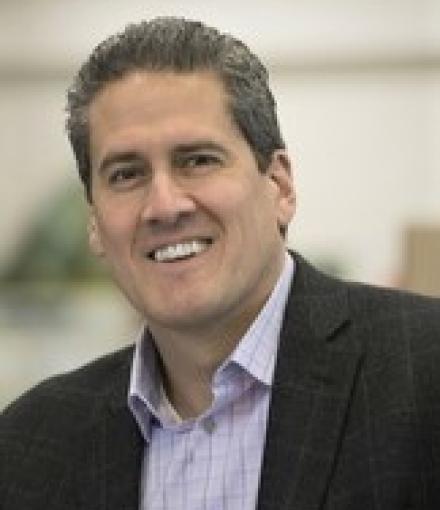 David Largaespada合作论文数Department of Pediatrics, University of Minnesota;Masonic Cancer Center, University of Minnesota;Division of Pediatric Hematology/Oncology, University of Minnesota27
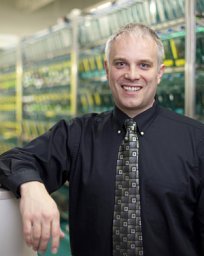 Karl J. Clark合作论文数Department of Genetics and Cell Biology, University of Minnesota22
 Laurence Cooper合作论文数University of Texas MD Anderson Cancer Center20
 Chester B. Whitley合作论文数University of Minnesota19
 Scott C. Fahrenkrug合作论文数Department of Genetics and Cell Biology, University of Minnesota17Kebriaei Partow合作论文数15Anthony J. Faras合作论文数Department of Microbiology, University of Minnesota Medical School15Brenda Koniar合作论文数15
 Richard E. Champlin合作论文数Department of Stem Cell Transplantation and Cellular Therapy, Division of Cancer Medicine, The University of Texas MD Anderson Cancer Center;Division of Internal Medicine, The University of Texas Health Science Center14
 Anne R. Kapuscinski合作论文数14
 Jeffrey J Essner合作论文数Interdepartmental Genetics Graduate Program, Iowa State University;Department of Genetics, Development and Cell Biology, Iowa State University14
 John Liu合作论文数Department of Biology, College of Arts & Sciences, Syracuse University13Roland Gunther合作论文数13Harjeet Singh合作论文数13
 Aron Geurts合作论文数Department of Physiology, Medical College of Wisconsin13Helen Huls合作论文数13Hall Bryan C合作论文数12
 Daniel F. Carlson合作论文数Department of Animal Science, the University of Minnesota;The Arnold and Mabel Beckman Center for Transposon Research, the University of Minnesota;University of Minnesota, University of Minnesota12Lalitha R. Belur合作论文数12
 Elizabeth J. Shpall合作论文数Department of Stem Cell Transplantation and Cellular Therapy, Division of Cancer Medicine, The University of Texas MD Anderson Cancer Center12Stephen C. Ekker合作论文数11Simon Olivares合作论文数11Zsuzsanna Izsvák合作论文数Max Delbruck Ctr Mol Med, Berlin, Germany10Zoltan Ivics合作论文数Transposition and Genome Engineering, Division of Medical Biotechnology, Paul Ehrlich Institute, 63225 Langen, Germany 10KS GUISE合作论文数10Kendra A. Hyland合作论文数9
 Zongbin Cui (崔宗斌)合作论文数中国科学院水生生物研究所9JL Frandsen合作论文数8P Traub合作论文数8Egbert Egberts合作论文数8Erik R. Olson合作论文数7Margaret J. Dawson合作论文数7
 Jena Bipulendu合作论文数Division of Pediatrics, The University of Texas MD Anderson Cancer Center7Ang Sonny合作论文数7
 Matthew Figliola合作论文数7
 Tad Sonstegard合作论文数Acceligen7
 Dean A. Lee合作论文数Division of Hematology and Oncology, Nationwide Children's Hospital;Center for Childhood Cancer, Nationwide Children's Hospital;College of Medicine, The Ohio State University7S. A. Wadman合作论文数7Geyi Liu合作论文数7Kelly M. Podetz-Pedersen合作论文数7
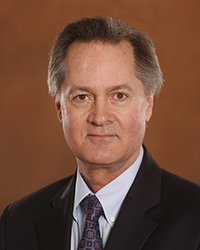 Robert Petersen合作论文数College of Medicine, Central Michigan University;Case Western Reserve University6
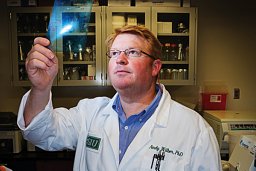 Andrew Wilber合作论文数University of Minnesota Department of Medicine and Stem Cell Institute.6David W. Hunter合作论文数6Gabriela Rondon合作论文数6Boaz Moav合作论文数6Sourindra Maiti合作论文数Center for RNA Interference and Non-Coding RNAs, The University of Texas MD Anderson Cancer Center6




