Introduction: Organisms engineered with synthetic genes and genomes have the potential to play critical roles to address important issues in the environment, human health, and manufacturing. Engineered genetic biocontainment technologies are needed to manage the risks of unintended consequences when deploying these biological systems in consultation with the biosafety and biosecurity communities. Metrics measuring genetic biocontainment and a methodology to apply them are required to determine which genetic biocontainment technologies warrant further development for real-world applications. In this study, we develop and apply a systems analysis of the current technical landscape using expert opinion and a metric-based scoring system resulting in a semiquantitative comparative assessment of genetic biocontainment technologies in microorganisms.Methods: Genetic biocontainment technologies were evaluated according to multiple metrics, falling into two broad classes: feasibility and applicability. Specific genetic biocontainment example scenarios and generalized categories were scored with these metrics. Gap analysis was carried out, indicating particular areas where genetic biocontainment can be improved.Results: Metric analysis scoring of feasibility and applicability enabled prioritization of genetic biocontainment technologies for real-world applications. Gap analysis showed that technology readiness and containment stability scored low for a number of scenarios and categories, indicating a general need for further development before they can be ready for deployment.Conclusion: Developing an assessment framework with defined metrics produced a straightforward system for evaluating genetic biocontainment strategies intended for various real-world applications. Use of the methodology also provided insights into existing gaps in genetic biocontainment strategies, and by altering the metrics, can be applied to other biotechnologies.
We developed the PERSIA technique with an interest in quantifying proteins as they are being produced during a cell-free synthesis reaction. A short 6-amino acid sequence added to a protein of interest reacts with a fluorogenic reagent (ReAsH), yielding a measure of protein concentration in close to real time. We combine this measurement with simultaneous fluorescent detection of mRNA production, quantifying both transcription and translation. Alternatively, we combine simultaneous measurement of protein synthesis and that protein's enzymatic activity. We have found these simple capabilities enabling for multiple applications, including sequence-structure-function studies and target-specific assessment of drug candidate compounds.
Quantification of biology's central dogma (transcription and translation) is pursued by a variety of methods. Direct, immediate and ongoing quantification of these events is difficult to achieve. Common practice is to use fluorescent or luminescent proteins to report indirectly on prior cellular events, such as turning on a gene in a genetic circuit. We present an alternative approach, PURExpress-ReAsH-Spinach In-vitro Analysis (PERSIA). PERSIA provides information on the production of RNA and protein during cell-free reactions by employing short RNA and peptide tags. Upon synthesis, these tags yield quantifiable fluorescent signal without interfering with other biochemical events. We demonstrate the applicability of PERSIA in measuring cell-free transcription, translation, and other enzymatic activity in a variety of applications - from sequence-structure-function studies, to genetic code engineering, to testing antiviral drug resistance.
The advancement of synthetic biology requires the ability to create new DNA sequences to produce unique behaviors in biological systems. Automation is increasingly employed to carry out well-established assembly methods of DNA fragments in a multiplexed, high-throughput fashion, allowing many different configurations to be tested simultaneously. However, metrics are required to determine when automation is warranted based on factors such as assembly methodology, protocol details, and number of samples. The goal of our synthetic biology automation work is to develop and test protocols, hardware, and software to investigate and optimize DNA assembly through quantifiable metrics. We performed a parameter analysis of DNA assembly to develop a standardized, highly efficient, and reproducible MoClo protocol, suitable to be used both manually and with liquid-handling robots. We created a key DNA assembly metric (Q-metric) to characterize a given automation method’s advantages over conventional manual manipulations with regard to researchers’ highest-priority parameters: output, cost, and time. A software tool called Puppeteer was developed to formally capture these metrics, help define the assembly design, and provide human and robotic liquid-handling instructions. Altogether, we contribute to a growing foundation of standardizing practices, metrics, and protocols for automating DNA assembly.
Human space exploration and settlement will require leaps forward in life support for environmental management and healthcare. Life support systems must efficiently use nonrenewable resources packed from Earth while increasingly relying on resources available locally in space. On-demand production of components and materials (e.g., 3D printing and synthetic biology) holds promise to satisfy the evolving set of supplies necessary to outfit human missions to space. We consider here life support systems for missions planned in the 2020s, and discuss how the maker and 'do-it-yourself' (DIY) biology communities can develop rapid, on-demand manufacturing techniques and platforms to address these needs. This Opinion invites the diverse maker community into building the next generation of flight hardware for near-term space exploration.
Extreme engineering of an organism’s genetic code could impart true genetic incompatibility, even blocking effects of horizontal gene transfer and viral infection. Recent experiments exploring this possibility demonstrate that such radical genome engineering achievements are plausible. However, it is unclear when the modifications will compromise the fitness of an organism. Efforts to reformat an entire genome are difficult and expensive; computational methods predicting fruitful experimental trajectories could play a pivotal role in advancing such efforts. We present a framework for building in silico models to assist genome-scale engineering. Genetic code engineering requires choosing from many possible codon-usage schemes, to find a design that is viable and effective. We use machine learning to identify which alternative codon-usage schemes are likely to result in no observed viable cells. Our data-driven approach employs observations of how modifying codon usage in individual genes impacted observed viability in E. coli, revealing salient features for early identification of problematic genetic code designs. We achieved an average area under the receiver operating characteristic of 0.72 on out-ofsample data. Author Summary As machine learning and artificial intelligence play an increasingly central role in science and engineering, it will be important to establish standardized techniques that facilitate the dialogue between experimentation and modeling. Biological experimental techniques are concurrently evolving at a rapid pace, providing unique opportunities to collect high-quality, novel information that was previously unobtainable. This work navigates the landscape of this vast, new territory, identifies interesting landmarks for exploration and posits new approaches towards advancing our research efforts in these areas. In this work, we show that, using a small dataset of 47 observations and rigorous nested cross validation techniques, we can build a model that makes better-than-random predictions of how codon usage changes in essential genes influence viability in E. coli. These predictions can be used to inform experimental trajectories in both genetic code and codon optimization experiments. We discuss ways to improve this model, iteratively, by performing high value experiments that decrease uncertainty in predictions and extrapolation error. Finally, we present novel visualization methods to aid in developing intuitions for how re-coding impacts groups of genes. These methods are also useful tools in building important insights into how well machine learning algorithms can generalize to new data.
Nat. Biotechnol. 35, 523–529 (2017); published online 7 June 2017; corrected after print 28 February 2018 In the version of this article initially published, the wrong Creative Commons Attribution license (cc-by-nc rather than cc-by) was inserted. The error has been corrected in the HTML and PDF versions of the article.
The traditional requirement for clean rooms and specialized skills has inhibited many biologists from pursuing new microfluidic innovations. Makerspaces provide a growing alternative to clean rooms: they provide low-cost access to fabrication equipment such as laser cutters, plotter cutters, and 3D printers; use commercially available materials; and attract a diverse community of product designers. This Opinion discusses the materials, tools, and building methodologies particularly suited for developing novel microfluidic devices in these spaces, with insight into biological applications and leveraging the maker community. The lower barrier to access of makerspaces ameliorates the otherwise poor accessibility and scalability of microfluidic prototyping.
Synthetic DNA has great propensity for efficiently and stably storing non-biological information. With DNA writing and reading technologies rapidly advancing, new applications for synthetic DNA are emerging in data storage and communication. Traditionally, DNA communication has focused on the encoding and transfer of complete sets of information. Here, we explore the use of DNA for the communication of short messages that are fragmented across multiple distinct DNA molecules. We identified three pivotal points in a communication-data encoding, data transfer & data extraction-and developed novel tools to enable communication via molecules of DNA. To address data encoding, we designed DNA-based individualized keyboards (iKeys) to convert plaintext into DNA, while reducing the occurrence of DNA homopolymers to improve synthesis and sequencing processes. To address data transfer, we implemented a secret-sharing system-Multiplexed Sequence Encoding (MuSE)-that conceals messages between multiple distinct DNA molecules, requiring a combination key to reveal messages. To address data extraction, we achieved the first instance of chromatogram patterning through multiplexed sequencing, thereby enabling a new method for data extraction. We envision these approaches will enable more widespread communication of information via DNA.
Additive manufacturing is providing the opportunity to easily fabricate complex structures for biological applications, such as growing microbial cultures. To best determine 3D-printable materials suitable for liquid microbial growth, culture tubes were printed that mimic the shape and dimensions of a standard commercial tube. Ten different printed materials were assessed in conjunction with multiple 3D printing platforms, and their performance to standard commercial polystyrene culture tubes was compared. In each test, a K-12 strain of the common laboratory bacterium Escherichia coli was monitored for growth over 24 h under normal conditions of temperature and agitation. Growth inhibition was observed for some printed materials, and mass spectrometry was used to identify two leached chemicals that inhibited bacterial growth. Based on this assessment, three of the materials are recommended for consideration in prototyping 3D-printed culture environments.
The pioneering works of Watson, Crick, Wilkins, and Franklin [ 1 Watson J.D. Crick F.H. Molecular structure of nucleic acids; a structure for deoxyribose nucleic acid. Nature. 1953; 171: 737-738 Crossref PubMed Scopus (8195) Google Scholar , 2 Crick F. The double helix: a personal view. Nature. 1974; 248: 766-769 Crossref PubMed Scopus (68) Google Scholar ] on the structure of DNA have captivated our imaginations for over half a century and continue to shape our future endeavors. The genetic code, a mystery for many years, was soon thereafter decoded by organic chemists employing organic synthesis of polynucleotides [ 3 Nishimura S. et al. Studies on polynucleotides. 48. The in vitro synthesis of a co-polypeptide containing two amino acids in alternating sequence dependent upon a DNA-like polymer containing two nucleotides in alternating sequence. J. Mol. Biol. 1965; 13: 302-324 Crossref PubMed Scopus (52) Google Scholar ]. Ever since, the construction of DNA has been central to our ability to probe the molecular nature of life. Synthetic biologists now push the limits of what can be engineered using DNA – from scratch if needed: complex genetic circuits, large metabolic pathways, and even whole genomes. However, as we labor to advance our designs from proof-of-concept to real-world applicability, there are concerns about whether their performance will be sufficiently reliable. The inconstancy of engineered living systems is one factor that threatens to limit what we can achieve, leading us to speculate on the ultimate limits of synthetic biology.
The process of connecting genetic parts—DNA assembly—is a foundational technology for synthetic biology. Microfluidics present an attractive solution for minimizing use of costly reagents, enabling multiplexed reactions, and automating protocols by integrating multiple protocol steps. However, microfluidics fabrication and operation can be expensive and requires expertise, limiting access to the technology. With advances in commodity digital fabrication tools, it is now possible to directly print fluidic devices and supporting hardware. 3D printed micro- and millifluidic devices are inexpensive, easy to make and quick to produce. We demonstrate Golden Gate DNA assembly in 3D-printed fluidics with reaction volumes as small as 490 nL, channel widths as fine as 220 microns, and per unit part costs ranging from $0.61 to $5.71. A 3D-printed syringe pump with an accompanying programmable software interface was designed and fabricated to operate the devices. Quick turnaround and inexpensive materials allowed for rapid exploration of device parameters, demonstrating a manufacturing paradigm for designing and fabricating hardware for synthetic biology.
In this paper, we report on a method to probe the breakdown of the organophosphate (OP) simulants o, s-diethyl methyl phosphonothioate (OSDMP) and demeton S by the enzyme organophosphorous hydrolase (OPH) in a microfluidic device by surface enhanced Raman spectroscopy (SERS). SERS hotspots were formed on-demand inside the microfluidic device by laser-induced aggregation of injected Ag NPs suspensions. The Ag NP clusters, covering micron-sized areas, were formed within minutes using a conventional confocal Raman laser microscope. These Ag NP clusters were used to enhance the Raman spectra of the thiol products of OP breakdown in the microfluidic device: ethanethiol (EtSH) and (ethylsulfanyl) ethane-1-thiol (2-EET). When the OPH enzyme and its substrates OSDMP and demeton S were introduced, the thiolated breakdown products were generated, resulting in changes in the SERS spectra. With the ability to analyze reaction volumes as low as 20 nL, our approach demonstrates great potential for miniaturization of SERS analytical protocols.
Synthetic nucleic acids offer rich potential to understand and engineer new cellular functions, yet an unresolved limitation in their production and usage is deleterious products, which restrict design complexity and add cost. Herein, we employ a solid-state nanopore to differentiate molecules of a gene synthesis reaction into categories of correct and incorrect assemblies. This new method offers a solution that provides information on gene synthesis reactions in near-real time with higher complexity and lower costs. This advance can permit insights into gene synthesis reactions such as kinetics monitoring, real-time tuning, and optimization of factors that drive reaction-to-reaction variations as well as open venues between nanopore-sensing, synthetic biology, and DNA nanotechnology.
 Joseph M. Jacobson合作论文数Molecular Machines Research Group, Media Lab, School of Architecture and Planning, Massachusetts Institute of Technology;Enzymit;DeepCure;Lev Academic Center, Jerusalem College of Technology;E Ink Corporation9
 David S. Kong合作论文数9
 Scott Wick合作论文数8
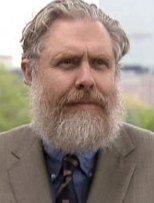 George M. Church合作论文数Department of Genetics, Harvard Medical School;Integra TX;SniprBiome;TierraBio6
 Farren Isaacs合作论文数Biochemistry, Quantitative Biology, Biophysics, and Structural Biology, Biological & Biomedical Sciences, Yale University5
 Harris H. Wang合作论文数Department of Pathology and Cell Biology, Columbia University Irving Medical Center5David I Walsh合作论文数Northeastern Univ.;c;Northeastern Univ.4
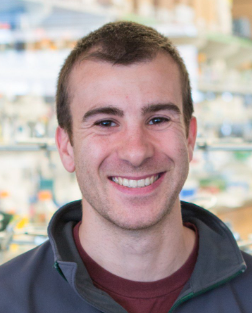 Marc Lajoie合作论文数Outpace Bio4christopher j emig合作论文数4Taylor Levy合作论文数3
 Daniel B. Goodman合作论文数Microbiol & Immunol, Univ Calif San Francisco3
 Neri Oxman合作论文数Media Lab, School of Architecture and Planning, Massachusetts Institute of Technology3
 Patrick William合作论文数Department of Medicine/Cardiology, Duke University School of Medicine3Nielsen Alec A K合作论文数Synthetic Biology Center, Massachusetts Institute of Technology3Sterling Bram合作论文数3Octavio Mondragón-Palomino合作论文数Instituto de F ´ õsica;noma de Mexico, Universidad Nacional Auto;Instituto de F ´ õsica, Universidad Nacional Autonoma de Mexico3
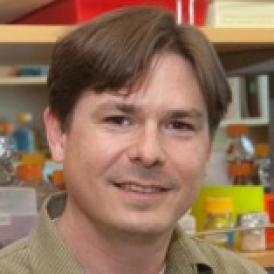 Christopher A. Voigt合作论文数Department of Biological Engineering, Massachusetts Institute of Technology3
 Steven Keating合作论文数3
 Todd Thorsen合作论文数Department of Mechanical Engineering, Massachusetts Institute of Technology3Nicholas J. Guido合作论文数2Nikos B. Reppas合作论文数2jaime j rivera合作论文数2George Xu合作论文数2
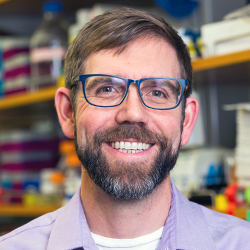 Michael Christopher Jewett合作论文数Stanford University2
 Carlos Aguilar合作论文数Department of Biomedical Engineering, College of Engineering, University of Michigan, Ann Arbor2
 Brian Chow合作论文数Deerfield Management2
 Bijan Zakeri合作论文数Department of Biochemistry, University of Oxford;Department of Biochemistry, University of Oxford2
 Johanna Bobrow合作论文数Lincoln Laboratory, Massachusetts Institute of Technology2Kraal Laurens合作论文数Department of Bioengineering and Therapeutic Sciences, University of California San Francisco;California Institute for Quantitative Biosciences, University of California San Francisco;University of California San Francisco, University of California San Francisco2
 Andrew Tolonen合作论文数2David W. Mosley合作论文数Center for Bits and Atoms2Tara A. Gianoulis合作论文数2Duhee Bang合作论文数Dept Chem, Yonsei Univ2
 Kimberly Hamad Schifferli合作论文数College of Science and Mathematics, University of Massachusetts Boston2Luis Ortiz合作论文数1Matthew Murphy合作论文数1Jeremy J Gam合作论文数1Keri A Mroszczyk合作论文数1johnathan babb合作论文数1Dany Fu合作论文数1
 Shreya Pandit合作论文数Boston University1
 Noah Jakimo合作论文数MIT, Ctr Bits & Atoms, 77 Massachusetts Ave, Cambridge, MA 02139 USA1Matthew Walsh合作论文数1
 tarun jain合作论文数Dept Mech Engn, MIT1
 Lucy Qin合作论文数Boston University1Jesse Rinehart合作论文数Molecular Medicine, Pharmacology, and Physiology, Biological & Biomedical Sciences, Yale University1
 Meni Wanunu合作论文数Wanunu Lab, College of Science, Northeastern University1Haimovich Adrian D合作论文数Yale School of Medicine, New Haven, Connecticut 06510, USA. adrian.haimovich@yale.edu1
 Zachary Z. Sun合作论文数1




