Increasing Arctic temperatures are facilitating the northward expansion of more southerly hosts, vectors, and pathogens, exposing naïve populations to pathogens not typical at northern latitudes. To understand such rapidly changing host–pathogen dynamics, we need sensitive and robust surveillance tools. Here, we use a novel multiplexed magnetic-capture and droplet digital PCR (ddPCR) tool to assess a sentinel Arctic species, the polar bear (Ursus maritimus; n = 68), for the presence of five zoonotic pathogens (Erysipelothrix rhusiopathiae, Francisella tularensis, Mycobacterium tuberculosis complex, Toxoplasma gondii and Trichinella spp.), and observe associations between pathogen presence and biotic and abiotic predictors. We made two novel detections: the first detection of a Mycobacterium tuberculosis complex member in Arctic wildlife and the first of E. rhusiopathiae in a polar bear. We found a prevalence of 37% for E. rhusiopathiae, 16% for F. tularensis, 29% for Mycobacterium tuberculosis complex, 18% for T. gondii, and 75% for Trichinella spp. We also identify associations with bear age (Trichinella spp.), harvest season (F. tularensis and MTBC), and human settlements (E. rhusiopathiae, F. tularensis, MTBC, and Trichinella spp.). We demonstrate that monitoring a sentinel species, the polar bear, could be a powerful tool in disease surveillance and highlight the need to better characterize pathogen distributions and diversity in the Arctic.
The Arctic faces increasing exposure to environmental chemicals such as metals, posing health risks to humans and wildlife. Biomonitoring of polar bears (Ursus maritimus) can be used to quantify chemicals in the environment and in traditional foods consumed by the Inuit. However, typically, these samples are collected through invasive or terminal methods. The biomonitoring of feces could be a useful alternative to the current metal monitoring method within the Arctic. Here, we aim to 1) quantify the relationship between concentrations of metals in the feces and tissues (muscle, liver, and fat) of polar bears using predictive modeling, 2) develop an easy-to-use conversion tool for use in community-based monitoring programs to non-invasively estimate contaminant concentrations in polar bears tissues and 3) demonstrate the application of these models by examining potential exposure risk for humans from consumption of polar bear muscle. Fecal, muscle, liver, and fat samples were harvested from 49 polar bears through a community-based monitoring program. The samples were analyzed for 32 metals. Exploratory analysis indicated that mean metal concentrations generally did not vary by age or sex, and many of the metals measured in feces were positively correlated with the internal tissue concentration. We developed predictive linear regression models between internal (muscle, liver, fat) and external (feces) metal concentrations and further explored the mercury and methylmercury relationships for utility risk screening. Using the cross-validated regression coefficients, we developed a conversion tool that contributes to the One Health approach by understanding the interrelated health of humans, wildlife, and the environment in the Arctic. The findings support using feces as a biomonitoring tool for assessing contaminants in polar bears. Further research is needed to validate the developed models for other regions in the Arctic and assess the impact of environmental weathering on fecal metal concentrations.
At high latitudes, lake whitefish ( Coregonus clupeaformis) and others in the closely related Coregonus species complex (CSC) including cisco ( C. autumnalis and C. sardinella) can be diadromous, seasonally transitioning between freshwater lakes and the Arctic Ocean. CSC skin- and intestine microbiomes were collected, facilitated by Inuit fishers at sites on and around King William Island, Nunavut, at the northern range limits of lake whitefish. Community composition was explored using 16S rRNA gene sequencing and microbiota distinctly grouped depending on fishing site salinity. Overall, lake whitefish intestine communities were more variable than those of the two cisco with higher Shannon diversity, suggesting that lake whitefish and their microbiomes could be susceptible to environmental stress possibly leading to dysbiosis. Lake whitefish showed lower condition (K) in the ocean than in freshwater rivers, whereas cisco condition was similar among distinct seasonal habitats. Taken together, the impact of changing habitats on fish condition and microbial composition may inform approaches to CSC health in fisheries and aquaculture, in addition to being relevant for northern Indigenous peoples with subsistence and economic interests in these resources.
Anthropogenic stressors are exacerbating the emergence and spread of pathogens worldwide. In regions like the Arctic, where ecosystems are particularly susceptible, marked changes are predicted in regional diversity, intensity, and patterns of infectious diseases. To understand such rapidly changing host-pathogen dynamics and mitigate the impacts of novel pathogens, we need sensitive disease surveillance tools. We developed and validated a novel multiplexed, magnetic capture, and ddPCR tool for the surveillance of multiple pathogens in polar bears, a sentinel species that is considered susceptible to climate change and other stressors with a pan-Arctic distribution. Through sequence-specific magnetic capture, we concentrated five target template sequences from three zoonotic bacteria (Erysipelothrix rhusiopathiae, Francisella tularensis, and Mycobacterium tuberculosis complex) and two parasitic (Toxoplasma gondii and Trichinella spp.) pathogens from large quantities (<100 g) of host tissue. We then designed and validated two multiplexed probe-based ddPCR assays for the amplification and detection of the low-concentration target DNA. Validations used 48 polar bear tissues (muscle and liver). We detected 14, 1, 3, 4, and 22 tissue positives for E. rhusiopathiae, F. tularensis, M. tuberculosis complex, T. gondii, and Trichinella spp., respectively. These multiplexed assays offer a rapid, specific tool for quantifying and monitoring the changing geographical and host distributions of pathogens relevant to human and animal health.
Genomic studies of species threatened by extinction are providing crucial information about evolutionary mechanisms and genetic consequences of population declines and bottlenecks. However, to understand how species avoid the extinction vortex, insights can be drawn by studying species that thrive despite past declines. Here, we studied the population genomics of the muskox (Ovibos moschatus), an Ice Age relict that was at the brink of extinction for thousands of years at the end of the Pleistocene yet appears to be thriving today. We analysed 108 whole genomes, including present-day individuals representing the current native range of both muskox subspecies, the white-faced and the barren-ground muskox (O. moschatus wardi and O. moschatus moschatus) and a ~21,000-year-old ancient individual from Siberia. We found that the muskox' demographic history was profoundly shaped by past climate changes and post-glacial re-colonizations. In particular, the white-faced muskox has the lowest genome-wide heterozygosity recorded in an ungulate. Yet, there is no evidence of inbreeding depression in native muskox populations. We hypothesize that this can be explained by the effect of long-term gradual population declines that allowed for purging of strongly deleterious mutations. This study provides insights into how species with a history of population bottlenecks, small population sizes and low genetic diversity survive against all odds.
Harvesting from admixed populations is a common practice in contemporary fisheries. However, monitoring stock health in such mixed-stock fisheries remains challenging, with accurately identifying stock composition a critical first step. Fortunately, genetic tools have improved our ability to quantify stock composition ("genetic stock identification" or GSI). A commercial Arctic char (Salvelinus alpinus) fishery has been proposed for the King William Island region of the Lower Northwest Passage (LNWP), Nunavut, Canada, an area that heretofore has had only subsistence fisheries. Previous studies identified two major char genetic clusters in this region with evidence of stock mixing in some rivers and estuaries. We developed a panel of 181 autosomal single nucleotide polymorphisms and one sex marker using Genotyping-in-Thousands by sequencing (GTseq) to facilitate GSI and sex identification and contribute to development of a sustainable fishery. Applying population genetics and population assignment tests to a pilot set of 48 samples, our panel proved effective in GSI with an assignment success rate of 95.8–100%, and in sex determination with a success rate of 93.6%. Our panel of 182 markers provides a cost- and time-efficient means to perform GSI and sex identification in char in the LNWP, which in turn can be used for effective, continuous monitoring of Arctic char in this region. Collectively, a sustainable Arctic char fishery could bring both long-term revenue and a stable food source to the Inuit community of Gjoa Haven.
Crop reproductive success is significantly challenged by heatwaves, which are increasing in frequency and severity globally. Heat-induced male sterility is mainly due to aborted pollen development, but it is not clear whether this is through direct or systemic effects. Here, long-term mild heat (LTMH) treatment, mimicking a heatwave, was applied locally to tomato flowers or whole plants and followed up by cytological, transcriptomic, and biochemical analyses. By analyzing pollen viability, LTMH was shown to act directly on the flowers and not via effects on other plant tissue. The meiosis to early microspore stage of pollen development was the most sensitive to LTMH and 3 days of exposure around this period was sufficient to significantly reduce pollen viability at the flower anthesis stage. Extensive cytological analysis showed that abnormalities in pollen development could first be observed after pollen mitosis I, while no deviations in tapetum development were observed. Transcriptomic and biochemical analyses suggested that pollen development suffered from tapetal ER stress and that there was a limited role for oxidative stress. Our results provide the first evidence that heat acts directly on flowers to induce pollen sterility, and that the molecular-physiological responses of developing anthers to the LTMH are different from those to severe heat shock.
Objective The Sumatran rhinoceros is critically endangered, with fewer than 100 individuals surviving across its current range. Accurate census estimates of the remaining populations are essential for development and implementation of conservation plans. In order to enable molecular censusing, we here develop microsatellite markers with amplicon sizes of short length, appropriate for non-invasive fecal sampling. Results Due to limited sample quantity and potential lack of genome-wide diversity, Illumina sequence reads were generated from two Sumatran rhinoceros samples. Genomic screening identified reads with short tandem repeats and loci that were polymorphic within the dataset. Twenty-nine novel polymorphic microsatellite markers were characterized ( A = 2.4; H O = 0.30). These were sufficient to distinguish among individuals ( P ID < 0.0001), and to distinguish among siblings ( P ID(sib ) < 0.0001). Among rhinos in Indonesia, almost all markers were established as polymorphic and effective for genotyping DNA from fecal samples. Notably, the markers amplified and displayed microsatellite polymorphisms using DNA extracted from 11 fecal samples collected non-invasively from wild Sumatran rhinoceros. These microsatellite markers provide an important resource for a census and genetic studies of wild Sumatran rhinos.
Practical tools to quantify range-wide dietary choices of the polar bear have not been well developed, thus impeding the monitoring of this species in a changing climate. Here we describe our steps toward non-invasive polar bear diet determination with the optimization of 454 pyrosequencing of a 136 base pair ( bp) mitochondrial cytochrome b (cytb) fragment amplified from the extracts of captive and wild polar bear faeces. We first determine the efficacy, reliability, and accuracy of our method using five faecal samples from a captive polar bear fed a known diet at the Canadian Polar Bear Habitat in Cochrane, Ontario, Canada; 19 samples from three polar bears at the Metro Toronto Zoo, Toronto, Ontario, Canada; and seven samples from seven wild (unfed) polar bears from a holding facility in Churchill, Manitoba, Canada. We report 91% overall success in amplifying a 136 bp cytb amplicon from the faeces of polar bears. Our DNA analyses accurately recovered the vertebrate diet profiles of captive bears fed known diets. We then characterized multiyear vertebrate prey diet choices from free-ranging polar bears from the sea ice of the M'Clintock Channel polar bear management unit, Nunavut, Canada (n = 117 from an unknown number of bears). These data point to a diet unsurprisingly dominated by ringed seal (Pusa hispida) while including evidence of bearded seal (Erignathus barbatus), harbour seal (Phoca vitulina), muskox (Ovibos moschatus ssp.), Arctic fox (Vulpes lagopus), wolf (Canis lupus), Herring Gull (Larus argentatus), and Willow Ptarmigan (Lagopus lagopus). We found low levels of contamination (< 3% of sequences when present) and suggest specific process improvements to reduce contamination in range-wide studies. Together, these findings indicate that next-generation sequencing-based diet assessments show great promise in monitoring free-ranging polar bears in this time of climate change.
As mercury emissions continue and climate-mediated permafrost thaw increases the burden of this contaminant in northern waters, Inuit from a Northwest passage community in the Canadian Arctic Archipelago pressed for an assessment of their subsistence catches. Sea-run salmonids (n = 537) comprising Arctic char (Salvelinus alpinus), lake trout (S. namaycush), lake whitefish (Coregonus clupeaformis), and cisco (C. autumnalis, C. sardinella) were analyzed for muscle mercury. Methylmercury is a neurotoxin and bioaccumulated with fish age, but other factors including selenium and other elements, diet and trophic level as assessed by stable isotopes of nitrogen (δ15N) and carbon (δ13C), as well as growth rate, condition, and geographic origin, also contributed depending on the species, even though all the fish shared a similar anadromous or sea-run life history. Although mean mercury concentrations for most of the species were ~0.09 µg·g−1 wet weight (ww), below the levels described in several jurisdictions for subsistence fisheries (0.2 µg·g−1 ww), 70% of lake trout were above this guideline (0.35 µg·g−1 ww), and 19% exceeded the 2.5-fold higher levels for commercial sale. We thus urge the development of consumption advisories for lake trout for the protection of pregnant women and young children and that additionally, periodic community-based monitoring be initiated.
Host-adapted microbiota are generally thought to have evolved from free-living ancestors. This process is in principle reversible, but examples are few. The genus Psychrobacter (family Moraxellaceae , phylum Gamma-Proteobacteria ) includes species inhabiting diverse and mostly polar environments, such as sea ice and marine animals. To probe Psychrobacter’s evolutionary history, we analyzed 85 Psychrobacter strains by comparative genomics and phenotyping under 24 different growth conditions. Genome-based phylogeny shows Psychrobacter are derived from Moraxella , which are warm-adapted pathobionts. Psychrobacter strains form two ecotypes based on growth temperature: flexible (FE, growth at 4 - 37°C), and restricted (RE, 4 - 25°C). FE strains, which can be either phylogenetically basal or derived, have smaller genomes and higher transposon copy numbers. RE strains have larger genomes, and show genomic adaptations towards a psychrophilic lifestyle and are phylogenetically derived only. We then assessed Psychrobacter abundance in 86 mostly wild polar bear stools and tested persistence of select strains in germfree mice. Psychrobacter (both FE and RE) was enriched in stool of polar bears feeding on mammals, but only FE strains persisted in germfree mice. Together these results indicate growth at 37°C is ancestral in Psychrobacter , lost in many derived species, and likely necessary to colonize the mammalian gut.
Although intestinal microbial communities from anadromous Arctic char (Salvelinus alpinus (Linnaeus, 1758)) in Kitikmeot, Nunavut, Canada, differ depending on the timing and location of capture, determinants of gut microbiota in other wild Arctic salmonids are largely unknown. Using high-throughput 16S rRNA gene sequence data, we compared intestinal microbiota from Arctic char to those from a related and sympatric salmonid, lake whitefish (Coregonus clupeaformis (Mitchill, 1818)). Shifts in lake whitefish gut microbial community composition were observed between brackish water and freshwater, similar to impacts of salinity reported previously for Arctic char. Despite these similarities, gut community profiles for the two salmonids differed, with whitefish having higher diversities and increased proportions of taxa affiliated with potential pathogens. Geography seemed to have a greater impact on freshwater whitefish gut microbiota than on corresponding Arctic char. Additionally, microbiota diversity was significantly more affected by feeding behavior in whitefish compared with sympatric Arctic char. As sampled whitefish were at their northern range limits and grew slowly, we speculate that they, and their microbial consortia, could be more vulnerable to certain abiotic and biotic factors than Arctic char, which are well adapted to conditions found in these high latitude environments and have the most northern distribution of any freshwater fish.
Knowledge coevolution is the process through which information is generated by joining knowledge systems in an inclusive and iterative way to facilitate self-determination of communities and promote cultural resilience. A central and practical component of this framework is the fostering of progress towards improved co-management and community led research. Here, we illustrate a knowledge coevolution framework in the context of a major five-year genomics and food security fishery research project in Gjoa Haven, Nunavut. We highlight the process, changes in research objectives, logistical requirements, mutual benefits, and challenges associated with northern collaborative research, and what lessons we have learned from the process. Knowledge coevolution could be linked to more inclusive and effective fishery co-management in Nunavut and possibly elsewhere. Further, the research process appears to have reinforced Indigenous knowledge and Western science without merging these distinct knowledge systems. Here, we strive to provide readers with concrete examples of knowledge coevolution and encourage research groups to incorporate and improve these practices in future projects and in adaptive fishery co-management. We further call on funding agencies to place more value, and thus budgetary priority, on activities related to ongoing consultation, engagement, dissemination, and implementation of project outcomes. Qaujimaningi maruk ajingingituk pivallianirijanginnik pigiarutauplunni tukisikanirutit saqipaliasurmata nunalit nangminiq aulajungnaliquplugit iliqusinginniglu saqipalliatitsiquplugit aulajungnalirlutik nangminiq. Qitianittuq amma ilulirijauplunni piliriangujup pivallianiq turangajuq aqiumakanirnirmut aulatauninganut amma nunalingnut aulataujuq qaujisarniq. Ukua tava takutijutauniaqtut qaujimaningi maruk ajingingituk pivallianirijanginnik pilirianguniaqtunnik ilulinginnik angijut aragunni tallimani qaujisarnirmut amma niqiqatiarnirmut iqalulirinirmi qaujisarniq Uqsuqtummi, Nunavummi. Nalunaiqsipluta pilirianguniaqtunnik, asiangurninginnik qaujisarniup iluanni, aturiaqaqtunik piqutinik, angiqatigingnirmi, amma ilautittinirmik ukiuqtaqtumiunik qaujisarnirmut, iliniataujunik piliriarmit. Qaujimaningi maruk ajingingituk pivallianirijanginnik ilinganajarmat aulatauninganut kajusitiarnirmullu iqaluliriniup mianirijauninganni Nunavummi asinginnilu. Amma suli, qaujisarniq aqiktausimaplunni nunaqaqqaqsimajut tukisianinginnut amma qaplunat tukisianinginnut katitausimangiłutik tapkuak ajingingituk qaujimaniujut. Uvanni piliriaqaqpugut tukisikaniquplugit uqalimaqtut tungaviqatiaqtummik ukturaulaujunik qaujimaningi maruk ajingingituk pivallianirijanginnik amma ikajuqtuipluta timisiujunnik qaujisaqtinik atausingurlutik aqigiarlutiglu piliriangusuqtut sivunirmi amma atuliqtitaulutik iqalungnik aulatauninganut. Tuksiralaurrapta kinaujannik aturniaqtunnik timiujunnit, sivulliutitauplutik qinaujat aturiaqaqtut kajusijummut uqaqatiqarnirmut ilautittinirmut, asinginnullu tusaqtittinirmik atuliqtittinirmullu piliriangujunnik.
Summary Intestinal microbial communities from 362 anadromous Arctic char ( Salvelinus alpinus ) from the high Arctic Kitikmeot region, Nunavut, Canada, were characterized using high‐throughput 16S rRNA gene sequencing. The resulting bacterial communities were compared across four seasonal habitats that correspond to different stages of annual migration. Arctic char intestinal communities differed by sampling site, salinity and stages of freshwater residence. Although microbiota from fish sampled in brackish water were broadly consistent with taxa seen in other anadromous salmonids, they were enriched with putative psychrophiles, including the nonluminous gut symbiont Photobacterium iliopiscarium that was detected in >90% of intestinal samples from these waters. Microbiota from freshwater‐associated fish were less consistent with results reported for other salmonids, and highly variable, possibly reflecting winter fasting behaviour of these char. We identified microbiota links to age for those fish sampled during the autumn upriver migration, but little impact of the intestinal content and water microbiota on the intestinal community. The strongest driver of intestinal community composition was seasonal habitat, and this finding combined with identification of psychrophiles suggested that water temperature and migratory behaviour are key to understanding the relationship between Arctic char and their symbionts.
DNA extracted from fecal samples contains DNA from the focal species, food, bacteria and pathogens. Most DNA quantification methods measure total DNA and cannot differentiate among sources. Despite the desirability of noninvasive fecal sampling for studying wildlife populations, low amounts of focal species DNA make it difficult to use for next-generation sequencing (NGS), where accurate DNA quantification is critical for normalization. Two factors are required prior to using fecal samples in NGS libraries: (1) an accurate quantification method for the amount of target DNA and (2) a determination of the relative amount of target DNA needed for successful single nucleotide polymorphism genotyping assays. Here, we address these needs by developing primers to amplify a 101 bp region of the nuclear F2 gene and a quantitative PCR (qPCR) assay that allows the accurate quantification of the amount of polar bear (Ursus maritimus) DNA in fecal extracts. We test the assay on pure polar bear DNA extracted from muscle tissue and find a high correlation between fluorometric and qPCR quantifications. The qPCR assay was also successfully used to quantify the amount of DNA derived from polar bears in fecal extractions. Orthologs of the F2 gene have been identified across vertebrates; thus, similar qPCR assays could be developed for other species to enable noninvasive studies.
Contemporary intraspecific patterns of genetic variation reflect the historical effects of population subdivision–expansion and forces like drift, gene flow, and selection. We investigated the population structure of anadromous Arctic char (Salvelinus alpinus) in the Lower Northwest Passage (LNWP), Nunavut, using 3074 genome-wide single nucleotide polymorphisms markers (SNPs). Overall, the genetic differentiation was weak to moderate among 18 sampling locales (global F ST = 0.037). Populations were structured hierarchically, with a deeper genetic division between King William Island (global F ST = 0.018) and mainland populations ∼200 km away to the south (global F ST = 0.018), and some evidence of genetic subgroups within the former. These findings suggest a role for char migratory behaviour in shaping contemporary genetic population structure, with demographic modelling favouring an isolation with migration over a strict isolation scenario. Twenty-two SNPs were identified as potentially under divergent selection with putative functions including neurotransmission and bone development and growth during late embryogenesis. Our study is the first survey of Arctic char in the LNWP using genomics and provides baseline data for the development of a sustainable fishery within this region.
Northern populations of Arctic char (Salvelinus alpinus) can be anadromous, migrating annually from the ocean to freshwater lakes and rivers in order to escape sub-zero temperatures. Such seasonal behavior demands that these fish and their associated microbiomes adapt to changes in salinity, temperature, and other environmental challenges. We characterized the microbial community composition of anadromous S. alpinus, netted by Inuit fishermen at freshwater and seawater fishing sites in the high Arctic, both under ice and in open water. Bacterial profiles were generated by DNA extraction and high-throughput sequencing of PCR-amplified 16S ribosomal RNA genes. Results showed that microbial communities on the skin and intestine of Arctic char were statistically different when sampled from freshwater or saline water sites. This association was tested using hierarchical Ward's linkage clustering, showing eight distinct clusters in each of the skin and intestinal microbiomes, with the clusters reflecting sampling location between fresh and saline environments, confirming a salinity-linked turnover. This analysis also provided evidence for a core composition of skin and intestinal bacteria, with the phyla Proteobacteria, Firmicutes, and Cyanobacteria presenting as major phyla within the skin-associated microbiomes. The intestine-associated microbiome was characterized by unidentified genera from families Fusobacteriaceae, Comamonadaceae, Pseudomonadaceae, and Vibrionaceae. The salinity-linked turnover was further tested through ordinations that showed samples grouping based on environment for both skin- and intestine-associated microbiomes. This finding implies that core microbiomes between fresh and saline conditions could be used to assist in regulating optimal fish health in aquaculture practices. Furthermore, identified taxa from known psychrophiles and with nitrogen cycling properties suggest that there is additional potential for biotechnological applications for fish farm and waste management practices.
Clostridium (Clostridioides) difficile has been identified in humans and a wide range of animal species, but there has been little study of remote animal populations with limited human contact. The objective of this study was to determine the prevalence and types of C. difficile in wild and captive polar bears (Ursus maritimus). Fecal samples were collected from two populations of wild polar bears in Nunavut Canada; M'Clintock Channel and Hudson Strait (Davis Strait or Foxe Basin), as well as from a facility (PBJ) in Churchill, Manitoba that temporarily houses nuisance polar bears and from captive bears in a zoological park. Enrichment culture was performed and isolates were characterized by ribotyping and toxinotyping. Clostridium difficile was isolated from 24/143 (16.8%) of samples; 18/120 (15%) wild bear samples, 4/7 (57%) from the PBJ and 2/16 (13%) samples from three zoo bears. The prevalence of C. difficile was significantly higher in bears that were housed at the PBJ vs wild bears (P = 0.0042), but there was no difference between wild bears from M'Clintock Channel (14/100, 14%) and those from Hudson Strait (4/20, 20%) (P = 0.50). Fourteen of the 24 (58%) isolates were toxigenic; 13/18 (72%) wild bear isolates, 0/4 PBJ isolate and 1/2 zoo isolates. Four toxigenic ribotypes were identified, with one that possessed tcdB and cdtA predominating. None of the toxigenic isolates were ribotypes that have been identified previously by the authors. There was no overlap in toxigenic ribotypes between the different populations. Clostridium difficile was not uncommonly identified in polar bears, with differences in type distribution amongst the different regions. The presence of strains that have not been identified in humans or domestic animals suggests that polar bears may be a natural reservoir of unique strains of this important bacterium. (C) 2019 Elsevier Ltd. All rights reserved.
The Sumatran rhinoceros (Dicerorhinus sumatrensis), once widespread across Southeast Asia, now consists of as few as 30 individuals within Sumatra and Borneo. To aid in conservation planning, we sequenced 218 bp of control region mitochondrial (mt) DNA, identifying 17 distinct mitochondrial haplotypes across modern (N = 13) and museum (N = 26) samples. Museum specimens from Laos and Myanmar had divergent mtDNA, consistent with the placement of western mainland rhinos into the distinct subspecies D. s. lasiotis (presumed extinct). Haplotypes from Bornean rhinos were highly diverse, but dissimilar from those of other regions, supporting the distinctiveness of the subspecies D. s. harrissoni. Rhinos from Sumatra and Peninsular Malaysia shared mtDNA haplotypes, consistent with their traditional placement into a single subspecies D. s sumatrensis. Modern samples of D. s. sumatrensis were genotyped at 18 microsatellite loci. Rhinos within Sumatra formed 2 sub-populations, likely separated by the Barisan Mountains, though with only modest genetic differentiation between them. There are so few remaining Sumatran rhinoceros that separate management strategies for subspecies or subpopulations may not be viable, while each surviving rhino pedigree is likely to retain alleles found in no other individuals. Given the low population size and low reproductive potential of Sumatran rhinos, rapid genetic erosion is inevitable, though an under-appreciated concern is the potential for fixation of harmful genetic variants. Both concerns underscore 2 overriding priorities for the species: 1) translocation of wild rhinos to ex situ facilities, and 2) collection and storage of gametes and cell lines from every surviving captive and wild individual.
A sirex woodwasp, commonly called “sirex woodwasp” or the “European woodwasp” Sirex noctilio (Fabricius) (Hymenoptera: Siricidae), is a high-risk alien invasive forest insect for North America. In September 2004, this insect was trapped in the field in New York, identified in February 2005 and confirmed as established in July 2005 – the first record of such for North America. The close proximity of the original and subsequent discoveries of S. noctilio in New York prompted a rapid response survey for this insect in adjacent areas in Ontario, Canada. This report records the first discoveries of this wood wasp in Canada in 2005.
 Hans Fangohr合作论文数School of Engineering, Faculty of Engineering and Physical Sciences, University of Southampton12
 Peter Boag合作论文数Department of Biology,Queen's University10George J Wullems合作论文数10Linda Macdonald合作论文数9J. A. M. Schrauwen合作论文数9
 Stephen C. Lougheed合作论文数Department of Biology;Queen ' s University;Department of Biology, Queen ' s University9Jean J. Turgeon合作论文数9
 Markus Dyck合作论文数8Giuliano Bordignon合作论文数8
 Alexey Zhukov合作论文数7
 Thomas Fischbacher合作论文数Max-Planck-Institut fur Gravitationsphysik7Marinus M. A. Van Herpen合作论文数7Jürgen P. Zimmermann合作论文数7
 Therese M. Poland合作论文数USDA Forest Service, Northern Research Station7
 Graham James Bowden合作论文数7John M. Casselman合作论文数6Walker Virginia K合作论文数6Alfred L. Roca合作论文数Laboratory of Genomic Diversity;Basic Research Program;Laboratory of Genomic Diversity|Basic Research Program6
 Sergey N Gordeev合作论文数6
 Sandy M. Smith合作论文数Institute of Forestry & Conservation, John H. Daniels Faculty of Architecture, Landscape, and Design, University of Toronto6Matteo Franchin合作论文数6k ryan合作论文数5
 Robert Gagnon合作论文数Division of Maternal-Fetal Medicine, Department of Obstetrics & Gynecology, Faculty of Medicine and Health Sciences, McGill University;Division of Obstetrics, McGill University Health Centre5
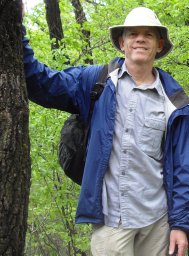 Jon David Sweeney合作论文数Canadian Forest Serv, Atlantic Forestry Ctr5Zhengxin Sun合作论文数5
 Louis Taillefer合作论文数Département de Physique, Faculté des Sciences, Université de Sherbrooke5Gary G. Grant合作论文数5Koen Weterings合作论文数5
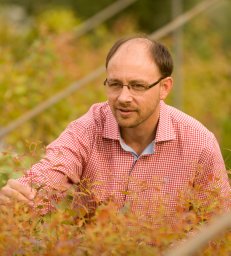 Bernard Slippers合作论文数Department of Genetics, Forestry and Agricultural Biotechnology Institute, University of Pretoria5Linda Buchan合作论文数4Ishida Yasuko合作论文数4
 Josh D. Neufeld合作论文数Neufeld Research Group, Department of Biology, University of Waterloo4Dan McKenney合作论文数Great Lakes Forestry Centre4
 Nikolay Zheludev合作论文数Optoelectronics Research Centre, University of Southampton;Centre for Disruptive Photonic Technologies, Nanyang Technological University;Institute of Advanced Studies, Nanyang Technological University;Halger Institute for Advanced Study, Texas A&M University4Simon Cox合作论文数School of Engineering, Faculty of Engineering and Physical Sciences, University of Southampton4
 John H. Borden (John Borden)合作论文数Department of Biological Sciences, Simon Fraser University4
 Philip Bartlett合作论文数Institute for Life Sciences, University of Southampton4A.P. Rassau合作论文数4
 Denys Yemshanov合作论文数Canadian Forest Service, Great Lakes Forestry Centre4
 Gutowski Jerzy M.合作论文数4w h reijnen合作论文数4Michael T. Smith合作论文数3Simon A. Gregory合作论文数3Geraint Element合作论文数3
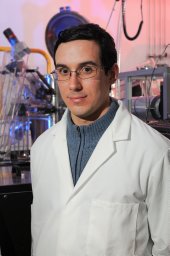 Sposito, A.合作论文数Optoelectron. Res. Centre, Univ. of Southampton;c;Optoelectron. Res. Centre, Univ. of Southampton3Wolters-Arts Mieke合作论文数3Fox Virginia E合作论文数3
 Douglas E. Rawlings合作论文数Department of Microbiology, Faculty of Science, Stellenbosch University3
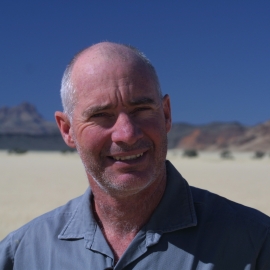 Keith E. A. Leggett合作论文数Centre for Ecosystem Science, School of Biological, Earth and Environmental Sciences, Faculty of Science, The University of New South Wales3




