Aim: How a family history of cardiovascular disease (CVD) or death influences the risk of out-of-hospital cardiac arrest (OHCA) is unknown. This study examined the prevalence of family histories of CVD and death in patients with OHCA and if these factors were associated with OHCA. Methods: Patients (<70 years) with OHCA’s of presumed cardiac origin and available kinship information were identified from the Danish Cardiac Arrest Register (2001–2014). Patients with OHCA were matched 1:4 (age, sex, and number of identifiable parents) with individuals from the background population (controls) to compare family histories (events in first-degree relatives before OHCA) of CVD, all-cause death, cardiovascular death, and premature death (death <60 years). In conditional multivariable logistic regressions, we examined associations between parental history and offspring OHCA risk. Results: Of 45,293 patients with OHCA 4,994, were eligible for inclusion (median age 50 years at OHCA, 76% male). Of these 47.7% had a family history of CVD (vs. 42.1% of controls), 68.2% of all-cause death (vs. 60.9%), 23% of premature death (vs. 15.8%) and 33.3% of cardiovascular death (vs. 27%) (p < 0.001 for all). A family history of a single parent with CVD (OR: 1.13, 95%CI: 1.05,1.23), all-cause death (OR: 1.42, 95%CI: 1.29,1.56), cardiovascular death (OR: 1.35, 95%CI: 1.24, 1.47), and premature death (OR: 1.45, 95%CI: 1.32,1.59) were all associated with OHCA (p < 0.001 for all). Conclusion: A family history of CVD and death is more common among patients with OHCA compared to a matched background population, as well as being significantly associated with OHCA.
Heart failure (HF) is a major contributor to global morbidity and mortality. While distinct clinical subtypes, defined by etiology and left ventricular ejection fraction, are well recognized, their genetic determinants remain inadequately understood. In this study, we report a genome-wide association study of HF and its subtypes in a sample of 1.9 million individuals. A total of 153,174 individuals had HF, of whom 44,012 had a nonischemic etiology (ni-HF). A subset of patients with ni-HF were stratified based on left ventricular systolic function, where data were available, identifying 5,406 individuals with reduced ejection fraction and 3,841 with preserved ejection fraction. We identify 66 genetic loci associated with HF and its subtypes, 37 of which have not previously been reported. Using functionally informed gene prioritization methods, we predict effector genes for each identified locus, and map these to etiologic disease clusters through phenome-wide association analysis, network analysis and colocalization. Through heritability enrichment analysis, we highlight the role of extracardiac tissues in disease etiology. We then examine the differential associations of upstream risk factors with HF subtypes using Mendelian randomization. These findings extend our understanding of the mechanisms underlying HF etiology and may inform future approaches to prevention and treatment.
Background Heart failure with mildly reduced or preserved ejection fraction (hereafter referred to as HFpEF) is the most common type of heart failure and is associated with a high risk of hospitalisation and death, especially in patients with overweight, obesity, or type 2 diabetes. In the STEP-HFpEF and STEP-HFpEF DM trials, semaglutide improved heart failure-related symptoms and physical limitations in participants with HFpEF. Whether semaglutide also reduces clinical heart failure events in this group remains to be established. Methods We conducted a post-hoc pooled, participant-level analysis of four randomised, placebo-controlled trials (SELECT, FLOW, STEP-HFpEF, and STEP-HFpEF DM) to examine the effects of once-weekly subcutaneous semaglutide (24 mg in SELECT, STEP-HFpEF, and STEP-HFpEF DM; 10 mg in FLOW) on heart failure events. The STEP-HFpEF and STEP-HFpF DM trials enrolled participants with obesity-related HFpEF, the SELECT trial enrolled participants with atherosclerotic cardiovascular disease and overweight or obesity, and the FLOW trial enrolled participants with type 2 diabetes and chronic kidney disease. Hence, for this analysis, we include all participants from the STEP-HFpEF trials and those with an investigator-reported history of HFpEF from SELECT and FLOW. The main outcomes for this analysis were the composite endpoint of time to cardiovascular death or first worsening heart failure event (defined as hospitalisation or urgent visit due to heart failure), time to first worsening heart failure event, and time to cardiovascular death. Efficacy and safety endpoints were analysed with the full analysis set (ie, all participants randomly assigned to treatment, according to the intention-to-treat principle). The SELECT, FLOW, STEP-HFpEF, and STEP-HFpEF DM trials are registered at ClinicalTrials.gov, NCT03574597, NCT03819153, NCT04788511, and NCT04916470, respectively, and all are complete. Findings Across the four trials, 3743 (168%) of 22 282 participants had a history of HFpEF (1914 assigned to semaglutide and 1829 assigned to placebo). In this group of participants with HFpEF, semaglutide reduced the risk of the combined endpoint of cardiovascular death or heart failure events (103 [54%] of 1914 in the semaglutide group had events vs 138 [75%] of 1829 in the placebo group; hazard ratio [HR] 069 [95% CI 053-089]; p=00045). Semaglutide also reduced the risk of worsening heart failure events (54 [28%] vs 86 [47%]; HR 059 [041-082]; p=00019). No significant effect on cardiovascular death alone was seen (59 [31%] vs 67 [37%]; HR 082 [057-116]; p=025). A lower proportion of patients treated with semaglutide had serious adverse events than did those who were treated with placebo (572 [299%] vs 708 [387%]). Interpretation In patients with HFpEF, semaglutide reduced the risk of the combined endpoint of cardiovascular death or worsening heart failure events, and worsening heart failure events alone, whereas its effect on cardiovascular death alone was not significant. These data support the use of semaglutide as an efficacious therapy to reduce the risk of clinical heart failure events in patients with HFpEF, for whom few treatment options are currently available.
OBJECTIVE To evaluate the cardiovascular (CV) effects of semaglutide by baseline and change in HbA1c in a prespecified analysis of SELECT. RESEARCH DESIGN AND METHODS In SELECT, people with overweight/obesity and atherosclerotic CV disease (ASCVD) without diabetes were randomized to weekly semaglutide 2.4 mg or placebo. The primary endpoint of first MACE (CV mortality, non-fatal myocardial infarction [MI], or stroke) was reduced by 20% with semaglutide versus placebo. First MACE, its individual components, expanded MACE (CV mortality, non-fatal MI or stroke, coronary revascularization, or hospitalization for unstable angina), a heart failure (HF) composite (HF hospitalization or urgent medical visit, or CV mortality), coronary revascularization, and all-cause mortality were analyzed by baseline HbA1c subgroup and categories of HbA1c change (<−0.3, −0.3 to 0.3, >0.3 %-points) from baseline to 20 weeks using the intention-to-treat principle using Cox proportional hazards. RESULTS Among 17,604 participants (mean age 61.6 years, 72.3% male), 33.5% had baseline HbA1c of <5.7%, 34.6% had 5.7-<6.0%, and 31.9% had 6.0-<6.5%. The CV risk reduction with semaglutide versus placebo was not shown to be different across baseline HbA1c groups and was consistent with the overall study for all endpoints, except all-cause mortality. CV outcomes were also consistent across subgroups of HbA1c change. CONCLUSIONS In people with overweight or obesity and established ASCVD but not diabetes, semaglutide reduced CV events irrespective of baseline or change in HbA1c. Thus, semaglutide is expected to confer CV benefits in people with established ASCVD who are normoglycemic at baseline and/or in those without HbA1c improvements.
OBJECTIVE:To evaluate the cardiovascular effects of semaglutide by baseline glycated hemoglobin (HbA1c) and change in HbA1c in a prespecified analysis of Semaglutide Effects on Cardiovascular Outcomes in People With Overweight or Obesity (SELECT). RESEARCH DESIGN AND METHODS:In SELECT, people with overweight or obesity and atherosclerotic cardiovascular disease without diabetes were randomized to weekly semaglutide 2.4 mg or placebo. The primary end point of first major adverse cardiovascular event (MACE) (cardiovascular mortality, nonfatal myocardial infarction, or stroke) was reduced by 20% with semaglutide versus placebo. Analysis of outcomes included first MACE, its individual components, expanded MACE (cardiovascular mortality, nonfatal myocardial infarction, or stroke; coronary revascularization; or hospitalization for unstable angina), a heart failure composite (heart failure hospitalization or urgent medical visit or cardiovascular mortality), coronary revascularization, and all-cause mortality by baseline HbA1c subgroup and categories of HbA1c change (<-0.3, -0.3 to 0.3, and >0.3 percentage points) from baseline to 20 weeks using the intention-to-treat principle with Cox proportional hazards. RESULTS:Among 17,604 participants (mean age 61.6 years, 72.3% male), baseline HbA1c was <5.7% for 33.5%, 5.7% to <6.0% for 34.6%, and 6.0% to <6.5% for 31.9%. Cardiovascular risk reduction with semaglutide versus placebo was not shown to be different across baseline HbA1c groups and was consistent with that of the overall study for all end points, except all-cause mortality. Cardiovascular outcomes were also consistent across subgroups of HbA1c change. CONCLUSIONS:In people with overweight or obesity and established atherosclerotic cardiovascular disease but not diabetes, semaglutide reduced cardiovascular events irrespective of baseline HbA1c or change in HbA1c. Thus, semaglutide is expected to confer cardiovascular benefits in people with established atherosclerotic cardiovascular disease who are normoglycemic at baseline and/or in those without HbA1c improvements.
BACKGROUND:Patients with overweight and obesity are at increased risk of death from multiple causes, including cardiovascular (CV) death, with few therapies proven to reduce the risk. OBJECTIVES:This study sought to assess the effect of semaglutide 2.4 mg on all-cause death, CV death, and non-CV death, including subcategories of death and death from coronavirus disease-2019 (COVID-19). METHODS:The SELECT (Semaglutide Effects on Cardiovascular Outcomes in Patients With Overweight or Obesity) trial randomized 17,604 participants ≥45 years of age with a body mass index ≥27 kg/m2 with established CV disease but without diabetes to once-weekly subcutaneous semaglutide 2.4 mg or placebo; the mean trial duration was 3.3 years. Adjudicated causes of all deaths, COVID-19 cases, and associated deaths were captured prospectively. RESULTS:Of 833 deaths, 485 (58%) were CV deaths, and 348 (42%) were non-CV deaths. Participants assigned to semaglutide vs placebo had lower rates of all-cause death (HR: 0.81; 95% CI: 0.71-0.93), CV death (HR: 0.85; 95% CI: 0.71-1.01), and non-CV death (HR: 0.77; 95% CI: 0.62-0.95). The most common causes of CV death with semaglutide vs placebo were sudden cardiac death (98 vs 109; HR: 0.89; 95% CI: 0.68-1.17) and undetermined death (77 vs 90; HR: 0.85; 95% CI: 0.63-1.15). Infection was the most common cause of non-CV death and occurred at a lower rate in the semaglutide vs the placebo group (62 vs 87; HR: 0.71; 95% CI: 0.51-0.98). Semaglutide did not reduce incident COVID-19; however, among participants who developed COVID-19, fewer participants treated with semaglutide had COVID-19-related serious adverse events (232 vs 277; P = 0.04) or died of COVID-19 (43 vs 65; HR: 0.66; 95% CI: 0.44-0.96). High rates of infectious deaths occurred during the COVID-19 pandemic, with less infectious death in the semaglutide arm, and resulted in fewer participants in the placebo group being at risk for CV death. CONCLUSIONS:Compared to placebo, patients treated with semaglutide 2.4 mg had lower rates of all-cause death, driven similarly by CV and non-CV death. The lower rate of non-CV death with semaglutide was predominantly because of fewer infectious deaths. These findings highlight the effect of semaglutide on mortality across a broad population of patients with CV disease and obesity. (Semaglutide Effects on Cardiovascular Outcomes in Patients With Overweight or Obesity [SELECT]; NCT03574597).
Background Semaglutide, a GLP-1 receptor agonist, reduces the risk of major adverse cardiovascular events (MACE) in people with overweight or obesity, but the effects of this drug on outcomes in patients with atherosclerotic cardiovascular disease and heart failure are unknown. We report a prespecified analysis of the effect of once-weekly subcutaneous semaglutide 24 mg on ischaemic and heart failure cardiovascular outcomes. We aimed to investigate if semaglutide was beneficial in patients with atherosclerotic cardiovascular disease with a history of heart failure compared with placebo; if there was a difference in outcome in patients designated as having heart failure with preserved ejection fraction compared with heart failure with reduced ejection fraction; and if the efficacy and safety of semaglutide in patients with heart failure was related to baseline characteristics or subtype of heart failure. Methods The SELECT trial was a randomised, double-blind, multicentre, placebo-controlled, event-driven phase 3 trial in 41 countries. Adults aged 45 years and older, with a BMI of 27 kg/m(2) or greater and established cardiovascular disease were eligible for the study. Patients were randomly assigned (1:1) with a block size of four using an interactive web response system in a double-blind manner to escalating doses of once-weekly subcutaneous semaglutide over 16 weeks to a target dose of 24 mg, or placebo. In a prespecified analysis, we examined the effect of semaglutide compared with placebo in patients with and without a history of heart failure at enrolment, subclassified as heart failure with preserved ejection fraction, heart failure with reduced ejection fraction, or unclassified heart failure. Endpoints comprised MACE (a composite of non-fatal myocardial infarction, non-fatal stroke, and cardiovascular death); a composite heart failure outcome (cardiovascular death or hospitalisation or urgent hospital visit for heart failure); cardiovascular death; and all-cause death. The study is registered with ClinicalTrials.gov, NCT03574597. Findings Between Oct 31, 2018, and March 31, 2021, 17 604 patients with a mean age of 616 years (SD 89) and a mean BMI of 334 kg/m(2) 2 (50) were randomly assigned to receive semaglutide (8803 [500%] patients) or placebo (8801 [500%] patients). 4286 (243%) of 17 604 patients had a history of investigator-defined heart failure at enrolment: 2273 (530%) of 4286 patients had heart failure with preserved ejection fraction, 1347 (314%) had heart failure with reduced ejection fraction, and 666 (155%) had unclassified heart failure. Baseline characteristics were similar between patients with and without heart failure. Patients with heart failure had a higher incidence of clinical events. Semaglutide improved all outcome measures in patients with heart failure at random assignment compared with those without heart failure (hazard ratio [HR] 072, 95% CI 060-087 for MACE; 079, 064-098 for the heart failure composite endpoint; 076, 059-097 for cardiovascular death; and 081, 066-100 for all-cause death; all p interaction > 0 19 ). Treatment with semaglutide resulted in improved outcomes in both the heart failure with reduced ejection fraction (HR 065, 95% CI 049-087 for MACE; 079, 058-108 for the composite heart failure endpoint) and heart failure with preserved ejection fraction groups (069, 051-091 for MACE; 075, 052-107 for the composite heart failure endpoint), although patients with heart failure with reduced ejection fraction had higher absolute event rates than those with heart failure with preserved ejection fraction. For MACE and the heart failure composite, there were no significant differences in benefits across baseline age, sex, BMI, New York Heart Association status, and diuretic use. Serious adverse events were less frequent with semaglutide versus placebo, regardless of heart failure subtype. Interpretation In patients with atherosclerotic cardiovascular diease and overweight or obesity, treatment with semaglutide 24 mg reduced MACE and composite heart failure endpoints compared with placebo in those with and without clinical heart failure, regardless of heart failure subtype. Our findings could facilitate prescribing and result in improved clinical outcomes for this patient group. Funding Novo Nordisk. Copyright (c) 2024 The Author(s). Published by Elsevier Ltd. This is an Open Access article under the CC BY 4.0 license.
Background Valve-in-valve-transcatheter aortic valve implantation (TAVI) is a feasible and increasingly used treatment option for failed surgical aortic prosthesis, but data from clinical practice are limited. We aimed to examine patient character-istics and outcomes of patients undergoing TAVI in a surgival valve (valve-in-valve TAVI) compared with patients undergoing TAVI in a native valve. Methods Using nationwide registries, we identified all Danish citizens, who underwent TAVI from January 1, 2008, to December 31, 2020. Results A total of 6,070 patients undergoing TAVI were identified; 247 (4%) patients had a history of SAVR (The valve -in-valve cohort). The median age of the study population was 81 (25th-75th percentile 77-85) and 55% were men. Patients with valve-in-valve-TAVI were younger but had a greater burden of cardiovascular comorbidities compared with patients with native-valve-TAVI. Within 30 days post procedure, 11 (0.2%) and 748 (13.8%) patients who underwent valve-in-valve-TAVI and native-valve-TAVI, respectively, had a pacemaker implantation. The cumulative 30-day risk of death among patients with valve-in-valve-TAVI was 2.4% (95% CI: 1.0%-5.0%) and 2.7% (95% CI: 2.3%-3.1%) in patients with native-valve-TAVI, respectively. Correspondingly, the cumulative 5-year risk of death was 42.5% (95% CI: 34.2%-50.6%) and 44.8% (95% CI: 43.2%-46.4%), respectively. In multivariable Cox proportional hazard analysis, valve-in-valve-TAVI was not associated with a significantly different risk of death at 30 days (Hazard ratio (HR) symbolscript 0.95, 95% CI 0.41-2.19) and 5 years (HR symbolscript 0.79, 95% CI 0.62-1.00) post-TAVI compared with native-valve-TAVI. Conclusions TAVI in a failed surgical aortic prosthesis as compared to TAVI in a native valve, was not associated with significantly different short-and long-term mortality, suggesting that valve-in-valve-TAVI is a safe procedure. (Am Heart J 2023;264:183-189.)
Abstract Aims Reduced psychological health is associated with adverse patient outcomes and higher mortality. We aimed to examine if a Brugada syndrome (BrS) diagnosis and symptomatic disease presentation were associated with an increased risk of new-onset depression or anxiety and all-cause mortality. Methods and results All Danish patients diagnosed with BrS (2006–2018) with no history of psychiatric disease and available for ≥6 months follow-up were identified using nationwide registries and followed for up to 5 years after diagnosis. The development of clinical depression or anxiety was evaluated using the prescription of medication and diagnosis codes. Factors associated with developing new-onset depression or anxiety were determined using a multivariate Cox proportional hazards regression model. Disease manifestation was categorized as symptomatic (aborted cardiac arrest, ventricular tachycardia, or syncope) or asymptomatic/unspecified at diagnosis. A total of 223 patients with BrS and no history of psychiatric disease were identified (72.6% male, median age at diagnosis 46 years, 45.3% symptomatic). Of these, 15.7% (35/223) developed new-onset depression or anxiety after BrS diagnosis (median follow-up 5.0 years). A greater proportion of symptomatic patients developed new-onset depression or anxiety compared with asymptomatic patients [21/101 (20.8%) and 14/122 (11.5%), respectively, P = 0.08]. Symptomatic disease presentation (HR 3.43, 1.46–8.05) and older age (lower vs. upper tertile: HR 4.41, 1.42–13.63) were significantly associated with new-onset depression or anxiety. All-cause mortality in this group of patients treated according to guidelines was low (n = 4, 1.8%); however, 3/4 developed depression or anxiety before death. Conclusion Approximately, one-sixth of patients with BrS developed new-onset depression or anxiety following a diagnosis of BrS. Symptomatic BrS disease manifestation was significantly associated with new-onset depression or anxiety.
AIMS:Thyroid dysfunction is considered the most frequent complication to amiodarone treatment, but data on its occurrence outside clinical trials are sparse. The present study aimed to examine the incidence of thyroid dysfunction following initiation of amiodarone treatment in a nationwide cohort of patients with and without heart failure (HF). METHODS AND RESULTS:In Danish registries, we identified all patients with first-time amiodarone treatment during the period 2000-18, without prior thyroid disease or medication. The primary outcome was a composite of thyroid diagnoses and initiation of thyroid drugs. Outcomes were assessed at 1-year follow-up, and for patients free of events in the first year, in a landmark analysis for the subsequent 5 years. We included 43 724 patients with first-time amiodarone treatment, of whom 16 939 (38%) had HF. At 1-year follow-up, the cumulative incidence and adjusted hazard ratio (HR) of the primary outcome were 5.3% and 1.37 (95% confidence interval 1.25-1.50) in patients with a history of HF and 4.2% in those without HF (reference). In the 1-year landmark analysis, the subsequent 5-year cumulative incidences and adjusted HRs of the primary outcome were 5.3% (reference) in patients with 1-year accumulated dose <27.38 g [corresponding to average daily dose (ADD <75 mg)], 14.0% and HR 2.74 (2.46-3.05) for 27.38-45.63 g (ADD 75-125 mg), 20.0% and HR 4.16 (3.77-4.59) for 45.64-63.88 g (ADD 126-175 mg), and 24.5% and HR 5.30 (4.82-5.90) for >63.88 g (ADD >175 mg). CONCLUSION:Among patients who initiated amiodarone treatment, around 5% had thyroid dysfunction at 1-year follow-up, with a slightly higher incidence in those with HF. A dose-response relationship was observed between the 1-year accumulated amiodarone dose and the subsequent 5-year cumulative incidence of thyroid dysfunction.
Summary paragraph Heart failure (HF), a syndrome of symptomatic fluid overload due to cardiac dysfunction, is the most rapidly growing cardiovascular disorder. Despite recent advances, mortality and morbidity remain high and treatment innovation is challenged by limited understanding of aetiology in relation to disease subtypes. Here we harness the de-confounding properties of genetic variation to map causal biology underlying the HF phenotypic spectrum, to inform the development of more effective treatments. We report a genetic association analysis in 1.9 million ancestrally diverse individuals, including 153,174 cases of HF; 44,012 of non-ischaemic HF; 5,406 cases of non-ischaemic HF with reduced ejection fraction (HFrEF); and 3,841 cases of non-ischaemic HF with preserved ejection fraction (HFpEF). We identify 66 genetic susceptibility loci across HF subtypes, 37 of which have not previously been reported. We map the aetiologic contribution of risk factor traits and diseases as well as newly identified effector genes for HF, demonstrating differential risk factor effects on disease subtypes. Our findings highlight the importance of extra-cardiac tissues in HF, particularly the kidney and the vasculature in HFpEF. Pathways of cellular senescence and proteostasis are notably uncovered, including IGFBP7 as an effector gene for HFpEF. Using population approaches causally anchored in human genetics, we provide fundamental new insights into the aetiology of heart failure subtypes that may inform new approaches to prevention and treatment.
Aim: To examine temporal changes in incidence rates of atrial fibrillation/flutter (AF), treatment strategies, and AF readmission rates in patients <65 years. Methods: Using Danish nationwide registries, we identified patients <65 years with a first-time AF diagnosis from 2000 to 2018. The cohort was categorized according to calendar periods; 2000-2002, 2003-2006, 2007-2010, 2011-2014, and 2015-2018. In this retrospective cohort study the incidence rate (IR) of AF per 100,000 person years (PY), catheter ablation, electrical cardioversion, use of pharmacotherapy, and AF readmission, were investigated in the first year following AF diagnosis. Results: We identified 60,917 patients; 8150 (13.4%) in 2000-2002, 11,898 (19.5%) in 2003-2006, 13,560 (22.3%) in 2007-2010, 14,167 (23.3%) in 2011-2014, and 13,142 (21.6%) in 2015-2018. Apart from 2015 to 2018, a stepwise increase in the crude IR of AF was observed across calendar periods; 2000-2002: 78.7 (95% CI 77.0;80.4), 2003-2006: 86.3 (84.7;87.8), 2007-2010: 97.9 (96.3;99.6), 2011-2014: 102.3 (100.7;104.0), 2015-2018: 93.6 (92.0;95.2). Over the studied time-periods, we found a stepwise increase in the cumulative incidence of catheter ablation (1.2% to 7.6%) electrical cardioversion (2.0% to 8.7%) and treatment with oral anticoagulant therapy (OAC) (28.5% to 47.8%) within the first year of diagnosis. No temporal differences in incidence of 1-year AF readmission were identified (AF-readmissions: 2000-2002: 32.7%, 2003-2006: 31.1%, 2007-2010: 32.2%, 2011-2014: 32.1% and 2015-2018: 31.7%). Conclusion: The incidence rate of AF in patients <65 years increased from 2000 to 2018, as did the use of catheter ablation, electrical cardioversion and OAC in the first year following AF diagnosis. 1-year AF readmission incidence remained stable around 32% over the study period.
Abstract Background Previous, small studies have found that the effectiveness of catheter ablation among patients with atrial fibrillation (AF) is affected by frailty. However, whether the symptom burden after catheter ablation varies according to frailty remains uncertain. Purpose We aimed to assess whether severity of patient frailty modified the recurrence of AF in the year after first-time catheter ablation for AF including proportion of hospital admissions with AF. Methods We identified patients with a first-time catheter ablation for AF (Jan. 1st 2010-Dec. 31st 2018) from the Danish National Ablation Registry, and eligible for one year of follow-up. Patient comorbidities and concomitant pharmacotherapy were identified using Danish nationwide registries. The patients’ Hospital Frailty Risk Score was calculated using diagnosis codes, and patients were grouped according to cut points of low (<5), intermediate (5-10), and high-risk (>10) frailty. Multivariable Cox proportional-hazards analyses were performed for comparison of associated factors for the risk of recurrence of AF during one year of follow-up after a 3-month blanking period. McNemars test was used for comparison of AF hospital admission rates before and after catheter ablation. Results Among 3,638 patients treated with first-time catheter ablation for AF (median age 62.4 years [Q1,Q3=55.1,68.5 years], 72.8% male), 89.0% had low-risk frailty, 9.4% had intermediate-risk frailty and 1.6% had high-risk frailty. At one year follow-up, 546 (15.0%) patients had recurrence of AF (hospital admission with AF or treatment with electrical cardioversion). Both intermediate-risk frailty patients (HR 1.56, CI: 1.22-2.00, p<0.001) and high-risk frailty patients (HR 2.13, CI: 1.30-3.49, p=0.003) had a significantly increased risk of recurrence of AF during one year of follow-up compared with patients with a low-risk frailty score. All patients across frailty groups had a 5-fold decrease in AF hospital admissions in the year after catheter ablation (15%) compared with the year before (68%) (p<0.001). Patients with high-risk frailty had a more than 3-fold reduction of AF hospital admissions in the year after catheter ablation (28%) compared with the year before (88%) (p<0.001) (Figure 1). During one year follow-up, 35 patients (1.0%) died. Conclusion Patients with high-risk frailty had a 3-fold decrease while all patients across frailty groups had a 5-fold decrease in AF hospital admissions in the year after catheter ablation compared with the year before. Thus, indicating a lower symptom burden after catheter ablation. Nevertheless, intermediate-risk and high-risk frailty was associated with significantly higher recurrence rates of AF one year after first-time catheter ablation for AF compared with low-risk frailty patients. Patient frailty should be considered when selecting patients eligible for ablation in order to improve patient outcomes.
BACKGROUND:Patients with chronic renal failure on hemodialysis carry a significant risk of infective endocarditis (IE), but data on whether these patients differ from other patients with IE in terms of comorbidity, microbiology, rates of surgery and mortality are sparse. METHODS:Using Danish nationwide registries, all patients with IE diagnosed between February 1, 2010, and May 14, 2018 were identified and categorized into a "hemodialysis group" and a "non-hemodialysis group." Patient groups were compared by comorbidities, microbiological etiology, cardiac surgery, and mortality. Risk factors associated with mortality were assessed in multivariable Cox regression analysis. RESULTS:In total, 4,366 patients with IE were included with 226 (5.2%) patients in the hemodialysis group. Patients in the hemodialysis group were younger (66.0 years [IQR 53.8-74.9] vs 72.2 years [IQR 62.2-80.0]), had more comorbidities and were surgically treated less often (10.6% vs 20.8%), compared with patients from the nonhemodialysis group. Staphylococcus aureus was more than twice as prevalent (58.0% vs 26.5%). No difference in in-hospital mortality was found between the 2 groups (20.8% vs 18.5%), but 1- and 5-year mortality were significantly higher in the hemodialysis group than in the nonhemodialysis group (37.7% vs 17.7% and 72.1% vs 42.5%, respectively). In adjusted analysis, hemodialysis was associated with higher 1-year (HR = 2.71, 95% CI 2.07-3.55) and 5-year mortality (HR = 2.72, 95% CI 2.22-3.34) CONCLUSIONS: Patients with IE on chronic hemodialysis were younger, had more comorbidity, a higher prevalence of Staphylococcus aureus IE, and a higher mortality than patients without hemodialysis.
Background: There are no methods for classifying multimorbid patients with ischemic heart disease (IHD), although such methods might be clinically useful due to the marked differences in presentation and disease-course. Methods: A population-based cohort study from a Danish secondary care setting of patients with IHD (2004-2016) and subjected to a coronary angiography (CAG) or coronary computed tomography angiography (CCTA). Data sources were The Danish National Patient Registry, in-hospital laboratory data, and genetic data from Copenhagen Hospital Biobank. Comorbidities included diagnoses assigned prior to presentation of IHD. Patients were clustered my means of the Markov Clustering Algorithm based on the entire spectrum of registered multimorbidity. The two prespecified outcomes were: New ischemic events (including death from IHD causes) and death from non-IHD causes. Patients were followed from date of CAG/CCTA until one of the two outcomes occurred or end of follow-up, whichever came first. Biological and clinical appropriateness of clusters was assessed by comparing risks (estimated from Cox proportional hazard models) in clusters and by phenotypic and genotypic enrichment analyses, respectively. Findings: In a cohort of 72,249 patients with IHD (mean age 63.9 years, 63.1% males), 31 distinct clusters (C1-31, 67,136 patients) were identified. Comparing each cluster to the 30 others, eight clusters (9,590 patients) had statistically significantly higher (five clusters) or lower (three clusters) risk of new ischemic events; 18 clusters (35,982 patients) had a higher (11 clusters) or lower (seven clusters) risk of death from non-IHD causes. All clusters at increased risk of new ischemic events, associated with risk of death from non-IHD causes as well. Cardiovascular or inflammatory diseases were the commonly enriched in clusters (13), and distributions for 24 laboratory test results differed significantly across clusters. Polygenic risk scores for atrial fibrillation and diabetes were increased in x and y clusters respectively. Conclusions: Clustering of patients with IHD based on comorbidities identified subgroups of patients with significantly different clinical outcomes. This novel approach may support differentiation of treatment intensity dependent on expected outcomes.
AIMS:To date, potential differences in outcomes for immigrants and non-immigrants with a cardiac resynchronization therapy (CRT), in a European setting, remain underutilized and unknown. Hence, we examined the efficacy of CRT measured by heart failure (HF)-related hospitalizations and all-cause mortality among immigrants and non-immigrants. METHODS AND RESULTS:All immigrants and non-immigrants who underwent first-time CRT implantation in Denmark (2000-2017) were identified from nationwide registries and followed for up to 5 years. Differences in HF related hospitalizations and all-cause mortality were evaluated by Cox regression analyses. From 2000 to 2017, 369 of 10 741 (3.4%) immigrants compared with 7855 of 223 509 (3.5%) non-immigrants with a HF diagnosis underwent CRT implantation. The origins of the immigrants were Europe (61.2%), Middle East (20.1%), Asia-Pacific (11.9%), Africa (3.5%), and America (3.3%). We found similar high uptake of HF guideline-directed pharmacotherapy before and after CRT and a consistent reduction in HF-related hospitalizations the year before vs. the year after CRT (61% vs. 39% for immigrants and 57% vs. 35% for non-immigrants). No overall difference in 5-year mortality among immigrants and non-immigrants was seen after CRT [24.1% and 25.8%, respectively, P-value = 0.50, hazard ratio (HR) = 1.2, 95% confidence interval (CI): 0.8-1.7]. However, immigrants of Middle Eastern origin had a higher mortality rate (HR = 2.2, 95% CI: 1.2-4.1) compared with non-immigrants. Cardiovascular causes were responsible for the majority of deaths irrespective of immigration status (56.7% and 63.9%, respectively). CONCLUSION:No overall differences in efficacy of CRT in improving outcomes between immigrants and non-immigrants were identified. Although numbers were low, a higher mortality rate among immigrants of Middle Eastern origin was identified compared with non-immigrants.
Abstract Aims While clinical trials have suggested that a high ventricular rate is associated with increased risk of heart failure (HF) and mortality, all-comers studies are warranted. Objective To assess 1-year risk of new-onset diagnosed HF and all-cause mortality among rate-control treated patients presenting with atrial fibrillation (AF) on an electrocardiogram (ECG) according to ventricular rate. Methods and results ECGs recorded at the Copenhagen General Practitioners Laboratory (2001–15) were used to identify patients with AF. Multivariate Cox proportional hazard regression models were used to compare risk of new-onset HF and all-cause mortality after first ECG presenting with AF according to ventricular rate on ECG [<60, 60–79, 80–99, and 100–110, > 110 beats per minute (bpm)]. We identified 7408 patients in treatment with rate control drugs at time of first ECG presenting with AF [median age 78 years (Q1,Q3 = 70–85 years)], 45.8% male, median ventricular rate 83 bpm, (Q1,Q3 = 71–101 bpm)]. During 1-year follow-up, 666 (9.0%) of all patients with AF developed HF and 858 (11.6%) died. Patients with AF ventricular rates 100–110 bpm and >110 bpm had a hazard ratio (HR) of 1.46 (CI: 1.10–1.95) and 2.41 (CI: 1.94–3.00) respectively for new-onset HF, compared with 60–79 bpm. Similarly, patients with AF ventricular rates 100–110 bpm and >110 bpm had a HR of 1.44 (CI: 1.13–1.82) and 1.34 (CI: 1.08–1.65) respectively for all-cause mortality, compared with 60–79 bpm. Conclusions Ventricular rates ≥100 bpm among patients presenting with AF on ECG in treatment with rate control drugs were associated with greater risk of both new-onset HF and all-cause mortality.
 Gunnar Gislason合作论文数Herlev and Gentofte Hospital, University of Copenhagen80
 Christian Torp-Pedersen合作论文数Department of Cardiology, Faculty of Medicine, Aalborg University Hospital80
 Lars Køber合作论文数Department of Clinical Medicine, Faculty of Health and Medical Sciences, University of Copenhagen;Rigshospitalet;Copenhagen University Hospital75
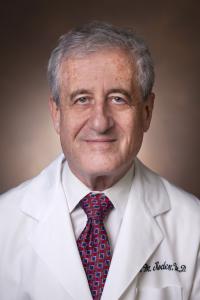 Dan Mark Rode合作论文数Division of Clinical Pharmacology, Department of Medicin, Vanderbilt University Medical Center53
 Charlotte Andersson合作论文数47
 Emil Loldrup Fosbøl合作论文数Department of Clinical Medicine, University of Copenhagen;Rigshospitalet45
 Fredrik Folke合作论文数Department of Clinical Medicine, Faculty of Health and Medical Sciences, University of Copenhagen35
 Joshua Denny合作论文数National Human Genome Research Institute, National Institutes of Health32
 Freddy Lippert合作论文数Department of Clinical Medicine, Faculty of Healths and Medical Sciences, University of Copenhagen;Falck27J. B. Olesen合作论文数25Christian M Shaffer合作论文数Department of Biomedical Informatics, Vanderbilt University Medical Center, Nashville, TN, USA.24
 Wissenberg Mads合作论文数Dept Cardiol, Gentofte Univ Hosp24
 Jacob Tfelt-Hansen合作论文数Department of Forensic Medicine, University of Copenhagen24Wells Quinn S合作论文数Vanderbilt University School of Medicine20
 Carolina Malta Hansen合作论文数Department of Clinical Medicine, University of Copenhagen;Herlev-Gentofte Hospital - Gentofte;Region Hovedstadens Akutberedskab - Emergency Medical Services19
 Ian Ford合作论文数Robertson Centre for Biostatistics, School of Health & Wellbeing, University of Glasgow18Olle Melander合作论文数18
 Henning Bundgaard合作论文数Department of Clinical Medicine, Faculty of Health and Medical Sciences, University of Copenhagen;Rigshospitalet17
 Johan Jukema合作论文数Department of Cardiology, Leiden University Medical Center17
 Daniel I. Chasman合作论文数Brigham and Women’s Hospital17Jonathan D. Mosley合作论文数Department of Pharmacology, Case Western Reserve University School of Medicine17C Torp-Pedersen合作论文数16
 Søren Lund Kristensen合作论文数Novo Nordisk16
 Christopher Newton-Cheh合作论文数15
 Colin Palmer合作论文数School of Medicine, University of Dundee15
 Jawad Haider Butt合作论文数Department of Neurology, Copenhagen University Hospital Herlev14
 Sara Van Driest合作论文数Department ofMolecular Pharmacology and Experimental Therapeutics, Mayo Clinic14
 Stella Trompet合作论文数Department of Cardiology, Leiden University Medical Centre;Department of Gerontology and Geriatrics, Leiden University Medical Centre14
 Jørgen K. Kanters合作论文数Department of Biomedical Sciences, University of Copenhagen;Herlev Hospital13Delgado Graciela合作论文数13
 Paul M. Ridker合作论文数Department of Epidemiology, Harvard T.H. Chan School of Public Health, Harvard University;Division of Preventive Medicine, Brigham and Women's Hospital13
 Jerome I Rotter合作论文数Institute for Translational Genomics and Population Sciences, The Lundquist Institute;Division of Genomic Outcomes, Departments of Pediatrics and Medicine, Harbor-UCLA Medical Center;David Geffen School of Medicine, University of California, Los Angeles13
 Naveed Sattar合作论文数School of Cardiovascular & Metabolic Health, University of Glasgow;Institute of Cardiovascular and Medical Sciences, University of Glasgow13
 Nilesh Samani合作论文数Department of Cardiovascular Sciences, University of Leicester13J. Gustav Smith合作论文数13Marcus E. Kleber合作论文数Heidelberg University13Steen Stender合作论文数12
 Andrew Morris合作论文数Institute of Population Health, Faculty of Health & Life Sciences, University of Liverpool12
 Patrick Ellinor合作论文数Cardiovascular Research Center, Massachusetts General Hospital;Harvard Medical School12
 Pim van der Harst合作论文数12
 Henrik Enghusen Poulsen合作论文数Department of Clinical Medicine, Health Science Faculty, University of Copenhagen12
 Winfried März合作论文数Institute of Public Health;Medical University of Graz;University of Heidelberg12Steven A. Lubitz合作论文数Division of Preventive Medicine, Brigham and Women's Hospital, Boston, Massachusetts12Dawood Darbar合作论文数12L. Koeber合作论文数11
 Svati Hasmukh Shah合作论文数Department of Medicine, Duke University School of Medicine11
 Guillaume Pare合作论文数Faculty of Health Sciences, McMaster University11
 Jason Karnes合作论文数Department of Pharmacy Practice and Science, College of Pharmacy, University of Arizona;Division of Pharmacogenomics, Center for Applied Genetics and Genomic Medicine;Sarver Heart Center, University of Arizona College of Medicine11
 Alexander Doney合作论文数School of Medicine, University of Dundee;Health Data Research UK11




