Background Clinically significant native aortic regurgitation (AR) increases with age. Surgical aortic valve replacement has been the only curative guideline-recommended therapy, while transcatheter options remain limited by anatomic constraints. Methods The J-Valve early feasibility study (NCT06034028) evaluated the safety and effectiveness of transfemoral J-Valve transcatheter heart valve implantation in patients with symptomatic, severe native AR. The prospective single-arm study enrolled 25 patients with symptomatic, severe, native AR deemed high risk for surgical aortic valve replacement at 8 centers. Clinical and echocardiographic assessments were performed at baseline, 30 days, 6 months, and 1 year with independent core laboratory and clinical events committee adjudication. The primary effectiveness end point was a non-hierarchical composite of all-cause mortality or disabling stroke at 30 days. Results Mean age was 80.6 ± 4.3 years; 76% were male; 100% were New York Heart Association (NYHA) class II/III; mean Society of Thoracic Surgeons-Predicted Risk of Mortality (STS-PROM) score was 5.6 ± 4.5%. Successful implantation occurred in 92% (23/25). The primary end point occurred in 2 patients (8.0%). All-cause mortality was 4.0% at 30 days and 1 year, with no cardiovascular-related deaths. Two strokes (1 disabling) (8.2%) and 2 new pacemaker implantations (10%) occurred within 30 days. At 1 year, none/trace AR was present in 95.5% (21/22) and mild AR in 4.5% (1/22), with a mean gradient of 5.5 ± 1.7 mm Hg, and an effective orifice area of 2.48 ± 0.53 cm2. Reverse left ventricular (LV) remodeling was evident at 30 days with sustained reductions in LV end-diastolic and end-systolic volume indices to 1 year. NYHA class improved in 72.7% (16/22) of patients, with 95.5% (21/22) in NYHA class I/II at 1 year. Conclusions This study demonstrates preliminary safety and effectiveness of the J-Valve in high-risk patients with severe AR, with favorable 1-year outcomes and stable hemodynamic performance.
Background The REDUCE LAP-HF II (Reduce Elevated Left Atrial Pressure in Patients With Heart Failure II) trial found that, compared with a sham procedure, the Corvia Atrial Shunt did not improve outcomes in heart failure with preserved or mildly reduced ejection fraction. However, after 12-month follow-up, “responders” (peak-exercise pulmonary vascular resistance <1.74 WU and absence of a cardiac rhythm management device) were identified. Objectives This study sought to determine: 1) the overall efficacy and safety of the atrial shunt vs sham control after 2 years of follow-up; and 2) whether the benefits of atrial shunting are sustained in responders during longer-term follow-up or are offset by adverse effects of the shunt. Methods The study analyzed 2-year outcomes in the overall REDUCE LAP-HF II trial, as well as in responder and nonresponder subgroups. The primary endpoint was a hierarchical composite of cardiovascular death or nonfatal ischemic/embolic stroke, total heart failure events, and change in health status. Results In 621 randomized patients, there was no difference between the shunt (n = 309) and sham (n = 312) groups in the primary endpoint (win ratio: 1.01 [95% CI: 0.82-1.24]) or its individual components at 2 years. Shunt patency at 24 months was 98% in shunt-treated patients. Cardiovascular mortality and nonfatal ischemic stroke were not different between the groups; however, major adverse cardiac events were more common in those patients assigned to the shunt compared with sham (6.9% vs 2.7%; P = 0.018). More patients randomized to the shunt had an increase in right ventricular volume of ≥30% compared with the sham control (39% vs 28%, respectively; P < 0.001), but right ventricular dysfunction was uncommon and not different between the treatment groups. In responders (n = 313), the shunt was superior to sham (win ratio: 1.36 [95% CI: 1.02-1.83]; P = 0.037, with 51% fewer HF events [incidence rate ratio: 0.49 [95% CI: 0.25-0.95]; P = 0.034]). In nonresponders (n = 265), atrial shunting was inferior to sham (win ratio: 0.73 [95% CI: 0.54-0.98]). Conclusions At 2 years of follow-up in REDUCE LAP-HF II, there was no difference in efficacy between the atrial shunt and sham groups in the overall trial group. The potential clinical benefit identified in the responder group after 1 and 2 years of follow-up is currently being evaluated in the RESPONDER-HF (Re-Evaluation of the Corvia Atrial Shunt Device in a Precision Medicine Trial to Determine Efficacy in Mildly Reduced or Preserved Ejection Fraction Heart Failure) trial. (Reduce Elevated Left Atrial Pressure in Patients With Heart Failure II [REDUCE LAP-HF II]; NCT03088033)
ImportanceGreater splanchnic nerve ablation may improve hemodynamics in patients with heart failure and preserved ejection fraction (HFpEF). ObjectiveTo explore the feasibility and safety of endovascular right-sided splanchnic nerve ablation for volume management (SAVM). Design, Setting, and ParticipantsThis was a phase 2, double-blind, 1:1, sham-controlled, multicenter, randomized clinical trial conducted at 14 centers in the US and 1 center in the Republic of Georgia. Patients with HFpEF, left ventricular ejection fraction of 40% or greater, and invasively measured peak exercise pulmonary capillary wedge pressure (PCWP) of 25 mm Hg or greater were included. Study data were analyzed from May 2023 to June 2024. InterventionSAVM vs sham control procedure. Main Outcomes and MeasuresThe primary efficacy end point was a reduction in legs-up and exercise PCWP at 1 month. The primary safety end point was serious device- or procedure-related adverse events at 1 month. Secondary efficacy end points included HF hospitalizations, changes in exercise function and health status through 12 months, and baseline to 1-month change in resting, legs-up, and 20-W exercise PCWP. ResultsA total of 90 patients (median [range] age, 71 [47-90] years; 58 female [64.4%]) were randomized at 15 centers (44 SAVM vs 46 sham). There were no differences in adverse events between groups. The primary efficacy end point did not differ between SAVM or sham (mean between-group difference in PCWP, -0.03 mm Hg; 95% CI, -2.5 to 2.5 mm Hg; P = .95). There were also no differences in the secondary efficacy end points. There was no difference in the primary safety end point between the treatment (6.8% [3 of 44]) and sham (2.2% [1 of 46]) groups (difference, 4.6%; 95% CI, -6.1% to 15.4%; P = .36). There was no difference in the incidence of orthostatic hypotension between the treatment (11.4% [5 of 44]) and sham (6.5% [3 of 46]) groups (difference, 4.9%; 95% CI, -9.2% to 18.8%; P = .48). Conclusions and RelevanceResults show that SAVM was safe and technically feasible, but it did not reduce exercise PCWP at 1 month or improve clinical outcomes at 12 months in a broad population of patients with HFpEF. Trial RegistrationClinicalTrials.gov Identifier: NCT04592445
OBJECTIVE:Splanchnic vasoconstriction augments transfer of blood volume from the abdomen into the thorax, which may increase filling pressures and hemodynamic congestion in patients with noncompliant hearts. Therapeutic interruption of splanchnic nerve activity holds promise to reduce hemodynamic congestion in patients with heart failure with preserved ejection fraction (HFpEF). Here we describe (1) the rationale and design of the first sham-controlled, randomized clinical trial of splanchnic nerve ablation for HFpEF and (2) the 12-month results of the lead-in (open-label) trial's participants. METHODS:REBALANCE-HF is a prospective, multicenter, randomized, double-blinded, sham-controlled clinical trial of endovascular, transcatheter, right-sided greater splanchnic nerve ablation for volume management (SAVM) in patients with HFpEF. The primary objectives are to evaluate the safety and efficacy of SAVM and identify responder characteristics to inform future studies. The trial consists of an open-label lead-in phase followed by the randomized, sham-controlled phase. The primary efficacy endpoint is the reduction in pulmonary capillary wedge pressure (PCWP) at 1-month follow-up compared to baseline during passive leg raise and 20W exercise. Secondary and exploratory endpoints include health status (Kansas City Cardiomyopathy Questionnaire), 6-minute walk test distance, New York Heart Association class, and NTproBNP levels at 3, 6 and 12 months. The primary safety endpoint is device- or procedure-related serious adverse events at the 1-month follow-up. RESULTS:The lead-in phase of the study, which enrolled 26 patients with HFpEF who underwent SAVM, demonstrated favorable safety outcomes and reduction in exercise PCWP at 1 month post-procedure and improvements in all secondary endpoints at 6 and 12 months of follow-up. The randomized phase of the trial (n = 44 SAVM; n = 46 sham) has completed enrollment, and follow-up is ongoing. CONCLUSION:REBALANCE-HF is the first sham-controlled randomized clinical trial of greater splanchnic nerve ablation in HFpEF. Initial 12-month open-label results are promising, and the results of the randomized portion of the trial will inform the design of a future pivotal clinical trial. SAVM may offer a promising therapeutic option for patients with HFpEF. TRIAL REGISTRATION:NCT04592445.
ImportanceGuidelines recommend deferral of testing for symptomatic people with suspected coronary artery disease (CAD) and low pretest probability. To our knowledge, no randomized trial has prospectively evaluated such a strategy.ObjectiveTo assess process of care and health outcomes in people identified as minimal risk for CAD when testing is deferred.Design, Setting, and ParticipantsThis randomized, pragmatic effectiveness trial included prespecified subgroup analysis of the PRECISE trial at 65 North American and European sites. Participants identified as minimal risk by the validated PROMISE minimal risk score (PMRS) were included.InterventionRandomization to a precision strategy using the PMRS to assign those with minimal risk to deferred testing and others to coronary computed tomography angiography with selective computed tomography-derived fractional flow reserve, or to usual testing (stress testing or catheterization with PMRS masked). Randomization was stratified by PMRS risk.Main OutcomeComposite of all-cause death, nonfatal myocardial infarction (MI), or catheterization without obstructive CAD through 12 months.ResultsAmong 2103 participants, 422 were identified as minimal risk (20%) and randomized to deferred testing (n = 214) or usual testing (n = 208). Mean age (SD) was 46 (8.6) years; 304 were women (72%). During follow-up, 138 of those randomized to deferred testing never had testing (64%), whereas 76 had a downstream test (36%) (at median [IQR] 48 [15-78] days) for worsening (30%), uncontrolled (10%), or new symptoms (6%), or changing clinician preference (19%) or participant preference (10%). Results were normal for 96% of these tests. The primary end point occurred in 2 deferred testing (0.9%) and 13 usual testing participants (6.3%) (hazard ratio, 0.15; 95% CI, 0.03-0.66; P = .01). No death or MI was observed in the deferred testing participants, while 1 noncardiovascular death and 1 MI occurred in the usual testing group. Two participants (0.9%) had catheterizations without obstructive CAD in the deferred testing group and 12 (5.8%) with usual testing (P = .02). At baseline, 70% of participants had frequent angina and there was similar reduction of frequent angina to less than 20% at 12 months in both groups.Conclusion and RelevanceIn symptomatic participants with suspected CAD, identification of minimal risk by the PMRS guided a strategy of initially deferred testing. The strategy was safe with no observed adverse outcome events, fewer catheterizations without obstructive CAD, and similar symptom relief compared with usual testing.Trial RegistrationClinicalTrials.gov Identifier: NCT03702244
Multisite procedure-based randomized trials may be confounded by performance variability and variability among sites. Therefore, we studied variability in mortality and stroke after patients were randomized to surgical (SAVR) or transcatheter aortic valve replacement (TAVR) in the Placement of Aortic Transcatheter Valves-2A (PARTNER-2A) randomized trial.Patients at intermediate risk for SAVR were randomized to SAVR (n = 1017) or TAVR (n = 1011) with a SAPIEN XT device (Edwards Lifesciences, Irvine, Calif) at 54 sites. Patients were followed to 2 years. A mixed-effect model quantified variability at intersite and intrasite levels.There were 336 deaths (SAVR 170, TAVR 166) and 176 strokes (SAVR 85, TAVR 91). Intersite variability for mortality was similar across sites for SAVR (hazard ratios ranging from 0.52-1.93 among sites) and TAVR (hazard ratios ranging from 0.49-2.03), but intersite variability for stroke was greater for SAVR (hazard ratios ranging from 0.44-2.26) than for TAVR (no detectable variability). Case mix and lower site trial volume accounted for 37% of mortality intersite variability for SAVR and 73% for TAVR, but only 14% for stroke for SAVR. Intrasite mortality hazard ratios demonstrated all but 1 site's 95% confidence interval overlapped 1.0, indicating generally similar SAVR and TAVR mortalities within sites.Intersite variability was similar for mortality in SAVR and TAVR, but variability for stroke was greater for SAVR than for TAVR. Intrasite events were similar for both SAVR and TAVR. These findings suggest that in performance-based trials, site variability and its sources should be taken into account in analyzing and interpreting trial results.
BACKGROUND Most approaches to the creation of an interatrial shunt require placement of a permanent implant to maintain patency. OBJECTIVES The goal of this study was to investigate the safety and efficacy of a no-implant interatrial shunt for patients with heart failure with preserved ejection fraction (HFpEF) and heart failure with mildly reduced ejection fraction (HFmrEF). METHODS This was a multicenter, uncontrolled study of patients with HFpEF/HFmrEF and NYHA functional class $II, ejection fraction >40%, and pulmonary capillary wedge pressure (PCWP) during supine exercise >= 25 mm Hg with PCWP-to-right atrial gradient >= 5 mm Hg. Follow-up was through 6 months with imaging to assess shunt durability. RESULTS A total of 28 patients were enrolled: mean age was 68 +/- 9 years, and 68% were female. Baseline resting and peak exercise PCWP were 19 +/- 7 mm Hg and 40 +/- 11 mm Hg, respectively. All procedures displayed technical success with confirmation of left-to-right flow (shunt diameter 7.1 +/- 0.9 mm). At 1 month, peak exercise PCWP decreased 5.4 +/- 9.6 mm Hg (P 1/4 0.011) with no change in right atrial pressure. There were no serious device or procedure-related adverse events through 6 months. Mean 6-minute walk distance increased 101 +/- 71 meters (P < 0.001); Kansas City Cardiomyopathy Questionnaire Overall Summary Score increased 26 +/- 19 points (P < 0.001); N-terminal pro-B-type natriuretic peptide decreased 372 +/- 857 pg/mL (P 1/4 0.018); and shunt patency was confirmed with unchanged diameter. CONCLUSIONS In these feasibility studies of a no-implant interatrial shunt, HFpEF/HFmrEF shunts exhibited stability with favorable safety and early efficacy signals. The results show promise toward this new approach for treating patients with HFpEF/HFmrEF and an appropriate hemodynamic profile. (Evaluation of the Safety and Feasibility of a Percutaneously Created Interatrial Shunt to Alleviate Heart Failure Symptoms in Patients With Chronic Heart Failure and Preserved or Mid-Range Left Ventricular Ejection Fraction [ALLEVIATE-HF-1]; NCT04583527; Evaluation of the Safety and Effectiveness of a Percutaneously Created Interatrial Shunt to Alleviate Heart Failure Symptoms in Patients With Chronic Heart Failure and Preserved or Mid-Range Left Ventricular Ejection Fraction [ALLEVIATE-HF-2]; NCT04838353) (J Am Coll Cardiol HF 2023;11:1121-1130) (c) 2023 by the American College of Cardiology Foundation.
Introduction Chronic heart failure (HFpEF and HFrEF) remains an important area of unmet need despite current best medical therapies available. Implantable interatrial shunt devices may improve quality of life and functional capacity with favorable safety signals but require permanent implantation to maintain patency. We report the 6-month clinical outcomes of a no-implant approach to interatrial shunting across three studies: ALLEVIATE-HF-1 and ALLEVIATE-HF-2 for HFpEF, and a dedicated HFrEF study. Methods Patients aged ≥ 40 years, NYHA class II, III or ambulatory IV and elevated left atrial pressure (PCWP) during supine ergometry were included in the studies. Baseline assessments included echocardiography, exercise right heart catheterization, KCCQ and 6MWT. Femoral venous access and standard transseptal catheterization techniques were employed. The device was utilized to excise a segment of the interatrial septum using a pulse of radiofrequency energy to create a shunt under fluoroscopic and echocardiographic guidance. Results A total of 28 HFpEF and 5 HFrEF patients were enrolled. Mean left ventricular ejection fraction was 61 ± 8% and 30 ± 8% in HFpEF and HFrEF patients, respectively. Procedures were successful with no device or procedure-related adverse events. Six-month outcomes are reported in the table. Transthoracic echocardiography and computer tomography confirmed all shunts remained patency (n=30). There were no significant changes in right-sided structure or function. No device or procedure-related serious adverse events occurred upon discharge and through 6 months. Conclusions This early feasibility clinical experience demonstrates procedural safety and feasibility of the Alleviant no-implant interatrial shunt creation with a promising efficacy signal through 6 months in patients with HFpEF and HFrEF. Enrollment for the randomized sham-controlled pivotal study (ALLAY-HF, FDA IDE approved) is currently underway.
BACKGROUND Many patients with heart failure and preserved ejection fraction have no overt volume overload and normal resting left atrial (LA) pressure. OBJECTIVES This study sought to characterize patients with normal resting LA pressure (pulmonary capillary wedge pressure [PCWP] <15 mm Hg) but exercise-induced left atrial hypertension (EILAH). METHODS The REDUCE LAP-HF II (A Study to Evaluate the Corvia Medical, Inc. IASD System II to Reduce Elevated Left Atrial Pressure in Patients With Heart Failure) trial randomized 626 patients with ejection fraction >= 40% and exercise PCWP >= 25 mm Hg to atrial shunt or sham procedure. The primary trial outcome, a hierarchical composite of death, heart failure hospitalization, intensification of diuretics, and change in health status was compared between patients with EILAH and those with heart failure and resting left atrial hypertension (RELAH). RESULTS Patients with EILAH (29%) had similar symptom severity, but lower natriuretic peptide levels, higher 6-minute walk distance, less atrial fibrillation, lower left ventricular mass, smaller LA volumes, lower E/e', and better LA strain. PCWP was lower at rest, but had a larger increase with exercise in EILAH. Neither group as a whole had a significant effect from shunt therapy vs sham. Patients with EILAH were more likely to have characteristics associated with atrial shunt responsiveness (peak exercise pulmonary vascular resistance <1.74 WU) and no pacemaker (63% vs 46%; P < 0.001). The win ratio for the primary outcome was 1.56 (P = 0.08) in patients with EILAH and 1.51 (P = 0.04) in those with RELAH when responder characteristics were present. CONCLUSIONS Patients with EILAH had similar symptom severity but less advanced myocardial and pulmonary vascular disease. This important subgroup may be difficult to diagnose without invasive exercise hemodynamics, but it has characteristics associated with favorable response to atrial shunt therapy. (c) 2023 by the American College of Cardiology Foundation.
Heart failure with preserved ejection fraction (HFpEF) represents a major unmet clinical need with limited treatment options. Implantable interatrial shunt devices have shown favorable safety and efficacy signals; however, they require permanent implantation to maintain shunt patency.
Background Placement of an interatrial shunt device reduces pulmonary capillary wedge pressure during exercise in patients with heart failure and preserved or mildly reduced ejection fraction. We aimed to investigate whether an interatrial shunt can reduce heart failure events or improve health status in these patients. Methods In this randomised, international, blinded, sham-controlled trial performed at 89 health-care centres, we included patients (aged >= 40 years) with symptomatic heart failure, an ejection fraction of at least 40%, and pulmonary capillary wedge pressure during exercise of at least 25 mm Hg while exceeding right atrial pressure by at least 5 mm Hg. Patients were randomly assigned (1:1) to receive either a shunt device or sham procedure. Patients and outcome assessors were masked to randomisation. The primary endpoint was a hierarchical composite of cardiovascular death or non-fatal ischemic stroke at 12 months, rate of total heart failure events up to 24 months, and change in Kansas City Cardiomyopathy Questionnaire overall summary score at 12 months. Pre-specified subgroup analyses were conducted for the heart failure event endpoint. Analysis of the primary endpoint, all other efficacy endpoints, and safety endpoints was conducted in the modified intention-to-treat population, defined as all patients randomly allocated to receive treatment, excluding those found to be ineligible after randomisation and therefore not treated. This study is registered with ClinicalTrials.gov, NCT03088033. Findings Between May 25, 2017, and July 24, 2020, 1072 participants were enrolled, of whom 626 were randomly assigned to either the atrial shunt device (n=314) or sham procedure (n=312). There were no differences between groups in the primary composite endpoint (win ratio 1.0 [95% CI 0.8-1.2]; p=0.85) or in the individual components of the primary endpoint. The prespecified subgroups demonstrating a differential effect of atrial shunt device treatment on heart failure events were pulmonary artery systolic pressure at 20W of exercise (p(interaction)=0.002 [>70 mm Hg associated with worse outcomes]), right atrial volume index (p(interaction)=0.012 [>= 29.7 mL/m(2), worse outcomes]), and sex (p(interaction=)0.02 [men, worse outcomes]). There were no differences in the composite safety endpoint between the two groups (n=116 [38%] for shunt device vs n=97 [31%] for sham procedure; p=0.11). Interpretation Placement of an atrial shunt device did not reduce the total rate of heart failure events or improve health status in the overall population of patients with heart failure and ejection fraction of greater than or equal to 40%. Copyright (C) 2022 Elsevier Ltd. All rights reserved.
Background: Heart failure with preserved ejection fraction represents a major unmet clinical need with limited treatment options. Recent device therapies under investigation have focused on decompression of the left atrium through an implantable interatrial shunt. Although these devices have shown favorable safety and efficacy signals, an implant is required to maintain shunt patency, which may increase the patient risk profile and complicate subsequent interventions requiring transseptal access. Methods: The Alleviant System is a no-implant approach to creating an interatrial shunt using radiofrequency energy to securely capture, excise, and extract a precise disk of tissue from the interatrial septum. Acute pre -clinical studies in healthy swine (n = 5) demonstrated the feasibility of the Alleviant System to repeatably create a 7 mm interatrial orifice with minimal collateral thermal effect and minimal platelet and fibrin deposition observed histologically. Results: Chronic animal studies (n = 9) were carried out to 30-and 60-day time points and exhibited sustained shunt patency with histology demonstrating completely healed margins, endothelialization, and no trauma to adjacent atrial tissue. Preliminary clinical safety and feasibility were validated in a first-in-human study in pa-tients with heart failure with preserved ejection fraction (n = 15). All patients demonstrated shunt patency by transesophageal echocardiographic imaging at 1, 3, and 6 months, as well as cardiac computed tomography imaging at 6-month follow-up timepoints. Conclusions: Combined, these data support the safety and feasibility of a novel no-implant approach to creating an interatrial shunt using the Alleviant System. Continued follow-up and subsequent clinical studies are currently ongoing.
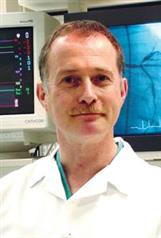 Ted E. Feldman合作论文数Cardiac Catheterization Laboratory, NorthShore University HealthSystem, Evanston Hospital;Northwestern University Medical School21
 Saibal Kar合作论文数17
 Howard C. Herrmann合作论文数Perelman School of Medicine, University of Pennsylvania;Interventional Cardiology, Cardiovascular Division, Hospital of the University of Pennsylvania;Medtronic;Johnson & Johnson MedTech;Various Medical Device Companies16Rinaldi Michael J合作论文数15James Hermiller合作论文数15
 David Scott Lim合作论文数15David E. Allie合作论文数14
 Donald D. Glower合作论文数Department of Surgery, School of Medicine, Duke University13Richard W. Smalling合作论文数13
 Elyse Foster合作论文数UCSF Adult Echocardiography Laboratory10
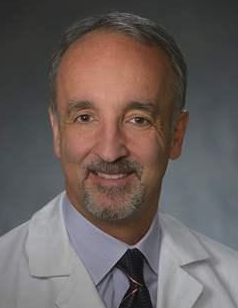 William A. Gray合作论文数Thomas Jefferson University;Lankenau Institute for Medical Research, Main Line Health;Division of Cardiovascular Diseases, Main Line Health;Lankenau Heart Institute, Main Line Health10
 V Antoine Keller合作论文数Cardiovascular Institute of the South10
 Tamaz Shaburishvili合作论文数9
 Elyse Foster合作论文数School of Medicine, University of California, San Francisco9
 Jason H. Rogers合作论文数Department of Internal Medicine, University of California, Davis;School of Medicine, University of California, Davis;Betty Irene Moore School of Nursing, University of California, Davis9
 Laura Mauri合作论文数Medtronic8Christopher U. Meduri合作论文数8Craig M. Walker合作论文数7Elena V Mitran合作论文数7Charles H Wyatt合作论文数7Mitchell D Lirtzman合作论文数7
 Kari Feldt合作论文数7
 Andrew Wang合作论文数Department of Medicine, School of Medicine, Duke University School of Medicine7
 Robert Gooley合作论文数Monash Health;St John of God Berwick Hospital;Jessie McPherson Private Hospital7Brian K. Whisenant合作论文数7Colin M. Barker合作论文数7Darrell Solet合作论文数6Siegel Robert J合作论文数6Kriegel Jacob合作论文数6Patrick L. Whitlow合作论文数6Sheldon E. Litwin合作论文数6David M. Kaye合作论文数6
 Neil J Weissman合作论文数MedStar Health Research Institute;School of Medicine, Georgetown University6
 Gerard T. Wilkins合作论文数Dunedin Public Hospital;Dunedin School of Medicine;University of Otego;Dunedin School of Medicine, University of Otego6Michael W. McElderry合作论文数5Chris J Hebert合作论文数5
 Joe Massaro合作论文数School of Public Health, Boston University;Harvard Clinical Research Institute5
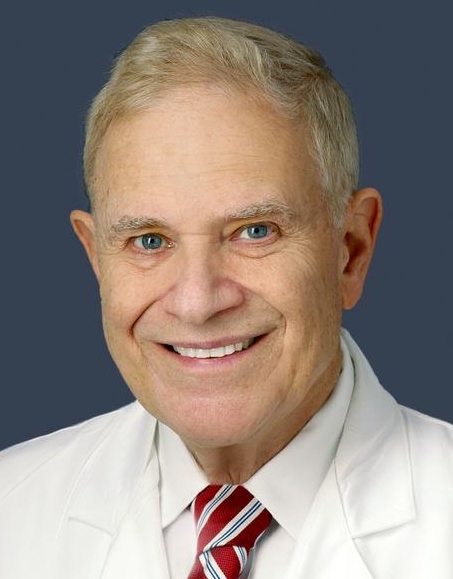 Ron Waksman合作论文数Division of Cardiology, MedStar Heart Institute;Georgetown University5Alfredo Trento合作论文数Cardiothoracic Surgery;Cedars-Sinai Medical Center;Cardiothoracic Surgery, Cedars-Sinai Medical Center5
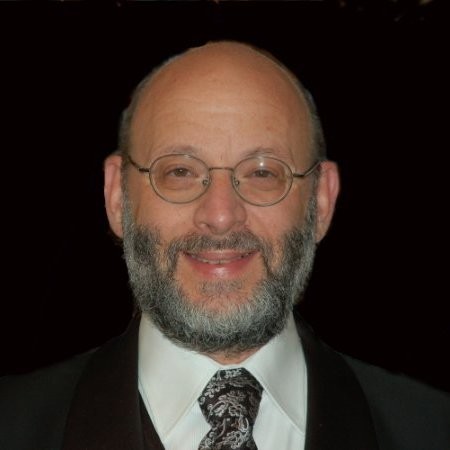 Daniel Burkhoff合作论文数PVLoops5
 Scott L. Hummel合作论文数Division of Cardiology, Columbia University5Gary Chaisson合作论文数5Michael J. Reardon合作论文数5Adam A. Allie合作论文数4Mohamed H. Khan合作论文数4Krishnamoorthy Vivekananthan合作论文数4Andrew Berke合作论文数4Mark Ricciardi合作论文数4




