Radiogenic helium (⁴He) has long been recognised as a potential indicator of groundwater residence time, but its quantitative application has remained largely site-dependent because helium concentrations integrate production, crustal fluxes, transport and mixing processes. In contrast, krypton-81 (⁸¹Kr) provides a conservative chronometer for old groundwater, yet paired ⁴He-⁸¹Kr datasets have remained extremely scarce. Here we compile a uniquely expanded global dataset of groundwater samples with paired dissolved radiogenic ⁴He concentrations and independently determined ⁸¹Kr residence times across diverse aquifer systems. Dissolved ⁴He increases monotonically with groundwater age over nearly three orders of magnitude and follows a simple empirical scaling for waters older than ~ 50 kyr that is robust to the exclusion of individual basins. More than 80% of helium-derived ages agree with corresponding ⁸¹Kr residence times within a factor of three under conservative cross-basin validation. These results demonstrate that radiogenic helium, when anchored to an absolute chronometer, can serve as a transferable first-order proxy for groundwater residence time, providing a practical basis for global groundwater age screening and targeted application of high-precision dating methods.
We describe a new instrument, the Argonne Auger-Meitner Radioisotope Microscope (ARM), capable of characterizing the Auger-Meitner electron emission of radionuclides, including candidates relevant in nuclear medicine. Our approach relies on event-by-event coincidence ion, electron time-of-flight and spatial readout measurement to determine correlated electron multiplicity and energy distributions of Auger-Meitner decays. We present a proof-of-principle measurement with the ARM using X-ray photoionization of stable krypton beyond the K-edge and identify a bifurcation in the electron multiplicity distribution depending on the emission of K-LX electrons. Extension of the ARM to the characterization of radioactive sources of Auger-Meitner electron emissions is enabled by the combination of two recent developments: (1) cryogenic buffer gas beam technology, which enables well-defined initial conditions, gas-phase, high activity introduction of Auger-Meitner emitters into the detection region, and (2) large-area micro-channel plate detectors with multi-hit detection capabilities, which enables the simultaneous detection of many electrons emitted in a single decay. The ARM will generate new experimental data on Auger-Meitner multiplicities that can be used to benchmark atomic relaxation and decay models. As the multiplicities are binned by energy, this data will provide insight into the low-energy regime of Auger-Meitner electrons where intensity calculations are most challenging and experimental data is limited. In particular, accurate multiplicity data of the low-energy regime can be used to inform oncological dosimetry models, where electron energies less than 500 eV are known to be effective in damaging DNA and cell membranes.
The PROSPECT-I detector has several features that enable measurement of the direction of a compact neutrino source. In this paper, a detailed report on the directional measurements made on electron antineutrinos emitted from the High Flux Isotope Reactor is presented. With an estimated true neutrino (reactor to detector) direction of % = 40.8 degrees + 0.7 degrees and theta = 98.6 degrees + 0.4 degrees, the PROSPECT-I detector is able to reconstruct an average neutrino direction of % = 39.4 degrees + 2.9 degrees and theta = 97.6 degrees + 1.6 degrees. This measurement is made with approximately 48 000 inverse beta decay signal events and is the most precise directional reconstruction of reactor antineutrinos to date.
Great technical advances have been achieved since the first atom-trap trace analysis (ATTA) -based radiokrypton application in Egypt, where 1 Myr old groundwater was discovered. Beyond advances in ATTA measurement capabilities, including reduction in sample size, analysis duration, and analytical uncertainty, major progress has been achieved over the past two decades in the sample collection and preparation techniques. These advances paved the expansion of ATTA-based noble gas applications to many other aquifers worldwide, illuminating the nature and flow pattern of deep groundwater systems. While the potential of this new analytical technique for old groundwater dating is well recognized, another important aspect yet to be examined is the reproducibility of radiokrypton in aquifers over time, i.e., how representative is a discrete groundwater sample, collected at a specific time and location, for the natural groundwater system? The likelihood of a negative answer is increased by flow-field disturbance in aquifers following massive groundwater abstraction. Here, we present repeated 81Kr sampling and measurements in twenty-one sites over Israel, mostly of deep (up to 1 km) wells tapping confined aquifers in the arid to hyperarid Negev desert. The results demonstrate that radiokrypton measurements are indeed reproducible, even in cases where samples were collected as long as nine years apart and from highly productive (∼1 Mm3/yr order) pumping wells. Furthermore, many of the repeated measurements in this study (17 out of the 21 sites) were conducted with different ATTA Instruments in two different laboratories using slightly different sampling, preparation, and analysis techniques, yet with an overall good agreement. The consistency in the ATTA-based 81Kr-dating results over time highlights the robustness of this state-of-the-art technique as a tool to unravel groundwater flow patterns and encourages further applications to many other yet-to-be-explored deep aquifers.
The PROSPECT experiment is designed to perform precise searches for antineutrino disappearance at short distances (7-9 m) from compact nuclear reactor cores. This Letter reports results from a new neutrino oscillation analysis performed using the complete data sample from the PROSPECT-I detector operated at the High Flux Isotope Reactor in 2018. The analysis uses a multiperiod selection of inverse beta decay neutrino interactions with reduced backgrounds and enhanced statistical power to set limits on electron neutrino disappearance caused by mixing with sterile neutrinos with 0.2-20 eV^{2} mass splittings. Inverse beta decay positron energy spectra from six different reactor-detector distance ranges are found to be statistically consistent with one another, as would be expected in the absence of sterile neutrino oscillations. The data excludes at 95% confidence level the existence of sterile neutrinos in regions above 3 eV^{2} previously unexplored by terrestrial experiments, including all space below 10 eV^{2} suggested by the recently strengthened Gallium Anomaly. The best-fit point of the Neutrino-4 reactor experiment's claimed observation of short-baseline oscillation is ruled out at more than 5 standard deviations.
We report the first detection of coherent elastic neutrino-nucleus scattering (CEvNS) on germanium, measured at the Spallation Neutron Source at Oak Ridge National Laboratory. The Ge-Mini detector of the COHERENT collaboration employs large-mass, low-noise, high-purity germanium spectrometers, enabling excellent energy resolution, and an analysis threshold of 1.5 keV electron-equivalent ionization energy. We observe a on-beam excess of 20.6$_{+7.1}^{-6.3}$ counts with a total exposure of 10.22 GWhkg and we reject the no-CEvNS hypothesis with 3.9 sigma significance. The result agrees with the predicted standard model of particle physics signal rate within 2 sigma.
A precision measurement of the beta + decay of 8 B was performed using the Beta -decay Paul Trap to determine the beta -nu angular correlation coefficient a beta nu . The experimental results were combined with new ab initio symmetry -adapted no -core shell -model calculations to yield the second -most precise measurement from Gamow-Teller decays, a beta nu = -0.3345 +/- 0.00 19 stat +/- 0.00 21 syst . This value agrees with the standard model value of -1 / 3 and improves uncertainties in 8 B by nearly a factor of 2. By combining results from 8 B and 8 Li, a tight limit on tensor current coupling to right-handed neutrinos was obtained. A recent global evaluation of all other precision beta decay studies suggested a nonzero value for right-handed neutrino coupling in contradiction with the standard model at just above 3 sigma. The present results are of comparable sensitivity and do not support this finding.
The Beta-decay Paul Trap is an open-geometry, linear trap used to measure the decays of 8Li and 8B to search for a tensor contribution to the weak interaction. In the latest 8Li measurement of Burkey et al. (2022), β scattering was the dominant experimental systematic uncertainty. The Beta-decay Paul Trap Mk IV reduces the prevalence of β scattering by a factor of 4 through a redesigned electrode geometry and the use of glassy carbon and graphite as electrode materials. The trap has been constructed and successfully commissioned with 8Li in a new data campaign that collected 2.6 million triple coincidence events, an increase in statistics by 30% with 4 times less β scattering compared to the previous 8Li data set.
We demonstrate excitation of metastable krypton and xenon beams using a vacuum ultraviolet lamp and directly compare the performance of this method to metastable excitation based on a radiofrequency-driven plasma discharge. In our apparatus, lamp-based metastable excitation outperforms the plasma discharge across a wide range of beam flux values relevant for Atom Trap Trace Analysis (ATTA). Moreover, we do not observe significant degradation in lamp performance after over 160 hours of operation. We find that lamp-based excitation is particularly advantageous at the smallest and largest beam fluxes tested, demonstrating the utility of this approach both for improving krypton ATTA and for enabling the detection of radioactive xenon isotopes using ATTA. Finally, we demonstrate an additional enhancement to lamp-based metastable excitation efficiency and stability by applying an external magnetic field.
Cyclotron radiation emission spectroscopy (CRES) is a modern technique for high-precision energy spectroscopy, in which the energy of a charged particle in a magnetic field is measured via the frequency of the emitted cyclotron radiation. The He6-CRES collaboration aims to use CRES to probe beyond the standard model physics at the TeV scale by performing high-resolution and low-background beta-decay spectroscopy of ^6He and ^19Ne. Having demonstrated the first observation of individual, high-energy (0.1 – 2.5 MeV) positrons and electrons via their cyclotron radiation, the experiment provides a novel window into the radiation of relativistic charged particles in a waveguide via the time-derivative (slope) of the cyclotron radiation frequency, df_c/dt. We show that analytic predictions for the total cyclotron radiation power emitted by a charged particle in circular and rectangular waveguides are approximately consistent with the Larmor formula, each scaling with the Lorentz factor of the underlying e^± as γ^4. This hypothesis is corroborated with experimental CRES slope data.
Recently, the n^3He collaboration reported a measurement of the parity-violating (PV) proton directional asymmetry A_PV = (1.55± 0.97 (st at)± 0.24 (sys))× 10^-8 in the capture reaction of ^3He(n⃗,p)^3H at meV incident neutron energies. The result increased the limited inventory of precisely measured and calculable PV observables in few-body systems required to further understand the structure of hadronic weak interaction. In this letter, we report the experimental and theoretical investigation of a parity conserving (PC) asymmetry A_PC in the same reaction (the first ever measured PC observable at meV neutron energies). As a result of S- and P-wave mixing in the reaction, the A_PC is inversely proportional to the neutron wavelength λ. The experimental value is (λ× A_PC)≡β= (-1.97 ± 0.28 (stat)± 0.12 (sys)) × 10^-6 Amstrongs. We present results for a theoretical analysis of this reaction by solving the four-body scattering problem within the hyperspherical harmonic method. We find that in the ^3He(n⃗,p)^3H reaction, A_PC depends critically on the energy and width of the close 0^- resonant state of ^4He, resulting in a large sensitivity to the spin-orbit components of the nucleon-nucleon force and even to the three-nucleon force. The analysis of the accurately measured A_PC and A_PV using the same few-body theoretical models gives essential information needed to interpret the PV asymmetry in the ^3He(n⃗, p)^3H reaction.
Many efforts have been made to illuminate the nature of past hydroclimates in semi-arid and arid regions, where current and future shifts in water availability have enormous consequences on human subsistence. Deep desert aquifers, where groundwater is stored for prolonged periods, might serve as a direct record of major paleo-recharge events. To date, groundwater-based paleoclimate reconstructions have mainly focused on a relatively narrow timescale (up to ∼40 kyr), limited by the relatively short half-life of the widely used radiocarbon (5.73 kyr). Here we demonstrate the usage of deep regional aquifers in the arid southeastern Mediterranean as a hydroclimate archive for earlier Mid-to-Late Pleistocene epochs. State-of-the-art dating tools, primarily the 81Kr radioisotope (t1/2 = 229 kyr), were combined with other atmosphere-derived tracers to illuminate the impact of four distinguishable wetter episodes over the past 400 kyr, with differences in climatic conditions and paleo-recharge locations. Variations in stable water isotope composition suggest moisture transport from more proximal (Mediterranean) and distal (Atlantic) sources to different parts of the region at distinct times. Large variability in the computed noble gas-based recharge temperature (NGT), ranging ~15-30 °C, cannot be explained by climate variations solely, and points to different recharge pathways, including geothermal heating in the deep unsaturated zone and recharge from high-elevation (colder) regions. The obtained groundwater record complements and enhances the interpretation of other terrestrial archives in the arid region, including a contribution of valuable information regarding the moisture source origin as reflected in the deuterium-excess values, which is unattainable from the common practice analysis of calcitic cave deposits. We conclude that similar applications in other deep (hundred-m-order) regional groundwater systems (e.g., the Sahara desert aquifers) can significantly advance our understanding of long-term (up to 1 Myr) paleo-hydroclimate in arid regions, including places where no terrestrial remnants, such as cave, lake, and spring sediments, are available.
Study region: A paleo-megafan system of the Cubango River in the northern parts of the semi-arid Cuvelai-Etosha Basin, shared by Angola and Namibia. It hosts a deep freshwater aquifer, the so-called Kalahari-Ohangwena 2 (KOH-2), with the potential to resolve the imminent regional water supply shortages. Study focus: Hydrogeochemical and multi-environmental tracer studies incorporating the use of age tracers 14C, 36Cl, 81Kr and 4He to determine the age of groundwater and provide insights into the flow dynamics of the KOH-2. New hydrological insights for the region: Stable water isotopes and noble gas thermometry show that in a period with higher rainfall and recharge, temperatures were at least 3 – 4 °C lower than today. Several arguments led to the conclusion that younger groundwater, possibly of an age of 35,000 years, is mixed with ancient saline pore water. These include: 1) the correlation of measured 36Cl and 81Kr ratios, as well as 4He concentrations, using a binary mixing model, and 2) the substantial variation in 81Kr ages, ranging from 40,000 to 170,000 years, over relatively short distances—a phenomenon challenging to explain by advective groundwater flow equations. Consequently, the ages derived from 81Kr measurements serve as indicators of the extent of freshening and therefore describe mixing ages rather than absolute travel times.
The magnetic dipole and the spectroscopic quadrupole moments of the nuclear ground states in the odd-mass nickel isotopes 59−67Ni have been determined using collinear laser spectroscopy at the CERN-ISOLDE facility. They are compared to ab initio valence-space in-medium similarity renormalization group (VS-IMSRG) calculations including contributions of two-body currents as well as to shell-model calculations. The two-body-current contributions significantly improve the agreement with experimental data, reducing the mean-square deviation from the experimental moments by a factor of 3 to 5, depending on the employed interaction. For all interactions, the largest contributions are obtained for the 52− (72−) isotopes 65Ni (55Ni), which is ascribed to the high angular momentum of the f orbitals. Our results demonstrate that the inclusion of two-body-current contributions to the magnetic moment in an isotopic chain of complex nuclei can be handled by the VS-IMSRG and can outperform phenomenological shell-model calculations using effective g-factors in the nickel region.
We consider the potential for a 10-kg undoped cryogenic CsI detector operating at the Spallation Neutron Source to measure coherent elastic neutrino-nucleus scattering and its sensitivity to discover new physics beyond the standard model. Through a combination of increased event rate, lower threshold, and good timing resolution, such a detector would significantly improve on past measurements. We considered tests of several beyond-the-standard-model scenarios such as neutrino non-standard interactions and accelerator-produced dark matter. This detector's performance was also studied for relevant questions in nuclear physics and neutrino astronomy, namely the weak charge distribution of CsI nuclei and detection of neutrinos from a core-collapse supernova.
Recently, the n 3 He Collaboration reported a measurement of the parity-violating (PV) proton directional asymmetry A PV = [1.55 +/- 0.97 (stat) +/- 0.24 (sys)] x 10-8 in the capture reaction of 3 He( n , p ) 3 H at meV incident neutron energies. The result increased the limited inventory of precisely measured and calculable PV observables in few-body systems required to further understand the structure of hadronic weak interaction. In this Letter, we report the experimental and theoretical investigation of a parity conserving (PC) asymmetry A PC in the same reaction (the first ever measured PC observable at meV neutron energies). As a result of S- and P-wave mixing in the reaction, the A PC is inversely proportional to the neutron wavelength lambda . The experimental value is ( lambda x A PC ) equivalent to beta = [-1.97 +/- 0.28 (stat) +/- 0.12 (sys)] x 10-6 angstrom. We present results for a theoretical analysis of this reaction by solving the four-body scattering problem within the hyperspherical harmonic method. We find that in the 3 He( n , p ) 3 H reaction, A PC depends critically on the energy and width of the close 0- resonant state of 4 He, resulting in a large sensitivity to the spin-orbit components of the nucleon-nucleon force and even to the three-nucleon force. The analysis of the accurately measured A PC and A PV using the same few-body theoretical models gives essential information needed to interpret the PV asymmetry in the 3 He( n , p ) 3 H reaction.
The COHERENT Collaboration searched for scalar dark matter particles produced at the Spallation Neutron Source with masses between 1 and 220 MeV/c^{2} using a CsI[Na] scintillation detector sensitive to nuclear recoils above 9 keV_{nr}. No evidence for dark matter is found and we thus place limits on allowed parameter space. With this low-threshold detector, we are sensitive to coherent elastic scattering between dark matter and nuclei. The cross section for this process is orders of magnitude higher than for other processes historically used for accelerator-based direct-detection searches so that our small, 14.6 kg detector significantly improves on past constraints. At peak sensitivity, we reject the flux consistent with the cosmologically observed dark-matter concentration for all coupling constants α_{D}<0.64, assuming a scalar dark-matter particle. We also calculate the sensitivity of future COHERENT detectors to dark-matter signals which will ambitiously test multiple dark-matter spin scenarios.
Atom Trap Trace Analysis (ATTA) is a highly selective and sensitive atom counting technique based on laser cooling and trapping.It has now been established as a routine tool in the geosciences for radiokrypton dating of ancient groundwater and glacial ice samples on timescales of a few ten thousand to a couple million years.The isotope of interest is the cosmogenic krypton-81 with its half-life of 230,000 years and its isotopic abundance at the parts-per-trillion level in the atmosphere.ATTA has the unique advantage of being able to detect this rare isotope completely free of background from any other isotopes, isobars, or molecular interferences.Here, we will highlight recent advances of the ATTA technique that are aimed towards improving the precision of measured isotope ratios and towards enhancing the sample throughput of an ATTA instrument.The first will particularly help address to resolve apparent age differences at the younger end of the effective dating range, e.g., for samples originating from around the period of the last glacial maximum.These advances will be put in context with precise measurements of the absolute krypton-81 abundance in the atmosphere and the recent realization that underground production of krypton-81 can be significant under certain conditions and needs to be carefully considered.Finally, current sample requirements and specifications for radiokrypton analysis at Argonne's Trace Radioisotope Analysis Center will be discussed.
Using an 185-kg NaI[Tl] array, COHERENT has measured the inclusive electron-neutrino charged-current cross section on ^{127}I with pion decay-at-rest neutrinos produced by the Spallation Neutron Source at Oak Ridge National Laboratory. Iodine is one the heaviest targets for which low-energy (≤50 MeV) inelastic neutrino-nucleus processes have been measured, and this is the first measurement of its inclusive cross section. After a five-year detector exposure, COHERENT reports a flux-averaged cross section for electron neutrinos of 9.2_{-1.8}^{+2.1}×10^{-40} cm^{2}. This corresponds to a value that is ∼41% lower than predicted using the MARLEY event generator with a measured Gamow-Teller strength distribution. In addition, the observed visible spectrum from charged-current scattering on ^{127}I has been measured between 10 and 55 MeV, and the exclusive zero-neutron and one-or-more-neutron emission cross sections are measured to be 5.2_{-3.1}^{+3.4}×10^{-40} and 2.2_{-0.5}^{+0.4}×10^{-40} cm^{2}, respectively.
ABSTRACT Krypton-81 was applied to investigate the age of groundwater in the aquifer system in the Bangkok metropolitan and vicinity areas. Stable (2H, 18O and 13C) and radioactive (3H, 85Kr and 14C) isotopes and noble gases were applied in parallel. Low levels of 14C and significant radiogenic 4He confirm that groundwater in the deep aquifers is older than 30 ka. 81Kr analysis identified groundwater with ages ranging from 17 to 300 ka. At some sites, large age discrepancies between 81Kr and 14C indicated that inter-aquifer mixing is likely occurring. The interpretation of the noble gases suggests that groundwaters in the deeper aquifers, with apparent ages of 300 to 10 ka, have recharged in slightly colder and wetter climates than those found in the upper aquifers with apparent ages < 10 ka. Degradation of water quality from seawater intrusion was identified in the upper four aquifers. This was also evidenced by higher δ18O and δ2H values, typical of seawater. The four deeper aquifers contain high quality water characterised by less enriched 18O and 2H. This work presents new findings of very old groundwater in the Bangkok aquifer system.
 Zheng-Tian Lu (卢征天)合作论文数School of the Gifted Young, University of Science and Technology of China111
 K. Bailey合作论文数Argonne Natl Lab91Rl Varner合作论文数90A. Galindo-Uribarri合作论文数Oak Ridge National Laboratory87Daniel W. Stracener合作论文数Forschungszentrum Jfilich64James R. Beene合作论文数56Dan Shapira合作论文数54
 Thomas O'Connor合作论文数53CJ Gross合作论文数49
 R. Purtschert合作论文数Physics Institute, University of Bern40C.-H. Yu合作论文数39
 Wei Jiang (蒋蔚)合作论文数Department of Engineering and Applied Physics, University of Science and Technology of China39Jake Zappala合作论文数Physics Division, Argonne National Laboratory35J. F. Liang合作论文数35
 Michael Bishof合作论文数Neuroradiology, University of Bern34Rj Holt合作论文数32
 W.M Snow合作论文数Indiana University32
 Kate Scholberg合作论文数Trinity College of Arts & Sciences, Duke University29
 Michael Febbraro合作论文数Oak Ridge National Laboratory27
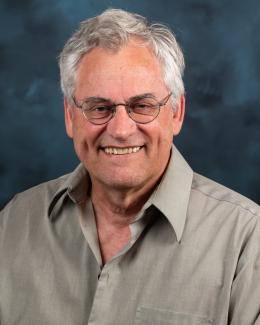 David C. Radford合作论文数Oak Ridge National Laboratory;Department of Physics and Astronomy, University of North Carolina at Chapel Hill27Rex Tayloe合作论文数27
 Matt R. Dietrich合作论文数ITW27Green M P合作论文数26Jaideep Singh合作论文数26
 Karsten M Heeger合作论文数Physics Department;University of California at Berkeley;Lawrence Berkeley National Laboratory;Lawrence Berkeley National Laboratory, University of California at Berkeley26J. Del Campo合作论文数26J. P. Greene合作论文数26Diane Melanie Markoff合作论文数North Carolina Central University26Paul Andrew Hausladen合作论文数26Minfang Yeh合作论文数25
 Steven Elliott合作论文数Department of Physics, College of Arts & Sciences, University of Washington;Los Alamos National Laboratory25Y. V. Efremenko合作论文数Oak Ridge National Laboratory25
 Neil C. Sturchio合作论文数Department of Earth Sciences, College of Earth, Ocean & Environment, University of Delaware;Delaware Environmental Institute, University of Delaware25B. Cabrera-Palmer合作论文数24Y. -R. Yen合作论文数24
 A. I. Bolozdynya合作论文数24
 M. J. Dolinski合作论文数Dept Phys, Drexel Univ24Khromov A V合作论文数24D Reyna合作论文数24
 Jason Detwiler合作论文数Department of Physics, University of Washington24S. Hedges合作论文数24
 Diana S. Parno合作论文数Department of Physics, University of Washington/Department of Physics, Mellon College of Science, Carnegie Mellon University24Hans Pieter Mumm合作论文数National Institute of Standards and Technology24
 Phillip S Barbeau合作论文数Enrico Fermi Institute;Center for Cosmological Physics;University of Chicago;Enrico Fermi Institute, University of Chicago24D. Rudik合作论文数23O Kyzylova合作论文数23C. D. Bryan合作论文数23De Jaffe合作论文数23
 Alexey Konovalov合作论文数23




