The ‘human legacy’ concept acknowledges anthropogenic effects on ecosystem health at various spatial and temporal scales. When rehabilitation interventions are implemented to mediate such effects, gathering multiple lines of evidence is essential to better understand the consequences and implications for ecosystem health. This study assessed a suite of indicators in a coastal creek and lagoon system to examine how ecosystem health responds to long-term human and natural pressures and how this understanding can improve the outcomes of rehabilitation efforts such as riparian revegetation and stock exclusion. This study found that the legacy of land clearing over many years (i.e., for logging, farming, housing and road developments) has led to symptoms of ecosystem degradation, including poor water quality, interruption to hydrology and geomorphology processes, and low biodiversity of invertebrates, fish, frogs and vegetation. These symptoms are similar to previously reported ‘urban stream syndrome’ for urbanised aquatic systems. The removal of the woody vegetation from the catchment, followed by a wide range of development activities and livestock grazing, can be attributed to the symptoms of ecosystem degradation observed during the study. We acknowledge the difficulty in assessing freshwater ecosystem health without prior comparable, reference and test data sets. Nevertheless, the multiple lines of evidence approach proposed here will assist environmental practitioners in understanding the baseline condition of the system and help track the progress of the recovery following rehabilitation interventions. It is a common outcome globally that the social and economic benefits of altered catchment land use often come at the cost of poor ecosystem health in and around the receiving waters. In this study, the presence of native flora and fauna after the long history of land use practices suggests that successful restoration efforts can support the ecosystem’s natural resilience to fast-track species’ recolonisation. This recolonisation of persistent native species is especially evident once stressors are mitigated and riparian vegetation is re-established. Experience has shown that a multisectoral, multidisciplinary, evidence-based approach involving local communities and decision-makers in a place-based setting has the greatest chance for success.
Intermittently closed and opened lakes and lagoons (ICOLLs) provide important ecosystem services, including food provision and nutrient cycling. These ecosystems generally experience low watershed outflow, resulting in substantial fluctuations in physicochemical parameters that are often compounded by anthropogenic contamination, however, how this impacts the patterns in microbiology within these environments remains uncharacterised. Therefore, we aimed to determine how seasonal heterogeneity in the physicochemical parameters, in comparison to faecal contamination, alter the dynamics of bacterial communities inhabiting ICOLLs on the eastern Australian coast. To address these aims, we sampled four ICOLLs on a monthly basis for one year, using 16S rRNA gene amplicon sequencing to monitor patterns in bacterial diversity and qPCR-based methods to measure faecal contamination from humans (sewage), dogs, and birds. Additionally, we used qPCR to monitor patterns of a suite of antibiotic resistance genes (ARGs) including sulI, tetA, qnrS, dfrA1, and vanB. Differences in bacterial community composition were often associated with temporal shifts in salinity, temperature, pH, dissolved oxygen, and dissolved organic matter, but following periods of high rainfall, bacterial assemblages in two of four ICOLLs changed in direct response to sewage inputs. Within these ICOLLs, indicator taxa for stormwater identified using the 16S rRNA amplicon sequencing data, as well as markers for sewage and dog faeces, and levels of the antibiotic resistance genes (ARGs) sulI, tetA, and dfrA1 were significantly more abundant after rainfall. Notably many of the stormwater indicator taxa were potential human pathogens including Arcobacter and Aeromonas hydrophilia, which also displayed significant correlations, albeit weak to moderate, with levels of the ARGs sulI, tetA, and dfrA1. This broad-scale shift in the nature of the bacterial community following rainfall will likely lead to a substantial, and perhaps detrimental, divergence in the ecosystem services provided by the bacterial assemblages within these ICOLLs. We conclude that following rainfall events, sewage was a principal driver of shifts in the microbiology of ICOLLs exposed to stormwater, while natural seasonal shifts in the physicochemical parameters controlled bacterial communities at other times. Increased occurrence of intense precipitation events is predicted as a ramification of climate change, which will lead to increased impacts of stormwater and sewage contamination on important ICOLL ecosystems in the future.
The ability to correctly identify Potential Key Fish Habitats (PKFH) before undertaking development assessments or stream restoration projects is a critical step for determining appropriate management interventions and offset strategies to minimize damage to all life stages of fish. However, there are no rapid, low-cost tools that can be universally utilised to identify PKFH in perennial streams and ephemeral streams in particular. We propose a conceptual framework for developing a rapid field appraisal based on a range of physical fish habitat-supporting features. Four steps are involved in developing the framework: 1) understand fish habitat features using published literature and sub-set model selection using actual data, 2) collect field data, 3) develop the conceptual framework, and 4) classify sites. We tested eight fish habitat-supporting features in the assessment and proposed a decision tree that guided the rapid appraisals at 104 ephemeral sites in southeast Australia. Out of 104 sites, 86% were identified as PKFH, 10% as likely key fish habitats and 4% as unlikely key fish habitats. The rapid field appraisal is cost-effective, simple to implement and does not require expert knowledge of fish habitats. Despite some limitations in the conceptual framework, this appraisal has great potential as a screening technique for PKFH in freshwater streams, particularly ephemeral streams in Australia and other overseas jurisdictions.
1. The influence of habitat complexity on biodiversity is a central theme in ecology, with many studies reporting positive relationships. Reconciliation approaches in urbanised areas, such as eco-engineering, have increasingly focused on 're-building' the complexity of degraded and/or homogenised habitats to support biodiversity. Yet, the effects of increasing complexity and biodiversity on ecological functions are rarely measured. 2. We assessed how increasing the physical and/or biogenic complexity of habitats affects the net primary productivity (NPP) and gross primary productivity (GPP), community respiration and nutrient cycling (specifically dissolved inorganic phosphorus and nitrogen) of intertidal sessile marine communities at three sites. We manipulated physical complexity using two types of settlement tiles: 'complex', with crevices and ridges, and 'flat'. We increased biogenic complexity on half the replicates of each tile type by seeding with oysters. 3. Increased physical and biogenic complexity resulted in greater sessile species richness at all sites. Although many variables assessed varied with sites and time of measurements, overall, GPP and NPP were greater on flat tiles than on complex ones. These patterns were not explained by differences in the total surface area of tiles. 4.Daily flux rates of dissolved inorganic phosphorus had a significant positive relationship with biogenic complexity. There were no effects of biogenic or physical complexity on the net fluxes of dissolved inorganic nitrogen. 5. Effects of habitat complexity on the productivity and nutrient cycling of marine sessile communities were largely unrelated to diversity measures, such as richness or abundance of key taxa and functional groups. 6. Synthesis and applications. Eco-engineering practices that manipulate habitat complexity might benefit from explicit functional targets that also consider associated ecosystem services, as we found that under some conditions there is a trade-off between biodiversity and functional targets. Our results suggest that increasing habitat complexity has a positive effect on sessile species richness, but not necessarily on productivity (GPP and NPP). The species pool available as well as light availability is likely to mediate effects of complexity on assemblages, so local environment needs to be a key consideration when designing interventions.
Acanthamoeba is an opportunistic free-living heterotrophic protist that is the most predominant amoeba in diverse ecological habitats. Acanthamoeba causes amoebic keratitis (AK), a painful and potentially blinding corneal infection. Major risk factors for AK have been linked to non-optimal contact lens hygiene practices and Acanthamoeba contamination of domestic and recreational water. This study investigated the incidence and seasonal variation of Acanthamoeba spp. within coastal lagoons located on the eastern coast of Australia and then examined the association between Acanthamoeba and water abiotic factors and bacterial species within the water. Water samples were collected from four intermittently closed and open lagoons (ICOLLs) (Wamberal, Terrigal, Avoca and Cockrone) every month between August 2019 to July 2020 except March and April. qPCR was used to target the Acanthamoeba 18S rRNA gene, validated by Sanger sequencing. Water abiotic factors were measured in situ using a multiprobe metre and 16S rRNA sequencing (V3-V4) was performed to characterise bacterial community composition. Network analysis was used to gauge putative associations between Acanthamoeba incidence and bacterial amplicon sequence variants (ASVs). Among 206 water samples analysed, 79 (38.3%) were Acanthamoeba positive and Acanthamoeba level was significantly higher in summer compared with winter, spring, or autumn (p = 0.008). More than 50% (23/45) water samples of Terrigal were positive for Acanthamoeba which is a highly urbanised area with extensive recreational activities while about 32% (16/49) samples were positive from Cockrone that is the least impacted lagoon by urban development. All sequenced strains belonged to the pathogenic genotype T4 clade except two which were of genotype clades T2 and T5. Water turbidity, temperature, intl1 gene concentration, and dissolved O2 were significantly associated with Acanthamoeba incidence (p < 0.05). The ASVs level of cyanobacteria, Pseudomonas spp., Candidatus spp., and marine bacteria of the Actinobacteria phylum and Acanthamoeba 18S rRNA genes were positively correlated (Pearson's r ≥ 0.14). The presence of Acanthamoeba spp. in all lagoons, except Wamberal, was associated with significant differences in the composition of bacterial communities (beta diversity). The results of this study suggest that coastal lagoons, particularly those in urbanised regions with extensive water recreational activities, may pose an elevated risk to human health due to the relatively high incidence of pathogenic Acanthamoeba in the summer. These findings underscore the importance of educating the public about the rare yet devastating impact of AK on vision and quality of life, highlighting the need for collaborative efforts between public health officials and educators to promote awareness and preventive measures, especially focusing lagoons residents and travellers.
Protected areas can be impacted by the presence and proliferation of feral species. Effective management of feral species requires reliable tools to monitor their population size and ecological impacts. Here, we used drone-based image analysis to assess evidence of feral horses and horse-specific ecological impacts on alpine riparian habitat. Valleys with low (0), medium (1-16) and high (>16) horse abundances were chosen for drone imagery analysis based on independent aerial counts of horses. Data collection trips were carried out pre- and post-2019/2020 wildfires, which unexpectedly burnt valleys with low horse presence. Drone-based RGB orthomosaic imagery was sufficient to identify seven indicators of horse presence and determine the severity of feral horse impacts. Despite the impact of fire, drone-derived classifications were able to accurately detect a gradient of horse impacts, showing a significant difference in indicators from low presence valleys compared with medium and high presence valleys, which did not differ significantly from each other. The significance of differences between valleys reveals that regions routinely inhabited by feral horses will display significant environmental impacts. Our results clearly indicated significant differences between valleys with low horse presence compared with either medium or high horse presence regions (0.01 for differences between both low and medium and low and high horse presence). This was evident both before and after the 2019/2020 fires, suggesting that wildfires did not significantly impact horse populations or distribution in the sampled region. Overall, it was evident that feral horses have a clear and definable impact on alpine riparian vegetation, and drone surveying can be used to routinely monitor potential spread and the outcome of management actions.
Microbes are sensitive indicators of estuarine processes because they respond rapidly to dynamic disturbance events. As most of the world's population lives in urban areas and climate change-related disturbance events are becoming more frequent, estuaries bounded by cities are experiencing increasing stressors, at the same time that their ecosystem services are required more than ever. Here, using a multidisciplinary approach, we determined the response of planktonic microbial assemblages in response to seasonality and a rainfall disturbance in an urban estuary bounded by Australia's largest city, Sydney. We used molecular barcoding (16S, 18S V4 rRNA) and microscopy-based identification to compare microbial assemblages at locations with differing characteristics and urbanisation histories. Across 142 samples, we identified 8,496 unique free-living bacterial zOTUs, 8,175 unique particle associated bacterial zOTUs, and 1,920 unique microbial eukaryotic zOTUs. Using microscopy, we identified only the top <10% abundant, larger eukaryotic taxa (>10 µm), however quantification was possible. The site with the greater history of anthropogenic impact showed a more even community of associated bacteria and eukaryotes, and a significant increase in dissolved inorganic nitrogen following rainfall, when compared to the more buffered site. This coincided with a reduced proportional abundance of Actinomarina and Synechococcus spp., a change in SAR 11 clades, and an increase in the eukaryotic microbial groups Dinophyceae, Mediophyceae and Bathyoccocaceae, including a temporary dominance of the harmful algal bloom dinoflagellate Prorocentrum cordatum (syn. P. minimum). Finally, a validated hydrodynamic model of the estuary supported these results, showing that the more highly urbanised and upstream location consistently experienced a higher magnitude of salinity reduction in response to rainfall events during the study period. The best abiotic variables to explain community dissimilarities between locations were TDP, PN, modelled temperature and salinity (r = 0.73) for the free living bacteria, TP for the associated bacteria (r = 0.43), and modelled temperature (r = 0.28) for the microbial eukaryotic communities. Overall, these results show that a minor disturbance such as a brief rainfall event can significantly shift the microbial assemblage of an anthropogenically impacted area within an urban estuary to a greater degree than a seasonal change, but may result in a lesser response to the same disturbance at a buffered, more oceanic influenced location. Fine scale research into the factors driving the response of microbial communities in urban estuaries to climate related disturbances will be necessary to understand and implement changes to maintain future estuarine ecosystem services.
Urbanised beaches are regularly impacted by faecal pollution, but management actions to resolve the causes of contamination are often obfuscated by the inability of standard Faecal Indicator Bacteria (FIB) analyses to discriminate sources of faecal material or detect other microbial hazards, including antibiotic resistance genes (ARGs). We aimed to determine the causes, spatial extent, and point sources of faecal contamination within Rose Bay, a highly urbanised beach within Sydney, Australia's largest city, using molecular microbiological approaches. Sampling was performed across a network of transects originating at 9 stormwater drains located on Rose Bay beach over the course of a significant (67.5 mm) rainfall event, whereby samples were taken 6 days prior to any rain, on the day of initial rainfall (3.8 mm), three days later after 43 mm of rain and then four days after any rain. Quantitative PCR (qPCR) was used to target marker genes from bacteria (i.e., Lachnospiraceae and Bacteroides) that have been demonstrated to be specific to human faeces (sewage), along with gene sequences from Heliobacter and Bacteriodes that are specific to bird and dog faeces respectively, and ARGs (sulI, tetA, qnrS, dfrA1 and vanB). 16S rRNA gene amplicon sequencing was also used to discriminate microbial signatures of faecal contamination. Prior to the rain event, low FIB levels (mean: 2.4 CFU/100 ml) were accompanied by generally low levels of the human and animal faecal markers, with the exception of one transect, potentially indicative of a dry weather sewage leak. Following 43 mm of rain, levels of both human faecal markers increased significantly in stormwater drain and seawater samples, with highest levels of these markers pinpointing several stormwater drains as sources of sewage contamination. During this time, sewage contamination was observed up to 1000 m from shore and was significantly and positively correlated with often highly elevated levels of the ARGs dfrA1, qnrS, sulI and vanB. Significantly elevated levels of the dog faecal marker in stormwater drains at this time also indicated that rainfall led to increased input of dog faecal material from the surrounding catchment. Using 16S rRNA gene amplicon sequencing, several indicator taxa for stormwater contamination such as Arcobacter spp. and Comamonadaceae spp. were identified and the Bayesian SourceTracker tool was used to model the relative impact of specific stormwater drains on the surrounding environment, revealing a heterogeneous contribution of discrete stormwater drains during different periods of the rainfall event, with the microbial signature of one particular drain contributing up to 50% of bacterial community in the seawater directly adjacent. By applying a suite of molecular microbiological approaches, we have precisely pinpointed the causes and point-sources of faecal contamination and other associated microbiological hazards (e.g., ARGs) at an urbanised beach, which has helped to identify the most suitable locations for targeted management of water quality at the beach.
Environmental context Knowledge of the fate of selenium in estuaries receiving inputs from coal-fired power stations is essential as these environments are important nursery habitats for marine life and selenium has been shown to cause fish and bird mortality and sublethal effects including oedema, chromosomal aberrations and reproductive success. Understanding selenium cycling allows risk assessment to be undertaken and appropriate action to protect resident organisms. Abstract The fate of selenium (Se) inputs from coal-fired power station operations in a marine dominated estuary, Lake Macquarie NSW, is explored, as well as Se toxicity, including sublethal and population effects. Selenium is rapidly adsorbed to sediments, and food webs are based on benthic food sources. Selenium is remobilised from sediments by volatilisation and diffusional processes following bioturbation. It is then transferred into food chains via benthic microalgae, deposit feeders and filter-feeding organisms processing suspended sediments. Historically, Se has been found to accumulate in fish to levels above those considered safe for human consumption. After the remediation of a major ash dam in 1995, Se inputs to Lake Macquarie have declined, and the Se concentrations of sediments have also reduced partially due to the deposition of cleaner sediment but also due to the formation of volatile dimethyl selenide. Bioturbation of oxidised surface sediments also results in the release of inorganic Se. In response to decreases in sediment Se concentrations, molluscs and fish Se concentrations have also reduced below deleterious levels, with most fish now being safe for human consumption. Selenium cycling involves the transformation of inorganic species (Se0, SeII, SeIV, SeVI) in sediments and the water column to dimethylselenide and dimethyl diselenide by bacteria with the accumulation of organic Se species in plant detritus (selenomethionine) and animals (selenomethionine and selenocysteine). Dissolved Se concentrations in Lake Macquarie, except near ash dam inputs, have always been well below those that cause toxicity. There is evidence based on Se sediment-spiking studies, however, that Se is probably causing sublethal effects. When undertaking risk assessments of Se, careful consideration should be given to understanding the fate of Se inputs and remobilisation into food webs as not all systems act in accordance with published studies that generally have high Se concentrations in the water column and phytoplankton-based food webs.
Anthropogenic waste streams can be major sources of antibiotic resistant microbes within the environment, creating a potential risk to public health. We examined patterns in the occurrence of a suite of antibiotic resistance genes (ARGs) and their links to enteric bacteria at a popular swimming beach in Australia that experiences intermittent contamination by sewage, with potential points of input including stormwater drains and a coastal lagoon. Samples were collected throughout a significant rainfall event (40.8 mm over 3 days) and analysed using both qPCR and 16S rRNA amplicon sequencing. Before the rainfall event, low levels of faecal indicator bacteria and a microbial source tracking human faeces (sewage) marker (Lachno3) were observed. These levels increased over 10x following rainfall. Within lagoon, drain and seawater samples, levels of the ARGs sulI, dfrA1 and qnrS increased by between 1 and 2 orders of magnitude after 20.4 mm of rain, while levels of tetA increased by an order of magnitude after a total of 40.8 mm. After 40.8 mm of rain sulI, tetA and qnrS could be detected 300 m offshore with levels remaining high five days after the rain event. Highest levels of sewage markers and ARGs were observed adjacent to the lagoon (when opened) and in-front of the stormwater drains, pinpointing these as the points of ARG input. Significant positive correlations were observed between all ARGs, and a suite of Amplicon Sequence Variants that were identified as stormwater drain indicator taxa using 16S rRNA amplicon sequencing data. Of note, some stormwater drain indicator taxa, which exhibited correlations to ARG abundance, included the human pathogens Arcobacter butzleri and Bacteroides fragilis. Given that previous research has linked high levels of ARGs in recreationally used environments to antimicrobial resistant pathogen infections, the observed patterns indicate a potentially elevated human health risk at a popular swimming beach following significant rainfall events.
Constructed wetlands (CWs) are an effective means to treat nutrient and sediment pollution in urban stormwater runoff to minimise impact on receiving waterways. Maintenance of devices is recognised as a major contributing factor to performance. There is a lack of evidence-based guidance on maintenance activities to optimise treatment, due to a paucity of data from long-term field studies into CW performance before and after maintenance. In this study, the nutrient and sediment removal efficiency (% RE) of a CW was evaluated by calculating removal efficiencies of nitrogen (N), phosphorus (P) and total suspended sediment (TSS) following a long-term sampling program under baseflow and event flow conditions. Sampling was carried out before, during and after maintenance. Maintenance involved removing all aquatic vegetation and 200–300 mm of sediments over a 3-week period, aiming to improve the wetland’s performance. Assessment of dissolved and particulate nutrient fractions allowed a comprehensive investigation into drivers of nutrient removal efficiency. Under baseflow conditions differences in inflow and outflow pollutant concentrations were used to calculate removal efficiency and pollutant loads were used during event flow conditions. Before maintenance, during baseflow conditions the wetland was removing total N (36% RE) but exporting total P (-52% RE) and total sediment (-94% RE). During event-flow conditions all target pollutants were being removed (total N 63% RE, total P 25% RE and TSS 69% RE). phosphorusDuring maintenance, the device continued to remove total N (18% RE) but the physical disturbance of the maintenance resulted in mass export of total P (-120% RE) and total sediment (−2,000% RE) over a short time period, effectively undoing previous treatment. After maintenance, during baseflow conditions, the wetlands’ ability to treat total N decreased (28% RE), improved for total P (1% RE), and became a chronic source of suspended sediment (−127% RE). During event flow conditions, total N was no longer being treated (−19%) but total P and total suspended sediment were being retained (74%, 80% RE respectively). This study showed that the physical disturbance resulting from large-scale maintenance activities can potentially reverse years’ worth of treatment if not adequately planned and carried out with suitable controls.
The Hawkesbury-Nepean River (HNR) is the largest catchment in the Sydney region and is undergoing unprecedented population growth. The HNR system receives a mix of anthropogenic inputs such as treated sewage, stormwater and agricultural runoff. Combined, these can diminish the ecological system health and pose potential concerns to human health. Of particular concern are inputs of untreated sewage, that can occur due to a range of different reasons including illegal point source discharges, failure of the sewerage network, and overloading of wastewater treatment plants during storm events. Here, we present findings of an intensive assessment across the HNR catchment where we used a weight-of-evidence (WOE) approach to identify untreated sewage contamination in surface waters against the background of treated effluent and diffuse inputs during post high flow conditions. Total nitrogen and phosphorus concentrations were used to assess treated effluent and diffuse inputs, and microbial analysis, including both culture-based traditional methods for E. coli and enterococci and qPCR analysis of Bacteroides and Lachnospiraceae, were used to assess raw sewage contamination. Despite a background of diffuse inputs from recent high flow events and the influence of treated wastewater, we found no gradient of faecal contamination along the HNR system or its tributaries. We observed two sites with evidence of untreated sewage contamination, where the human markers Bacteroides and Lachnospiraceae qPCR copy numbers were high. The biological and chemical approaches suggested these latter two hotspots originate from an industrial runoff source and possibly from a dry weather sewage leak. Our findings demonstrate the potential of a WOE approach in the assessment of human faecal signal in an urban river that can also pinpoint small sources of contamination as a strategy that can reshape the way monitoring is performed and the chemical end-points chosen to provide pertinent information on the potential risks to aquatic system health.
Feral horses preferentially utilise aquatic landscape elements. Damage to stream banks by feral horses potentially degrades water quality and affects aquatic ecosystems. Despite the global predominance of horse activity in or near water, there is poor understanding of in-stream impacts. Motion-sensing cameras were used near subalpine streams to quantify frequency and behaviour of horses interacting with streams. Deployed turbidity loggers were used to indicate the presence of suspended sediment from interactions and to assess long-term (3 year) seasonal suspended sediment regime at sites with very small and large amounts of horse activity. In summer, 99.9% of large grazer interactions with streams were horses and we estimate 130 horse interactions per kilometre of stream per day, resulting in stream turbidity increases up to 100 NTU. Long-term turbidity at sites with greater riparian damage from horses was significantly greater than at control sites. Turbidity in horse-affected streams peaked at 50 times the national turbidity guideline and, in summer, averaged eight times the guideline. Suspended sediment leads to a high risk of loss of aquatic diversity and impairment of ecosystem function. Linear relationships between turbidity and riparian damage suggest that any level of horse presence affects subalpine waterways.
Coastal systems such as estuaries are threatened by multiple anthropogenic stressors worldwide. However, how these stressors and estuarine hydrology shape benthic bacterial communities and their functions remains poorly known. Here, we surveyed sediment bacterial communities in poorly flushed embayments and well flushed channels in Sydney Harbour, Australia, using 16S rRNA gene sequencing. Sediment samples were collected monthly during the Austral summer-autumn 2014 at increasing distance from a large storm drain in each channel and embayment. Bacterial communities differed significantly between sites that varied in proximity to storm drains, with a gradient of change apparent for sites within embayments. We explored this pattern for embayment sites with analysis of RNA-Seq gene expression patterns and found higher expression of multiple genes involved in bacterial stress response far from storm drains, suggesting that bacterial communities close to storm drains may be more tolerant of localised anthropogenic stressors. Several bacterial groups also differed close to and far from storm drains, suggesting their potential utility as bioindicators to monitor contaminants in estuarine sediments. Overall, our study provides useful insights into changes in the composition and functioning of benthic bacterial communities as a result of multiple anthropogenic stressors in differing hydrological conditions.
Climate change is impacting ecosystems worldwide. Estuaries are diverse and important aquatic ecosystems; and yet until now we have lacked information on the response of estuaries to climate change. Here we present data from a twelve-year monitoring program, involving 6200 observations of 166 estuaries along >1100 kilometres of the Australian coastline encompassing all estuary morphologies. Estuary temperatures increased by 2.16 °C on average over 12 years, at a rate of 0.2 °C year −1 , with waters acidifying at a rate of 0.09 pH units and freshening at 0.086 PSU year −1 . The response of estuaries to climate change is dependent on their morphology. Lagoons and rivers are warming and acidifying at the fastest rate because of shallow average depths and limited oceanic exchange. The changes measured are an order of magnitude faster than predicted by global ocean and atmospheric models, indicating that existing global models may not be useful to predict change in estuaries.
Small intermittently open lagoons are the most common type of estuary in NSW but the majority of them have no seagrass despite apparently suitable physical and water quality conditions. This paper describes the consequences of a catastrophic drought on trophic structure of primary producers in two intermittently open coastal lagoons that have negligible anthropogenic stress. It examines the roles of various factors influencing primary producers and hence ecosystems in intermittently open lagoons, in both short and long timeframes. Two estuarine lagoons with undisturbed catchments (Durras Lake and Nadgee Lake) experienced decadal scale shift in production dominance from benthic to pelagic and back to benthic following a catastrophic reduction in water levels during drought conditions. Water quality deteriorated significantly (high turbidity, ammonia and chlorophyll) after loss of macrophytes and then re-established to "normal" conditions within 2-3 years. Despite this, macrophytes did not re-appear for 6-7 years. The high proportion of intermittent estuaries with no seagrass was concluded to be a consequence of recruitment limitation, and estuarine morphology shapes the ecology of these lagoons, rather than an inherent inability for seagrass and macrophytes to live in the estuaries. Recruitment of macrophytes required coincident occurrence of multiple rare stochastic events, making chance an important aspect of re-establishment of biological assemblages in disturbance driven ecosystems. Conceptual models derived for northern hemisphere, riverine, surface-water fed estuaries tend to dominate thinking about estuaries in the literature, but are clearly inappropriate for typical southern-hemisphere low-flow and groundwater-dominated intermittent estuaries. Climate change is likely to increase the frequency of occurrence of the conditions that led to the loss of seagrass and macrophytes and therefore potentially reduce the number of intermittent estuaries in NSW with macrophytes. In the systems described, maintenance of regional seagrass populations is reliant on the stochastic survival of some populations to act as source populations. Climate change is predicted to make what are currently "extreme" events more common. This could, in turn, mean that the likelihood of the sort of loss described in our two cases studies could become more common, increasing the proportion of systems with no seagrass and progressively closing the window of opportunity for external recruitment. Potentially, this could lead to localised extinction of seagrass in intermittent estuaries.
Intermittently Closed and Open Lakes and Lagoons (ICOLLS) are important coastal systems that are periodically separated from the ocean by a sand barrier or a berm. In urban ICOLLs, continuous inputs of organic material and nutrients into coastal lagoons are contributing to eutrophic conditions that, together with natural environmental factors have implications for the resident sediment bacterial communities. We used molecular tools to investigate the ecological communities of four ICOLLs; Narrabeen, Dee Why, Curl Curl and Manly in Sydney, Australia, which have been subjected to increasing pressure from anthropogenic activities over the last century. We used targeted gene sequencing of the prokaryotic 16S ribosomal RNA gene to describe the bacterial diversity and community structure and discuss differences with respect to environmental factors at the ICOLL scale (e.g. size, shape, normalised N loading) and site scale (e.g. water and sediment quality) within each lagoon. Due to differences in hydrological patterns, we expected that sediment bacterial communities would be more heterogenous in displacement-dominated lagoons (Curl Curl and Manly) than the mixing-dominated lagoons (Narrabeen and Dee Why). Interestingly, we did not find strong relationships between the main bacterial groups and distance from the lagoon entrance (used as a proxy for salinity and silt) in the displacement-dominated lagoons. Moreover, we found that α diversity was highest in Narrabeen and Manly lagoons despite differences in lagoon size and shape. Furthermore, while bacterial community structure was similar in Curl Curl and Dee Why, communities in Manly and Narrabeen differed along temperature/TOC and salinity/silt gradients respectively. In Manly lagoon, we found relatively more anaerobic bacteria such as Epsilonbactereota which is involved in the oxidation and reduction of sulfur compounds. Moreover, we identified several bacterial taxa (including sulfur metabolising Chlorobiaceae) related to increasing TOC that could be investigated further as potential indicators of excess enrichment.
This paper presents a detailed hydrodynamic and water quality model to simulate ecological processes in the Hunter River estuary. Following an extensive 3-year multi-disciplinary field campaign, the model was developed to assess total catchment management options. The model outcomes are linked to existing water sharing plans, pollution reduction plans and coastal reforms underway in NSW. Initially a detailed scoping study was undertaken to determine the values and requirements of the key stakeholders across the catchment. Data gaps were subsequently prioritised, and an inter-agency modelling oversight committee was formed to ensure that the modelling tools would be accepted across the region. Following these developmental stages, a field program was initiated which included: estuary wide flow gauging and water quality assessments, microbial linkages, ecotoxicological assessments, sedimentation dynamics, DNA sequencing, qPCR analyses, catchment hydrological flux measurements, nutrient mesocosm experiments, bathymetry surveys and the development of crop irrigation modules. The field data analyses resulted in a conceptual model of the eco-hydraulics of the estuary. A robust numerical model was formulated through an extensive process of external peer review. A source model was selected that ensured the broadest flexibility and ongoing usage rates. A multi-disciplinary approach was undertaken to ensure the model represents a wide range of estuarine processes. The final model is currently undergoing additional peer review, calibration/validation and simulation testing.
 Jaimie Potts合作论文数20
 Angus J.P. Ferguson合作论文数9
 Katherine A Dafforn合作论文数Evolut & Ecol Res Ctr, Univ New S Wales7
 Emma Johnston合作论文数School of Life and Environmental Sciences, Faculty of Science, University of Sydney7Justin R. Seymour合作论文数Department of Civil and Environmental Engineering, Massachussets Institute of Technology5
 Nathan L R Williams合作论文数Climate Change Cluster Faculty of Science, University of Technology Sydney4
 Mitchell Lyons合作论文数The University of New South Wales4
 Colin Johnson合作论文数4
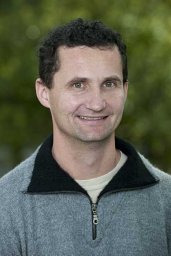 Stuart L. Simpson合作论文数Centre for Environmental Contaminants Research, CSIRO Land and Water4
 William Glamore合作论文数School of Civil & Environmental Engineering, Faculty of Engineering, The University of New South Wales4
 Martina Doblin合作论文数Department of Ocean, Earth and Atmospheric Sciences, Old Dominion University4
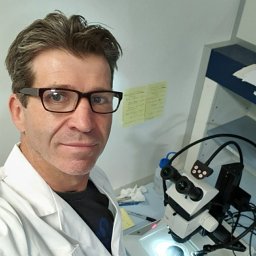 Brendan P. Kelaher合作论文数Department of Ecology;State University of New York;Department of Ecology, State University of New York4
 James white Udy合作论文数Centre for Marine Studies, University of Queensland4Nachshon Siboni合作论文数Department of Biotechnology Engineering, Ben-Gurion University of the Negev4
 Simone Birrer合作论文数3
 Duncan Rayner合作论文数3
 Ana Bugnot合作论文数School of Life and Environmental Sciences, Faculty of Science, The University of Sydney3
 Kate O'Brien合作论文数School of Chemical Engineering, Faculty of Engineering, Architecture and Information Technology, The University of Queensland3
 Kathryn Mcmahon合作论文数School of Natural Sciences, Edith Cowan University3
 Maxwell Paul合作论文数School of Chemical Engineering, University of Queensland;Healthy Waterways;School of Chemical Engineering, University of Queensland3
 Gary Kendrick合作论文数Oceans Institute, School of Biological Sciences, University of Western Australia3
 Peter Steinberg合作论文数School of Biological, Earth & Environmental Sciences, University of New South Wales3
 Kieryn Kilminster合作论文数3
 Michelle Waycott合作论文数School of Marine and Tropical Biology, James Cook University3
 Tim Glasby合作论文数Department of Primary Industries, NSW3
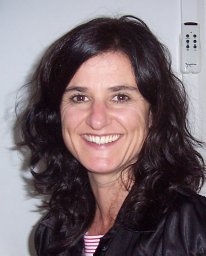 Penelope Ajani合作论文数3Adrian Dickson合作论文数2
 Jamie Ruprecht合作论文数Water Res Lab, UNSW2Matthew D Adams合作论文数2Megan Powell合作论文数2
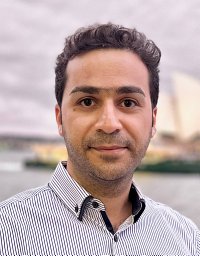 Danial Khojasteh合作论文数School of Civil and Environmental Engineering, UNSW2
 Valentin Heimhuber合作论文数Water Res Lab, UNSW Sydney2
 Daniel Harrison合作论文数School of Geosciences, Faculty of Science, The University of Sydney2
 Melanie Y Sun合作论文数School of Biological, Earth and Environmental Sciences, University of New South Wales2
 Mariana Mayer Pinto合作论文数School of Biological, Earth & Environmental Sciences, Faculty of Science, The University of New South Wales2
 Renee K Gruber合作论文数Horn Point Laboratory, University of Maryland Center for Environmental Science2
 Frank Krikowa合作论文数Institute for Applied Ecology, University of Canberra2
 William Maher合作论文数Research School of Earth Sciences, College of Science, Australian National University2Martin Krogh合作论文数2
 Jason P. Evans合作论文数Climate Change Research Centre, School of Biological, Earth and Environmental Sciences, Faculty of Science, The University of New South Wales;ARC Centre of Excellence for Climate Extremes, The University of New South Wales2
 Simon Mitrovic合作论文数School of Life Sciences, University of Technology Sydney2Jocelyn Dela-Cruz合作论文数2
 Alejandro Di Luca合作论文数Département des Sciences de la Terre et de l’atmosphère, Faculté des Sciences, Université du Québec à Montréal2
 Paul Edward Gribben合作论文数Centre for Marine Science and Innovation, School of Biological, Earth and Environmental Sciences, Faculty of Science, The University of New South Wales2
 Uthpala Pinto合作论文数School of Natural Sciences, University of Western Sydney2
 Chris Roelfsema合作论文数School of Earth and Environmental Sciences,University of Queensland2
 Sandra McLellan合作论文数School of Freshwater Sciences, University of Wisconsin-Milwaukee2
 Melanie Jane Bishop合作论文数Centre for Research on Ecological Impacts of Coastal Cities, University of Sydney2
 Len McKenzie合作论文数James Cook University2




