OBJECTIVE:To understand patterns and patient factors associated with health status recovery after mitral valve surgery. METHODS:Patient-level data from 3 multicenter randomized trials of mitral valve surgery were harmonized, with heart failure-specific health status assessed with the Kansas City Cardiomyopathy Questionnaire Overall Summary (KCCQ-OS) Score. Linear mixed-effects models were used to describe health status over time and to explore patient factors associated with health status recovery. RESULTS:The cohort included 807 patients undergoing mitral valve surgery (mean age 67.1 ± 10 years; 29.9% women); repair in 629 (77.9%) and replacement in 178 (22.1%). Before surgery, mean KCCQ-OS scores were 64.8 ± 22.9. There was little change in health status 1 month after surgery but large improvements by 6 months (+18.5 points, 95% CI, 16.9 to 20.2) that was sustained through 2 years. There were differences in recovery trajectories by baseline KCCQ-OS categories; patients with baseline KCCQ-OS ≥75 reported initial worsening at 1 month with recovery by 6 months, whereas patients with baseline KCCQ-OS <50 had large improvements even at 1 month. In the multivariable model, patients with lower baseline KCCQ-OS had significant improvements 2 years after surgery (3.4-point greater improvement, 95% CI, 1.7 to 5.1, for every 5-point lower baseline KCCQ-OS). Patients with prior stroke or transient ischemic attack and those with chronic lung disease had less KCCQ-OS improvements (mean change, -5.6 points; 95% CI, -11.2 to -0.1; -7.4 points; 95% CI, -13.5 to -1.4, respectively), with a trend toward less improvement in women (mean change, -3.2; 95% CI, -6.5 to 0.2). CONCLUSIONS:Disease-specific health status improves significantly by 6 months after mitral valve surgery and is sustained through 2 years, with the greatest improvement in symptoms, function, and quality of life reported by those with worse health status before surgery. These results allow for more informed preoperative discussions with individualized estimations of the symptomatic benefit from surgery.
BACKGROUND: Diabetes may be associated with differential outcomes in patients undergoing left main coronary revascularization with percutaneous coronary intervention (PCI) or coronary artery bypass grafting (CABG). The aim of this study was to investigate outcomes in patients with left main disease with and without diabetes randomized to PCI versus CABG. METHODS: Individual patient data were pooled from 4 trials (SYNTAX [Synergy Between PCI With Taxus and Cardiac Surgery], PRECOMBAT [Premier of Randomized Comparison of Bypass Surgery Versus Angioplasty Using Sirolimus-Eluting Stent in Patients With Left Main Coronary Artery Disease], NOBLE [Nordic-Baltic-British Left Main Revascularisation Study], and EXCEL [Evaluation of XIENCE Versus Coronary Artery Bypass Surgery for Effectiveness of Left Main Revascularization]) that randomized patients with left main disease to PCI or CABG. Patients were considered suitable for either approach. Patients were categorized by diabetes status. Kaplan-Meier event rates, Cox model hazard ratios, and interactions were assessed. RESULTS: Among 4393 patients, 1104 (25.1%) had diabetes. Patients with diabetes experienced higher rates of 5-year death (158/1104 [Kaplan-Meier rate, 14.7%] versus 297/3289 [9.3%]; P<0.001), spontaneous myocardial infarction (MI; 67/1104 [6.7%] versus 114/3289 [3.7%]; P<0.001), and repeat revascularization (189/1104 [18.5%] versus 410/3289 [13.2%]; P<0.001). Rates of all-cause mortality did not differ after PCI versus CABG in those with (84/563 [15.3%] versus 74/541 [14.1%]; hazard ratio, 1.11 [95% CI, 0.82-1.52]) or without (155/1634 [9.7%] versus 142/1655 [8.9%]; hazard ratio, 1.08 [95% CI, 0.86-1.36; P-intHR=0.87) diabetes. Rates of stroke within 1 year were lower with PCI versus CABG in the entire population, with no heterogeneity based on diabetes status (P-intHR=0.51). The 5-year rates of spontaneous MI and repeat coronary revascularization were higher after PCI regardless of diabetes status (spontaneous MI: 45/563 [8.9%] versus 22/541 [4.4%] in diabetes and 82/1634 [5.3%] versus 32/1655 [2.1%] in no diabetes, P-intHR=0.47; repeat revascularization: 127/563 [24.5%] versus 62/541 [12.4%] in diabetes and 254/1634 [16.3%] versus 156/1655 [10.1%] in no diabetes, P-intHR=0.18). For spontaneous MI and repeat revascularization, there were greater absolute risk differences beyond 1 year in patients with diabetes (4.9% and 9.9%) compared with those without (2.1% and 4.3%; P-intARD=0.047 and 0.016). CONCLUSIONS: In patients with left main disease considered equally suitable for PCI or CABG and with largely low to intermediate SYNTAX scores, diabetes was associated with higher rates of death and cardiovascular events through 5 years. Compared with CABG, PCI resulted in no difference in the risk of death and a lower risk of early stroke regardless of diabetes status, and a higher risk of spontaneous MI and repeat coronary revascularization, with larger late absolute excess risks in patients with diabetes.
Background: The clinical consequences of coexistent tricuspid regurgitation (TR) in patients with severe ischemic mitral regurgitation (IMR) remain unclear. We examined the association of baseline TR severity with outcomes after mitral valve (MV) surgery for IMR. Methods: We conducted a secondary analysis of a randomized trial evaluating the effectiveness and safety of MV replacement versus repair for severe IMR. Patients were stratified by baseline TR (none/trace/mild vs moderate/severe). The primary endpoint was all-cause mortality. Secondary endpoints included major adverse cardiac and cerebrovascular events (MACCE) and quality of life (QoL) using the Minnesota Living with Heart Failure Questionnaire (MLHFQ). Cox proportional hazards and logistic models were used in the analysis. Results: Of 251 randomized patients with severe IMR, 246 undergoing MV repair or replacement (123 each) were included in this secondary analysis. Sixty-one patients (25%) had ≥ severe TR, of whom 43% underwent MV repair and 57% underwent MV replacement. The 2-year all-cause mortality was significantly higher for those with moderate/severe TR compared to those with none/trace/mild TR (38% vs 16%; adjusted hazard ratio [aHR], 2.93; 95% confidence interval [CI], 1.59-5.38). MACCE rates were higher in patients with moderate/severe TR (53%) compared to those with none/trace/mild TR (39%) (aHR, 1.91; 95% CI, 1.21-3.03). No significant difference in 1-year QoL, measured as being alive with a 5-point improvement in the MLHFQ, was observed (odds ratio, 0.61; 95% CI, 0.28-1.33). Conclusions: In patients undergoing surgery for severe IMR, preoperative moderate/severe TR was significantly associated with increased all-cause mortality and MACCE. Whether concomitant TV surgery would improve postoperative outcomes in patients with severe IMR and different degrees of TR should be evaluated in a randomized trial.
We present high-resolution dayside thermal emission observations of the exoplanet WASP-18b using IGRINS on Gemini South. We remove stellar and telluric signatures using standard algorithms, and we extract the planet signal via cross correlation with model spectra. We detect the atmosphere of WASP-18b at a signal-to-noise ratio (SNR) of 5.9 using a full chemistry model, measure H2O (SNR=3.3), CO (SNR=4.0), and OH (SNR=4.8) individually, and confirm previous claims of a thermal inversion layer. The three species are confidently detected (>4σ) with a Bayesian inference framework, which we also use to retrieve abundance, temperature, and velocity information. For this ultra-hot Jupiter (UHJ), thermal dissociation processes likely play an important role. Retrieving abundances constant with altitude and allowing the temperature-pressure profile to freely adjust results in a moderately super-stellar carbon to oxygen ratio (C/O=0.75^+0.14_-0.17) and metallicity ([M/H]=1.03^+0.65_-1.01). Accounting for undetectable oxygen produced by thermal dissociation leads to C/O=0.45^+0.08_-0.10 and [M/H]=1.17^+0.66_-1.01. A retrieval that assumes radiative-convective-thermochemical-equilibrium and naturally accounts for thermal dissociation constrains C/O<0.34 (2σ) and [M/H]=0.48^+0.33_-0.29, in line with the chemistry of the parent star. Looking at the velocity information, we see a tantalising signature of different Doppler shifts at the level of a few km/s for different molecules, which might probe dynamics as a function of altitude and location on the planet disk. Our results demonstrate that ground-based, high-resolution spectroscopy at infrared wavelengths can provide meaningful constraints on the compositions and climate of highly irradiated planets. This work also elucidates potential pitfalls with commonly employed retrieval assumptions when applied to UHJ spectra.
Rationale: There are limited therapeutic options for patients with coronavirus disease (COVID-19)-related acute respiratory distress syndrome with inflammation-mediated lung injury. Mesenchymal stromal cells offer promise as immunomodulatory agents. Objectives: Evaluation of efficacy and safety of allogeneic mesenchymal cells in mechanically-ventilated patients with moderate or severe COVID-19-induced respiratory failure. Methods: Patients were randomized to two infusions of 2 million cells/kg or sham infusions, in addition to the standard of care. We hypothesized that cell therapy would be superior to sham control for the primary endpoint of 30-day mortality. The key secondary endpoint was ventilator-free survival within 60 days, accounting for deaths and withdrawals in a ranked analysis. Measurements and Main Results: At the third interim analysis, the data and safety monitoring board recommended that the trial halt enrollment as the prespecified mortality reduction from 40% to 23% was unlikely to be achieved (n = 222 out of planned 300). Thirty-day mortality was 37.5% (42/112) in cell recipients versus 42.7% (47/110) in control patients (relative risk [RR], 0.88; 95% confidence interval, 0.64-1.21; P= 0.43). There were no significant differences in days alive off ventilation within 60 days (median rank, 117.3 [interquartile range, 60.0-169.5] in cell patients and 102.0 [interquartile range, 54.0-162.5] in control subjects; higher is better). Resolution or improvement of acute respiratory distress syndrome at 30 days was observed in 51/104 (49.0%) cell recipients and 46/106 (43.4%) control patients (odds ratio, 1.36; 95% confidence interval, 0.57-3.21). There were no infusion-related toxicities and overall serious adverse events over 30 days were similar. Conclusions: Mesenchymal cells, while safe, did not improve 30-day survival or 60-day ventilator-free days in patients with moderate and/or severe COVID-19-related acute respiratory distress syndrome.
Importance:Patients with left main coronary artery disease presenting with an acute coronary syndrome (ACS) represent a high-risk and understudied subgroup of patients with atherosclerosis. Objective:To assess clinical outcomes after PCI vs CABG in patients with left main disease with vs without ACS. Design, Setting, and Participants:Data were pooled from 4 trials comparing PCI with drug-eluting stents vs CABG in patients with left main disease who were considered equally suitable candidates for either strategy (SYNTAX, PRECOMBAT, NOBLE, and EXCEL). Patients were categorized as presenting with or without ACS. Kaplan-Meier event rates through 5 years and Cox model hazard ratios were generated, and interactions were tested. Patients were enrolled in the individual trials from 2004 through 2015. Individual patient data from the trials were pooled and reconciled from 2020 to 2021, and the analyses pertaining to the ACS subgroup were performed from March 2022 through February 2023. Main Outcomes and Measures:The primary outcome was death through 5 years. Secondary outcomes included cardiovascular death, spontaneous myocardial infarction (MI), procedural MI, stroke, and repeat revascularization. Results:Among 4394 patients (median [IQR] age, 66 [59-73] years; 3371 [76.7%] male and 1022 [23.3%] female) randomized to receive PCI or CABG, 1466 (33%) had ACS. Patients with ACS were more likely to have diabetes, prior MI, left ventricular ejection fraction less than 50%, and higher SYNTAX scores. At 30 days, patients with ACS had higher all-cause death (hazard ratio [HR], 3.40; 95% CI, 1.81-6.37; P < .001) and cardiovascular death (HR, 3.21; 95% CI, 1.69-6.08; P < .001) compared with those without ACS. Patients with ACS also had higher rates of spontaneous MI (HR, 1.70; 95% CI, 1.25-2.31; P < .001) through 5 years. The rates of all-cause mortality through 5 years with PCI vs CABG were 10.9% vs 11.5% (HR, 0.93; 95% CI, 0.68-1.27) in patients with ACS and 11.3% vs 9.6% (HR, 1.19; 95% CI, 0.95-1.50) in patients without ACS (P = .22 for interaction). The risk of early stroke was lower with PCI vs CABG (ACS: HR, 0.39; 95% CI, 0.12-1.25; no ACS: HR, 0.35; 95% CI, 0.16-0.75), whereas the 5-year risks of spontaneous MI and repeat revascularization were higher with PCI vs CABG (spontaneous MI: ACS: HR, 1.74; 95% CI, 1.09-2.77; no ACS: HR, 3.03; 95% CI, 1.94-4.72; repeat revascularization: ACS: HR, 1.57; 95% CI, 1.19-2.09; no ACS: HR, 1.90; 95% CI, 1.54-2.33), regardless of ACS status. Conclusion and Relevance:Among largely stable patients undergoing left main revascularization and with predominantly low to intermediate coronary anatomical complexity, those with ACS had higher rates of early death. Nonetheless, rates of all-cause mortality through 5 years were similar with PCI vs CABG in this high-risk subgroup. The relative advantages and disadvantages of PCI vs CABG in terms of early stroke and long-term spontaneous MI and repeat revascularization were consistent regardless of ACS status. Trial Registration:ClinicalTrials.gov Identifiers: NCT00114972, NCT00422968, NCT01496651, NCT01205776.
BACKGROUND Public interest in stratifying hospital performance has led to the proliferation of commercial, consumer -oriented hospital rankings. In cardiac surgery, little is known about how these rankings correlate with clinical registry quality ratings.METHODS The Society of Thoracic Surgeons (STS) Adult Cardiac Surgery Database was queried for isolated coronary artery bypass grafting or coronary artery bypass grafting/valve patients at hospitals among the top 100 U.S. News & World Report (USNWR) Cardiology & Heart Surgery rankings from 2016 to 2020. Hospitals were grouped into deciles by risk-adjusted observed/expected (O/E) ratios for morbidity and mortality using the STS 2018 risk models. Agreement between STS Adult Cardiac Surgery Database and USNWR ranked deciles was calculated by Bowker symmetry test. The association between each center's annual change in STS O/E ratio and change in USNWR ranking was modeled in repeated measures regression analysis.RESULTS Inclusion criteria were met by 524393 patients from 149 hospitals that ranked in USNWR top 100 at least once during the study period. There was no agreement between USNWR ranking and STS major morbidity and mortality O/E ratio (P > .50 for all years). Analysis of patients undergoing surgery at the 65 hospitals that were consistently ranked in the top 100 during the study period demonstrated no association between annual change in hospital ranking and change in O/E ratio (P all > .3).CONCLUSIONS There was no agreement between annual USNWR hospital ranking and corresponding risk-adjusted STS morbidity or mortality. Furthermore, annual changes in USNWR rankings could not be accounted for using clin-ical outcomes. These findings suggest that factors unrelated to key surgical outcomes may be driving consumer -directed rankings.
Background: Individualized risk prediction is central to personalized decision-making in patients with left main coronary artery disease being considered for revascularization. Purpose: To examine the prognostic performance and treatment interactions with the anatomic SYNTAX score in patients with left main disease undergoing PCI vs CABG. Methods: Individual patient data from the four major trials comparing PCI with DES to CABG in patients with left main disease (SYNTAX, PRECOMBAT, NOBLE, EXCEL) were combined. Patients were categorized by core lab-determined SYNTAX score categories (low: ≤22; intermediate: 23-32; high: ≥33). KM event rates were calculated in each treatment arm through 5 years. Hazard ratios were generated using a Cox model with trial as a random effect; absolute risk differences were calculated. Heterogeneity between randomized treatment effect and baseline score was tested. Results: 4,394 patients were randomized to PCI or CABG. The SYNTAX score identified a gradient of risk for death (~2-fold) and for major coronary events (spontaneous MI or revasc; MCE) ( Fig ). The risk gradient for MCE was only apparent after PCI and not after CABG, leading to differential absolute risk reductions with CABG from 5.5% (95%CI 2.3-8.7%) to 16.2% (11.1-21.3%) in those with low vs high SYNTAX scores (P int =0.002). There was no significant heterogeneity across SYNTAX score categories for risk of stroke, protocol-defined procedural MI, or UDMI-defined procedural MI after PCI vs CABG. Conclusion: The anatomic SYNTAX score identified risk for death and coronary events following PCI and CABG for left main disease. Mortality was similar after PCI and CABG across SYNTAX score categories. In contrast, MCE risk increased with higher SYNTAX scores after PCI but not after CABG, and the anatomic SYNTAX score thus identified high-risk patients with greater relative and absolute MCE reductions with CABG.
Revascularization is standard therapy for patients who present with acute myocardial infarction. Coronary artery bypass graft surgery remains a critical option for revascularization specifically in patients with acute myocardial infarction. Certain clinical or patient factors should help in deciding whether coronary artery bypass graft surgery is appropriate for an individual case as supported by international guidelines. Where coronary artery bypass graft surgery is indicated, perioperative management of the patient should be optimized to ensure the best outcomes while minimizing risk. This chapter discusses the surgical management of patients with acute myocardial infarction, specifically, perioperative management and indications for revascularization.
BACKGROUND Whether to repair nonsevere tricuspid regurgitation (TR) during surgery for ischemic mitral valve regurgitation (IMR) remains uncertain. OBJECTIVES The goal of this study was to investigate the incidence, predictors, and clinical significance of TR progression and presence of >= moderate TR after IMR surgery. METHODS Patients (n = 492) with untreated nonsevere TR within 2 prospectively randomized IMR trials were included. Key outcomes were TR progression (either progression by >= 2 grades, surgery for TR, or severe TR at 2 years) and presence of >= moderate TR at 2 years. RESULTS Patients' mean age was 66 +/- 10 years (67% male), and TR distribution was 60% <= trace, 31% mild, and 9% moderate. Among 2-year survivors, TR progression occurred in 20 (6%) of 325 patients. Baseline tricuspid annular diameter (TAD) was not predictive of TR progression. At 2 years, 37 (11%) of 323 patients had >= moderate TR. Baseline TR grade, indexed TAD, and surgical ablation for atrial fibrillation were independent predictors of >= moderate TR. However, TAD alone had poor discrimination (area under the curve, #0.65). Presence of >= moderate TR at 2 years was higher in patients with MR recurrence (20% vs. 9%; p = 0.02) and a permanent pacemaker/defibrillator (19% vs. 9%; p = 0.01). Clinical event rates (composite of >= 1 New York Heart Association functional class increase, heart failure hospitalization, mitral valve surgery, and stroke) were higher in patients with TR progression (55% vs. 23%; p = 0.003) and >= moderate TR at 2 years (38% vs. 22%; p = 0.04). CONCLUSIONS After IMR surgery, progression of unrepaired nonsevere TR is uncommon. Baseline TAD is not predictive of TR progression and is poorly discriminative of >= moderate TR at 2 years. TR progression and presence of >= moderate TR are associated with clinical events. (Comparing the Effectiveness of a Mitral Valve Repair Procedure in Combination With Coronary Artery Bypass Grafting [CABG] Versus CABG Alone in People With Moderate Ischemic Mitral Regurgitation, NCT00806988; Comparing the Effectiveness of Repairing Versus Replacing the Heart's Mitral Valve in People With Severe Chronic Ischemic Mitral Regurgitation, NCT00807040) (c) 2021 by the American College of Cardiology Foundation.
BACKGROUND:Coronary artery bypass grafting (CABG) is the most common revascularization approach for the treatment of multi-vessel coronary artery disease. While the internal mammary artery is nearly universally used to bypass the left anterior descending coronary artery, autologous saphenous vein grafts (SVGs) are still the most frequently used conduits to grafts the remaining coronary artery targets. Long-term failure of these grafts, however, continues to limit the benefits of surgery. METHODS:The Cardiothoracic Surgical Trials Network trial of the safety and effectiveness of a Venous External Support (VEST) device is a randomized, multicenter, within-patient trial comparing VEST-supported versus unsupported saphenous vein grafts in patients undergoing CABG. Key inclusion criteria are the need for CABG with a planned internal mammary artery to the left anterior descending and two or more saphenous vein grafts to other coronary arteries. The primary efficacy endpoint of the trial is SVG intimal hyperplasia (plaque + media) area assessed by intravascular ultrasound at 12 months post randomization. Occluded grafts are accounted for in the analysis of the primary endpoint. Secondary confirmatory endpoints are lumen diameter uniformity and graft failure (>50% stenosis) assessed by coronary angiography at 12 months. The safety endpoints are the occurrence of major adverse cardiac and cerebrovascular events and hospitalization within 5 years from randomization. CONCLUSIONS:The results of the VEST trial will determine whether the VEST device can safely limit SVG intimal hyperplasia in patients undergoing CABG as treatment for coronary atherosclerotic disease.
Background The long-term effects of postoperative complications following coronary artery bypass grafting (CABG) are unknown. Methods Medicare-linked records from the Society of Thoracic Surgeons Adult Cardiac Surgery Database were queried for isolated CABG records from 2007 through 2012. Unadjusted and adjusted associations between individual postoperative complications and both mortality and all-cause rehospitalization were evaluated to 7 years using Cox proportional-hazards models and cumulative incidence functions. Because of nonproportional hazards, associations are presented as early (0 to 90 days) and late (90 days to 7 years). Results Of the 294,533 isolated CABG patients who had records linked to Medicare for long-term follow-up (median age, 73 years; 30% female), 120,721 (41%) experienced at least 1 of the complications of interest, including new-onset atrial fibrillation (30.0%), prolonged ventilation (12.3%), renal failure (4.5%), reoperation (3.5%), stroke (1.9%), and sternal wound infection (0.4%). Each of the 6 postoperative complications was associated with a significantly increased risk of mortality and rehospitalization to 7 years despite adjustment for baseline characteristics and the presence of multiple complications. Although the predominant effect of postoperative complications was observed in the first 90 days, the increased risk-adjusted hazard for death and rehospitalization continued through 7 years. Conclusions Postoperative complications are associated with an increased risk of both early and late mortality and all-cause rehospitalization, particularly during the "value" window within 90 days of CABG. These findings underscore the need to develop avoidance strategies as well as cost-adjustment methods for each of these complications.
Projections of global changes in water scarcity with the current extent of maize, rice, wheat, vegetables, pulses and fruit production commodities were combined to identify the potential country level vulnerabilities of cropland land to water scarcity in 2050. The data relate to an analysis of the impact changes in water availability will have on maize, rice, wheat, vegetables, pulses and fruit production commodities availability in 2050.
Background. The role of simulation-based training in coronary artery bypass grafting remains undefined. Barriers to simulator use include clinical and personal obligations, insufficient materials, and lack of mentorship. The purpose of this study was to implement a longitudinal, residency-wide coronary anastomosis simulation curriculum. Methods. A prospective observational study was conducted from 2018 to 2019 at a single academic center. All residents of the Thoracic Surgery training program participated. Each participant was provided a low-fidelity coronary anastomosis simulator, high-quality instruments, and faculty mentor. Formal assessments were held quarterly, and residents were encouraged to practice alone and with their mentor. Baseline and follow-up metrics were compared with simple descriptive statistics. Results. Seventeen residents and 12 faculty participated in the study. Residents demonstrated increased use of the simulator, with 21% participating in independent practice at baseline and 82% in the fourth quarter (P = .02). The median score on the Thoracic Surgery Directors Association Vessel Anastomosis Assessment improved from 42 out of 65 at baseline to 54 out of 65 in the fourth quarter (P = .04), and mean anastomosis time was reduced by 5 minutes 6 seconds (P = .02). Over 12 months, junior residents demonstrated a mean reduction in anastomosis time of 6 minutes 36 seconds, and senior residents decreased anastomosis time by 3 minutes 6 seconds (P = .02). Conclusions. Providing residents with a low-fidelity coronary anastomosis trainer with high-quality instruments and a faculty mentor improved rates of independent practice, Thoracic Surgery Directors Association assessment scores, and anastomosis time. Our next step is validating the coronary simulator curriculum by measuring improvement of resident performance in the operating room. (C) 2021 by The Society of Thoracic Surgeons
Abstract Background We recently mitigated a clonal outbreak of Mycobacterium abscessus, including a large cluster of patients who developed invasive infection after exposure to heater-cooler units (HCU) during cardiac surgery. Recent studies have described a small number of Mycobacterium chimera infections linked to open-heart surgery; however, little is known about the epidemiology and clinical courses of cardiac surgery patients with invasive infection from rapidly-growing mycobacteria, such as M. abscessus. Methods We retrospectively collected clinical data from all patients who underwent cardiac surgery at our hospital and had positive cultures for M. abscessus from 2013 to 2016. We excluded heart transplant recipients and patients who at time of diagnosis had ventricular assist devices. We analyzed patient characteristics, antibiotic treatment courses, surgical interventions, and clinical outcomes. Results Nine cardiac surgery patients who met the case definition developed culture-proven invasive infection from M. abscessus (Figure 1). Seven (78%) infections occurred after surgeries that included valve replacement. Median time from suspected inoculation in the operating room to first positive culture was 49 days (interquartile range, 38–115 days). Seven (78%) patients had bloodstream infections, and six (67%) patients had sternal wound infections. Six (67%) patients developed disseminated disease with infection at multiple sites. All patients received combination antimicrobial therapy. The most common majority regimen (n = 6) was imipenem, amikacin, and tigecycline. Four (44%) patients experienced therapy-limiting antibiotic toxicities (Figure 2). Seven (78%) patients were well enough to undergo at least one surgical debridement. Five (56%) patients stopped therapy due to presumed cure, but four (44%) patients had deaths attributable to M. abscessus infection. Conclusion Invasive M. abscessus infection after cardiac surgery was associated with high morbidity and mortality. Most patients underwent surgical debridement and received prolonged three-drug antimicrobial therapy, which was complicated by numerous antibiotic toxicities. Treatment cured five patients, but four patients died from mycobacterial disease. Disclosures All authors: No reported disclosures.
Objective: The Cardiothoracic Surgical Trials Network reported that left ventricular reverse remodeling at 2 years did not differ between patients with moderate ischemic mitral regurgitation randomized to coronary artery bypass grafting plus mitral valve repair (n = 150) or coronary artery bypass grafting alone (n = 151). To address health resource use implications, we compared costs and quality-adjusted survival. Methods: We used individual patient data from the Cardiothoracic Surgical Trials Network trial on survival, hospitalizations, quality of life, and US hospitalization costs to estimate cumulative costs and quality-adjusted life years. A microsimulation model was developed to extrapolate to 10 years. Bootstrap and deterministic sensitivity analyses were performed to address uncertainty. Results: In-hospital costs were $59,745 for coronary artery bypass grafting plus mitral valve repair versus $51,326 for coronary artery bypass grafting alone (difference $8419; 95% uncertainty interval, 2259-18,757). Two-year costs were $81,263 versus $67,341 (difference 13,922 [2370 to 28,888]), and quality-adjusted life years were 1.35 versus 1.30 (difference 0.05; -0.04 to 0.14), resulting in an incremental cost-effectiveness ratio of $308,343/quality-adjusted life year for coronary artery bypass grafting plus mitral valve repair. At 10 years, its costs remained higher ($107,733 vs $88,583, difference 19,150 [-3866 to 56,826]) and quality-adjusted life years showed no difference (-0.92 to 0.87), with 5.08 versus 5.08. The likelihood that coronary artery bypass grafting plus mitral valve repair would be considered cost-effective at 10 years based on a cost-effectiveness threshold of $100K/quality-adjusted life year did not exceed 37%. Only when this procedure reduces the death rate by a relative 5% will the incremental cost-effectiveness ratio fall below $100K/quality-adjusted life year. Conclusions: The addition of mitral valve repair to coronary artery bypass grafting for patients with moderate ischemic mitral regurgitation is unlikely to be cost-effective. Only if late mortality benefits can be demonstrated will it meet commonly used cost-effectiveness criteria.
Background. Epiaortic ultrasound detects and localizes ascending aortic atherosclerosis. In this analysis we investigated the association between epiaortic ultrasound-based atheroma grade during surgical aortic valve replacement (SAVR) and perioperative adverse outcomes. Methods. SAVR patients in a randomized trial of 2 embolic protection devices underwent a protocol-defined 5-view epiaortic ultrasound read at a core laboratory. Aortic atherosclerosis was quantified with the Katz atheroma grade, and patients were categorized as mild (grade I-II) or moderate/severe (grade III-V). Multivariable logistic regression was used to estimate associations between atheroma grade and adverse outcomes, including death, clinically apparent stroke, cerebral infarction on diffusion-weighted magnetic resonance imaging, delirium, and acute kidney injury (AKI) by 7 and 30 days. Results. Precannulation epiaortic ultrasound data were available for 326 of 383 randomized patients (85.1%). Of these, 106 (32.5%) had moderate/severe Katz atheroma grade at any segment of the ascending aorta. Although differences in the composite of death, stroke, or cerebral infarction on diffusion-weighted magnetic resonance imaging by 7 days were not statistically significant, moderate/severe atheroma grade was associated with a greater risk of AKI by 7 days (adjusted odds ratio, 2.63; 95% confidence interval, 1.24-5.58; P = .01). At 30 days, patients with moderate/severe atheroma grade had a greater risk of death, stroke, or AKI (adjusted odds ratio, 1.97; 95% confidence interval, 1.04-3.71; P = .04). Conclusions. Moderate/severe aortic atherosclerosis was associated with an increased risk of adverse events after SAVR. Epiaortic ultrasound may serve as a useful adjunct for identifying patients who may benefit from strategies to reduce atheroembolic complications during SAVR. (C) 2020 by The Society of Thoracic Surgeons
 John Hunter Peel Alexander合作论文数Division of Cardiology, Department of Medicine, Duke University School of Medicine;Duke Clinical Research Institute33
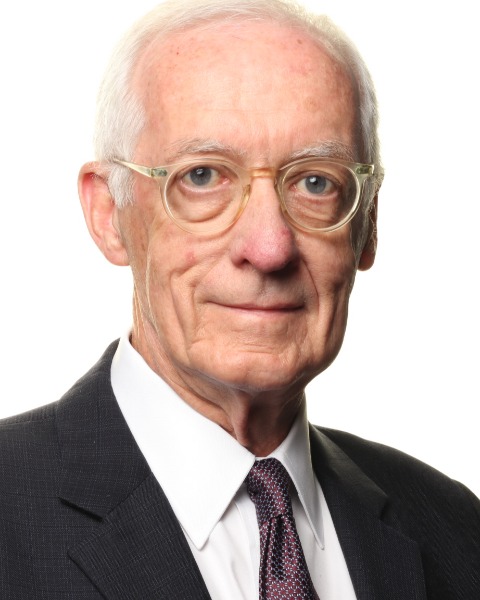 Michael Mack合作论文数Baylor Scott & White Health27
 Annetine C Gelijns合作论文数Department of Population Health Science and Policy, Icahn School of Medicine at Mount Sinai26
 Patrick T. O'Gara合作论文数Division of Cardiovascular Medicine, Brigham and Women's Hospital25
 Mark F. Newman合作论文数24
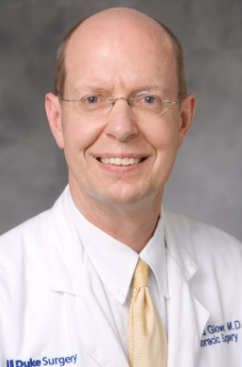 Donald D. Glower合作论文数Department of Surgery, School of Medicine, Duke University23
 Judson B Williams合作论文数23Alan J Moskowitz合作论文数22
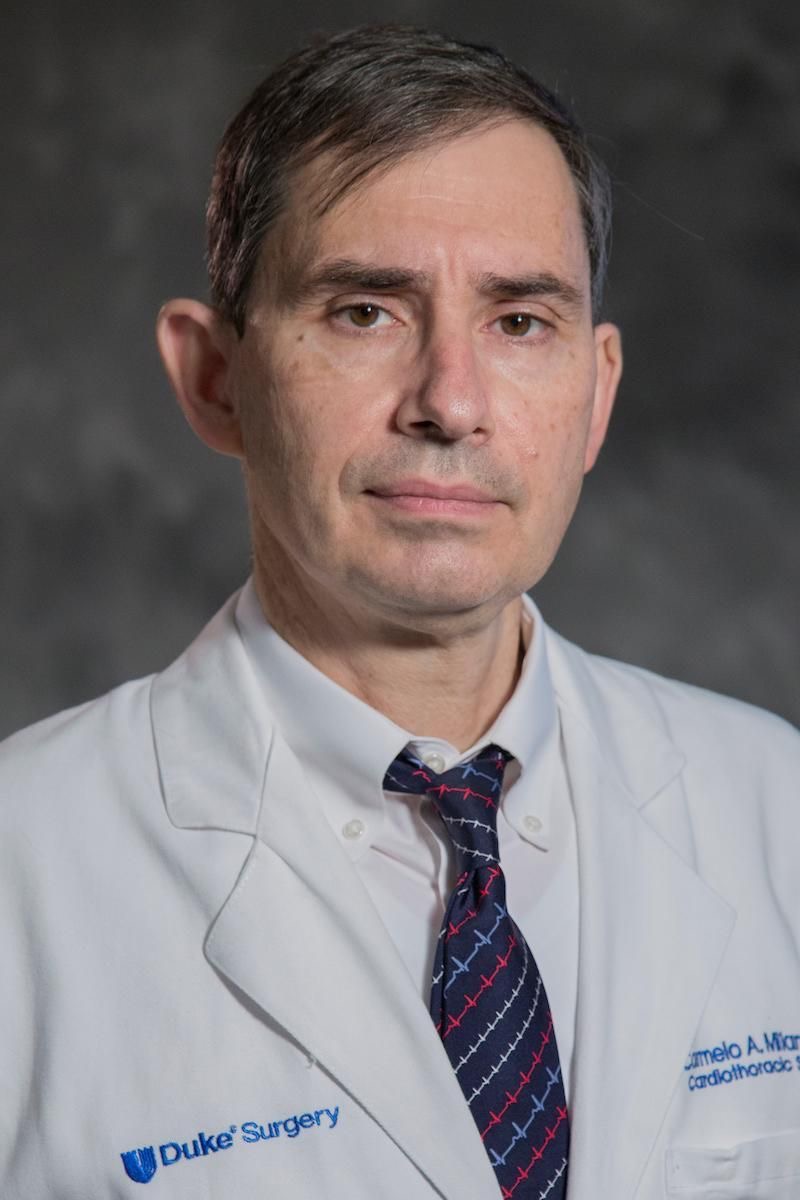 Carmelo Alessio Milano合作论文数Cardiothoracic Surgery Translational Research Laboratory, Duke University;Division of Cardiothoracic Surgery, School of Medicine, Duke University21
 Gorav Ailawadi合作论文数Department of Cardiac Surgery, Medical School, University of Michigan-Ann Arbor21Jl Cox合作论文数20Emilia Bagiella合作论文数School of Public Health, Columbia University20Linda K. Shaw合作论文数20
 Joseph P. Mathew合作论文数Department of Anesthesiology, Duke University19
 Renato Delascio Lopes合作论文数Department of Medicine, School of Medicine, Duke University;Duke Clinical Research Institute, School of Medicine, Duke University17Voisine Pierre合作论文数16John D. Puskas合作论文数16
 Vinod H. Thourani合作论文数Piedmont Healthcare16James S. Gammie合作论文数16
 Michael A. Acker合作论文数Surgery Faculty, Perelman School of Medicine, University of Pennsylvania15
 Manesh Raman Patel合作论文数Division of Cardiology, Department of Medicine, Duke University School of Medicine;Division of Clinical Pharmacology, Department of Medicine, Duke University School of Medicine15Overbey Jessica R合作论文数15
 Judy WS Hung合作论文数15
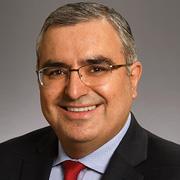 Mani Daneshmand合作论文数Division of Cardiothoracic Surgery, Department of Surgery, Emory University School of Medicine15Tb Ferguson合作论文数14
 Jerrold Henry Levy合作论文数Duke University Medical Center14
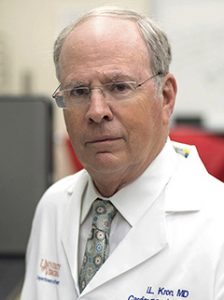 Irving L. Kron合作论文数Department of Surgery, University of Virginia;School of Medicine, University of Virginia14Robert E Michler合作论文数14
 A. Marc Gillinov合作论文数Department of Thoracic and Cardiovascular Surgery, Sydell and Arnold Miller Family Heart, Vascular & Thoracic Institute, Cleveland Clinic14G. Chad Hughes合作论文数Surgery, Duke University Medical Center13
 Michael K. Parides合作论文数Department of Health Policy, Mount Sinai School of Medicine13
 Eric Peterson合作论文数Cardiology Division, Department of Internal Medicine, The University of Texas Southwestern Medical Center12Moquete Ellen G合作论文数12
 Bruce Ferguson合作论文数RFPi, Inc;Department of Engineering, East Carolina University;Department of Physics, East Carolina University;Department of Surgery, East Carolina University12Jeffrey G. Gaca合作论文数12
 Ralph James Damiano合作论文数Department of Surgery, Washington University School of Medicine in St.Louis12Deborah D. Ascheim合作论文数12J Scott Rankin合作论文数11
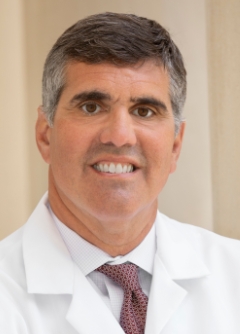 Eric Velazquez合作论文数Center for Clinical Investigation, School of Medicine, Yale University;Heart and Vascular Center, Yale New Haven Hospital11Marissa A. Miller合作论文数11B. Phillips-Bute合作论文数11rakesh uppal合作论文数10GK LOFLAND合作论文数10Cm Purut合作论文数10
 Daniel B. Mark合作论文数Division of Cardiology, Department of Medicine, Duke University School of Medicine;Duke Clinical Research Institute, Duke University School of Medicine10François Dagenais合作论文数10Damian M Craig合作论文数9Lh Muhlbaier合作论文数9
 Madhav Swaminathan合作论文数Duke Anesthesiology, Duke University School of Medicine9




