Reliable depositional age dating is essential for studying million-year-old geologic records. Where methods such as biostratigraphy, magnetostratigraphy, or radiometric dating are insufficient or inapplicable, the atmospheric long-lived cosmogenic radionuclide 10Be (t1/2 = 1.4 million years) has become an important additional dating tool. The cosmogenic radionuclide 26Al (t1/2 = 0.7 million years), which is also produced in the atmosphere, has not been thoroughly investigated as a dating tool. In this study, we measured the concentrations of 10Be and 26Al, along with their stable counterparts 9Be and 27Al, in four deep-sea sediment cores from the Indian Ocean, one Central Pacific ferromanganese crust, and six ferromanganese nodules from the Atlantic Ocean. Our results show that 26Al-based dating is, in principle, similarly applicable to 10Be-based dating but has one major drawback: nucleogenic in-situ 26Al production leads to increasingly unreliable ages in sediments older than approximately 3 million years, with interferences occurring even earlier in ferromanganese deposits. Furthermore, in deep-sea sediments only the 26Al/27Al and 10Be/9Be ratios yield reliable ages, whereas 26Al and 10Be concentrations or the 26Al/10Be ratio are affected by signal dilution due to pelagic carbonates. Thus, we conclude that the primary advantage of measuring 26Al is to corroborate and improve 10Be/9Be ratio-derived ages using 26Al/27Al ratios, but only for deep-sea sediments younger than approximately 3 million years.
Strontium-90 (90Sr) is an anthropogenic radionuclide, which, due to its radiological relevance, has been most intensively monitored in the past. In terms of initial activity, over 630 PBq of this radionuclide have been distributed globally from stratospheric fallout of bomb-testing, and there are more localized contributions from tests, accidents, and releases from reprocessing plants which will be superimposed on this background. In the past, massive sample sizes (up to 100 L of seawater or 100 g of coral aragonite) were required to quantify 90Sr, even immediately after the peak period of global fall-out from bomb testing. With mass spectrometry it would be possible to reduce the sample size requirements at least by a factor of 100, i.e. sample sizes of 1 L of seawater or 1 g of aragonite. On the other hand, the high amount of strontium dissolved in seawater complicates the use of mass spectrometric methods, as an isotopic abundance sensitivity of at least 1·10−15 is required to detect the estimated main 90Sr signal. With recent advances in isobar separation techniques in accelerator mass spectrometry (AMS) at the University of Vienna, this has come within reach, offering new research possibilities. The new technique uses an ion-cooler and laser-photo-detachment to suppress the stable isobar 90Zr, which interferes with measurements of 90Sr, almost completely. With initial test samples, we could confirm an isotopic abundance sensitivity of 8·10−16 (90Sr/Sr), sufficient for application to ocean water samples. In this presentation, we will show a comparison of 90Sr to 236U (Uranium-236), another radioactive ocean tracer that has been studied intensively recently. Using this approach, we studied contemporary coral skeleton material in the Indian Ocean (Pemba Bay, Mozambique) and the Pacific Ocean (Tarawa, Kiribati), and further the methods, requirements, and impact of variations in sample preparation. We also present the first results from ocean water samples from two depth profiles in the south Atlantic (GEOTRACES cruise GA10/JC068), and the associated sample preparation and blank levels for these types of samples. Finally, we will present the implications for the overall abundance of both tracers from global fall-out, compare with historic data, and discuss the potential for multi-isotope applications of both tracers.
A novel sample preparation procedure for highly sensitive concurrent analysis of 236U, 237Np, 239Pu and 240Pu from river and sea water samples with Accelerator Mass Spectrometry (AMS) was developed. A selective extraction chromatography resin, instead of Fe(OH)3 co-precipitation, is used to separate the actinides as a group from most of the matrix elements for "multi-actinide analysis" with AMS, as previously published [Quinto et al., Analytical Chemistry, 2015, 253, 451-458]. The new extraction method has been tested on two environmental water systems, which differ substantially in terms of salinity, namely, 2 L Rhine river water samples collected in the vicinity of the Fessenheim Nuclear Power Plant (NPP) and 250 mL surface sea water samples from the vicinity of the La Hague nuclear reprocessing plant (NRP). In addition, aliquots from the CRM IAEA-443 (Irish Sea water) are analysed for method validation. It is observed that extraction chromatography yields results that are consistent with the use of Fe(OH)3 co-precipitation for multi-actinide analysis and can increase the signal count rates of the AMS detector for sample systems where co-precipitation would concurrently precipitate significant amounts of sample matrix, diluting the analytes in the final AMS target material. The novel method can be applied to ultra-trace analysis of low-volume samples, such as environmental samples contaminated by global fallout and nuclear installations.
Isobaric interference is a major limitation of mass spectrometric measurements of trace radionuclides. For accelerator mass spectrometry (AMS), isobaric separation is only available up to the mass range of fission products. The present work explores the potential of ion-laser interaction mass spectrometry (ILIAMS) for trace analysis of anthropogenic actinides with isobaric interference. Such capabilities are crucial for characterizing a highly sought-after isotopic spike material for Np-237 measurements and for accessing additional anthropogenic actinides with AMS, which could serve as environmental tracers, emission source signatures, or for determining the age of nuclear materials. ILIAMS is a novel low-energy isobar separation technique that combines a gas-filled ion cooler with reactive gases or high-power lasers to suppress isobars selectively. In this study, we demonstrate that UF4- can be selectively suppressed by two orders of magnitude using a 637 nm laser without affecting NpF4-. Initial results indicate the potential for the selective suppression of AmF5- to measure PuF5- or, in reverse, the suppression of PuF4- to measure AmF4- using a 355 nm laser. The admixture of O-2 with the buffer gas of the ion cooler can be used to suppress UF4- by up to seven and NpF4- by up to three orders of magnitude against PuF4-. The first application of these separation schemes for the characterization of a prototype Np-236 spike demonstrated the successful chemical removal of the co-produced isobars U-236 and Pu-236, and similar measurements can now be performed for other prospective Np spike materials. The isobar separation schemes developed here can also enable the measurement of Pu-241 without chemically removing Am-241 or Am-242m in the presence of Pu-242. Even measuring Pu-238 using AMS has become feasible for suitable sample matrices, despite the presence of the primordial isobar U-238. These are important isotopic signatures for attributing environmental contamination to potential sources of emissions.
This paper reports on the materials analysis of a set of lead objects, commonly referred to as "the Jordan codices" in an attempt to shed some light on when they were manufactured. The codices are controversial, debate centring on whether they date to the early Christian period or are modern fakes. We report, for the first time, trace element analysis of samples from the lead codices as well as pieces of modern lead by PIXE and RBS to explore the trace element "fingerprint" of the metal used; the lead isotope composition by MC-ICP-MS can identify the geo location of the origin of the materials used; the alpha particle emission from the lead due to the presence of the 210Pb isotope; and the amount of helium that is trapped in the lead due to the radioactive decay of trace amounts of 238U and 232Th contained in the material-the (U + Th)/He age. No single technique is able to show conclusively that the objects are either modern or ancient. All four techniques suffer weaknesses, which prevent a definitive conclusion from being reached. However, there are indications that while some of the objects examined show signs of being contemporary, others appear to be older. It can be concluded that for some key examples we have been unable to show them to be made from contemporary materials and would suggest that this provides a good reason for scholars to treat the objects seriously and to perform further research on these objects.
The anthropogenic radionuclide 237Np has excellent potential as an environmental tracer, complementing more established anthropogenic actinide tracers such as 236U/238U or 239,240Pu. A major limitation in quantitatively measuring 237Np concentrations by Accelerator Mass Spectrometry (AMS) has been the unavailability of sufficiently pure isotopic spike material for normalisation of 237Np counting results. A new 236Np spike material has been produced via the 232Th(7Li,3n)236Np reaction, and its isotopic and isobaric composition has been characterised at the Vienna Environmental Research Accelerator (VERA). (1.64 ± 0.14) × 109 atoms 236Np with a236Np/237Np ratio of 6.93 ± 0.27 have been produced. The 236Np normalisation has been validated using the IAEA-381 and IAEA-385 environmental reference materials, as well as a237Np dilution series in deep seawater. The 236Np-normalised data reproduced the nominal values for the 237Np concentrations within 1 σ for the dilution series, whereas the complementary 242Pu normalisation was significantly below the nominal values (2-17 σ) for all but one sample in the dilution series. First results from the analysis of environmental samples using the 236Np spike indicate a different vertical distribution of Pu and Np in peat, while for seawater samples collected near the Fukushima Daiichi Nuclear Power Plant no influence of the ALPS-treated water releases on 237Np concentrations could be observed. For the new Zurich Seawater intercomparison sample (ZSW), a237Np concentration of (9.50 ± 1.2) × 106 at/kg can be reported. The new 236Np spike material has significantly outperformed the non-isotopic normalisation. Remaining challenges due to limited availability and a considerable 237Np co-production need to be addressed by scaling up production.
Air filter samples collected in the 1960s and therefore representing pure weapons test fallout were investigated with respect to 237Np and 239Pu concentrations as well as 237Np/239Pu atom ratios. 237Np and the Pu isotopes (with 242Pu as tracer for both elements) were jointly separated from the matrix using UTEVA resin and were then measured by accelerator mass spectrometry (AMS). Results were normalized to external standards to consider different Np and Pu outputs during the measurement. The resulting 237Np/239Pu atom ratios were slightly higher than the 237Np/239Pu ratios of soil samples from literature. As the radiochemical yields of Np as well as of Pu, investigated by α-spectrometry of samples with added 237Np and 236Pu tracers, indicated chemical fractionation, the filter samples were for comparison also normalized to IAEA-385 reference samples which had been processed collaterally. When using the revised literature value for the 237Np/239Pu ratio of IAEA-385, accordance with the results obtained by normalization to the external standards was found.
RATIONALE:Bone is commonly used in radiocarbon dating in archaeology and other disciplines. Despite advances in collagen extraction protocols, the process remains destructive, requiring sawing, drilling or crushing of bone material. While non-destructive approaches have recently been applied in ancient genomics and palaeoproteomics, no equivalent approach has been established for radiocarbon dating of bone. We explored whether this is possible using a series of experiments. METHODS:We experimented by using a water-based approach to extract soluble collagen from whole bone and teeth samples. We heated the samples in hot (75°C and 90°C) water for several hours. We obtained the soluble collagen fraction of the bone and purified and AMS dated the extracts. We used standard reference bones and samples from archaeological sites. RESULTS:We found that the amino acid composition, C/N atomic ratios, δ13C and δ15N values of the hot-water-extracted soluble collagen were comparable to collagen isolated from the same bones using classic Longin collagen methods. Bone and teeth from Bronze Age and Middle and Upper Paleolithic sites, which had been dated previously using routine destructive methods that involved acid demineralization, yielded dates on the water-soluble fraction that were in good agreement with these earlier results. CONCLUSIONS:We show that a minimally destructive collagen extraction, coupled with an additional purification step such as ultrafiltration or XAD-2 purification, yields identical radiocarbon ages to those obtained via the routine destructive methods, but without any visible external damage. The method may allow us in future to date precious artefacts, ornaments and museum objects without significant alteration.
Deposition of heavy metals and persistent organic pollutants (POPs) in fjord systems during ice melting was investigated with a sediment core collected in Table Fjord from Kerguelen Island (49° 33.8 S-69° 13.9 E) situated in the Southern Indian Ocean. Multiple radionuclides (210Pbex, 137Cs, 240Pu/239Pu) were used to establish an accurate age-depth model and show the occurrence of French nuclear weapon test fallout in this remote region for the first time. Environmental changes related to the retreat of the Cook Ice Cap since the 1960s were found to be one of the major factors dominating the dynamics of anthropogenic lead deposition flux in the fjord through the release of long-range transported legacy anthropogenic lead. The released legacy anthropogenic lead was likely transported across the proglacial Ampere Lake by a hypopycnal plume to the fjord. Backward trajectories and lead stable isotopic signatures suggest the southern part of South Africa as a major source of anthropogenic lead transported to the Kerguelen Archipelago. In contrast, contamination by arsenic, molybdenum, antimony, and POPs was found to be more recent (since 2001). Fractionation of rare earth elements was observed in the sediment due to the formation of proglacial Ampere Lake, which acts as a sediment trap.
Cesium sputter sources are widely used in Accelerator Mass Spectrometry (AMS) instruments. We have developed a device to monitor the cesium reserves in metallic form within the source reservoir. This device employs a transformer principle to detect cesium depletion or degradation, providing a valuable diagnostic tool for AMS facilities.
Natural clay rocks, such as Opalinus Clay (OPA), are considered as potential host rocks for the disposal of high-level nuclear waste due to their ability to limit radionuclide transport to molecular diffusion. Laboratory studies related to the investigation of radionuclide diffusion behavior are usually performed at relatively high concentrations. For instance, U diffusion in clay rocks has been investigated at concentrations as low as approximately 10-4 mol·m-3 clay. This study addresses 233U(VI) diffusion in OPA down to ultratrace concentrations of 10-9 mol·m-3 using accelerator mass spectrometry. Fitting of the experimental data with a one-dimensional pore diffusion model revealed no significant changes in the U(VI) effective diffusion coefficient (De) over the investigated concentration range of 10-3 to 10-9 mol·m-3. Such concentration-independent behavior constitutes valuable information for the prediction of long-term U(VI) migration in geological repositories with OPA as host rock.
Since the 1950s, radiocarbon measurements have anchored archaeological chronologies dating back to 50,000 years, with bone collagen being a commonly dated material. Despite advances in collagen extraction protocols, the process remains destructive, requiring sampling by sawing, drilling or crushing of dry bone, that can damage or destroy physical features and archaeological evidence, and often consumes the entire specimen. While non-destructive approaches have recently been applied in ancient genomics and palaeoproteomics, no equivalent approach has been established for radiocarbon dating of bone. Here, we outline a non-destructive collagen extraction workflow that avoids invasive sampling (cutting or drilling) and produces no visible damage to the bone. By heating the bone in hot water for several hours, collagen is solubilized, and the resulting collagenous solution can be purified and AMS dated. Here we show that the amino acid composition, C/N atomic ratios, δ13C and δ15N values of the hot-water-extracted collagen are comparable to collagen isolated from the same bones using classic decalcification methodologies. The hot water extraction method was tested on various bones, ranging from the Bronze Age to the Middle and Upper Paleolithic periods, which had been dated previously using routine destructive methods that involved acid demineralization. Our results show that non-destructive collagen extraction, coupled with an additional purification step e.g., ultrafiltration, yields identical radiocarbon ages to those obtained via the routine destructive methods. ### Competing Interest Statement The authors have declared no competing interest.
Four years after the Anthropocene Working Group (AWG) voted to work toward defining the Anthropocene series/epoch with a base in the mid-20th C, the varved sediments of Crawford Lake (Milton, ON, Canada) were selected as the Global boundary Stratotype Section and Point (GSSP) candidate. The initial major rise in activity of 239 + 240 Pu had been selected as the primary chronostratigraphic marker to define the base of the Anthropocene, but the precise year when this occurred could not be determined from measurements of samples combining multiple varves. Individual varves from freeze cores collected in April 2023 provide annual resolution for bomb radionuclides, allowing the varve age model to be refined, former assignments determined to have been 1 year too old. The increase in 239 + 240 Pu activities (calculated from atom concentrations of 239 Pu and 240 Pu measured using Accelerated Mass Spectrometry) of 0.0031 Bq/g between varves now assigned to 1951 and 1952 is consistent with the onset of thermonuclear weapons testing on November 1, 1952, so the proposed base for the Anthropocene is at the contact between the light- and dark-coloured laminae deposited in 1952 CE (17.5 cm in core CRA23-BC-1F-B). Sharply lower 239 + 240 Pu and 137 Cs activities capture the moratorium from November 1958 to September 1961 before rising quickly to peak activities of 239 + 240 Pu in 1963 CE. Analysis of individual varves with varying amounts of organic matter and inorganic calcite illustrates the influence of lithology on organic proxies, but the upcore trend toward depleted values of δ 15 N through the 20th C reflects increased fossil fuel combustion worldwide. An inflection point in δ 15 N around 1911 CE is attributed the global impact of the Haber-Bosch process and establishment of nearby steel mills, and another in the early 1950s attributed to the Great Acceleration to which the tipping point in the Earth system is attributed.
In the lowlands of eastern Austria, the Quaternary deposits are underlain by Neogene formations of the Danube/Kisalfold Basin that in turn forms the westernmost bay of the Miocene Central Paratethys. The younger Middle Pleistocene to Holocene deposits of the UNESCO World Heritage Landscape of the Nationalpark "Neusiedler See - Seewinkel" are known as the Illmitz Formation. In the Seewinkel Plain, this formation covers an area of 350 km (2) and comprises deposits from a few meters to 20 m thick, which are interpreted as sediments of an anastomosing river system. Youngest fine- grained lacustrine deposits of the Illmitz Formation below salt pans near Podersdorf am See range from similar to 11 000 calibrated years Before Present (cal BP) to similar to 8 000 cal BP. Hence also comparable young coarse-clastic channel deposits of the Illmitz Formation were expected. Wood samples dredged from gravel pits in the Seewinkel Plain in the years 1988 and 1996 yielded radiocarbon ages ranging from similar to 43 600 cal BP to similar to 32 500 cal BP. In contrast, recently dredged wood remains yielded minimum radiocarbon ages exceeding similar to 50 000 years. Surprisingly, older deposits of the Seewinkel Plain were dated from both surface of gravel pits and subsurface of salt pans. On the one hand, fine-clastic deposits on top of Seewinkel gravel pits were luminescence dated similar to 100 to similar to 55 ka. On the other hand, the deposition of a salt-bearing gravelly silt, the so called "salt-bearing horizon" below salt pans was attributed to MIS 5e (similar to 130 to similar to 115 ka). Therefore, the wood remains with minimum radiocarbon ages of over 50 000 years probably were deposited in younger channel fills between the salt-bearing horizon and the luminescence dated fine-clastic deposits. Ultimately, it cannot be ruled out that at the base of the Illmitz Formation older wood remains were relocated either from fluvial deposits of paleo-Danube that date back to the Early Pleistocene or from underlying lignite-bearing deposits of Late Neogene. Overall, the multitemporal deposition of woods in climatically changing environments since the beginning of the Rissian glaciation (similar to MIS 11) may have spanned a period of approximately 400 000 years. Wood anatomical studies allowed identifying several species, among them climatically indifferent taxa as, e.g., Larix/Picea (larch/spruce) and Pinus (pine) as well as thermophilous ones such as Fraxinus (ash), Ulmus (elm) and Quercus (oak). Decimeter-sized dark brown coalified wood residues with rounded edges were dredged from the base of gravel pits. The dark color of wood remains indicates either a completely different chemical environment at the base of the Illmitz Formation or more probably a much longer exposure time in fluvial deposits than for the light brown wood samples.
Authigenic Mg-calcite and dolomite are currently forming in Lake Neusiedl (Neuhuber et al. 2024), an episodically evaporative shallow lake in eastern Austria (Draganits et al., 2022). Radiocarbon dating by Neuhuber et al. (2024) revealed average ages of 200 to 3700 cal yr BP, reflecting extremely slow precipitation rates. The relatively high ages of fine-grained crystals agree with high radiocarbon ages of dolomite from Deep Springs Lake (California; Peterson et al., 1963). Such comparably high ages are commonly explained by the slow formation of dolomite due to its high kinetic barrier. Close examination by transmission electron microscopy (Meister et al., 2023) revealed concentric zones of Mg-rich carbonate replacing less Mg-rich precursors. However, no considerable progress in ripening has been noticed in older layers buried below 30 cm depth, which are no longer affected by sediment reworking (Fussmann et al., 2023). It appears that ripening of the metastable phase to the stable phase does not occur as long as the porewater remains supersaturated with respect to a metastable Mg-calcite phase. Ripening of Mg-calcite to protodolomite and ordered dolomite may however occur at the sediment-water interface, where the bottom water becomes episodically undersaturated with respect to Mg-calcite. Fussmann et al. (2023) observed a drop in pH in the benthic boundary layer, which can be caused by the release of acidic fermentation products and aerobic respiration.Ripening due to episodic undersaturation of water with respect to a metastable Mg-calcite phase is consistent with a model of dolomite formation under conditions fluctuating between supersaturation and undersaturation with respect to the metastable phase, conforming to Ostwald’s step rule. This effect has recently been reproduced using density function theory (Kim et al., 2023). This model could also explain the formation of nano-domains of ordered dolomite in coherent crystallographic orientation within the protodolomite due to oscillating conditions at the recrystallization front (Meister et al., 2023). The case of authigenic carbonate formation in Lake Neusiedl exemplifies that the model of dolomite formation under fluctuating hydrochemical conditions is well applicable to natural conditions in modern, as well as ancient, environments. Draganits, E. et al. (2022) Lake Neusiedl Area: A Particular Lakescape at the Boundary Between Alps and Pannonian Basin. In: Embleton-Hamann, C. (ed.), Landscapes and Landforms of Austria. World Geomorphological Landscapes. Springer, Cham, pp. 207-222.Fussmann, D. et al. (2020) Authigenic formation of Mg-Ca-carbonates in shallow alkaline water in Lake Neusiedl, Austria. Biogeosciences 17, 2085–2106.Kim, J. et al. (2023) Dissolution enables dolomite crystal growth near ambient conditions. Science 382, 915–920.Meister, P. et al. (2023) Nanoscale pathway of modern dolomite formation in a shallow, alkaline lake. Cryst. Growth Des. 23, 3202–3212.Neuhuber, S. et al. (2024) Radiocarbon ages of microcrystalline authigenic carbonate in Lake Neusiedl (Austria) suggest millennial-scale growth of Mg-calcite and protodolomite. Sedimentology in press.Peterson, M.N.A. et al. (1963) Radiocarbon studies of recent dolomite from Deep Spring Lake, California. J. Geophys. Res. 68, 6493–6505.
A new advanced radiofrequency quadrupole (RFQ) ion cooler for accelerator mass spectrometry has been developed for the Anion Laser Isobar Separator (ALIS) at CologneAMS. Based on the Ion-Laser Interaction Mass Spectrometry (ILIAMS) setup at the Vienna Environmental Research Accelerator (VERA), it features new guiding electrodes and ion optics trying to solve challenges in decelerating and trapping intense heavy molecular ion beams, such as SrF3-. Initial tests with (AlO-)-Al-27 and Cu-63(-) show similar to 30% transmission and millisecond ion residence times, demonstrating that the cooler is functioning properly. While promising, further optimizations are needed to fully achieve the desired efficiency and stability.
An accurate input function of uranium-236 (236U) is essential for its numerous applications in environmental and ocean studies. This work reveals potential overestimation on 236U releases from the Sellafield (SF) nuclear reprocessing plant (RP) by earlier estimations using shells. We report a 40-year time series dataset of uranium isotopes in seaweed seasonally collected in the Kattegat, downstream of radioactive discharges from the European RPs, namely La Hague (LH) and SF. Comparison between our measured 236U concentrations in seaweed and model-simulated values derived from 236U releases of LH and SF suggests that the previously reconstructed SF discharges may have nearly 1 order of magnitude overestimation. Such overestimation would introduce large uncertainties when 236U is used as a point source in environmental tracer applications and ocean model validation. We foresee that this work will significantly improve the applications of radioisotope tracers in oceanic studies such as the spreading of marine pollutants, ocean mixing, and circulation, especially in the regions of the North Atlantic and Arctic Oceans.
La Boja is a rock-shelter located in Murcia (Spain) whose c.7 m infilling spans the last 50,000 years of the Pleistocene. Though punctuated by a few episodes of stasis or erosion, sediment accumulation proceeded at a regular rate, while human occupation was intermittent and light. This pattern allowed for the preservation of 31 well-separated Occupation Horizons whose stratigraphic integrity is demonstrated by stone tool refitting, the pristine preservation of hearths and earth ovens, and the age-depth consistency of dating results. Verification of these criteria warranted Bayesian modelling of the sequence, which was carried out under OxCal and delivered a high-resolution chronostratigraphy based on 56 age measurements obtained by OSL and radiocarbon. Our main conclusions are as follows: substantial human use of south-east Spain’s arid interior during MIS 2 and MIS 3 was restricted to interstadials; during stadials, visits were fleeting and left behind an exceedingly scant record (except perhaps in the Solutrean, when harsh conditions prevailed globally but short-lived pulses of increased humidity occurred locally); the Mousterian’s basal metre, featuring Levallois reduction and Soyons points, formed through the 50–55 ka (thousands of years ago) interval; the region’s earliest Upper Palaeolithic is the Evolved Aurignacian, which replaced the Middle Palaeolithic during the 37.1–37.4 ka interval (thereby supporting that, in southern and western Iberia, Neandertals persisted for longer than elsewhere in Eurasia); the transition to the Gravettian occurred within the 34–35 ka interval and there is no evidence that it was demic rather than simply technological; the existence of a distinct Lower Solutrean phase spanning the 25.0–25.5 ka interval is confirmed; in the region, the 20–22 ka slot is occupied by the Solutreo-gravettian, which implies that claims for the French Badegoulian to have extended as far south as the Spanish Levant cannot be supported.
 Robin Golser合作论文数VERA Laboratory, Universität Wien150Alfred Priller合作论文数125
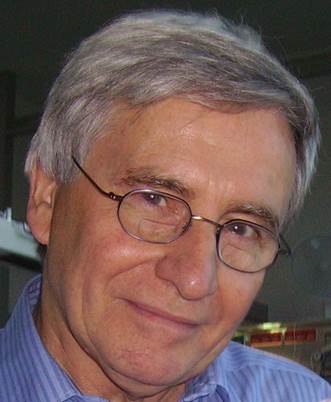 Kutschera, Walter合作论文数University of Vienna123
 Anton Wallner合作论文数Institut für Isotopenforschung und Kernphysik, Universität Wien90Eva Maria Wild合作论文数64
 Martin Martschini合作论文数38Francesca Quinto合作论文数34
 Oliver Forstner合作论文数Faculty of Physics, University of Vienna32
 Karin Hain合作论文数32Christof Vockenhuber合作论文数30Winkler S合作论文数29Johannes Lachner合作论文数28
 Werner Rom合作论文数Virtual Vehicle Res Ctr, Graz, Austria27
 Jixin Qiao合作论文数Risø National Laboratory for Sustainable Energy, Technical University of Denmark26
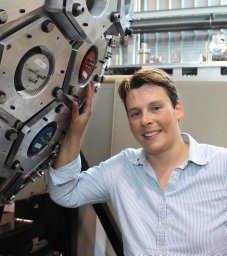 I. Dillmann合作论文数TRIUMF23
 Aya Sakaguchi合作论文数Ctr Res Isotopes & Environm Dynam, Univ Tsukuba22
 Merchel Silke合作论文数Helmholtz-Zentrum Dresden-Rossendorf22Max Bichler合作论文数Atominstitut der Österreichischen Universitäten, Vienna University of Technology22Gabriele Wallner合作论文数22Kathrin Buczak合作论文数18A. Mengoni合作论文数18
 Keith Fifield合作论文数Department of Nuclear Physics, Research School of Physics, College of Science, The Australian National University17
 Georg Rugel合作论文数Beschleunigerlabor der, LMU and TU München17Stephen Tims合作论文数Department of Nuclear Physics, Research School of Physics, College of Science, The Australian National University16
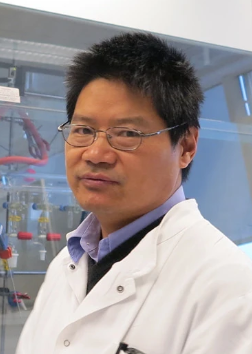 Xiaolin Hou (侯小琳)合作论文数School of Nuclear Science and Technology, Lanzhou University14
 Michael Paul合作论文数Racah Institute of Physics, Faculty of Science, Hebrew University13E Wild合作论文数11Stephan Puchegger合作论文数11Liebl Jakob合作论文数11
 Cortney Lederer合作论文数10Gunther Korschinek合作论文数10F. Kaeppeler合作论文数10M. Srncik合作论文数9
 Tamás Belgya合作论文数Institute of Isotope and Surface Chemistry, Chemical Research Centre of the Hungarian Academy of Sciences9
 Mu Lin合作论文数Institute of Geology and Geophysics, Chinese Academy of Sciences8
 Miroslav Jeskovsky合作论文数Comenius University, Comenius University8Horst Geckeis合作论文数8Jüri Plado合作论文数8E. Hrnecek合作论文数8Thorsten Schafer合作论文数Technische Universitat Darmstadt8Argo Joeleht合作论文数8f kappeler合作论文数7Markus Lagos合作论文数7
 Stefan Pavetich合作论文数Department of Nuclear Physics & Accelerator Applications, Research School of Physics, College of Science, The Australian National University7
 Pavel Povinec合作论文数Department of Nuclear Physics and Biophysics, Faculty of Mathematics, Physics and Informatics, Comenius University7
 Maki Honda合作论文数7
 Losiak Anna合作论文数Polish Academy of Sciences, 1 Institute of Geological Sciences7
 Yoshio Takahashi (高橋嘉夫)合作论文数Department of Earth and Planetary Science, Graduate School of Science, The University of Tokyo;Department of Earth and Planetary Environmental Science, Graduate School of Science, The University of Tokyo7




