Join us for the Thieme Cheminar “Strain-Release Chemistry”! Tuesday, February 24, 2026, 11:00 AM (CET) This special online event, brought to you by SYNTHESIS Journal, highlights the versatile role and groundbreaking impact of strain‑release chemistry in modern organic synthesis. Strained molecules offer unique reactivity and open new pathways for innovative transformations. The program will feature outstanding talks from leading researchers in the field: 🔹 Dr. Durga Prasad Hari (Indian Institute of Science Bangalore, India) 🔹 Prof. Jérôme Waser (École Polytechnique Fédérale de Lausanne, Switzerland) 🔹 Prof. Peter Wipf (University of Pittsburgh, USA) The session will be chaired by Prof. Akkattu T. Biju, Associate Editor of SYNTHESIS Journal. Do not miss this unique opportunity to explore cutting-edge advances in strain‑release chemistry and engage with some of the leading voices defining tomorrow’s organic chemistry! Carbene Mimics from Strained Rings Talk by Durga Prasad Hari Playing with Electrons to Activate Strained Rings Talk by Akkattu T. Biju, Jérôme Waser Strain-Release as a Driving Force in the Synthesis of Novel Heterocyclic Scaffolds Talk by Peter Wipf
Glutaric aciduria type 1 (GA1) is a cerebral organic aciduria caused by deficient activity of glutaryl-CoA dehydrogenase (GCDH). Patients present with acute striatal degeneration and develop progressive cortical leukodystrophy whose pathophysiology is only partially known. As treatment for GA1 is limited, we evaluated the impact of JP4-039, a mitochondria-targeted reactive oxygen species (ROS) and electron scavenger, on redox homeostasis, mitochondrial quality control, and glucose metabolism in the cortical and striatal brain tissues of GCDH-deficient (Gcdh-/-) mice. Both tissues exhibited increases in lipid peroxidation, ROS levels, and the activities of superoxide dismutase, catalase, and glutathione S-transferase. Furthermore, glutathione reductase activity was increased, and glutathione peroxidase was reduced in the striatum, while Nrf2 mRNA levels were elevated in the cortex. Notably, most of these altered endpoints of redox homeostasis were prevented by treatment with JP4-039. Peroxisome proliferator-activated receptor gamma coactivator 1-alpha (PGC1α) expression was reduced in the cortex of Gcdh-/- mice, whereas voltage-dependent anion channel (VDAC) and dynamin-related protein 1 (DRP1) expression were increased in the striatum, signaling a disturbance of mitochondrial quality control. JP4-039 mitigated the DRP1 change. The cerebral cortex displayed reduced glucose metabolism, increased lactate levels, and elevated activities of hexokinase, pyruvate kinase, and lactate dehydrogenase (LDH), which JP4-039 mitigated. GLUT3 expression was reduced in the cerebral cortex, but JP4-039 did not change this effect. Our data suggest that redox imbalance and dysregulated mitochondrial quality control and of the glycolytic pathway contribute to the pathophysiology of GA1, and that JP4-039 may offer therapeutic benefit.
In the preparation of 1,4-benzothiazines, intramolecular nucleophilic aromatic substitution (SNAr) cyclizations of thiol-bearing fluoro-nitroanilines exhibited unexpected regioselectivity preferences. Microwave-assisted heating facilitated ring closure but did not alter the intrinsic regiochemical bias. Both standard SNArF and a vicarious nucleophilic substitution of hydrogen (SNArH) reactions led to an undesired 1,4-benzothiazine substitution pattern. Frontier molecular orbital (FMO) analysis revealed substantial LUMO polarization at the C-2 position irrespective of fluorine versus hydrogen substitution at this site, providing a mechanistic rationale for the observed regioselectivity. Guided by these insights, a symmetrical dinitro-activated substrate was used to overcome the intrinsic electronic bias and enable access to the desired 1,4-benzothiazinedioxides in a concise seven-step sequence. The selectivity of the final N-carbamoylation step was determined by 13C NMR chemical shift calculations. This work addresses regioselectivity challenges in benzothiazine synthesis and highlights the power of combining experimental and computational analyses.
Modified Sulfo-Biginelli conditions, including a new one-pot process from sulfamide and α,β-unsaturated carbonyl compounds, were developed to access diverse 1,2,6-thiadiazine-1,1-dioxides. These electron-deficient heterocyclic building blocks underwent highly regio- and stereoselective [4 + 2] and [3 + 2] cycloadditions with azomethine ylides, alleneoates, and methylene cyclopropanes to provide fused, bridged and spirocyclic thiadiazines. Chiral phosphine catalysis can be used to generate enantiomerically enriched annulation products. This study illustrates the synthetic versatility of cyclic sulfamides and their potential for the discovery of novel heterocyclic scaffolds.
The total synthesis of a complex molecule is among the most demanding intellectual and experimental feats in chemistry: a chemist must plan many steps ahead for how to assemble simple building blocks into an intricate target, devise backup strategies, and anticipate procedural challenges. It is also a profoundly creative activity. For half a century, efforts to automate the retrosynthetic design of natural products and other complex molecules have drawn on catalogued reactions, and the resulting tools now report near-complete success on benchmarks built from that same source. But these tools were shaped to fit benchmarked chemistry, and they falter on many natural products, the frontier of the field, whose densely functionalized, polycyclic architectures demand precisely the inventive chemistry the record contains least. Whether a machine could reasonably design such syntheses like an expert chemist does has remained unclear. Here, we show that SynthEx, an agentic framework built on large language models, plans routes to complex natural products that lie beyond the reach of conventional design algorithms. SynthEx proposes competing strategies, assembles a sequence of routine and key steps into a cohesive route, and critiques and improves its own design; the chemistry it favours is more convergent than existing tools produce, and spans a region of reaction space that catalogue-based tools cannot match. Most notably, in blinded assessments, expert chemists judged its key steps comparable to those of published human syntheses and engaged with them as genuine synthesis plans, a response algorithmic route prediction has not previously accomplished. We release routes to more than a thousand natural products as SynthAtlas, an open, interactive database, and anticipate it will become a shared resource for a collection of complex target molecules that lack existing literature routes.
The signature indole-fused 9-azabicyclo[3.3.1]nonane (9-ABN) core of macroline-type alkaloids in its natural configuration has been accessed in 4 steps and 16% overall yield from 1H-indole and an L-menthyl nicotinate-derived pyridyl alcohol. The two starting fragments were condensed using a hydrogen auto-transfer (HA) strategy. The key stereocenter at C-5 was installed in up to 95:5 drwith a double diastereoselective, chiral auxiliary-assisted asymmetric transfer hydrogenation (CAATHy). This selective partial reduction of the pyridine to the tetrahydropyridine set the stage for stereospecific formation of the bridged, bicyclic 9-ABN system via a novel superacid-mediated cycloisomerization reaction. Starting from indole and 6-(hydroxymethyl)nicotinate esters, this new strategy provides rapid, protecting group-and transition metal-free access to the tetracyclic macroline core.
A significant part of our work has been influenced by explorations of the synthetic, mechanistic, structural, and biological consequences of ring strain. Bond angle and bond length distortions, torsional interactions, and transannular and nonbonding steric clashes notably alter the chemical and physical properties of organic molecules. The exquisite ring strain in bicyclo[1.1.0]butanes and methylenecyclopropanes has been a rich source of a serendipity-driven discovery of novel reaction pathways and unique heterocyclic scaffolds. This presentation will focus on diverse aspects of strain-release in the development of new synthetic methods in our laboratory.
The R3H domain of the human protein Sµbp-2 was produced with 5-fluoro-L-isoleucine (FIle) and 5,5-difluoro-L-isoleucine (diFIle) as probes for detection by 19F-NMR spectroscopy. The fluorinated protein, produced by cell-free protein synthesis, was obtained more easily with diFIle than FIle as FIle readily hydrolysed at pH 7.5 with the release of fluoride. The 19F-NMR spectra showed large chemical shift ranges but were heterogeneous. The heterogeneities arose from difficulties to fully exclude canonical isoleucine, the presence of multiple conformations and limited stability of the proteins, with the sample made with diFIle being particularly prone to precipitation. 19F resonance assignments were obtained by comparison of the chemical shifts of γ1-protons with those observed in the wild-type protein. Non-uniform cross-peak intensities observed in short-delay 1H,19F correlation experiments suggest incomplete averaging of 3JHF couplings and therefore preferential rotamer populations of the CH2F and CHF2 groups.
Telomeres are hypersensitive to the formation of the common oxidative lesion 8-oxoguanine (8oxoG), which impacts telomere stability and function. OGG1 and MUTYH glycosylases initiate base excision repair (BER) to remove 8oxoG or prevent mutation. Here, we show OGG1 loss or inhibition, or MUTYH loss, partially rescues telomeric 8oxoG-induced premature senescence and associated proinflammatory responses, while loss of both glycosylases causes a near complete rescue in human fibroblasts. Glycosylase deficiency also suppresses 8oxoG-induced telomere fragility and dysfunction, indicating that downstream single-stranded break (SSB) repair intermediates impair telomere replication. Preventing BER initiation suppresses PARylation and confers resistance to the synergistic effects of PARP inhibitors on 8oxoG-induced senescence. However, OGG1 activity is essential for preserving cell growth after chronic telomeric 8oxoG formation, whereas MUTYH promotes senescence to prevent chromosomal instability from unrepaired damage. Our studies reveal that inefficient completion of 8oxoG BER at telomeres triggers cellular senescence via SSB intermediates which disrupt telomere function.
Legend to supplementary figure S1 and Table S1 containing a list of reagents and chemicals used to perform the experiments in the manuscript
Triosephosphate Isomerase deficiency (TPI-Df) is a devastating untreatable childhood metabolic disease resulting in anemia, severe locomotor impairment, and premature death. Numerous single amino acid substitutions in TPI are pathogenic and result in rapidly progressing multisystem disease. Importantly, all known pathogenic TPI-Df mutations result in a protein that retains function, and pathogenesis is known to result from decreased steady state levels of the functioning protein. There are no small molecule therapies for TPI-Df; current treatments are limited to symptomatic support and dietary interventions. We reasoned that a phenotypic screen was most appropriate to capture agents that stabilize mutant TPI and developed a human cellular TPI-Df assay based on a cellular model of the "common" TPIE105D mutant protein fused with a GFP and a fluorescent ROS biosensor. The assay was implemented for high-content, high-throughput imaging, optimized to full HTS standards, and used to screen a 2,560 compound pilot library and the 220,700 compound NIH MLSMR compound collection to identify candidate compounds for development into small molecule TPI-Df therapies. Hits were validated in dose-response, TPI-Df patient cells, and various orthogonal assays. Limited SAR revealed three promising compound series, which were evaluated for potential mechanisms of action. The lead series had previously been identified as inducers of HIF1 alpha, spawning a novel hypothesis that HIF1 alpha activation might be a potential avenue to treat TPI-Df patients. A lead molecule was moved into preliminary mouse studies to evaluate pharmacokinetics and tissue distribution and was shown to be moderately brain-penetrant. The lead compound is now positioned for target identification studies and efficacy testing in vivo TPI Df models, including a newly validated mouse model.
Hsp70 prevents protein aggregation and is cytoprotective, but sustained Hsp70 overexpression is problematic. Therefore, we characterized small molecule agonists that augment Hsp70 activity. Because cumbersome assays were required to assay agonists, we developed cell-based and in vivo assays in which disease-associated consequences of Hsp70 activation can be quantified. One assay uses an optogenetic system in which the formation of TDP-43 inclusions can be controlled, and the second assay employs a zebrafish model for acute kidney injury (AKI). These complementary assays will facilitate future work to identify new Hsp70 agonists as well as optimized agonist derivatives.
The protein homeostasis (proteostasis) network includes quality control systems that coordinate protein synthesis, folding, localization, and degradation, and is deregulated in numerous diseases including cancer. Loss of proteostasis can activate lethal cellular stress responses, potentially opening a therapeutic window. Previous research demonstrated that MAL3-101, an inhibitor of heat shock protein 70-kD (HSP70) chaperones, selectively induces rhabdomyosarcoma (RMS) cell death via unfolded protein response (UPR) activation. RMS is the most common pediatric soft tissue sarcoma, and relapsed patients are rarely cured despite transient responses to DNA-damaging therapy. To examine whether MAL3-101 or more drug-like proteostasis inhibitors represent a new therapeutic strategy for RMS, we screened proteostasis components that might recapitulate the effects of MAL3-101 in vivo. We find that inhibition of VCP, which encodes the p97 ATPase that facilitates proteasome-dependent degradation, similarly activates the UPR and induces RMS apoptosis. In mouse models, a preclinical p97 inhibitor showed superior bioavailability and anti-tumor activity compared to MAL3-101. Patient-derived xenografts exhibited a spectrum of p97 inhibitor sensitivities, and RNA sequencing of resistant tumors revealed elevated autophagy, nominating a biomarker of proteostasis adaptability. Together, these findings confirm that proteostasis inhibition can slow RMS growth and suggest that targeting compensatory network components might yield synergistic outcomes.
The asymmetric partial reduction of substituted pyridines represents a direct and versatile strategy to access chiral di- and tetrahydropyridines, which are present in many natural products and active pharmaceutical ingredients (APIs). However, this methodology remains significantly underdeveloped when compared to the numerous exhaustive asymmetric reductions of pyridines to fully saturated piperidines, and is currently still limited to the synthesis of tetrahydropyridines. In this Opinion, we highlight the benefits, challenges, and current scope of asymmetric partial pyridine reductions, emphasizing prospective future directions to address significant gaps in the current literature.
Modified sulfo-Biginelli conditions were developed to access dihydro-1,2,6-thiadiazines that were further functionalized and oxidized to 1,2,6-thiadiazines. These electron-deficient heterocyclic building blocks were subjected to regio- and stereoselective [4+2] and [3+2] cycloadditions with an electron-rich methylene cyclopropane, non-stabilized azomethine ylides, and alleneoates to provided novel bridged and fused bicyclic thiadiazines. This study illustrates the versatility of cyclic sulfamides and demonstrates the potential for a broad range of new applications of this scaffold in heterocyclic chemistry.
 Joel S. Greenberger合作论文数UPMC Shadyside Radiation Oncology,UPMC Cancer Pavilion112
 John S. Lazo合作论文数Department of Chemistry, University of Virginia;Department of Pharmacology, University of Virginia109
 Michael W. Epperly合作论文数Departments of Radiation Oncology, University of Pittsburgh Cancer Institute74
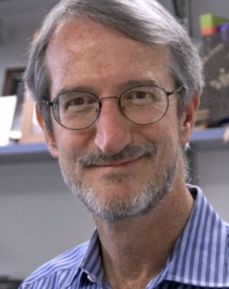 Jeffrey L. Brodsky合作论文数Center for Protein Conformational Diseases, Department of Biological Sciences, Kenneth P. Dietrich School of Arts and Sciences, University of Pittsburgh46
 Sharlow Elizabeth R合作论文数Dept Pharmacol, Univ Virginia45
 Valerian Kagan合作论文数Department of Environmental and Occupational Health, Graduate School of Public Health, University of Pittsburgh;McGowan Institute for Regenerative Medicine, University of Pittsburgh40
 Donna Huryn合作论文数The Huryn Lab, Department of Chemistry, College of Arts & Sciences, University of Pennsylvania;CRC Press;ACS Medicinal Chemistry Letters;EWOC35Heinz Heimgartner合作论文数34
 David N. Beratan合作论文数Department of Biochemistry, Duke University School of Medicine;University of Pittsburgh33
 Hong Wang合作论文数33Tracy Dixon合作论文数33Salamoun Joseph合作论文数31Donna Shields合作论文数31Michael W Epperly合作论文数29Darcy Franicola合作论文数28
 Song Li合作论文数Department of Pharmaceutical Sciences, School of Pharmacy, University of Pittsburgh;Center for Pharmacogenetics, School of Pharmacy, University of Pittsburgh27
 Xichen Zhang (张西臣)合作论文数College of Veterinary Medicine, Jilin University27Burnett James C合作论文数24Julie P. Goff合作论文数23
 M. Laporte合作论文数23
 Zhou Wang合作论文数School of Medicine, University of Pittsburgh20
 Billy W. Day合作论文数ReNeuroGen LLC;Medantox, LLC20
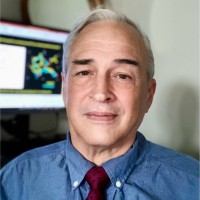 Rick Gussio合作论文数Computational Institute for Health and Environmental Research20Skoda Erin M合作论文数19
 Joel B. Nelson合作论文数Department of Urology, School of Medicine, University of Pittsburgh19Liang Mary合作论文数19Jonathan T. Reeves合作论文数19Andreas Vogt合作论文数19Nikhil R Tasker合作论文数Department of Chemistry, University of Pittsburgh18
 Xiang Gao合作论文数18Johnston Paul A合作论文数17
 Edward C. Taylor合作论文数Department of Chemistry, Princeton University16Wen Hou合作论文数16Renee Fisher合作论文数15
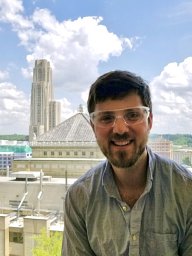 Ettore J. Rastelli合作论文数Dept Chem, Univ Pittsburgh15Melissa M. Sprachman合作论文数15
 Laura E Pascal合作论文数Pittsburgh Center for Interdisciplinary Bone and Mineral Research, University of Pittsburgh;Department of Pharmacology and Chemical Biology, School of Medicine, University of Pittsburgh15Jingbo Xiao合作论文数15
 Taber Maskrey合作论文数14Frantz Marie-Céline合作论文数14
 Kelley Mcqueeney合作论文数14
 Jerry Vockley合作论文数Department of Pediatrics, School of Medicine, University of Pittsburgh;UPMC Pittsburgh Children’s Hospital14
 Garth Powis合作论文数University of Arizona Cancer Center14Crj Stephenson合作论文数13Berhane Hebist合作论文数13
 Yulia Y Tyurina合作论文数Department of Environmental and Occupational Health, School of Public Health, University of Pittsburgh13Srikanth Venkatraman合作论文数13Zeyu Wu (吴泽宇)合作论文数12
 Irina Zabbarova合作论文数12




