ABSTRACT Constructing flexible ultralong room‐temperature phosphorescence (URTP) materials is highly attractive yet challenging, as flexible matrices struggle to suppress the nonradiative decay of triplet excitons. Herein, self‐protective carbonized polymer dots (CPDs) derived from carbonized polyvinyl alcohol (PVA), were embedded in a gel matrix to create flexible URTP materials. Simply tuning the alcoholysis degree of PVA to 88% and reacting it with ethylenediamine under hydrothermal conditions yields NCD88, which exhibits a phosphorescence lifetime of 1.05 s. This benefits from carbonyl/nitrogen clusters that promote intersystem crossing (ISC) and incompletely carbonized PVA chains that restrain nonradiative decay. This strategy effectively resolves the trade‐off between ISC efficiency and triplet exciton stabilization, enabling URTP in PVA‐based CPDs. Furthermore, by combining freeze–thaw cycling with a solvent exchange strategy, a PVA‐based deep eutectic gel was prepared, exhibiting a URTP lifetime of 0.86 s, along with high tensile strength and high toughness. Thus, this study not only resolves the challenge of nonradiative decay in PVA‐based self‐protective CPDs via simple alcoholysis regulation, but also successfully integrates URTP properties with high mechanical performance into a single gel system, providing a new strategy for developing flexible URTP materials.
Clusteroluminescence in non-conjugated systems has garnered significant attention for the development of advanced light-emitting materials, however, the understanding of the underlying mechanism remains a challenge. Herein, we report a facile, one-step strategy to prepare unconventional dual-mode luminescent materials by thermal treatment of aqueous citric acid (CA) and l-lysine (Lys). These materials exhibit bright fluorescence (The quantum yield is up to 43.2%) and remarkably long-lived room-temperature phosphorescence (RTP, up to 5 s). Combined experimental characterization and theoretical calculations were used to reveal the underlying dual emission mechanisms. Theoretical calculations revealed a reduced HOMO-LUMO energy gap upon blending of the CA and Lys and formation of ionic interaction in CA and Lys mixtures. Blue IRI isosurface calculation demonstrates the formation of H⋯O and H⋯N intermolecular weak interactions, which promote efficient electron transitions, enhancing molecular excitability. This structural characteristic increases the probability of radiative decay to the ground state, thereby improving long-wavelength fluorescence efficiency. The observed trends in fluorescence and phosphorescence spectra were in excellent agreement with theoretical calculation results, providing further mechanistic insights into the luminescence behavior. This work provides a facile strategy for the preparation of dual-mode luminescent materials and new insight into understanding the molecular mechanism of clusteroluminescence in non-conjugated systems.
Ionogels are promising for flexible electronics, but their use in triboelectric nanogenerators (TENGs) has been limited by weak mechanical performance and poor interfacial control. Here, we report a molecularly engineered ionogel (VP-IL) with a "rigid-flexible combined skeleton," featuring bicontinuous phase separation via multiple supramolecular interactions. Created by copolymerizing rigid 1-vinylimidazole (1-VIM) and flexible 2-phenoxyethyl acrylate (PhEA) with ionic liquid 1-ethyl-3-methylimidazolium bis(trifluoromethanesulfonyl)imide([EMIM][TFSI]) as dynamic crosslinker and phase-separation driver, the VP-IL ionogel exhibits a well-defined bicontinuous phase separation orchestrated through strong cation-π anchoring of [EMIM]+ onto PhEA benzene rings. The synergistic interplay of this interaction with hydrogen bonds and π-π stacking results in efficient energy dissipation and strain-hardening in VP-IL. Solid-state NMR reveals the slow segmental motion activated by ionic liquids, thereby endowing the material with strong mechanical properties and charge transport capabilities. This dynamic network allows modulus switching over three orders of magnitude and rapid shape memory, supporting UV-curable 3D printing. An intelligent TENG with a reconfigurable friction interface was developed by this material, whose output charge can be regulated on demand through micro-patterning. This work offers a new material platform for the design of a new generation of adaptive soft robots and wearable self-powered systems.
Non-traditional luminescent polymers exhibit significant advantages in bio-diagnostics and intelligent materials but suffer from low luminescence efficiency and limited functionality. Inspired by the excited-state proton transfer mechanism mediated by dense hydrogen bonds in jellyfish fluorescent proteins, we propose a strategy using dynamic quadruple hydrogen bonding ureidopyrimidinone motifs to create highly efficient luminescent polymers. By modulating the aggregated structure of the supramolecular units, proton transfer between paired motifs is activated, thereby achieving a high photoluminescent quantum yield up to 52% in supramolecular polyurethane. Ultrafast spectroscopy directly revealed this intermolecular proton transfer, while solid-state NMR spectroscopy confirmed the essential role of quadruple hydrogen bonds. The dynamically switchable hydrogen bonding structure endows the material with multifunctional integration, including strong fluorescence properties, high toughness, self-healing, reprocessability, and stimulus responsiveness. This research not only introduces a pioneering approach for advancing high-performance light-emitting materials but also enhances the prospects for their practical applications.
The fluorescence mechanism of poly(2-vinylnaphthalene) (P2VN), exhibiting aggregation-induced emission (AIE) characteristics, is systematically investigated through a combination of theoretical calculations and experimental characterizations. Density functional theory (DFT) calculations reveal that, as a π-electron-rich AIE-active polymer, the emission of P2VN originates primarily from the locally ordered stacking of its naphthalene side groups. This ordered arrangement enhances through-space interactions (TSI), which promotes exciton delocalization and significantly increases the fluorescence intensity. Solid-state NMR studies further demonstrate that the restricted molecular motion of naphthalene units is another key factor governing the AIE behavior as it effectively suppresses non-radiative decay and thus improves emission efficiency and intensity. This work elucidates the dual roles of through-space interactions and restricted intramolecular motion in achieving high-efficiency luminescence, providing deeper insights into the AIE mechanism of fluorescent polymers. The findings offer a theoretical foundation for the design of novel luminescent materials beyond traditional conjugated systems.
The development of high-performance elastomers that are simultaneously strong, crack-tolerant, and wear-resistant remains a persistent challenge. Herein, we design bio-inspired semicarbazide chain extender featuring high-density hydrogen-bonding sites to synthesize poly(urethane-urea) (PUU). The use of two such extenders creates geometric confinement that promotes ordered H-bonding arrays, which synergistically enhances the mechanical performance. The resulting PUU-HI elastomer exhibits a nanoscale-ordered phase-separated structure and maximized H-bonding, achieving a tensile strength of 120.2 MPa, toughness of 400.5 MJ m−3 and true fracture stress of 1.3 GPa, even surpassing spider silk. The architecture additionally delivers high crack tolerance, fatigue resistance, and high wear resistance, making it ideal for stable, long-term used triboelectric nanogenerator interfaces. Solid-state NMR reveals the geometric-confinement-induced ordered and high-density H-bonding structure in hard domain for efficient energy dissipation. By designing tailored H-bonding motifs and amplifying supramolecular interactions via geometric confinement, this work offers a promising strategy for developing mechanically robust and durable elastomers. The development of high-performance elastomers that are strong, crack-tolerant, and wear-resistant remains a challenge. Here the authors design a poly(urethane-urea) system based on geometrically confined semicarbazide chain extenders, which enhance the mechanical performance of the material.
Desilication by alkali etching is generally used to prepare hierarchical zeolites to enhance their mass transfer properties; however, for high Si/Al ratio zeolites, the alkali etching would greatly reduce the framework crystallinity or even give rise to amorphous product. Though organic amines have been used as additives during alkali etching to protect the microporous framework, the problems of toxicity, volatility, high cost, and nitrogen-containing wastes induced by organic amines would hinder their scalable application. In this study, we provide a different viewpoint on the protective mechanism of zeolite micropores during alkali etching, and the attention is focused on the framework polarity, which has not been studied before. We develop a hydrophobic nitrogen-free organic molecule (such as acetophenone)-protected alkali etching method to prepare hierarchical zeolites with high crystallinity and high porosity, and the prepared hierarchical Y zeolites showed enhanced performance in the catalytic cracking of bulky molecules. This method is based on the principle that the hydrophobic micropores of high-silica zeolites could adsorb hydrophobic organic molecules from aqueous solution, which would fill in the zeolite micropores and prevent excessive OH- damage to Si-O-Si bonds. Thus, our method is facile for scalable production without the tedious pretreatment of vacuum dehydration, organic amine impregnation, and drying before alkali etching. Furthermore, concerning the characteristics of a nitrogen-free process and low volatility, using acetophenone as a protective agent would reduce the cost and avoid nitrogen-containing wastes in practical applications.
Eutectogels are emerging as the next‐generation stretchable electronics due to their superior ionic conductivity, non‐volatility, and cost‐effectiveness. Nevertheless, most eutectogels suffer from weak mechanical strength and toughness and pronounced hygroscopicity. Herein, a strategy is proposed to fabricate phase‐separated eutectogels with dual ionic channels (PSDIC‐gel), which exhibit exceptional integrative properties, especially water resistance. By blending hydrophilic/hydrophobic polymerizable deep eutectic solvents, dual ionic channels spontaneously form via polymerization‐induced phase separation. The hydrophilic poly(acrylic acid) (PAA) phase containing Li + ‐channels, rich in hydrogen bonding and ion‐dipole interactions, provides mechanical strength and conductivity. The hydrophobic poly(hexafluorobutyl acrylate) (PHFBA) phase incorporating cholinium cation (Ch + ) channels enhances toughness, conductivity, and water resistance. Adjusting the phase ratio yields a microphase‐separated transparent eutectogel with high tensile strength (6.03 MPa), toughness (16.18 MJ m −3 ), excellent ionic conductivity (1.6 × 10 −3 S m −1 ), strong substrate adhesion, and rapid room‐temperature self‐healing. Solid‐state NMR reveals the conductive mechanism and the phase‐separated structure featuring dual ionic channels in PSDIC‐gels, advancing the understanding of complex ionic interactions at the atomic level. The PSDIC‐gel enables a flexible triboelectric nanogenerator for accurate real‐time self‐powered human motion sensing. This work advances eutectogel design through structure‐property engineering, offering a universal strategy to reconcile mechanical robustness, environmental suitability, and ionic conductivity for wearable electronics.
Traditional self-assembly of block copolymers in solution relies heavily on solvents and faces challenges in precise control of three-dimensional (3D) nanostructures, limiting scalable applications. Here, we report a novel solvent-free bulk ring-opening polymerization-induced crystallization-driven self-assembly (BRPI-CDSA) strategy, enabling the synchronous polymerization, crystallization, and self-assembly of epsilon-caprolactone at 0 degrees C for the first controlled hierarchical synthesis of 3D multilayer nanomicelles. During the polymerization of polyethylene glycol-b-polycaprolactone (mPEG-b-PCL) diblock copolymers, in situ formation of 2D hollow/single-layer nanosheets was observed, followed by screw-dislocation-crystallization-driven hierarchical stacking into hydrangea-, plywood-, and bowknot-like 3D architectures. Real-time dynamic analyses (e.g., solid-state NMR and Xray scattering) elucidated the synergistic mechanism between polymerization kinetics and self-assembly kinetics, highlighting the critical role of screw dislocation in facilitating interlayer alignment during bulk polymerization. This solvent-free approach achieves a high 3D micelle concentration (22.6 wt%) and opens a green, scalable route for functional crystalline materials, with potential applications in smart devices and biomedicine.
Room temperature phosphorescence (RTP) polymer materials have broad application prospects and are the research focus in the field of optical materials. However, achieving RTP polymer materials with ultra-long lifetimes remains challenging due to the susceptibility of triplet emission to quenching caused by weak intramolecular interactions within flexible polymer networks. Herein, we fabricated a catalyst-free vitrimer exhibiting ultra-long RTP by cross-linking trace amounts of epoxidized tetraphenylethylene into the network and using triethanolamine (TEOA) as a catalytic co-curing agent. The rigid dynamic covalent matrix effectively suppresses non-radiative transitions of triplet excitons from tetraphenylethylene motifs, resulting in a record-breaking phosphorescence lifetime (940 ms) among previously reported dynamic covalent polymer-based RTP materials. Meanwhile, the tertiary amine group of TEOA in the network acts as an internal catalyst, endowing the material with catalyst-free covalent adaptability. Consequently, this RTP vitrimer demonstrates exceptional mechanical strength, thermal stability, reprogrammable shape memory, and self-healing properties. Furthermore, we have developed advanced programmable materials for information editing-erasing and encryption that synergistically utilize both the shape memory functionality and luminescent characteristics of this material. This work not only presents a novel approach for synthesizing sustainable ultra-long RTP polymers, but also expands the scope of RTP materials in advanced applications.
The development of high-performance elastomers demands a combination of high tensile strength and toughness, yet overcoming the inherent trade-off between them remains a persistent challenge. Herein, inspired by the dense hydrogen-bonding assembly in spider silk, we developed a new generation of semicarbazide chain extender bearing high-density hydrogen-bonding sites for synthesizing poly(urethane-urea) (PUU). The geometric confinement, achieved by employing two specific semicarbazide chain extenders, is key to enhancing the material's properties. The resulting elastomer (PUU-HI) exhibits a nanoscale-ordered phase-separated structure and maximized H-bonding, which collectively amplify the supramolecular interactions and lead to ultra-robust mechanical performance. This material achieved a high tensile strength of 120.2 MPa, with toughness of 400.5 MJ m⁻³ and true fracture stress of 1.3 GPa, even surpassing those of spider silk. Molecular dynamics simulations revealed that geometric confinement effect enhances H-bonding interactions in PUU-HI. Multidimensional solid-state NMR demonstrates that this molecular packing confines chain mobility via augmented steric hindrance, facilitating orderly hard-domain stacking and efficient energy dissipation. The architecture additionally delivers exceptional crack tolerance, fatigue resistance, and recyclability. By designing novel H-bonding motifs and amplifying supramolecular interactions via geometric confinement, this work offers a promising strategy for developing mechanically robust and durable elastomers.
Mediums and particles could form a typical shear thickening fluid (STF) whose viscosity increased significantly while shear rate was larger than the critical value. Such jump of viscosity could be controlled by particle-medium interactions. The quantitative relationship between particles and different mediums was still less studied. We used polyethylene glycol 200 and silica nanospheres as a typical STF. The bridging effect may cause a gel while bad medium, like water, made STF dysfunctional. The relaxation behavior and the dynamical heterogeneity of these samples were characterized by solid-state 1H low-field NMR. One mediate apparent spin-spin relaxation time (T2) could be found by fitting fully refocused FID in the typical STF. A strong interaction with typical T2 of 0.14 ms was extracted in particle gels with bridging effect. Interestingly, when two good mediums were mixed, STF became gel-like and their T2 decreased more rapidly than single medium with increasing particle content. On the contrary, bad medium preferentially lubricated particle surface and broke original particle-medium interactions, which was evidenced by a higher T2 value when small amount of bad medium was added. Such dynamic information obtained from NMR agreed well with the corresponding rheology behavior. A tentatively quantitative criterion of dynamics was proposed to judge whether shear thickening can occur in a particle suspension.
Polyelectrolyte complex (PEC) hydrogels provide a promising strategy to develop a class of physically cross-linked networks characterized by exceptional toughness and self-healing properties. However, the precise control of the microstructure and the enhancement of mechanical properties still pose challenges in the field of PEC hydrogels. Herein, we propose a strategy to manipulate the structure of PEC with competitively charged surfactant micelles, leveraging the spatially confined surface charge and excluded volume effects to overcome coacervation issues associated with the PEC, thus achieving a simple one-step preparation of macroscopically uniform and tough PEC hydrogels. Specifically, polyelectrolyte complex/surfactant micelle (PEC-SM) hybrid hydrogels were prepared by one-step copolymerization of chitosan (CS)/acrylic acid/cetyltrimethylammonium bromide (CTAB) micelles. The content of CTAB micelles was found to continuously modulate both the structure and the mechanical properties of the resulting PEC-SM hydrogel network. On one hand, reversible deformation-recovery behavior exhibited by CTAB cavity micelles through hydrophobic interactions efficiently dissipates energy; on the other hand, competition between CS chains and CTAB micelles for electrostatic binding sites with poly(acrylic acid), along with excluded volume effects of CTAB micelles, imparts a hierarchical structure upon the PEC-SM hydrogel. Rheology provided detailed insights into the viscoelastic behaviors of PEC-SM hydrogels at varying CTAB concentrations. The intermolecular interaction and heterogeneous network structure of physically cross-linked PEC-SM hydrogels with CTAB micelles were elucidated by solid-state nuclear magnetic resonance (NMR) spectroscopy. On the basis of rheology and NMR results, complemented by other characterization analyses, the physical illustration of the PEC-SM hybrid hydrogel network structure regulated by competitive surfactant micelles is presented. This work offers valuable in-depth insight into polyelectrolyte complexation and provides a foundation for the development of robust PEC hydrogel materials.
An AIE-active vitrimer is successfully synthesized through the crosslinking of epoxy derivatives of tetraphenylethylene. This vitrimer demonstrates photoluminescence and remarkable properties in terms of reshaping, reprocessing, and shape memory.
Activation of lattice oxygen species in oxides is an important research topic for improving catalytic oxidation activity. Herein, we tuned the lattice distortion of Mn3O4 spinel oxide via interfacing with amorphous samarium oxides, which would facilitate the activation of lattice oxygen. The crystalline Mn3O4 dispersed uniformly on the amorphous SmOx with a large surface area, which builds abundant interfaces along with many active sites. The lattice distortion degree can be conveniently regulated by changing Sm amount and calcination temperature. The Sm0.3Mn (Sm/Mn molar ratio is 0.3, the calcination temperature is 400?) exhibited the optimal intrinsic ac-tivity for CO oxidation. Compared with the pristine Mn3O4, its TOFMn increased by 60%, and the reaction rate in wet conditions (10 vol% H2O) was fourfold faster, superior to most reported MnOx oxide catalysts. Integrating with the various characterizations, the improvement of the intrinsic activity fundamentally originates from the rich reactive oxygen species in the lattice-distorted Mn3O4. What's more, the Sm0.3Mn exhibited better water resistance and SO2 tolerance. Electron characteristics and characterization results revealed that the full filling of the outer shell orbits of samarium protected the active sites at the interfaces from interacting with water. The weakened capacity for SO2 oxidation decelerated the accumulation of sulfate species. This work provides new insights into the rational modulation of reactive oxygen species and developed a practical catalyst with efficient catalytic CO oxidation activity, and excellent water resistance and SO2 tolerance.
Reversibly interlocked polymer networks (RILNs) were recently developed via topological rearrangement of two cross-linked polymers containing orthogonal reversible covalent bonds. Glass transition temperature measurement and microscopic observation indicated that an interlocked structure throughout the entire material can suppress phase separation between subnetworks regardless of their miscibility, but there is no in-depth study yet about the localized distribution of the subnetworks in the RILNs. In the present work, solid-state nuclear magnetic resonance spectroscopy was employed to investigate the microstructures of specially designed but representative RILNs. It was found that the macromolecular chains from different subnetworks interlaced with each other on the molecular level, while the composition fluctuation still existed and the sample with equal contents of the two subnetworks proved to be the most uniform. The outcomes will not only help to further reveal authentic microstructures of RILNs, but also benefit in the designing of new RILNs.
Front Cover: This special issue is dedicated to celebrating 40th Anniversary of the Institute of Polymer Chemistry at Nankai University. In the guest editorial article 2300597, Wangqing Zhang, Yang Liu, and co-workers discuss the scientific focuses and research directions as well as highlight the achievements of the Institute of Polymer Chemistry at Nankai University for the last 40 years.
Developing color-tunable pure organic room-temperature phosphorescent (RTP) materials based on biopolymers is of great significance for efficient utilization of natural resources, yet still challenging. Herein, tunable multicolor phosphorescence emission, including white-light, is achieved in cellulose-based RTP materials by coorganizing complementary cyan and red organic phosphors into the strong hydrogen-bonding networks of cellulose. The non-radiative transition of phosphors can be effectively suppressed by the high density of hydrogen bonding among the cellulose chains as well as the covalent interaction. The difference in optical properties between the two phosphors enables the adjustment of the phosphorescence emission color of the material from green to cyan, white and then red. It is demonstrated that the designed material can be used as versatile inks for pattern drawing and information encryption, with favorable multicolor emission and excellent aqueous processability. Therefore, considering the biodegradability and sustainability of cellulose materials, cellulose-based RTP has enormous potential in advanced anti-counterfeiting and information encryption as eco-friendly phosphorescent inks and coatings.
Heteroatom-doped carbon-based transition-metal single-atom catalysts (SACs) are promising electrocatalysts for oxygen reduction reaction (ORR). Herein, with the aid of hierarchically porous silica as hard template, a facile and general melting perfusion and mesopore-confined pyrolysis method was reported to prepare single-atomic Fe/N-S-doped carbon catalyst (FeNx/NC-S) with hierarchically porous structure and well-defined morphology. The FeNx/NC-S exhibited excellent ORR activity with a half-wave potential (E1/2) of 0.92 V, and a lower overpotential of 320 mV at a current density of 10 mA cm-2 for OER under alkaline condition. The remarkable electrocatalysis performance can be attributed to the hierarchically porous carbon nanospheres with S doping and high content of Fe-Nx sites (up to 3.7 wt% of Fe), resulting from the nano-confinement effect of the hierarchically porous silica spheres (NKM-5) during the pyrolysis process. The rechargeable Zn-air battery with FeNx/NC-S as a cathode catalyst demonstrated a superior power density of 194.5 mW cm-2 charge-discharge stability. This work highlights a new avenue to design advanced SACs for efficient sustainable energy storage and conversion. (c) 2022 Institute of Process Engineering, Chinese Academy of Sciences. Publishing services by Elsevier B.V. on behalf of KeAi Communications Co., Ltd. This is an open access article under the CC BY-NC-ND license (http://creativecommons.org/licenses/by-nc-nd/4.0/).
 Tiehong Chen (陈铁红)合作论文数School of Materials Science and Engineering, Nankai University135
 Datong Ding合作论文数82
 Baohui Li (李宝会)合作论文数School of Physics, Nankai University;Key Laboratory of Functional Polymer Materials, Ministry of Education, Nankai University43
 Rongchun Zhang (张荣纯)合作论文数School of Emergent Soft Matter, South China University of Technology;MacroNMR Group, South China Advanced Institute for Soft Matter Science and Technology41Qinghua Jin合作论文数41
 Fenfen Wang (王粉粉)合作论文数College of Chemistry, Nankai University39
 Xiaoliang Wang (王晓亮)合作论文数School of Chemistry, Nanjing University34
 Zhongyong Yuan (袁忠勇)合作论文数Institute of New Catalytic Materials Science, School of Materials Science and Engineering, Nankai University26
 Gi Xue合作论文数State Key Laboratory of Coordination Chemistry, School of Chemistry and Chemical Engineering, Nanjing University;Department of Chemistry, Nanjing University25
 Jingui Wang (王金贵)合作论文数天津中医药大学第一附属医院推拿科23Hui-Jing Zhou合作论文数21
 Qiang Wu (吴强)合作论文数School of Physics, Nankai University17
 Chengxiang Shi (史成香)合作论文数School of Chemical Engineering and Technology, Tianjin University15
 Rui Chen合作论文数virginia tech13
 Zhurui Shen (沈铸睿)合作论文数Institute of New Catalytic Materials Science, School of Materials Science and Engineering, Nankai University13
 Anchang Shi (史安昌)合作论文数Faculty of Science, McMaster University12Xu Xueyan合作论文数10
 Wangqing Zhang (张望清)合作论文数College of Chemistry, Nankai University10
 Luming Wu合作论文数9
 Huan Wang (王欢)合作论文数College of Chemistry, Nankai University9
 Guolin Wu (伍国琳)合作论文数College of Chemistry, Nankai University9
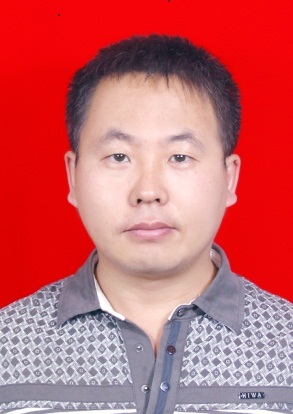 Hailong Fei (费海龙)合作论文数College of Chemistry, Fuzhou University8
 An-Chang Shi合作论文数Department Of Physics & Astronomy, Faculty of Science, McMaster University8
 Dongshan Zhou (周东山)合作论文数State Key Laboratory of Coordination Chemistry, School of Chemistry and Chemical Engineering, Nanjing University8
 Yuping Liu (刘玉萍)合作论文数Institute of Applied Chemistry and Engineering, College of Chemistry, Nankai University8
 Liying Li (李丽颖)合作论文数School of Environmental Science and Engineering, Tiangong University8Zhijun Yang合作论文数7Xiang Di合作论文数7Yong-jin Peng合作论文数7Jianjun Zhu合作论文数7Hai Lin合作论文数7
 Qiang Xiao (肖强)合作论文数Zhejiang Normal University7Jingzhong Wang合作论文数7Guo Du合作论文数6Youlin Liu (刘优林)合作论文数6Xin He合作论文数6
 Zhi Yuan (袁直)合作论文数College of Chemistry, Nankai University;Key Laboratory of Functional Polymer Materials, Ministry of Education, Nankai University6
 Yuhua Yin (尹玉华)合作论文数School of Physics, Nankai University6
 Horst Henning Winter合作论文数Department of Chemical Engineering, University of Massachusetts Amherst6
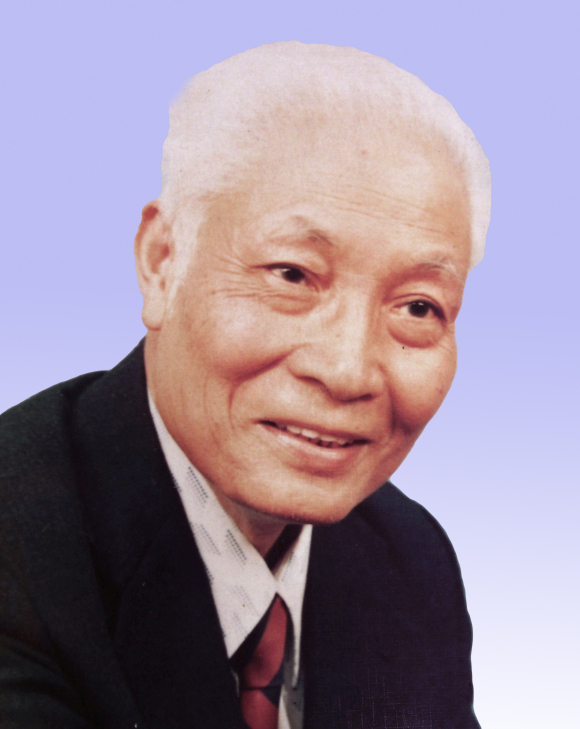 Binglin He (何炳林)合作论文数College of Chemistry, Nankai University6
 Qiang gu合作论文数6
 Jianbiao Ma (马建标)合作论文数天津理工大学6Jianxiong Xu (徐建雄)合作论文数6Aiju Men合作论文数5Baoxia Ni合作论文数5Qinqin Dang合作论文数5Jz Wang合作论文数5Jie Jin合作论文数5




