AIMS:Chronic pain management remains a major clinical challenge due to the limited availability of effective therapies that avoid severe side effects. The rostral ventromedial medulla (RVM) is a critical brainstem center for pain modulation; however, the neurochemical identity and functional roles of its neuronal subpopulations remain incompletely understood. METHODS:We performed a series of tests by constructing a complete Freund's adjuvant (CFA)-induced inflammatory nociceptive model and a chronic constrictive injury (CCI) neuropathic pain model combined with behavioral experiments, in situ hybridization, chemogenetics, optogenetics, and in vivo electrophysiological techniques. RESULTS:This study identifies enkephalinergic neurons in the RVM and their projections to the subnucleus reticularis dorsalis (SRD) as a distinct descending pain-inhibitory circuit. RNAscope shows elevated ENKRVM neuron activity in mouse models of inflammatory and neuropathic pain. Bidirectional chemogenetic and optogenetic manipulations demonstrate that inhibiting ENKRVM neurons or their SRD projections induces hyperalgesia, while activation elevates baseline pain thresholds and reverses hyperalgesia in CFA and CCI models. This pathway modulates nociception selectively without affecting anxiety or motor function. CONCLUSION:These findings identify the ENKRVM→SRD pathway as a bidirectional descending circuit for pain inhibition, highlighting its potential as a therapeutic target for analgesic intervention.
Background : Head and neck squamous cell carcinoma (HNSC) is a globally prevalent malignancy with high mortality rates. RNA-binding proteins (RBPs) are crucial regulators of gene expression and play significant roles in cancer development. However, a comprehensive understanding of RBPs at the single-cell level in HNSC remains limited. Objective This study aims to investigate the role of RBPs in the stepwise progression of HNSC at the single-cell level, focusing on their expression patterns, prognostic potential, and involvement in key signaling pathways. Methods We analyzed single-cell RNA-sequencing data from HNSC samples across four stages, from normal tissue to precancerous leukoplakia, then to primary cancer and finally to metastatic tumors, examining the expression of 2141 previously reported RBPs. We identified RBP-based cell clusters and explored their associations with disease stages, cell types, and cancer progression. A prognostic risk model was developed based on RBPs with significant relevance to patient outcomes. Results RBPs displayed distinct cell type-specific expression patterns across different stages of HNSC. We found a significant correlation between RBP-based cell clusters and cancer progression. Notably, a prognostic model was constructed using RBPs such as CELF2, which showed downregulation from early leukoplakia to advanced cancer stages. Fibroblast RBPs were dynamically regulated, particularly in extracellular matrix remodeling, with key proteins like CFL1 and PFN1 linked to improved prognosis. Furthermore, we identified heterogeneity in RBP regulation of the Macrophage Migration Inhibitory Factor (MIF) signaling pathway across cell types during the precancerous stage. Conclusions Our findings highlight the crucial roles of RBPs in HNSC progression and suggest their potential as therapeutic targets and prognostic markers, offering insights into personalized treatment strategies.
Radiotherapy is a standard cancer treatment that involves the induction of DNA damage. DNA damage repair (DDR) pathways maintain genomic integrity and make tumors resistant to radiotherapy and certain chemotherapies. In turn, DDR dysfunction results in cumulative DNA damage, leading to increased sensitivity for antitumor treatment. Moreover, radiotherapy has been shown to trigger antitumor immunity. Currently, immunotherapy has become a new and widely used standard strategy for treating a broad spectrum of tumor types. Notably, recent studies have demonstrated that DDR pathways play important roles in driving the response to immunotherapy. Herein, we review and discuss how DDR affects antitumor immunity induced by radiotherapy. Furthermore, we summarize the development of strategies for combining DDR inhibitors with radiotherapy and/or immunotherapy to enhance their efficacy against cancers.
8601 Background: RET alterations occur in non-small cell lung cancer (NSCLC, 2%), thyroid cancer (TC, 10%–20%) and a range of tumor types (<1%). RET inhibitors substantially improved the clinical outcomes of pts with RET-altered solid tumors. BYS10 is a highly potent and RET-specific inhibitor that overcomes RET V804 and G810 mutations, and exhibits high selectivity for RET over KDR. This study is to evaluate safety, tolerability, pharmacokinetics (PK) and efficacy of BYS10 in Chinese pts with RET-altered solid tumors. Methods: In phase Ⅰ, following an accelerated titration and BOIN design, eligible pts were treated with BYS10 at 25 to 600 mg daily dose. Primary endpoints included safety, tolerability, MTD and DLTs. Secondary endpoints included PK and preliminary antitumor activity. Results: As of 10 July, 2024, a total of 51 pts were enrolled in dose escalation cohorts at 25/50 mg QD (n = 1/1) and 50/100/200/250/300 mg BID (n = 3/12/12/9/13). The MTD was not reached. Treatment related adverse events (TRAEs) occurred in all subjects, the most common TRAE were elevated AST (64.7%), elevated ALT (58.8%), elevated TBIL (45.1%), decreased WBCs (43.1%), decreased NEUT (33.3%), hyperuricaemia (31.4%), hypertension (29.4%), hypoalbuminemia (25.5%), Elevated SCr (23.5%) and headaches (23.5%). Grade 3 to 4 TRAEs >5% included elevated AST (25.5%), elevated ALT (13.7%) and hypertension (9.8%) reported at 100 to 300 mg BID doses. Serious adverse events were recorded in 7 pts. Exposure of BYS10 increased in a dose-dependent manner from 25 to 600 mg. In 40 evaluable pts, the confirmed overall response rate (ORR) and disease control rate (DCR) by independent review committee per RECIST v1.1 were 62.5% and 85%, In pts with RET-fusion NSCLC (n=30), RET-fusion thyroid cancer (TC, n=6) and RET-mutant medullary thyroid cancer (MTC, n=4), the ORR/DCR were 60%/80%, 83.3%/100% and 50%/100%, respectively. Intracranial antitumor activity was observed by investigators in 4 pts with at least 1 measurable intracranial lesion (one intracranial complete response). The ORR/DCR by IRC in 200 mg and 300 mg BID cohorts were 66.7%/100% and 75%/91.7%, respectively. Conclusions: BYS10 was well tolerated and showed dose-dependent exposure. Preliminary antitumor activity was observed in pts with RET-altered NSCLC, TC and MTC. The study is still ongoing. Clinical trial information: ChiCTR2400085264 .
Background: Although mTOR has long been regarded as a promising target for cancer treatment, the efficacy of mTOR inhibitors in most clinical trials has been rather limited. Nevertheless, their favorable safety profile has opened up opportunities for drug repurposing, even as their potential applications across various diseases remain largely unexplored. Methods: We performed an MR-PheWAS analysis across 1431 phenotypes to explore drug repurposing opportunities. We analyzed GWAS data of 452 plasma metabolites, 731 immune traits, and 412 gut microbiota to uncover potential mechanisms for the causal link between the mTOR gene and body mass index (BMI). Results: A causal link between mTOR gene expression and BMI has been established. Additionally, mTOR-related vulnerabilities associated with BMI, including alterations in metabolites, immune traits, and gut microbiota, were identified. Conclusions: The identified causal relationship between mTOR and BMI suggests novel potential non-cancer applications for mTOR inhibitors.
Background:Although advancements in cancer therapies have substantially improved the survival of cancer patients, these treatments may also result in acute or chronic lung injury. Cancer treatment-related lung injury (CTLI) presents with a diverse array of clinical manifestations and can involve multiple sites. Due to the lack of specific diagnostic protocols, CTLI can deteriorate rapidly and may be life-threatening if not promptly addressed. Unfortunately, there is no universally accepted consensus document on the diagnosis and management of CTLI. Methods:A multidisciplinary panel comprising experts from respiratory and critical care medicine, oncology, radiation oncology, thoracic surgery, radiology, pathology, infectious diseases, pharmacy, and rehabilitation medicine participated in this consensus development. Through a systematic literature review and detailed panel discussions, the team formulated nine key recommendations. Results:This consensus document addresses the concept, epidemiology, pathogenesis, risk factors, diagnostic approach, evaluation workflow, management strategies, differential diagnosis, type-specific management and clinical staging of CTLI. Emphasis is placed on raising awareness among clinicians and therapeutic practices through comprehensive guidelines. Conclusions:The consensus provides a detailed diagnostic protocol for CTLI and introduces a structured management framework based on grading, typing, and staging. It highlights the critical role of multidisciplinary team (MDT) collaboration and emphasizes the need for individualized, whole-process patient care strategies to optimize clinical outcomes.
BACKGROUND:Lung adenocarcinoma (LUAD) is a major type of lung cancer worldwide, and under the pandemic coronavirus disease 2019 (COVID-19), its cancer burden is enlarged. This study aimed to explore potential drug targets and potential drugs for developing effective treatments for patients with both lung cancer and COVID-19. METHODS:The interaction network of molecule compounds-target genes was constructed based on Traditional Chinese Medicines (TCMs) and gene expression data from public databases. The potential effectiveness of drugs was analyzed by molecular docking and molecular dynamics simulation. Western blot, transfection assay, Immunohistochemistry (IHC) staining, and flow cytometry were performed to investigate the function of HSP90AA1 in LUAD cells. RESULT:Eight target genes (GSK3B, HMOX1, HSP90AA1, ICAM1, MAPK1, PLAU, RELA and TNFSF15.) were identified, and two of them (HSP90AA1 and RELA) were significantly associated with LUAD prognosis. Luteolin was discovered to bind with HSP90AA1. Moreover, in vitro cell experiments demonstrated that HSP90AA1 had higher expression in A549 cells, promoted cell viability and suppressed apoptosis in A549 cells and H1299 cells. CONCLUSION:HSP90AA1 was a target gene for further designing effective drugs for LUAD patients. Luteolin was a potential drug for treating patients with both LUAD and COVID-19.
Background: The fate and functions of RNAs are coordinately regulated by RNA-binding proteins (RBPs), which are often dysregulated in various cancers. Known as a splicing regulator, RNA-binding motif protein 6 (RBM6) harbors tumor-suppressor activity in many cancers; however, there is a lack of research on the molecular targets and regulatory mechanisms of RBM6. Methods: In this study, we constructed an RBM6 knock-down (shRBM6) model in the HeLa cell line to investigate its functions and molecular targets. Then we applied improved RNA immunoprecipitation coupled with sequencing (iRIP-seq) and whole transcriptome sequencing approaches to investigate the potential role and RNA targets of RBM6. Results: Using The Cancer Genome Atlas dataset, we found that higher expression of RBM6 is associated with a better prognosis in many cancer types. In addition, we found that RBM6 knockdown promoted cell proliferation and inhibited apoptosis, demonstrating that RBM6 may act as an anti-oncogenic protein in cancer cells. RBM6 can regulate the alternative splicing (AS) of genes involved in DNA damage response, proliferation, and apoptosis-associated pathways. Meanwhile, RBM6 knockdown activated type I interferon signaling pathways and inhibited the expression of genes involved in the cell cycle, cellular responses to DNA damage, and DNA repair pathways. The differentially expressed genes (DEGs) by shRBM6 and their involved pathways were likely regulated by the transcription factors undergoing aberrant AS by RBM6 knockdown. For iRIP-seq analysis, we found that RBM6 could interact with a large number of mRNAs, with a tendency for binding motifs GGCGAUG and CUCU. RBM6 bound to the mRNA of cell proliferation- and apoptosis-associated genes with dysregulated AS after RBM6 knockdown. Conclusions: In summary, our study highlights the important role of RBM6, as well as the downstream targets and regulated pathways, suggesting the potential regulatory mechanisms of RBM6 in the development of cancer.
Background: Epidermal growth factor receptor tyrosine kinase inhibitors (EGFR-TKIs) have a significant therapeutic effect in the treatment of advanced non-small-cell lung cancer (NSCLC) with EGFR mutations. However, the acquired resistance greatly limits the survival benefit of EGFR-TKIs for EGFR-mutant NSCLC patients. We aimed to assess the efficacy and safety of stereotactic body radiotherapy (SBRT) plus EGFR-TKIs in these patients.Methods: In this prospective, randomized, controlled, phase 2 study, participants were recruited from 4 different hospitals in Wuhan, China. Eligible patients were histologically confirmed to have NSCLC with an EGFR-sensitive mutation (19DEL or 21L858R) and diagnosed at stage IV. Patients who had received first-line EGFR-TKIs treatment including gefitinib, erlotinib, and icotinib and achieved stable disease or partial response were enrolled after three months. Eligible participants were randomly assigned (1:1) to receive SBRT plus EGFR-TKIs or EGFR-TKIs treatment alone. In the combination-group, different tumor sites were irradiated at doses ranging from 30-50 Gy in five fractions. Considering the short duration of SBRT, the TKIs were continued during the radiotherapy. The primary endpoint was progression-free sur-vival (PFS), and the secondary endpoints were overall survival (OS) and safety. This study was registered at ClinicalTrials.gov, with the registration number of NCT03595644. Results: Between May 4, 2018 and Dec 20, 2019, 74 patients were screened, of whom 62 patients were enrolled and randomized. The study was closed early with 62/72 patients due to slow accrual. The enrolled patients were randomly assigned to receive SBRT plus EGFR-TKI(n = 31) or EGFR-TKI alone (n = 31). One patient who was randomized to the SBRT plus EGFR-TKI group refused to receive SBRT dur-ing the treatment, and, 61 patients were included the modified intention-to-treat (mITT) analysis, with 30 in the SBRT plus EGFR-TKI and 31 in the EGFR-TKI group. As of the clinical cutoff date (Feb 14, 2022), the median follow-up was 29.4 months (IQR 6.9-38.9). The median PFS of the EGFR-TKI group and SBRT combination group was 9.0 vs 17.6 months (hazard ratio [HR] = 0.52, 95% confidence interval [95%CI], 0.31-0.89, P = 0.016). Meanwhile, the median OS was 23.2 vs 33.6 months (HR [95%CI], 0.53 (0.30-0.95); P = 0.026). There was no grade 3 or greater toxicity observed in either group, the grade 2 adverse events were 50% in the EGFR-TKIs + SBRT group while the percentage was 45.2% in the EGFR-TKIs group.Conclusions: The addition of SBRT significantly delayed the onset of acquired resistance to EGFR-TKIs and prolonged the PFS and OS of patients. Radiotherapy of the primary lesion alone might be superior to metastatic sites. Further confirmatory studies are needed to confirm our findings.(c) 2023 Published by Elsevier B.V. Radiotherapy and Oncology 184 (2023) 1-7
Radioresistance restrains the therapeutic effect of nasopharyngeal carcinoma (NPC). Ginsenoside Rg3 (Rg3), an active pharmaceutical component extracted from ginseng, shows antitumor effects in various cancers. In this study, we aimed to determine whether Rg3 sensitized NPC cells to radiation and to explore the possible mechanisms. Our results revealed that Rg3 increased radiosensitivity in both HNE1 and CNE2 cell lines. Radiation induced epithelial mesenchymal transition (EMT) in NPC cells and Rg3 blocked this effect. In addition, Rg3 attenuated radiation-induced epidermal growth factor receptor (EGFR) nuclear transport and DNA-dependent protein kinase expression. What's more, Rg3 significantly accelerated the apoptosis rates in irradiated NPC cells. In summary, our data suggested that Rg3 sensitized NPC cells to radiation and suppressed radiation-induced EMT. This effect is mediated through restrained EGFR nuclear translocation and increased cell apoptosis. Thus, Rg3 may be a potential radiation sensitizing agent for NPC.
Lysine 2-hydroxyisobutyrylation (Khib) is a new type of posttranslational modifications (PTMs) extensively reported on eukaryotic cell histones. It is evolutionarily conserved and participates in diverse important biological processes, such as transcription and cell metabolism. Recently, it has been demonstrated that Khib can be regulated by p300 and Tip60. Although the specific Khib substrates mediated by p300 have been revealed, how Tip60 regulates diverse cellular processes through the Khib pathway and the different roles between Tip60 and p300 in regulating Khib remain largely unknown, which prevents us from understanding how this modification executes its biological functions. In this study, we report the first Khib proteome mediated by Tip60. In total, 3502 unique Khib sites from 1050 proteins were identified. Among them, 536 Khib sites from 406 proteins were present only in Tip60 overexpressing cells and 13 Khib sites increased more than 2-fold in response to Tip60 overexpression, indicating that Tip60 significantly affected global Khib. Notably, only 5 of the 549 Tip60-targeted Khib sites overlapped with the 149 known Khib sites targeted by p300, indicating the different Khib substrate preferences of Tip60 and p300. In addition, the Khib substrates regulated by Tip60 are deeply involved in processes such as nucleic acid metabolism and translation, and some are associated with Parkinson's and Prion diseases. In summary, our research reveals the Khib substrates targeted by Tip60, which elucidates the effect of Tip60 in regulating various cellular processes through the Khib pathway, and proposes novel views into the functional mechanism of Tip60.
癌症是严重危害我国人民健康的重大慢性疾病.癌症相关性疲乏是癌症患者最常见的且持续最长的症状之一,严重影响癌症患者的生活质量,甚至会导致抗肿瘤治疗中断,缩短患者生存时间.目前,国内外都发布了一系列关于癌症相关性疲乏的指南和专家共识.本文将结合目前国内外的指南、专家共识及现有的研究证据,对癌症相关性疲乏的定义、诊断、治疗及进展作一总结.
9114 Background: Epidermal growth factor receptor tyrosine kinase inhibitors (EGFR-TKIs) have a significant therapeutic effect in the treatment of advanced non-small-cell lung cancer (NSCLC). However, patients treated with EGFR-TKIs had a median progression-free survival (PFS) of only 8 to 18 months. The occurrence of acquired resistance greatly limits the survival benefit of TKI for NSCLC patients. Extensive efforts have been paid to find a well-tolerated drug or treatment that works before acquired resistance to EGFR-TKI with low toxicity. Focusing on clinical trials of targeted combination radiotherapy, we observed some encouraging results. Methods: Stage IV NSCLC patients with EGFR sensitive mutation (19DEL or 21L858R) have received first-line EGFR TKIs treatment and achieved stable disease or partial response have been enrolled in this prospective, multicenter, randomized controlled, phaseⅡstudy. Recruited from 4 hospitals in China, patients were divided into two groups: Stereotactic Body Radiation Therapy (SBRT) combined with TKIs group as the experimental and TKIs treatment group as an active comparator. The primary endpoint is PFS, and the secondary endpoint aims to overall survival (OS) and safety. To further confirmed these clinical observations in patients, xenograft experiments in nude mice were conducted. To examine the specific mechanism, transcriptome sequencing analysis was performed. Results: Between Mar 2015 and Mar 2018, A total of 61 patients who met the inclusion criteria were randomized to the TKI group and SBRT combined group. The median PFS of the TKI group and SBRT combined group were 9.0 vs 17.6 months (p = 0.016). Meanwhile, the median OS were 23.2 vs 33.6 months (p = 0.026). The total number of patients with T790m was 30(49.1%), and the incidence of T790M did not differ between the two groups. Toxicity data and subgroup analyses including different radiation sites will be presented at the conference. As for the xenograft experiments, data on tumor regression and time of drug resistance of early radiotherapy group was clearly superior to others. Transcriptome sequencing analysis found expression of c-Fos was the key point that led to the phenomena. Conclusions: The addition of SBRT significantly delayed the onset of EGFR TKIs acquired resistance and prolonged the PFS and OS of patients. Radiotherapy for the primary site alone might be superior to metastatic sites. Treatment-related adverse events were generally safe and controllable. The oncogenic role of c-Fos in the effect of radiotherapy on gefitinib resistance and promoting the proliferation of NSCLC cells is confirmed. Clinical trial information: NCT03595644.
MicroRNA-363-3p (miR-363-3p), reportedly, exhibits a tumor-suppressive role in human malignancies. Herein, our research was designed to further explain the functions and molecular mechanisms of miR-363-3p in the progression of colorectal cancer (CRC). With in vitro models, this study found that miR-363-3p was markedly under-expressed in CRC tissues and cells, and its overexpression suppressed the viability, migration, and invasion of CRC cells, and promoted cell apoptosis, whereas inhibiting miR-363-3p expression exhibited an opposite role. Additionally, aurora kinase A (AURKA), capable of counteracting the impacts of miR-363-3p on malignant biological behaviors of CRC cells, was identified as a direct target of miR-363-3p. Besides, miR-363-3p was sponged by long non-coding RNA small nucleolar RNA host gene 5 (SNHG5), which suppressed miR-363-3p expression. This research shows that SNHG5/miR-363-3p/AURKA axis partakes in CRC progression.
Background In December 2019, coronavirus disease 2019 (COVID-19) emerged in Wuhan city and rapidly spread throughout China. So far, it has caused ~ 4000 deaths in this country. We aimed to systematically characterize clinical features and determine risk factors of sudden death for COVID-19 patients. Methods Deceased patients with COVID-19 in Tongji hospital from January 22 to March 23, 2020 were extracted. Patients who died within 24 hours after admission were identified as sudden deaths, and the others formed non-sudden deaths. The differences in clinical characteristics between the two groups were estimated. Risk factors associated with sudden deaths were explored by logistic regression. Results 281 deceased patients were enrolled in this study. Sudden death occurred in 28 (10.0%) patients, including 4 (14.3%) admitted to the intensive care unit. Fatigue was more common in sudden deaths (11, 47.8%) than in non-sudden deaths (40, 17.2%). Both the count and percentage of eosinophils were lower in sudden deaths than that in non-sudden deaths (P = 0.006 and P = 0.004). Compared with non-sudden deaths, sudden deaths had higher plasma levels of procalcitonin, C-reactive protein, D-dimer, alanine aminotransferase, aspartate aminotransferase, gamma-glutamyl transferase, lactate dehydrogenase, alkaline phosphatase and N-terminal pro-brain natriuretic peptide. There were not significant differences in gender, age, chest CT image features and comorbidities observed. Conclusions The differences between the two groups suggested more severe systemic inflammation, multi-organ dysfunction, especially impaired liver and heart function in COVID-19 patients who died suddenly after admission. More researches are needed to verify these points.
Esophageal cancer is an aggressive and common malignancy in Asian countries. Due to late diagnosis and limited treatments, the prognosis of esophageal cancer is still very poor. Although immune checkpoint inhibitors have become promising second-line treatments for esophageal cancer, there are limited evidences for first-line treatments. Here, we reported a case of successful treatment beyond progression with chemo-immunotherapy for esophageal squamous cell carcinoma (ESCC). Combined with local resection of several metastases during chemo-immunotherapy, the patient achieved a long survival time of 22 months and a good quality of life. Samples of the primary tumor and three metastases of testicle, skin nodule and left adrenal were obtained to perform whole exome sequencing (WES), RNA sequencing and immunohistochemistry. The skin nodule metastasis was resected after partial response, while the other two metastases of testicle and adrenal gland were removed after disease progression. Immunohistochemistry results exhibited low/negative PD-L1 expression and WES results showed intermediate TMB and MSI-L for all three lesions. However, RNA sequencing results presented a higher percentage of infiltrating CD8 T cells, higher signature scores of T cell status and higher expression level of human leukocyte antigen (HLA) genes in skin nodule metastasis than the other two metastases. This case provided a clinical evidence of beneficial treatment beyond progression with chemo-immunotherapy for ESCC. In addition, tumor microenvironment might be essential for clinical responses at the sampling time point.
Objective To investigate the clinical features of several cases of malignancy with multiple bone lesions as the first manifestation.Methods Forty-nine cases of malignancy with multiple bone lesions as the first manifestation were retrospectively analyzed from May 2018 to July 2019.All patients complained of "pain at the site of bone lesion" upon admission.Baseline patient information,such as age,gender,location of bone lesions,etiology,diagnosis method,time of onset was collected.Results The median age of the patients was 56 years old,of which 83.7% (41/49) were aged ≥50 years.The median time of onset was 2 months.Among the cases,40 were confirmed as solid tumor bone metastasis,whereas the remaining 9 cases as hematological system tumor.Lung cancer and multiple myeloma were the main tumor types,accounting for 40.8% (20/49) and 16.3% (8/49),respectively.Other common causes were seven cases of cancer affecting the digestive system (three cases of liver cancer,three cases of gastric cancer,and one case of esophageal cancer),as well as seven cases of unknown primary cancer.Half of the solid tumors had only multiple bone metastases but no other distant metastasis.Conclusion Multiple bone lesions accompanied by pain may be the first clinical manifestation in various malignant tumors.The common tumor types were lung cancer,multiple myeloma,and digestive system tumor.It is more common in people aged 50 years and older.Multiple bone lesions might be the only metastasis site of some solid tumors,and its mechanism needs further investigation.
Prostate cancer (PCa) cells are heterogeneous, containing a variety of cancer cells with phenotypical and functional discrepancies in the tumor microenvironment, where prostate cancer stem cells (PCSCs) play a vital role in PCa development. Our earlier studies have shown that ALDHhiCD44+ (DP) PCa cells and the corresponding ALDHloCD44– (DN) PCa cells manifest as PCSCs and non-PCSCs, respectively, but the underlying mechanisms regulating stemness of the PCSCs are not completely understood. To tackle this issue, we have performed RNA-Sequencing and bioinformatic analysis in DP (versus DN) cells in this study. We discovered that, PER3 (period circadian regulator 3), a circadian rhythm gene, is significantly downregulated in DP cells. Overexpression of PER3 in DP cells significantly suppressed their sphere- and colony-forming abilities as well as tumorigenicity in immunodeficient hosts. In contrast, knockdown of PER3 in DN cells dramatically promoted their colony-forming and tumor-initiating capacities. Clinically, PER3 is downregulated in human prostate cancer specimens and PER3 expression levels are highly correlated with the prognosis of the PCa patient. Mechanistically, we observed that low levels of PER3 stimulates the expression of BMAL1, leading to the phosphorylation of β-catenin and the activation of the WNT/β-catenin pathway. Together, our results indicate that PER3 negatively regulates stemness of PCSCs via WNT/β-catenin signaling in the tumor microenvironment, providing a novel strategy to treat PCa patients.
 Hong Qiu (邱红)合作论文数Tongji Hospital, Tongji Medical College of Huazhong University of Science and Technology10
 Xianglin Yuan (袁响林)合作论文数Tongji Hospital Affiliated to Tongji Medical College of Huazhong University of Science & Technology8
 Shu Xia (夏曙)合作论文数Tongji Hospital, Tongji Medical College, Huazhong University of Science and Technology7
 Shiying Yu (于世英)合作论文数Tongji Hospital, Tongji Medical College, Huazhong University of Science and Technology7
 Yu Huang合作论文数6
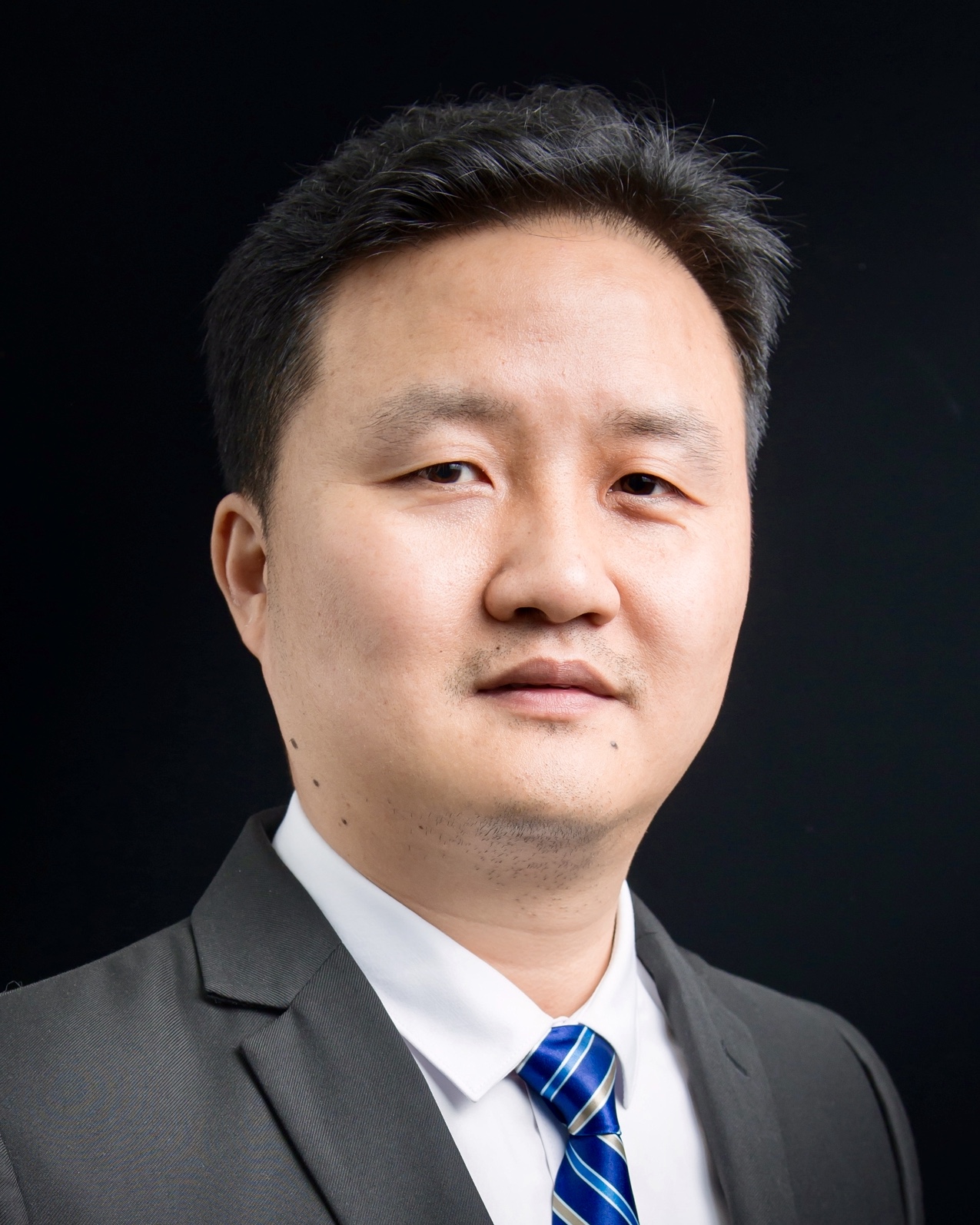 Liang Zhuang (庄亮)合作论文数Tongji Hospital, Tongji Medical College of Huazhong University of Science and Technology6
 Yuan Chen (陈元)合作论文数Tongji Hospital, Tongji Medical College, Huazhong University of Science & Technology5
 Wei Sun (孙玮)合作论文数Union Hospital, Tongji Medical College, Huazhong University of Science and Technology5
 Qian Chu (褚倩)合作论文数Tongji Hospital, Tongji Medical College, Huazhong University of Science & Technology5
 Guangyuan Hu (胡广原)合作论文数Tongji Hospital, Tongji Medical College of Huazhong University of Science and Technology4Dongbo Liu (刘东伯)合作论文数4
 Li Zhang (张莉)合作论文数Tongji Hospital, Tongji Medical College of Huazhong University of Science and Technology4
 Mingsheng Zhang (张明生)合作论文数Tongji Hospital, Tongji Medical College, Huazhong University of Science & Technology4Man Zou合作论文数3Qi Gui (桂琦)合作论文数3
 Peng Zhang (张鹏)合作论文数Tongji Hospital, Tongji Medical College, Huazhong University of Science & Technology3
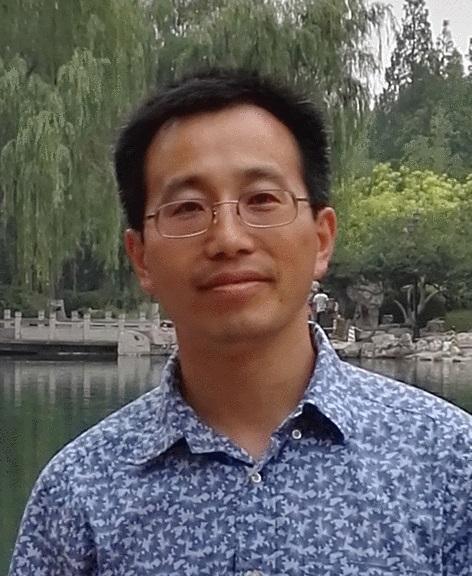 Yihua Wang合作论文数School of Biological Sciences, Faculty of Environmental and Life Sciences, University of Southampton3
 Tengfei Chao (晁腾飞)合作论文数Tongji Hospital, Tongji Medical College, Huazhong University of Science & Technology3
 Man Li (李熳)合作论文数Department of Neurobiology, Tongji Medical College, Huazhong University of Science and Technology3Ayse Ertay合作论文数2Qiuyun Guo合作论文数2Tingting Huang合作论文数2Bo Liu合作论文数2
 Xun Yuan合作论文数2Juejun Gong合作论文数2Shunfang Liu合作论文数2
 David G Hancock合作论文数2Li Sun合作论文数2Zhang Lu合作论文数2Ben Zhao合作论文数2Yujie Zhang合作论文数2Yang Tang合作论文数2Jizong Jiang合作论文数2Dian Liu合作论文数2Lei WANG (汪蕾)合作论文数2KeJing Tang (唐可京)合作论文数2Chen Gong (宫晨)合作论文数2
 Yongshun Chen (陈永顺)合作论文数2Rao Jie合作论文数2Guang Han合作论文数2Yu Qianqian合作论文数2Liu Fei合作论文数2Zhang Lin-Li合作论文数2
 Rob Ewing合作论文数School of Biological Sciences, Faculty of Environmental and Life Sciences, University of Southampton2
 Yanmei Zou (邹燕梅)合作论文数Tongji Hospital, Tongji Medical College of Huazhong University of Science and Technology2
 Rui Meng (孟睿)合作论文数Union Hospital, Tongji Medical College, Huazhong University of Science and Technology2
 Guoxian Long (龙国贤)合作论文数Tongji Hospital, Tongji Medical College, Huazhong University of Science and Technology2
 Xiaoyuan Huang (黄晓园)合作论文数Tongji Hospital, Tongji Medical College, Huazhong University of Science and Technology2
 Lu Zhang (张路)合作论文数Tongji Hospital, Tongji Medical College, Huazhong University of Science and Technology2




