Background Axial neck pain is a common manifestation of cervical degenerative disc disease (CDD). Rotation-traction manipulation (RTM) is widely used in China, but its comparative effectiveness and safety versus cervical traction remain uncertain.Methods In this prospective multicenter randomized controlled trial, 154 adults with CDD-related axial neck pain were randomized 1:1 to receive RTM (7 sessions over 2 weeks) or cervical traction (daily for 2 weeks). Outcomes were assessed at baseline, during treatment, and at 1 and 3 months after treatment. The primary outcome was pain intensity measured by the visual analogue scale (VAS); secondary outcomes were neck tenderness score (NTS) and cervical range of motion (ROM). Intention-to-treat analyses with multiple imputation were performed.Results All 154 randomized participants were included in the analyses, and 151 completed follow-up. Both groups showed significant improvement over time in VAS and ROM (both P < 0.001). Confirmatory mixed-effects analyses did not demonstrate significant between-group differences in VAS or ROM after adjustment for multiple comparisons. Exploratory analyses suggested that RTM provided faster improvement during the treatment phase and a small cumulative advantage in pain reduction, whereas cumulative ROM improvement did not differ significantly between groups. RTM was also associated with a faster reduction in neck tenderness severity. Adverse events were mild and infrequent, and no treatment-related radiographic deterioration was observed.Conclusions Both RTM and cervical traction were associated with clinical improvement in patients with CDD-related axial neck pain. Confirmatory analyses did not demonstrate robust superiority of RTM for pain or cervical ROM, whereas exploratory analyses suggested faster early improvement and a small cumulative pain benefit with RTM. NTS findings should be interpreted cautiously because the tenderness score has not been formally validated. No serious adverse events were observed.Trial registration Chinese Clinical Trial Registry, ChiCTR2400082667. Registered retrospectively on 4 April 2024.
OBJECTIVE:To explore the consistency of manual operation after training by the intelligent training robot for rotational lifting techniques. METHODS:From October 2021 to December 2021, 20 healthy volunteers were selected to perform rotational lifting manipulation, including 11 males and 9 females, aged from 20 to 32 years old with average of (25.0±3.5) years old;body mass index (BMI) ranged from 18 to 25 kg·m-2 with an average of (21.0±2.3) kg·m-2. The rotational lifting technique movements were quantitatively decomposed. Each subject performed the operation once on each side. Optitrack motion capture system was used to capture the movement trajectory of rotational lifting technique. The mechanical data of foot mechanics of the subject (No. 1) and the operator (No. 2), the pre-traction force of the operator's elbow, the lifting force and the maximum force were collected through elbow and foot pressure plates for operation force of rotary lifting technique. The movement trajectory and force of rotary lifting technique were quantified, and the consistency was verified with the assessment data of the intelligent assessment robot system. RESULTS:The pretraction force, lifting force and maximum force of No.1 plate on sole of foot were (298.03±8.42), (359.17±37.00) and (148.76±9.85) N respectively. The No. 2 plates on soles of feet were (872.71±63.47), (790.12±51.88), and (1, 020.34±89.34) N respectively;lifting time was (83.19±16.28) ms; the pre-traction force, lifting force and the maximum force of elbow pressure plate were (2.67±0.88), (2.24±0.83) and (3.98±1.01) kg respectively;the pretraction force, lifting plate force, and maximum force of robot group were (16.81±5.57), (10.36±4.42), and (21.26±7.07) kg respectively, and the lifting plate time was(116.81±29.77) ms. Pearson test result was conducted with the manipulation force of robot. The results showed that r values of plantar pressure plate No. 2 (r=0.632 9) and elbow pressure plate (r=0.722 7) were basically the same, while r values of plantar pressure plate No. 1 (r=-0.689 5) and No. 2 (r=0.632 9) were opposite. The change in mechanical assessment data of robot (r=0.406 0) compared with that of No.2 plantar board (r=0.632 9) showed the difference was 0.226 9. The cosine values of each lifting force were as follows:lifting force cos(θ) of robot group was -0.923, and angle was 157.38°. The lifting force cos(θ) of No. 2 board on sole of foot was -0.685, and angle was 126.87°. The lifting force cos(θ) of elbow pressure plate was -0.685, and angle was 131.82°. The key points of force diagrams of No. 2 pressure plate on sole of foot, robot mechanics, and elbow mechanics have strong similarities. CONCLUSION:The training and assessment of intelligent robot assessment system for spinning lifting technique have a clear regulatory effect on movements of spinning lifting technique operators.
BackgroundLumbar disc herniation with radiculopathy (LDHR) is a leading cause of disability worldwide. For patients with moderate pain, Traditional Chinese Medicine approaches, including Yaobitong (YBT) capsules and lumbar oblique pull manipulation (LOPM), are widely used in clinical practice, often in combination. However, high-quality evidence supporting the superiority of this combination over monotherapy is lacking. This multicenter, randomized, three-arm, parallel-group controlled trial conducted at 13 tertiary hospitals in China aimed to evaluate the efficacy and safety of combining YBT with LOPM in LDHR patients with moderate pain.MethodsA total of 426 LDHR patients with moderate pain (Visual Analogue Scale [VAS] score ≥ 4 to < 7) were randomly assigned to receive either YBT alone (n = 146), LOPM alone (n = 137), or a combination of both (n = 143). The primary outcome was change in the Oswestry Disability Index (ODI) from baseline to week 2. Secondary outcomes included leg pain VAS scores, low back pain VAS scores, 12-Item Short Form Health Survey (SF-12), adverse events, and disc resorption rates. Outcome measurements were assessed at baseline, 3 days, 1 week, 2 weeks, 6 weeks, 14 weeks, and 26 weeks.ResultsAt 2 weeks, the mean reduction in ODI was −19.4 (95% CI, −21.4 to −17.5) in the YBT group, −19.4 (95% CI, −21.4 to −17.5) in the LOPM group, and −21.1 (95% CI, −23.0 to −19.1) in the combination group. The adjusted mean difference was 0.5 (95% CI, −2.3 to 4.9; p = 0.99) for YBT versus combination and 1.3 (95% CI, −2.1 to 5.1; p = 0.68) for LOPM versus combination. No statistically significant differences in ODI reduction were detected between groups at any follow-up time point (all p > 0.05). No statistically significant differences in any of the secondary outcomes were detected between groups at any follow-up time point (all p > 0.05). No apparent safety signal was observed in any of the three groups during the short 2-week intervention period.ConclusionThe combination therapy with YBT and LOPM was not superior to either monotherapy in improving functional disability, pain, or quality of life among LDHR patients with moderate pain.Clinical trial registrationhttps://www.chictr.org.cn, ChiCTR2200066051.
Long-term exposure to air pollution is a significant public health concern, yet its association with chronic pain remains underexplored, particularly regarding the combined effects of multiple pollutants. This retrospective cohort study investigated the link between long-term exposure to five air pollutants (PM₂.₅, PM₁₀, NO₂, SO₂, CO) and the incidence of chronic pain among middle-aged and older adults in China. Utilizing data from the China Health and Retirement Longitudinal Study from 2011 to 2020, this study included 10,378 participants free of chronic pain at baseline. Individual pollutant exposures were assessed and analyzed via time-dependent Cox and accelerated failure time models, integrated with Weighted Quantile Sum regression to evaluate mixture effects. During a mean follow-up of 7.39 years, 8,047 new-onset chronic pain cases were identified. Elevated concentrations of PM₂.₅, PM₁₀, SO₂, and CO were individually associated with increased chronic pain risk and shortened time to pain onset, with SO₂ showing the strongest effect. The combined exposure to all five pollutants was significantly associated with a higher risk and earlier onset of chronic pain, with SO₂ being the predominant contributor. This study reveals that long-term exposure to multiple air pollutants, especially SO₂, is significantly associated with an increased risk of chronic pain in middle-aged and older adults, underscoring the need for targeted air quality interventions to mitigate this health burden. Perspective This study identifies SO2 and CO as the principal driver within air pollutant co-exposure to increase chronic pain risk by mixture analysis. It provides direct evidence for revising air quality standards to target specific pollutants and mitigate the pain burden in aging populations.
This paper systematically reviews the relevant literature from the China National Knowledge Infrastructure (CNKI) and Web of Science databases, focusing on the three key components of rehabilitation after total knee arthroplasty (TKA):evaluation, intervention, and management. It summarizes the progress of medical-engineering integration technologies. Quantitative assessment methods, such as gait analysis, enhance the objectivity and continuity of functional evaluations but are constrained by issues like inconsistent data standards. Rehabilitation robotics offers controllability and traceability, making it promising for personalized treatment plans, though challenges related to equipment costs and scene adaptation remain. AI-assisted decision-making systems integrate multi-source information for treatment recommendations, improving decision-making efficiency and accuracy, but their effectiveness is limited by dependence on data quality. Immersive virtual reality (VR) training enhances engagement, improves proprioception, and helps manage pain, but its effectiveness is influenced by device limitations and individual tolerance. Remote rehabilitation systems significantly improve the continuity of management, yet their widespread implementation faces challenges, including low acceptance among older adults and inadequate infrastructure. Current research hotspots are mainly focused on device development, data integration and interoperability, and strengthening clinical evidence. The authors suggest that future efforts should strengthen interdisciplinary collaboration and conduct high-quality clinical research to establish a generalizable intelligent precision rehabilitation model.
Osteoarthritis (OA) is the most prevalent joint disease and icariin is a promising drug for its treatment. However, the clinical use of icariin is hindered by poor water solubility, low bioavailability, and non-specific release and biological distribution. Herein, sulfonated azocalix[4]arene (SAC4A) with enhanced water solubility, recognition capacity, and designed responsiveness was used to improve the efficiency of icariin for OA therapy. SAC4A, a macrocycle with well-defined molecular weight and structure, could encapsulate and enhance water solubility of various drugs. In addition, SAC4A enables hypoxia-responsive release of loaded drug. Compared with icariin treatment, supramolecular complex icariin@SAC4A significantly relieved OA symptoms of rats, including more regular bone morphology and structure, and lower degree of cartilage damage. Moreover, the supramolecular formulation demonstrated various advantages, including easy preparation, hypoxia-triggered release, and small size that conducive to drug penetration.
ObjectiveThis randomized controlled trial aims to evaluate the efficacy and safety of Yishenyangsui granule for treating Degenerative Cervical Myelopathy.Materials and methodsA randomized, double-blind, placebo-controlled clinical trial was conducted with 152 participants recruited from three centers and randomly assigned to receive either Yishenyangsui granule or placebo. The Japanese Orthopaedic Association (JOA) score and Neck Disability Index (NDI) score were evaluated for 32 weeks. Patient-reported outcomes including surgical treatment data, re-treatment data, and patient-reported condition were collected for long-term follow-up. This trial was approved by the ethics committee of WangJing Hospital of China Academy of Chinese Medical Sciences (WJEC-KT-2016-004-P001) and was registered at the Chinese Clinical Trials Registry (ChiCTR-INR-16009723) on 03 November 2016 (Check out at https://www.chictr.org.cn/indexEN.html for a more comprehensive overview).ResultsThe results showed that the improvement in JOA score at week 8 was significantly better in the Yishenyangsui granule group than in the placebo group (1.47 vs. 0.43; P < 0.001). Furthermore, improvements in motor function of upper/lower extremities, sensory function of upper extremities, reading ability, and recreation domain scores were also significantly superior in the Yishenyangsui granule group compared to the placebo group (P < 0.05). Long-term follow-up outcomes revealed no statistical differences between groups regarding surgical treatment data or patient-reported condition (P > 0.05). However, there was a significant difference detected in re-treatment data between groups with a lower rate observed among those receiving Yishenyangsui granule compared to those receiving placebo [25 (43.10%) vs. 40 (68.97%); P = 0.033], indicating its effectiveness for treating mild-to-moderate Degenerative Cervical Myelopathy.ConclusionYishenyangsui granule was effective in treating mild to moderate Degenerative Cervical Myelopathy. The participants have improved long-term outcomes.Clinical Trials Registrationhttps://www.chictr.org.cn/indexEN.html, identifier ChiCTR-INR-16009723.
Neck pain (NP) ranks among the leading causes of years lived with disability worldwide. While spinal manipulation is a common physical therapy intervention for NP, its variable patient responses and inherent risks necessitate careful patient selection. This study aims to develop and validate a machine learning-based prediction model to identify NP patients most likely to benefit from spinal manipulation. This multicenter study analyzed 623 NP patients in a retrospective cohort and 319 patients from a separate hospital for external validation, with data collected between May 2020 and November 2024. Treatment success was defined as achieving ≥ 50
The study of TCM manipulation's mechanism is the key scientific issue in the current manipulation research. It is the key and difficult point on the road of modernization and internationalization of Chinese orthopedics and traumatology. Meanwhile, it is also an important way to clarify systematically the scientific connotation of TCM manipulation. At present, our country is in an important period when multi-disciplinary intersection lead knowledge production, scientific innovation, and discipline development. The trend of cross-innovation between Chinese orthopedics and traumatology and other disciplines provides the carrier and method for the study of TCM manipulation's mechanism. Cervical spondylosis is the traditional dominant disease of Chinese orthopedics and traumatology. In recent years, many scholars have applied multi-disciplinary techniques and theories to explore the mechanism of TCM manipulation by focusing on the four dimensions of muscle, bone, blood vessel and nerve. The article takes the treatment of cervical spondylosis by TCM manipulation as the research entry point, and integrates the application status and implementation strategies of various techniques and theories under the background of multi-disciplinary intersection, which is conducive to the better combination, innovation and transformation of Chinese orthopedics and traumatology with other disciplines, and provides ideas and references for systematically clarifying the scientific connotation of TCM manipulation.
Prostate cancer is a common male malignant tumor, and bone metastasis is one of the common complications in the late stage of prostate cancer. The mechanism of prostate cancer bone metastasis is a complex process involving multiple factors and steps. In recent years, with in-depth research on the mechanism of prostate cancer bone metastasis and the development of new drugs, important progress has been made in the treatment of prostate cancer bone metastasis. Based on this, this article introduces the mechanism of prostate cancer bone metastasis and the research progress of several bone-targeted drugs to provide reference and inspiration for future research.
Objective: Osteoarthritis (OA) is one of the major disabling human diseases. The related studies indicate a potential correlation between walking and OA. However, there is still a lack of evidence in genetics to support the correlation between walking and OA. Therefore, this study aimed to explore the relationship between walking and OA at the genetic level. Methods: The publicly available Genome Wide Association Study (GWAS) data were used, with inverse variance weighting (IVW, the random-effects model) as the main analysis method, whereas MR-Egger, Weighted median, Simple mode, and Weighted mode as the secondary analysis methods. In addition, Cochran's Q test, pleiotropy test, and MR-Egger intercept test were conducted to examine the heterogeneity and pleiotropy of the outcome. Results: In the MR analysis, IVW results showed a negative correlation between types of physical activity in last 4 weeks: Walking for pleasure (not as a means of transport) and OA (KOA or HOA) (odds ratio (OR) = 0.3224, 95% confidence interval (CI): 0.1261 to 0.8243), and the difference was of statistical significance (P = 0.0181). Moreover, IVW results also revealed a negative correlation between types of physical activity in last 4 weeks: Walking for pleasure (not as a means of transport) and KOA (OR = 0.1396, 95% CI: 0.0484 to 0.4026), and the difference was statistically significant (P = 0.0003). However, IVW results did not demonstrate any statistical significance types of physical activity in last 4 weeks: Walking for pleasure (not as a means of transport) and HOA (OR = 1.2075, 95% CI: 0.1978 to 7.3727, P = 0.8381). Conclusion: From genetic studies, types of physical activity in last 4 weeks: Walking for pleasure (not as a means of transport) is negatively correlated with knee osteoarthritis (KOA), but there is no clear evidence supporting its correlation with hip osteoarthritis (HOA).
- OBJECTIVE: To evaluate the efficacy and safety of enhanced recovery after surgery (ERAS) in minimally invasive transforaminal lumbar interbody fusion (MIS-TLIF) for lumbar degenerative disease (LDD).- METHODS: Electronic databases including PubMed, Embase, the Cochrane Library, Web of Science, Clinical Trials.gov, etc. were searched from inception to October 2023. Randomized controlled trials (RCTs) and cohort studies (CSs) comparing ERAS program with traditional protocol of MIS-TLIF for LDD were included.- RESULTS: A total of 11 studies were included for final analysis. The pooled results of RCTs showed that compared with MIS-TLIF, the ERAS program used in MIS-TLIF could reduce the length of hospital stay, operation time, intraoperative blood loss and incidence of postoperative complications, decrease visual analog scale and Oswestry Disability Index (ODI) score, and improve patient satisfaction ( P < 0.05). However, the pooled results of CSs revealed no statistical difference in the ODI score, fusion rate, operation time, and incidence of complications between the two groups ( P > 0.05).- CONCLUSIONS: Compared with MIS-TLIF, the ERAS program used in MIS-TLIF could effectively shorten the length of hospital stay, operation time, decrease intraoperative blood loss, and incidence of postoperative complications, promote postoperative pain relief, functional recovery, and patient satisfaction. This study confirmed the value of ERAS in MIS-TLIF surgery and provided evidence for the standardization of ERAS in the future. Considering that the pooled results of RCTs and CSs are not completely consistent, more high-quality studies are needed to confirm these conclusions.
目的 系统评价活血利水类中药治疗膝关节术后下肢肿胀的临床有效性及安全性.方法 检索数据库从数据库(中国知网、万方、维普、中国生物医学文献数据库、PubMed、Embase、The Cochrane Library、Web of science)建库至2021 年 12 月符合纳入排除标准的活血化瘀类中药治疗膝关节术后肿胀的随机对照试验,并筛选出文献数据,运用改良Cochrane偏倚风险评估工具对文献进行评价,运用RevMan5.3 对临床总有效率、降低视觉模拟量表(visual analogue scale,VAS)、不良反应结局指标进行Meta分析,并对实验数目≥10 的结局指标以漏斗图和Egger's图进行发表偏倚分析,以GRADE标准对结局指标行证据质量评价.结果 共纳入 10 项研究,总样本量 830 例,实验组 415 例,对照组 415 例.Meta分析结果显示:活血利水类中药联合非中药组在提高有效率[RR=1.15(1.06,1,24),P<0.001],降低VAS评分[SMD=-2.18,95%CI(-3.09,-1.26),P<0.001],[降低膝关节肿胀度SMD=-1.83,95%CI(-2.00,-1.65),P<0.001],降低Lysholm评分[MD=4.46,95%CI(0.08,8.85),P<0.001],膝关节活动度[MD=15.28,95%CI(11.97,18.60),P<0.001]方面均优于非中药组.结论 活血利水类中药组联合非中药组不仅可以提高膝关节镜术后肿胀的临床疗效,而且更加安全.但目前研究的样本量较少,文献的证据质量较低,缺乏多中心、大样本的数据.
[目的]系统评价扳动类手法治疗神经根型颈椎病的临床有效性及安全性.[方法]检索数据库自建库以来至2021年12月中英文献数据库(中国知网、万方数据库、维普数据库、中国生物医学文献数据库、Pubmed、EMbase、The Cochrane Library)符合纳入排除标准的扳动类手法治疗神经根型颈椎病的随机对照试验(RCT),并提取文献数据,用改良Cochrane偏倚风险评估工具对文献质量进行评价,用RevMan5.3对临床总有效率、视觉模拟量表(VAS)评分、田中靖久35分积分法、颈椎病治疗成绩评分改善率、辅助检查结果、不良反应等结局指标进行Meta分析,并对文献数目≥10的结局指标作发表偏倚分析,以GRADE标准对结局指标进行证据质量评价.[结果]纳入17项研究,总样本量1833例,试验组927例,对照组906例.Meta分析结果显示:临床总有效率[RR=1.25,95%CI(1.20,1.31),P<0.00001],VAS评分[WMD=-1.38,95%CI(-1.90,-0.86),P<0.00001],田中靖久35分积分法[WMD=-2.72,95%CI(-3.29,-2.15),P<0.00001],颈椎病治疗成绩评分[SMD=1.09,95%CI(0.58,1.61),P<0.0001],辅助检查结果[SMD=0.74,95%CI(0.20,1.28),P=0.008],不良反应[RR=,95%CI0.48(0.21,1.09),P=0.08].在临床总有效率、VAS评分、田中靖久35分积分法、辅助检查结果、颈椎病治疗成绩评分手法组疗效优于对照组,不良反应发生数目方面差异无统计学意义.[结论]扳动类手法可以提高神经根型颈椎病的临床疗效,但不良反应与牵引相比无统计学差异.
 Aifeng Liu (刘爱峰)合作论文数天津中医药大学第一附属医院65
 JunTao Zhang (张君涛)合作论文数62YuanDong Li (李远栋)合作论文数61Chao Zhang (张超)合作论文数43Guang Yang (杨光)合作论文数天津中医药大学第一附属医院34Jin Su (苏瑾)合作论文数31JiaYu Li (李嘉钰)合作论文数22Bi-feng FU (傅碧峰)合作论文数13ZheFeng Jin (金哲峰)合作论文数13Xin Zhou (周鑫)合作论文数13Si Wu (吴思)合作论文数13FENG Tianxiao (冯天笑)合作论文数12
 Enpeng Gu (古恩鹏)合作论文数天津中医药大学第一附属医院12Gang Mu (穆刚)合作论文数9XiaoYu Zhang (张晓宇)合作论文数9
 Liguo Zhu (朱立国)合作论文数Wang Jing Hospital of CACMS9Minshan Feng (冯敏山)合作论文数河北科技师范学院9Luyao Huo合作论文数8JinChang Han (韩金昌)合作论文数7TianChen Qi (戚天臣)合作论文数6WANG Huaijing (王槐旌)合作论文数5Qingtong CUI (崔庆同)合作论文数5Yongshuai CHEN (陈永帅)合作论文数5LI Hai (李海)合作论文数5Xiao-qing ZHANG (张小青)合作论文数5ShiLong Liu (刘世珑)合作论文数5
 XiaoDong Wang (王晓东)合作论文数5
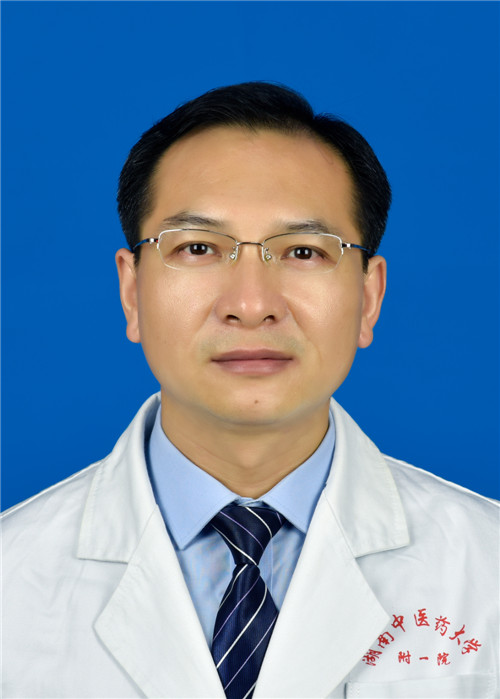 Haibo Xie (谢海波)合作论文数The First Hospital, Hunan University of Chinese Medicine5
 Qiang Wei (魏强)合作论文数School of Mechanical Engineering, Hebei University of Technology5
 Jie Yu (于杰)合作论文数Wangjing Hospital of China Academy of Chinese Medical Sciences5Jianwei LANG (郎建伟)合作论文数4Lijian ZHAO (赵利剑)合作论文数4Yu-song YANG (杨雨松)合作论文数4Qing LI (李庆)合作论文数4ShuWei Gong (巩树伟)合作论文数4XueZhu Zhang (张雪竹)合作论文数4HongAn Zhang (张红安)合作论文数4Chunbiao Wu (吴纯标)合作论文数4Guangbin Yin (尹广斌)合作论文数3Jun ZHANG (张军)合作论文数3Xiaodong WANG (王晓东)合作论文数3ZHAO Yang (赵杨)合作论文数3Xiaobo WANG (王晓博)合作论文数3XunLu Yin (尹逊路)合作论文数3YuPing Gao (高玉萍)合作论文数3ShaoLin Zhang (张少林)合作论文数3WeiMin Wang (王为民)合作论文数3




