Ensuring a balance between optimization efficiency and time cost has gradually become a primary focus of researchers' concerns. In this paper, an efficient design strategy for automotive seat optimization is proposed based on the concept of sequential iterative optimization. Initially, a finite element analysis model for the rear seat baggage crash test of passenger cars is established and validated through test results. Key optimization variables are identified through comprehensive contribution analysis, considering factors such as total cost, seat material mass, and safety performance indices. An advanced optimization strategy is then developed, integrating optimal Latin hypercube experimental design, adaptive genetic aggregation response surface surrogate model, non-dominated sorting genetic algorithm III, fuzzy analytic hierarchy process, improved criteria importance through intercriteria correlation combination weights, and an improved technique for order preference by similarity to ideal solution method based on Kullback-Leibler distance and grey relational analysis. Subsequently, this strategy is applied to optimize the automotive seat skeleton. The proposed global optimization strategy is compared with both surrogate model-based global optimization and local optimization strategies, demonstrating its significant advantages in optimization search performance and time cost. Optimization results show that the maximum horizontal deformation at the headrest and backrest measurement points of the rear seat is reduced by 10.89% and 8.07%, respectively, while material cost is reduced by 26.94% and weight is reduced by 28.25%. Thus, the multi-objective optimization strategy proposed in this paper proves effective and accurate, offering a reliable reference for related optimization efforts.
Metasurface structural colors deliver ultrahigh resolution and outstanding photostability, but their optical response is permanently fixed once fabricated, creating a fundamental limitation for dynamic applications. We propose an optically tunable color display by integrating patterned quantum dot photoresists with dielectric metasurfaces. The metasurfaces serve as static color templates arising from geometry-dependent Mie resonances, while quantum dot photoresists provide switchable photoluminescence under ultraviolet excitation, enabling color tuning via spectral superposition. Both simulations and experiments validate the reversible dynamic structural color scheme, including color modulation and continuous gamut tuning. Furthermore, a proof-of-concept dynamic quick-response code is demonstrated for reversible information encryption, offering a promising pathway for next-generation dynamic metasurface devices.
FeCrAlY coatings are promising protective materials for structural components in lead-cooled fast reactors, but their long-term performance in lead-bismuth eutectic (LBE) is often limited by insufficient oxide-scale stability and degradation of coating/substrate adhesion. In this work, a similar to 0.3 mu m AlOx-enriched surface layer was deposited on magnetron-sputtered FeCrAlY coatings on SIMP steel at 300 degrees C. The corrosion behavior, microstructural evolution, and adhesion stability were investigated by static LBE exposure at 500 degrees C for up to 2000 h, combined with SEM/EDS, XRD, TEM, and progressive-load scratch testing. The results show that the AlOx-enriched surface significantly improves the protective performance of the coating in high-temperature LBE. Compared with the FeCrAlY coating, the FeCrAlY/AlOx coating forms a multilayered oxide scale composed of alternating Fe-Cr-Al-O spinel-related oxide layers and Al-O-enriched transient oxide layers. The FeCrAlY/AlOx coating also exhibited markedly improved adhesion retention, maintaining approximately 94.8% and 53.2% of its initial adhesion value (Lc(1)) after 1000 h and 2000 h, respectively, whereas the FeCrAlY coating retained only approximately 21.2% and 18.3%. In contrast, the FeCrAlY coating develops a porous surface scale with limited barrier performance and exhibits pronounced Cr enrichment along the coating/substrate interface, which is accompanied by the 78.8% and 82.7% reductions of Lc(1) after 1000 h and 2000 h. The improved performance of the FeCrAlY/AlOx coating is attributed to the Al-enriched near-surface region, which promotes the timely formation of a protective scale and helps maintain interfacial stability during prolonged LBE exposure.
The issue of mitigating the high computational cost associated with high-fidelity simulation models has garnered significant attention in research, and the sequence approximation optimization method has emerged as the principal approach for tackling this challenge. This paper introduces an adaptive radial basis function neural network (RBFNN) approximation model, known as adaptive RBFNN based on multi-point sequences (ARMS-MIGA), which integrates the minimization prediction (MP) criterion, the maximum-minimum distance (MD) criterion, and the multi-island genetic algorithm (MIGA) for optimization. Two numerical examples of single-objective optimization are employed to validate the faster convergence capability and improved optimization performance of ARMS-MIGA. Furthermore, a weighted integrated improvement function construction method is proposed to extend ARMS-MIGA to multi-objective optimization design by integrating the multi-criteria decision-making method. Then, the feasibility of the proposed method is demonstrated through two specific engineering optimization case studies. Finally, a comparison of the ARMS-MIGA-based multi-objective optimization method with classical local and global multi-objective optimization methods highlights the ARMS-MIGA method's superior capability in achieving optimality and minimizing computation time. These results indicate that ARMS-MIGA provides a robust and efficient approach for multi-objective optimization in engineering applications, while providing critical insights into addressing complex design challenges across similar engineering applications.
Textile-based strain sensors are essential components in wearable electronics due to their unique properties, including flexibility, stretchability, and air permeability. However, achieving high sensitivity while maintaining practicality remains a significant challenge. This study reports a strain sensor engineered via hybrid near- and far-field electrospinning (HNFE) of thermoplastic polyurethane (TPU), incorporating a hierarchical fiber network with oriented and disordered fibers and a conductive carbon nanotube interface. The design achieves an impressive gauge factor (GF) of 9008 at 307% strain, offering exceptional sensitivity across a broad strain range. Experimental results reveal outstanding repeatability, with negligible variation after 6000 cycles under 30% strain and a minimal detection threshold of 0.1%. The sensor exhibits a rapid response and recovery time of 190 ms, coupled with excellent durability and breathability, making it particularly suited for wearable applications. This versatile platform enables real-time monitoring of human motion, supporting advancements in wearable health tracking, precision sports analysis, and interactive systems, thus, addressing critical needs in next-generation flexible electronics.
The optimal design of automobile seats plays an important role in passenger safety in high-speed accidents. In order to enhance the accuracy of the prediction of the input variables and output response of the seat, a hybrid machine learning prediction model that combines the improved gray wolf optimizer (IGWO) and back propagation neural network (BPNN) has been proposed, and the prediction effect of the model was validated using the seat simulation data. Initially, based on the experimental data, finite element models were developed for eight typical working conditions of automobile seats and their accuracy was validated. Subsequently, the energy absorption to mass ratio method was employed to screen the design variables, resulting in the selection of 17 thickness variables and 15 material variables. Thereafter, the gray wolf optimizer (GWO) algorithm underwent enhancement through the incorporation of the dynamic leadership hierarchy (DLH) mechanism and the revision of the positional formula, yielding the IGWO algorithm. Following this, the IGWO algorithm was applied to optimize the hyperparameters of BPNN, culminating in the establishment of the IGWO-BPNN model. Ultimately, the seat multi-objective optimization design process was addressed using multi-objective gray wolf optimizer (MOGWO) to achieve the Pareto frontier, while the decision-making was conducted using the combined compromise solution (CoCoSo) method to determine the best trade-off solution. Furthermore, the effectiveness of the proposed optimal design method is evidenced by comparing the baseline design, simulation analysis, and optimal design methods. The results indicate that the optimized automotive seat frame achieves a reduction in cost by 20.7 % and mass by 22.9 %, simultaneously maintaining safety performance. Consequently, the proposed optimization design methodology is demonstrated to be highly effective for the multi-objective optimization design of automotive seat frames.
In this article, one-dimensional photonic crystal cavities on bending waveguides (PCCoBW) used for achieving high-contrast spectra are proposed, analyzed, and experimentally verified on silicon on insulator (SOI). Both air and dielectric modes of the PCCoBW calculated by the finite-difference time-domain (FDTD) method show finger-ring-like mode profiles with the achievement of high-quality factors (Q∼106), even when the bending radius is less than 50 times the lattice constant. Straight waveguides side-coupled to the cavity are used to access and measure mode resonances. The measured spectra show a high extinction ratio over 40 dB for dielectric modes and 20 dB for air modes, respectively. Both dielectric and air resonant modes are revealed with Q-factors over 3.3 × 10⁴ and 7.9 × 10⁴, respectively, for the coupled PCCoBWs. The proposed PCCoBW could be implemented as high-contrast notch filtering and would benefit a broad range of applications such as optical filters, modulators, sensors, or switches.
Ferrimagnetic materials exhibiting remanence can be used to achieve unidirectional electromagnetic-field propagation in the form of magnetoplasmons (MPs) in the subwavelength regime. This study investigates the MP properties and various guiding modes in a hollow cylindrical waveguide made of materials that exhibit remanence. Pattern analysis and numerical simulations are used to demonstrate that dispersion relationships and electromagnetic-field distribution are strongly affected by the operating frequency and physical dimensions of the structure. In addition, the existence of two different guiding modes is proved, namely regular and surface-wave modes. By adjusting the operating frequency and reducing the diameter of the hollow cylinder, the regular mode can be suppressed so as to only retain the surface-wave mode, which enables unidirectional MP propagation in the cylindrical waveguide. Moreover, the unidirectional surface-wave mode is robust to backscattering due to surface roughness and defects, which makes it very useful for application in field-enhancement devices.
Nowadays more and more intelligent robots are being used in scenarios that closely interact with humans, such as collaboration, healthcare, services, etc. This requires robots to have the ability to interact with human safely. Electronic skin is one of the important means for robots to achieve this goal. However, the robot electronic skin still faces serious challenges in large-area applications. We proposed a novel large-area less-wires stretchable textile-based robot electronic skin that can detect the contact position and force in real-time. Benefit by the smartly design of the double-faced effect functional conductive textile, the robot electronic skin has a simple four-layer structure and five external wires. In addition, the stretchability of the robot electronics skin enables it to cover the complex surface of various robots in large area. Finally, the potential applications of the robot electronic skin used for human-machine safe collision avoidance are demonstrated. This study shows that the robot electronic skin has great potential in the fields of robot interaction control.
Objective We aim to explore a novel optical resonator that diverges from the traditional symmetric Lorentzian line shape in optical cavities. Instead, an asymmetric Fano spectral line is produced to exhibit significant intensity variations with wavelength changes. This distinctive feature of Fano resonance with the sharp and asymmetric line profile has a high potential for applications in sensitive sensors, photodetection, and low-power optical switches. The principle behind its application in sensing is based on changes in the surrounding environment of the sensors, which alters the effective refractive index of the waveguide. This alteration causes a shift in the transmission spectral line, leading to substantial changes in the output light intensity at the working wavelength. The sensitivity of resonant sensors is characterized by the steepness of the transmission spectral line's slope. A steeper slope indicates greater changes in light intensity for the same spectral line drift, thereby enhancing the sensor's detection sensitivity. Therefore, the Fano resonance with the capacity for high sensitivity finds broad applications and catches research attention from various fields. In recent years, optical devices with Fano characteristics have been extensively studied. Examples include the metal-insulator-metal (MIM) waveguide structure with branched resonators and square ring open resonators. By varying the branch height, the geometric dimensions of the open rings, and the symmetry of the structure, the Fano resonance's transmission characteristics are altered to yield high sensitivity up to 1500 nm/RIU and a quality factor exceeding 1800. Another example is the MIM waveguide structure with concentric double ring resonators, where a maximum sensitivity of 1400 nm/RIU and a quality factor of 1380 are obtained. We propose the research methodology in this paper involves a comprehensive approach combining theoretical analysis and experimental validation, and utilizes a dual-path interference structure within a microring cavity to create the Fano resonator. Methods We employ the transfer matrix method to analyze the phase conditions that lead to the generation of an asymmetric spectral line. This method is instrumental in understanding how various parameters influence the shape of the asymmetric spectral lines in the Fano resonator. Meanwhile, it allows for an in-depth examination of the phase conditions responsible for creating the distinctive asymmetric line profile of the Fano resonance. The design and analysis of the device modal patterns are conducted by adopting the finite difference-time domain (FDTD) method. This method is pivotal in determining the modal distribution and behavior of the device in different operational conditions and is helpful for device parameter fine-tuning to achieve the desired optical characteristics. The device is fabricated on a silicon-on-insulator (SOI) platform using electron beam lithography (EBL) etching technology. This technology is chosen for its precision and ability to create finely structured optical components, essential for the accurate realization of the Fano resonator. Following fabrication, the device's features are characterized to validate the theoretical predictions. This involves testing the device in various conditions to observe its performance and confirm the theoretical models. The combination of these theoretical and experimental methods provides a robust framework for us. The proposed innovative Fano resonator structure opens new avenues for the design of high-performance devices in applications such as high-resolution optical sensing, low-power optical switches, and high-contrast optical detection. Results and Discussions The theoretical framework utilizing the transfer matrix method allows for an in-depth analysis of the phase conditions leading to the asymmetric line shape of the Fano resonance. The results show that for a coupling coefficient of 0.242, a loss coefficient of 0.995, and a phase difference of 94 degrees between the two light paths, the Fano resonance spectrum can achieve an extinction ratio as high as 41.54 dB and a spectral slope as steep as 2372 dB/nm. These theoretical predictions are significant as they indicate the potential of the Fano resonator to yield high performance in optical applications. The research also provides formulas for calculating the wavelength shift at the spectral dip and conditions for complete extinction under ideal circumstances. These calculations are crucial for predicting and fine-tuning the resonator's performance in practical applications. For device fabrication and validation, the experimental part involves fabricating the devices on an SOI platform using EBL. A multi-mode interference (MMI) structure is employed for combining the two light paths with varying phase differences to observe their effects on the asymmetric line shape of the Fano resonance. The experimental results are highly encouraging, demonstrating an extinction ratio of nearly - 25 dB and a spectral slope of 1997 dB/nm in the described process conditions. Meanwhile, they nearly align with the theoretical predictions, revealing the practical viability of the proposed resonator design. The successful demonstration of the Fano resonator with such high-performance metrics underscores its potential in high-resolution optical sensing, low-power optical switches, and high-contrast optical detection. Additionally, we highlight the ability of this resonator-interferometer structure to manipulate the light phase and power distribution, opening new pathways for integrated optoelectronics. Finally, we conclude by emphasizing the Fano resonator's superior performance in sensing capabilities, highlighting its applicability in nanobiological sensing and densely integrated nanophotonic devices. Conclusions We successfully propose, analyze, design, and validate a new type of Fano resonator assisted by a microring cavity. This resonator exhibits a sharp, asymmetric Fano resonance, and a notable deviation from traditional resonator designs. A crucial finding is the ability to effectively control the spectral symmetry and slope by adjusting the phase difference between two light beams within the resonator. This capability to manipulate the spectral features is pivotal for various applications. Meanwhile, we observe that the spectral line shape of the Fano resonance is sensitive to phase noise, which plays a significant role in determining the resonator's performance and potential applications. The experimental results show an impressive extinction ratio of up to - 25 dB and a spectral slope of 1997 dB/nm, marking an improvement of nearly 20 dB in extinction ratio compared to traditional microring resonators in similar process and coupling conditions. The spectral line characteristic study reveals that the Fano resonator possesses excellent sensing capabilities. The resonator's structure is highly suitable for applications in nanobiological sensing and densely integrated nanophotonic devices, highlighting its broad applicability in various fields of optical technology. Additionally, this shows its potential in advancing the design of high-performance devices in fields including high- resolution optical sensing, low-power optical switches, and high-contrast optical detection.
Carbon fiber-reinforced polymer (CFRP) has garnered extensive scholarly attention owing to its remarkable mechanical properties and inherent lightweight nature. However, there remains a need for a straightforward and effective optimization approach for designing CFRP automotive components. Hence, this study introduces the CFRP multilevel optimization strategy, which is applied to the optimization design of the CFRP seatback and seat pan. Firstly, the accuracy of the two selected finite element models is validated through physical experiments. On this basis, CFRP is employed as a substitute for the original steel seatback and seat pan. Secondly, two typical dynamic working conditions are transformed into static ones, enabling the application of the ply optimization. The ply angle, shape, thickness, and stacking sequence are determined through the process of free size optimization, size optimization, and ply stacking sequence optimization. Subsequently, a reliability optimization method is established, incorporating Optimal Latin Hypercube Sampling, adaptive Kriging surrogate model, Monte Carlo Simulation, Non-dominated Sorting Genetic Algorithm-II, Entropy Weighting Method, and Modified Visekriterijumsko KOmpromisno Rangiranje. This method is applied to the reliability design of both the seatback and seat pan. Lastly, a comprehensive comparative analysis of various optimization schemes shows that, despite a slight increase in mass, reliability optimization significantly improves the reliability indices compared to ply optimization. Additionally, compared to the original steel seat frame, the reliability-optimized CFRP seatback and seat pan achieve a 31.59
Environment coatings are frequently considered, to improve the corrosion resistance of silicon carbide (SiC) in pressurized water reactor (PWR) and boiling water reactor (BWR) surroundings. Chromium (Cr) is one of the main candidate materials for coatings on zirconium-based alloys for accident-tolerant fuel (AFT) cladding. In this work, the magnetron sputtered Cr coatings on SiC substrates were irradiated by the 500 keV He+ ions at room temperature. Moreover, the microstructural characterization was conducted on the irradiated specimens by using scanning electron microscope (SEM), and transmission electron microscope (TEM). The scratch test showed that the coating-substrate adhesion decreased from 41 N to 28 N (∼31.7%) before and after the irradiation, maybe due to that the irradiation produced tensile strain in the coating and mesophase along the coating-substrate interface. It revealed that irradiation accelerated the migration and aggregation of C elements on the surface of the coating. After the 800 °C annealing for 20 min, massive Cr atoms diffused into the SiC matrix and reacted with Cr to form a chromium silicide interlayer. Some cracks were observed at the interface, being attributed to the Kirkendall effect. Therefore, it is very necessary to avoid the formation of chromium silicide interlayer and decrease swelling mismatch between the metal coatings and the SiC substrate for the actual application in nuclear systems.
To improve the safety performance and light weight of the bumper subsystem under low-speed collisions with multiple loads, this study develops a systematic optimization strategy. First, the accuracy of the finite element model is verified through experiments. Meanwhile, the crashworthiness of the three different bumper beams made of aluminum alloy, high-strength steel, and carbon fiber-reinforced polymer (CFRP) is compared and analyzed. Second, the optimal combination of single-layer thickness and lay-up angle of the CFRP bumper beam is discussed. Finally, an optimization strategy combining Hammersley experimental design, hybrid approximation model, NSGA-II algorithm, combined weights, and technique for order preference by similarity to an ideal solution and grey relational analysis (TOPSIS & GRA) integrated decision is proposed and applied to the optimal design of the CFRP bumper beam. The optimization results show that the optimized CFRP bumper beam is 57.18% lighter than the original aluminum composite bumper beam while meeting the requirements of crashworthiness.
The Hilbert transform operation in the optical domain plays an important role in optical signal processing and computing. Optical Hilbert transformers based on conventional lenses in free space face limitations such as bulky sizes, complicated structures, and alignment errors. Metasurfaces composed of nanoscale meta-atoms are able to precisely control the optical wavefront on a subwavelength scale, providing an alternative solution of functional optical components with compact sizes. Here, we propose and experimentally demonstrate an in-plane metasurface-based spatial Hilbert transformer that can overcome the aforementioned limitations in conventional optical Hilbert transformers. The device consists of three cascaded in-plane metasurfaces based on an optical 4f system, wherein two identical metalenses serve as Fourier transformers, and the other one serves as the convolution kernel inserted between the metalenses. The fabricated device performs an accurate Hilbert transform on the input signal and achieves a coefficient of determination (R 2) of 0.94 between the theoretical and experimental results. This work provides a potential approach for realizing high-performance optical analog computation with in-plane metasurfaces on a silicon-on-insulator platform.
To investigate the impact of the coupling effects of carbon fiber reinforced polymer in the seat back layer on the performance of car seats, this paper presents a comprehensive optimization design method for composite materials. In detail, the finite element models firstly established and validated through five typical working conditions of automotive seats based on experimental data. Then, the optimized variables are divided and determined through backrest stress nephograms for each working conditions of the automotive seats, in which the various perspective are taken into account, such as the total mass of seat backrest, safety performance, and comfort index. Subsequently, an optimization strategy for unequal thickness layers lay-up design is constructed, which combines strength factors, optimal Latin hypercube sampling, best-worst method, gray relational analysis, and Visekriterijumsko KOmpromisno Rangiranje method for the optimal design of the automotive CFRP seat backrest. Additionally, the impact of layer coupling effects on different performance indices of the seat is examined through simulating and analyzing the seat backrest with various layer coupling types, while incorporating the classical laminate theory. The study reveals that by minimizing the laminate coupling effect, the comfort of the seat can be enhanced. Finally, a comprehensive comparative analysis of the optimal trade-off solution is carried out in terms of optimization strategies. The results show that ensuring the safety performance, the total mass of the seat backrest decreased by 21.3%, as a result of the optimization strategy proposed in this paper, and the comfort performance is also improved to some extent. Therefore, the multi-objective optimization strategy proposed in this paper performs well in terms of effectiveness and provides a reliable reference for related composite material multi-objective optimization.
The application field of robots is gradually extending from traditional industrial manufacturing to commercial services, medical care and other fields. Stable grasping is a necessary prerequisite for various complex robot application scenarios. The existing research on robot tactile sensor mainly focus on sensing tactile information, such as pressure or sliding. However, grasping surface posture as a tactile information that has a significant impact on the stability of grasping is often ignored. This study proposed a novel soft robot tactile fingertip that can not only detect the grasping force but also simultaneously detect the grasping surface posture. It is capable of recognizing 19 grasping surface postures in real-time using Mamdani fuzzy control method. The soft robot tactile fingertip has a simple structure and easy to fabricate at low cost. The application example of the two-finger mechanical hand using the soft tactile fingertip samples for stable grasping was demonstrated. This study shows that the soft robot tactile fingertip has great application prospects in the field of robot intelligent grasping.
Slippage feedback is critical for prosthetic or bionic robotic hand to realize steady grasp. An important way to judge the slippage is to detect the maximum coefficient of static friction (mu s) which is commonly measured when or after gross slip happened. Here, we proposed a new method to estimate the mu s before the gross slip in order to realize slippage prediction, leaving more time for the control system to adjust grasp force. Based on a finite element model, a good linear relationship (R2 = 0.99) between the global tangential force at the time when relative slip occurs on the monitoring point (GTFRS) and the mu s was obtained. An optical experiment was conducted and verified the accuracy of the simulation result. Finally, a slip sensitive soft fingertip was fabricated and tested, results show mu s estimation in samples of seven different roughness is well realized with average error of 6.68 %.
Asymmetric Y-junctions, compared with mode coupling-based devices, possess considerably smaller wavelength dependence and thus are more promising for ultra-broadband mode (de)multiplexing in integrated optics. However, these devices also feature relatively high mode crosstalk and insertion loss. Here, we show that the mode crosstalk and loss of an asymmetric Y-junction can be significantly reduced by optimizing the waveguide shape of the Y-junction using an adjoint-based inverse design. Based on such inverse-designed asymmetric Y-junctions, we realize ultra-compact, broadband, and low crosstalk silicon photonic TE00 & TE1 and TE0 & TE2 mode (de)multiplexers with sizes of only 4.5 × 1.2 µm2 and 6 × 1.4 µm2, respectively. From simulations it is shown that the TE0 & TE1 and TE0 & TE2 mode (de)multiplexers contain wide bandwidths of 160 nm (1460-1620 nm) and 140 nm (1460-1600 nm), respectively, over which the mode crosstalks are below about -20 dB, and the losses are <0.41 dB and <0.88 dB, respectively. The experimental results show that in the corresponding TE0 & TE1 and TE0 & TE2 mode division multiplexing systems, the crosstalks are less than -15.5 dB and -15 dB over the spectral ranges of 1453-1580 nm and 1460-1566 nm, respectively, and the losses are <1.7 dB at 1520 nm and <8.24 dB over the entire measured wavelength range.
Coaxial electrospinning is an effective technique to produce core-shell fibers. Nevertheless, it is unable to realize accurate positioning of the fibers in two dimensions which limits its use in the field of high oriented and aligned structures over large area such as flexible tactile sensors. Here, we introduce the Mechano-electrospinning, in which drawing force coming from moving substrate and electric static force are used to manipulate the fiber controllable into the traditional coaxial electrospinning to form a new method named coaxial Mechano-electrospinning which can continuously direct-write oriented core-shell fiber with high deposition accuracy. This method uses a coaxial convex needle and a two dimensional moving collector to deposit core-shell fibers by near-field localization and mechanical drawing force. A series of experiments were performed to determine optimum process parameters and results showed that with the substrate moving speed of 50-200 mm/s, voltage of 5-6.5 kV and the tip-collector distance of 20-50 mm, core-shell fibers can be continuously deposited and well oriented. Additionally, a pressure sensor based on the core-shell fibers was developed and exhibited good dynamic sensitivity in the range of 0.5-50 Hz.
Metal core piezoelectric fiber (MPF) with excellent dynamic force response performance is a promising coaxial fiber, but its application in numerous occasions requiring simultaneous detecting of static and dynamic forces is limited due to its inability to detect static forces. To overcome this problem, this paper proposes a novel double-layer electrowetting-aided spinning to produce a metal-core piezoelectric piezoresistive composite fiber (MPPCF). The MPPCF is composed of seven layers from inside to outside including a metal core, a polyimide (PI) layer, a poly(vinylidene-trifluoro-ethylene) (P(VDF-TrFE)) layer, a poly(chloro-p-xylylene) (Parylene C) layer, a middle sliver paste layer, a multi-walled carbon nanotubes (MWCNT)-polyurethane (PU) layer and an outside silver paste layer. The results show that MPPCF with good coaxial structure and surface morphology can be prepared by this technology. After testing, the MPCCF is sensitive to the dynamic force excited by vibration and the static force caused by bending.
 Qiu Huiye合作论文数32
 Jianyi Yang (杨建义)合作论文数College of Information Science and Electronic Engineering, Zhejiang University;Hangzhou Innovation Center for Science and Technology, Zhejiang University;Department of Information Science and Electronic Engineering, Zhejiang University30
 Ting Hu (胡挺)合作论文数School of Microelectronics, Shanghai University23
 Jiangqi Long (龙江启)合作论文数College of Mechanical and Electrical Engineering, Wenzhou University16
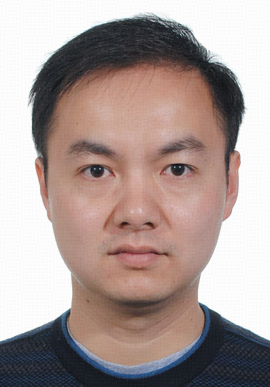 Hui Yu (余辉)合作论文数College of Information Science & Electronic Engineering, Zhejiang University;School of Microelectronics, Zhejiang University12
 Chen Qiu (邱晨)合作论文数Huawei Technol Co Ltd11
 Weiting Liu (刘伟庭)合作论文数School of Mechanical Engineering, Zhejiang University11
 Chunxin Gu合作论文数7
 Xin Fu (付新)合作论文数School of Mechanical Engineering, Zhejiang University7
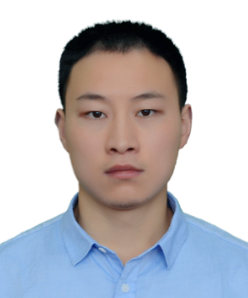 Rui Cheng合作论文数6Zhuoyuan WANG (王卓远)合作论文数6Tingge Dai (戴庭舸)合作论文数6
 Wang Wanjun合作论文数6
 Fangfang Ge (葛芳芳)合作论文数Ningbo Institute of Industrial Technology, Chinese Academy of Sciences5
 Ming Wang (王明)合作论文数School of Atmospheric Physics, Nanjing University of Information Science & Technology5
 Minghua Wang (王明华)合作论文数College of Information Science & Electronic Engineering, Zhejiang University5Yuxia Su合作论文数4Jianfei Jiang合作论文数4
 Xiaoying Cheng合作论文数4
 Xiaoqing Jiang (蒋晓青)合作论文数School of Chemistry and Materials Science, Nanjing Normal University4Biao Qi (齐彪)合作论文数4
 Mei Yang (杨梅)合作论文数Department of Electrical and Computer Engineering, University of Nevada4
 Haitao Yan合作论文数4
 Peihong Cheng合作论文数3F. Wu合作论文数3Xiong Liang合作论文数3Ying Wang合作论文数3
 Huimin Shen (申慧敏)合作论文数3Shao, Haifeng合作论文数3Ao Shen合作论文数3Fan Wang合作论文数3Jinmiao Chen合作论文数2Hangze Li合作论文数2Xiuqiu Shen合作论文数2Liangjie Chen合作论文数2Xiangdong Kong合作论文数2
 Feng Bian合作论文数2
 Yaoqing Liao (廖耀青)合作论文数2
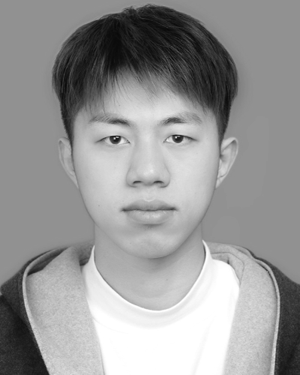 Guoshi Zhang合作论文数2
 Youzhi Zhang合作论文数2
 Guomin Jiang合作论文数Dept. of Electr. & Comput. Eng., Univ. of Miami;c;Dept. of Electr. & Comput. Eng., Univ. of Miami2
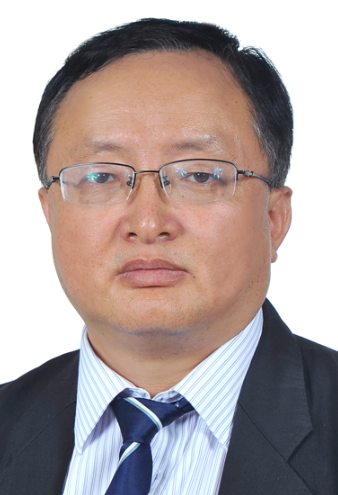 Yong Zhao (赵勇)合作论文数The Key Laboratory of Integrated Microsystems, Peking University;Shenzhen Graduate School, Peking University2
 Yixian Ge (葛益娴)合作论文数School of Electronics & Information Engineering, Nanjing University of Information Science & Technology2
 Fanping Meng合作论文数2
 Qing Liu (刘晴)合作论文数School of Marine Science and Engineering, Nanjing Normal University2
 Bin Lian (连宾)合作论文数2
 Liang Hu (胡亮)合作论文数School of Mechanical Engineering, Zhejiang University2
) Yubo Li (李宇波)合作论文数College of Information Science and Electronic Engineering, Zhejiang University2
Yubo Li (李宇波)合作论文数College of Information Science and Electronic Engineering, Zhejiang University2




