Accessing metal-organic frameworks (MOFs) with wide mesopores or specific topologies sometimes requires the use of an additional ligand, termed centring structure-directing agent (cSDA), which does not alter the targeted framework's periodicity. Here we report a general strategy to remove cSDAs post-synthetically, in a single-crystal to single-crystal fashion, enabling deliberate topology transformation often associated with substantial porosity enhancement. Such window opening can be achieved through two distinct routes. The first approach, guided by Pearson's hard and soft acids and bases (HSAB) principle, uses acid treatment to release cSDAs from robust frameworks, yielding pore volumes for Cr-MOFs of up to 3.6 cm3 g-1. The second, milder approach uses imidazole to selectively substitute cSDAs in MOFs within minutes. This strategy is applicable across various topologies (sod, nia-d and pop), confirming that cSDAs act as temporary architectural elements essential for framework formation and can be removed on demand. This work expands the scope of reticular chemistry by introducing another level of modularity.
We report an ultrahydrophobic biphenyl-extended pillar[6]arene with an extended cavity and enhanced fluorine content, allowing for extremely selective benzene separation from challenging azeotropic mixtures. The material selectively adsorbed trace amounts of benzene from cyclohexane and methanol with selectivities of 13 and 499, respectively. Benzene separation from methanol yields a record-high selectivity and purity of 99.80%, which is among the highest reported to date. Structural and adsorption studies show that a persistent porous macrocycle preferentially binds benzene within both intrinsic and extrinsic cavities via strong solid-state interactions. These findings show that adaptable macrocyclic molecular sieves can compete with extended frameworks for energy-efficient and sustainable hydrocarbon separations.
Converting CO2 to synthetic hydrocarbon fuels is of increasing interest. In light of progress in electrified CO2 to ethylene, we explored routes to dimerize to 1-butene, an olefin that can serve as a building block to ethylene longer-chain alkanes. With goal of selective and active dimerization, we investigate a series of metal-organic frameworks having bimetallic catalytic sites. We find that the tunable pore structure enables optimization of selectivity and that periodic pore channels enhance activity. In a tandem system for the conversion of CO2 to 1-C4H8, wherein the outlet cathodic gas from a CO2-to-C2H4 electrolyzer is fed directly (via a dehumidification stage) into the C2H4 dimerizer, we study the highest-performing MOF found herein: M ' = Ru and M '' = Ni in the bimetallic two-dimensional M '(2)(OAc)(4)M ''(CN)(4) MOF. We report a 1-C4H8 production rate of 1.3 mol g(cat)(-1) h(-1) and a C2H4 conversion of 97%. From these experimental data, we project an estimated cradle-to-gate carbon intensity of -2.1 kg-CO(2)e/kg-1-C4H8 when CO2 is supplied from direct air capture and when the required energy is supplied by electricity having the carbon intensity of wind.
The assembly of ultra-complex structures from simple building units remains a long-term challenge in chemistry. Using small molecular building blocks (MBBs) in a mixed-ligand approach permitted the assembly of unprecedented metal-organic frameworks (MOFs), M-kum-MOF-1 (M = Y, Tb), exhibiting extra-large mesoporous cavities with small access windows. The ultra-complex cage of M-kum-MOF-1 consists of 240 vertices bridged by 432 edges, leading to a 194 faces-containing tile. This tile exhibits more faces than in any periodic structures (zeolites, MOFs, metal-organic polyhedra [MOPs], etc.) known to date. M-kum-MOF-1 not only possess zeolitic features (anionic framework), but they also contain an underlying wse zeolitic topology, which is observed for the first time.
Here, we report the first utilization of covalent organic frameworks (COFs) in optical wireless communication (OWC) applications. In the solid form, aggregation-induced emission (AIE) luminogen often shows promising emissive characteristics that augment radiative decays and improve fluorescence. We have synthesized an AIE-COF through the Knoevenagel condensation reaction by taking advantage of the ability to carefully design and alter the COF structure by integrating an AIE luminogen with linear building blocks. The synthesized AIE-COF exhibited a high solid-state photoluminescence quantum yield (∼39%) and a short photoluminescence lifetime (∼1 ns), crucial for achieving modulation bandwidth for high-speed OWC applications. For comparison, we constructed an aggregation-caused quenching based COF, showing a similar lifetime but almost insignificant quantum yield. The orthogonal frequency-division multiplexing modulation strategy employed by the AIE-COF demonstrates remarkable high-rate data transmission, with a wide -3 dB modulation bandwidth of nearly 200 MHz and achieving high net data rates of 825 Mb/s, outperforming traditional materials. These results open new avenues for the ability to design and finetune new COF materials for their utilization as color converters in developing cutting-edge OWC components, enabling faster and more efficient data transfer.
Metal-organic frameworks (MOFs) incorporating open metal sites (OMS) have been identified as promising sorbents for many societally relevant-adsorption applications including CO$_2$ capture, natural gas purification and H$_2$ storage. It is critical to derive generic interatomic potential to achieve accurate and effective evaluation of MOFs for H$_2$ adsorption. On this path, as a proof-of-concept, the Al-soc-MOF containing Al-OMS, previously envisaged as a potential candidate for H$_2$ adsorption, was selected and a machine learning potential (MLP) was derived from a dataset initially generated by ab-initio molecular dynamics (AIMD) simulations. This MLP was further implemented in MD simulations to explore the binding modes of H$_2$ as well as its temperature dependence distribution in the MOFs pores from 10K to 90K. MLP-Grand Canonical Monte Carlo (GCMC) simulations were further performed to predict the H$_2$ sorption isotherm of Al-soc-MOF at 77K that was further confirmed by gravimetric sorption measurements. As a further step, MLP-based MD simulations were conducted to anticipate the kinetics of H$_2$ in this MOF. This work delivers the first MLP able to describe accurately the interactions between the challenging H$_2$ guest molecule and MOFs containing OMS. This innovative strategy applied to one of the most complex molecules owing to its highly polarizable nature alongside its quantum-mechanical effects that are only accurately described by quantum calculations, paves the way towards a more systematic accurate and efficient in silico assessment of the MOFs containing OMS for H$_2$ adsorption and beyond to the low-pressure capture/sensing of diverse molecules.
Building blocks with low connectivity and no embedded directionality are prone to polymorphism, as demonstrated by the diversity of 4-connected zeolitic nets (>250). As a result, their deployment for design in reticular and isoreticular chemistries remains a challenge. However, the ability to control geometrical peculiarities offers potential to deviate from the assembly of default structures. Here we report the face-directed assembly of >20 isoreticular zeolite-like metal–organic frameworks (ZMOFs) by using polytopic expanding and tightening centring structure-directing agents (cSDAs). The cSDAs are selected with the appropriate geometrical coding information to alter and control the orientation of adjacent supermolecular building blocks. The ZMOFs have an underlying sodalite ( sod ) topology that is remarkably suited for the rational assembly of multinary materials. In addition to a variety of metal cations (In, Fe, Co and Ni), a diverse range of cSDAs (di-, tri-, tetra-, hexa-, pyridyl or imidazole) are used and combined. Our approach enables isoreticular possibilities at both extremities of the porous materials spectrum: In- sod -ZMOF-102 exhibits small pore aperture suitable for efficient separation, while Fe- sod -ZMOF-320 with 48-Å-wide mesopores exhibits high hydrogen uptake, methane storage working capacity and a high gravimetric working capacity for oxygen.
Covalent organic frameworks (COFs) are viewed as promising organic electrode materials for metal-ion batteries due to their structural diversity and tailoring capabilities. In this work, firstly using the monomers N,N,N',N'-tetrakis(4-aminophenyl)-1,4-phenylenediamine (TPDA) and terephthaldehyde (TA), p-type phenylenediamine-based imine-linked TPDA-TA-COF is synthesized. To construct a bipolar redox-active, porous and highly crystalline polyimide-linked COF, i.e., TPDA-NDI-COF, n-type 1,4,5,8-naphthalene tetracarboxylic dianhydride (NDA) molecules are incorporated into p-type TPDA-TA-COF structure via postsynthetic linker exchange method. This tailored COF demonstrated a wide potential window (1.03.6 V vs Na+/Na) with dual redox-active centers, positioning it as a favorable cathode material for sodium-ion batteries (SIBs). Owing to the inheritance of multiple redox functionalities, TPDA-NDI-COF can deliver a specific capacity of 67 mAh g-1 at 0.05 A g-1, which is double the capacity of TPDA-TA-COF (28 mAh g-1). The incorporation of carbon nanotube (CNT) into the TPDA-NDI-COF matrix resulted in an enhancement of specific capacity to 120 mAh g-1 at 0.02 A g-1. TPDA-NDI-50%CNT demonstrated robust cyclic stability and retained a capacity of 92 mAh g-1 even after 10 000 cycles at 1.0 A g-1. Furthermore, the COF cathode exhibited an average discharge voltage of 2.1 V, surpassing the performance of most reported COF as a host material.
The pursuit of developing sensors, characterized by their fluorescence-intensity enhancement or "turn-on" behavior, for accurately detecting noxious small molecules, such as amines, at minimal levels remains a significant challenge. Metal-organic frameworks (MOFs) have emerged as promising candidates as sensors as a result of their diverse structural features and tunable properties. This study introduces the rational synthesis of a new highly coordinated (6,12)-connected rare earth (RE) alb-MOF-3, by combining the nonanuclear 12-connected hexagonal prismatic building units, [RE9(mu(3)-O)(2)(mu(3)-X)(12)(OH)(2)(H2O)(7)(O2C-)(12)], with the 6-connected rigid trigonal prismatic extended triptycene ligand. The resulting Y-alb-MOF-3 material is distinguished by its high microporosity and Brunauer-Emmett-Teller surface area of approximately 1282 m(2)/g, which offers notable hydrolytic stability. Remarkably, it demonstrates selective detection capabilities for primary aliphatic amines in aqueous media, as evidenced by fluorescence turn-on behavior and photoluminescence (PL) titration measurements. This work emphasizes the potential of MOFs as sensors in advancing their selectivity and sensitivity toward various analytes.
The quest for effective technologies to reduce SO2 pollution is crucial due to its adverse effects on the environment and human health. Markedly, removing a ppm level of SO2 from CO2-containing waste gas is a persistent challenge, and current technologies suffer from low SO2/CO2 selectivity and energy-intensive regeneration processes. Here using the molecular building blocks approach and theoretical calculation, we constructed two porous organic polymers (POPs) encompassing pocket-like structures with exposed imidazole groups, promoting preferential interactions with SO2 from CO2-containing streams. Markedly, the evaluated POPs offer outstanding SO2/CO2 selectivity, high SO2 capacity, and an easy regeneration process, making it one of the best materials for SO2 capture. To gain better structural insights into the notable SO2 selectivity of the POPs, we used dynamic nuclear polarization NMR spectroscopy (DNP) and molecular modelling to probe the interactions between SO2 and POP adsorbents. The newly developed materials are poised to offer an energy-efficient and environment-friendly SO2 separation process while we are obliged to use fossil fuels for our energy needs.
The steady removal of carbon dioxide (CO2) from diverse gas streams is a critical step toward achieving the blueprint of carbon neutrality and clean energy production. However, the associated energy and capital inputs are considerably high, necessitating the development of effective technologies for CO2 separation. Here, we report a special CO2-recognition membrane based on a fluori-nated metal-organic framework (KAUST-7) for efficient CO2 capture from various mixtures including CO2/H2, CO2/CH4, and CO2/N2. Uniquely, the appropriate CO2 affinity cooperating with the con-fined aperture of KAUST-7 enables the membrane with the right orientation to be nearly only permeable to CO2, showing unprece-dented CO2 separation selectivity over both smaller (H2) and larger (N2, CH4) molecules. The extraordinary performance is maintained after treatment with corrosive hydrogen sulfide or humid atmo-spheres, swing temperatures or pressures, and long-term opera-tions, pinpointing the potential for high-throughput CO2 capture in a continuous mode.
An entry from the Cambridge Structural Database, the world’s repository for small molecule crystal structures. The entry contains experimental data from a crystal diffraction study. The deposited dataset for this entry is freely available from the CCDC and typically includes 3D coordinates, cell parameters, space group, experimental conditions and quality measures.
Heavy-duty freight transportation, a key part of global transportation networks, is an energy-intensive contributor to growing CO2 emissions. Here, an onboard post-combustion capture and storage system is proposed for heavy-duty freight vehicles. Two state-of-the-art metal-organic frameworks with high CO2 selectivity and high storage capacity, respectively, are chosen. With high stability and selectivity toward CO2, even in humid conditions, KAUST-7 is the capturing material. Al-soc-MOF-1 is the storage material, given its high gravimetric and volumetric CO2 uptake between 10 and 50 bar. The goal of the system is to reduce heavy-duty vehicle CO2 emissions by at least 50% and achieve above 95% CO2 purity at the storage point. KAUST-7's thermodynamic and kinetic properties are measured and modeled, and process conditions are simulated and optimized in response to dynamic engine behavior. Captured and stored mass and volume are also minimized, resulting in methods to mitigate carbon emissions in the heavy-duty freight industry.
Here, this work reports an innovative strategy for the synthesis of chemically robust metal–organic frameworks (MOFs), and applies them as catalysts for the electrocatalytic oxygen evolution reaction (OER). A bimetallic squarate‐based MOF (Sq‐MOF) with a zbr topology serves as an excellent platform for electrocatalytic OER owing to its open porous structure, high affinity toward water, and presence of catalytically active 1D metal hydroxide strips. By regulating the Ni 2+ content in a bimetallic squarate MOF system, the electrochemical structural stability toward OER can be improved. The screening of various metal ratios demonstrates that Ni 3 Fe 1 and Ni 2 Fe 1 Sq‐ zbr ‐MOFs show the best performance for electrocatalytic OER in terms of catalytic activity and structural stability. Ni 2 Fe 1 Sq‐ zbr ‐MOF shows a low overpotential of 230 mV (at 10 mA cm −2 ) and a small Tafel slope of 37.7 mV dec −1 , with an excellent long‐term electrochemical stability for the OER. Remarkably, these overpotential values of Ni 2 Fe 1 Sq‐ zbr ‐MOF are comparable with those of the best‐performing layered double hydroxide (LDH) systems and outperforms the commercially available noble‐metal‐based RuO 2 catalyst for OER under identical operational conditions.
An entry from the Cambridge Structural Database, the world’s repository for small molecule crystal structures. The entry contains experimental data from a crystal diffraction study. The deposited dataset for this entry is freely available from the CCDC and typically includes 3D coordinates, cell parameters, space group, experimental conditions and quality measures.
Porous molecular sorbents have excellent selectivity towards hydrocarbon separation with energy saving techniques. However, to realize commercialization, molecular sieving processes should be faster and more efficient compared to extended frameworks. In this work, we show that utilizing fluorine to improve the hydrophobic profile of leaning pillararenes affords a substantial kinetic selective adsorption of benzene over cyclohexane (20 : 1 for benzene). The crystal structure shows a porous macrocycle that acts as a perfect match for benzene in both the intrinsic and extrinsic cavities with strong interactions in the solid state. The fluorinated leaning pillararene surpasses all reported organic molecular sieves and is comparable to the extended metal–organic frameworks that were previously employed for this separation such as UIO-66. Most importantly, this sieving system outperformed the well-known zeolitic imidazolate frameworks under low pressure, which opens the door to new generations of molecular sieves that can compete with extended frameworks for more sustainable hydrocarbon separation.
An entry from the Cambridge Structural Database, the world’s repository for small molecule crystal structures. The entry contains experimental data from a crystal diffraction study. The deposited dataset for this entry is freely available from the CCDC and typically includes 3D coordinates, cell parameters, space group, experimental conditions and quality measures.
Carbon dioxide/monoxide (CO2/CO) electrolysis provides a means to convert emissions into multicarbon products. However, impractical energy and carbon efficiencies limit current systems. Here we show that these inefficiencies originate from uncontrolled gas/ion distributions in the local reaction environment. Understanding of the flows of cations and anions motivated us to seek a route to block cation migration to the catalyst surface—a strategy we instantiate using a covalent organic framework (COF) in bulk heterojunction with a catalyst. The π-conjugated hydrophobic COFs constrain cation (potassium) diffusion via cation–π interactions, while promoting anion (hydroxide) and gaseous feedstock adsorption on the catalyst surface. As a result, a COF-mediated catalyst enables electrosynthesis of multicarbon products from CO for 200 h at a single-pass carbon efficiency of 95%, an energy efficiency of 40% and a current density of 240 mA cm−2. The carbon and energy efficiencies of current CO2/CO electrolysis systems are limited. Here the authors show that these metrics can be improved by controlling ion flows in the vicinity of a copper catalyst by the application of a covalent organic framework.
Polybenzimidazole (PBI) is a high-performance polymer that exhibits high thermal and chemical stability. However, it suffers from low porosity and low fractional free volume, which hinder its application as separation material. Herein, we demonstrate the molecular engineering of gas separation materials by manipulating a PBI backbone possessing kinked moieties. PBI was selected as it contains NH groups which increase the affinity towards CO2, increase sorption capacity, and favors CO2 over other gasses. We have designed and synthesized an intrinsically microporous polybenzimidazole (iPBI) featuring a spirobisindane structure. Introducing a kinked moiety in conjunction with crosslinking enhanced the polymer properties, markedly increasing the gas separation performance. In particular, the BET surface area of PBI increased 30-fold by replacing a flat benzene ring with a kinked structure. iPBI displayed a good CO2 uptake of 1.4 mmol g(-1) at 1 bar and 3.6 mmol g(-1) at 10 bar. Gas sorption uptake and breakthrough experiments were conducted using mixtures of CO2/CH4 (50%/50%) and CO2/N-2 (50%/50%), which revealed the high selectivity of CO2 over both CH4 and N-2. The obtained CO2/N-2 selectivity is attractive for power plant flue gas application requiring CO2 capturing materials. Energy and process simulations of biogas CO2 removal demonstrated that up to 70% of the capture energy could be saved when iPBI was used rather than the current amine technology (methyl diethanolamine [MDEA]). Similarly, the combination of iPBI and MDEA in a hybrid system exhibited the highest CO2 capture yield (99%), resulting in nearly 50% energy saving. The concept of enhancing the porosity of PBI using kinked moieties provides new scope for designing highly porous polybenzimidazoles for various separation processes. (C) 2021 Elsevier Ltd. All rights reserved.
The separation of ethylbenzene (EB) and styrene (ST) mixtures to obtain pure ST has been an enduring challenge for the petrochemical industry. So far, adsorptive separation using porous materials has mainly focused on capturing ST rather than EB, where high temperatures are needed to reactivate the sieving materials and collect the product. Here, we tuned the host-guest interactions in thienothiophene-based trianglimine (ThT-TI) macrocycles to selectively adsorb the unreacted EB over ST, after a dehydrogenation reaction, to readily provide pure ST without the need for further thermal treatments. This is the first report on the selective adsorptive separation of EB over ST using macrocycles as molecular hosts. Both crystalline and amorphous ThT-TI can be used to separate EB with 96% uptake capacity. Single-crystal and powder X-ray diffraction patterns suggest that this selective adsorption arises from a guest-induced structural reordering and involvement of the sulfur atoms in host/guest C-H center dot center dot center dot pi interactions. We believe that this work paves the way for a new generation of molecular sieves that are designed to afford high-purity products by in situ capturing of the unreacted starting materials.
 Mohamed Eddaoudi合作论文数Physical Science and Engineering Division, King Abdullah University of Science and Technology;Advanced Membranes & Porous Materials Center, King Abdullah University of Science and Technology74
 Belmabkhout Youssef合作论文数Applied Chemistry and Engineering Research Centre of Excellence, Mohammed VI Polytechnic University43
 Karim Adil合作论文数Le Mans Université37
 Shkurenko Aleksander合作论文数34
 Osama Shekhah合作论文数King Abdullah University of Science and Technology23
 Guillaume Maurin合作论文数Institut Charles Gerhardt Montpellier, Universite de Montpellier;Institut Universitaire de France17
 Amandine Cadiau合作论文数University of Aveiro, Universidade de Aveiro16
 Leonard James Barbour合作论文数Department of Chemistry and Polymer Science, Stellenbosch University13
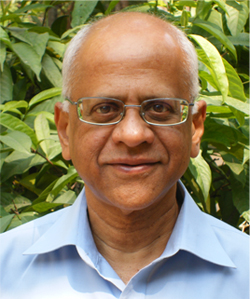 Gautam R. Desiraju合作论文数Solid State and Structural Chemistry Unit, Indian Institute of Science12
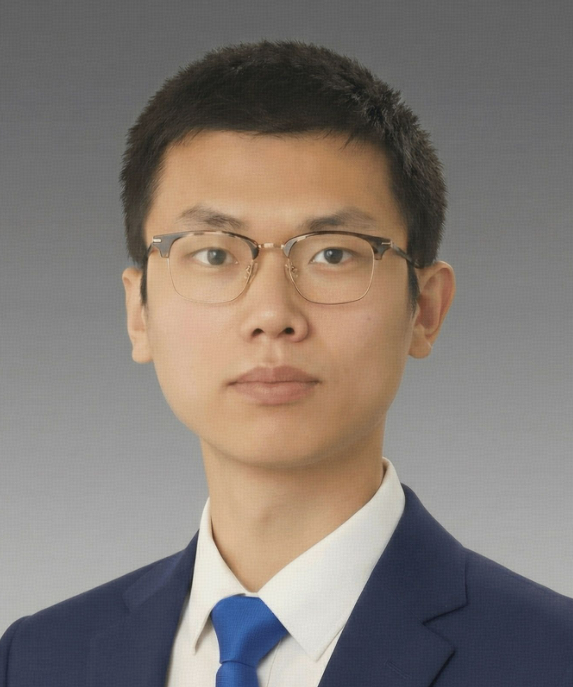 Hao Jiang (姜浩)合作论文数School of Sustainable Energy and Resources, Nanjing University9
 Ayalew H. Assen合作论文数9
 Zhijie Chen (陈志杰)合作论文数Department of Chemistry, Zhejiang University9
 Vincent Guillerm合作论文数Institut Lavoisier (UMR CNRS 8180), Université de Versailles Saint-Quentin-en-Yvelines9
 Mickaele Bonneau合作论文数8Alezi Dalal合作论文数Advanced Membranes and Porous Materials Center, King Abdullah University of Science and Technology (KAUST),8Solovyeva Vera A合作论文数Division of Physical Sciences and Engineering and KAUST Catalysis Center and ‡KAUST Advanced Nanofabrication Imaging and Characterization Core Laboratory, King Abdullah University of Science and Technology (KAUST)8
 Renjith S. Pillai合作论文数Discipline of Inorganic Materials and Catalysis, Central Salt and Marine Chemicals Research Institute (CSMCRI), G.B. Marg, Bhavnagar 364 002, India8
 Dongxu Xue (薛东旭)合作论文数School of Chemistry & Chemical Engineering, Shaanxi Normal University7
 Mallick Arijit合作论文数Physical/Materials Chemistry Division, National Chemical Laboratory7
 Aggarwal Himanshu合作论文数Department of Chemistry and Polymer Science, University of Stellenbosch7
 Niveen M. Khashab合作论文数Physical Science and Engineering Division, King Abdullah University of Science and Technology7
 Suyetin Mikhail合作论文数6
 Rahul Banerjee合作论文数Department of Chemical Sciences, Indian Institute of Science Education and Research Kolkata;PMAT Lab, Indian Institute of Science Education and Research Kolkata6
 Prakash T. Parvatkar合作论文数6
 Lukasz J. Weselinski合作论文数Department of Chemistry, University of Warsaw6
 Jiangtao Jia (贾江涛)合作论文数School of Chemistry, Northeast Normal University6Abdulhadi Alhaji合作论文数5
 Adrian Ramirez合作论文数King Abdullah Univ Sci & Technol, KAUST Catalysis Ctr KCC, Adv Catalyt Mat, Thuwal 23955, Saudi Arabia5
 Alimi, Lukman O.合作论文数Department of Chemistry and Polymer Science, Stellenbosch University5
 Smith Vincent J合作论文数5Georges Mouchaham合作论文数5
 Jorge Gascon合作论文数Physical Science and Engineering Division, King Abdullah University of Science and Technology;KAUST Catalysis Center, King Abdullah University of Science and Technology;ClimateCrete Inc.5Amy J. Cairns合作论文数Div Phys Sci & Engn, King Abdullah Univ Sci & Technol5
 Basem Abdelhamid Moosa合作论文数Advanced Membranes and Porous Materials Center, King Abdullah University of Science and Technology5Jiantang Li合作论文数4Aqil Jamal合作论文数Research and Development Center, Saudi Aramco4
 Sheng Zhou合作论文数Sch Chem & Chem Engn, South China Univ Technol4
 Semino Rocío合作论文数Facultad de Ciencias Exactas y Naturales, Universidad de Buenos Aires4
 Sharath Kandambeth合作论文数Faculty at School of Natural Sciences, Shiv Nadar Institution of Eminence Deemed to be University4
 Guy De Weireld合作论文数Faculté Warocqué d'Economie et de Gestion, Universite de Mons;Departement of Thermodynamics, School of Engineering, Universite de Mons4
 Shuvo Jit Datta合作论文数Center for Nano Materials, Sogang University4
 Khaled Nabil Salama合作论文数Computer, Electrical and Mathematical Science and Engineering Division, King Abdullah University of Science and Technology;Sensors Lab, King Abdullah University of Science and Technology4Aliyah Fakim合作论文数3
 Marina O. Barsukova合作论文数Advanced Membranes and Porous Materials Center (AMPM),, King Abdullah University of Science and Technology (KAUST),3
 Aleksandr Sapianik合作论文数Siberian Branch, Russian Acad Sci3
 Zhiyuan Huang合作论文数Hunan Hybrid Rice Res Ctr, State Key Lab Hybrid Rice, Changsha 410125, Hunan, Peoples R China3
 Avishek Dey合作论文数Sch Engn & Innovat, Open Univ3
 Shaikh Aslam C合作论文数3




